
This Massive South Carolina Tea Factory Is A Goldmine For Behind-The-Scenes Tours
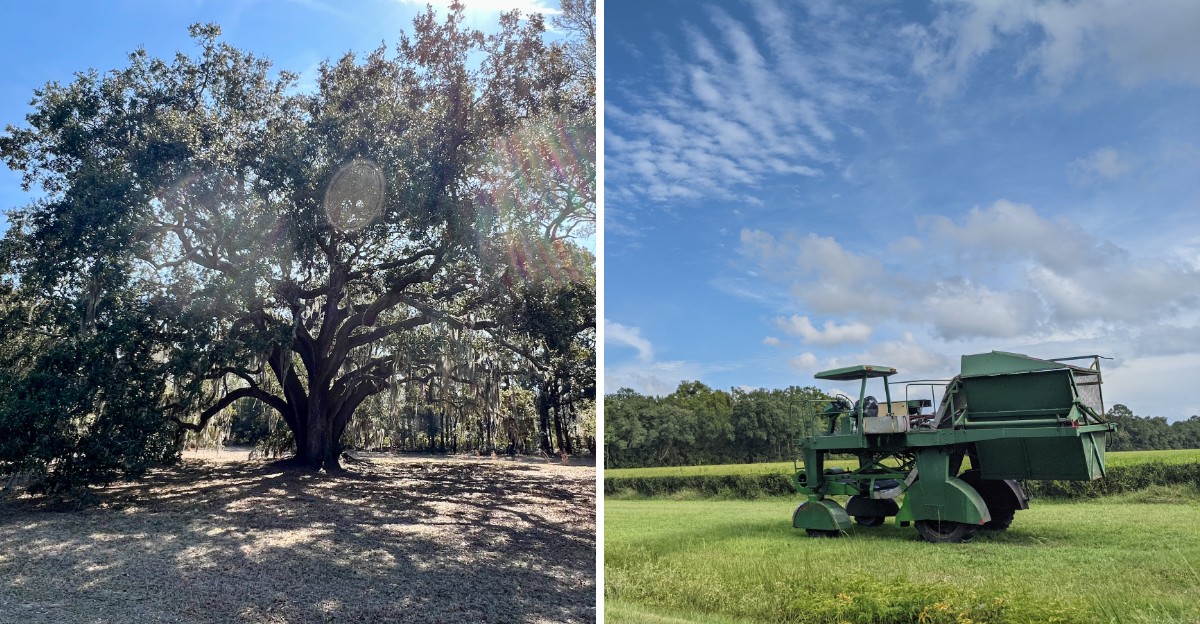
Every sip of tea poured here comes from bushes growing right outside the door. This is the only large-scale tea farm in North America, and the tea is 100% American-grown.
Hundreds of thousands of tea bushes cover 127 acres of sandy island soil. A glass-walled gallery lets you peek straight into the factory where the leaves become tea.
I like how nothing feels hidden here.
South Carolina has plenty of famous beaches and historic streets. Still, I can’t imagine a more surprising way to spend a Lowcountry morning than watching tea get made from scratch.
There’s a trolley through the fields and a greenhouse full of baby plants. A tea bar pours free samples, both hot and iced.
So how many cups would it take before you start calling yourself a tea expert?
You Are Standing On The Only Tea Farm Of Its Kind In America
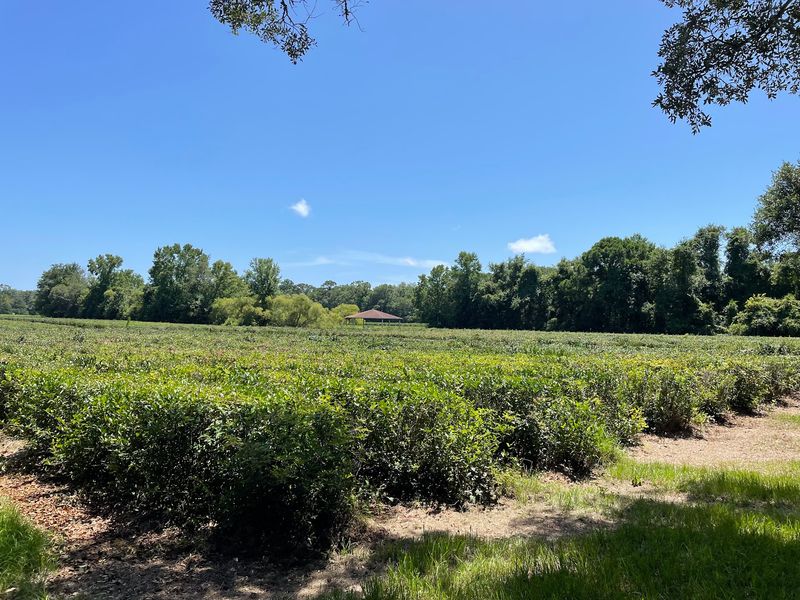
Most tea in your pantry traveled a very long way to reach you. At Charleston Tea Garden, the leaves grow, get processed, and land in your cup on the same property.
That makes this spot America’s only large-scale tea farm. It’s also known as the oldest tea garden in North America, which is quite a title to hold.
The farm sits on Wadmalaw Island in the South Carolina Lowcountry. The island is roughly 10 miles long and 6 miles wide.
The bridge over Church Creek connects Wadmalaw Island to neighboring Johns Island, rather than directly to the mainland. That peaceful approach helps set the mood for a visit to this quiet corner of the South Carolina Lowcountry.
Tea plants are picky about where they live. Here, they get sandy soil, a sub-tropical climate, and about 52 inches of rain each year.
Those conditions make the island a near-perfect home for the Camellia sinensis plant. Every cup of black or green tea starts with that one species.
So when you pull in, you are not visiting a display garden. You’re visiting a working farm that ships real tea across the country, and that’s a fun thing to brag about later.
The Free Factory Tour Puts You Right Above The Machines
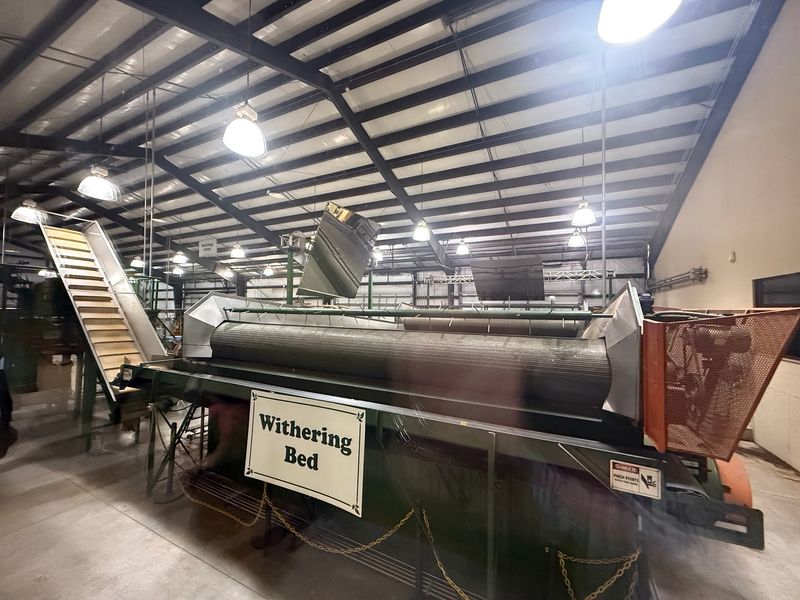
Free is a lovely word, especially when it comes with machines. The self-guided factory tour costs nothing, and it starts every 15 minutes at the top of the stairs in the gift shop.
Up there, a glassed-in gallery runs the full length of the production facility. It’s air-conditioned too, which matters a lot during a Lowcountry summer.
Below the windows, you can see the equipment that turns fresh leaves into finished tea. Three large TV screens walk you through each step of the process.
The videos explain how leaves are withered, processed, and dried. Suddenly the machines below make sense, and you start spotting each stage on your own.
Timing helps here. During harvest season, freshly cut leaves may already be working their way through the factory when you arrive.
That’s the real goldmine of this place. You aren’t just reading about tea production on a sign, you’re watching it happen in a real working plant.
Plan for a short stop rather than a long one. The tour moves at your own pace, so you can linger at any screen that sparks a question.
Hop On The Trolley And Let The Tea Fields Roll By
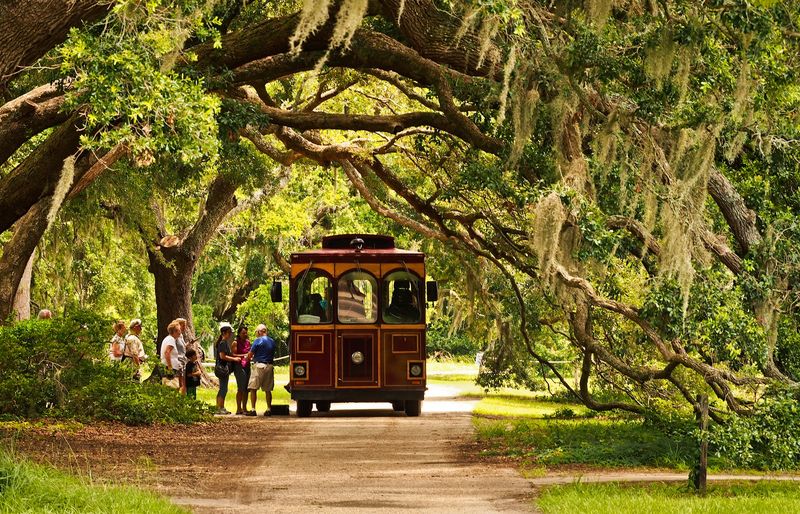
Walking 127 acres would wear anyone out. Thankfully, the trolley tour does the hard work while you sit back and soak in the green rows.
The guided ride lasts about 35 to 40 minutes. It’s a ticketed tour, and children 3 and under ride free when booked 24 hours ahead.
Along the way, you’ll learn how tea is grown, harvested, and processed. The ride also covers the history of how tea farming took root in South Carolina.
Then comes the greenhouse stop, which is a highlight. This is where new tea plants get started from cuttings instead of seeds.
The greenhouse uses some impressive technology. Automated watering, shade panels, and climate controls keep those tiny plants happy and growing.
Booking ahead is a smart move, especially on busy travel days. Tickets are sold for set departure times, so an early reservation gives you more choices.
Bring a camera and keep it handy. The rows of tea bushes look tidy enough to belong in a painting, and the oaks along the route add plenty of charm.
Your Cup Will Get Refilled More Times Than You Planned
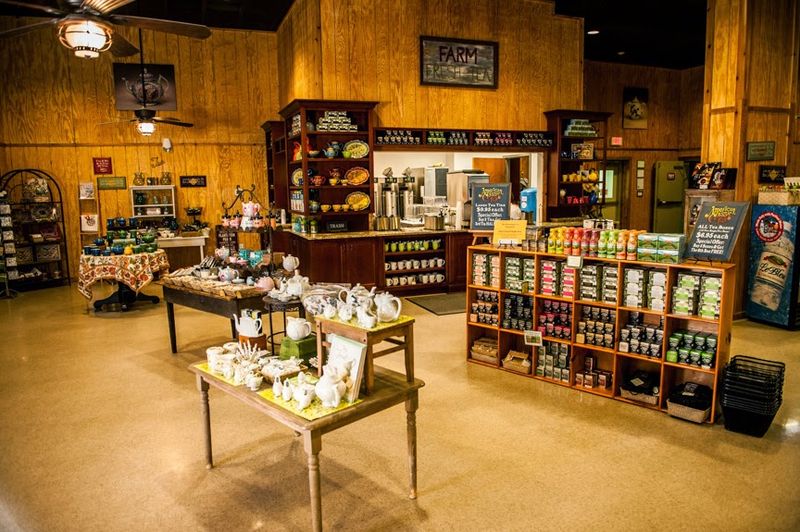
Plantation Peach, Rockville Raspberry, and Carolina Mint sound like characters in a Southern novel. They are actually flavors you can taste at the Tea Bar.
Complimentary samples are poured daily, both hot and iced. That means you can try several flavors before choosing a favorite to take home.
The lineup includes American Classic and Charleston Breakfast for fans of bold black tea. Earl Grey is here too, and it used to go by the name Governor Grey.
Green tea lovers get Island Green Tea and Island Green Tea with Mint. Cinnamon Spice rounds things out with a cozy, warm option.
Every one of these teas is 100% American-grown. They’re sold under the American Classic Tea and Charleston Tea Garden brands.
You can buy them as loose leaf or in pyramid bags. Those bags are 100% biodegradable, which is a nice bonus for the planet.
A smart plan is to sample first and shop second. Your taste buds will do the deciding, and you’ll skip the guesswork at the shelf.
Good Luck Leaving The Gift Shop Empty-Handed
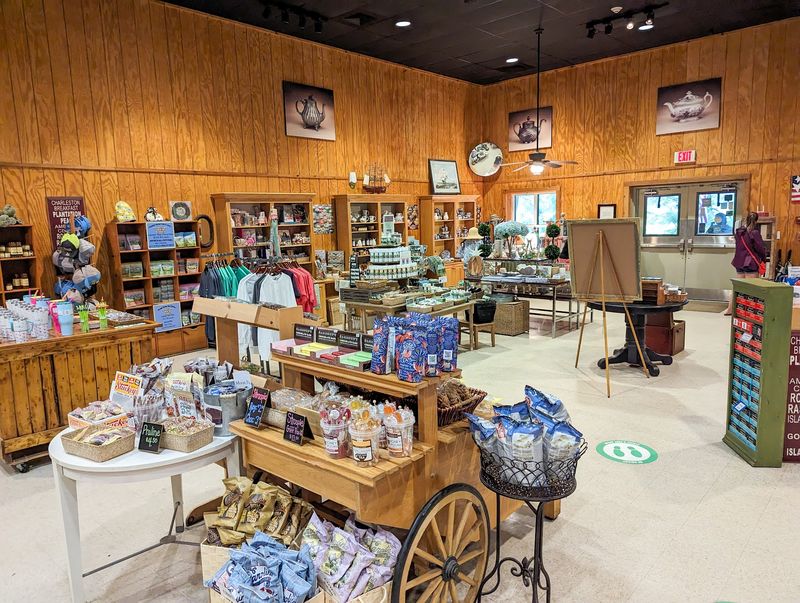
Over 65,000 people browse this gift shop every year. Once you see the shelves, that number makes complete sense.
The shop is spacious and packed with hundreds of tea-related items. You’ll find tea infusers, mugs, tea sets, and tea towels.
Serve ware and specialty teas fill other corners. Apparel is available as well, so you can wear your tea pride back home.
The gift shop is also the hub for everything else. Trolley tickets, the Tea Bar, and the stairs to the factory tour all connect here.
That setup is handy for planning your day. You can sample, shop, and start your tour without ever hunting for the next stop.
Think about who’s waiting back home before you browse. A box of American-grown tea makes a thoughtful gift that’s hard to find anywhere else.
Leave a little room in your suitcase too. Between the loose leaf tins and the cute mugs, your carry-on may need a pep talk before the flight home.
The Tea Bushes Here Have A Surprisingly Long Family Tree
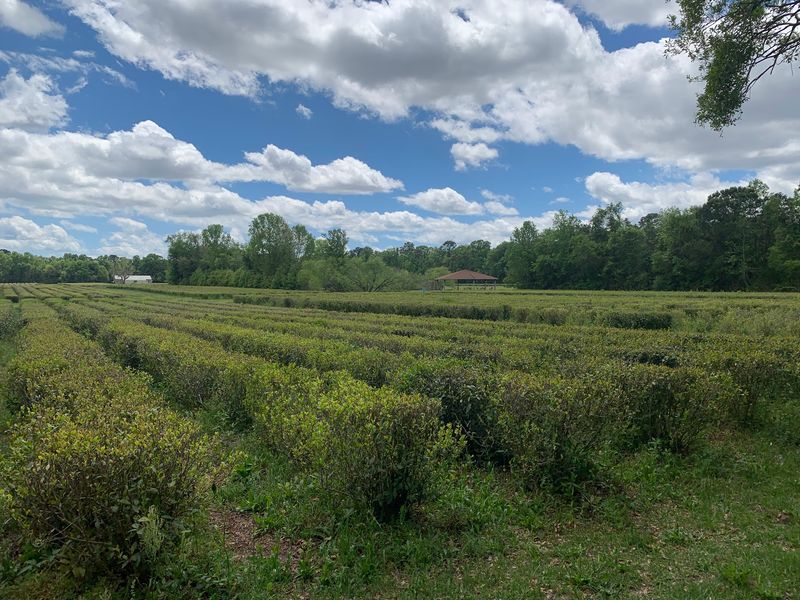
Tea plants first arrived in the United States from China in the late 1700s. Early growers in South Carolina tried their luck with them soon after.
In 1888, Dr. Charles Shepard started the Pinehurst Tea Plantation in Summerville. His tea won awards, and he grew it there until 1915.
Shepard’s plants had a second act. In 1963, a 127-acre potato farm on Wadmalaw Island was bought, and his tea plants moved there for research.
William Barclay Hall, a third-generation tea taster, purchased the land in 1987. He turned it into a commercial farm and created the American Classic Tea brand.
The Bigelow Tea Company bought the garden in 2003. That’s the same family-run tea company you may already know from grocery store shelves.
On June 9, 2020, the name officially became Charleston Tea Garden. The change honored the land’s farming roots and acknowledged the painful history tied to the word plantation.
So the bushes you see today carry a story stretching back well over a century. That’s a lot of history packed into one small leaf.
Pack A Lunch And Claim A Table Beneath The Oaks
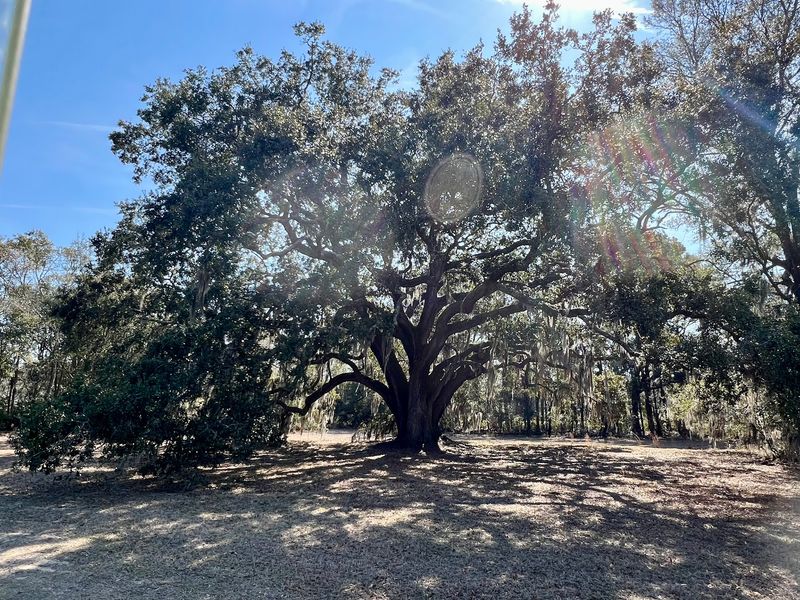
Century-old oak trees shade the picnic area here. On a warm Carolina afternoon, that shade feels like a gift from nature.
Picnic tables sit right beneath those big branches. Bringing your own lunch turns a quick visit into a relaxed half-day outing.
Bird watchers will want binoculars. The open fields and old trees make the grounds a pleasant spot for spotting feathered locals.
Got a four-legged travel buddy? Leashed pets are welcome on the outdoor grounds, which makes this a dog-friendly stop.
There’s one catch to remember, though. Only service animals can go inside the gift shop, the factory, or onto the trolley tour.
Plan your day around that rule if your pup is along for the ride. One person can stroll the grounds while another takes the factory tour.
Even without a tour ticket, the grounds are worth a wander. Rows of tea bushes and sprawling oaks make a calm backdrop for stretching your legs after the drive.
Timing Your Visit Makes A Big Difference
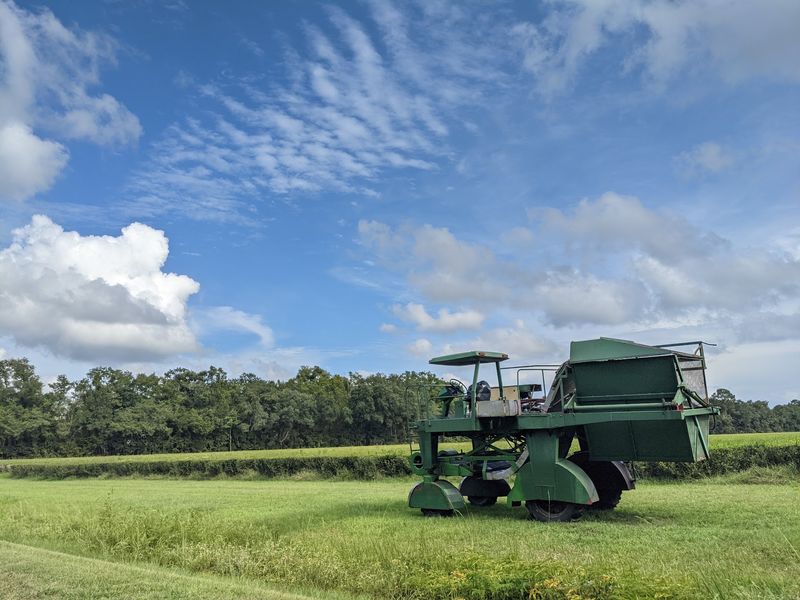
Harvest season typically begins in May and continues through late September or early October, depending on growing conditions. During this period, visitors have the best chance of seeing freshly harvested tea leaves moving through the factory.
Early fall brings a bonus. Tea plants usually bloom around late September or early October, adding small white flowers to the green rows.
Charleston Tea Garden opens seven days a week. Monday through Saturday, hours run from 10 AM to 4 PM, and Sunday hours run from noon to 4 PM.
A few holidays close the gates. Those include New Year’s Day, Easter Sunday, the Fourth of July, Thanksgiving, Christmas Eve, Christmas Day, and New Year’s Eve.
Since the day ends at 4 PM, an earlier arrival gives you more breathing room. You can fit the trolley, the factory, and the Tea Bar without rushing.
Check the calendar before you go if holiday travel is in your plans. A closed gate is the last thing anyone wants after a scenic drive.
If you can choose, aim for harvest months. Seeing the fields in action makes the whole visit feel more alive.
Getting There Takes A Little Planning, But It Pays Off
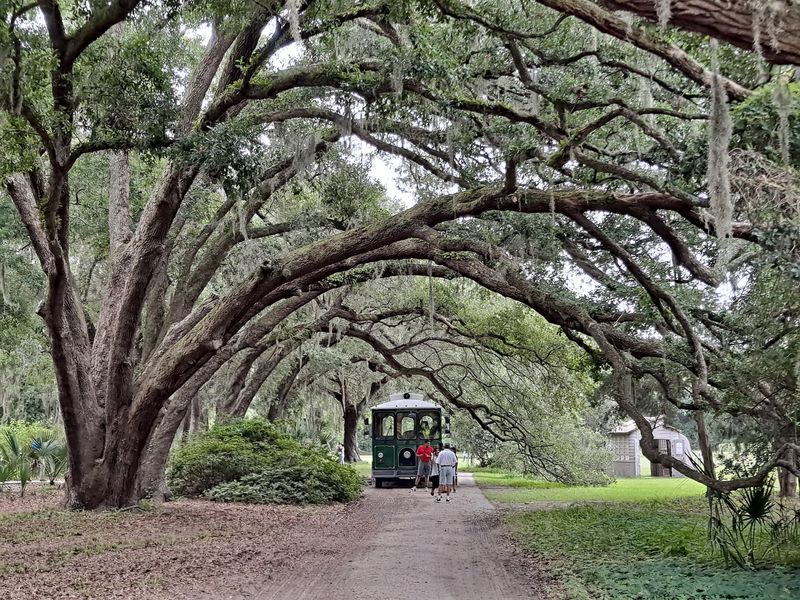
Plug 6617 Maybank Highway, Wadmalaw Island, SC 29487 into your map and enjoy the ride. The drive out takes you deep into quiet Lowcountry country.
Here’s a practical tip worth remembering. Rideshare apps can get you to the island, but finding a ride back can be tricky.
Driving yourself is the easiest option. If you don’t have a car, Snap!
Tours offers a Wadmalaw Adventure Tour that includes transportation.
That package takes the stress out of getting stranded. You can focus on tea instead of refreshing an app every few minutes.
While you’re out this way, the area has other interesting stops. The famous Angel Oak tree is one nearby South Carolina landmark worth adding to your route.
Pairing the tea farm with a nearby stop turns the trip into a full outing. The island setting makes the whole day feel like a mini escape from the city.
Charleston Tea Garden rewards anyone willing to make the drive. Come for the factory, stay for the samples, and leave with a story nobody back home will expect.