
Native Snakes Call This Enormous Maine Preserve Home So Watch Where You Step
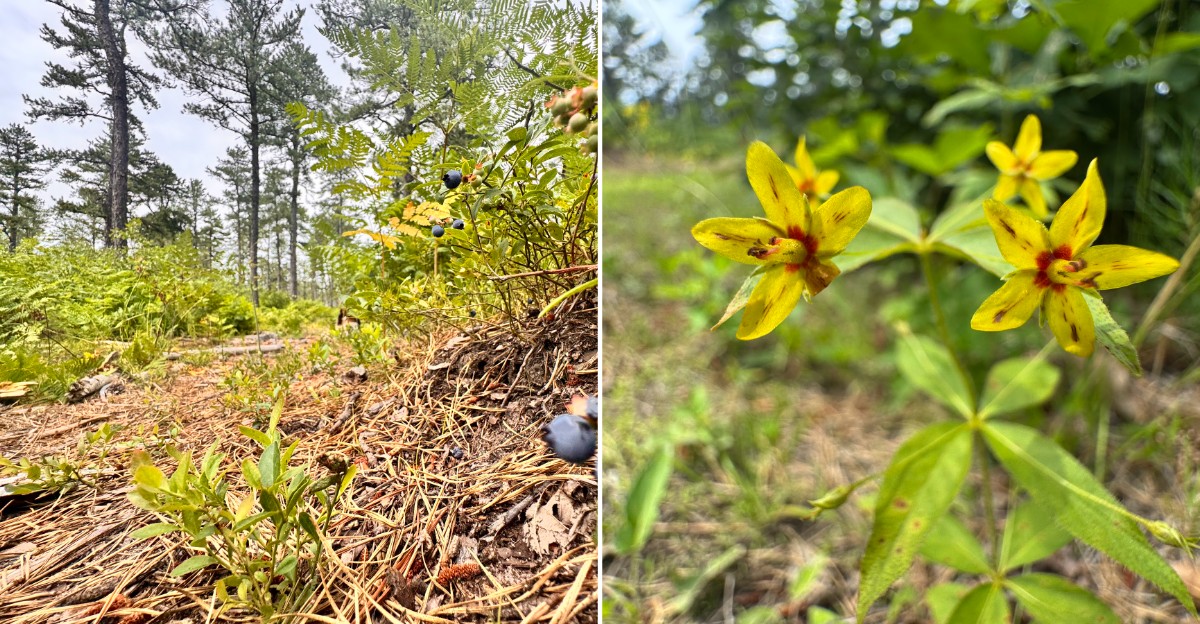
The sand under this forest can run up to 90 feet deep. That’s deeper than many houses are tall, and it shapes everything growing on top of it.
Pitch pines and scrub oak rule here, and they actually depend on fire to stay healthy. Rare moths flutter through, whip-poor-wills call at dusk, and a state-endangered snake slips through the brush.
I’ll admit, that last part made me look twice. The northern black racer is fast, shy, and harmless, and this corner of Maine is one of the places it still calls home.
So what’s it like to walk old sandy roads through a landscape most of New England lost long ago? I’d be curious to find out, and I’d keep one eye on the trail.
Meet The Shy Racer That Owns These Sandy Trails
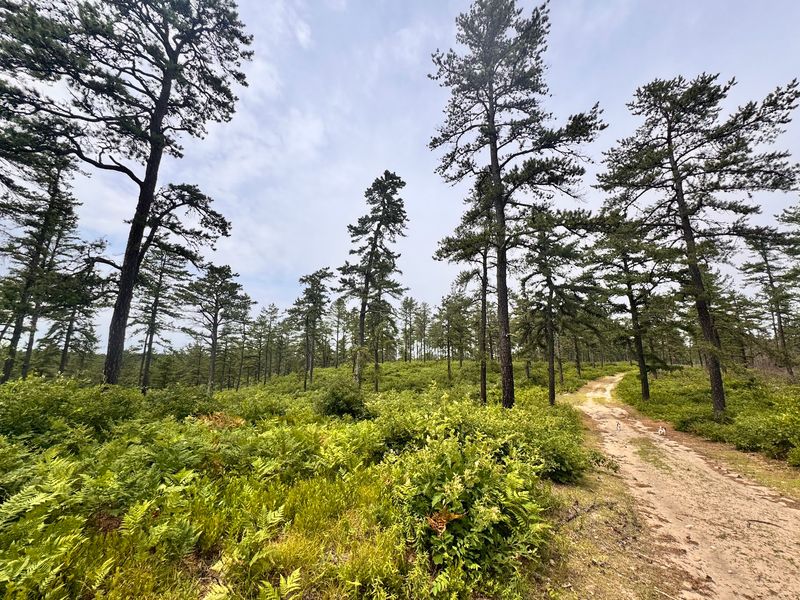
Waterboro Barrens Preserve is one of the few places where Maine’s state-endangered northern black racer still finds a home. That’s a big deal for a snake most people in the state never get to see.
The racer is long, slim, and shiny black. True to its name, it moves fast and usually bolts before you even notice it.
Ribbon snakes also live in this area. They’re slender and striped, and they like to hang around wetter spots near ponds and bogs.
Here’s some comforting news for nervous hikers. All nine of Maine’s native snake species are non-venomous, so nothing to worry about.
Snakes are most active from spring through early fall. Mild mornings and warm late afternoons are prime time for spotting one sunning itself.
So watch where you step, mostly for the snake’s sake. If you see one, give it plenty of room and enjoy the moment from a distance.
Grabbing or chasing wildlife isn’t allowed here anyway. Collecting animals is prohibited, and a quick photo makes a far better souvenir than a frightened reptile.
Fire Is The Secret Gardener Of This Strange Forest
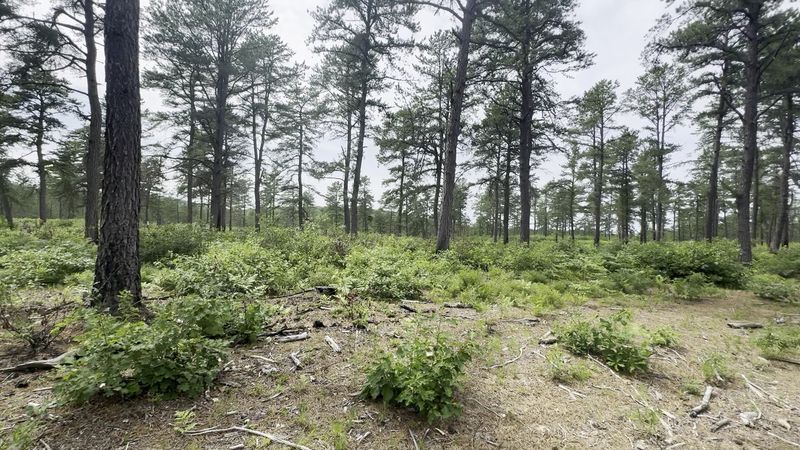
Most forests treat fire like a disaster. Pitch pine and scrub oak in this barrens actually need it to keep their community healthy.
The Nature Conservancy uses prescribed burns as a careful management tool. These planned fires trim back scrub oak and reduce flammable fuel on the ground.
Before burns returned, the area hadn’t seen a wildfire since 1947. That long quiet spell let fuel pile up, which isn’t great for a fire-adapted landscape.
Visitors may walk past freshly burned patches. Blackened bark and bare ground can look gloomy at first, but new growth tends to show up fast.
I think that cycle is pretty fascinating. It’s a reminder that some ecosystems don’t want to be left alone.
Those open, sunny patches also matter for wildlife. Snakes, moths, and ground-nesting birds all rely on this kind of habitat staying open.
Fires set by visitors are strictly off-limits, of course. Smoking is banned too, since the dry sandy ground and resin-rich pines make a risky combination.
Leave the burning to the trained crews. Your job is simply to admire what comes back afterward.
Nearly 2,500 Acres Means You Won’t Run Out Of Room
At 2,475 acres, Waterboro Barrens Preserve is roomy enough to make you feel far from everything. It spreads across parts of Waterboro and Shapleigh.
It’s considered Maine’s best example of a boreal pine barrens. That label means something here, since this type of landscape has become rare across the region.
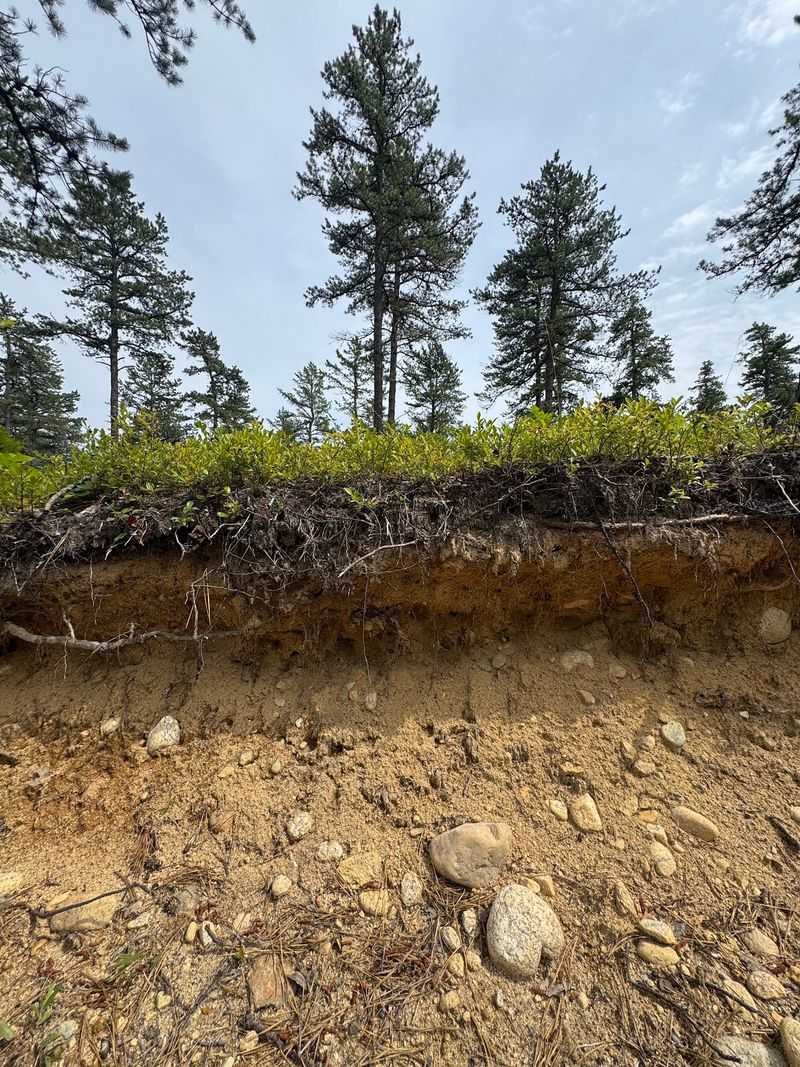
The soil tells the story. Sandy, nutrient-poor ground reaches up to 90 feet deep in places, so only tough plants thrive.
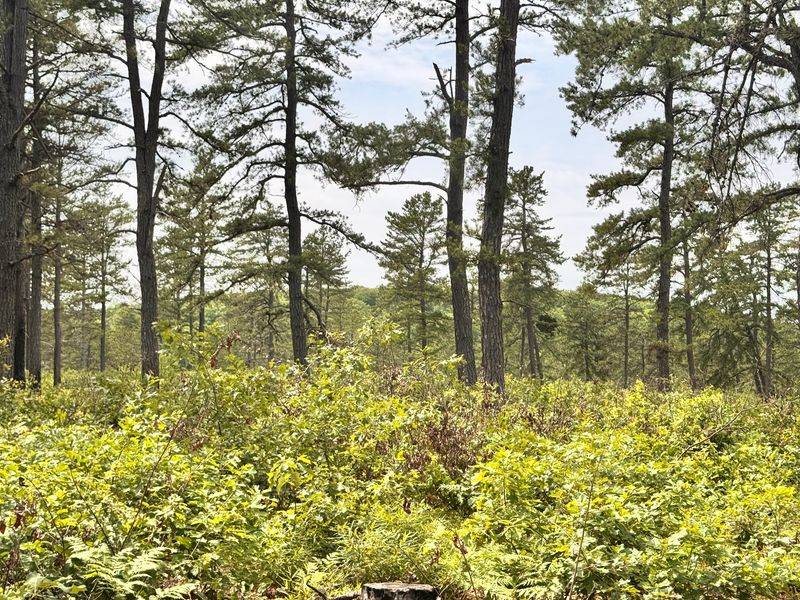
Pitch pine handles those conditions like a champ. Scrub oak fills in the lower layer, creating a scrubby, open look unlike a typical Maine woodland.
The scenery isn’t all one note, though. A leatherleaf bog, black spruce swamps, and a small gorge add surprising variety.
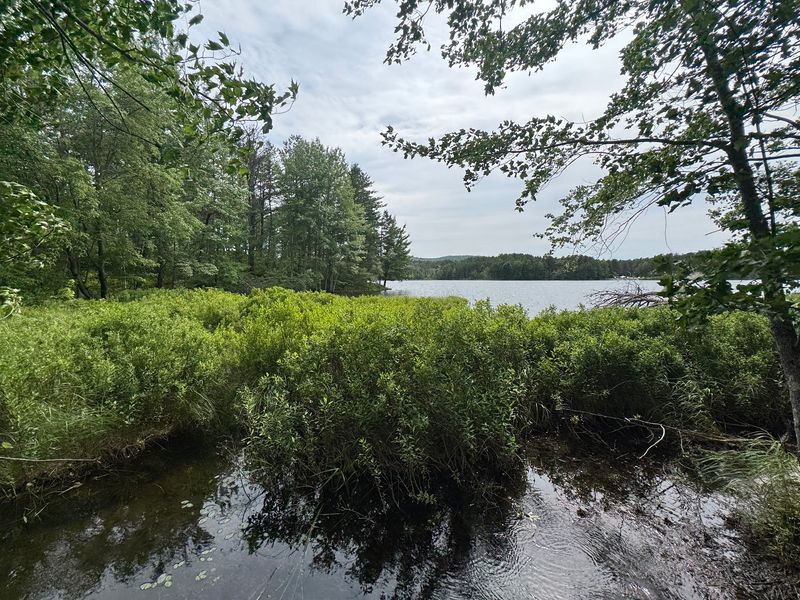
There’s also frontage along three ponds and the Little Ossipee River. Water in a dry, sandy forest feels like a bonus prize.
All that space creates a real sense of quiet. Large protected areas like this give wildlife room to roam without bumping into neighborhoods.
Bring a map and some curiosity. You’ll want both for a place this size.
Old Roads Turned Hiking Trails Make Exploring Easy
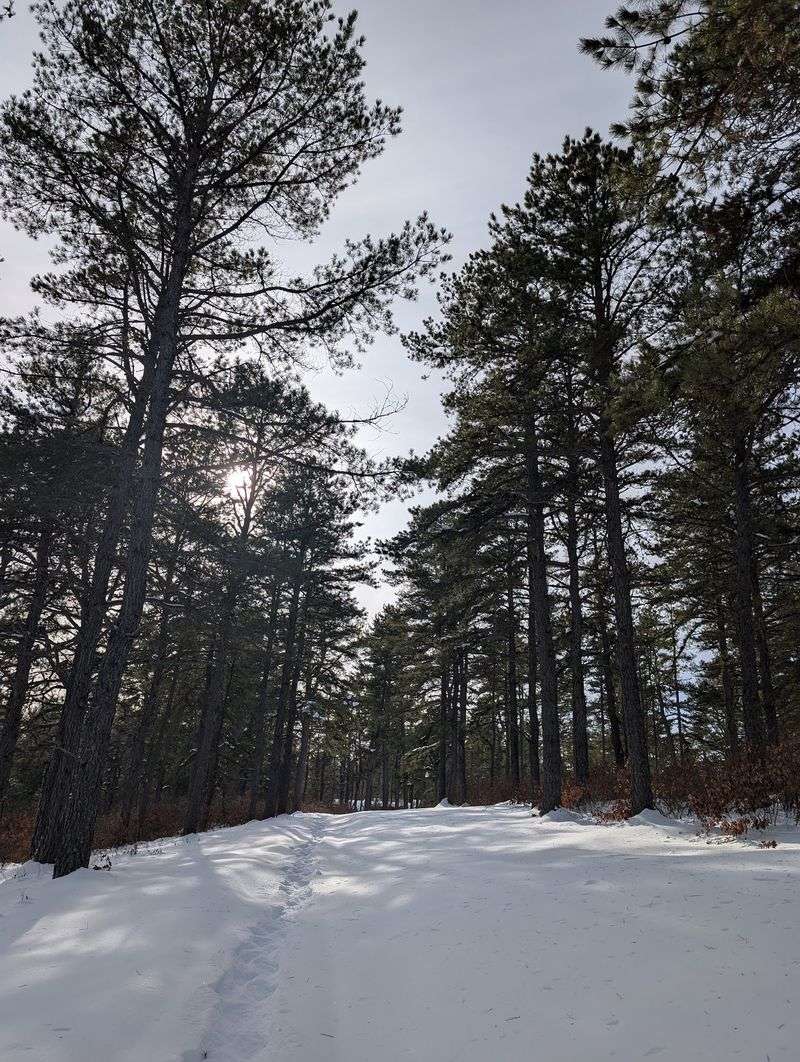
Old roads crisscross the preserve, and they’ve found a much better job. They now serve as trails for walkers and other non-motorized use.
Trail estimates vary depending on the source. Some list about 4.4 miles, while others count closer to 7 miles of routes.
Either way, there’s enough to fill a relaxed morning. Difficulty ranges from easy to moderately strenuous, so you can choose your effort level.
Intersections are marked, which helps a lot. In a forest of look-alike pines, those signs keep you from walking in circles.
Don’t assume it’s flat everywhere. Some stretches climb more steeply than you might expect from a sandy pine forest.
Sturdy shoes are a smart call. Loose sand can make even gentle slopes feel like extra leg day.
Strollers aren’t a great fit on these paths. Little ones may do better in a carrier or on their own two feet.
Pack water too, especially in summer. Open barrens can feel warm, and shade comes and goes as the trees thin out.
Hundreds Of Moths Turn This Place Into A Bug Lover’s Dream
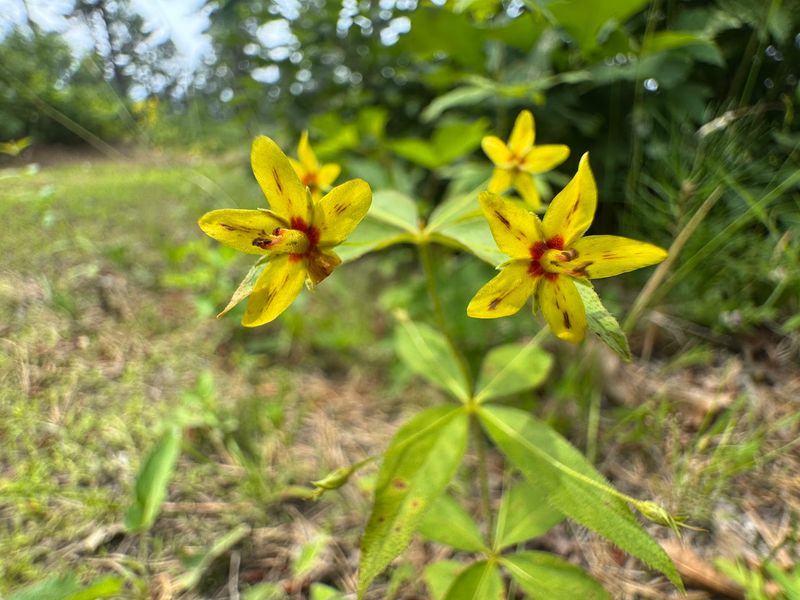
Researchers have documented 364 species of moths and butterflies here. That’s a jaw-dropping number for one patch of sandy forest.
The broader Waterboro and Shapleigh barrens region supports 19 state-rare species of moths, butterflies, and dragonflies. Few places in Maine can claim a lineup like that.
The star might be the pine barrens buckmoth. It’s tied closely to scrub oak, which is one more reason this unusual habitat matters so much.
Insects may not get the spotlight that bears or moose do. Still, they’re the engine behind this whole ecosystem, feeding birds, reptiles, and more.
Bring a little patience on your walk. Slow down near flowering plants or sunny openings, and you might catch some wings in action.
Leave the nets at home, though. Collecting plants and animals isn’t permitted, so photos are the way to go.
Kids especially might enjoy turning the hike into a bug hunt. Counting different butterflies is a fun challenge that doesn’t disturb anything.
Who knew moths could be the reason to visit? After learning that number, I’d be keeping my eyes on every flutter.
Listen Up At Dusk For Whip-Poor-Wills And Nighthawks
Whip-poor-will. Whip-poor-will.
That repeating call is one of the sounds this open landscape supports.
Whip-poor-wills and common nighthawks both nest on the ground. Open, sandy barrens give them the kind of space they need.
Both birds are masters of disguise. Their mottled feathers blend so well with leaf litter that you could walk right past one.
That’s another reason to stick to the trails. Wandering off-path in nesting season could disturb a bird you never even saw.
Evening is the best time to listen. Just remember the preserve is open from dawn to dusk, so plan to head out before dark.
Nighthawks are fun to watch overhead. They swoop and dart after insects, and with hundreds of moth species around, dinner isn’t hard to find.
Birdwatchers will find plenty to enjoy during daylight too. Binoculars are a handy addition to your daypack.
I love that this place rewards quiet visitors. Sometimes the best wildlife moment is simply a sound drifting through the pines.
Rare Turtles Give You One More Reason To Look Down
Snakes aren’t the only reptiles worth watching for. The broader Waterboro and Shapleigh barrens area also supports rare turtles.
Wood turtles and Blanding’s turtles both appear in this region. Blanding’s turtles are easy to love, with their bright yellow throats and permanent friendly expressions.
Turtles travel between wetlands and sandy uplands. That means you might find one crossing a trail far from water.
If you do, enjoy the view and keep moving. Picking it up or relocating it can do more harm than good.
The preserve’s ponds, bog, and swamps give these turtles important wet habitat. Meanwhile, the sandy ground nearby can work well for nesting.
Mixed habitat like this is exactly why the land matters. Lose one piece, and the whole puzzle gets harder for wildlife.
Slow, careful hiking pays off here. Scan the trail ahead instead of staring only at your phone.
Spotting a rare turtle in Maine would make my week. Honestly, it’s like finding a moving rock with a backstory.
A Housing Plan Lost Out To Pitch Pines
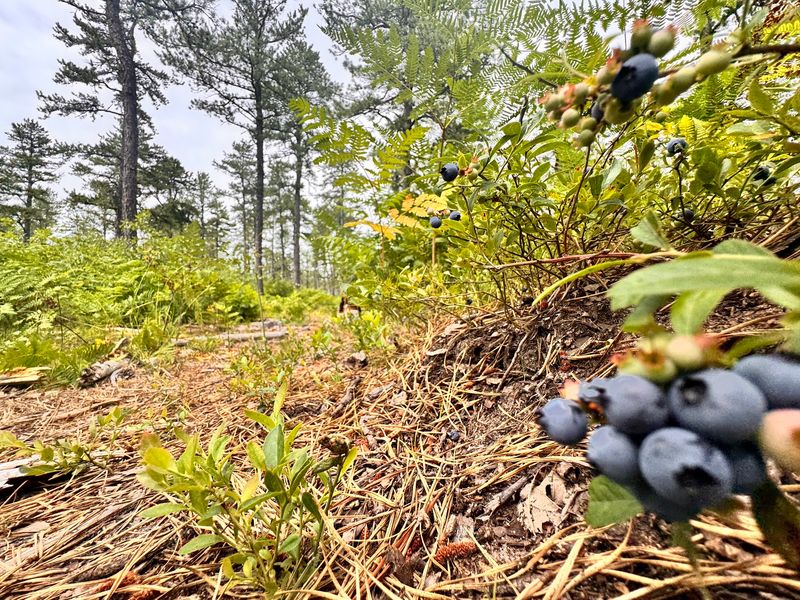
Things could have turned out very differently. In the early 1990s, a developer had plans for a large residential complex on this land.
The Nature Conservancy stepped in and bought the property. A fundraising effort started at 3.5 million dollars and eventually grew to 5 million.
That’s a lot of bake sales. Okay, probably not bake sales, but it took serious community support either way.
Since then, the Conservancy’s southern Maine team has cared for the preserve. As of 2019, that work had stretched on for nearly 30 years.
Management is hands-on here. Prescribed burns, trail upkeep, and habitat protection all take steady effort.
Some rules came with protection too. Pets aren’t allowed, and camping, fires, and collecting are prohibited to protect the sensitive ecosystem.
Motorized vehicles stay off these trails as well. That keeps things quieter for both hikers and the shy animals living here.
It’s nice to know a rare Maine landscape got a second chance. Every walk here is a small thank-you to the folks who saved it.
Plan Your Visit Before The Sun Starts Sinking
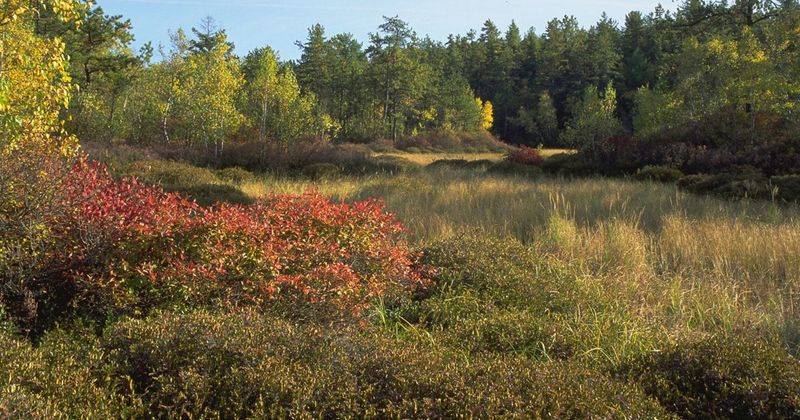
Getting there is refreshingly simple. Waterboro Barrens Preserve sits at J652+H2R, Waterboro, ME 04087, in southern Maine.
From Waterboro, take West Road about six miles north to Ross Corner. Turn right onto Newfield Road for one mile, then right onto Round Pond Road.
The parking area appears about 0.2 miles ahead on the left. Parking is free, which is always a nice surprise.
Hours run from dawn to dusk. Arriving early gives you cooler air and a better shot at active wildlife.
Dogs need to stay home for this one. Pets aren’t permitted, mainly to protect nesting birds and other sensitive species.
Winter visits are possible too. A snowy walk through pitch pines sounds pretty peaceful, though snakes will be tucked away by then.
Pack water, bug spray, and sunscreen in warmer months. Open barrens don’t offer constant shade.
Most of all, bring patience and sharp eyes. With racers, rare moths, and hidden birds around, every step could turn into a story worth telling.