
This Maine College Ranks No. 1 Among Small Schools And Offers More Than You Might Expect
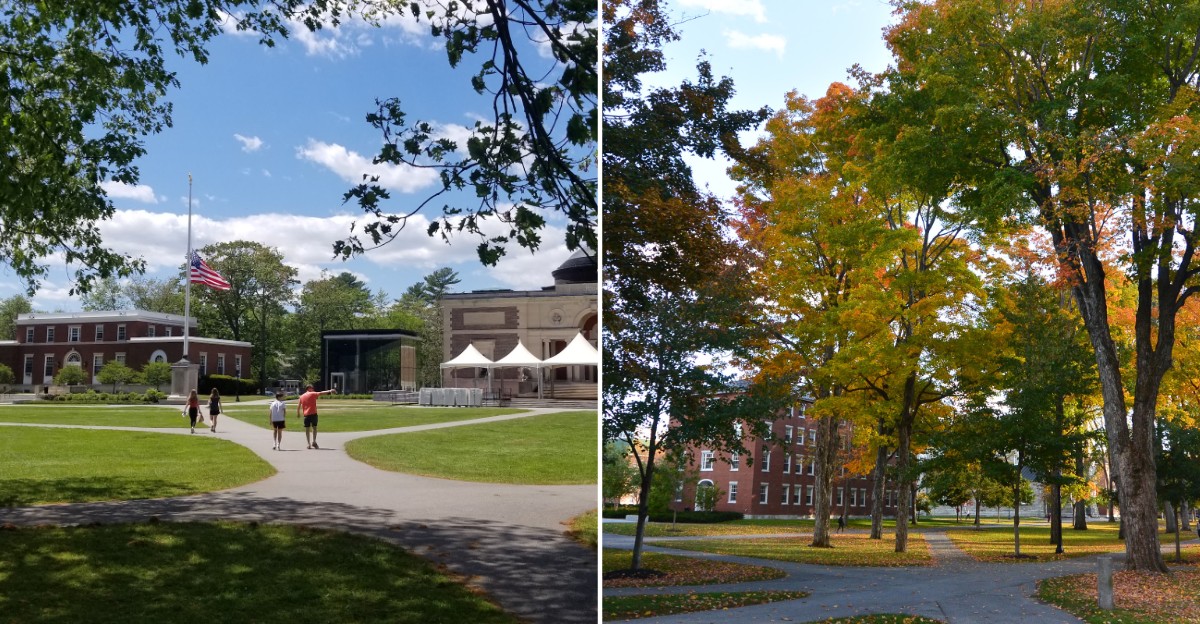
The Princeton Review gave this school’s dorms its No. 1 spot in the whole country. Its campus food landed at No. 2 on the same kind of list. I’ll admit, that already earns points in my book.
The kitchen runs its own butcher shop for local, grass-fed beef. Vegetables come from an organic garden right on campus.
Students sometimes even see their own recipes show up on the menu. Then there are the two museums, and both are free. One holds sledges from a famous trip to the North Pole. The other ranks among the oldest college art collections in America.
All of this sits in a small Maine town where the school’s friendly greeting has become a tradition. I’d be curious to find out how one small campus fits so much in.
Ready to see what else it’s hiding?
Small Size, Big Rankings
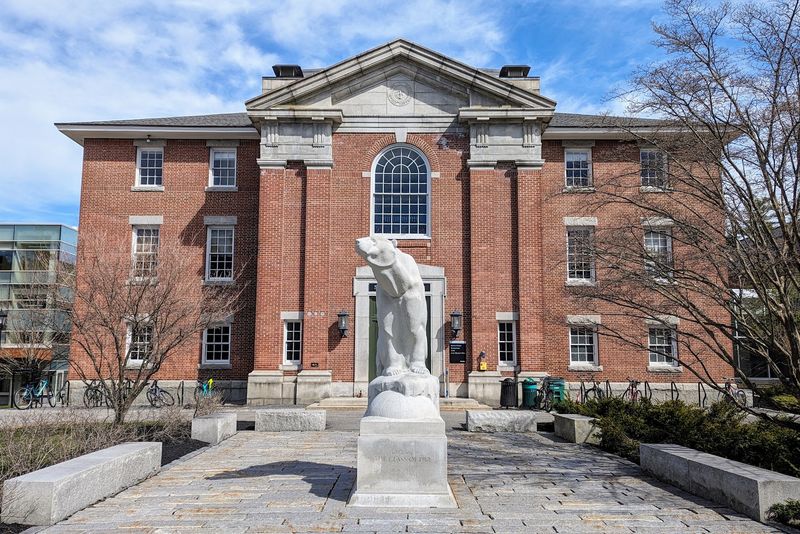
Bowdoin College keeps showing up near the very top of national lists. For 2027, U.S.
News and World Report ranked it No. 3 among National Liberal Arts Colleges.
That’s a tie with four other schools, but it’s also a jump from No. 5 the year before. Climbing two spots at that level is no small trick.
The rankings don’t stop there. The school also appears on lists for best value and strong undergraduate teaching.
So what makes it work? A big part is the 9 to 1 student-faculty ratio, which keeps classes small and personal.
Hiding in the back row gets a lot harder with numbers like that. Your professor will likely know your name, and probably your favorite excuse too.
Students can choose from more than 40 majors. Standout areas include Government and Legal Studies, and Environmental Studies.
First-year students take a writing seminar to sharpen their skills early. They also explore five areas, from natural sciences to visual and performing arts.
The goal comes from the 1906 Offer of the College. It encourages broad learning and a real commitment to the common good, which sounds like a pretty solid plan to me.
You May Start Planning Your Day Around The Dining Hall
Most college food gets jokes, not awards. Bowdoin College Dining keeps earning praise from The Princeton Review instead, including a No. 2 spot for Best Campus Food.
Meals are made from scratch by a team of culinary professionals. That means no mystery trays sliding out of a freezer.
The kitchen leans hard into fresh, local, and seasonal ingredients. An in-house butcher shop handles local, grass-fed beef.
Produce comes from the Bowdoin Organic Garden and nearby farms. That’s a pretty short trip from soil to plate.
Students have several places to grab a meal. Options include Thorne Dining Hall, Moulton Union Dining Hall, Jack Magee’s Grill, The Café, and Bowdoin Express.
Special diets get real attention here. The menus include vegan, vegetarian, nut-free, and gluten-free choices.
Weekend brunch is a big social event on campus. Good food and good company make a strong team.
My favorite detail? Student-submitted recipes sometimes join the menu rotation.
Imagine sending in your family’s favorite dish and seeing it served to the whole campus. That’s one way to become famous without trying very hard.
The Dorms Took The Top Prize
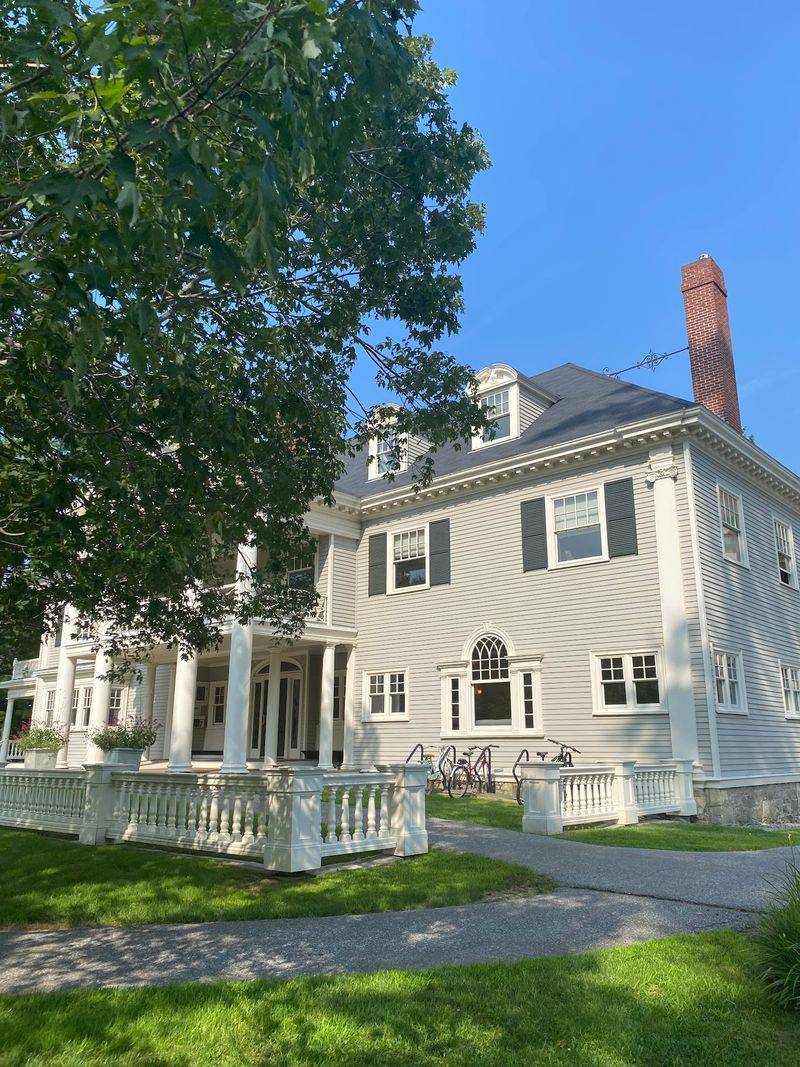
No. 1 in the nation for Best College Dorms. That’s the honor The Princeton Review handed to this Maine campus, and it’s a big deal.
Dorm life can make or break a college experience. Here, it seems built to make it.
A key piece is the College House system, which started in 1998. There are eight College Houses, and students often call them the campus living rooms.
These houses do a lot more than hold furniture. They host special meals, study breaks, and events open to the whole campus.
They also help students build leadership skills. Running events and planning activities is great practice for real life.
Notice something missing? Bowdoin doesn’t have Greek fraternities or sororities.
Instead, more than 120 student organizations and clubs keep campus life busy. There’s a good chance your odd hobby already has a club.
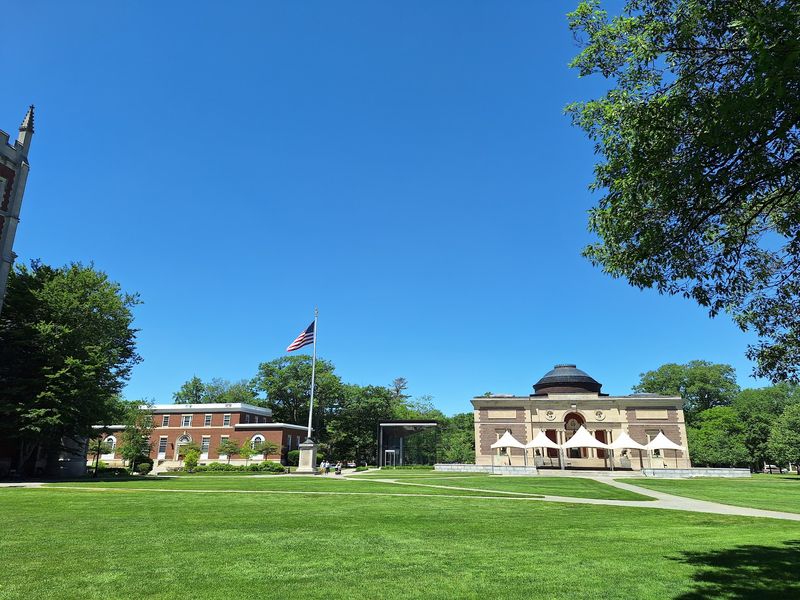
The Main Quad adds even more space to hang out. It now has outdoor tables and chairs for studying, chatting, and eating.
A pretty lawn that’s also useful is a smart combo. I can see the appeal of finishing homework under those tall pines.
Picasso And Warhol Are Waiting, And Nobody Charges A Ticket
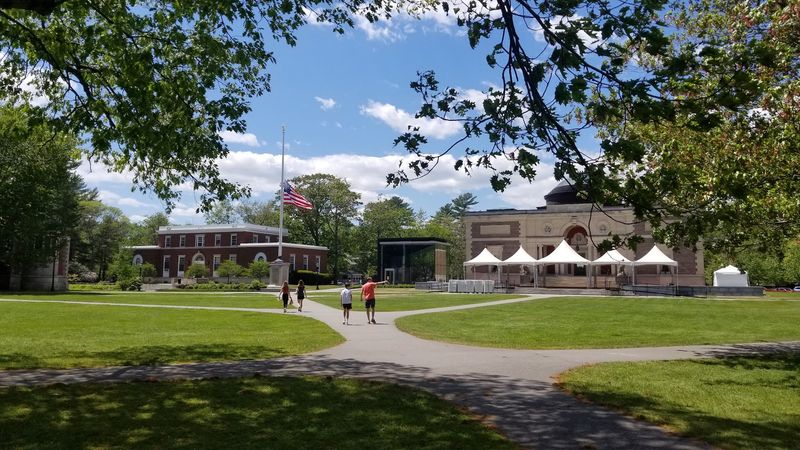
Free art from Old Masters to Andy Warhol sounds almost too good. The Bowdoin College Museum of Art makes it real, and admission costs nothing.
This collection is old by American standards. It began in 1811 with a bequest from James Bowdoin III.
That makes it one of the oldest college art collections in the United States. Plenty of famous museums are younger than that.
The building itself is a showpiece too. It sits in the neo-Renaissance Walker Art Building, which was built in 1894.
Inside, the collection holds more than 20,000 items. You’ll find paintings, sculptures, and archaeological artifacts.
The range is huge. Works stretch from Old Masters to modern names like Picasso and Warhol.
A large antiquities section adds even more history. Ancient objects sharing space with pop art is a fun kind of time travel.
Students get extra perks too. The museum takes part in Student Nights at the Museum every semester.
For visitors, the free entry is the best news. I wouldn’t mind seeing that collection for myself, especially when the only cost is a little time.
Real North Pole Sledges Live In This Arctic Museum
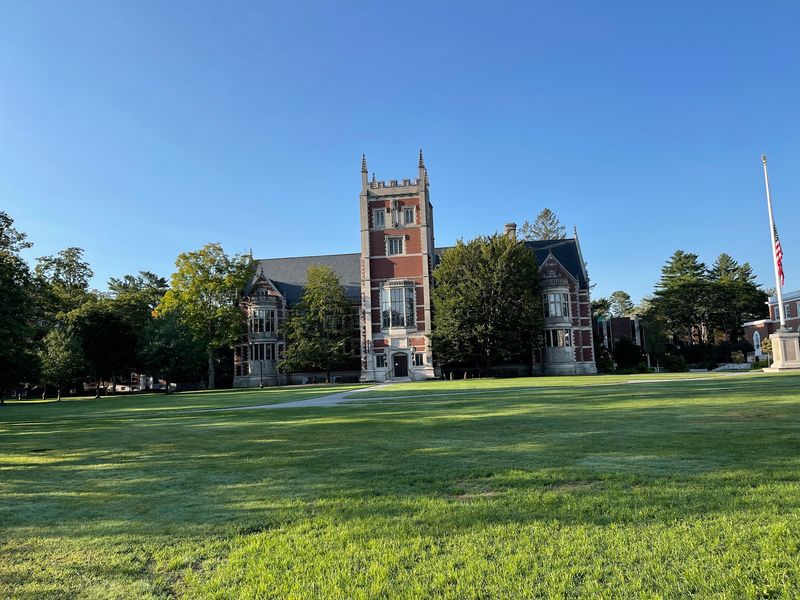
Sledges from a 1908-09 trip to the North Pole sit right here on campus. They belong to the Peary-MacMillan Arctic Museum, the second free museum at Bowdoin College.
The museum focuses on Arctic exploration and research. Its objects come from expeditions led by Robert E.
Peary and Donald B. MacMillan.
Peary’s sledges are a big draw. Those wooden runners carried gear across some of the coldest ground on Earth.
MacMillan’s cameras tell another story. He used them during trips in the 1920s, 30s, and 40s.
Think about how tough photography was back then. Now add freezing wind and ice, and those pictures seem even more impressive.
The museum also holds anthropological collections. They come from Greenland, Labrador, and Baffin Island.
That adds the perspective of people who have lived in the Arctic far longer than any explorer. It’s a much fuller picture than one heroic trip.
History fans can go deeper at the Hawthorne-Longfellow Library. Its special collections include the papers of Donald B. and Miriam MacMillan.
Arctic Studies is also a major academic strength here. Clearly, this campus takes cold weather seriously.
More Than 150 Outdoor Trips A Year Make Maine The Classroom
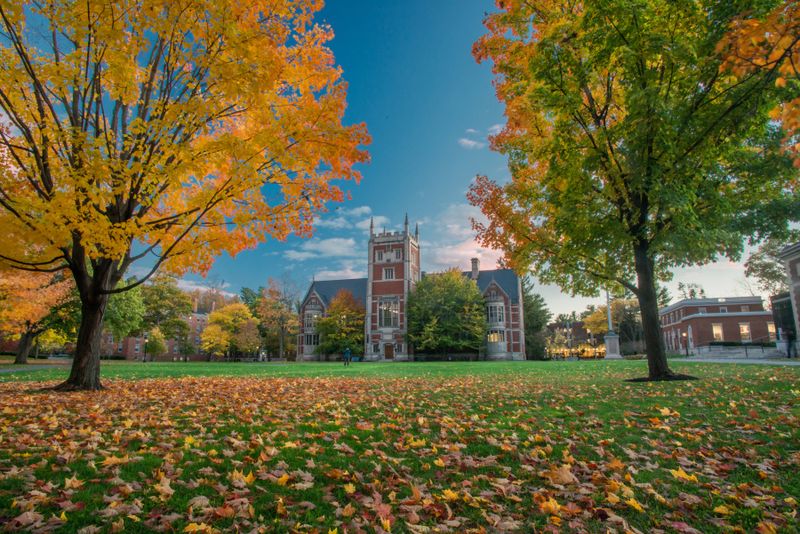
Over 150 outdoor events happen every year through the Bowdoin Outing Club. That’s roughly one adventure every couple of days.
The club makes the most of Maine’s natural beauty. Forests, mountains, and rocky coastline are all fair game.
Planning those trips takes serious gear. The Schwartz Outdoor Leadership Center helps with dedicated trip lockers and a map room.
It also has a commercial kitchen for trip prep. Nobody wants to discover halfway up a mountain that the snacks stayed home.
The center’s large common space features a fieldstone fireplace. After a long, chilly hike, that sounds like the best seat on campus.
Science lovers have their own outdoor spot too. The Schiller Coastal Studies Center sits on Orr’s Island.
This 118-acre center supports environmental and marine research. Students can study the ocean right where it meets the land.
Environmental Studies ranks as one of the college’s academic strengths. Having a coastal lab like that surely helps.
My advice for any future student is simple. Sign up for a trip early, because skipping the outdoor club is a regret some graduates mention later.
Say Hello, Eat Lobster, And Have Dinner With Six Strangers
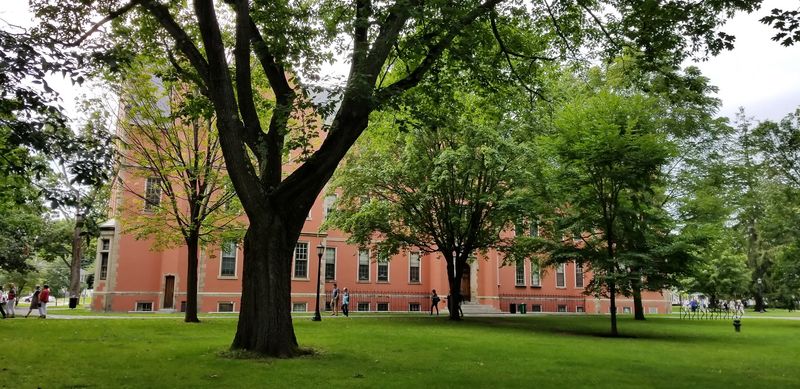
Hello is practically a campus sport here. The Bowdoin Hello is a tradition of friendly greetings among students, faculty, and staff.
It has roots in old fraternity practices. These days, it simply helps everyone feel a little more welcome.
No wonder the school is often called the friendliest of the elite colleges. That’s a nice reputation to have.
Then comes Dinner with Six Strangers. This program brings together students, faculty, and staff from different backgrounds over a shared meal.
The idea worked so well that alumni groups across the country picked it up. Strangers become friends pretty fast when food is involved.
Speaking of food, the annual Lobster Bake is a fan favorite. It welcomes new and returning students with a true Maine lobster feast.
Spring brings Ivies, also called Ivy Day. It began in 1865 when the junior class planted ivy and celebrated with poetry.
Today it’s grown into a full weekend of fun. A spring concert usually happens in early April.
Even before arriving, first-years get Summer Send-Offs. Bowdoin families nationwide host these gatherings to welcome incoming students and their parents.
Two Famous Poets And A President Walked These Same Paths
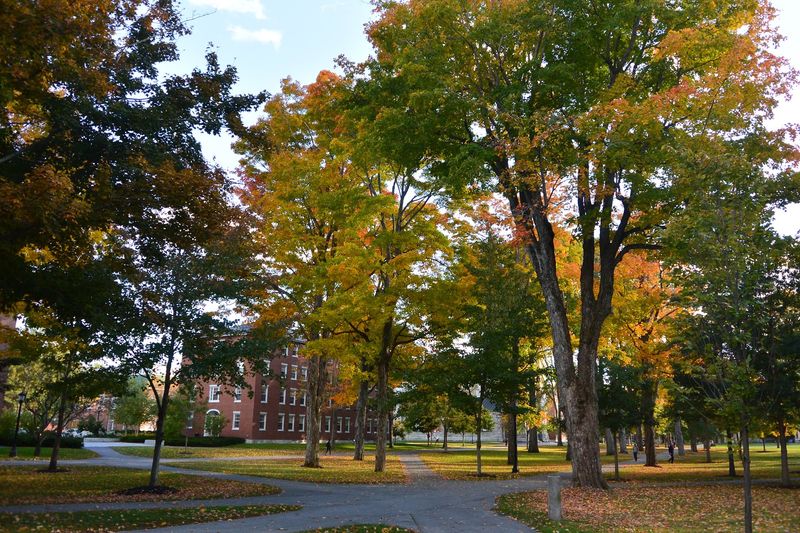
Nathaniel Hawthorne and Henry Wadsworth Longfellow were classmates. Both graduated from Bowdoin College in 1825, which makes for one impressive yearbook.
Just one year earlier, Franklin Pierce finished in the Class of 1824. He later became the 14th President of the United States.
The school’s story goes back even further. It was chartered in 1794, before Maine was even its own state.
Classes began in 1802. The college took its name from James Bowdoin, a well-known statesman.
John Brown Russwurm made history here in 1826. He was Bowdoin’s first African American graduate and the third African American to earn a U.S. college degree.
Other notable alumni include William Pitt Fessenden and Oliver Otis Howard. Thomas Brackett Reed and John A.
Andrew are on the list too.
A popular saying links the town to Civil War history. It claims the war began and ended in Brunswick, Maine.
The college opened its doors to women in 1969-1970. The first group had 12 students, and the first fully co-educational class came in 1972.
That’s a lot of history for one small campus. It still feels very much alive.
Plan A Campus Stroll And Let Downtown Do The Rest
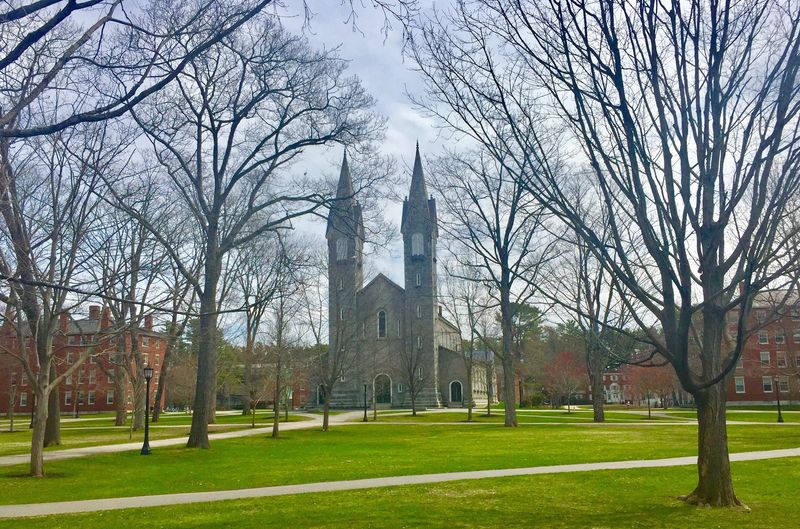
Getting there is easy enough. Bowdoin College sits at 255 Maine St, Brunswick, ME 04011, and the town is within walking distance.
That setup is handy for visitors and students alike. You can explore campus and then wander into town without moving the car.
A good first stop is the David Saul Smith Union. It’s the hub of student activity on campus.
Inside, you’ll find a large central lounge and the college bookstore. There’s also a café, a convenience store, Jack Magee’s Grill, and a game room.
Science fans should look for Druckenmiller Hall. This 106,000-square-foot building holds the specialized laser scanning confocal microscope in Maine.
A skybridge connects it to the Hatch Science Library. Walking between buildings without a coat in winter?
Smart thinking.
Kanbar Hall adds outdoor patios for learning in fresh air. The Peter Buck Center for Health and Fitness is LEED Silver certified.
Music lovers can check out Studzinski Recital Hall and Kanbar Auditorium. An expanded outdoor performance area was added in 2021.
Pair the free museums with a stroll under the pines. That’s an afternoon well spent in my book.