
This Washington Beach Lets You Dig For Agates And Petrified Wood You Get To Keep
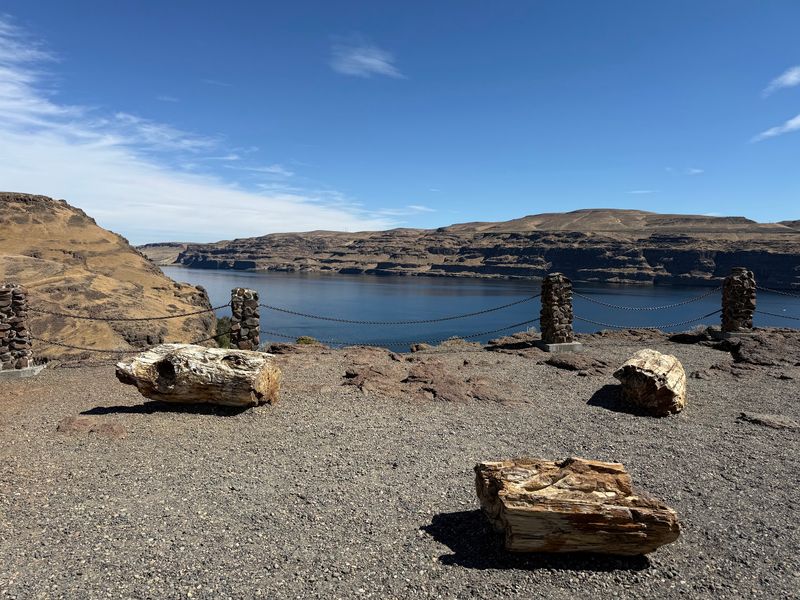
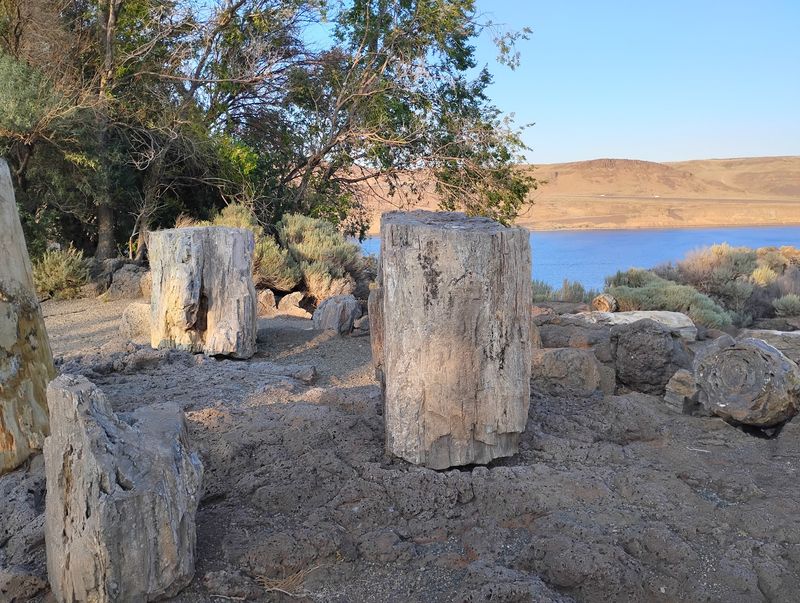
Fifteen million years ago, trees turned to stone beside a river that still rolls past today. You can climb on the wood outside the visitor center.
Yes, really.
The trees are stone, but the bark texture still shows on some pieces. Down a short path sit ancient petroglyphs.
Out on the ridge, bighorn sheep sometimes graze while the wind does its best to steal your hat.
I like how this stop sits right off a busy Washington highway. Thousands of drivers blur past it every day without a clue.
I can’t imagine a better excuse to stretch your legs than touching a fossil tree.
Then there’s the take-home part. A rock shop with dinosaurs out front waits down the road, and a sandy beach sits a few miles away.
So which comes first, the fossils or the beach?
A Stone Forest Right Off I-90 In Vantage
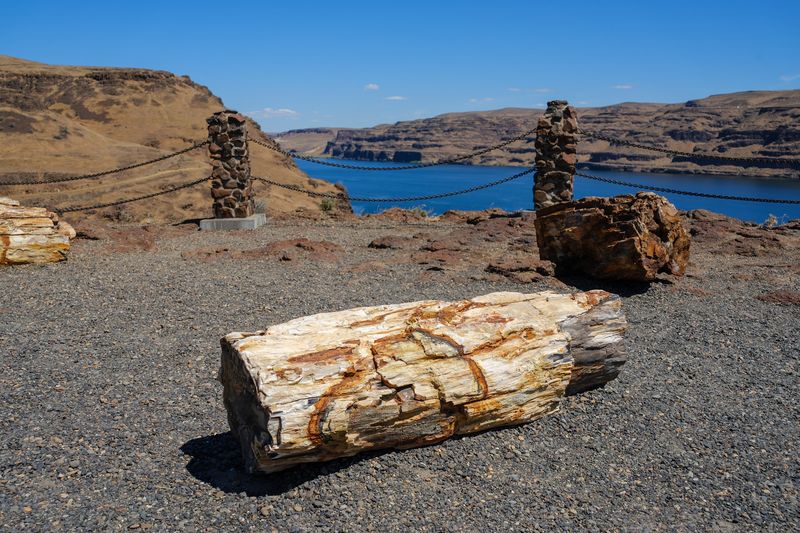
Ginkgo Petrified Forest State Park sits beside Interstate 90 in Vantage, Washington, perched above the Columbia River. Drivers crossing the state between Seattle and Spokane pass right by it.
The park protects petrified wood, ancient trees that slowly turned to stone over millions of years. Specimens here date back more than 15 million years, which makes your car look extremely new.
The setup is simple and friendly. A small interpretive center holds displays, a video, and polished wood samples from many tree types.
Outside, short paved trails lead to overlooks with wide river and canyon views. Another path heads to a collection of petroglyphs, carved images that add a human chapter to the story.
Now, about that title. Collecting the park’s own fossils isn’t the deal, since they’re protected for everyone.
The keep-it-forever part happens at a rock shop down the road, where petrified wood, agates, and geodes are for sale.
Add a riverside recreation area with a sandy beach a few miles away. Suddenly a quick bathroom break becomes a whole afternoon.
Trees That Swapped Wood For Rock
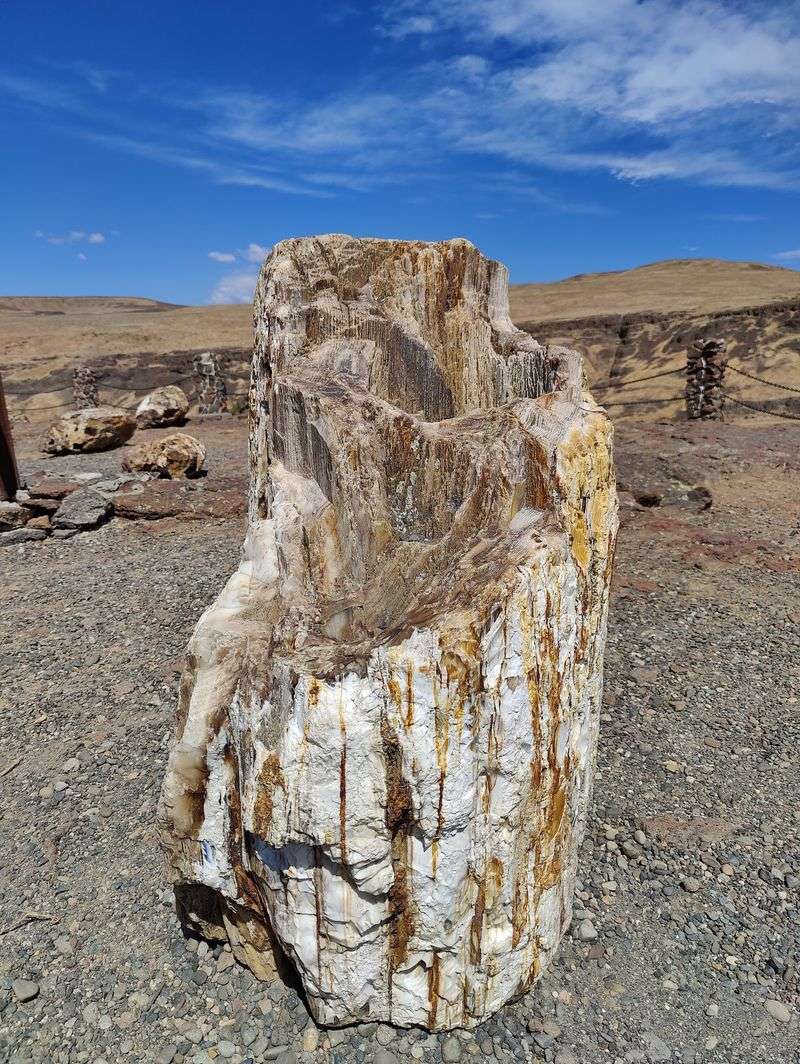
Petrified wood sounds like a tree that saw a ghost. The real story is slower and much cooler.
Long ago, trees in this region were buried in ways that kept them from rotting away. Over enormous stretches of time, minerals replaced the wood, preserving shapes and even grain.
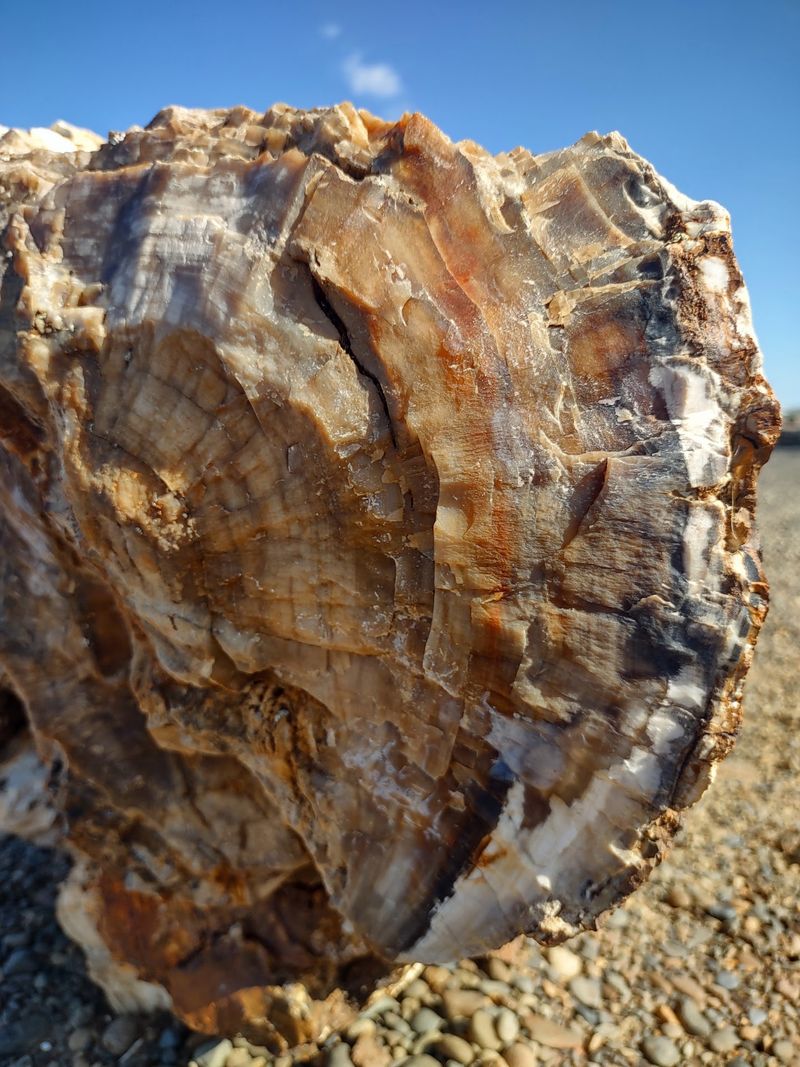
The result is rock that still looks like a log. Some pieces at the park keep their bark patterns, which feels almost unfair to geology.
Displays in the interpretive center walk you through these geologic processes. Larger exhibits help connect the dots between the river, the cliffs, and the stone trees.
Ginkgo trees give the park its name, and petrified ginkgo is part of the collection. Many other species turn up too, shown in cross-section cuts that reveal rings and color.
I believe that’s the hook for kids and grown-ups alike. You’re looking at a tree ring that formed millions of years ago, and it’s sitting right there.
Bring curious questions. The staff in the visitor center are known for being welcoming and knowledgeable, so ask away.
The Small Museum With Big Samples
Small but mighty fits this interpretive center perfectly. It won’t take all day, yet it packs plenty into a modest space.
Inside, polished slices of petrified wood show off reds, golds, and smoky browns. Unique cuts from different tree types sit side by side, so you can compare grain and color.
A video adds background on the ancient landscape. It’s a handy primer before you head outside to see the trees in the ground.
Explanatory displays cover the bigger forces at work in this part of Washington. The story behind everything is genuinely fascinating, even if you swore you weren’t a rock person.
A small gift store sits inside too. It’s a fun spot to grab a little reminder of the day.
Keep in mind that the center follows set hours. Arrive after closing and you’ll only get the outdoor part, which is good but not the full picture.
Admission to the indoor displays may carry a small charge, separate from parking. Checking ahead could save a surprise at the door.
Fossil Logs You’re Allowed To Climb
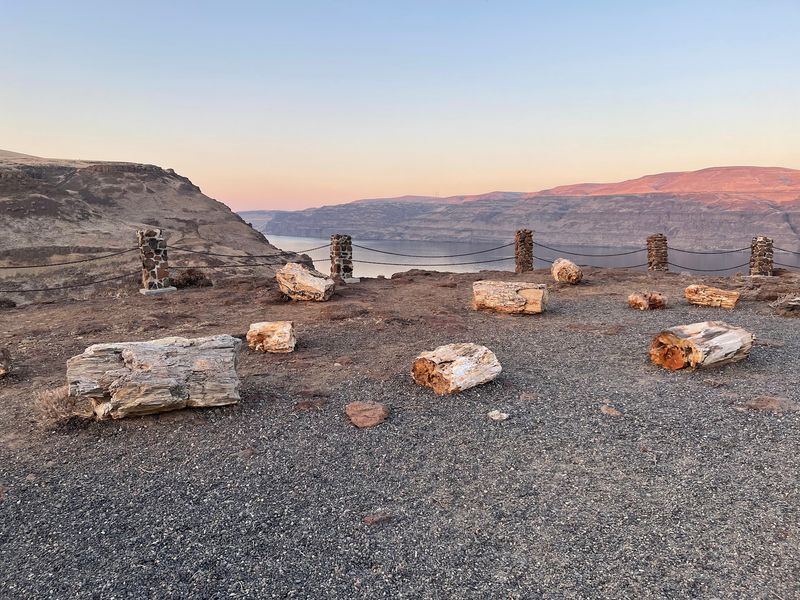
Most museums guard their treasures behind glass and stern signs. Here, big chunks of petrified wood sit outside, and you can climb on them.
That changes the whole vibe. Kids who wilt at the word museum suddenly perk up when a fossil becomes a jungle gym.
Adults get something out of it too. Running your hand across a log that turned to stone millions of years ago feels oddly grounding.
Look closely at the surfaces. Some pieces show bark texture, rings, and cracks that mirror ordinary wood in your backyard.
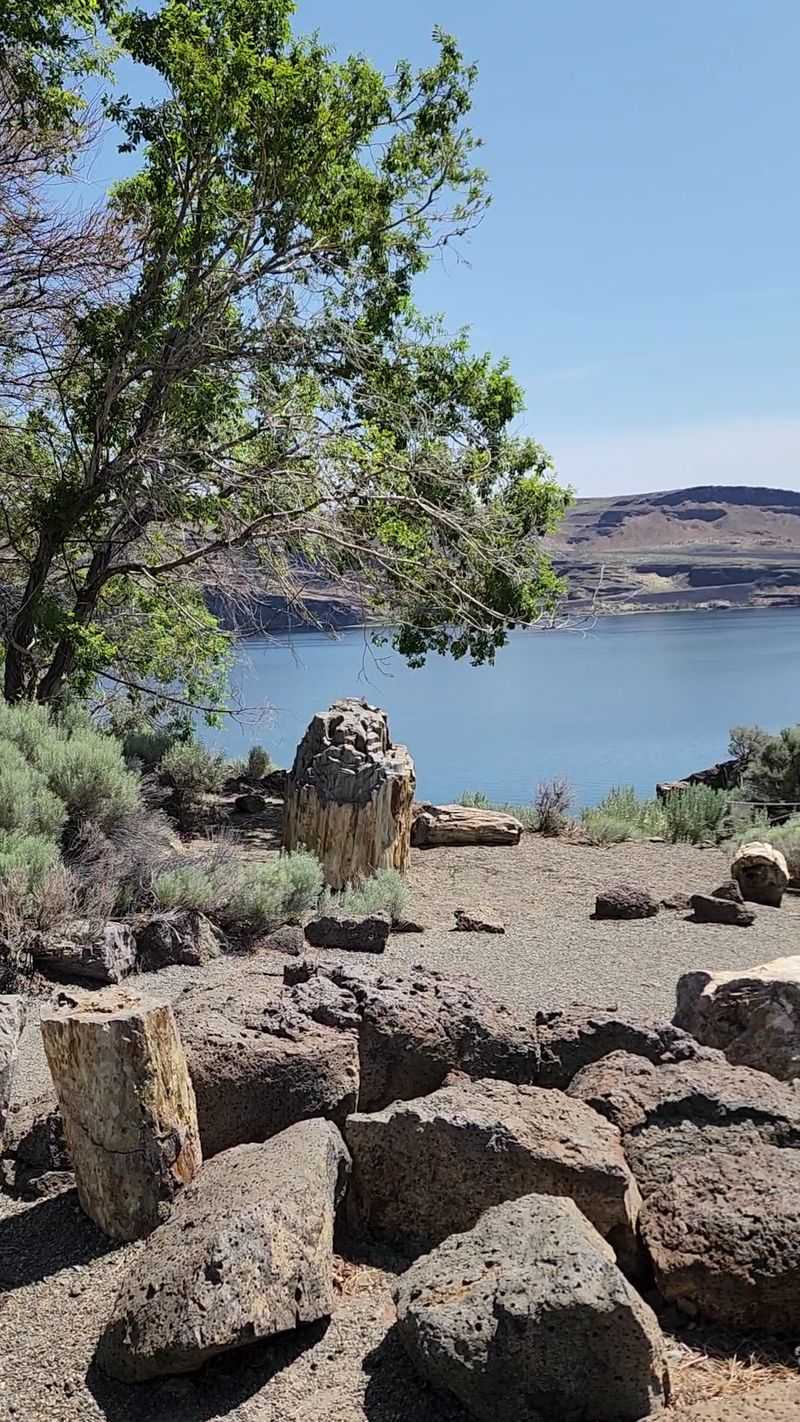
The outdoor display also makes a terrific photo backdrop. The Columbia River and the open desert hills stretch out behind it.
Please be gentle, though. These logs are shared with every future visitor, so leave every chip right where you found it.
If touching the stone sparks a serious urge to own a piece, good news. The rock shop down the road sells petrified wood you can actually take home, guilt free.
Carvings That Predate Every Road Map
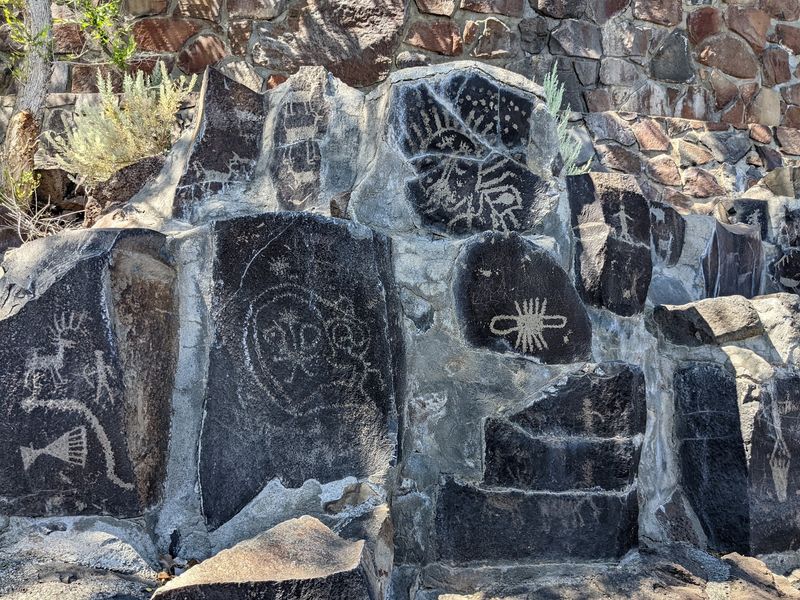
Petroglyphs catch a lot of visitors off guard. Plenty of folks show up for fossils and leave talking about the rock carvings.
A short path to the right of the visitor center leads to an outdoor display. Carved images on stone panels line the way.
These carvings were made by Native peoples of the region. The collected panels give the park a deeper human layer beyond geology.
Some of the images are striking and easy to study up close. Others invite you to linger and wonder about the hands that made them.
Many people call these the most impressive petroglyphs they’ve seen in Washington. That’s a bold claim, and the display backs it up well.
The walk is brief, so it’s easy to fit in. Even a quick stop leaves room for this side trail.
Treat it with respect. Look closely, snap a photo, and keep hands off the carvings so they last for generations.
Overlooks Built For Jaw Drops
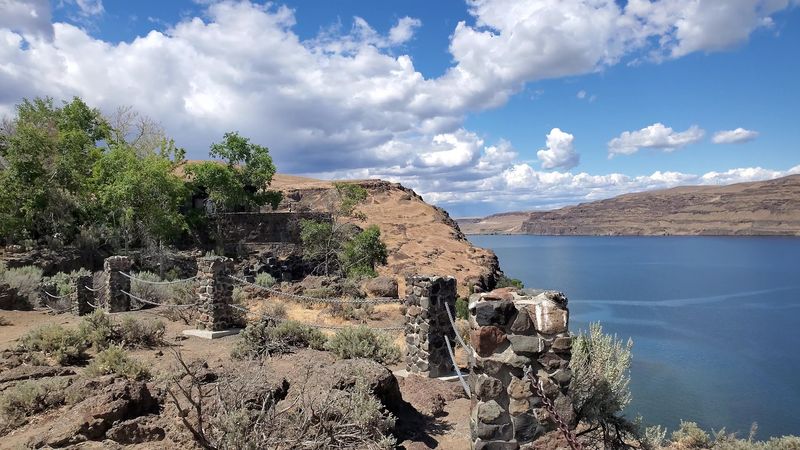
Ask almost anyone about this park and the river view comes up fast. It’s the star that steals scenes from the fossils.
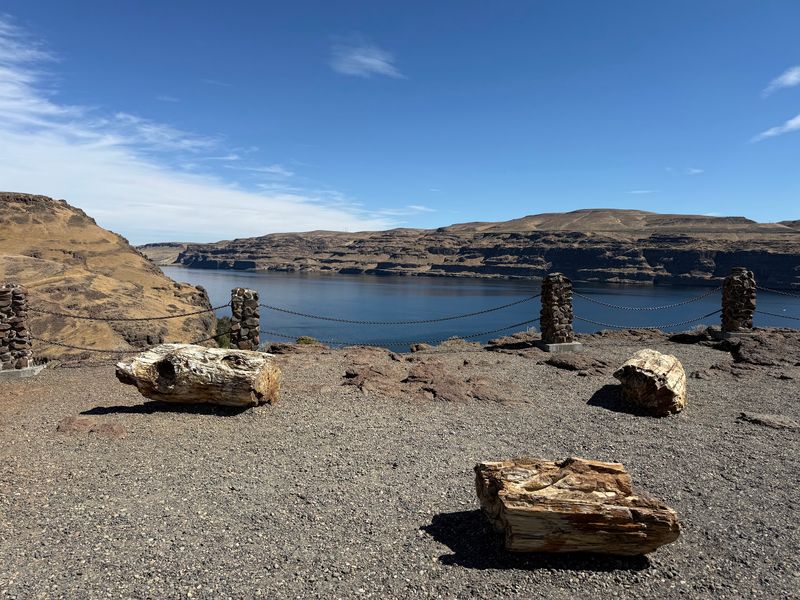
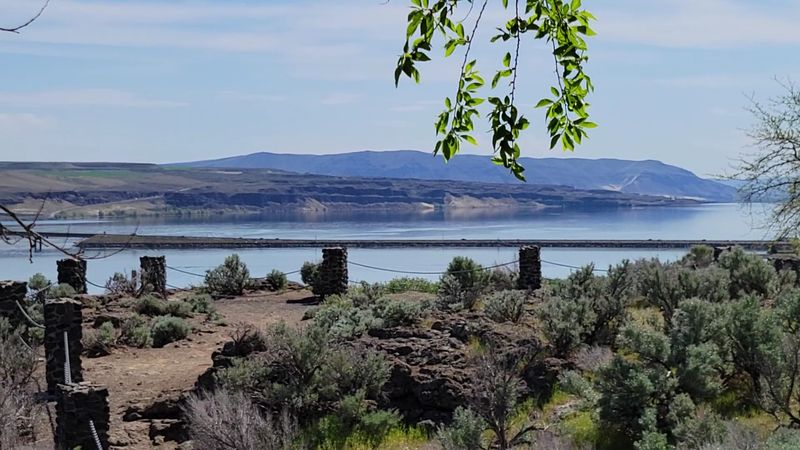
Paths to the left of the visitor center lead to overlooks. From there, canyons drop toward the Columbia River in sweeping lines.
An outdoor viewing deck takes in the river and the coulees. A telescope helps you scan farther details across the water and hills.
Interpretive panels along the ridge explain what you’re seeing. They turn a pretty view into a smarter one.
The landscape feels wide open and nearly desert-like. It’s a sharp contrast to the forests west of the Cascades.
Wind often rolls across the bluff. Hold onto hats and loose maps, and maybe let your hair do what it wants.
Pullouts along the road add more chances to stop and stare. Good luck leaving without a dozen nearly identical river photos on your phone.
Easy Trails With Trees Still In The Ground
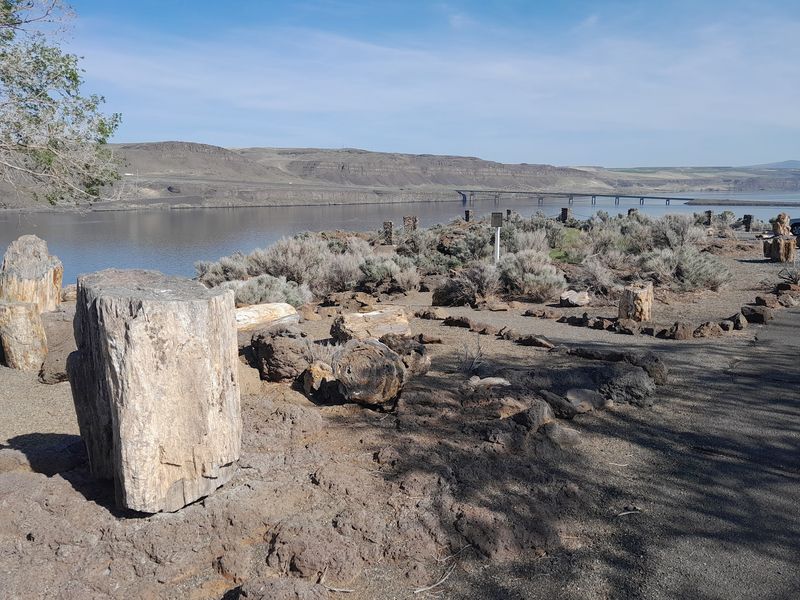
Good news for casual walkers. The trails near the visitor center are short, scenic, and paved in places.
That makes them friendly for families and anyone who just wants a gentle leg stretch. You don’t need fancy gear to enjoy them.
Hike a bit farther and you’ll find petrified trees still sitting in the ground. Seeing them where they were uncovered feels more real than any display case.
A couple of petrified walnut trees stand out for their size. Huge is the word, and it fits.
The terrain is dry sagebrush country, so pack water. Shade is scarce once you leave the buildings.
Stay alert on the paths too. Rattlesnakes live in this habitat, so watch where you step and keep pets close.
Walking the outdoor trails is generally free once you’ve handled parking. It’s a low-cost way to get real hiking time on a road trip.
Bighorn Sheep On The Neighboring Slopes
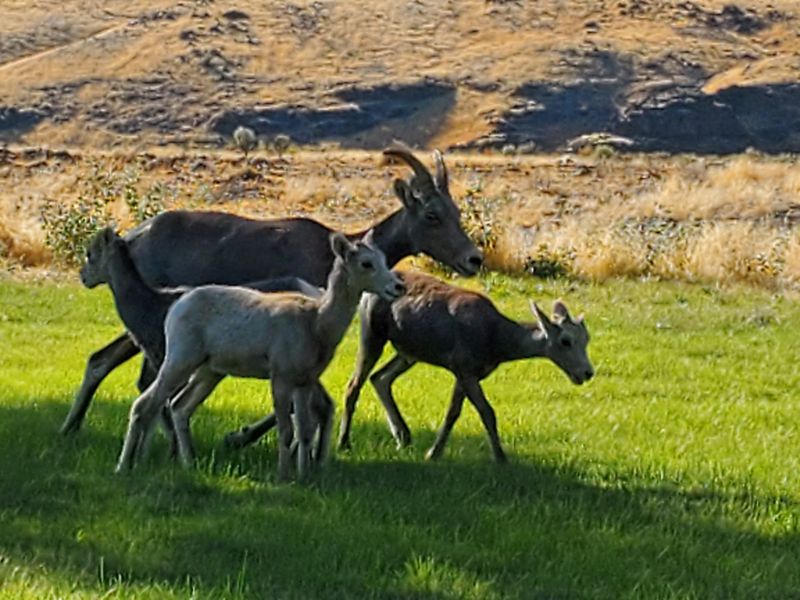
Wildlife sightings are never guaranteed. Still, some visitors spot bighorn sheep grazing on the hillsides around the park.
Watching them pick across rocky slopes is a real treat. They make steep cliffs look like a casual stroll.
Bring binoculars if you have them. The telescope at the viewing area could help too.
Give the animals plenty of space. Admiring from a distance keeps them calm and keeps you safe.
Birds and smaller critters share this dry landscape as well. Scanning the sky and brush adds another layer to a short visit.
Spiders also appreciate the park, sometimes a little too much. Orb weavers have been known to decorate the restroom corners.
That’s simply desert life doing its thing. A quick check before you settle on a bench never hurts.
Wildlife adds surprise to an already layered stop. Fossils, carvings, river views, and maybe sheep is a pretty strong lineup for one afternoon.
Agates, Geodes, And Dinosaurs Down The Road
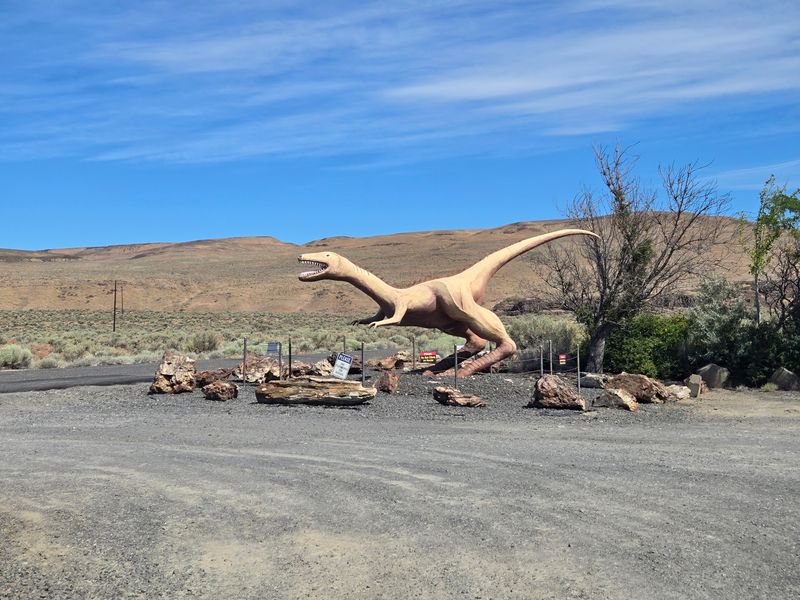
Here’s where the keep-it part of the story lives. A rock shop sits just down the road past the park entrance.
Dinosaur statues stand out front, so you can’t miss it. Kids will spot them before you finish signaling.
Inside, shelves hold crystals, agates, geodes, and polished stones. Petrified wood is for sale too, so you can take a piece home legally.
Fossils like trilobites have been part of the selection. Owning something that old makes a pretty great conversation starter.
The shop invites touching, which is half the fun. Running fingers over smooth agates beats staring through glass.
One remarkable story surrounds the building. A wildfire swept the area yet spared the store, a detail that sticks with visitors.
Budget-minded rock hounds can find small pieces that won’t break the bank. It’s a wallet-friendly souvenir that lasts longer than a keychain.
Pair it with the park and you get the science first, then the treasure.
A Sandy Riverside Beach Just Minutes Away
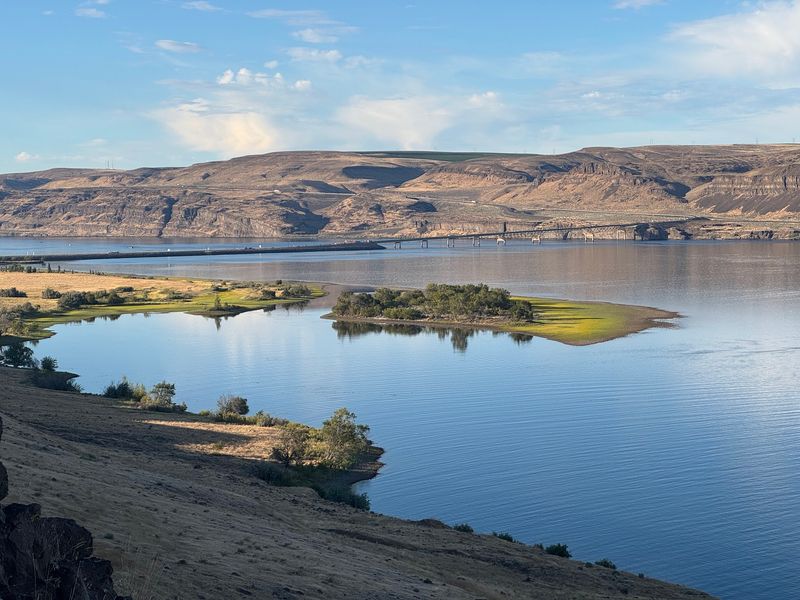
A beach in the desert sounds like a mirage. A couple of miles from the interpretive center, it’s very real.
The park’s riverside recreation area offers lush green grass and big shade trees. Those trees feel heavenly after a sunny ridge walk.
A sandy beach lines the Columbia River there. A floating border marks a swim area that suits kids well.
Families can spread out a blanket and let the little ones splash. Adults can watch the river roll by and do absolutely nothing.
Boat launch access makes it handy for anglers and paddlers. The fishing has a solid reputation, too.
Day use works, and so does an overnight stay. Camping turns a quick pit stop into a mini getaway.
I like how the two halves fit together. Fossils and petroglyphs in the morning, then sand between your toes by afternoon.
Summer weekends practically write themselves here.
Picnic Tables, Restrooms, And Room For Rover
Road trips run on snacks and clean bathrooms. Thankfully, this park handles both nicely.
A picnic area sits near the visitor center, with a restroom close by. It’s an easy spot to unpack lunch with a view.
Dogs are welcome on leash, including in the picnic area. Your four-legged copilot can stretch out too.
Parking at the main lot can be on the small side. Arriving earlier in the day may help you snag a spot.
There isn’t a playground for kids. The fossils and trails tend to keep young explorers busy anyway.
Friendly staff round out the experience. They’re helpful without hovering, which is the sweet spot.
The down-river recreation area offers more restrooms and picnic space. It’s a good backup when the main lot fills.
For retirees and families watching costs, a packed lunch here makes a lovely, low-cost outing. Good views, fresh air, and fossils come free with the sandwich.
Who Will Love This Stop Most
Rock lovers, obviously, will be in heaven. Yet the appeal reaches far wider than that.
Families get a hands-on science lesson that doesn’t feel like homework. Climbable fossils and a sandy beach nearby keep kids grinning.
Retirees will appreciate the short, easy paths and calm pace. Explore on your own schedule and linger wherever you like.
History fans get petroglyphs that connect the land to its earliest people. Geology buffs get millions of years in a single afternoon.
Photographers will chase the river light and canyon shadows. The wide open landscape practically begs for a panorama.
Weekday visits tend to feel quiet and peaceful. A few curious travelers usually drift through without crowding the overlooks.
Drivers crossing central Washington might gain the most of all. It’s the kind of break that turns a long highway day into a memory.
Even folks who think rocks are boring may change their tune. Stone trees have a sneaky way of winning people over.
Hours, Passes, And Getting There
Timing matters here more than you’d expect. The park keeps posted hours of 10 a.m. to 5 p.m., Thursday through Monday.
Tuesday and Wednesday are closed days. Plan around them so you don’t roll up to locked doors.
The interpretive center closes at 5 p.m. sharp. Arrive with time to spare if you want the indoor displays.
Vehicles need a Discover Pass or a day-use fee. The Discover Pass covers Washington state parks, so it could pay off for frequent explorers.
New Year’s Day has traditionally been a free day. The museum may be closed then, but the grounds and views stay open.
Getting there is simple. Take the Vantage exit off Interstate 90 in Vantage, Washington, beside the Columbia River.
Winter visits can bring snow and slick paths. Drive carefully and wear sturdy shoes during colder months.
Summer brings heat and occasional rattlesnakes, so pack water and stay on trails. Spring and fall offer milder walking weather.
Worth Pulling Off The Highway For
So, is it worth the detour? For a stop this easy to reach, the payoff feels almost generous.
Ginkgo Petrified Forest State Park blends fossils, petroglyphs, and big river views into one compact visit. Few highway exits deliver that much in under an hour.
Stay longer and it grows into a full day. The riverside beach, camping, and fishing turn a pit stop into a getaway.
Then there’s the rock shop with its dinosaurs and bins of agates. Leaving with a piece of petrified wood feels like the perfect ending.
Costs stay friendly for budget-minded families and retirees. Pack a lunch, bring the dog, and enjoy a memory-rich outing in Washington.
I can’t imagine driving past that exit the same way again. Knowing a stone forest sits on the bluff changes everything.
Next time I-90 calls, give yourself an extra hour. Ginkgo Petrified Forest State Park might become the highlight you never planned for.