
Arizona’s Mission Garden Grows The Same Heirloom Crops Tucson Farmers Planted 4,000 Years Ago
The irrigation ditches in one Arizona garden double as a home for endangered fish. That alone would make me curious.
But the crops growing beside those ditches carry a story more than 4,000 years old.
Archaeologists have traced farming on this exact patch of desert ground back to around 2100 B.C. Today, volunteers still grow heirloom crops, heritage fruit trees, and native plants in plots arranged like a living timeline.
I like how the whole place feels less like a museum and more like a conversation across centuries. You can wander past ancient-style fields, then stroll under citrus and fig trees planted in the spirit of later settlers.
Admission costs nothing, and the gift shop sells treats made from the harvest. So how did people coax food from the Sonoran Desert for so long?
A Museum Where The Exhibits Need Watering
Most museums keep their treasures behind glass. Mission Garden keeps its treasures in the dirt, and they grow a little taller every week.
Officially, it’s a living agricultural museum in Tucson, Arizona. The mission is simple and kind of brilliant: show how people have farmed this desert for more than 4,000 years.
Instead of dusty displays, you get heirloom crops, Sonoran Desert-adapted heritage fruit trees, and edible native plants. Each one represents a culture that once worked this same soil.
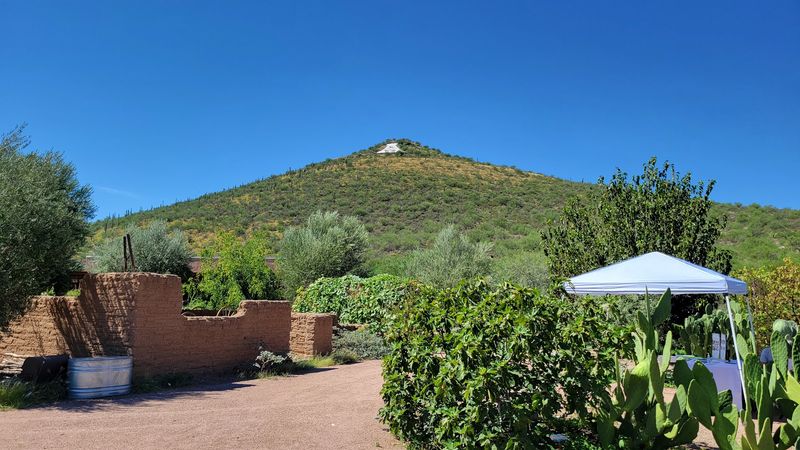
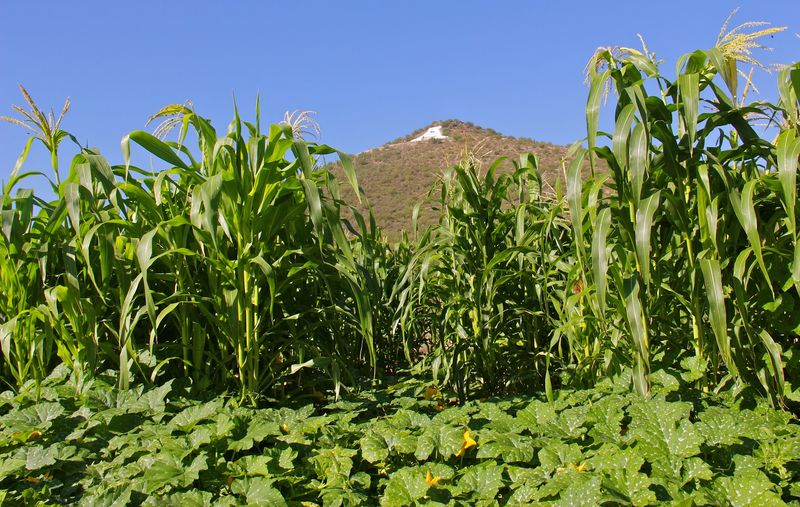
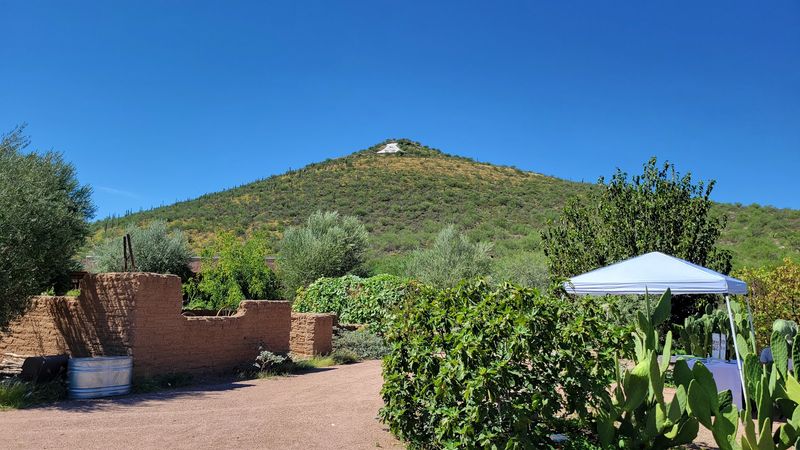
The setting helps tell the story. The garden sits at the base of Sentinel Peak, the landmark many Tucsonans simply call A Mountain.
A nonprofit called Friends of Tucson’s Birthplace manages the grounds. That name isn’t marketing fluff, since this area is considered the spot where the city’s story began.
Plenty of attractions ask you to imagine the past. Here, the past is literally sprouting leaves, dropping fruit, and needing a good drink of water on hot afternoons.
It’s a quieter kind of Arizona attraction, with no gift-wrapped spectacle or flashy rides. What you get instead is a walkable lesson in survival, ingenuity, and really good produce.
Farming Roots Older Than The Pyramids At Giza Feel Young Here
Around 2100 B.C., people were already planting crops on this ground. Archaeologists have documented roughly 4,100 years of farming here, which makes your backyard tomato project look adorably new.
The garden occupies the historic site of S-cuk Son, also spelled Chuk Shon. It was a Native American village near the base of Sentinel Peak.
Later chapters arrived with new faces and new seeds. Spanish colonists, Mexican families, Chinese farmers, and people of African descent all left their mark on local agriculture.
A Spanish mission once stood nearby, giving the garden its name. The mission church is gone now, but the farming tradition never really packed up and left.
Here’s a fun bit of modern history too. Tucson earned a UNESCO Creative City of Gastronomy designation, and Mission Garden plays a role in that honor.
That recognition makes sense once you see the plots. The city’s food identity didn’t start in a trendy kitchen, it started in fields like these.
Standing here, you’re on ground that has fed families across dozens of generations. That’s a lot of history for a spot you can explore in a single morning.
Walk Through Four Millennia One Garden Plot At A Time
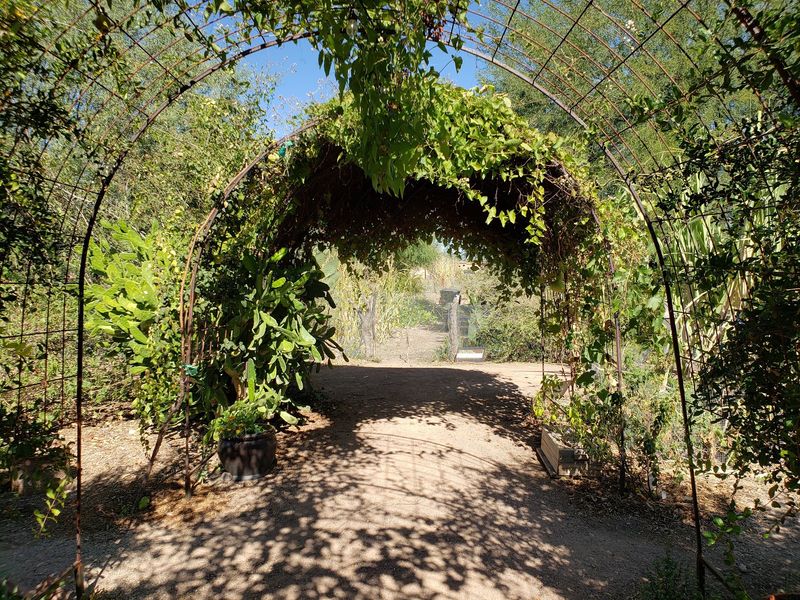
Time travel usually requires a fancy machine. At Mission Garden, it requires comfortable shoes and a short stroll between Timeline Gardens.
Each plot showcases how a different group farmed the Tucson basin. The lineup includes the Hohokam, Tohono O’odham, Spanish colonials, Mexicans, Chinese, and people of African descent.
Walking them in order feels like flipping through a cookbook written over 4,000 years. Early desert agriculture sits just steps away from crops introduced centuries later.
The contrast is the best part. You start to notice how each community adapted, borrowed, and swapped ideas to make the desert produce food.
Some plots highlight crops tied to particular cultures and countries. Others show how farming techniques changed as new people arrived with new tools and traditions.
Seasons shape what you’ll see on any given day. Winter beds may look sleepy, while warmer months can bring hollyhocks, ripening fruit, and harvest activity.
Honestly, it’s a clever way to teach history without a single boring lecture. Your feet do the learning, and the plants handle the storytelling.
By the final plot, the big question answers itself. People thrived here because they kept learning from the land and from each other.
Orange, Fig, And Mulberry Trees Steal The Show
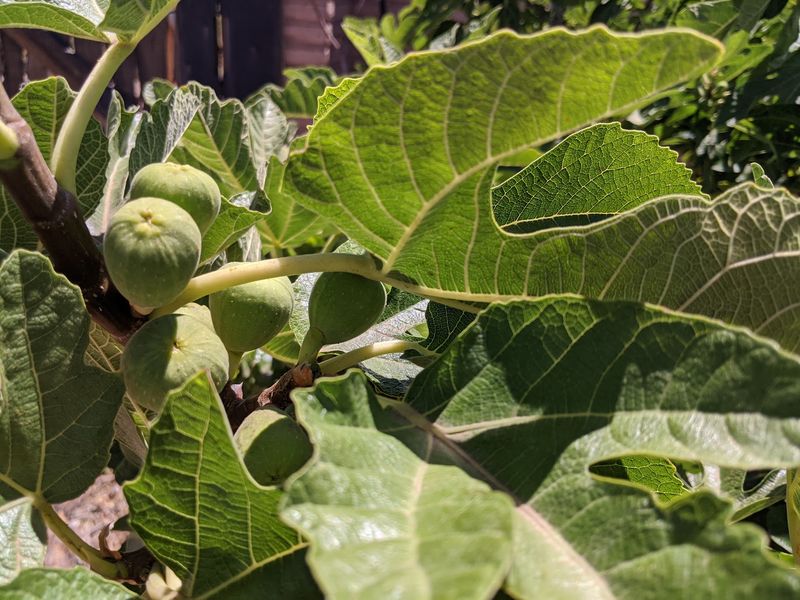
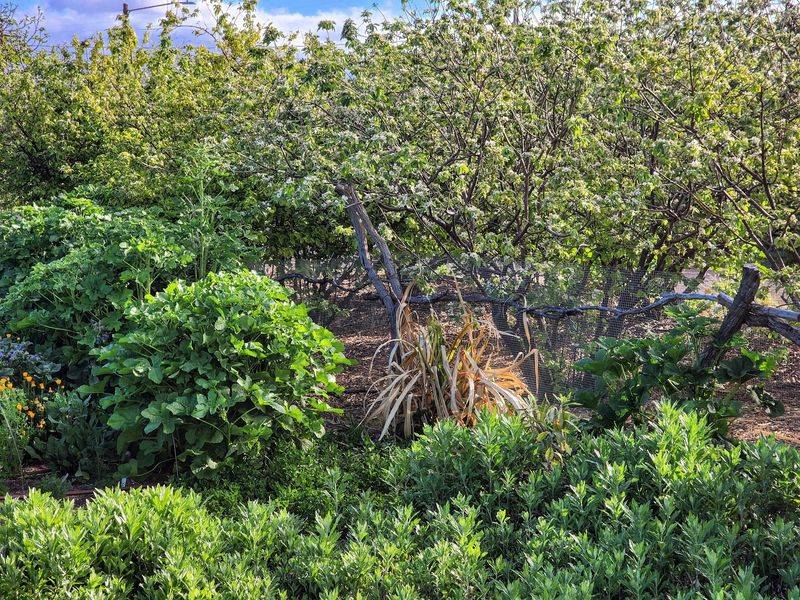
Citrus in the desert sounds like a magic trick. Yet the orchards at Mission Garden pull it off with heritage fruit trees adapted to Sonoran Desert conditions.
Orange trees are a highlight, and in winter they can hang heavy with fruit. Figs, mulberries, and other citrus varieties round out the leafy cast.
Many of these trees connect to the Spanish colonial era. Missionaries and settlers brought fruit varieties that eventually became part of the region’s food story.
So the orchard isn’t just pretty, though it definitely is pretty. It’s a living record of what thrived here after new seeds crossed oceans and deserts.
Late spring can be especially fun for fruit watchers. Oranges, figs, and mulberries may all be putting on a show around that time.
The shade matters too, especially in Arizona sunshine. A walk under green branches makes the whole visit feel cooler and calmer.
Want a souvenir that tastes like history? Fresh figs and other seasonal produce sometimes appear for sale, depending on what the trees decide to offer.
Fair warning, though. After seeing ripe figs on the branch, grocery store fruit may suddenly feel a little less exciting.
Tiny Endangered Fish Live In The Irrigation Canals
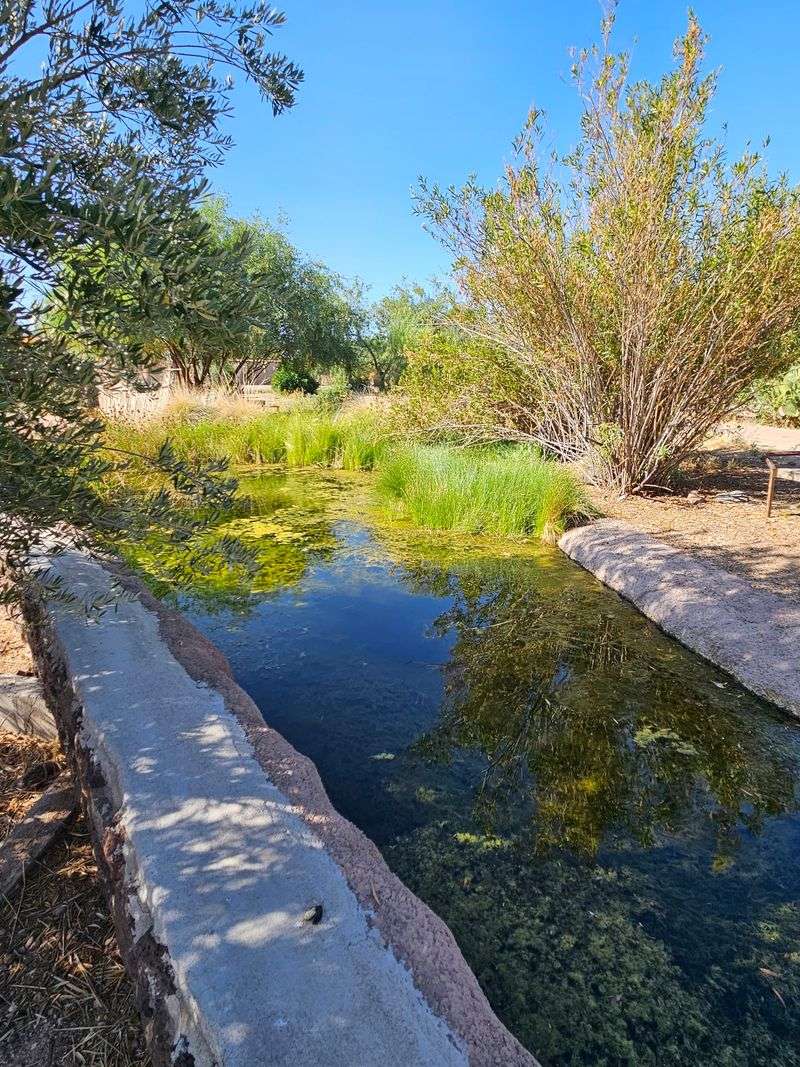
Peek into the irrigation canals and you might spot residents with fins. The garden’s waterways serve as habitat for the endangered Gila topminnow.
That’s a pretty charming twist for a farm museum. The same canals that water ancient-style crops also give a struggling native fish a safe place to live.
Gila topminnows are small, so don’t expect a dramatic aquarium moment. Still, knowing they’re there makes every glance at the water feel like a scavenger hunt.
The canals themselves tell a story worth noticing. Desert farmers relied on careful water management for thousands of years to grow food in tough conditions.
Wildlife fans will find more than fish to enjoy. The garden’s mix of plants draws a variety of flora and fauna, and bird watching tours have been part of the programming.
It’s a nice reminder that farming and nature don’t always have to compete. Here, they share the same water and seem to get along just fine.
Bring a curious kid, and this might become the favorite stop. A fish that helps explain conservation and irrigation at once?
That’s efficient education.
Brochures, Augmented Reality, And A Bookworm Path For Kids
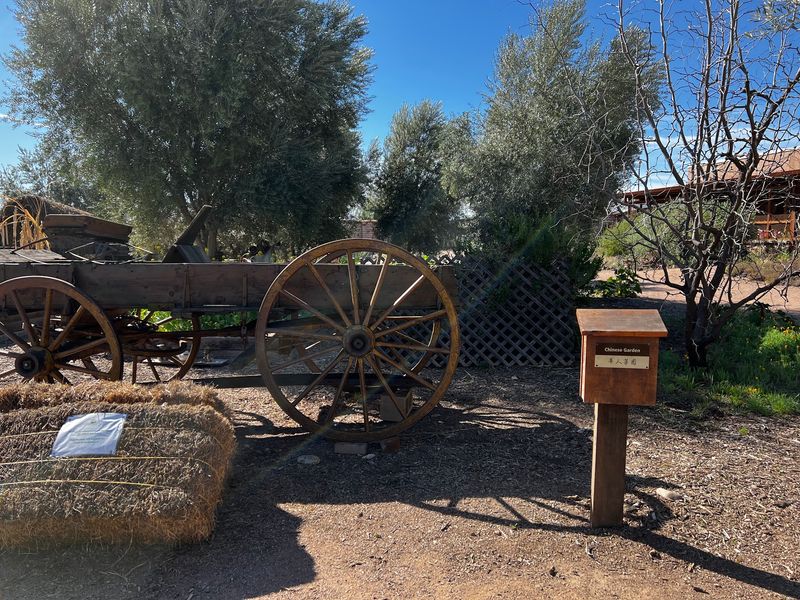
Prefer to explore at your own pace? Good news, because self-guided wandering is the main way to experience Mission Garden.
Brochures and maps wait at the welcome kiosk near the entrance. Grab one, and you’ve got a handy guide to the Timeline Gardens and their stories.
Pamphlet boxes at the garden spaces hold extra information for deeper reading. History buffs could easily lose track of time here, in the nicest possible way.
Tech lovers get a modern bonus. An augmented reality experience adds historical images, planting demonstrations, and traditional recipes right on your phone screen.
Those recipes might be the sneakiest feature of all. Learning about an ancient crop is one thing, but knowing how to cook it makes the lesson stick.
Families with young readers have their own adventure too. A Bookworm path features little mailbox stations with books and activities tucked beside the gardens.
Docents and volunteers add a friendly human touch when they’re around. They’re known for sharing enthusiasm about gardening, food, and the site’s long history.
Between paper, pixels, and people, every learning style gets covered. Nobody has to fake interest here.
Festivals, Classes, And Celebrations Fill The Calendar
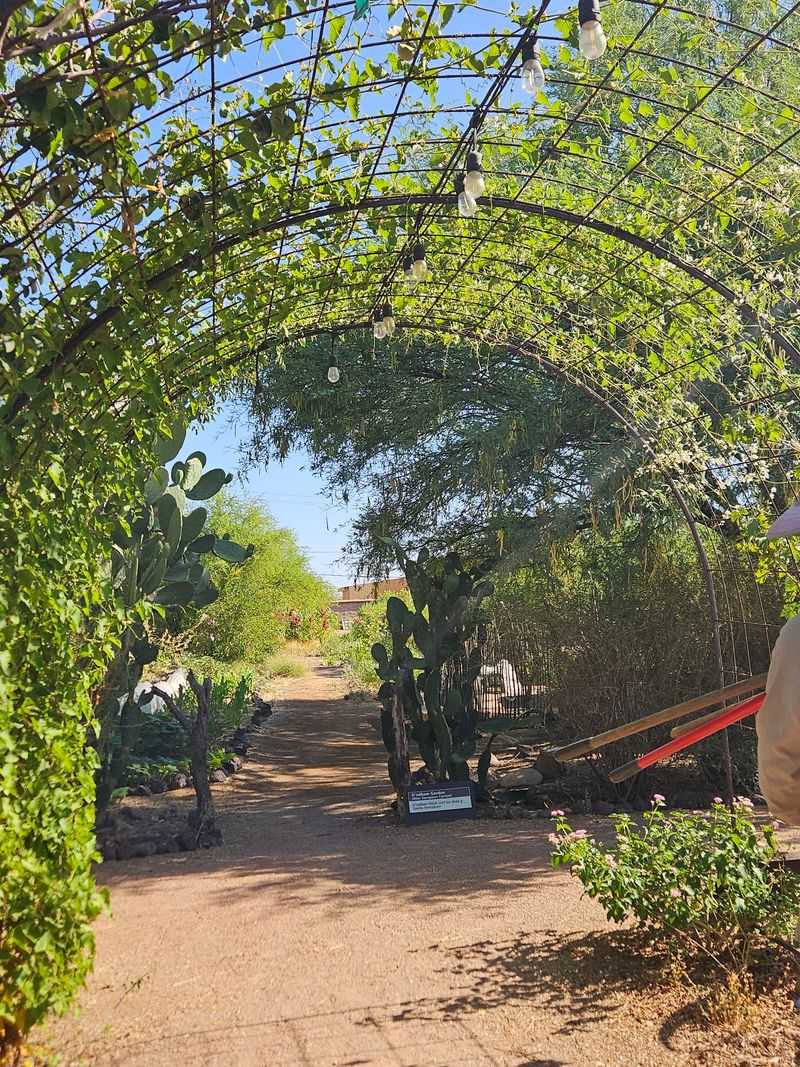
Garlic gets its own festival here, which tells you plenty about the garden’s priorities. Events at Mission Garden lean deliciously into food, culture, and community.
Classes and workshops pop up throughout the year. Topics connect to the garden’s roots, from traditional farming methods to desert-adapted plants.
Seasonal celebrations bring extra energy to the grounds. A winter solstice gathering has featured a native ceremony, food, and arts and crafts made with garden materials.
Lunar New Year has been celebrated here as well. It’s a natural fit, given the Chinese garden plot and the history of Chinese farmers in Tucson.
Art and craft fairs, performances, and vendor days also appear on the schedule. Even youth performances have taken place among the plants.
A monthly Taste of the Garden event has offered another way to sample the harvest. Check the current calendar, since schedules can shift from season to season.
Big festivals can get busy and warm, so plan accordingly. Quieter weekday mornings suit visitors who prefer a calmer stroll.
Either way, timing a visit around an event adds flavor. Literally, in the case of garlic.
Jams, Seeds, And Fresh Eggs Make The Gift Shop Worth A Stop
Souvenir shopping gets a lot more interesting when the jam came from trees outside the door. The Garden Shop sells jams and jellies made from fruit grown on site.
Seasonal offerings rotate with the harvest. Depending on timing, you might find plants, seeds, fresh produce, dried herbs, and eggs.
Bookworms can browse titles on local agriculture and history. Shirts, hats, cards, and soaps round out the shelves for anyone wanting something wearable or giftable.
Native beans and heritage grains have also shown up in the shop. Planting seeds from a 4,000-year farming tradition feels like a pretty great hobby upgrade.
Shopping here does more than fill your tote bag. Purchases and donations help support the nonprofit that keeps the garden growing.
The harvest travels well beyond the shop too. Produce goes to local food banks, cultural organizations, community members, and some Tucson restaurants.
You can also find Mission Garden at the Santa Cruz River Farmers Market. That’s a handy option if you want garden goodies on a different day.
Leaving empty-handed is technically possible. It just seems unlikely once you spot those jars.
Free Admission Makes This An Easy Morning Plan
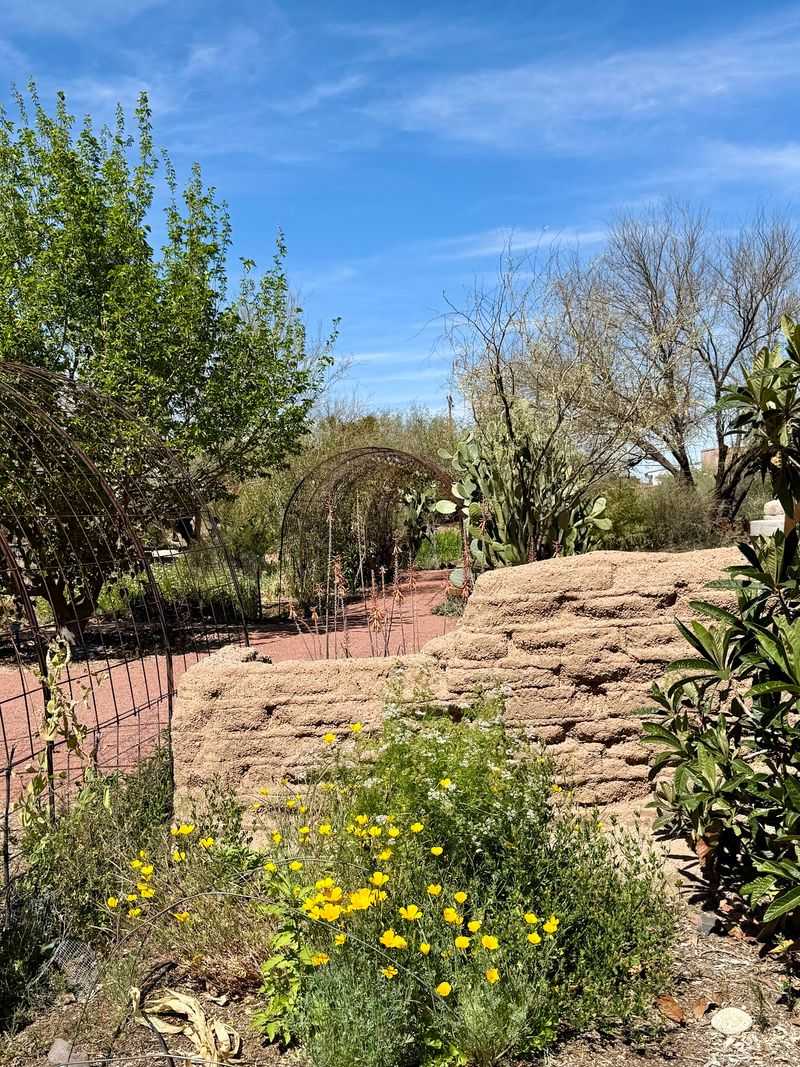
Best price in town? Probably, since admission to Mission Garden is free, with donations welcome.
You’ll find it at 946 W. Mission Lane, Tucson, AZ 85745.
It sits on the west side of downtown, right at the base of Sentinel Peak.
The garden opens Wednesday through Sunday and closes Monday and Tuesday. Opening time is 8 AM, with shorter morning hours often used during the hotter months.
Hours can shift by season, so confirm before heading out. Early arrival also makes sense in Arizona heat, especially from late spring through summer.
Small seating areas dot the grounds, making a packed picnic a lovely idea. The atmosphere tends to be peaceful, and it’s often not crowded outside of big events.
Who will love it most? Gardeners, history fans, curious families, and anyone who enjoys learning while wandering will feel right at home.
Volunteers keep much of the magic going, and newcomers can join them. Pulling weeds on 4,000-year-old farmland is a pretty unique way to spend a morning.
For a free outing with real depth, this one earns a spot on any Tucson list. Bring water, curiosity, and maybe a bag for figs.