
This Small Colorado Restaurant Serves Fresh Pasta Worth Crossing Denver For
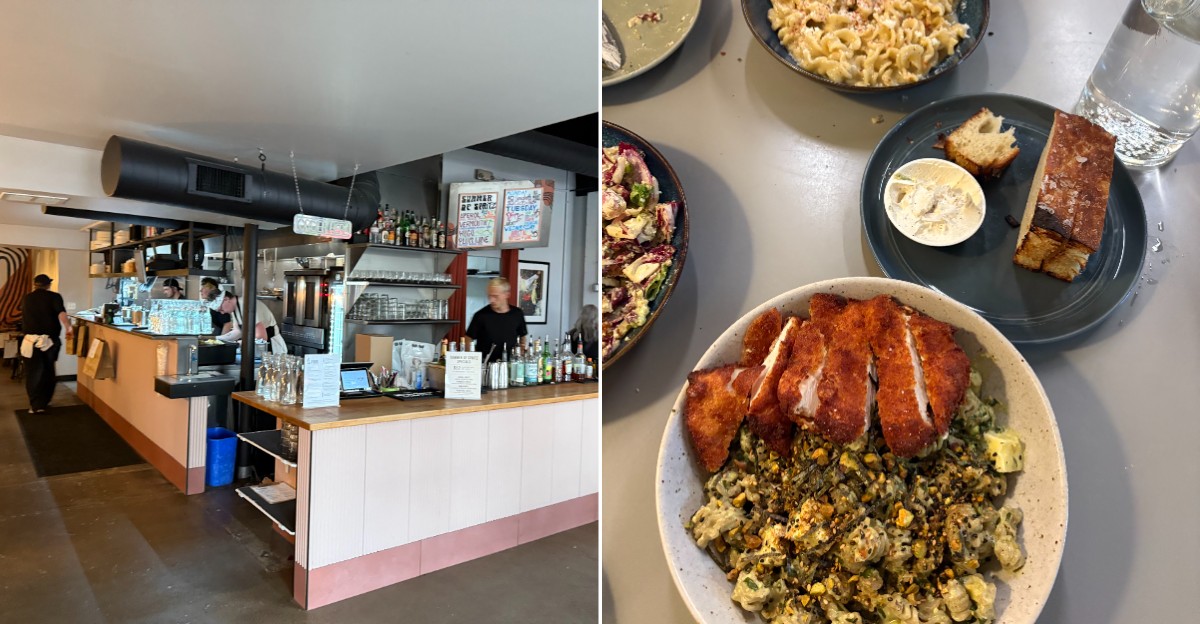
The name of this pasta counter translates to ‘My God!’ in Italian. I believe that’s a bold promise to paint on your own door, and the kitchen seems happy to back it up.
A pasta production table sits right at the heart of the kitchen. Fresh noodles get made by hand in plain view, which feels a little like watching a magic trick without the secret.
Fresh pasta fans in Colorado have a strong reason to plan a trip to Denver’s RiNo neighborhood.
Two chefs with fine dining backgrounds built this place to feel relaxed instead of stuffy. Now the 2026 MICHELIN Guide USA features it, yet you still can’t book a table ahead of time.
Diners across Colorado can even take this kitchen’s handmade pasta home through a monthly kit club. So what exactly makes these noodles worth the drive?
Two Chefs Swapped Fussy Fine Dining For Something Way More Fun
Fine dining training usually leads to tasting menus and tiny portions on very large plates. Chefs Spencer White and Alex Figura took those same skills in a much friendlier direction.
In 2016, they opened Dio Mio, a casual Italian restaurant built around fresh, handmade pasta. The name is pronounced DE-OH MEE-OH, and it translates to ‘My God!’ in Italian.
That translation is meant as a reaction to the pasta itself, not a random dramatic outburst. It’s a cheeky thing to print on your own sign, but a little confidence is half the fun here.
I like how the founders kept their polished background without making dinner feel formal or stiff. You get careful technique on the plate and zero pressure about which fork belongs where.
The concept lands somewhere between a quick counter stop and a full sit-down meal with friends. That mix makes it easy to swing by on a regular weeknight without planning some giant night out.
Colorado has plenty of restaurants chasing the newest food trend, yet this one built its identity on something timeless. Good pasta, made by hand, served without a lecture attached, is a pretty great business plan.
The Pasta Table Gets Front-Row Treatment In The Kitchen
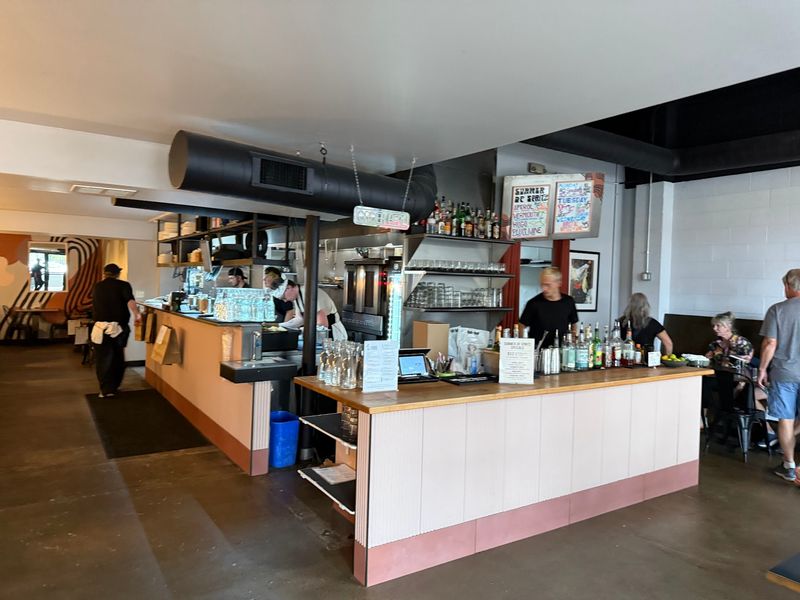
Most kitchens hide the hard work behind swinging doors and stainless steel walls. At Dio Mio, a pasta production table sits right at the heart of the kitchen for a reason.
That table is the whole point of the restaurant, so it gets the spotlight. Fresh noodles are the core of everything on the menu, and the setup makes sure you know it.
Handmade pasta has a reputation for being worth the extra effort, and this kitchen leans into that idea. Instead of opening boxes, the team shapes the very noodles that end up in your bowl.
I can’t imagine a better way to build trust with hungry diners than putting the craft in plain view. It’s honest, a little bit theatrical, and much more interesting than staring at a blank wall.
Kids and grown-ups who love seeing how food gets made will appreciate this detail most. It turns a simple dinner into a small lesson in what real fresh pasta actually involves.
Here’s a practical tip for curious eaters with a seat choice: look toward the kitchen while you wait. Watching noodles take shape is a fun warm-up before your own plate arrives at the table.
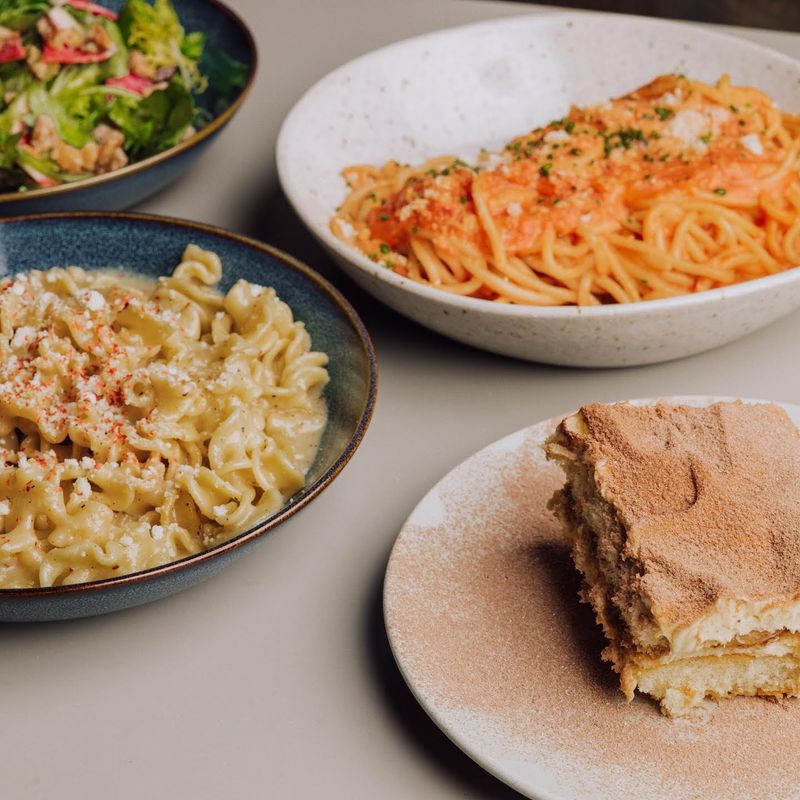
Pink Pepper Gives The Cacio E Pepe A Sneaky Little Twist
Classic cacio e pepe needs only a few ingredients, which means there’s nowhere for a kitchen to hide. Dio Mio takes on that challenge with ruffled mafalde pasta instead of the usual long strands.
The dish gets black pepper plus pink pepper, then a generous layer of parmesan. That second pepper is a clever touch on a recipe most cooks treat like an unbreakable family rule.
Mafalde has wavy edges along each ribbon, giving cheese and pepper plenty of spots to cling. Shape matters more than people think, and this choice shows the chefs clearly thought it through.
Plain old spaghetti also earns a spot on the menu, served with red sauce and parmesan. Sometimes the simplest order tells you the most about how good a pasta kitchen really is.
I believe these two dishes make a smart pair for anyone visiting for the first time. Split one cheesy plate and one tomato plate, and you’ll understand the kitchen’s style fast.
Keep in mind that the menu rotates with the seasons throughout the year. Favorites can come and go, so it’s worth checking the current lineup before you set your heart on one dish.
Furikake On Pasta Sounds Odd Until You Think About It
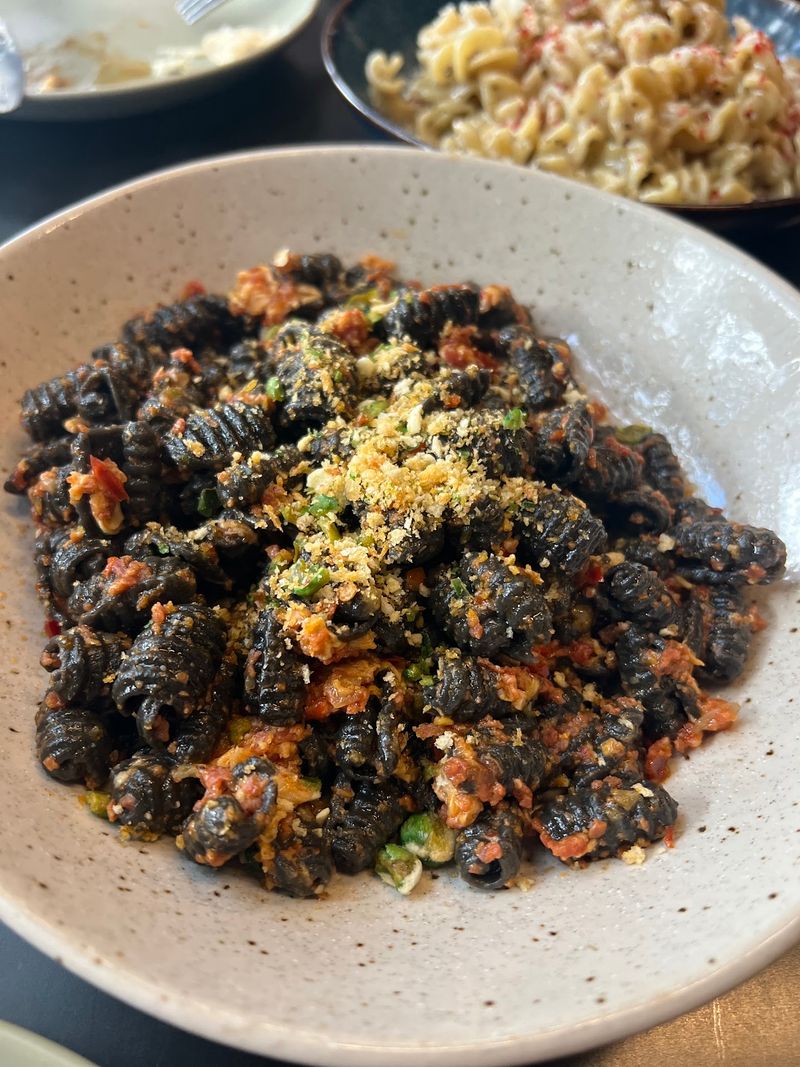
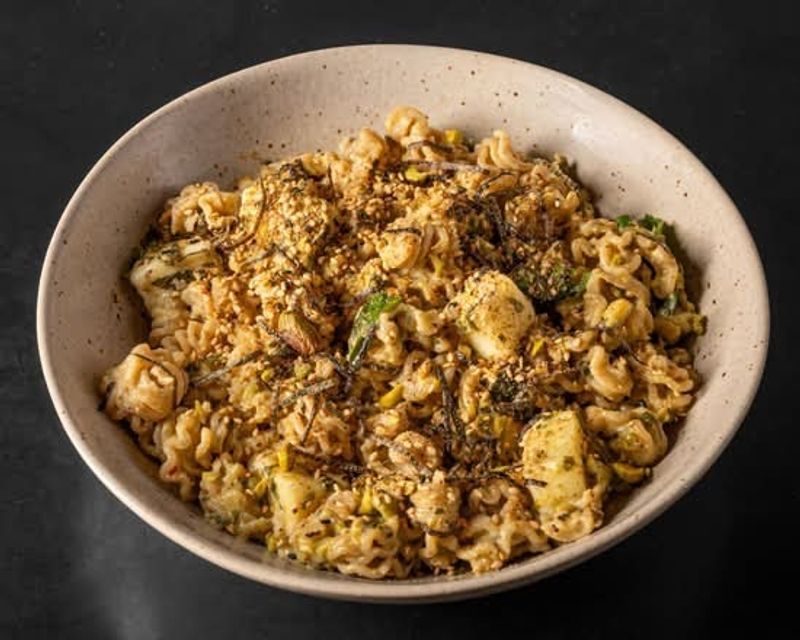
Pistachio pesto, mozzarella, and a sprinkle of Japanese furikake all share one bowl of radiatori. That combination might raise an eyebrow, but it shows how playful this kitchen can get.
Radiatori is a ridged pasta shape named after old-fashioned radiators, believe it or not. All those little fins work like tiny shelves for basil pistachio pesto to settle into.
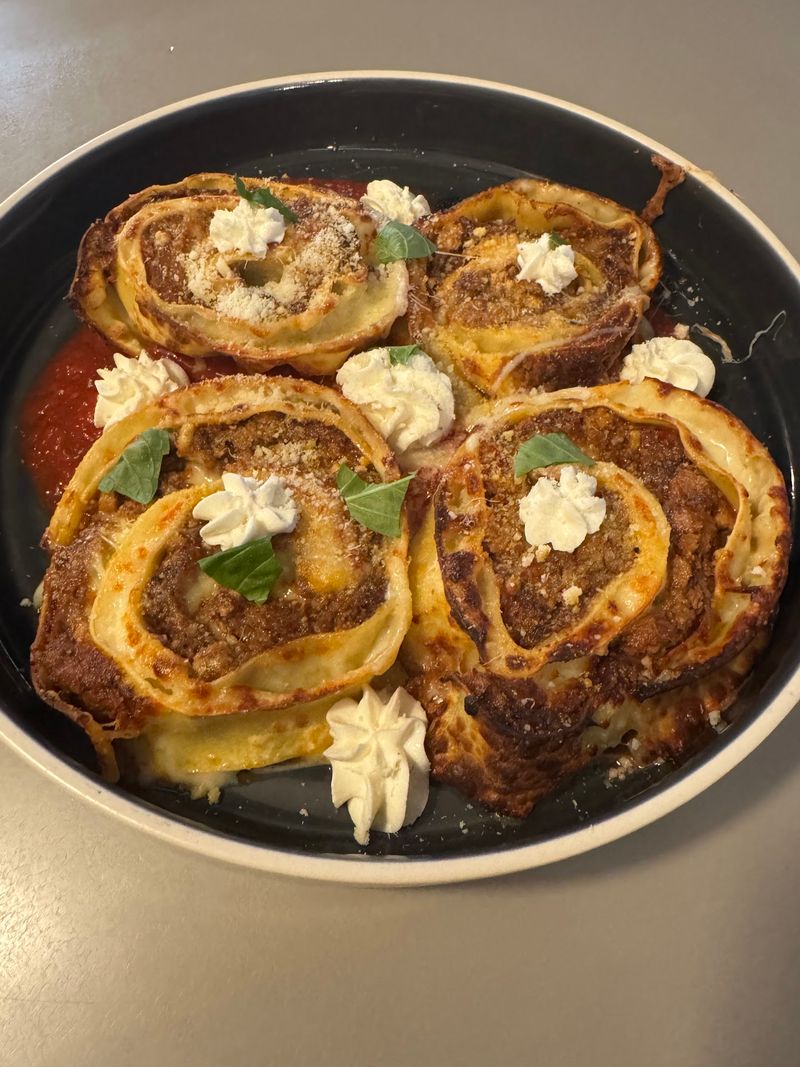
Then there’s the lasagna, which skips the usual flat stacked layers entirely. Dio Mio rolls it into a thick rotolo filled with beef cheek bolognese and creamy bechamel.
The rolled lasagna arrives with red sauce, whipped ricotta, and fresh basil on the plate. It’s a fresh spin on a dish most of us grew up eating from a big square pan.
Fans of rich, saucy food can also look for the spicy rigatoni with sausage, stracciatella, and basil. That dish brings heat and creamy cheese together in a way that’s hard to stop eating.
My advice is to order one traditional plate and one experimental plate at the same time. You’ll get the comfort you came for, plus a surprise you’ll probably talk about later.
Save Room For The Focaccia Or Regret It Quietly
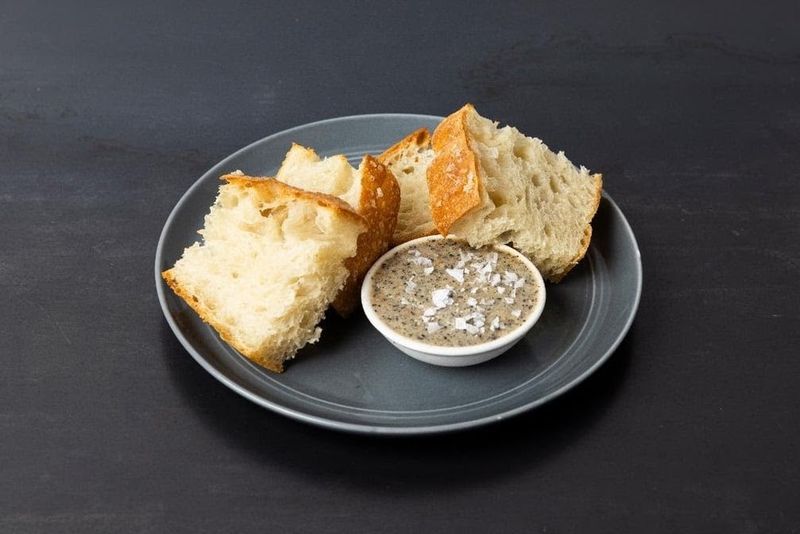
Bread before pasta might sound like a rookie mistake. The house focaccia with black butter makes a strong case for breaking that rule anyway.
Black butter is butter cooked until it turns deep and nutty in flavor. Pairing it with a soft focaccia feels like the kind of idea you wish you’d thought of yourself.
The small plates keep things interesting too, starting with black-butter marinated artichoke hearts. They come with oranges, crunchy croutons, and a green olive puree for a bright, salty bite.
Salad fans can look for the fall kale salad when it’s on the seasonal menu. It mixes baby kale, Granny Smith apples, goat cheese, golden raisins, and pepita brittle.
An ancho vinaigrette ties that salad together with a gentle, smoky warmth. Sweet, tangy, crunchy, and creamy all show up in one bowl, which is a lot of personality for greens.
I like ordering a few starters to share so the whole table can try more flavors. Just pace yourself, because the pasta is still coming and you’ll want space for every noodle.
Order At The Counter, Then Let The Servers Take Over
Planning ahead won’t help you here, because Dio Mio doesn’t take reservations. Tables are first come, first served, which keeps things simple for everyone walking through the door.
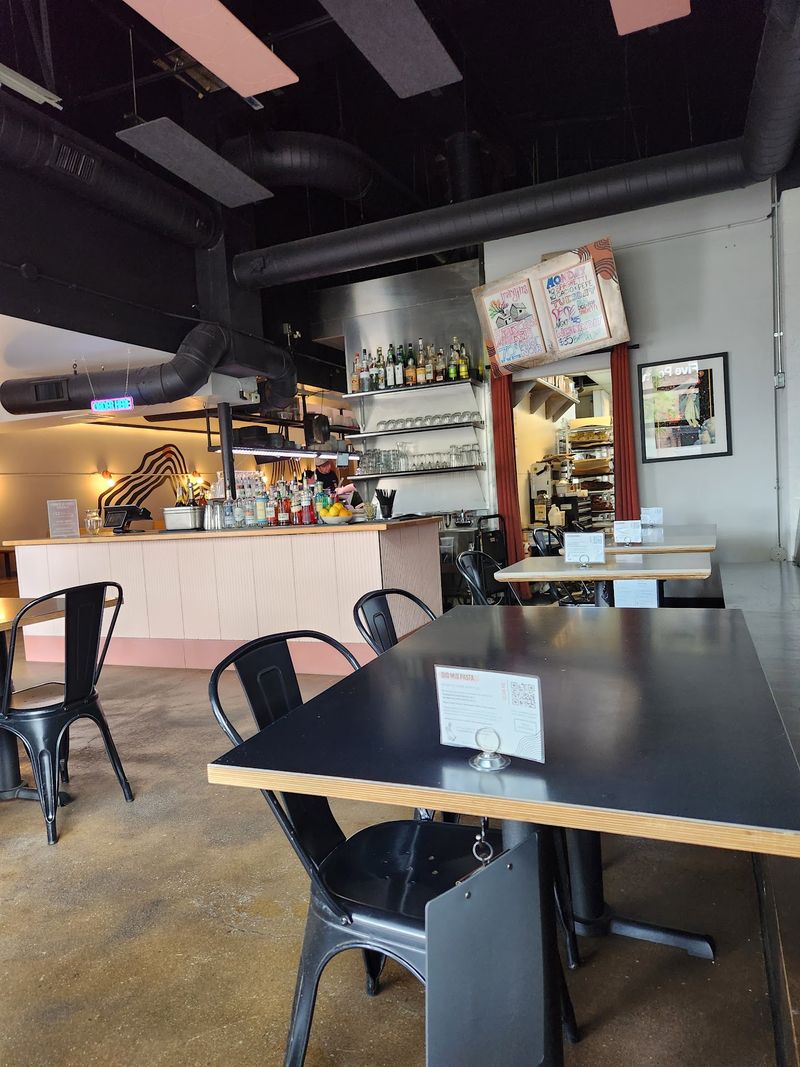
The ordering style is a hybrid that mixes counter service with table service. You place your first order at a walk-up counter, and servers handle the rest from there.
That means extra food or a second round of drinks can come straight to your table. You get the speed of a casual spot and the comfort of being looked after during dinner.
First-timers sometimes feel unsure about counter ordering at a sit-down style restaurant. Think of it as a quick handoff, not a sign that your meal will feel rushed or careless.
Showing up earlier in the evening is a smart move if you’d rather not wait for a table. The doors open at 4 PM, so an early dinner gives you the best shot at an easy seat.
I believe the no-reservation policy actually makes the place feel more welcoming overall. Nobody gets an inside track, and a spontaneous pasta craving counts just as much as a big plan.
A Michelin Nod Without A Stuffy Dress Code
Michelin recognition usually brings to mind white tablecloths and whispering waiters. Dio Mio earned a spot in the 2026 MICHELIN Guide USA while keeping its counter-ordering, no-reservation style.
That’s a fun mix for anyone who wants great food without dressing up for it. Being featured in the guide is a big deal, especially for a restaurant this relaxed.
The restaurant underwent a remodel and menu refresh that began on January 7, 2024, before reopening on February 8, 2024. The restaurant’s refreshed space and menu debuted when it reopened in February 2024.
Dessert is a good place to see that care continue right to the final bite. Nonna’s Olive Oil Cake comes with cream cheese frosting and plum preserves on the side.
Olive oil cake tends to be moist and tender, and the fruity preserves add a sweet, tangy finish. It’s a cozy, homestyle ending that fits a place named after a happy exclamation.
I like that the honor didn’t change the restaurant’s laid-back personality one bit. You can still roll in on a Tuesday, order at the counter, and eat food the guide noticed.
RiNo Makes The Trip Across Town Feel Like Part Of The Fun
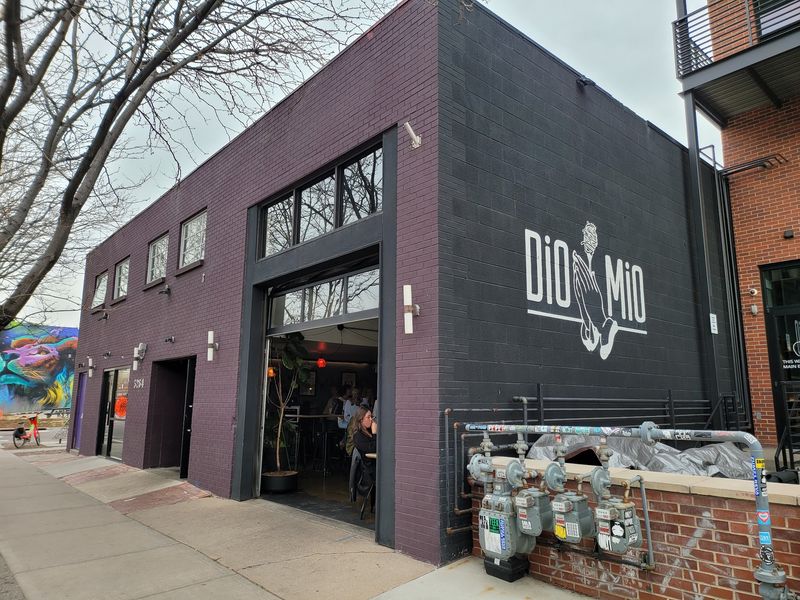
Street art, busy sidewalks, and plenty of places to eat give Larimer Street its lively energy. Dio Mio sits right in the middle of it at 3264 Larimer St, Denver, CO 80205.
That address puts you in the River North Art District, better known around Denver as RiNo. The neighborhood is famous for murals, which makes walking to dinner feel like a mini gallery tour.
The restaurant is small, with an interior of about 1,500 square feet. Space is cozy, so arriving with a smaller group usually makes grabbing a table easier.
Hours run from 4 PM to 10 PM every single day of the week. That steady schedule is handy because you never have to guess whether today is a closed day.
Online ordering runs from 4 PM to 9:45 PM for anyone who’d rather eat at home. It’s a solid backup plan when the couch is calling louder than the car keys.
Colorado visitors staying downtown will find RiNo an easy add to a day of exploring. I can’t think of a better reward after an afternoon of mural hunting than a big bowl of fresh pasta.
Your Kitchen Can Join The Monthly Pasta Club
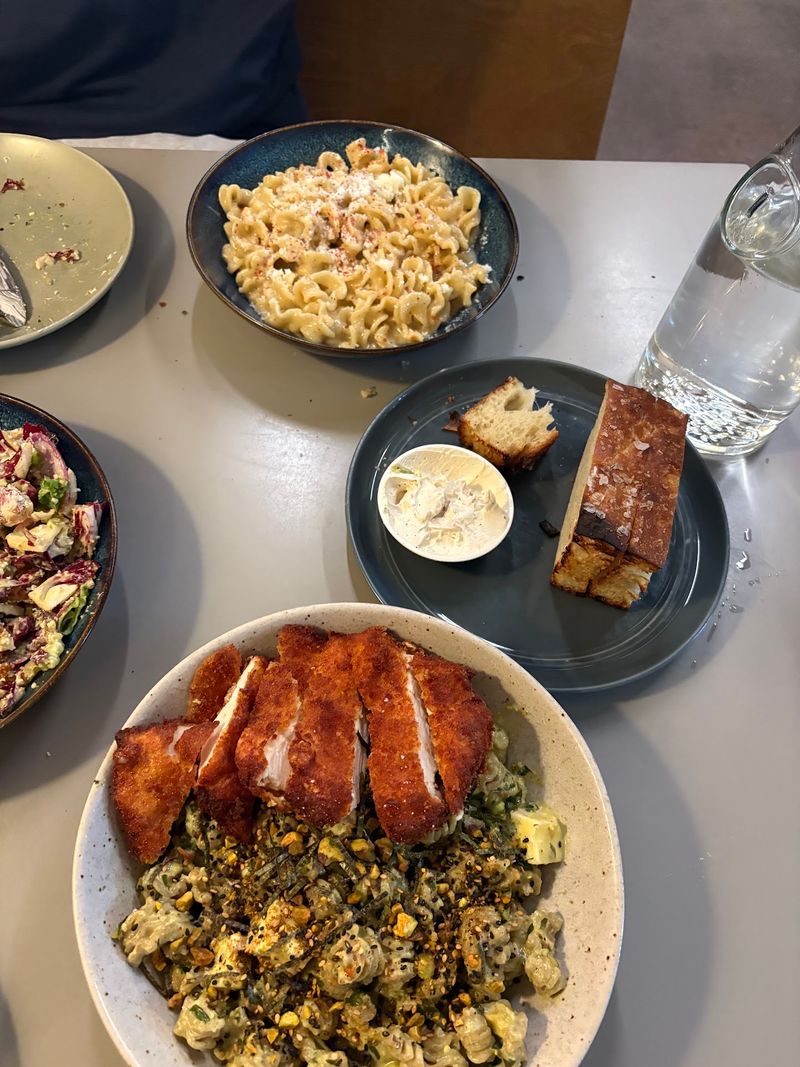
Fresh pasta at home usually means flour everywhere and a rolling pin that refuses to cooperate. Dio Mio offers a much cleaner shortcut through its monthly Pasta Club.
Each month, members get handmade, fresh pasta kits meant for cooking at home. The noodles arrive ready to go, so the hardest part is already finished for you.
The kits also include sauces, garnishes, and clear cooking instructions. That means even nervous home cooks can pull off a restaurant-style dinner without panicking at the stove.
A fresh salad and the restaurant’s focaccia come along in the package too. It’s basically a full dinner night, minus the drive and the search for a parking spot.
I like this option for families who want a fun cooking project that won’t go sideways. Kids can help toss the pasta and plate everything, and nobody has to knead a single ball of dough.
It’s also a clever way to keep tasting the seasonal menu between visits to Larimer Street. After one kit, don’t be surprised if the urge to cross Denver for a sit-down meal gets even stronger.