
This Colorado Museum Brings Ancient Roman Art To Life With Stunning Pompeii-Inspired Frescoes
Real wall paintings from ancient Pompeii, buried by a volcano nearly 2,000 years ago, were displayed at the Aspen Art Museum during a special exhibition from May 30 to September 29, 2024. That alone made me stop scrolling.
The fragments share rooms with bold contemporary art, and the pairing feels fun.
The gallery layout borrows from the intimate rooms of a Pompeian home. I like how that turns a museum visit into something closer to wandering through someone’s house.
Old Roman colors and fresh modern ideas end up chatting across the centuries.
Colorado usually gets attention for its high peaks and ski slopes, not its ancient Roman art. Admission here costs nothing, which makes the whole thing even harder to resist.
I believe Colorado has room for surprises far beyond the trailhead. So how does a Roman villa vibe land in the Rockies, and what else is waiting upstairs?
Ancient Pompeii Frescoes Are Sharing Wall Space With Modern Art
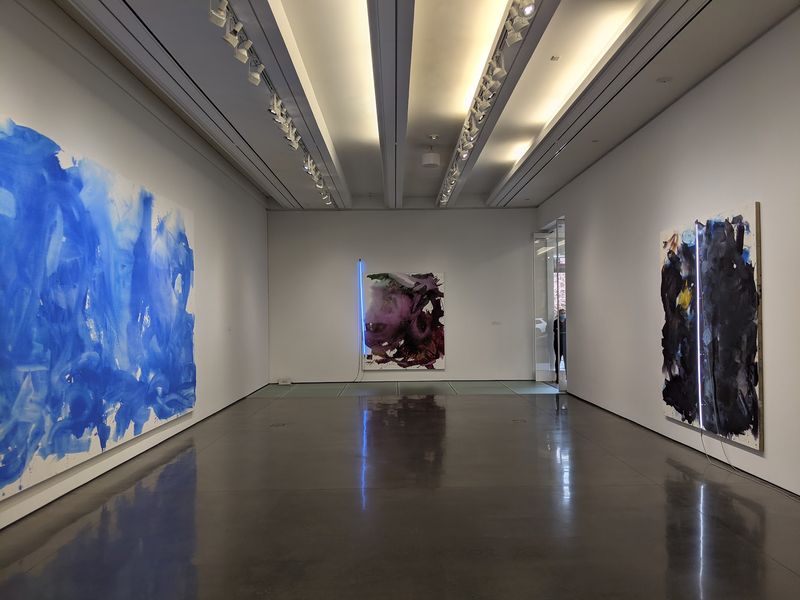
Roman painters worked on these walls long before anyone dreamed of chairlifts. During a 2024 exhibition, ancient Pompeian fresco fragments were displayed inside the Aspen Art Museum alongside works by contemporary artists.
That pairing is the whole point. Instead of locking ancient art in a dusty glass case, the museum lets old and new pieces talk to each other.
Frescoes are paintings made on wet plaster. As the plaster dries, the pigment becomes part of the wall itself, which helps explain how these images survived for centuries.
Pompeii was buried by Mount Vesuvius in the year 79. Ash sealed the city, and that strange luck preserved homes, streets, and painted rooms for later generations to study.
Seeing those fragments next to bold modern pieces changes how you look at both. Suddenly the ancient work feels fresh, and the new work feels like part of a very long conversation.
It’s a smart idea, and honestly a little cheeky. Few people expect Roman wall art in a Colorado mountain town, which makes the surprise even sweeter.
Take your time with the details. Look closely at brushwork, faded edges, and color choices, then compare them with the newer art nearby.
You Get To Wander Through Rooms Shaped Like A Roman Home
Ancient Romans didn’t hang art in galleries. They painted it right onto the walls of the rooms where they ate, talked, and relaxed.
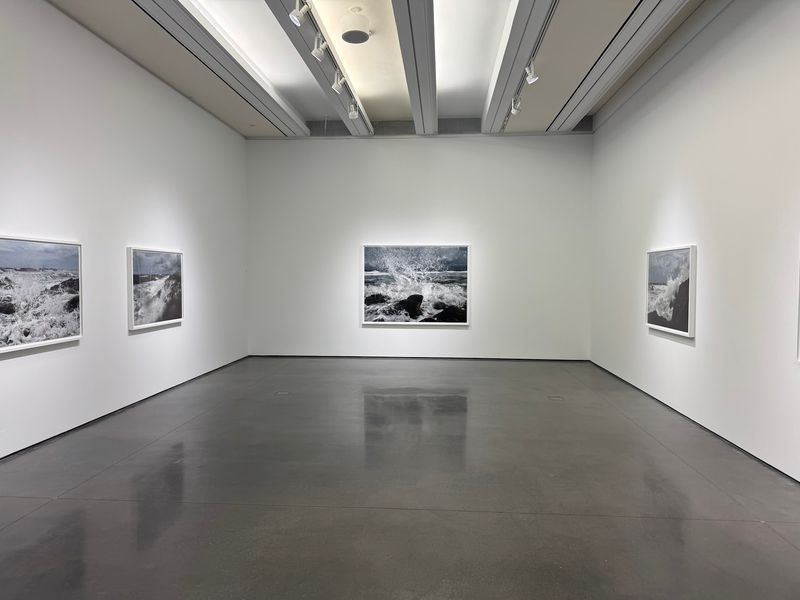
For its 2024 exhibition, the museum created a temporary gallery layout inspired by the intimate rooms of a Pompeian home. Each room flows into the next, so the visit feels more like exploring a house than marching down a hallway.
That setup does something clever. You start thinking about how real people lived with these images every single day.
A Roman family might have passed a painted garden scene on the way to dinner. Picturing that makes the art feel personal instead of distant.
Moving from room to room also keeps things relaxed. There’s no pressure to absorb everything at once, and each doorway offers a small reveal.
Here’s a tip that works well. Pause in each doorway and take in the whole room before stepping closer to individual pieces.
You’ll notice how the spaces frame the art differently. A fresco fragment and a modern piece can look like neighbors swapping stories across two thousand years.
It’s a thoughtful way to share history. And it proves that good design can make old art feel lived-in again.
Your Wallet Gets A Day Off Here
Free admission in Aspen sounds almost too good to be true. Yet the Aspen Art Museum keeps its doors open to everyone without charging a ticket fee.
That matters in a town known for luxury shopping. A free museum gives families, students, and curious travelers an easy way to enjoy world-class art.
It also takes the pressure off your visit. You don’t have to see everything in one go just to feel like you got your money’s worth.
Pop in for half an hour between errands. Or come back on another day when you want a second look at a favorite piece.
Donations are welcome, though, and they help keep exhibitions and programs going. If you enjoyed yourself, tossing in a little support is a kind way to say thanks.
Free entry also makes this an easy pick for groups. Nobody has to argue about splitting ticket costs, which keeps everyone in a better mood.
Families with kids can treat it like a low-stakes adventure. If young legs get tired early, you can head out without feeling like you wasted anything.
In a pricey mountain town, that kind of generosity stands out. Art for everyone is a pretty great motto.
That Woven Exterior Deserves A Long, Slow Stare
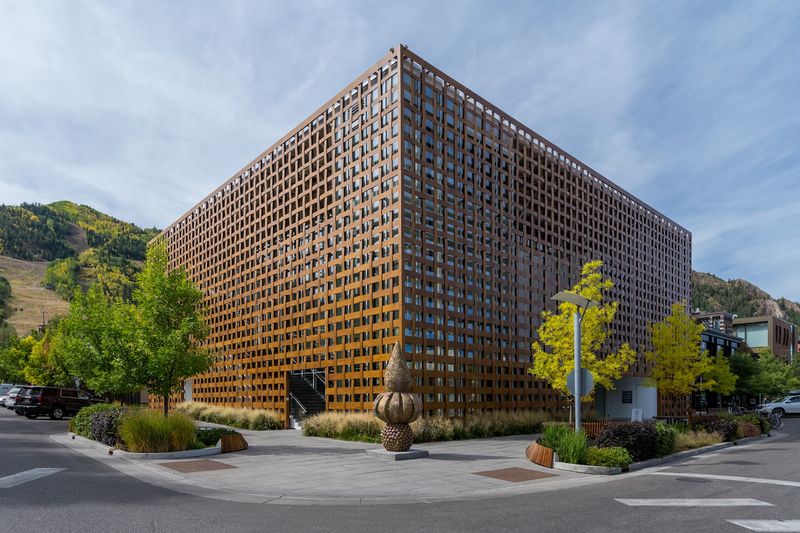
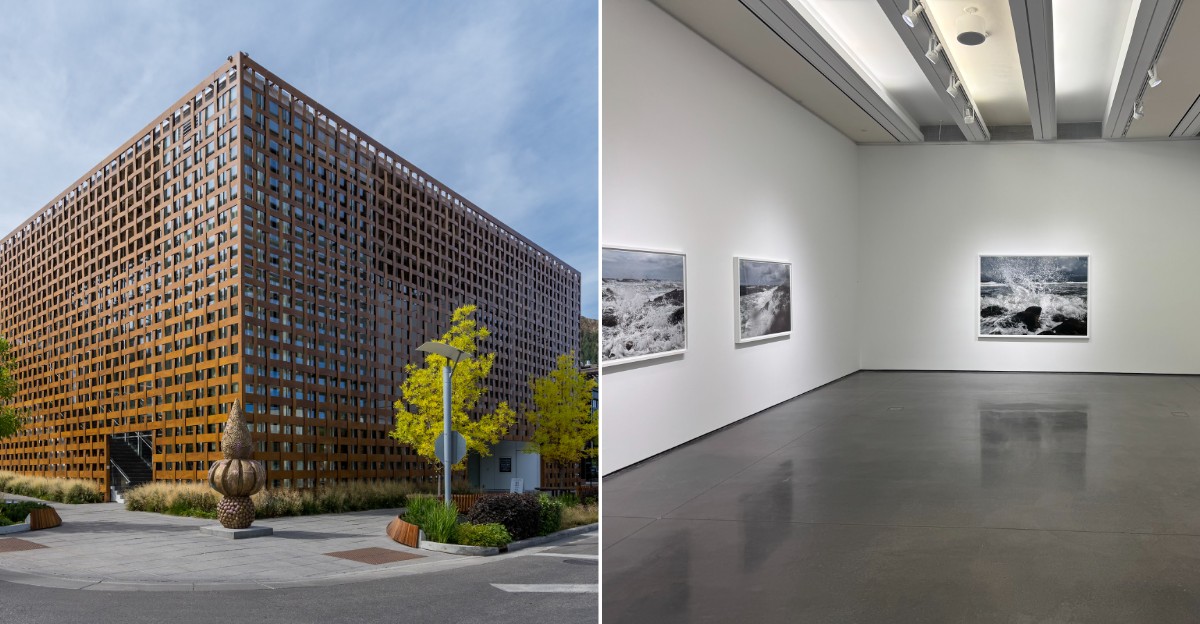
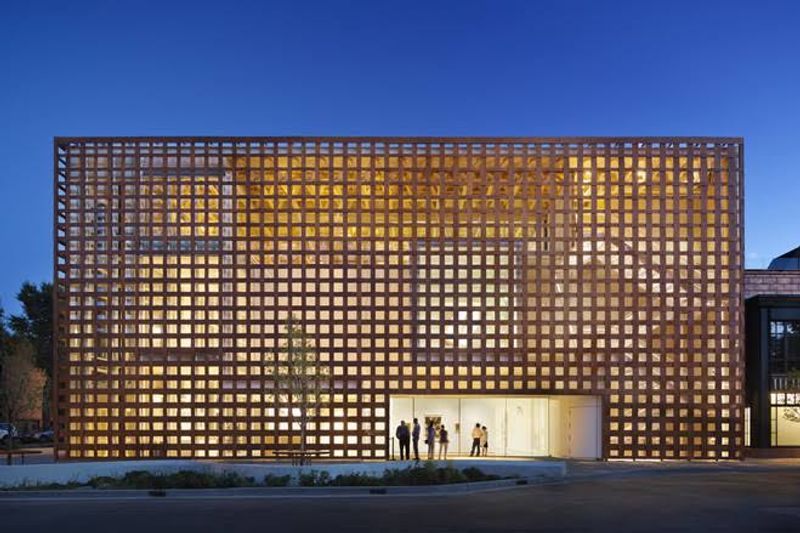
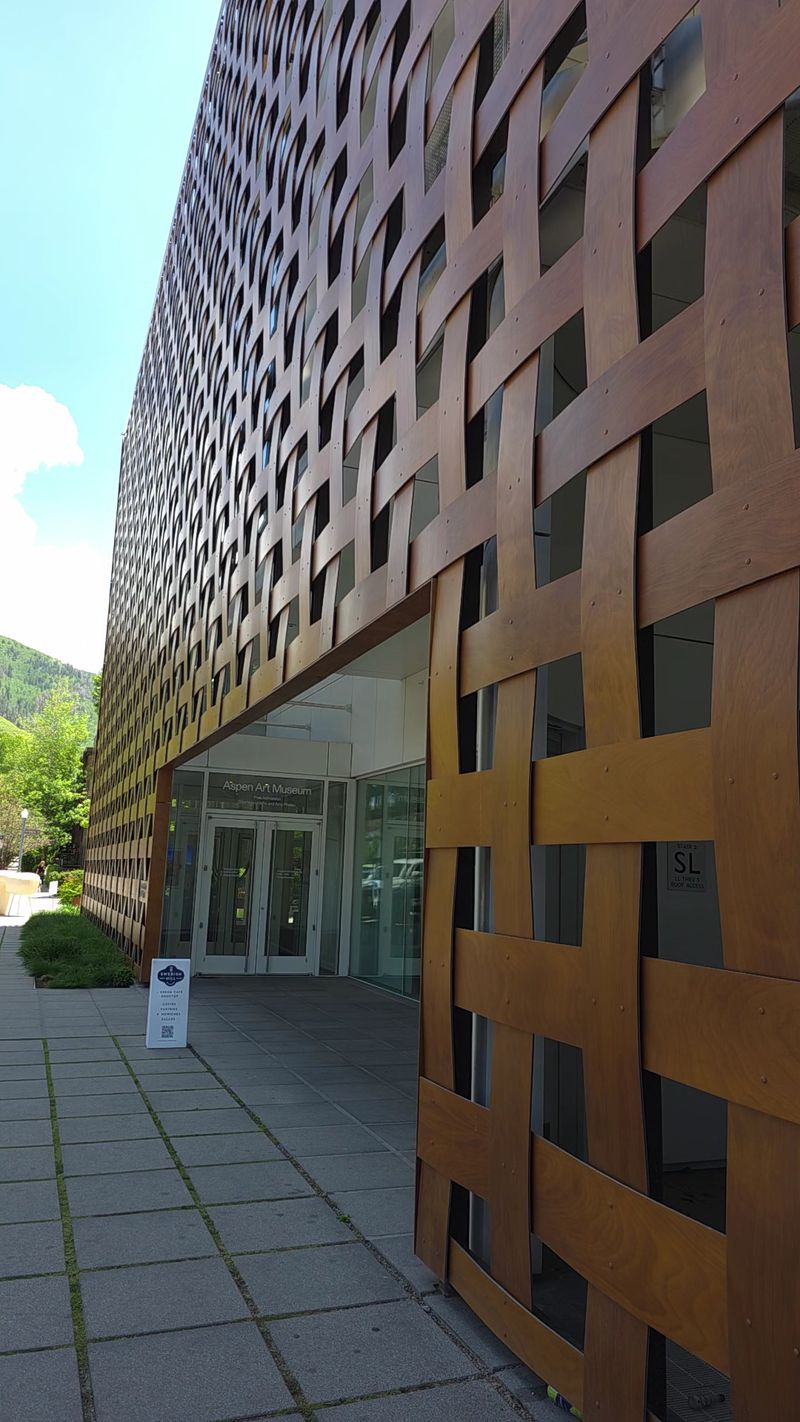
Basket weaving and modern architecture don’t usually share a sentence. The building’s outside, though, wraps itself in a woven screen that looks almost hand-crafted.
The museum building was designed by Japanese architect Shigeru Ban and opened in 2014. That same year, Ban won the Pritzker Prize, one of architecture’s biggest honors.
The lattice screen covers the glass walls behind it. Sunlight slips through the gaps and creates shifting patterns inside, which keeps the building feeling alive throughout the day.
Up close, the crisscross pattern is fun to study. From across the street, it gives the whole structure a warm, earthy look that stands apart from its neighbors.
Ban is known for creative materials and thoughtful design. Here, that approach turns a simple box shape into something people stop to photograph.
So bring your camera before you even go in. Morning and afternoon light can make the facade look very different.
Try a few angles from the sidewalk. Corner shots show off the depth of the weave, while straight-on photos highlight its neat geometry.
It’s rare for a building to compete with its own art. This one gives the exhibits some friendly competition.
Climbing The Stairs Is Half The Fun
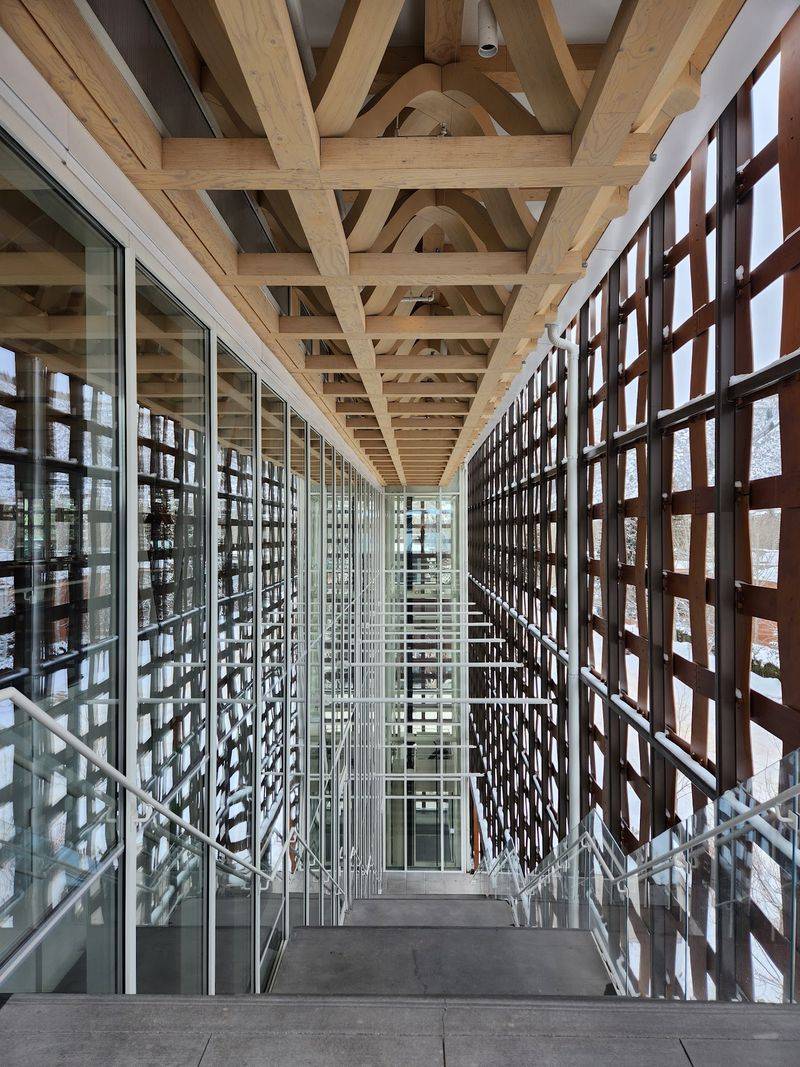
Most museums hide their stairs in a back corner. Here, a grand staircase runs alongside the building’s glass edge, framed by that famous woven screen.
Each step up gives you a slightly different view of downtown Aspen and the peaks beyond. It feels like a slow reveal, building anticipation for the rooftop.
The staircase links the galleries with the top floor. So the journey between exhibits becomes its own small experience instead of a boring transition.
Light filtering through the lattice creates striped shadows on the steps. Those patterns change as the sun moves, which makes repeat trips feel new.
Not up for the climb? The building also features a glass elevator, so getting to the top stays easy for everyone.
Still, the stairs are worth trying if you can. Take breaks at the landings and peek out at the town below.
Photographers tend to love this spot for good reason. The mix of glass, screen, and mountain backdrop makes almost any picture look thoughtful.
Consider it a mini workout with a view. In a mountain town, even the museum gives your legs a little exercise.
The Rooftop Views Might Steal Your Attention From The Art
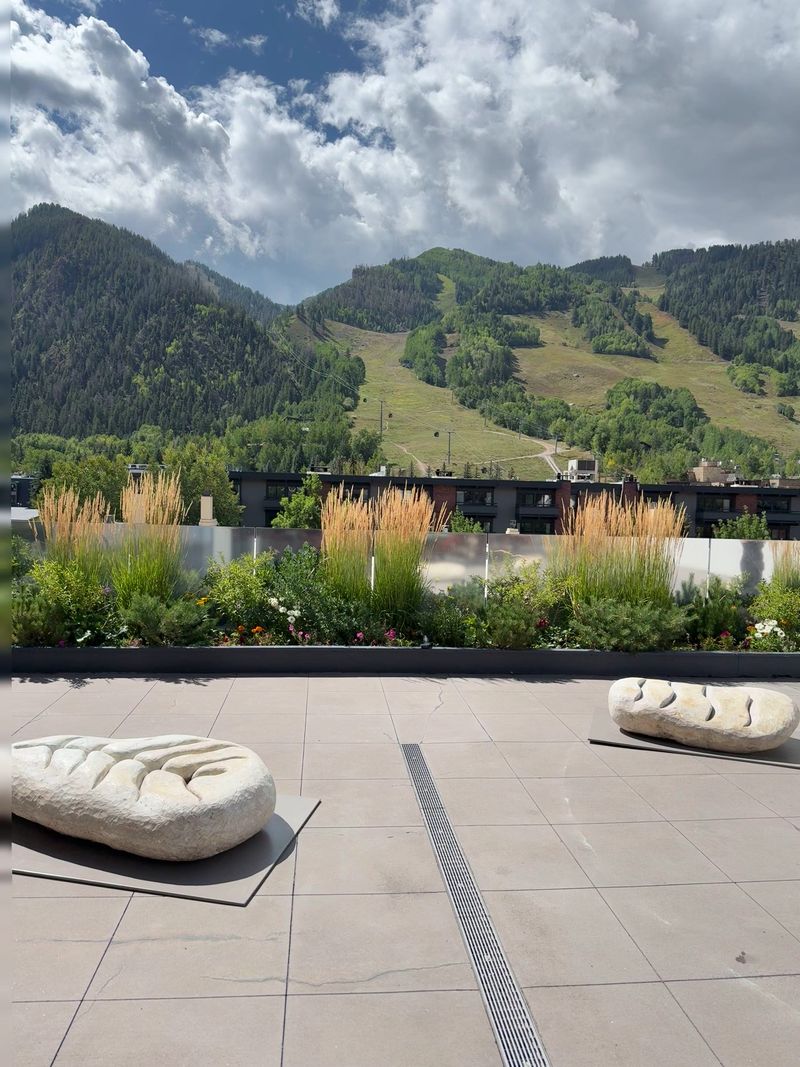
Aspen Mountain looks close enough to touch from up here. The rooftop gives you a wide, open view of the slopes rising right above town.
It’s also an art space. The roof hosts a sculpture garden, so outdoor pieces share the scene with that big mountain backdrop.
That combo feels very Colorado. Where else can you admire a sculpture and spot ski runs in the same glance?
Winter brings snowy slopes into the view. Summer swaps that for green hillsides and bright blue skies, so each season offers its own picture.
Give yourself a few minutes to simply take it in. After time in the galleries, the fresh air feels like a reset button for your brain.
Sculptures here change with exhibitions, so what you see may differ from your last trip. That keeps the rooftop exciting even for repeat visitors.
Bring sunglasses on bright days. The sun at Aspen’s elevation can feel stronger than you’d expect, especially with snow nearby.
Honestly, the rooftop might become your favorite room in the building. It just happens to have no ceiling.
Grab A Bite Where The Mountains Join You For Lunch
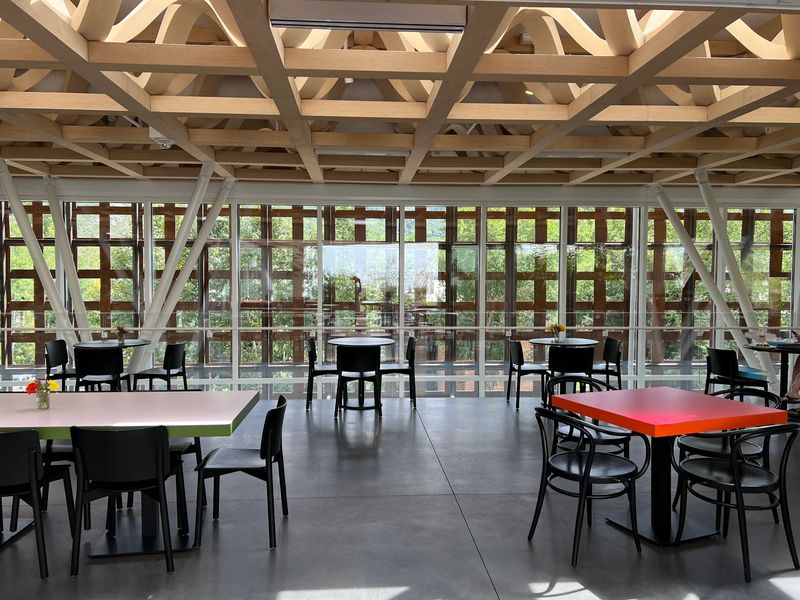
Looking at ancient frescoes can work up a surprising appetite. Luckily, the rooftop includes a cafe, so a snack break comes with scenery.
It’s a handy stop after exploring the galleries. You can rest your feet, sip a coffee, and process everything you just saw.
The cafe sits right beside the mountain views. That makes even a simple lunch feel a bit fancier than usual.
Offerings can change, so check ahead if you’re planning a full meal. Think of it as a relaxed spot for lighter fare rather than a formal dining room.
Timing helps here. Visiting around lunchtime lets you mix art, food, and fresh air into one easy outing.
Pairing a meal with a museum trip is also a nice way to slow down. Aspen days can get packed with skiing, hiking, and shopping.
A quiet table up top gives you a breather. Chat about your favorite piece or argue playfully about which modern work confused you most.
Food tastes better with a view. That’s not science, but it certainly feels true on this rooftop.
Plan Around Monday And You’re All Set
Mondays are the one day to skip. The museum closes then and opens Tuesday through Sunday from 10 am to 6 pm.
You’ll find it at 637 E Hyman Ave, Aspen, CO 81611. It sits right in the downtown core, so reaching it on foot from shops and restaurants is easy.
Hours can shift for holidays or special events. A quick check before you head out saves you from staring sadly at locked doors.
Driving? Street parking is available nearby, though downtown spots can be paid and limited during busy seasons.
Walking or using local transit often makes life simpler. Aspen’s compact downtown rewards people who leave the car behind.
How long should you stay? That depends on the exhibitions, but leaving time for the rooftop is a smart move.
Exhibits rotate throughout the year. So the art on view during a summer trip may look totally different by ski season.
That makes planning a second visit tempting. Free entry and a central spot make returning about as easy as it gets in Colorado.
Turn Your Museum Stop Into A Full Downtown Adventure
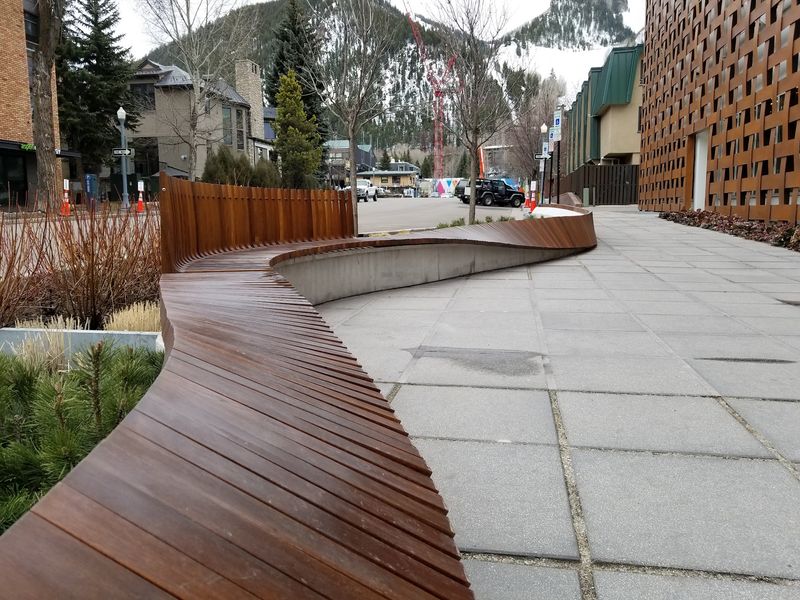
Few museums sit this close to a ski gondola. Aspen’s downtown is compact, so art, mountains, and history all share the same few blocks.
The Silver Queen Gondola up Aspen Mountain leaves from the edge of downtown. In summer, it carries sightseers up for big views, while winter brings skiers.
History fans can stroll past the Wheeler Opera House, a landmark that dates to 1889. Its stone exterior is a striking contrast to the museum’s modern weave.
That contrast is part of Aspen’s charm. Old mining-era buildings and bold new architecture stand side by side, a bit like the frescoes and modern art inside.
Shops and eateries line the nearby streets. Pairing a gallery visit with some window shopping makes for a breezy afternoon.
Families can easily build a day around the area. Start with art in the morning, then ride the gondola once the sun warms things up.
Everything feels walkable and connected. You won’t spend half your trip hunting for parking between stops.
Colorado mountain towns rarely pack this much variety so tightly. Contemporary art, striking architecture, and alpine views make one very memorable day.