
You Can Watch Adorable Red Pandas Up Close During A Special Animal Experience At This Pennsylvania Zoo
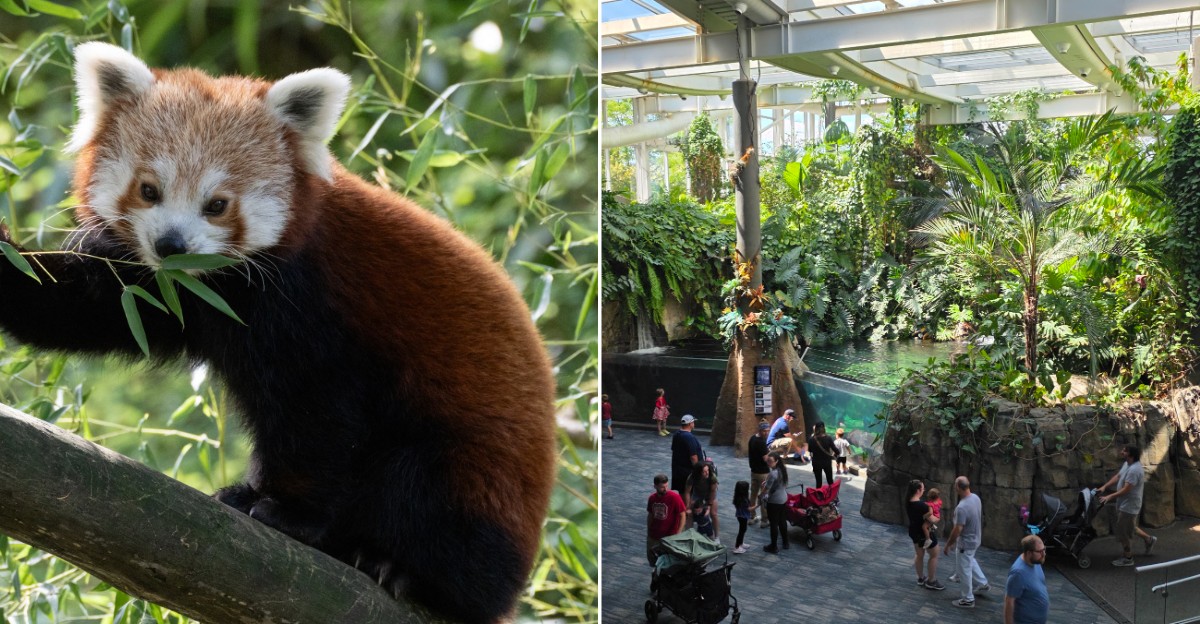
Every Tuesday at 11 a.m., a small group gets to spend time with red pandas and the experts who care for them. That’s a weekly appointment I would gladly keep.
The experience is part of a special encounter program, and it focuses on learning as much as looking.
Staff members share how these fluffy tree-dwellers live and why their species needs protection. I like that the cuteness comes with a real purpose.
This Pennsylvania spot also pairs a full zoo with a full aquarium. Only a handful of major places in the country can say that.
It means your red panda morning can easily roll into sharks, polar bears, and crocodiles.
I can’t imagine a better excuse to clear a Tuesday. So what else is waiting beyond those rust-colored tails?
Quite a lot, it turns out.
Your Tuesday Plans Just Got A Lot Fluffier
Red pandas get their own spotlight at the Pittsburgh Zoo & Aquarium through the Red Panda Encounter.
It’s part of the Wild Encounters program, which offers closer, guided time with certain animals.
The encounter happens on Tuesdays at 11 a.m. That set schedule makes planning easy, so mark your calendar early.
Expert staff lead the experience and share what makes red pandas so special.
You’ll learn about their habits and the conservation work dedicated to their species. It’s a chance to ask questions you never knew you had.
Participants must be 16 or older to join. That makes it a great pick for teens, couples, or adult friends who love animals.
Younger kids can still spot red pandas from regular viewing areas.
General admission to the Zoo is included with the encounter. So after your red panda time, the rest of the day is yours to explore.
That’s a pretty sweet bonus for one booking.
Spots in small, guided programs can fill up, so booking ahead is smart.
Check availability before your trip. Nobody wants to show up ready for fluff and leave with only a map.
Head To Forest Passage To Find The Red Pandas
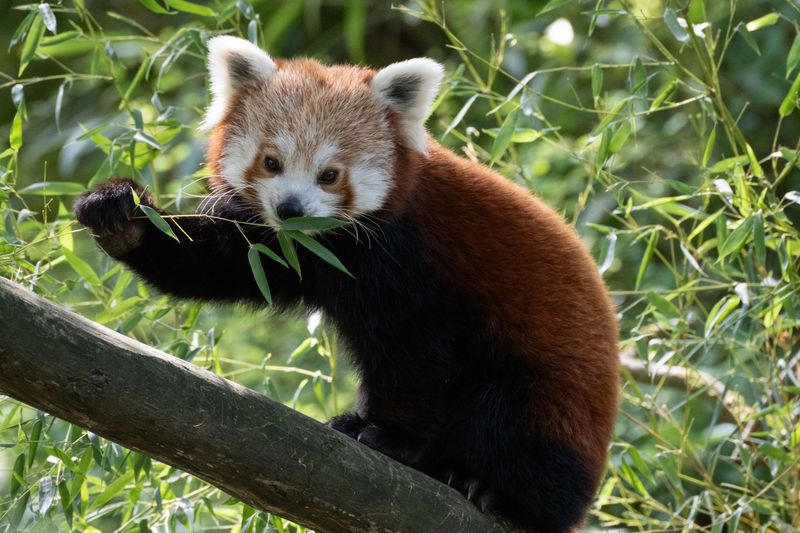
Bamboo, branches, and plenty of shade set the scene for red pandas at the Zoo.
They live within the Forest Passage area, one of nine themed zones on the grounds.
Knowing where to go saves you from wandering in circles. Forest Passage gives you a clear target if red pandas top your must-see list.
Head there first if they’re the reason you came.
Red pandas spend much of their time in trees in the wild. That means you may need to look up rather than down.
Scan the branches carefully, because that reddish fur can blend in surprisingly well. Many exhibits at the Zoo use naturalistic habitats with multiple viewing angles.
Some areas even include glass walls for closer looks. Try a few different spots around the exhibit for the best view.
Patience pays off with these animals. A sleepy red panda might suddenly stretch, climb, or turn its masked face your way.
Give yourself a few minutes before moving on.
Bring a camera with a good zoom if you have one. Phones work too, but steady hands help.
Those striped tails deserve a sharp photo.
A Zoo And An Aquarium In One Ticket Is Rare Stuff
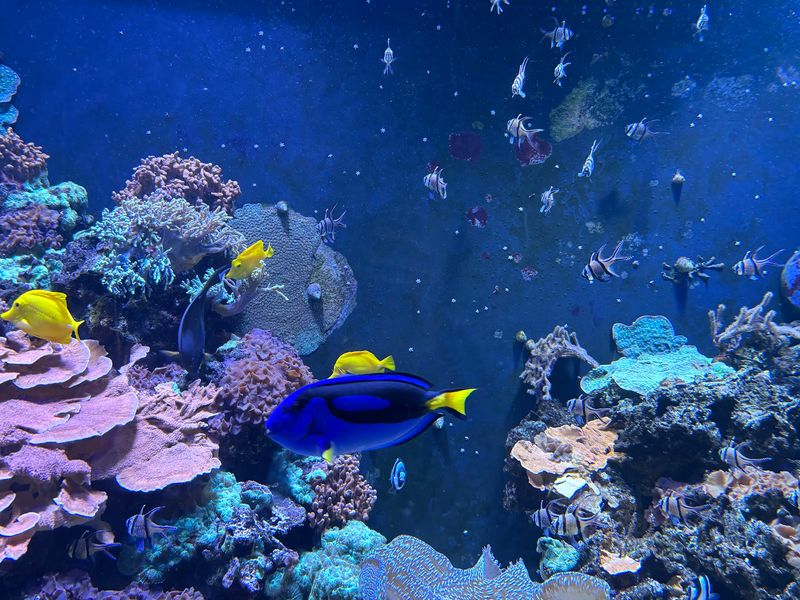
Only six major facilities in the United States combine a zoo and an aquarium.
The Pittsburgh Zoo & Aquarium is one of them, and that’s a big deal for curious visitors.
The Aquarium portion features a two-story shark tank. Watching sharks glide past at that height feels like standing inside an ocean.
It’s a fun contrast after a morning with tree-loving red pandas.
Exhibits also cover Pennsylvania wildlife and tropical marine ecosystems.
You can compare animals from nearby streams with colorful reef creatures. It’s a neat way to see both local and faraway waters in one building.
History runs deep here too. The AquaZoo opened in 1967 as the largest aquarium in Pennsylvania at the time.
It was also the second largest in the entire country.
The indoor setting makes the Aquarium a handy stop on hot or rainy days. Plan it for the middle of your visit if you need a break from the sun.
Your feet will thank you.
Fun fact: the place dropped the PPG name on January 1, 2023. So if older signs or memories say otherwise, now you know why.
Island Life Comes With Crocodiles And Clouded Leopards
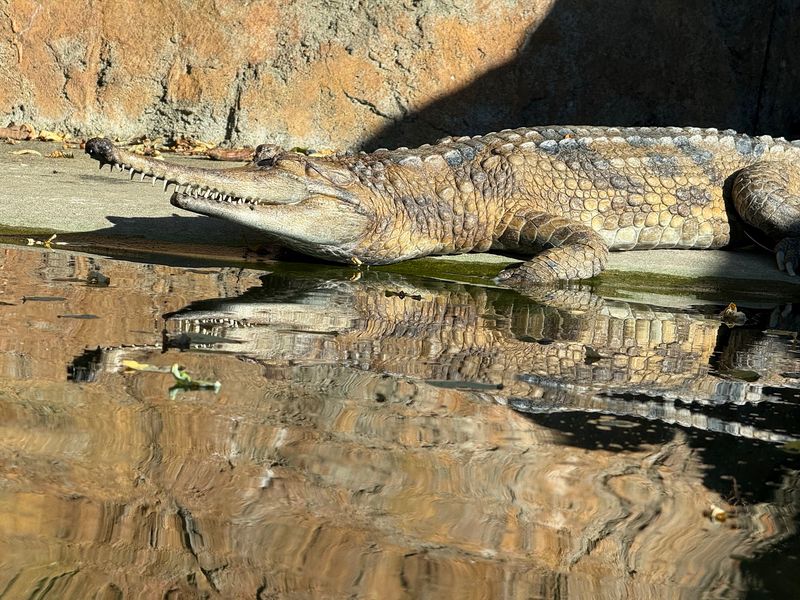
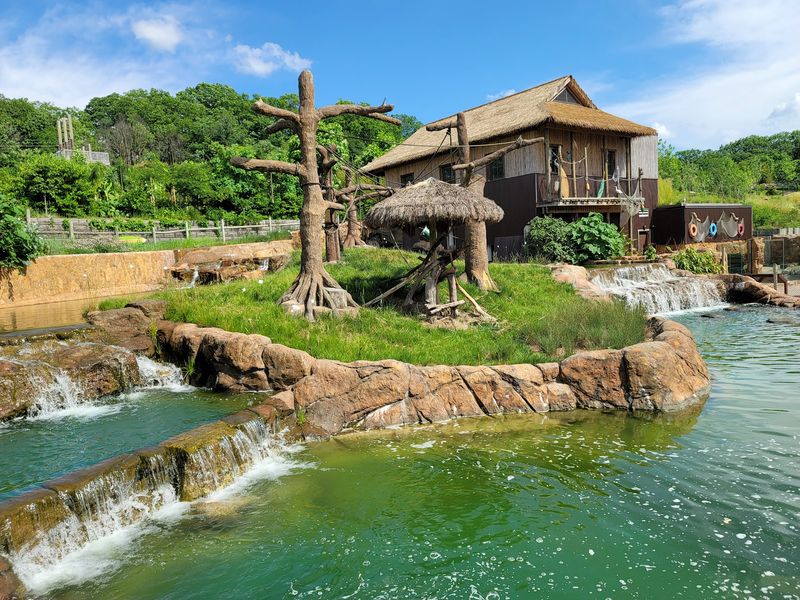
Waterfalls and ponds give The Islands a tropical feel you might not expect in western Pennsylvania. Opened in 2015, this exhibit covers 22,000 square feet.
The focus is on endangered animals from island environments. That gives the whole area a clear mission beyond simple sightseeing.
Each animal has a story about survival in a unique home. Philippine crocodiles are among the residents here.
So are Aldabra tortoises, which are known for their impressive size. Visayan warty pigs add a quirky touch with their distinctive look.
Siamangs, a type of ape, also call The Islands home. Clouded leopards round out the lineup with their gorgeous patterned coats.
Spotting one resting on a branch is a real treat.
The immersive design makes it easy to slow down and look around. Listen for the waterfalls as you walk through.
It’s a peaceful break from the busier parts of the Zoo.
Red panda fans will appreciate the conservation theme here too.
Both areas highlight animals that need human help to thrive. Learning about one makes you curious about the other.
Jungle Odyssey Is Full Of Unexpected Animal Neighbors
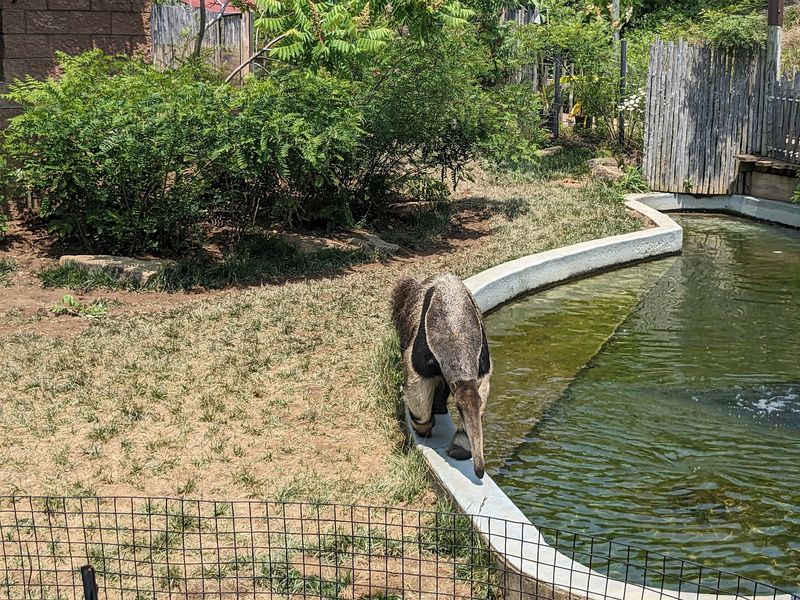
Roommates come in all shapes at Jungle Odyssey. When this area opened in 2017, capybaras and giant anteaters were among the animals introduced to visitors.
The area originally featured five distinct animal exhibits. Each one introduced creatures you might not see at every zoo.
It’s a great spot for anyone who loves the unusual.
Fossas were among the original residents here. These sleek predators come from Madagascar and move with impressive speed.
Ocelots, with their beautiful spotted coats, are another highlight of this section.
A pygmy hippo adds plenty of personality to the lineup. Smaller than its famous cousin, it still has that classic hippo shape.
Kids especially love comparing it to what they’ve seen in books.
Giant anteaters are fascinating animals to watch. Their long snouts and powerful claws are specialized for finding and eating ants and termites.
Who knew an animal could look so unusual and still be so perfectly adapted to its environment?
Jungle Odyssey shows how the Zoo builds naturalistic habitats. The animals have room to roam and explore.
That makes viewing feel more like spying on real life.
Polar Bears Rule The Water’s Edge
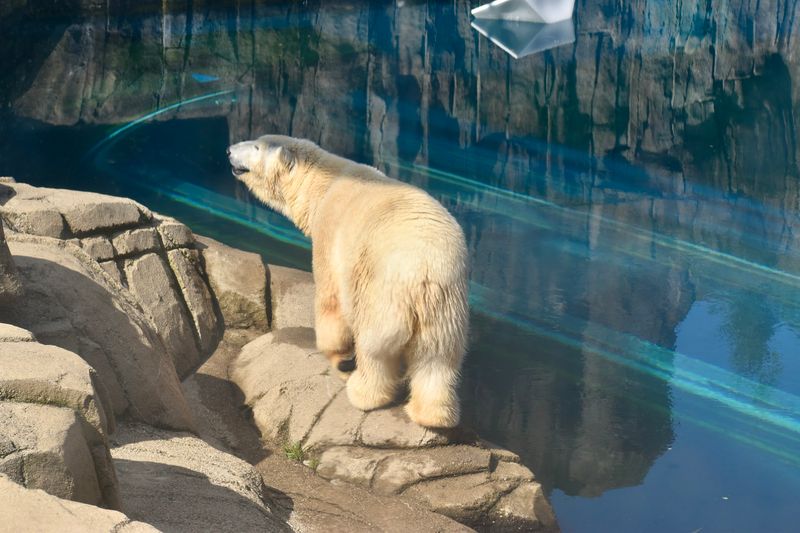
Big, white, and built for the cold, the polar bear is a headliner at Water’s Edge.
This exhibit is known for its polar bear habitat, home to Snowflake, an elderly female.
Many exhibits at the Pittsburgh Zoo & Aquarium include glass walls for close-up viewing. That design gives you a chance to see animals from angles that feel personal.
Keep an eye out for moments in the water. Polar bears are powerful swimmers in the wild.
They use their large front paws to paddle through icy seas.
Seeing their size up close helps you appreciate how strong they really are.
Water’s Edge pairs nicely with a red panda visit. One animal is small and loves trees, while the other is massive and loves water.
The contrast makes for a fun conversation on your walk.
Bears have a long history at the Zoo. In 1937, the first naturalistic bear exhibits were built through the Works Progress Administration.
That was an early step toward more natural animal homes.
Cooler days can be a good time to visit animals adapted to cold climates. Snowflake also has access to comfortable behind-the-scenes spaces, so she may not always be visible to visitors.
Dress for the weather and take your time. Even if Snowflake stays indoors, there’s plenty more to discover around Water’s Edge.
Kids Have Their Own Kingdom, And It Dates Back To 1949
Back in 1949, the Zoo opened its original children’s area.
That early attraction eventually evolved into Kids Kingdom, which opened in its renovated form in 1995 with interactive exhibits built for young explorers.
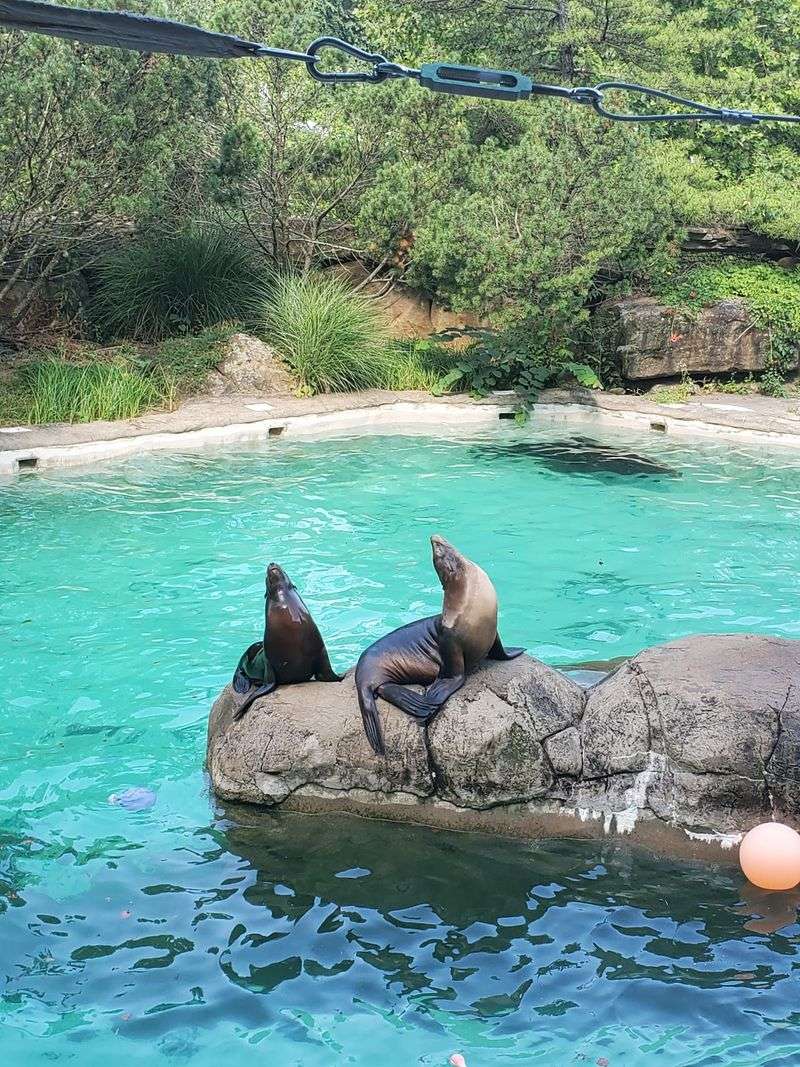
Visitors can see a variety of animals, including kangaroos, wallabies, goats, and alpacas. The domestic animal exhibits are especially popular with younger guests.
Watching animals up close can turn a regular zoo day into a memory kids will talk about for weeks.
Since the Red Panda Encounter is for ages 16 and up, this area is a great alternative for younger siblings. Families can split up and meet again later.
Everyone gets an animal moment that fits their age.
Extra activities are available for a fee, including carousel rides, face painting, and caricatures at designated locations around the Zoo.
Some seasonal scavenger hunts are included with general admission. A painted tiger face might be the best souvenir of all.
The Zoo also runs summer Zoo Camp programs, including activities for children as young as 2 and camps for kids up to age 14.
Classes and teacher workshops add to its education programs. Animal-loving kids have plenty of ways to keep learning.
A Century Of Change Sits Behind That Steep Escalator
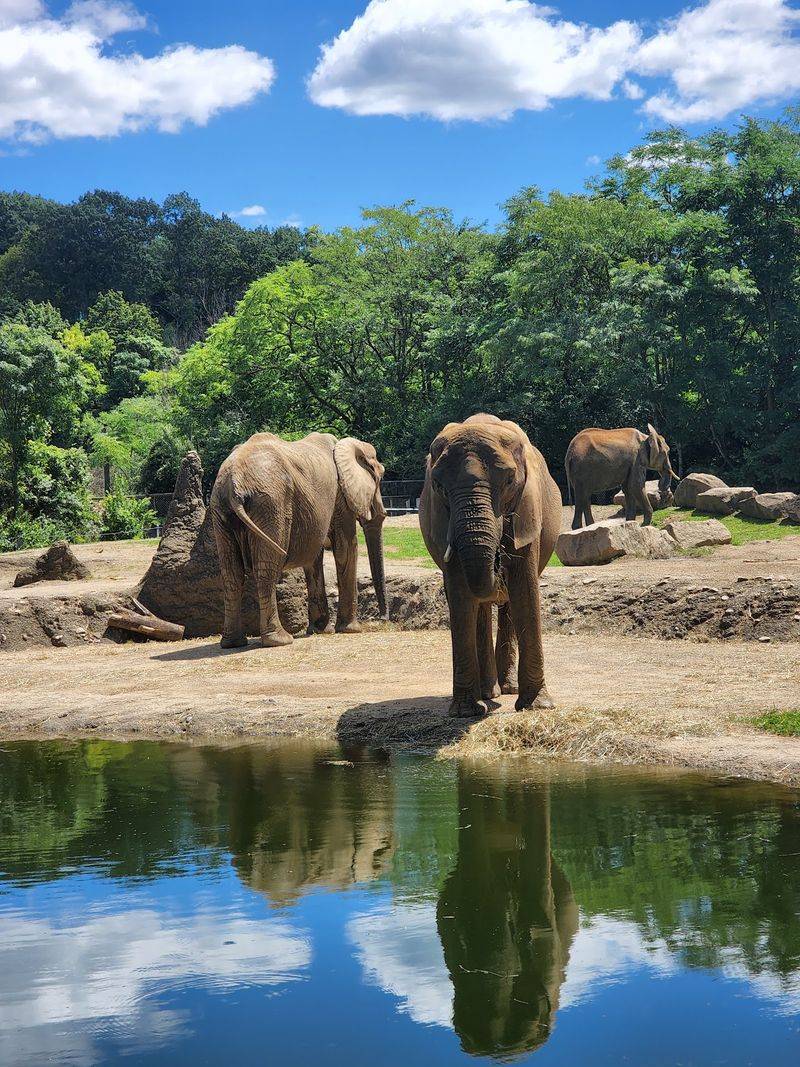
June 14, 1898, marks the day it all began. The Highland Park Zoo opened its gates thanks to a donation from philanthropist Christopher Lyman Magee.
Early on, it looked like a traditional animal menagerie. Over time, the focus shifted toward conservation and naturalistic habitats.
A Master Plan started in 1980 brought major renovations.
Today the Pittsburgh Zoo & Aquarium sits at 7370 Baker St, Pittsburgh, PA 15206.
It spans 77 acres of parkland in the Highland Park neighborhood. More than 8,000 animals representing over 600 species live here.
Your visit starts with a long, steep escalator up to the admission building. An elevator is available for anyone who needs it.
Either way, it’s a memorable welcome.
The grounds are hilly, so comfy shoes are a must. A hop-on, hop-off tram is available for an extra fee.
It’s a smart choice if you want to save energy.
In 2024, the Zoo regained accreditation from the Association of Zoos and Aquariums.
That’s a meaningful stamp for animal care standards. Pennsylvania animal lovers have good reason to feel proud.
Pack A Picnic And Plan Around The Seasons

Good news for snack lovers: you can bring your own food and drinks. Plenty of shaded areas give you a spot to relax and refuel.
Prefer not to pack? Several dining options are on site, some with indoor and outdoor seating.
Restrooms are spread throughout the grounds too.
The Zoo is open nearly every day of the year, though hours vary by season.
Checking hours before you go keeps surprises to a minimum. A Tuesday visit lines up nicely with the red panda schedule.
Seasonal events add extra fun throughout the year. ZooBoo usually happens in October.
The Jack O’Lantern Extravaganza brings a night train and spooky scavenger hunts.
Families with young kids can enjoy Noon Year’s Eve. It features crafts and a ball drop at noon in the Aquarium.
Little ones get to celebrate without staying up late.
Daily animal feedings and educational encounters also fill the calendar. Grab a schedule when you arrive and plan around a few.
Between red pandas, sharks, and seasonal surprises, this Pennsylvania favorite rewards return trips.