
Did You Know Arizona Has An 1800s Army Fort Frozen In Time That You Can Walk Right Into?
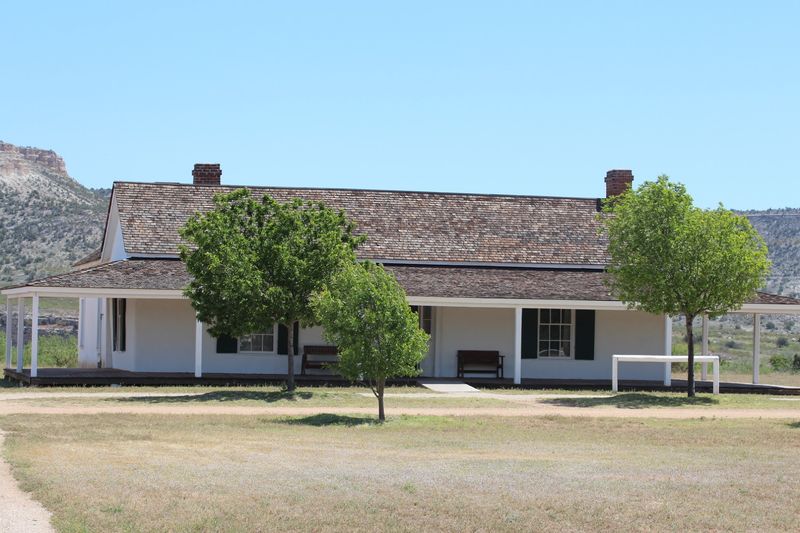
A frontier commander’s desk waits with a quill pen and a ledger, set up the way it might have looked in the 1880s. You don’t just peek at it from a doorway.
You get to step inside the actual room.
That desk sits in a real Army post in central Arizona. The troops packed up and left in 1891, yet several of their buildings stayed standing.
Today you can wander through the doctor’s home, the commander’s house, and the quarters where single officers bunked.
I like how close this place lets you get to the past. One wall even has a patch of outer stucco cut away to reveal the original adobe underneath.
It’s history with the cover pulled back.
I can’t imagine a more fun way to feel the 1800s up close. So, are you ready to report for duty?
An Army Post That Never Bothered With Walls
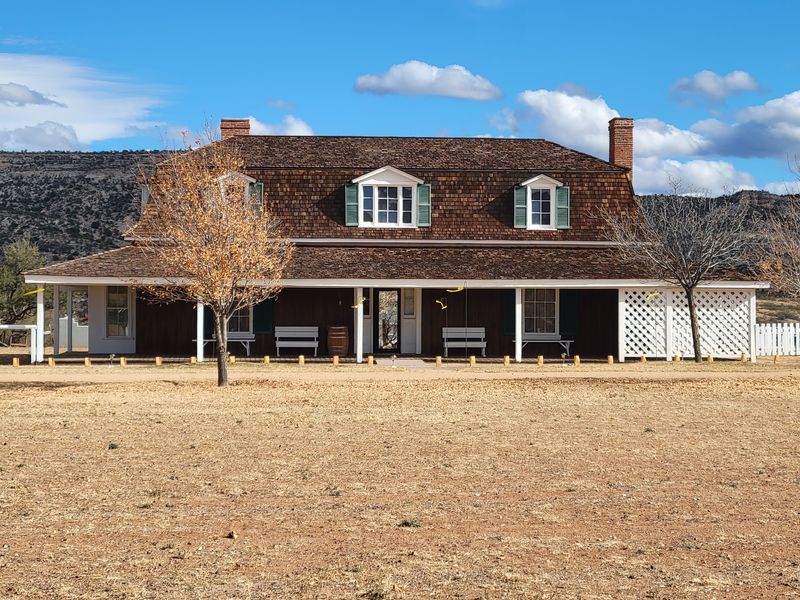
Forget the tall log stockade from old Western movies. Fort Verde State Historic Park in Camp Verde never had a wall around it at all, which was common for posts of its era.
Instead, the fort spread out around an open parade ground. At its peak, 22 buildings lined that field, housing both cavalry and infantry troops.
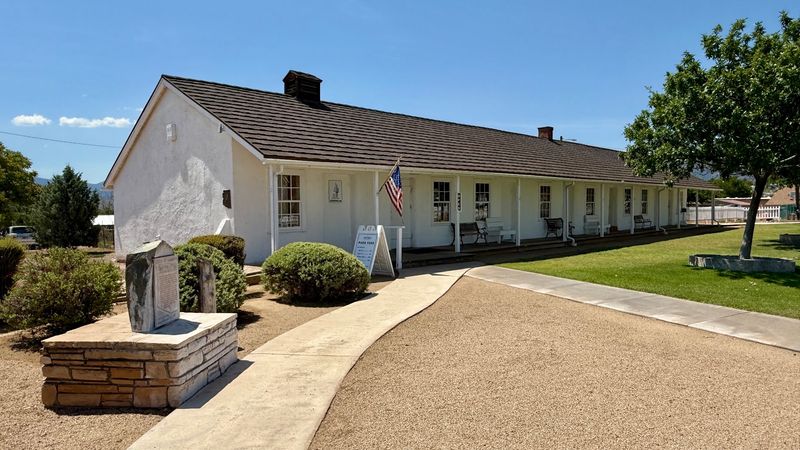
Four of those original buildings still stand today. That’s a rare survival story for a frontier post in Arizona, where so many forts slowly melted back into the desert.
The park covers about 10 scenic acres right in the heart of town. It sits along the Verde Valley, just a short hop off Interstate 17.
What makes the place special is simple. You don’t just admire these buildings from behind a fence or a velvet rope.
You open the doors and wander through rooms furnished to look the way they did in the 1880s. Old furniture, period tools, and household details fill the spaces where officers and their families once lived.
The site is listed on both the National and State Registers of Historic Places. That’s a fancy way of saying experts agree this spot matters, and it’s been cared for accordingly.
Twenty Busy Years On The Arizona Frontier
Long before it became a park, this patch of the Verde Valley went through a few name changes. Earlier temporary camps, including Camp Lincoln and Camp Verde, came first.
The post became permanent in 1871 and stayed active until 1891. That’s a 20-year run during one of the most turbulent chapters in Arizona Territory history.
General George Crook used the fort as a key base for U.S. Army troops in the 1870s and 1880s.
Soldiers headed out from here on campaigns across the rugged central Arizona backcountry.
The fort’s story also involves the Yavapai and Apache peoples who called this region home. The museum handles that history thoughtfully, including the role of the Indian Scouts who served with the Army.
It’s a complicated story, and the park doesn’t pretend otherwise. That honesty is part of what makes a visit feel meaningful rather than like a costume party.
By 1891, the frontier had changed and the Army moved on. The buildings that remained became homes, then pieces of history, and finally the park you can explore today.
Knowing this backstory first makes every room on the grounds hit a little differently.
A Headquarters Building Packed With Frontier Stories
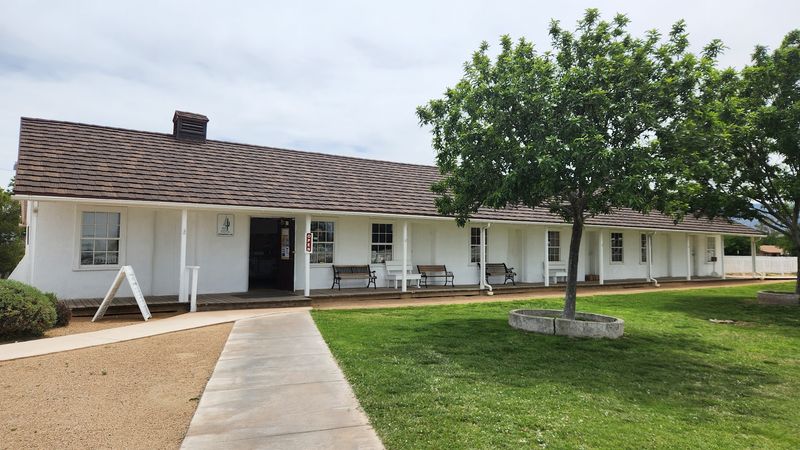
Your adventure starts in the old Military Headquarters Building. It now serves as the park’s museum and visitor center, so you’ll check in right where officers once handled the post’s business.
Inside, the museum is divided into several smaller rooms by theme. One area covers Native American life, another tackles the Army campaigns, and another shows daily life at the fort.
Artifacts fill the cases, from medical gear to soldiering equipment. Photographs and interpretive panels help connect each object to the people who used it.
A video plays in the back room, adding more depth to the story of the Indian Scouts. It’s a nice spot to pause before heading back outside.
The park has also featured special exhibits, including one on the Buffalo Soldiers. Those rotating displays give returning visitors something fresh to discover.
Some displays include QR codes that link to videos featuring costumed reenactors. It’s a clever touch that lets the characters of the fort speak for themselves.
Small gift shop and bookstore? Yes, both are here.
Grab a book on Arizona history before you cross the street to the houses, and you’ll appreciate them even more.
Officers Row And The Rooms You Can Actually Enter
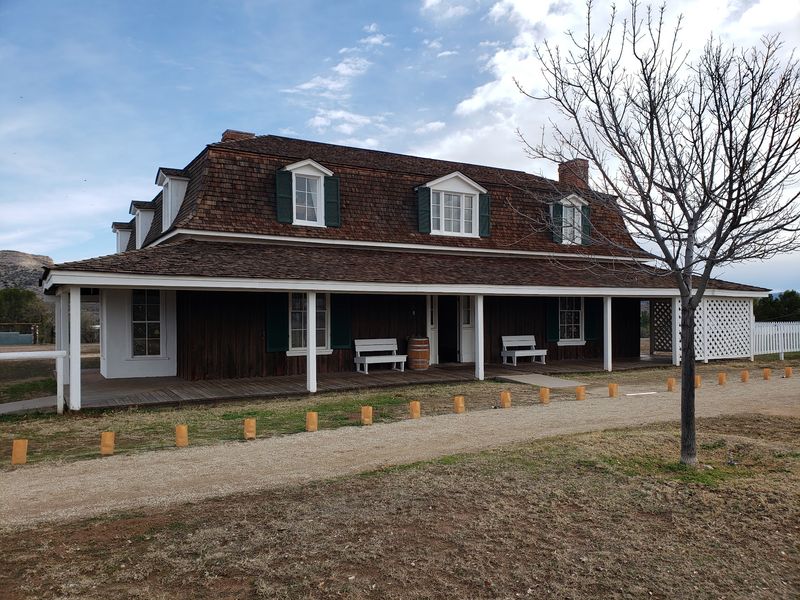
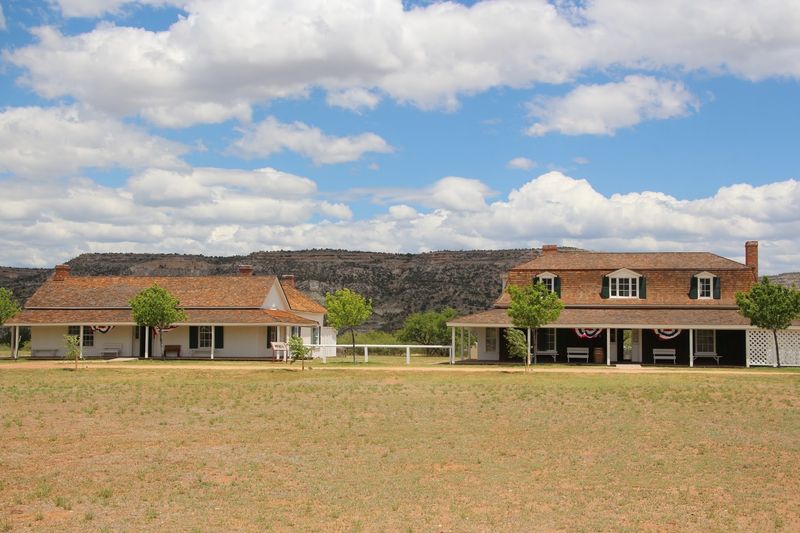
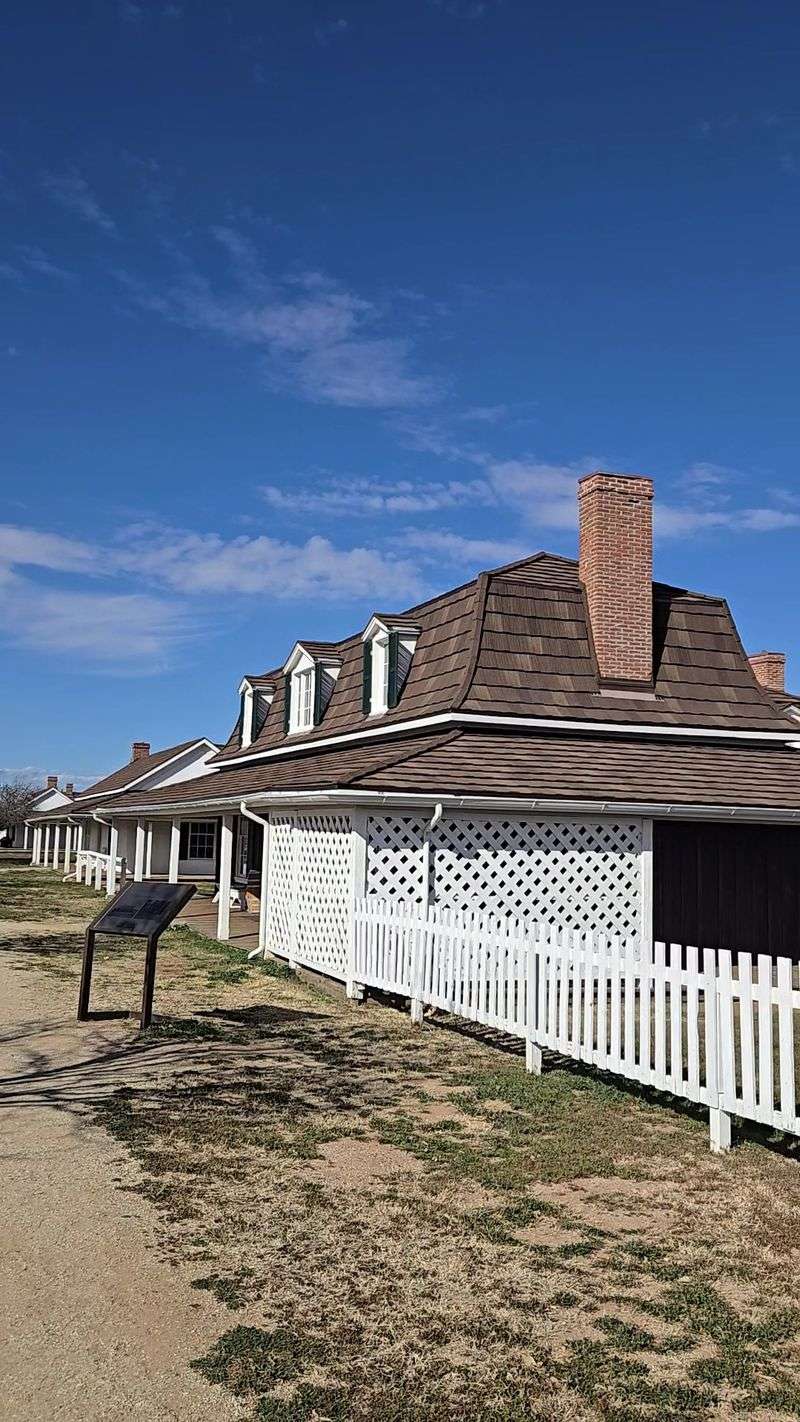
Here’s the real star of the show. Across the street from the museum stands Officers Row, a line of original homes furnished as they would have appeared in the 1880s.
Three house museums anchor the row. You’ll find the Commanding Officer’s Quarters, the Bachelor Officers’ Quarters, and the Doctor’s or Surgeon’s Quarters.
Each one tells a different slice of frontier life. The commander’s home reflects rank and responsibility, while the bachelor quarters show how single officers lived.
The surgeon’s house hints at frontier medicine, which was not for the faint of heart. Period furnishings and interpretive displays help you picture the doctor at work.
Benches sit out front, and the view stretches across the parade ground toward the flagpole. It’s a peaceful place to rest your feet between houses.
Look closely and you’ll spot a section where the outer stucco has been cut away. Underneath sits the original adobe wall, a quiet reminder of how these buildings were made.
Some homes have second stories reached only by stairs. Plan your route accordingly if anyone in your group prefers to skip the climbing.
Rangers Who Love Telling The Backstory
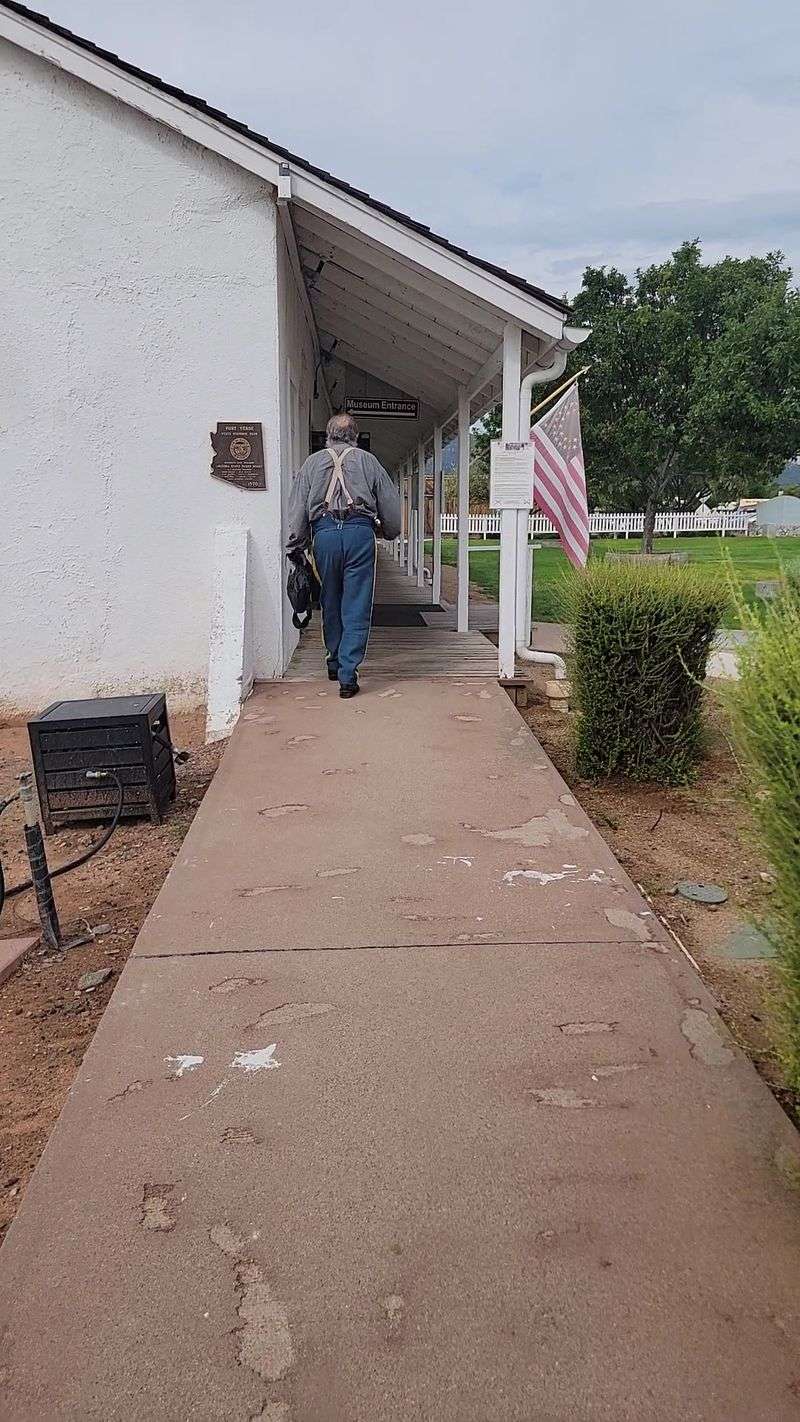
Old furniture is great, but people bring a place like this to life. Park rangers and staff at Fort Verde State Historic Park are known for being friendly, knowledgeable, and eager to share.
Ask a question about a strange tool or a faded photograph, and you’ll likely get a story back. That kind of chat turns a quick stop into a real history lesson.
Rangers can also explain how the real frontier compares to Hollywood versions. Spoiler alert: the movies took a lot of creative liberties.
That conversation adds a layer you won’t get from placards alone. It’s like having a personal guide who happens to know where every ledger came from.
The overall vibe here feels relaxed and welcoming rather than stiff or formal. Families, history buffs, and curious road-trippers all fit right in.
Teachers and homeschool groups will find plenty to work with too. Between the museum rooms and the furnished houses, the fort offers a hands-on way to understand Arizona Territory life.
So don’t rush past the front desk. A few friendly minutes with the staff might end up being your favorite part of the visit.
Reenactors, Lanterns, And Fort Verde Days
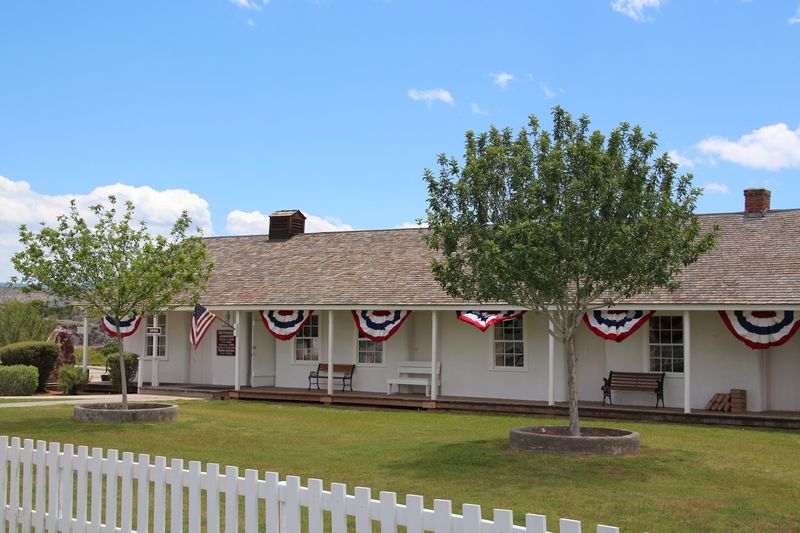
Mark your calendar for October. That’s when the annual Fort Verde Days celebration rolls into town with reenactors in full period attire.
The event turns the parade ground into a lively scene straight out of the late 1800s. It’s one of the best times to see the fort buzzing with activity.
October also brings A Haunting at the Fort, a lantern-lit walk filled with ghost stories. Spooky?
A little, but it’s more campfire-tale fun than true fright.
Throughout the year, the park schedules living history programs as well. Costumed interpreters demonstrate daily routines, skills, and stories from Arizona Territory days.
Past events like the History of the Soldier weekend have featured encampments, open houses, and artillery demonstrations. Expect cannons to make their presence known.
The houses along Officers Row have also been decorated for the holidays in past seasons. That festive touch gives the old rooms a cozy, lived-in glow.
Event schedules can shift from year to year. Check the Arizona State Parks calendar before you go, so you don’t miss the reenactors or the lanterns.
Picnic Tables, Pups, And Easygoing Extras
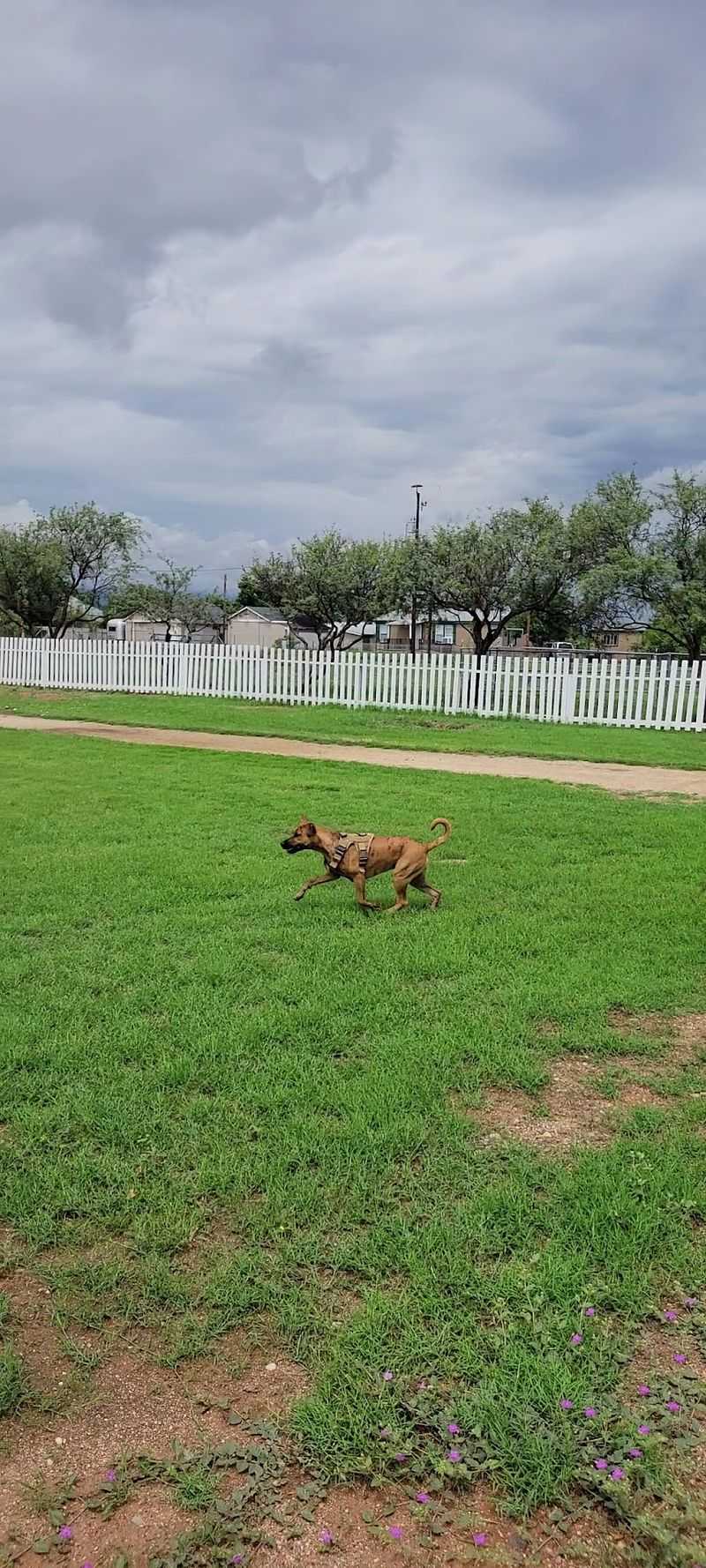
Bring a sandwich and stay a while. The park offers picnic tables, so lunch with a side of frontier scenery is entirely possible.
Restrooms are available on site. Parking also works for RVs and tour buses, which makes group trips much simpler.
Got a four-legged travel buddy? Dogs can explore the grounds with you, though they can’t go inside the historic buildings.
An accessible ramp and sidewalk help with getting around the museum area. Just remember that some upstairs rooms in the houses require stairs.
Here’s a fun bonus nearby. A big vintage power shovel sits just outside the paid portion of the park, and it makes a great photo stop.
Summer visits call for a little planning. The historic homes may feel warm on hot afternoons, so morning visits often work best when Arizona turns up the heat.
Spring and fall tend to be especially pleasant for strolling the grounds. Cooler days make it easier to linger on those porch benches and soak in the view.
Small touches like these keep the whole outing relaxed. Nobody needs a forced march to enjoy this fort.
Hours, Admission, And How To Find The Fort
Getting here is refreshingly easy. Fort Verde State Historic Park sits at 125 E Hollamon St, Camp Verde, AZ 86322, just off Interstate 17.
That puts it within reach of Phoenix, Flagstaff, Sedona, and Prescott for a day trip. Camp Verde makes a handy midpoint on any central Arizona drive.
The park is open daily from 9 a.m. to 4:30 p.m. It closes on Christmas Day, so plan holiday outings around that.
Admission is affordable, with separate rates for adults and youth. Little ones age six and under get in free, which is always a welcome bonus for families.
Fees can change, so check Arizona State Parks before you head out. That quick look also shows any special events happening during your visit.
Most people spend an hour or two exploring. Readers of every interpretive sign could easily stretch that a bit longer.
Start at the museum, then cross the street to Officers Row. That order gives you the backstory first, so the furnished houses make more sense.
Arrive early in summer if you can. Mornings tend to be the comfiest time to explore.
A Small Fort That Earns A Big Spot On Your List
Sometimes the best history lessons come in compact packages. Fort Verde State Historic Park isn’t huge, but it packs a lot of story into a short walk.
You get original buildings, furnished rooms, and a museum full of artifacts. Add friendly rangers and seasonal reenactors, and the outing feels surprisingly rich.
History lovers will be in their happy place here. Families and curious road-trippers can enjoy it too, especially kids who like poking around old houses.
Want to make a day of it? Montezuma Castle National Monument sits about 10 minutes away, offering a cliff dwelling with its own deep roots.
Pairing the two creates an easy Verde Valley history loop. One spot covers ancient Sinagua life, and the other covers the Army frontier era.
I believe places like this matter because they make history feel personal. Standing in the commander’s quarters beats reading about it in a textbook any day.
So next time you’re cruising I-17 through Arizona, take the Camp Verde exit. The fort has been waiting since 1871, and it’s still got plenty to show you.