
These 10 Michigan Towns Are Shrinking And Their Changing Main Streets Tell The Story
A footbridge in one small Michigan city still carries a sign that says, “Be Good To Your Mother-in-law.” It has hung around long enough to become part of the town’s personality. I love that kind of stubborn charm.
Another town on this list is the smallest city in the state, with just 274 people counted in 2020. One village sits in a county that lost 14.2 percent of its residents in a single census. Those numbers sound gloomy at first.
Then you look at the main streets. A restored old building now holds a bookstore and a tea shop. A coffee shop opened in 2025. An opera house from 1900 still books shows.
Shrinking towns don’t just fade quietly. They rearrange themselves, one storefront at a time. I’m fascinated by what stays, what changes, and who opens a new door anyway. So where would you stop first?
10. Ontonagon
Fifty-plus years of pasties is a pretty strong argument for sticking around. Syl’s Cafe has been serving them on River Street in Ontonagon since 1972.
The village sits in Michigan’s western Upper Peninsula along Lake Superior. It counted 1,285 people in 2020, and Ontonagon County dropped 14.2 percent in that census.
Small towns like this don’t have a big mall to fall back on. Their main streets carry the whole load, so each open door matters.
So what keeps a main street going when the numbers slide? Here, homemade bread, soups, pies, baked goods, and pizza seem to help a lot.
Syl’s also runs daily specials and a Friday fish fry. If you time your drive for a Friday, you’re doing road trips correctly.
The newer chapter sits just down the street. The Squeeze on Main opened in 2022 with a very different idea of lunch.
You’ll find smoothies, freshly squeezed juices, and freshly prepared meals there. The shop also stocks healthy grocery items, specialty products, locally sourced meats, and even popcorn.
That pairing tells the Ontonagon story nicely. A 1972 cafe and a 2022 juice spot now share the same main drag.
One business feeds the memories, and the other bets on what’s next. Both are choosing to stay in a town that keeps getting smaller.
Grab a pasty for lunch and a smoothie for the road. Your taste buds will think they time traveled.
Address: 713 River St, Ontonagon, MI 49953
9. Calumet
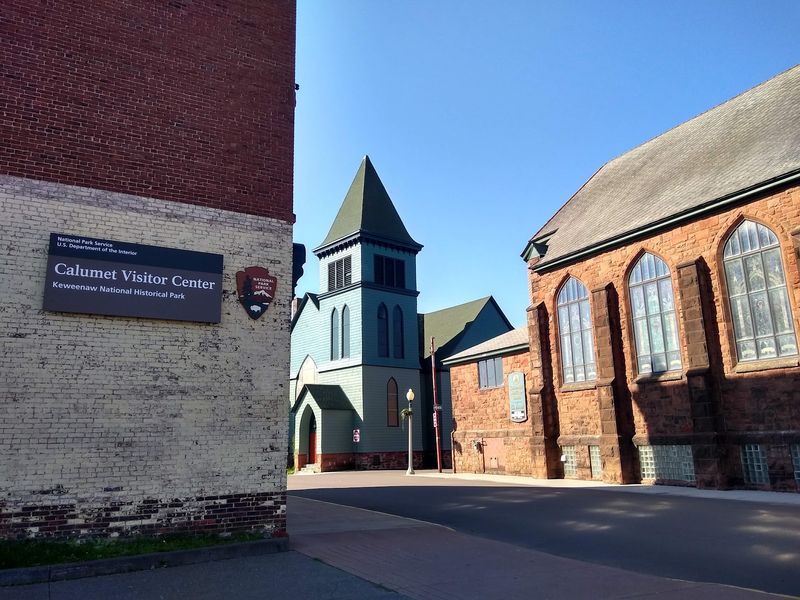
Copper money built a downtown far grander than today’s head count suggests. Calumet’s village population sat at an estimated 679 in 2024, down from 847 in 2000.
Yet Fifth Street still looks ready to host a crowd. The historic downtown is part of Keweenaw National Historical Park, which tells you how much history packs into a few blocks.
Start at the Calumet Visitor Center inside the Union Building. That building has stood on the streetscape since 1889.
Inside, you get two floors of interactive exhibits, films, and museum pieces. They explain copper mining and the social life of the old mining communities.
Admission is free, and the center is open year-round with seasonal hours. Free history in an 1889 building is a deal your wallet will appreciate.
Then walk over to the Calumet Theatre, built in 1898 and formally opened in 1900. It’s a Michigan State Historic Site and on the National Register of Historic Places.
The theatre hosts around 65 events a year, from music to opera to dance. Self-guided tours run during box office hours, Wednesday through Friday afternoons.
Newer energy shows up too. Frozen Farms Co., on Fifth Street, is a three-family cooperative selling ethically raised local beef, lamb, and pork.
They also carry spices, sauces, kitchen tools, local honey, and fresh produce. It’s a smart fit for a town where self-reliance never really went out of style.
Calumet proves a smaller crowd can still fill a big stage. You just might get a better seat.
Address: 98 5th Street, Calumet, MI 49913
8. Baraga
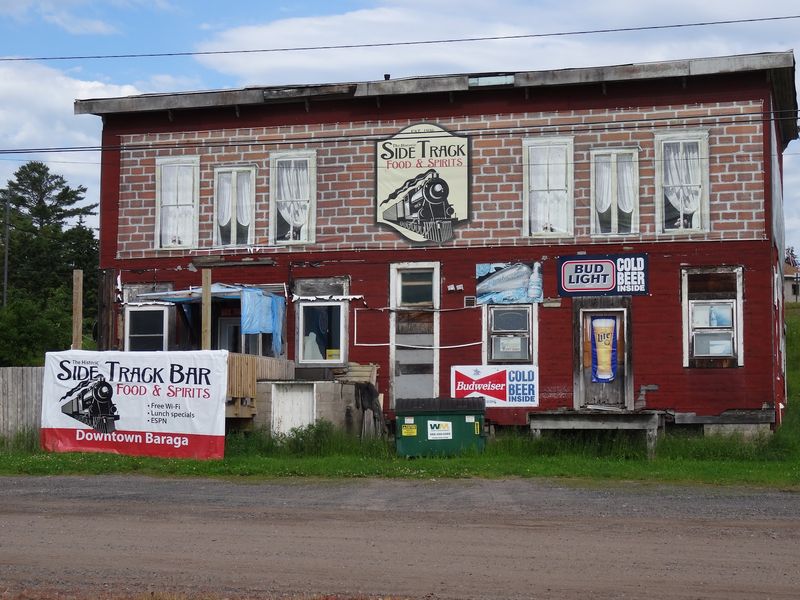
Lake Superior basically serves as Baraga’s front yard. The village hugs Keweenaw Bay, and US-41 works as its main commercial artery.
The numbers have been heading the wrong way, though. Estimates put the population at about 1,721, a drop of roughly 9.5 percent since the 2020 census.
In a highway town, the main street is the highway. That changes the feel, since businesses spread out instead of stacking shoulder to shoulder.
One stop worth your time is the Baraga County Historical Museum. It was founded in 1957 to collect and display the county’s history and natural resources.
Exhibits cover major events and everyday life from decades past. The museum is barrier-free, and off-season tours from September to May are available by appointment.
Just up the road, the Baraga Lakeside Inn sits right on the bay. It’s a 68-room, smoke-free hotel and the only waterfront hotel in Baraga or nearby L’Anse.
Guests get an indoor pool and the on-site Lakeside Restaurant, which serves breakfast and dinner daily. There’s also a conference center for events.
So why does a shrinking village keep a hotel this size? The answer is the view, plus travelers heading up toward the Keweenaw.
Baraga’s story is less about storefronts and more about the road and the water. Visitors pass through, and the smart businesses give them a reason to stop.
Try it yourself and watch the bay from breakfast. Your coffee will never have looked so scenic.
Address: 900 U.S. 41, Baraga, MI 49908
7. Mio
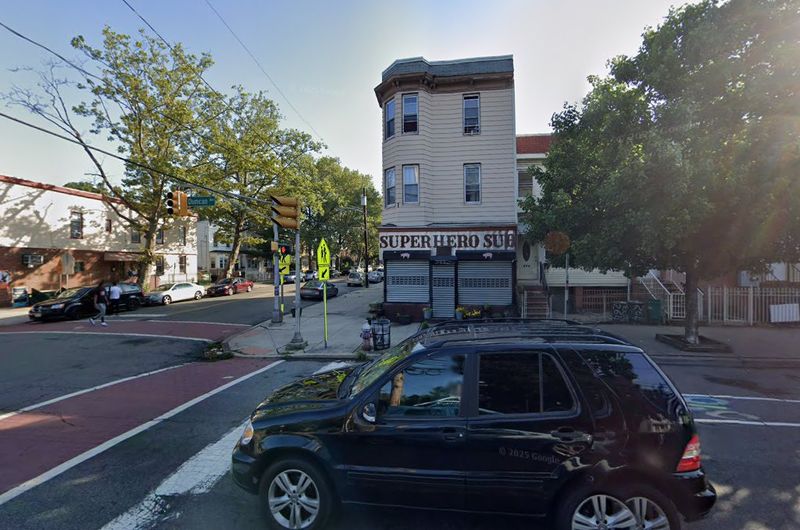
A mountain of stone honeycomb is not what most folks expect in a small northern town. Mio has one anyway, and it’s been there since the 1950s.
The town is the county seat of Oscoda County. Its population fell from 2,016 in 2000 to 1,690 in 2020.
Morenci Avenue and Mount Tom Road, both part of M-33, form the main commercial stretch. That’s where you’ll see how Mio keeps its doors open.
Start with the Our Lady of the Woods Shrine at St. Mary’s Catholic Church. Father Rakowski built it between 1953 and 1955.
The structure is full of grottos and niches. Statues show four appearances of Mary: Lourdes, Fatima, Guadalupe, and LaSalette.
The grounds are open year-round for quiet reflection. Even if you’re not religious, the sheer craftsmanship is worth a slow walk.
Then head to the Pioneer General Store on Mount Tom Road. This family-run shop calls itself a one-stop destination, and the shelves back that up.
You’ll find home goods, kitchen wares, hardware, garden supplies, harness and tack, and homesteading supplies. Gifts and books round out the mix.
Bring cash or a checkbook, because cards aren’t accepted. There’s no online shopping or shipping either, which feels delightfully old school.
Mio’s main street leans into what it already does well. A handmade shrine and a cash-only general store make a pretty memorable pair.
Address: 432 N. Mount Tom Road, Mio, MI 48647
6. Manistique
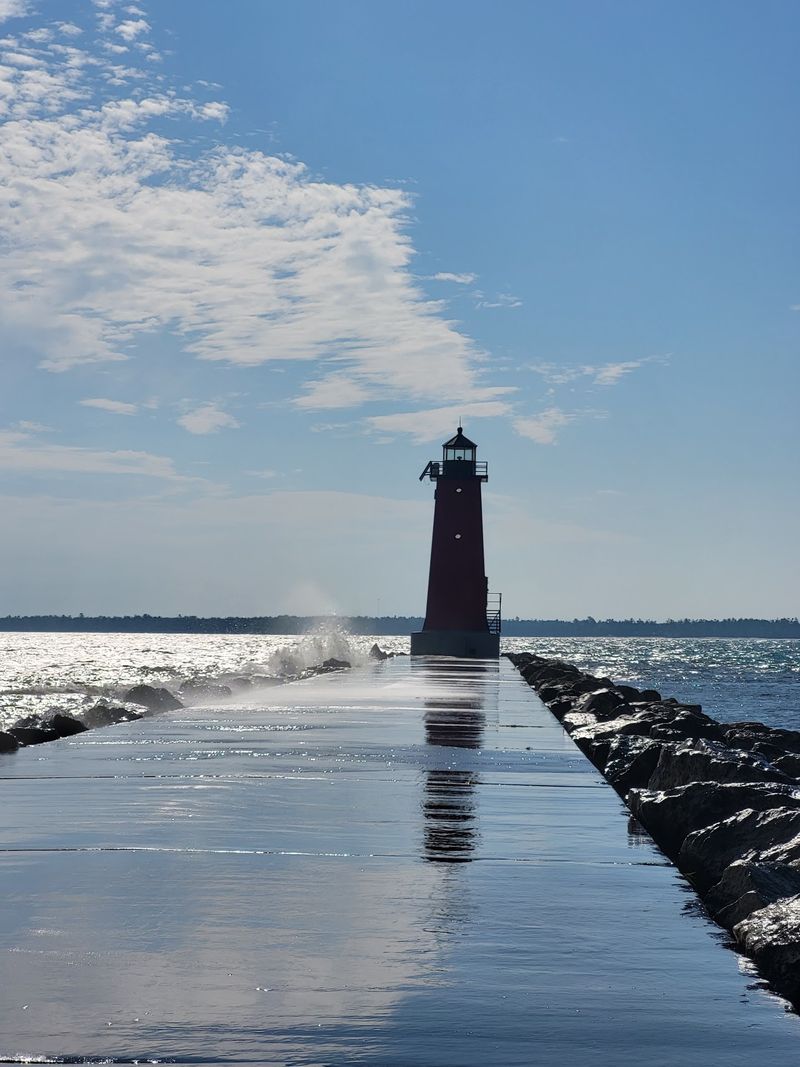
Few comeback stories involve a bookstore inside a building older than your great-grandparents. Manistique’s Cedar Street has exactly that.
The losses here have been steep. The population fell about 14 percent from 2000 to 2010, then another 8.5 percent by 2020.
So what does a town do with an old building and fewer shoppers? Manistique’s answer was The Mill, a year-round indoor market.
The building has been part of downtown for over 100 years. Restoration started in summer 2023, and by summer 2024 it had become an eclectic market.
Its flagship is Paper Mill Books. Bevy Tea and Fireside Trading Co. share the space, so you can grab a book and a tea in one trip.
Right nearby, Cedar Street Cafe serves breakfast and lunch seven days a week. It makes its own dressings and jams from scratch.
Biscuits and Gravy is a popular pick there. So is The Garbage Omelette, a name that’s honest about wanting to fit a lot on one plate.
Across the street, The Mustard Seed sells Michigan-made gifts and souvenirs. It also pours fresh coffee and shows local art.
That’s three businesses within a few doors of one another. Together, they make one short block feel busy again.
Manistique shows that shrinking doesn’t have to mean shutting down. Sometimes it means dusting off an old building and inviting the neighbors in.
Address: 216 S Cedar Street, Manistique, MI 49854
5. L’Anse
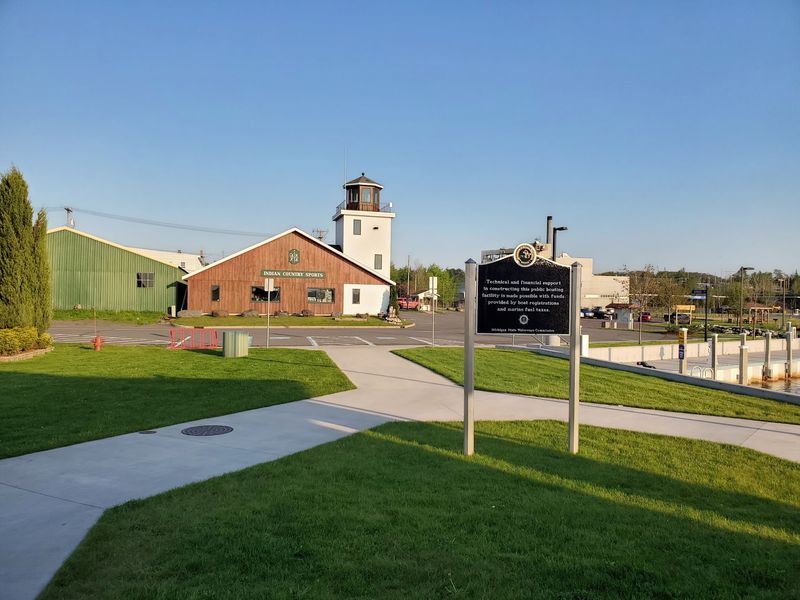
Henry Ford once ran a sawmill and a model community near L’Anse. That chapter still shapes how the town tells its story.
L’Anse is the county seat of Baraga County. It dropped from 2,011 residents in 2010 to 1,874 in 2020.
The commercial core runs along Front Street, Broad Street, and US-41. It’s compact, practical, and built for people who spend time outdoors.
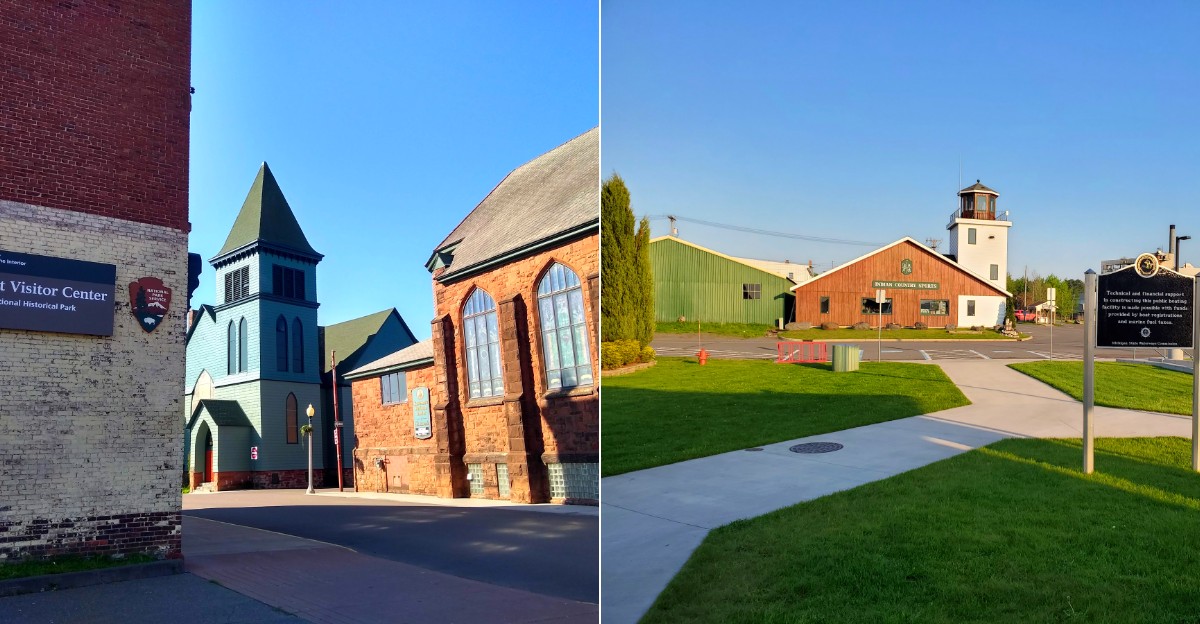
Take Indian Country Sports on Front Street, open since 2015. It stocks fishing tackle, hunting gear, camping equipment, archery supplies, kayaks, and live bait.
You can rent a kayak and pick up a DNR license there too. That’s a full day’s adventure from one storefront.
Over on Broad Street, Treadeau’s General Store carries animal feed, clothing, tools, camping gear, and auto parts. It used to be Skytta’s Country Feed and General Store.
Now the Treadeau family owns and runs it. A name change with the same useful shelves is a classic small-town handoff.
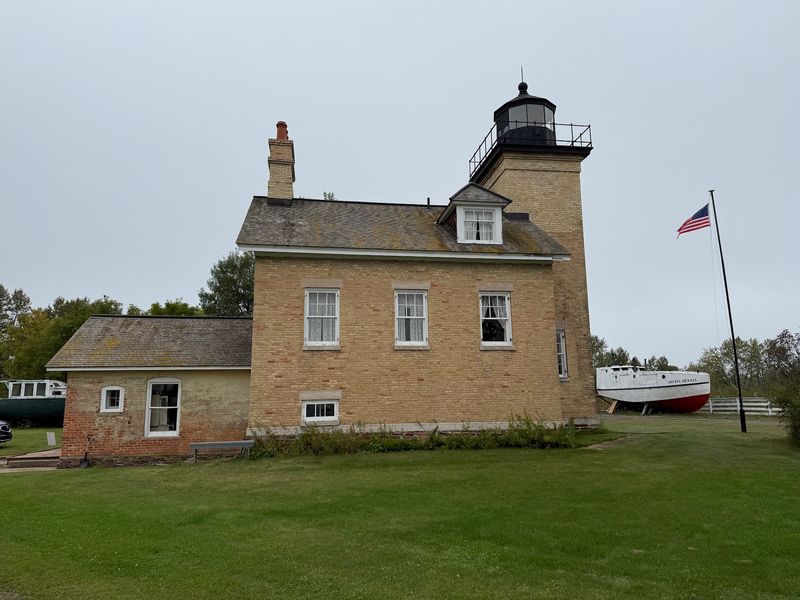
For history, the Historic Ford Reception Center tells the Ford timber story. The building once greeted visitors to Ford’s model community and sawmill.
It’s part of the Baraga County Historical Society and opens seasonally. Check ahead before you plan around it.
L’Anse’s main streets point straight at the woods and the water. In a smaller town, serving the outdoors crowd keeps the lights on.
Address: 17 S Front St, L’Anse, MI 49946
4. Newberry
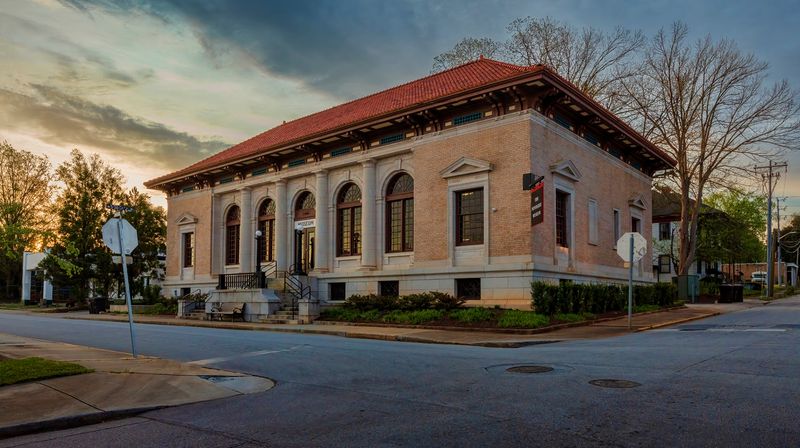
Calling yourself the Moose Capital of Michigan takes confidence. Newberry wears the title proudly, right down to its storefronts.
The village is the county seat of Luce County. Its population fell 4.8 percent from 2010 to 2020 and about 18 percent since 2000.
Still, Newberry Avenue keeps finding new life. The best example might be the Newberry Coffee Company, which opened on May 20, 2025.
It serves drip coffee, espresso, and specialty-roasted blends. Light breakfast items and afternoon appetizers like chicken wings and fries round things out.
A few doors away, U.P. Trading and The Exclusive Moose share two connected storefronts. Newberry natives Ben and Beth Rahilly took over in September 2022.
One side sells Yooper apparel, footwear, hats, books, and gifts. The other offers American-made furniture, hand-finished home decor, jewelry, and Great Lakes gifts.
History lives on West Harrie Street at the Luce County Historical Museum. It’s housed in an 1894 Queen Anne style jail and sheriff’s residence.
You can see original jail cells, the sheriff’s office, and a replica judge’s bench. Summer hours run late June to Labor Day, Wednesday through Friday afternoons.
Hometown buyers keeping a store local is a big deal in a shrinking town. So is a brand-new coffee shop betting on the future.
Visit for the moose, stay for the jail cells. Just make sure you leave through the front door.
Address: 221 Newberry Avenue, Newberry, MI 49868
3. Harrison
Harrison’s population story is more of a roller coaster than a straight slide. The town counted 2,150 people in 2020 after past stretches of real decline.
Recent years have shown slight growth. That makes Harrison a fun case study in how a main street responds to swings.
The town is the county seat of Clare County in mid-Michigan. Main Street and North First Street form its commercial heart.
One clever answer to fewer shoppers is the Harrison City Market on East Main Street. It’s a four-season market with a commercial kitchen and a retail incubator.
That incubator piece matters. It gives would-be business owners a place to test ideas before risking a full storefront.
The farmers market runs Thursdays from 3 to 7 p.m., June through October. Expect local produce, baked goods, eggs, syrup, honey, crafts, and woodworking.
Over on North First Street, Not So Shabby Gifts and Primitives mixes several shops into one. It sells boutique clothing, accessories, and home decor.
It also has an in-house bakery and coffee shop. The menu covers coffee, tea, smoothies, and baked goods like chocolate croissants.
Combining a gift shop and a bakery is a smart small-town move. One reason to visit becomes two, and you leave with both a sweater and a croissant.
Harrison shows that bouncing back often starts small. A Thursday market can plant the seeds for tomorrow’s storefronts.
Address: 121 E. Main Street, Harrison, MI 48625
2. Croswell
“Be Good To Your Mother-in-law.” That advice greets you at the east entrance of the Croswell Swinging Bridge, and nobody has argued with it yet.
The footbridge crosses the Black River and dates to 1905. At 139 feet, it’s called the longest suspension footbridge in Michigan.
Here’s a fun twist. The original cables came from the Michigan Sugar Company, which still runs its Croswell factory.
That plant has operated since 1902 and is one of four sugarbeet facilities in the state. It currently employs about 105 workers.
Croswell itself, in Sanilac County, has been easing downward. It went from 2,467 people in 2000 to 2,322 in 2020.
Downtown centers on Howard Avenue and Main Street. When you get hungry after a wobbly walk, The Camm Cafe on Howard Avenue is the stop.
The diner serves home-cooked breakfast, lunch, and dinner. Hand-pressed burgers, homemade pies, and hearty breakfast plates fill the menu.
The signature dish is the Cinnamon Pecan Pancakes. After crossing a swinging bridge, you’ve earned a stack.
The bridge also hosts local festivals and events. A quirky landmark like this gives a smaller town a reason for visitors to show up.
Croswell’s story is sweet in more ways than one. Sugar built it, a bridge defines it, and pancakes keep things moving.
Address: 55 N Howard Ave, Croswell, MI 48422
1. Omer
Michigan’s smallest city by population once held a county courthouse. Omer counted just 274 residents in 2020, which is smaller than some high schools.
Recent estimates nudge that to around 282. Even so, Omer is a town that shows what’s left after a long slide.
It was once called Rifle River Mills and became a city in 1903. Center Street and US-23 serve as its main roads.
The crown jewel is Ye Olde Courthouse on Center Street, built in 1890. It briefly served as the Arenac County Courthouse before the county seat moved.
The Masons bought it in 1892 and used it for nearly a century. Then the Arenac County Historical Society began working to acquire it in 2004.
Fundraising and grants paid for the restoration. Today the building is on the National Register of Historic Places and works as a museum.
Inside, you’ll find exhibits, artifacts, documents, and memorabilia from Arenac County. Genealogy and history help are available by appointment.
The rest of Omer’s main drag is about getting you where you’re going. A Dollar General on East Center Street and a Mobil station on US-23 serve locals and travelers.
That mix says a lot. A tiny city now leans on road traffic, while volunteers keep its proudest building alive.
Stop in, ask about your family tree, and fill up the tank. Where else can you do that in Michigan’s smallest city?
Address: 120 Center Street, Omer, MI 48749