
Skipping This Arizona Exit Means Missing Real 1700s Spanish Walls Underground And A Working 1859 Printing Press
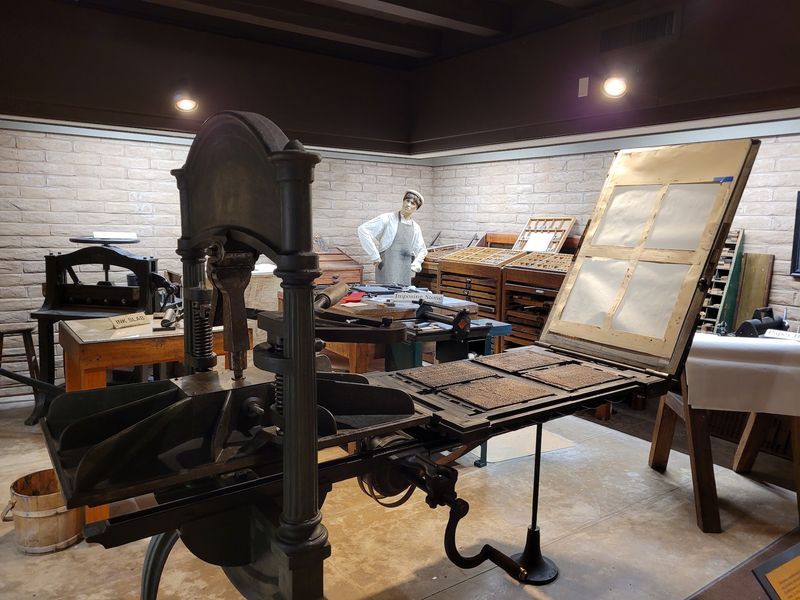
A printing press from 1859 still works in a small Arizona museum. It printed the territory’s very first newspaper, and it can still roll today.
That press is only one surprise here. Underground, you can look at the real foundation walls of a Spanish captain’s quarters from the 1700s.
Above ground, a one-room schoolhouse still has its old chalkboard rules for teachers and kids.
I like how this place hides so much behind a quiet street. Plenty of travelers zoom past on the interstate and never know it exists.
I can’t imagine skipping a fort older than the United States itself.
So why do so many people only drive by? Maybe they don’t know what’s waiting just off the road.
Let me fix that for you.
Arizona’s Very First State Park Sits Right Off The Interstate
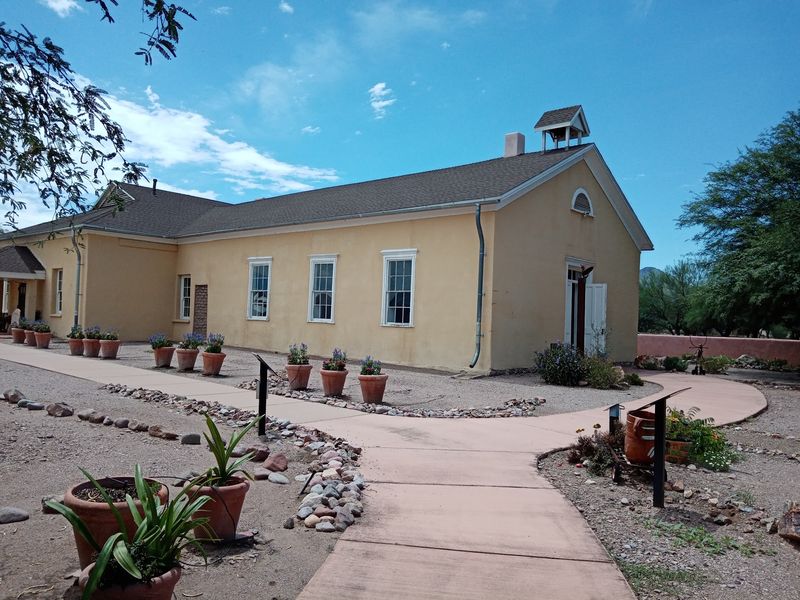
Tubac Presidio State Historic Park and Museum holds a title no other park in Arizona can claim. It was the state’s first state park, officially dedicated on September 28, 1958.
The park sits in Tubac, a small arts town in the Santa Cruz River Valley south of Tucson. Green Valley is roughly 20 minutes away, which makes this an easy half-day outing.
At its heart are the ruins of Presidio San Ignacio de Tubac, founded in 1752. That makes it the oldest Spanish presidio site in Arizona.
It also counts as the first European settlement in what later became the state.
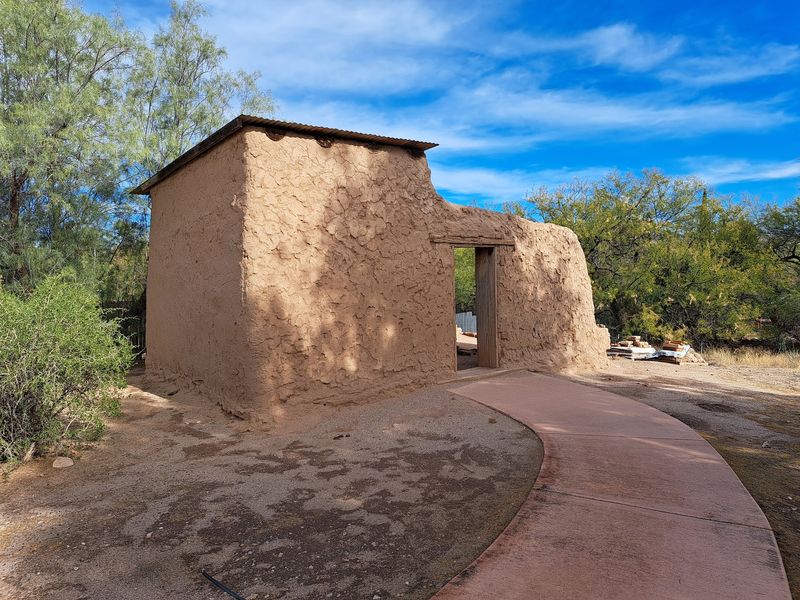
Don’t expect towering fort walls, though. The presidio itself lives mostly underground now, with rock outlines above ground to show its shape.
The fun comes from piecing the story together across the grounds.
Around those ruins you’ll find a museum, a schoolhouse, a historic home, gardens, and a community hall. The whole site is much bigger than it looks from the street.
Nearly every building adds a new chapter.
Arizona State Parks and Trails manages the park. A nonprofit group called The Friends of the Tubac Presidio and Museum operates it, with volunteers doing much of the heavy lifting.
Their care shows in the tidy grounds.
Six Flags Have Flown Over This Patch Of Desert
Few small towns can say they’ve lived under six governments. Tubac belonged to New Spain, then Mexico, then the United States after the 1853 Gadsden Purchase.
It also fell under the New Mexico Territory, the Confederate States, and the Arizona Territory. That’s a lot of paperwork for one quiet valley.
Each era left traces you can still spot in the park’s exhibits.
The biggest headline comes from 1775. Juan Bautista de Anza led an expedition out of Tubac with 240 colonists and over 1,000 livestock.
Their goal was to found what became San Francisco, California, in 1776.
Think about that for a second. A city famous for fog and cable cars traces part of its origin story to this sunny Arizona valley.
Good luck forgetting that bit of trivia.
Tubac also claims Arizona’s first fort and its first American mining community. Later, it produced the territory’s first newspaper.
Not bad for a place many drivers treat as a quick gas stop.
Knowing these layers makes the visit much richer. You aren’t looking at random old objects.
You’re walking through a crossroads that shaped the whole Southwest.
Start With The Short Film And A Peek At The Captain’s House
Seven minutes. That’s all the opening video at the visitor center asks of you.
It gives a brief history of Tubac and sets up everything else you’ll see.
Watching it first is a smart move. The self-guided tour makes more sense once the timeline clicks in your head.
A printed guide is available too, so you won’t wander aimlessly.
The visitor center also displays a scale model of the captain’s house. Since the real structure now sits mostly underground, the model helps you picture it whole.
It’s a handy bridge between imagination and ruins.
Kids and curious adults can try the hands-on table with unique items. Touching history beats squinting at it behind glass.
Several areas around the park encourage that kind of handling.
Before you leave, the gift shop deserves a browse. It carries books on the Southwest, Native American history, nature, and cookery.
Buying something there also helps support a park that relies heavily on its nonprofit partner.
Free parking sits right at the visitor center, including daytime spots for buses and RVs. Overnight parking isn’t allowed, though.
Plan to arrive early enough to enjoy the full loop.
Go Below Ground To See The Commandant’s Real Walls
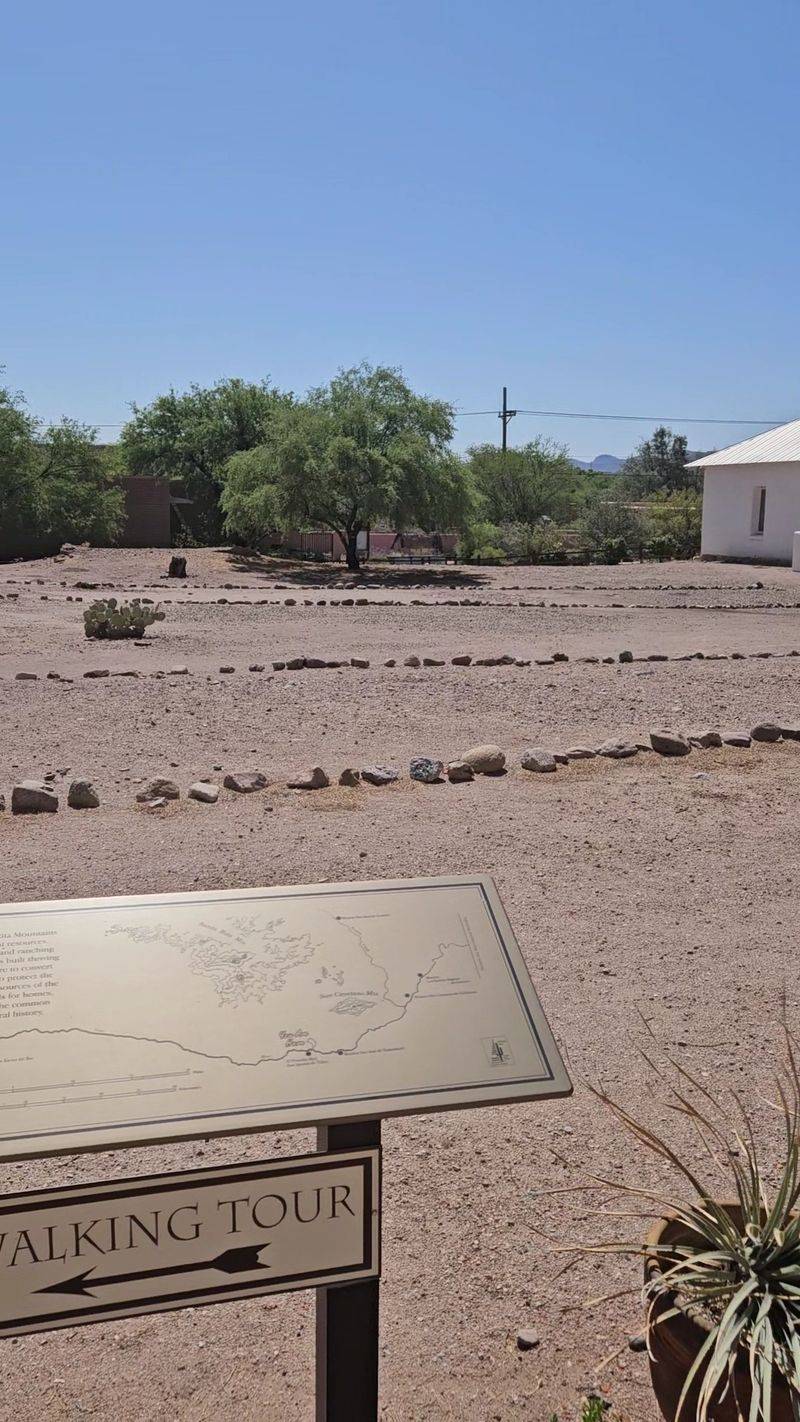
Down a set of stairs, the 1700s are waiting. The Underground Archaeological Excavation Exhibit shows original foundation, walls, and plaza floor from the Commandant’s quarters.
Archaeologists uncovered these remains during a 1974 dig. Instead of covering them back up, the park let visitors look straight at them.
That’s about as close to the original presidio as anyone can get.
Above ground, rock outlines trace where buildings once stood. Walking along them helps you sense the size of the old fort.
Your brain fills in the adobe walls on its own.
One heads-up matters here. The exhibit is reached by stairs.
For anyone who can’t make the descent, photographs and artifact examples are available upstairs.
The excavation area has occasionally been closed, so it may help to check ahead if this is your main reason for coming. The rest of the grounds still offer plenty either way.
Standing above walls from Arizona’s first European settlement feels a little surreal. These aren’t replicas or recreations.
They’re the actual footings of a frontier outpost, preserved right where Spanish soldiers once lived and worked.
Two Thousand Years Of Stories Packed Into One Museum
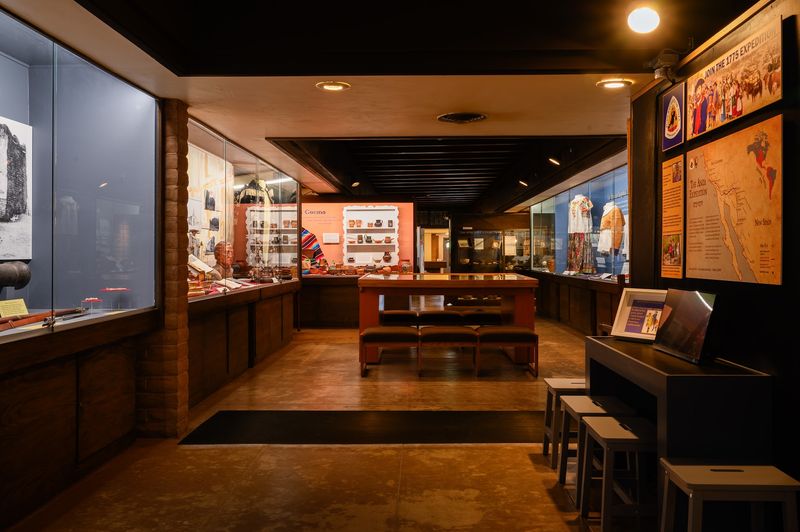
Bring your reading glasses. The Griffin Museum covers 2,000 years of local history, and there’s a lot of fascinating text and maps to take in.
Original artifacts span several eras. You’ll move from early Native American life to the Spanish Colonial period, then Mexican rule, the Civil War years, and Territorial Arizona.
The Spanish colonial displays are especially striking. Exhibits touch on the soldados de cuera, the leather-clad soldiers who served at frontier presidios.
Seeing their heavy gear makes you appreciate how tough desert duty must have been.
Everything is neatly arranged with clear labels. That makes a big collection feel manageable instead of overwhelming.
You can linger on what grabs you and skim the rest.
Changing exhibits add fresh context over time, so repeat visits can reveal something new. The park’s volunteers have also hinted that more improvements are on the way.
Plan for at least an hour or two across the full site. The museum alone could easily eat up a good chunk of that.
Comfortable shoes are a smart choice, since you’ll bounce between indoor galleries and outdoor exhibits.
An 1859 Printing Press That Still Knows Its Job
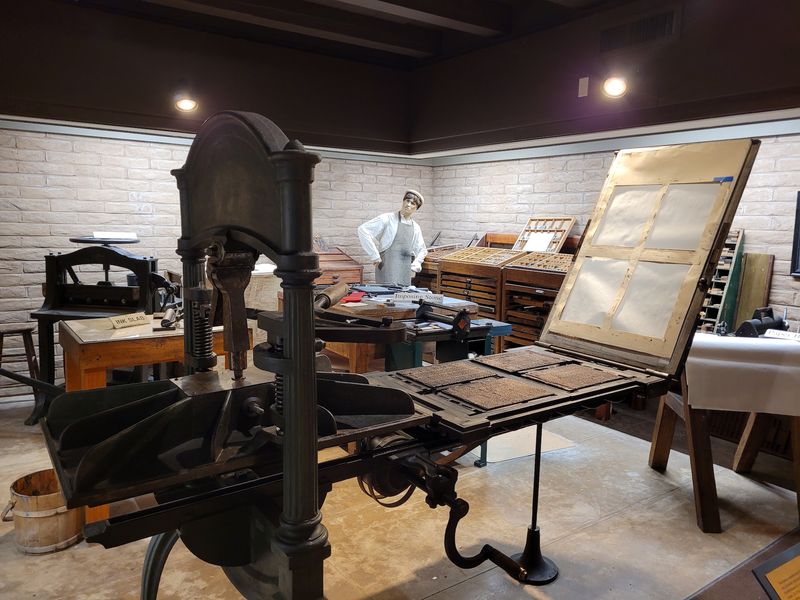
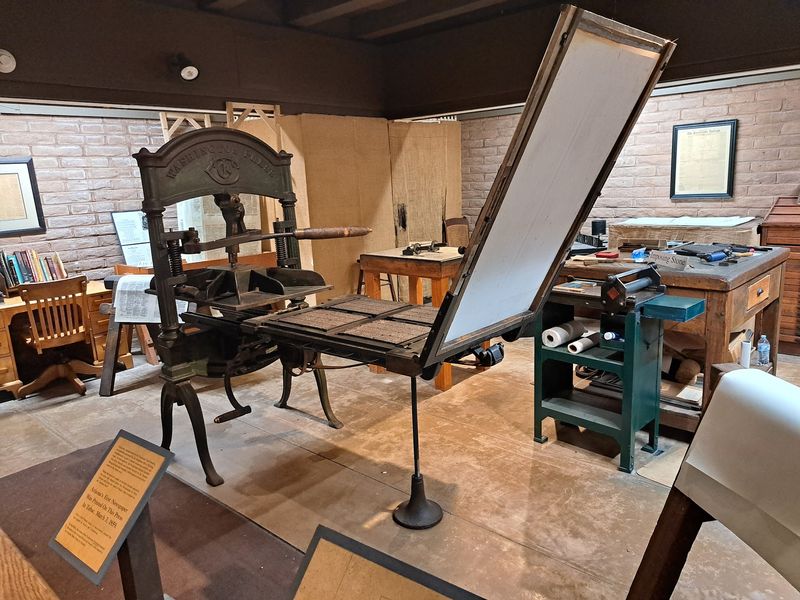
March 3, 1859, was a big day for Arizona news. The Weekly Arizonan rolled off a Washington Press right here in Tubac, becoming the territory’s first newspaper.
That same press now lives at Tubac Presidio State Historic Park. Even better, it’s still operational.
Most museum pieces retire quietly, but this one never fully clocked out.
It’s a fun object to ponder. Before phones, radio, or reliable mail, a hand-operated press brought local news to a remote frontier town.
Every page took real muscle and patience.
For history fans, this press might be the sleeper hit of the visit. It connects Tubac to a much larger story about how Arizona grew and communicated.
Kids may find it surprisingly cool too. Explaining that newspapers once came from heavy iron machines like this tends to spark questions.
That’s exactly the kind of curiosity this park does well.
Pair the press with the museum’s maps and documents for a fuller picture. You’ll see how a tiny settlement punched far above its weight.
First fort, first mining community, and first newspaper all landed in one Arizona valley.
Grab A Desk In The 1885 Schoolhouse And Read The Rules
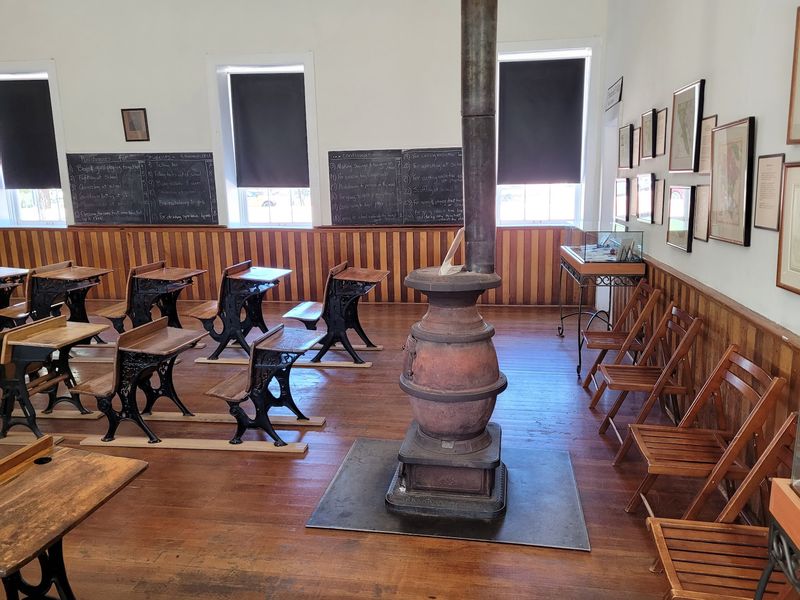
Teachers in the 1800s had some interesting job requirements. The chalkboards inside the 1885 Territorial Schoolhouse list old rules for both teachers and students.
Reading them is easily one of the most entertaining parts of the visit. Some rules feel strict, and a few may earn a chuckle.
You might leave grateful for modern classrooms.
The building itself carries real bragging rights. It’s the second oldest schoolhouse in Arizona.
That’s a lot of history for one modest room.
Visitors can actually sit at the desks. Go ahead and picture a lesson underway in a one-room school, with every grade sharing the same space.
Kids especially seem to enjoy that role-play moment.
The schoolhouse makes a great stop for families and field trip groups. The park books educational field trips, and this room is a natural fit for them.
History sticks better when you can sit inside it.
Snap a photo from a desk, then compare notes with whoever came with you. Would you have followed every rule on that board?
Honestly, few of us would have lasted a full week.
Rojas House Feels Like Someone Just Stepped Out
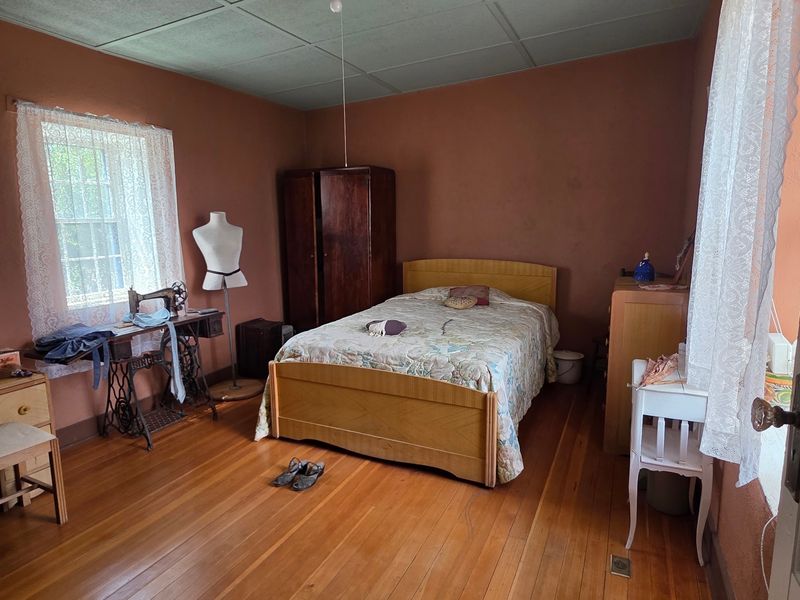
Luisa Rojas spent her whole life in Tubac, and her home tells that story beautifully. The Rojas House is an adobe row house built in the 1880s.
Inside, original furnishings belonged to Luisa herself. The rooms reflect mid-20th century living, giving a real feel for daily life in the 1950s and 1960s.
The home spans more than a century of family life in one place. That’s a rare kind of continuity.
You’re seeing a lived-in household, not a staged movie set.
After the Spanish soldiers and frontier newspapers, this stop brings things down to a personal scale. It shows how ordinary families shaped Tubac over generations.
The contrast makes the whole park feel more human.
Many visitors list the house among their favorite stops, and it’s easy to see why. It’s cozy, specific, and quietly charming.
Some might even call it adorable.
Take your time looking at the small details. Kitchen items and furniture can spark memories for older visitors and questions from younger ones.
That kind of shared conversation is a great reason to bring the whole family along.
Otero Hall Lets You Touch A Wagon You’d Expect Behind Ropes
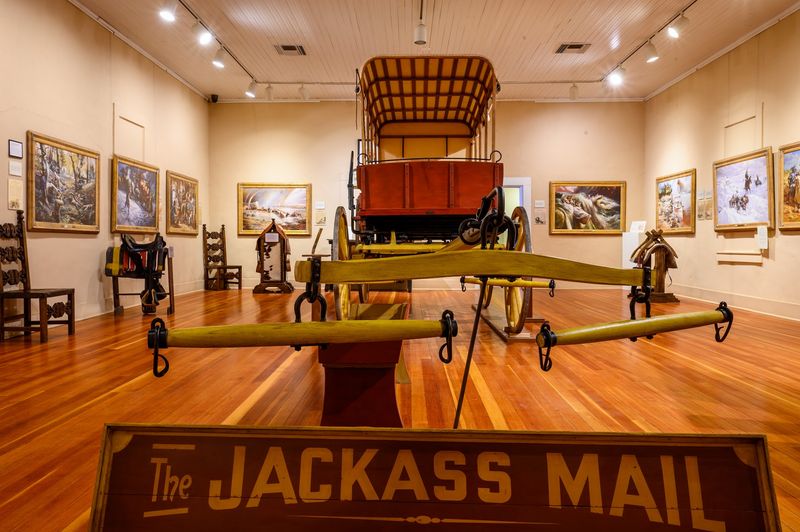
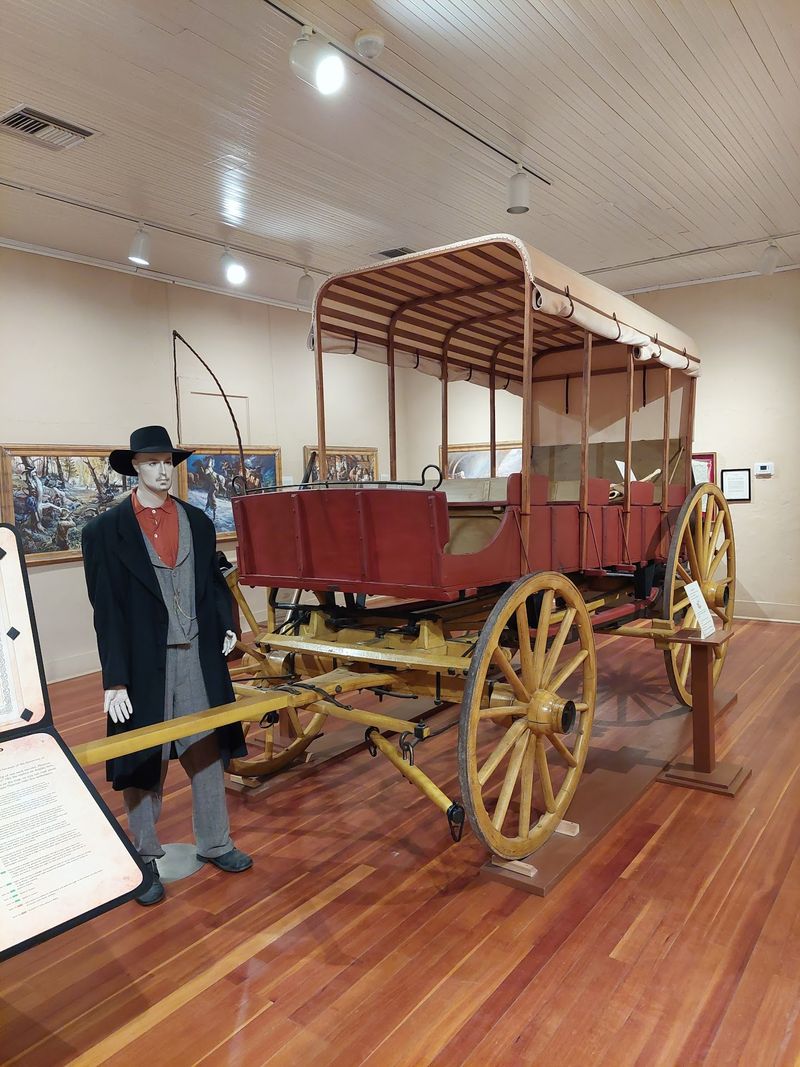
Hands off is the usual museum rule. Otero Hall happily breaks it with a 19th-century conveyance called an ambulance, a wagon once used for travel.
Visitors can touch the carriage and even feel the tension in its suspension. That’s a rare treat.
Riding in one across rough desert roads probably wasn’t gentle.
Built in 1914, Otero Hall served as a community center. Today it houses a striking collection of paintings depicting Arizona history.
The works by artist Bill Ahrendt are especially impressive.
Each painting rewards a slow look. Details pop out the longer you stand there.
Fans of Western art could spend a good while in this one room.
Restrooms sit conveniently on the right side of Otero Hall. That’s a small but helpful detail when you’re touring the grounds with kids.
Between the wagon and the artwork, this building feels different from the rest of the park. It’s part gallery, part hands-on history lesson.
For many visitors, the ambulance alone justifies the trip down to Tubac.
Gardens, Picnic Tables, And A Trail To Tumacacori
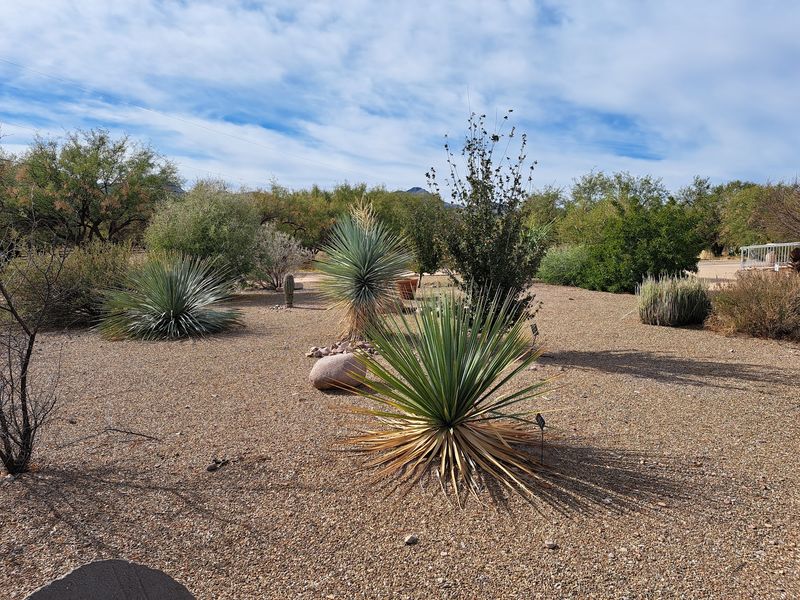
Eight separate gardens bloom across the grounds. They include seasonal herb, flower, cacti, succulent, and Children’s Garden plots, all kept up by volunteers.
Together they show the changing landscape of the Santa Cruz River Valley. It’s an easy, pleasant stroll between museum stops.
The flat sidewalks make the walk simple.
Want to make it a picnic? Thirteen tables wait on the grounds, two of them wheelchair accessible.
Five grills are available too, but you’ll need to bring your own charcoal or firewood.
Dogs are welcome on a six-foot leash, even inside buildings and picnic areas. Just clean up after them.
Buildings, restrooms, and sidewalks are wheelchair accessible, and a courtesy wheelchair is available on request.
For a longer outing, the park offers access to the Juan Bautista de Anza National Historic Trail. A roughly 4.5-mile stretch follows the Santa Cruz River to Tumacacori National Historical Park.
That trail links two of southern Arizona’s most important historic sites. Hikers get river views and a sense of the route colonists once traveled.
Add Tubac’s art shops, and you’ve got a full day.
Festivals And Lectures Give You Reasons To Come Back
Anza Day turns the park into a lively celebration. The annual festival features historical reenactments, games, and free admission.
The calendar doesn’t stop there. Tubac’s Día de los Muertos brings color and tradition to the grounds.
Living history programs pop up throughout the year too.
The Fourth of July celebration is another family favorite. It has offered free admission, food, and games, put on with help from the Tubac Rotary.
Past editions even included donkeys to pet.
For quieter evenings of learning, there’s a lecture series on Spanish and Arizona history. Concerts also join the lineup at times.
Many speakers clearly love the Sonoran Desert and its past.
Field trips are another big draw. Schools and groups can book educational visits, which suits the hands-on schoolhouse and touchable exhibits perfectly.
Because events change year to year, checking the park’s event calendar before you go makes sense. Timing a trip around a festival may add extra fun at no added cost.
Free admission days are especially friendly for families watching their budgets in Arizona.
Know The Hours Before You Pull Off The Highway
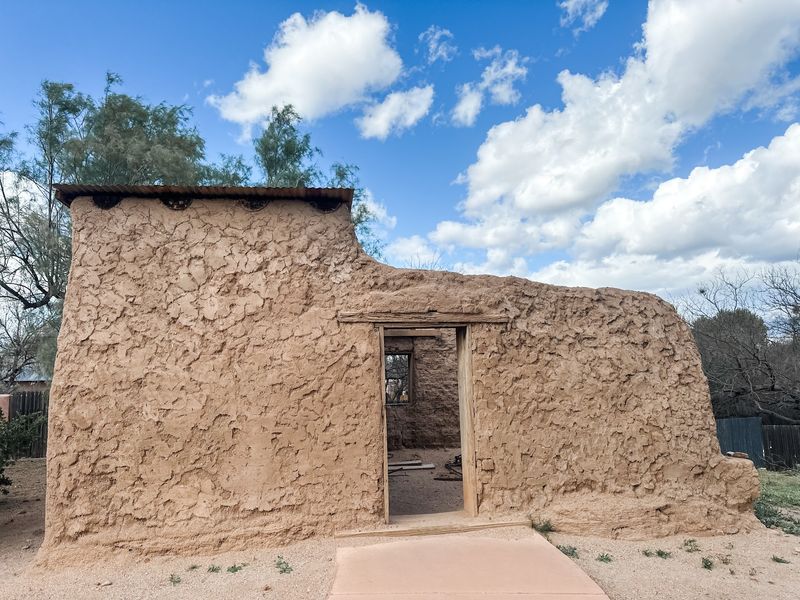
Mondays are a no-go. The park closes every Monday, plus Thanksgiving, Christmas, and New Year’s Day.
Otherwise, Tubac Presidio State Historic Park opens at 9 a.m. Tuesday through Sunday and typically closes at 3 p.m.
Some official listings show Saturday hours stretching to 5 p.m., so double-check before a late visit.
Last entry is one hour before closing. Since the full loop can take an hour or two, earlier arrivals feel less rushed.
Plenty of folks wish they’d had more time.
You’ll find the park at 1 Burruel Street, Tubac, AZ 85646, near Burruel Street and Tubac Road. Skip the route through the Barrio neighborhood at Exit 34, as the park advises against it.
Admission is modest, and the money helps a site that leans on nonprofit support. Free parking sits at the visitor center.
So is it worth the stop? For anyone curious about Arizona’s earliest chapters, absolutely.
A 1752 fort, a working 1859 press, and a schoolhouse full of strict rules are hard to beat. Next time the Tubac exit comes up, take it.