
This Colorado State Park Has A Hidden Trail That Leads Through Mystical Forests To Forgotten Historic Ruins
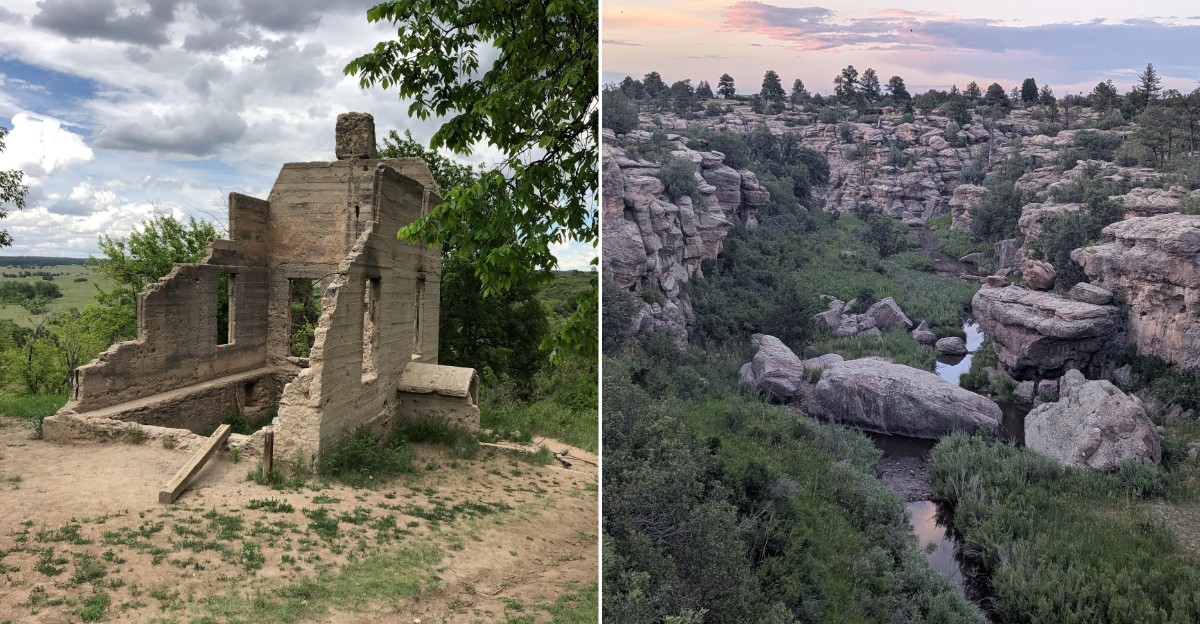
A dam built in 1890 started leaking almost right away, and its broken walls still stand in a Colorado canyon today. When it finally gave way in 1933, a 15-foot wall of water rushed all the way to Denver.
Now hikers walk right up to those crumbling stone walls. A creekside trail gets you there, with a small waterfall along the way.
It feels like a history lesson that forgot to bring a classroom.
I like how this place mixes history with pure outdoor fun. Ponderosa pines shade parts of the path.
Cliffs of rough, pebbly rock rise above the creek. There’s even a concrete homestead from 1898 still standing nearby.
I can’t imagine a better way to spend a Saturday morning. Who knew a failed dam could become one of the best hikes near Denver?
The Dam That Leaked From Day One Is Still Standing Its Ground
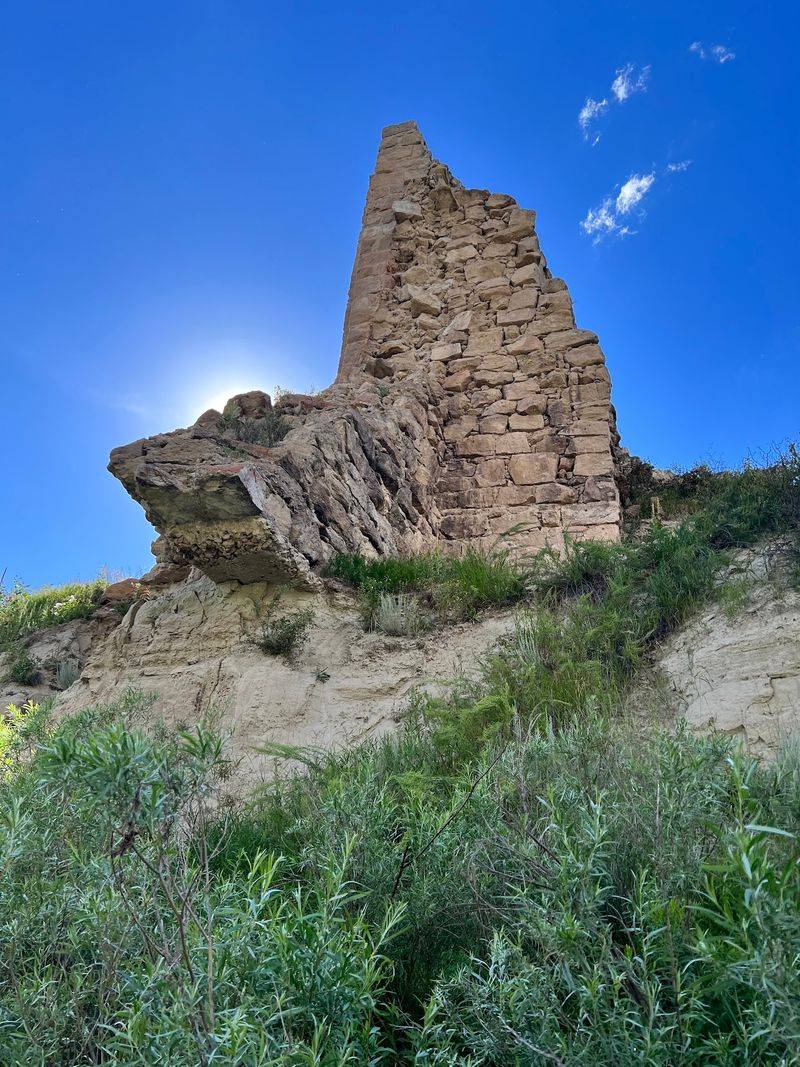
Leaky from the start, the old dam at Castlewood Canyon State Park was never a model of good engineering. Builders finished it in 1890 to send water to farms across Douglas County.
Trouble showed up almost right away. Leaks appeared soon after construction, and the problems never fully went away.
Then came August 3, 1933. Heavy rains pushed the structure past its limit, and it finally broke apart.
A 15-foot wall of water raced down Cherry Creek toward Denver. Warnings reached the city ahead of time, which gave many people a chance to get out of the way.
Today, the broken stone walls sit right in the canyon for anyone to explore. You can stand beside huge chunks of old masonry and see where the structure gave way.
I love that the ruins weren’t cleaned up or hidden away. They tell the story better than any textbook could.
It’s one of the most dramatic pieces of Colorado history you can reach on foot. And all it asks for is a little trail dust on your shoes.
Bring a camera and take your time here. Interpretive signs in the park share more of the history, so the walk doubles as a lesson you’ll actually remember.
Follow The Creek And Let The Canyon Walls Keep You Company
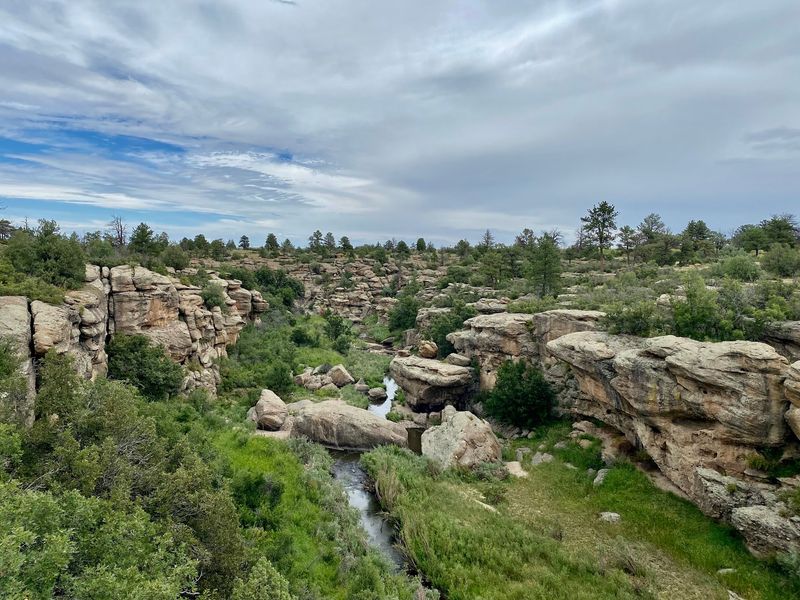
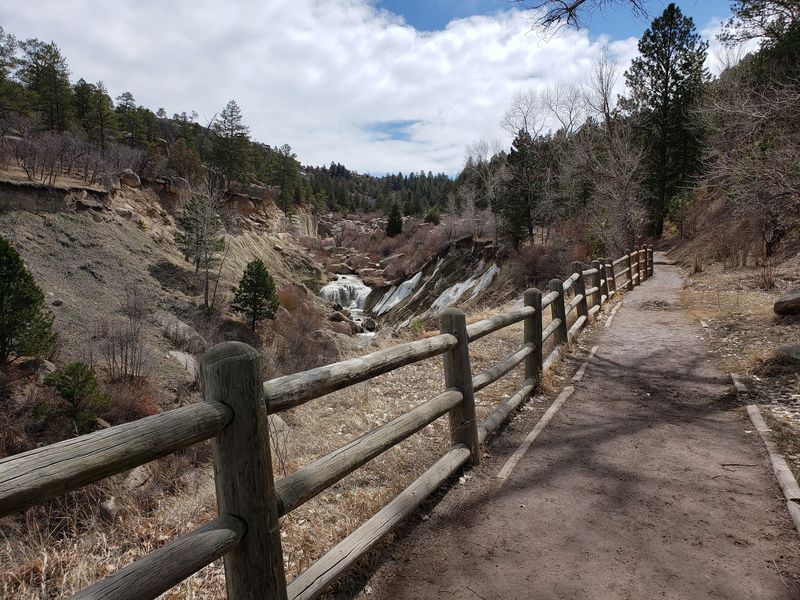
Creek Bottom Trail is the scenic route toward the ruins, and it hugs Cherry Creek for much of the way. That means water on one side, canyon walls on the other, and plenty to look at.
The park has more than 12 miles of trails in all. Most are rated easy to moderate, so you don’t need mountain-goat legs to enjoy them.
Hikers can link a few trails together to form a loop around the dam. You can view the ruins from the road above or drop down to meet them at creek level.
Either choice works, but the lower path feels more like an adventure. Expect some steps and short climbs as you head down toward the water.
Leashed dogs are welcome on most trails here. Just know they aren’t allowed on the East Canyon Preservation Trail, which protects sensitive plants.
Wear sturdy shoes with good grip. Rocky sections near the creek can get slippery, and nobody wants to explain a muddy fall to the group chat.
Pack more water than you think you need. Colorado sun can feel stronger than expected, especially in summer.
Twenty Feet Of Waterfall Feels Huge When It Shows Up In A Canyon
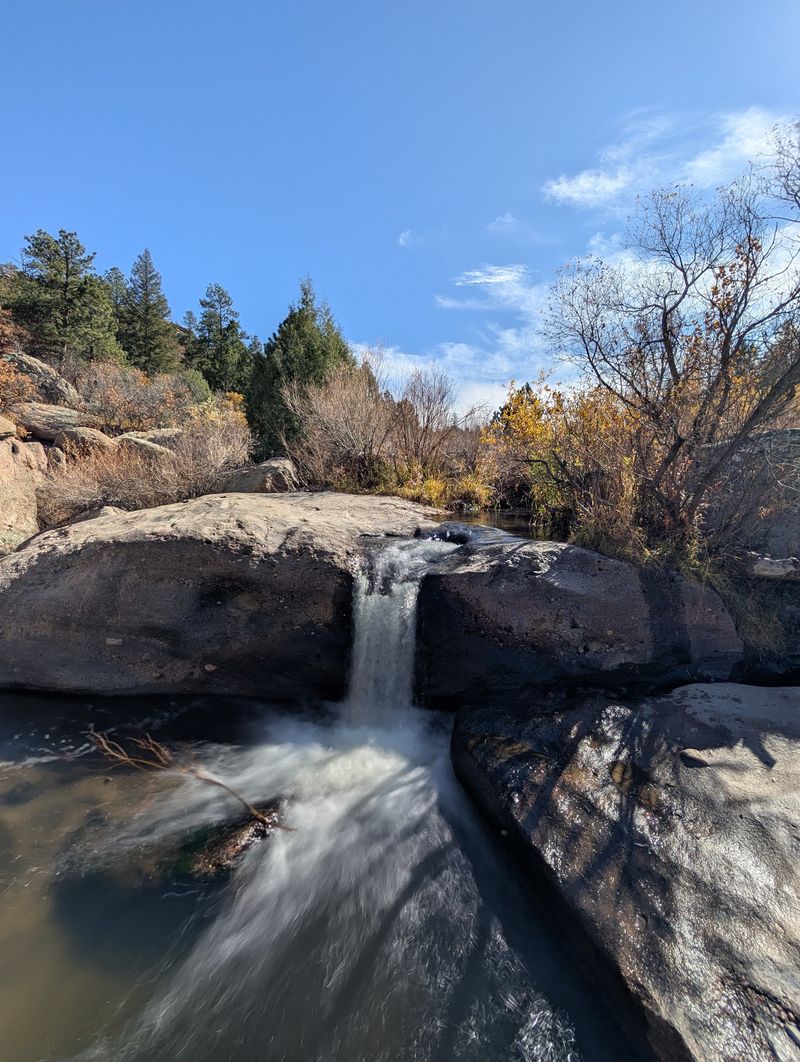
Cherry Creek Falls won’t win any height contests. At about 20 feet tall, it’s modest, but it shows up right where you want a reason to pause.
The falls sit along the Creek Bottom Trail, so they fit naturally into a hike toward the dam ruins. Think of them as a bonus stop rather than a detour.
Waterfalls on the plains side of Colorado aren’t exactly common. That makes this one feel like a small reward for heading out.
Water levels change with the seasons and weather. Spring runoff and summer storms can make the flow stronger, while dry spells may shrink it to a trickle.
Plan your expectations around recent weather. A rainy week could mean a livelier show, and that’s worth timing a visit around.
Bring a snack and find a spot nearby to rest. The sound of falling water makes even a granola bar feel a little fancier.
Try a few photos from different spots along the trail. Moving water and rough canyon rock make a fun pairing for any camera.
Stay on marked paths around the falls. Wet rocks are slick, and the plants along the creek need protection too.
A Concrete Farmhouse From 1898 Refuses To Quit
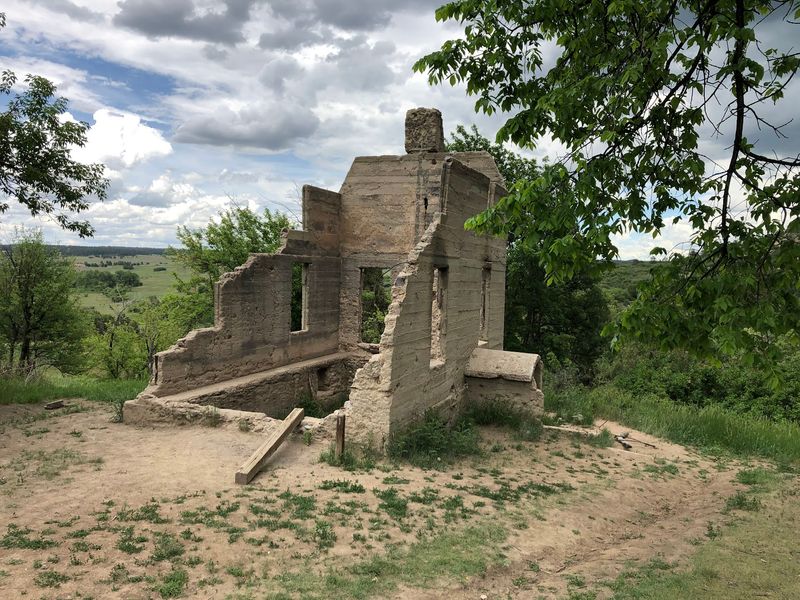
Patrick and Margaret Lucas were early homesteaders in this canyon, and parts of their home still stand. They built a two-story concrete house back in 1898.
Concrete in the 1890s? That’s a bold choice for a family farm on the Colorado prairie.
The Lucas Homestead ruins give you a peek at how settlers lived out here. Life meant hard work, open skies, and a whole lot of weather.
White settlers began homesteading the area in the 1880s. Back then, many called it Wildcat Canyon, which honestly sounds like a great name for a Western movie.
Elsewhere in the park, keep an eye out for a feature known as the Bridge to Nowhere. The name alone makes it worth hunting down.
Pairing the homestead with the dam ruins turns your hike into a two-part history tour. One shows ambitious engineering, and the other shows everyday family life.
Please admire the old walls without climbing on them. Ruins like these can’t be replaced, and every scuff adds up over time.
Read any signs you pass along the way. Little details about the Lucas family make the crumbling walls feel personal.
Those Ponderosa Pines Are Doing Some Serious Mood Setting
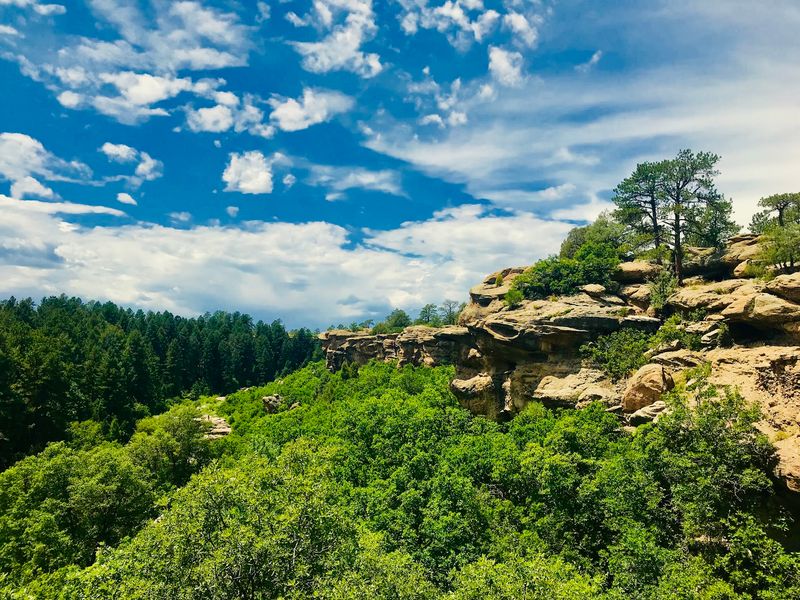
Ponderosa pines give this canyon its moody, almost storybook feel. The park sits in Colorado’s Black Forest region, known for its big stretches of these tall trees.
Most people don’t expect a forest like this so close to the plains. It’s a refreshing change from the usual flat views east of the mountains.
Then there’s the rock. Cherry Creek carved the canyon walls out of a tough stone called Castle Rock conglomerate.
Conglomerate is basically nature’s version of a chunky cookie. It’s made of pebbles and stones cemented together, which gives the cliffs a rough, bumpy texture.
Overlooks around the park show off how deep the creek has cut. The Bridge Canyon Overlook is one standout spot, and it can even serve as a setting for events.
The whole park covers 2,628 acres. That’s plenty of room for pines, cliffs, and creek to work together.
Slow down when the trail passes through the trees. Look up at the trunks, then down at the layered rock, and you’ll notice how different the two worlds feel.
Shade matters here too. Some trails get full sun, so tree-covered stretches are worth enjoying while they last.
People Sheltered Here 5,000 Years Before The Dam Showed Up
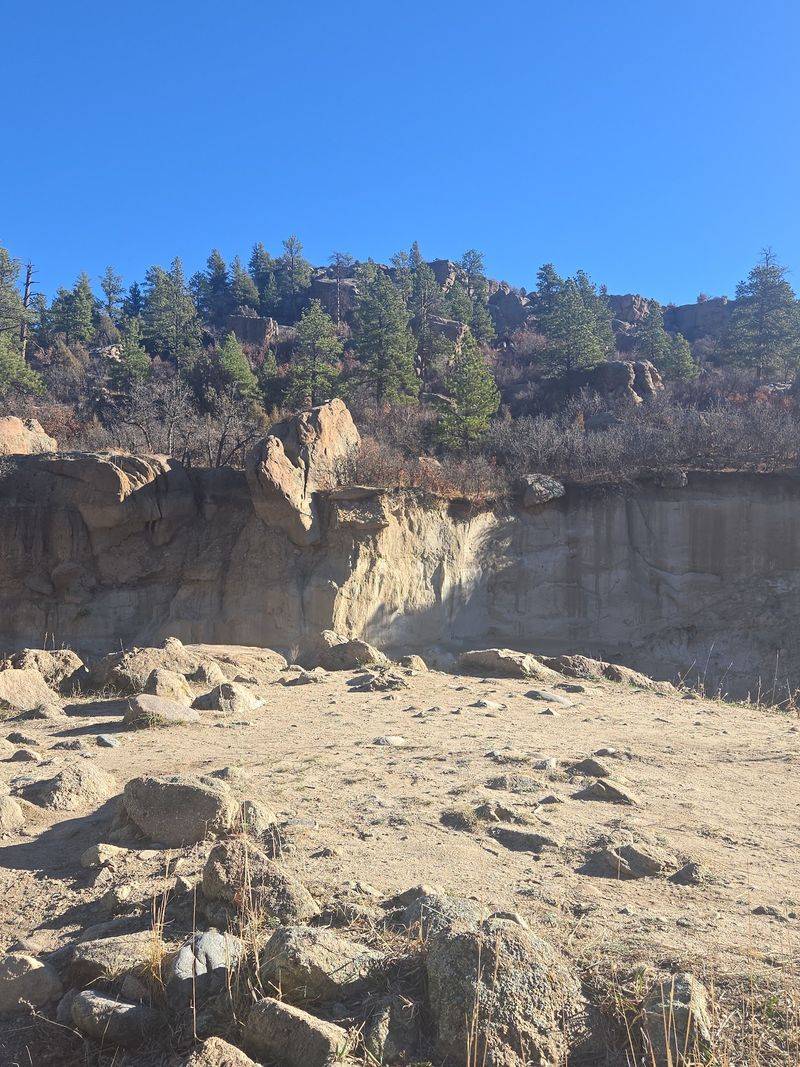
Smoke marks on caves and overhangs hold some of the oldest clues in the canyon. They suggest hunter-gatherers used these rock shelters as far back as 5,000 years ago.
Why here? A reliable water source and south-facing shelters made the canyon a smart place to wait out harsh winters.
South-facing rock catches more winter sun. That simple detail could make a big difference when cold winds swept across the plains.
Later, the Jicarilla Apache carried on the tradition of wintering in the canyon. They occupied eastern Colorado from roughly 1200 to 1750 CE.
I find that long timeline amazing. The dam and homestead feel old, yet they’re brand new compared to the people who came before.
As you hike, look at the overhangs with fresh eyes. These cliffs offered real comfort and safety for thousands of years.
Treat any rock shelter with respect. Leave everything exactly as you find it, because these places hold history that can’t be rebuilt.
Visiting with kids? Ask them where they’d hide from a snowstorm, since it connects the scenery with the story.
Few trails let you cross five thousand years of history in one afternoon. This one manages it without breaking a sweat.
Look Up, Because Turkey Vultures Run The Summer Sky
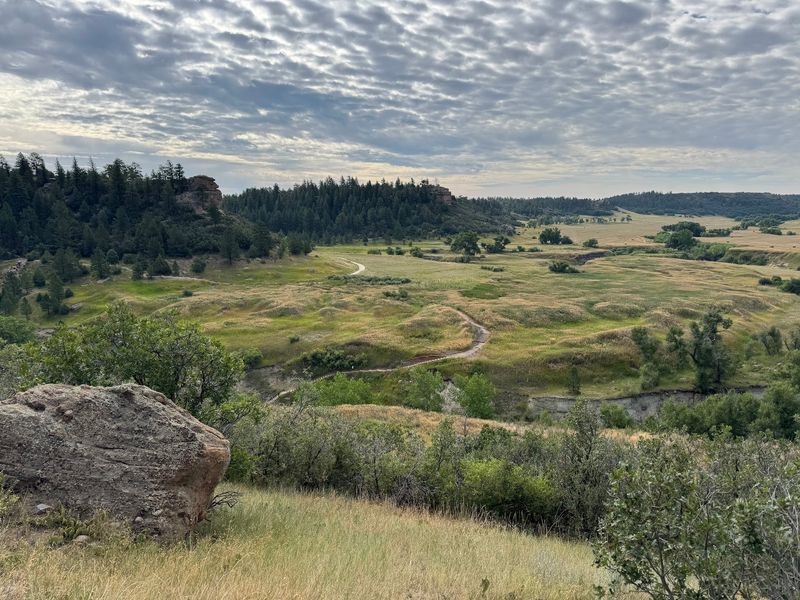
Turkey vultures take over the skies here every summer. The canyon hosts one of Colorado’s largest populations of these big, soaring birds.
They may not win beauty contests up close. Overhead, though, their wide wings and lazy circles are oddly graceful.
Deer and rabbits also make regular appearances. Birds of prey hunt along the cliffs, so binoculars are a smart thing to pack.
Lucky visitors might catch a glimpse of a bobcat or even a black bear. Keep your distance if you do, and never try to feed any wildlife.
Early mornings and evenings are often the best times for spotting animals. The park is open from sunrise to sunset, so you can plan around those quieter hours.
Rattlesnakes live in this part of the state too. Watch where you step and place your hands, especially around rocks and tall grass.
Keeping dogs leashed helps protect both your pup and the animals. It also keeps nesting birds and other creatures from getting stressed.
Bring a small field guide or a bird app. Naming what you see makes the hike feel like a scavenger hunt.
Climb Higher For Views That Flip The Whole Canyon Around
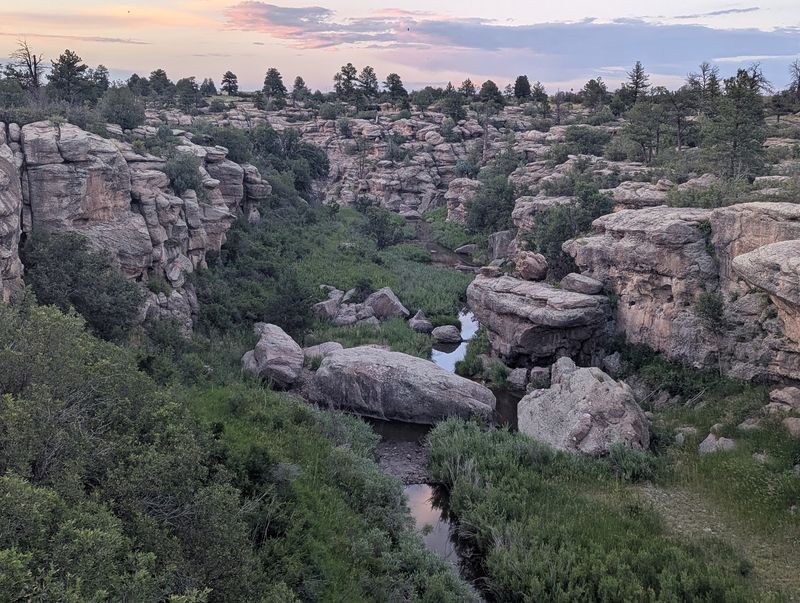
Rimrock Trail sends you up along the canyon rim, and the views change completely. Parts of it are rated moderate to difficult, so expect your legs to notice.
From up high, the creek and canyon floor stretch out below. It’s a fresh way to see the same landscape you just hiked through.
Hikers can combine the rim with the creekside trails for a longer loop. That mix of high ground and low ground gives you two hikes in one outing.
Want an even more vertical view? Castlewood Canyon State Park offers rock climbing on walls up to 60 feet tall.
Climbers of different skill levels can find routes here. The bumpy conglomerate rock offers a texture all its own.
Seasonal closures may affect certain cliff walls to protect nesting raptors. Check current conditions before you haul your gear out.
Bring proper equipment and experience, or go with someone who has both. Safety matters more than any summit photo.
Pause often on the way up and look back. Each new angle shows a little more of the canyon’s shape.
On the rim, sun exposure can be strong. A hat and sunscreen will be your best friends up there.
A Few Smart Moves Before You Hit The Trail
Getting here is simple. Castlewood Canyon State Park sits at 2989 South State Highway 83, Franktown, CO 80116, south of the Denver area.
The park is day-use only, so there’s no camping. It welcomes visitors daily from sunrise to sunset, all year long.
An entrance pass is required for vehicles, and walkers or cyclists need an individual pass. Annual passes are available if you plan to come back often.
The visitor center is open Wednesday through Sunday from 9 a.m. to 5 p.m. It’s a great place to grab maps and get your bearings before heading out.
Picnic fans will be happy too. More than 30 family picnic sites are available first-come, first-served, and many include grills.
Fire restrictions can apply in Douglas County, so check the rules before planning a cookout. Conditions change, and a quick check saves a ruined lunch.
In 2020, the park earned Leave No Trace Gold Standard site status. Pack out what you pack in and stay on marked trails.
Follow those simple habits, and this Colorado canyon stays wild for the next hikers. The ruins have outlasted floods and time, so let’s help them keep going.