
Hidden In A Washington Forest, A Cave Wall Still Holds Paintings Left Centuries Ago
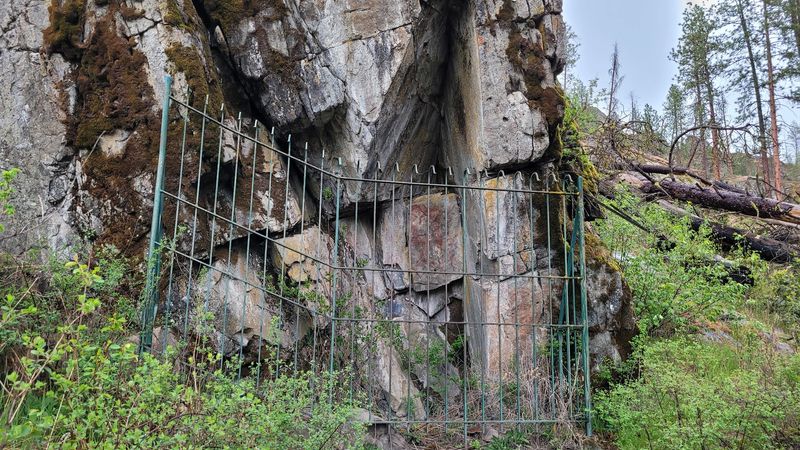
Red figures still cling to a granite boulder beside a quiet river, painted by hands that worked there long before any road arrived. They’ve weathered countless winters.
They’re still visible today.
The spot sits right at the start of a forest trail in eastern Washington. You can park, stretch your legs, and see ancient rock art within minutes.
I can’t imagine a better warm-up for a hike.
Then the trail keeps going. It follows a clear, slow river where moose, deer, beavers, and wild turkeys have all been spotted.
Paddlers drift past while hikers climb toward big views above the valley.
I like how history and wildness share the same short stretch of ground here. It feels like a secret the landscape decided to keep.
So who left those marks, and what else waits farther down the path?
Ancient Art Waiting Right Beside The Parking Lot
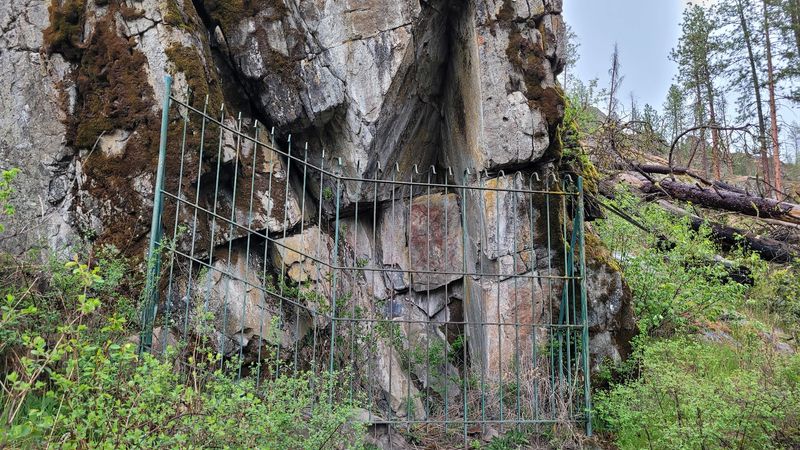
Most rock art makes you earn it with a long, sweaty trek. At Indian Painted Rocks Trailhead, the payoff shows up almost immediately.
The trailhead sits on the north edge of Spokane, Washington, inside the Little Spokane River Natural Area. That area is part of Riverside State Park, one of the largest state parks in Washington.
Granite boulders rise along the hillside near the start of the path. On their faces, faint red figures and markings still hold on after centuries of sun, snow, and rain.
It’s a strange and wonderful thing to see beside a gravel lot.
The site works as a launch point for two very different adventures. Hikers head out on a trail that hugs the river, then climbs into rocky hills.
Paddlers use the river itself as their path through the valley.
Either way, you start with the same view of those painted stones. They set the tone before you take more than a few steps.
Few trails in eastern Washington open with a history lesson this old.
And honestly, it makes the rest of the walk feel a little more meaningful. You’re following routes people have used for a very long time.
The Story Painted Onto Granite
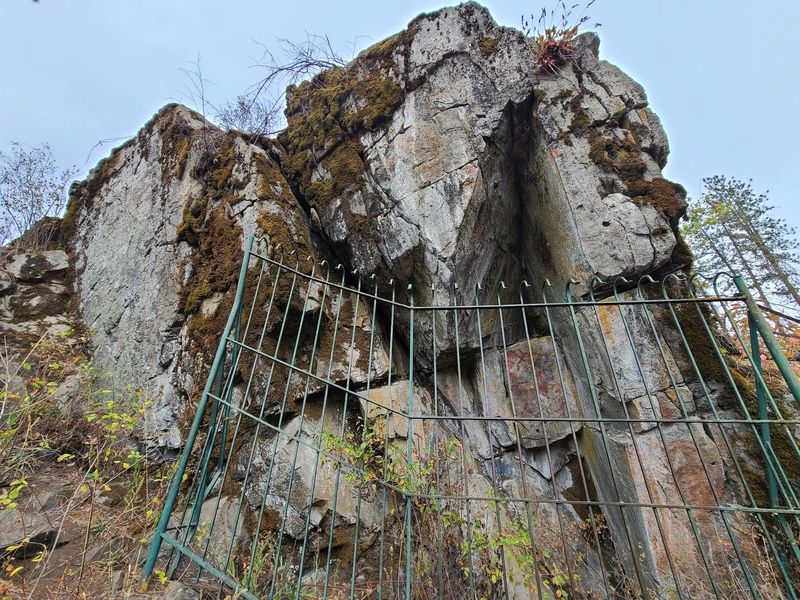
Long before trail signs or parking passes, people of this river valley left their marks in red pigment. The paintings are generally linked to the Native peoples of the Spokane region.
Historians and park materials describe the images as pictographs, meaning they were painted rather than carved. Many hikers casually call them petroglyphs, but that term technically refers to carvings.
The exact age is hard to pin down. Most estimates place the artwork at several hundred years old, which explains the faded edges.
What the figures meant remains part of tribal knowledge and tradition. That’s worth remembering while you stand in front of them.
They aren’t decorations, and they deserve the same respect you’d show any meaningful site.
The river location makes sense when you think about it. The Little Spokane offered water, fish, and a natural travel corridor through the hills.
So the boulders sit right where people would have passed, gathered, and returned season after season. In a way, the paintings mark a crossroads.
Today that crossroads happens to be a trailhead, and the same valley still draws people in for its quiet and abundance.
Why The Paintings Sit Behind A Fence
Expect a modest scene rather than a grand gallery wall. The painted area is small, and a protective fence keeps visitors at a respectful distance.
That barrier exists for good reason. Old pigment fades quickly when hands touch it, and vandalism has harmed rock art sites across the West.
Some hikers find the images a bit underwhelming at first. They’re faint, and you may need a moment for your eyes to pick out the shapes.
My advice is simple. Slow down, look closely, and let the details appear on their own.
Morning or late-afternoon light can help, since shadows across the granite add contrast. A pair of binoculars or a phone camera zoom might reveal lines you’d otherwise miss.
Kids may enjoy turning it into a gentle search game. Who can spot the most figures first?
Whatever you do, keep fingers and objects off the rock. Even a light touch can carry oils that speed up fading.
Treat the fence as part of the experience rather than an obstacle. It’s the reason these paintings are still around for your visit, and it helps make sure the next family gets to see them too.
A River So Clear It Looks Borrowed From The Tropics
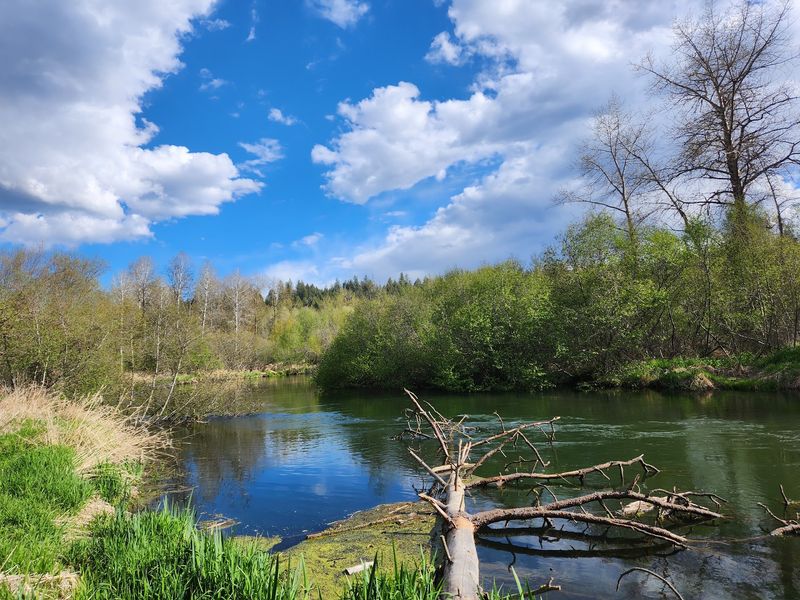
On a bright summer day, the Little Spokane River can look surprisingly turquoise. Visitors often compare the clear water to something you’d expect much farther south.
The river winds slowly through the Little Spokane River Natural Area. Marshy edges, cattails, and wetland pockets line much of the route.
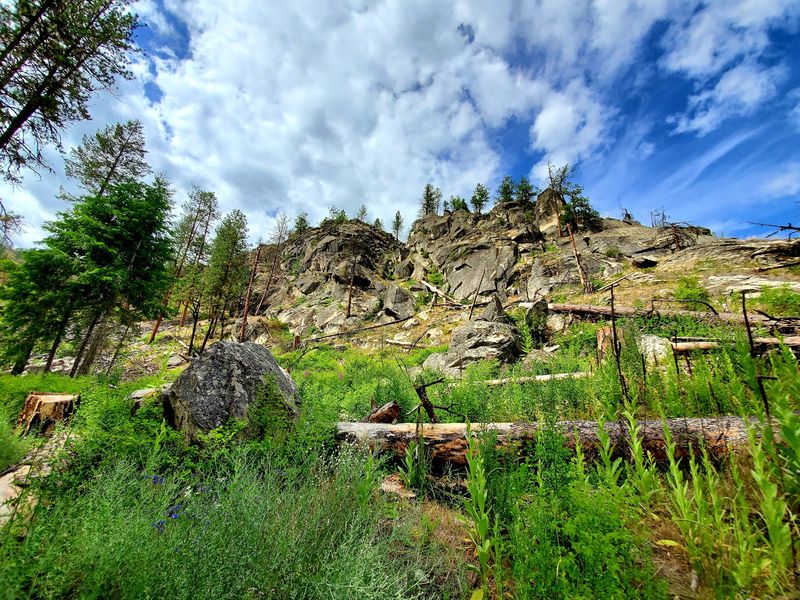
On one side of the trail, steep hills and rocky slopes rise up sharply. On the other, the land opens toward the water and broad meadows.
That contrast gives the walk its personality. You get cliffs and boulders on your left, then wide, airy wetland views on your right.
The natural area is managed with protection in mind. Rules here tend to be stricter than at a typical city park, which helps keep the habitat healthy.
Quiet is one of the biggest rewards. Traffic noise fades quickly once you’re on the path, and birdsong takes over.
It’s easy to forget you’re still within reach of Spokane neighborhoods. That closeness makes the setting even better for a spontaneous weekend outing.
Bring a little patience and a lot of curiosity. The river rewards people who stop, sit, and simply watch the water move.
Flat Riverside Strolling, Then A Climb For The View
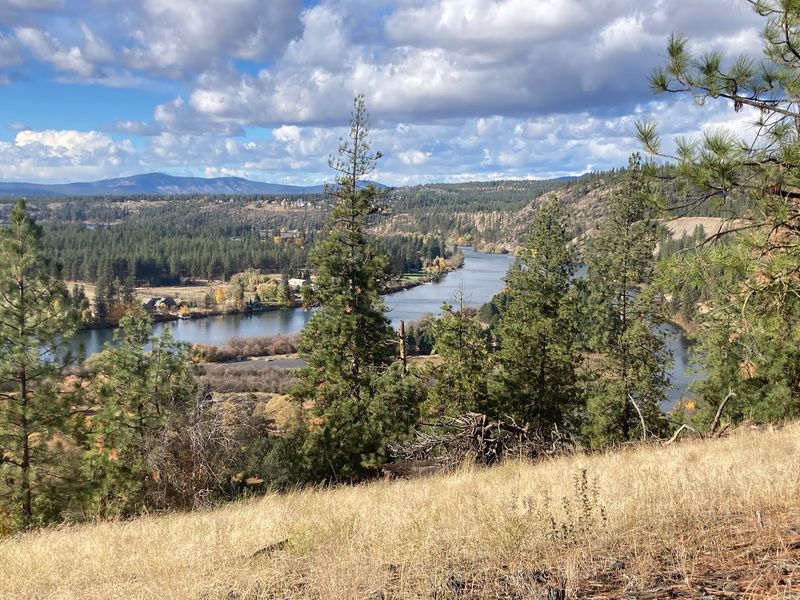
Here’s a trail that lets you pick your own difficulty. Stay low by the river for an easy stroll, or push uphill for a real workout.
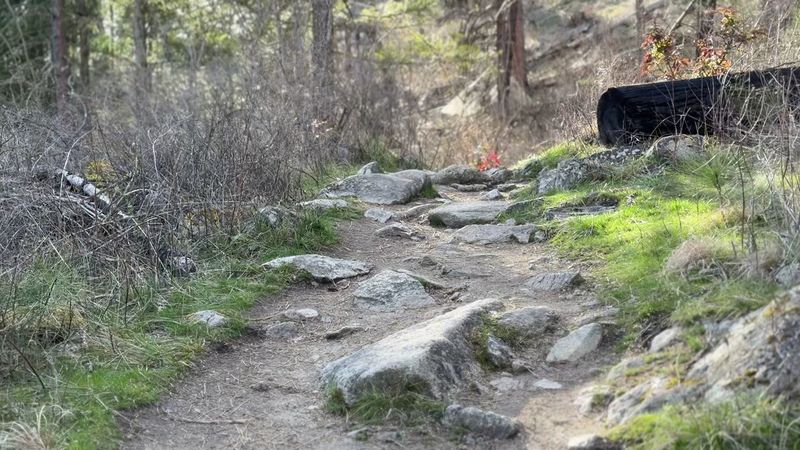
The riverside stretch is mostly flat, though narrow in places. Some sections cross directly over boulders, so watch your footing.
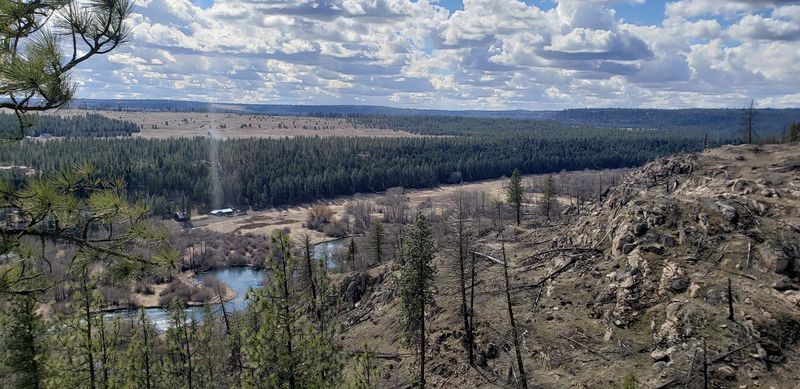
Farther along, the path climbs into rocky hills with roughly 300 feet of elevation gain. Viewpoints up top look out across the valley and river below.
One hiker estimated the full loop with viewpoints at about 7.8 miles. Expect several hours if you tackle the whole thing at a relaxed pace.
Shorter out-and-back walks work beautifully too. Turning around after a couple of miles still gives you river views, forest shade, and plenty of wildlife potential.
Biking isn’t a great fit on these tight, rocky sections. Sturdy shoes are your best friend here, not fancy gear.
Plan your timing with the closing hour in mind. Getting caught out without daylight on rough terrain is no fun.
Bring water, a snack, and maybe trekking poles if your knees prefer them. The climb isn’t brutal, but it does let you know it’s there.
Moose, Beavers, And A Parade Of Wild Turkeys
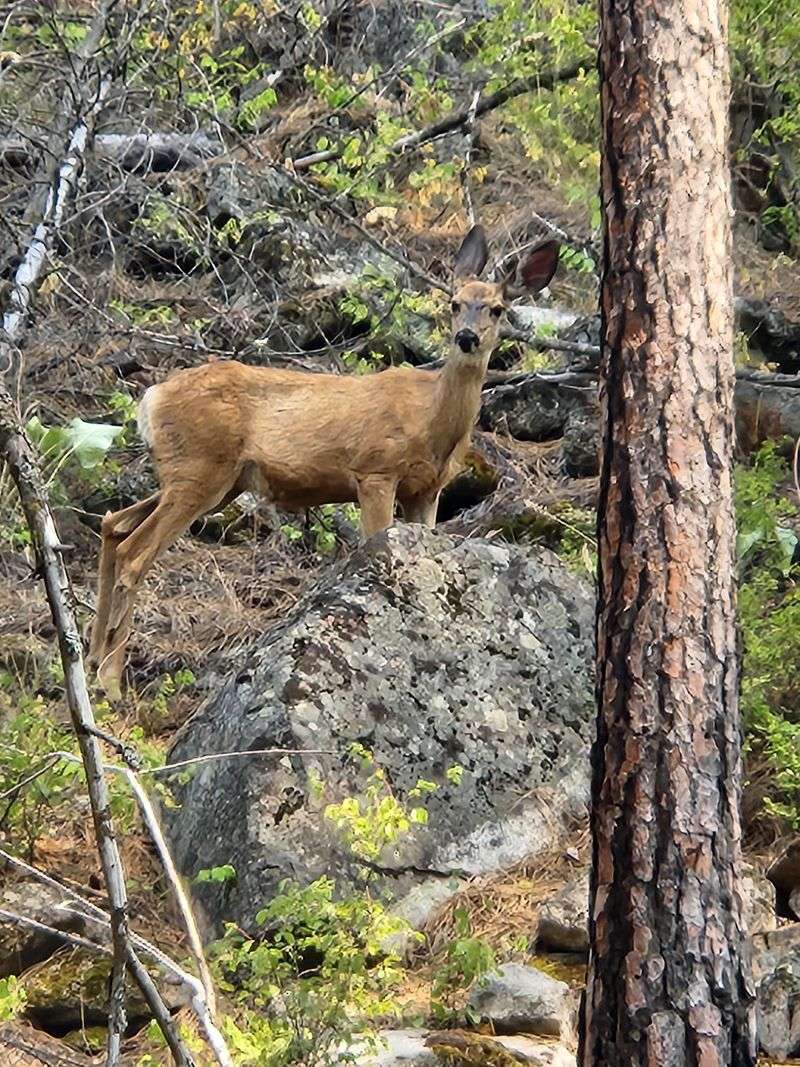
Moose. That single word may be enough to get some families into the car this weekend.
Hikers and paddlers have reported moose along the Little Spokane River corridor. Deer, wild turkeys, beavers, and plenty of ducks also show up in visitor accounts.
Birders consider the area a strong spot for sightings. The mix of wetland, forest, and rocky hillside supports a wide variety of species.
Wildlife variety is one of the trail’s biggest bragging points. Some visitors say they’ve seen more kinds of animals here than at other area parks.
Of course, sightings are never guaranteed. Animals keep their own schedules, and that’s part of the fun.
Give every creature plenty of space, especially moose. They look calm, but they’re huge and can be unpredictable when startled.
Binoculars are a smart addition to your daypack. A quiet voice helps too, since loud groups tend to send wildlife deeper into cover.
Early hours after the 8 a.m. opening may offer a calmer trail. Either way, keep your eyes moving between the water, the reeds, and the hillside, because surprises can pop up anywhere.
Floating Downstream To Nine Mile
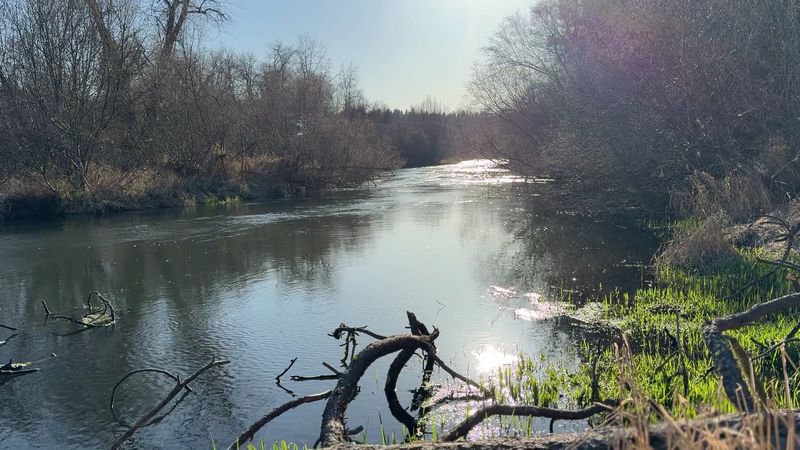
Not a hiker? The river offers a lazier, floatier way to enjoy the same scenery.
Kayaking is one of the most talked-about activities connected to this trailhead. Paddlers use the Painted Rocks area as a key access point on the Little Spokane River.
A popular float runs down to the Nine Mile take-out. One paddler described the trip as roughly two hours, though water levels and your pace will vary.
The water moves gently through marshes and forest. Wildlife sightings from a boat can be especially memorable since you glide by so quietly.
A few rules matter here. Life jackets are expected, and inexpensive plastic inner tubes aren’t allowed on this stretch.
Hard-shell boats like kayaks and canoes are the way to go. Plan a car shuttle between your put-in and take-out before you launch.
Both parking areas require a Discover Pass. Sorting that out ahead of time saves a frustrating surprise at the lot.
Please pack out every bit of trash. Keeping that clear water clean is part of what makes the float feel so special for everyone who follows.
Wildflowers, Mosquitoes, And Other Seasonal Surprises
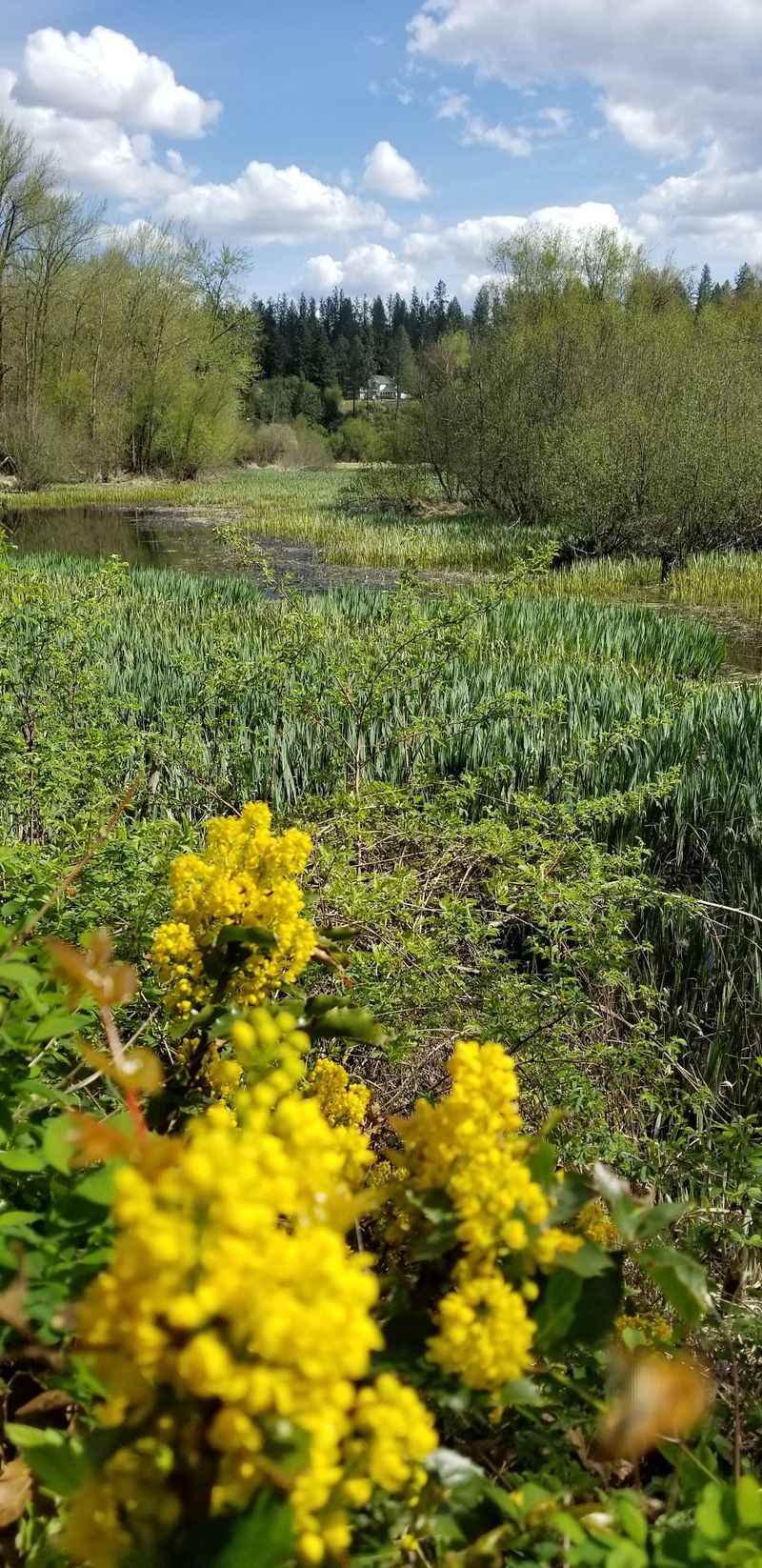
Spring may be the sweetest season on this trail. Wildflowers pop up along the path, and the crowds tend to stay lighter.
Summer brings the river floats and those brilliant clear-water days. It also brings bugs, lots of them.
Mosquitoes are the most common warning hikers share. Wetlands line much of the route, so bug spray belongs in every bag.
Evenings tend to be buzziest, and lingering for a picnic can draw a crowd of tiny guests. Consider a quicker snack stop if you’re sensitive to bites.
Watch for small patches of poison ivy near the trail edges. It’s usually easy to step around once you know the leaves.
Rattlesnakes live in this part of eastern Washington too. Sightings seem uncommon, but staying on the path and watching where you step makes sense.
Past wildfires have touched parts of the area. Some burned trees have required removal over the years.
None of this should scare you off. A little preparation simply turns the trail from itchy to idyllic, and you’ll spend more time enjoying the views than swatting at your arms.
Who Will Love This Trail Most
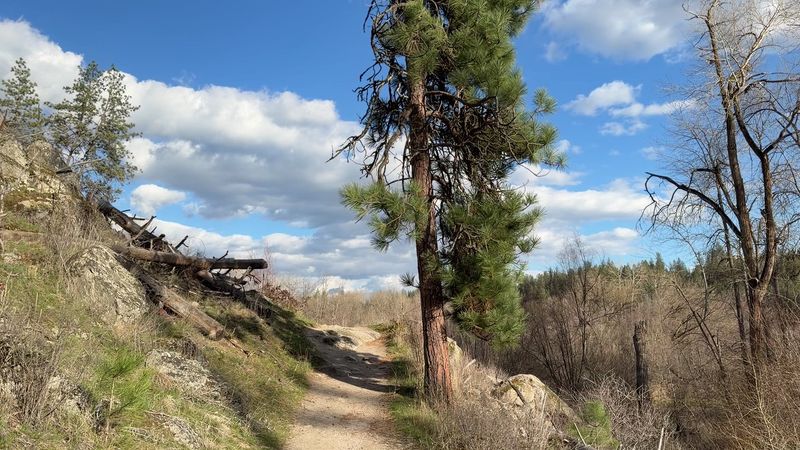
Quiet seekers, this one’s for you. The trail often feels peaceful, with long stretches where the loudest sound is wind or birds.
Families can enjoy the easy riverside portion with kids of many ages. The painted rocks near the start give little ones an early reward.
Retirees and casual walkers can set their own pace. A short out-and-back delivers scenery without demanding a full-day commitment.
Stronger hikers and trail runners can chase the hills. The climb to the viewpoints adds enough challenge to feel earned.
History lovers get something most nature trails can’t offer. Few spots pair centuries-old rock art with moose habitat in one outing.
Dog owners need a different plan, though. Signs along the trail make clear that dogs aren’t allowed in this natural area.
Rangers patrol and enforce the area’s rules. Reading posted signs and staying on marked paths keeps your visit smooth.
Cyclists should look elsewhere too, since boulders and narrow sections make riding impractical. For everyone else on foot or in a kayak, it’s a wonderfully affordable way to spend a slow, satisfying Washington day outside.
Passes, Hours, And Getting There
Finding the lot is refreshingly simple. Indian Painted Rocks Trailhead sits at 5626-5742 W Rutter Pkwy, Spokane, WA 99208.
The parking area lies right along Rutter Parkway on Spokane’s north side. It’s an easy drive from much of the city.
Hours run from 8 a.m. to 6 p.m. every day of the week. Plan your hike so you’re back at the car before closing time.
A Washington State Discover Pass is required to park. Buy one ahead of time so you aren’t scrambling at the trailhead.
That same pass covers many state recreation lands across Washington. Frequent explorers may find it stretches their outdoor budget nicely.
A vault toilet sits near the parking lot. Hikers have described it as clean, which is always welcome news.
Leave dogs at home, since they aren’t permitted here. Pack water, bug spray, and sturdy shoes before you go.
Paddlers should arrange a shuttle to the Nine Mile take-out. Two cars or a helpful friend make the logistics much easier, and you’ll avoid a long, soggy walk back to your vehicle.
A Short Drive To Something Centuries Deep
Some outings deliver scenery, and others deliver a story. Indian Painted Rocks Trailhead somehow manages both in one easy stop.
You start with red figures painted on granite generations ago. Then you follow a clear river through wetlands where moose and beavers make their homes.
Stick to the flat stretch for a calm stroll. Or climb toward the viewpoints and earn a sweeping look across the valley.
Paddlers get their own reward on the slow water to Nine Mile. Hikers and floaters end up sharing the same peaceful corridor.
Yes, you’ll want bug spray and a Discover Pass. You’ll also need to leave the dog home and respect the fence around the paintings.
Those small trade-offs feel minor next to what you get. It’s an affordable, close-to-town escape that still feels wild and meaningful.
I believe it’s one of the most rewarding short drives in the Spokane area. Families, retirees, and curious explorers all have a reason to go.
Pick a clear morning, pack a snack, and head north. Those ancient paintings have waited a very long time for your visit.