
10 Walkable Florida Towns That Are Easy To Love In 2027
One small Florida town has a lighthouse standing on a lake, with no ocean anywhere in sight. It’s an unusual sight in a state better known for its coastal beacons.
I love that kind of oddball detail, because it tells me a town has stories worth chasing on foot.
Another spot on this list sits on an island town of fewer than 1,000 people. Another runs a scenic boat tour that has been cruising since 1938.
One even has a paved trail running right through its downtown.
None of these places asks you to battle a six-lane highway for a cup of coffee. You park once, lace up your shoes, and let the sidewalks do the planning.
In Florida, that feels almost like a small rebellion.
So which town gets your first stroll? I have a hunch you will want more than one weekend to decide.
1. St. Augustine
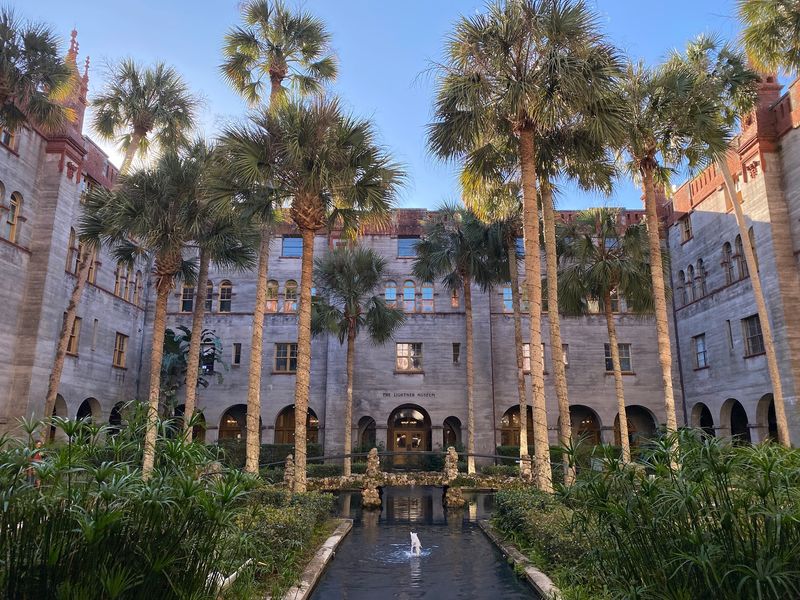
Few towns can say their street plan dates back to the 1500s, but this one can. St. Augustine is the oldest continuously inhabited European-established settlement in the United States.
That history is not locked behind glass, either. You get to walk right through it on narrow streets laid out on a 16th-century Spanish colonial plan.
Start on St. George Street, the main pedestrian walkway downtown. Cars stay out, so you can wander, window shop, and stop for a snack without dodging traffic.
The historic district keeps going from there. Old brick streets, painted storefronts, small shops, and cafes fill block after block.
Got an hour? Head to Flagler College on King Street for a guided tour of the former Hotel Ponce de Leon.
Henry Flagler built the hotel during the Gilded Age, and it is now a National Historic Landmark. Tours run daily and last about 45 to 60 minutes.
You will see the Rotunda, the Courtyard, and the Flagler Room. The Dining Hall shows off Tiffany stained-glass windows, which is a pretty fancy place for students to eat lunch.
The town itself is small, with roughly 15,000 to 16,000 residents. That size keeps the core compact, so your feet can handle most of the sightseeing.
Pack comfortable shoes and a little patience for photo stops. With miles of walkable streets, you will want both.
Address: St. Augustine, FL 32084
2. Fernandina Beach
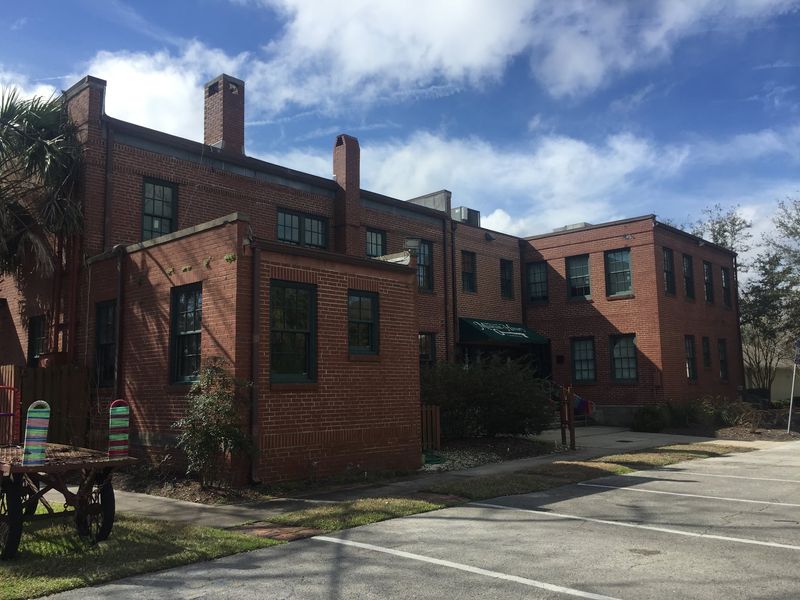
Shrimp boats at the end of Main Street? Well, Centre Street, to be exact, and the effect is wonderful.
Fernandina Beach sits on Amelia Island at the northern tip of Florida. Its downtown runs right down to the Amelia River Marina, where shrimp boats bob at the docks.
The historic district covers about 50 blocks of Victorian-era charm. Late nineteenth-century brick buildings line the streets with painted storefronts and plenty of personality.
Inside those buildings, you will find independent bookstores and clothing boutiques. Bakeries, cafes, and art galleries round out the mix.
The best part is how compact it feels. You can browse shops, grab lunch, and reach the waterfront without ever moving your car.
Brick streets add a nice old-fashioned touch under your feet. They also give you a good excuse to slow down and look up at the architecture.
About 13,000 people call the town home. That small size keeps downtown friendly and easy to figure out, even on your first visit.
Try timing your walk so you end up at the marina late in the day. Watching the river while the boats rest nearby is a lovely way to finish a stroll.
Bring a tote bag for bookstore finds. You may leave with more paperbacks than you planned.
Address: Fernandina Beach, FL 32034
3. Mount Dora
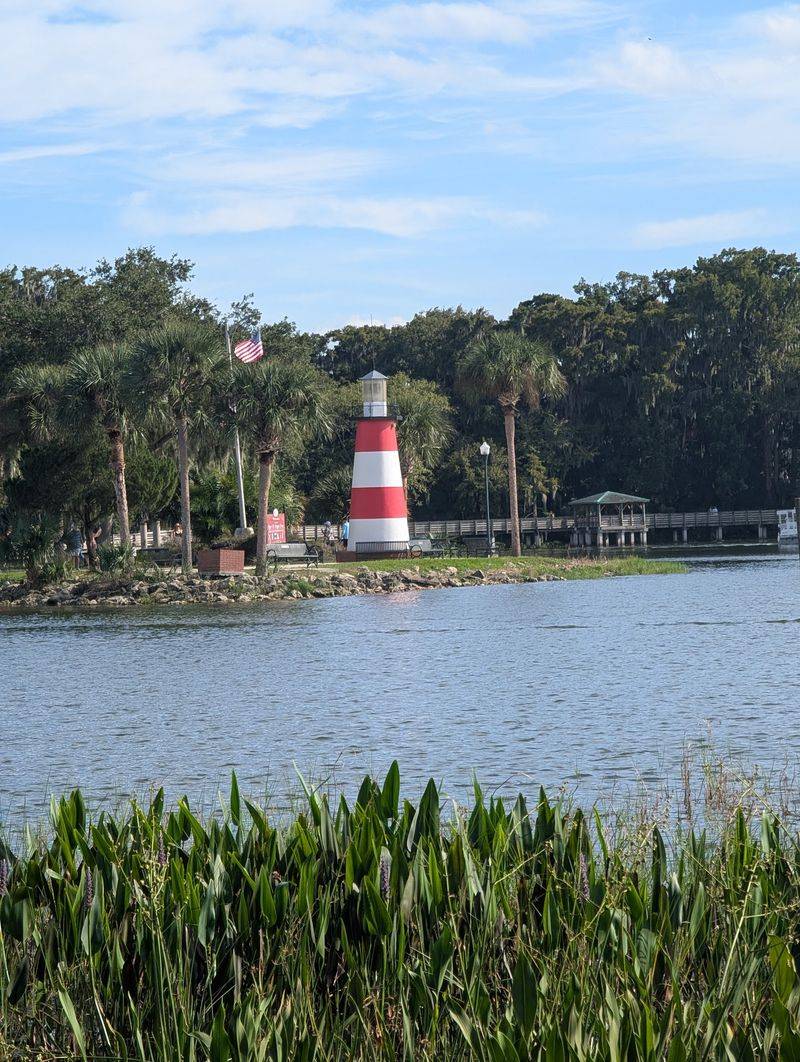
A lighthouse with no ocean in sight sounds like a riddle. In Mount Dora, it is just part of the lakefront.
The town has a freshwater lighthouse standing beside Lake Dora, just a short stroll from downtown. It’s an unexpected landmark that makes the waterfront even more memorable.
Here is a sweet bit of history for your walk. Lake Dora was named in 1846 after homesteader Dora Ann Drawdy, who was known for her hospitality.
The town carried a different name first. Settlers called it Royellou in 1880 before it became Mount Dora in 1883.
Today, the downtown grid makes walking simple. Continuous sidewalks connect block after block of boutiques and antique galleries.
Antique lovers, consider yourself warned. You could easily spend an afternoon poking through old treasures and still not see every shop.
Outdoor dining patios give you a place to rest your feet. They also let you people-watch while you plan the next stop.
Mount Dora has around 16,000 residents and sits in Central Florida, north of Apopka. It keeps a small-town feel with traditional main-street buildings that are well cared for.
Save the lake for the end of your visit. A slow walk along the water is a calm reward after a busy day of browsing.
Address: Mount Dora, FL 32757
4. Dunedin
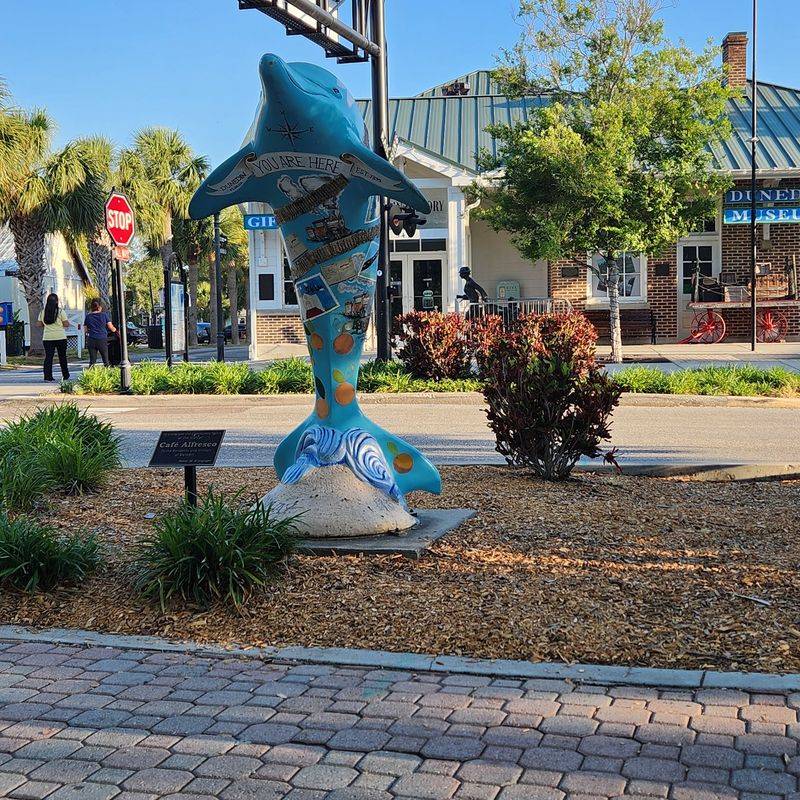
Bagpipes on the Gulf Coast? Dunedin makes that combo feel completely natural.
The town proudly celebrates its Scottish roots. The Dunedin Highland Games and Festival is scheduled for April 3, 2027, so mark your calendar if kilts and music sound fun.
That heritage runs deep. The Dunedin Scottish Arts Foundation traces its fundraising efforts back to 1967, helping preserve Scottish music and performing arts.
The Scottish American Society of Dunedin was established later, in 1980.
The Scottish Cultural Center on Louden Avenue even became the city’s first Historic Landmark. That is a big honor for a building with such a clear purpose.
Now for the walking part. Downtown has plenty of crosswalks, sidewalk seating, and a classic Main Street business district.
The Pinellas Trail runs right through the heart of town too. You can walk, jog, or bike in on the trail and keep exploring on foot.
Dunedin has about 36,000 residents, yet the center still feels small and relaxed. Shops and restaurants sit close together, which makes hopping between them easy.
Honeymoon Island is nearby if you want some beach time. Pair a morning on the sand with an afternoon downtown for a well-rounded day.
Visiting in spring? Check the event calendar first, since Scottish celebrations can make downtown extra lively.
Address: Dunedin, FL 34698
5. Winter Park

A boat tour that started in 1938 is still floating along, and honestly, that alone earns a visit. The Winter Park Scenic Boat Tour is an hour-long pontoon cruise through the town’s chain of lakes.
Along the way, you glide past historic homes and big cypress trees. You also get views of Rollins College from the water.
Tours leave hourly from 10 a.m. to 4 p.m. daily, except Christmas Day. The dock sits on Lake Osceola along East Morse Boulevard.
Back on land, Park Avenue steals the show. Wide brick sidewalks shaded by trees connect cafes, shops, and restaurants.
Central Park sits right beside the avenue. It hosts cultural events and a farmers market, and it is a lovely spot for a slow stroll.
Art fans should not skip the Morse Museum of American Art. It holds the world’s most comprehensive collection of works by Louis Comfort Tiffany.
About 30,000 people live in Winter Park, just outside Orlando. Brick streets give the town an old-world village feel that is hard to find so close to theme park traffic.
Try a morning boat tour and an afternoon of browsing. Then finish with art, because those Tiffany pieces glow in a way photos never quite capture.
Address: Winter Park, FL 32789
6. DeLand
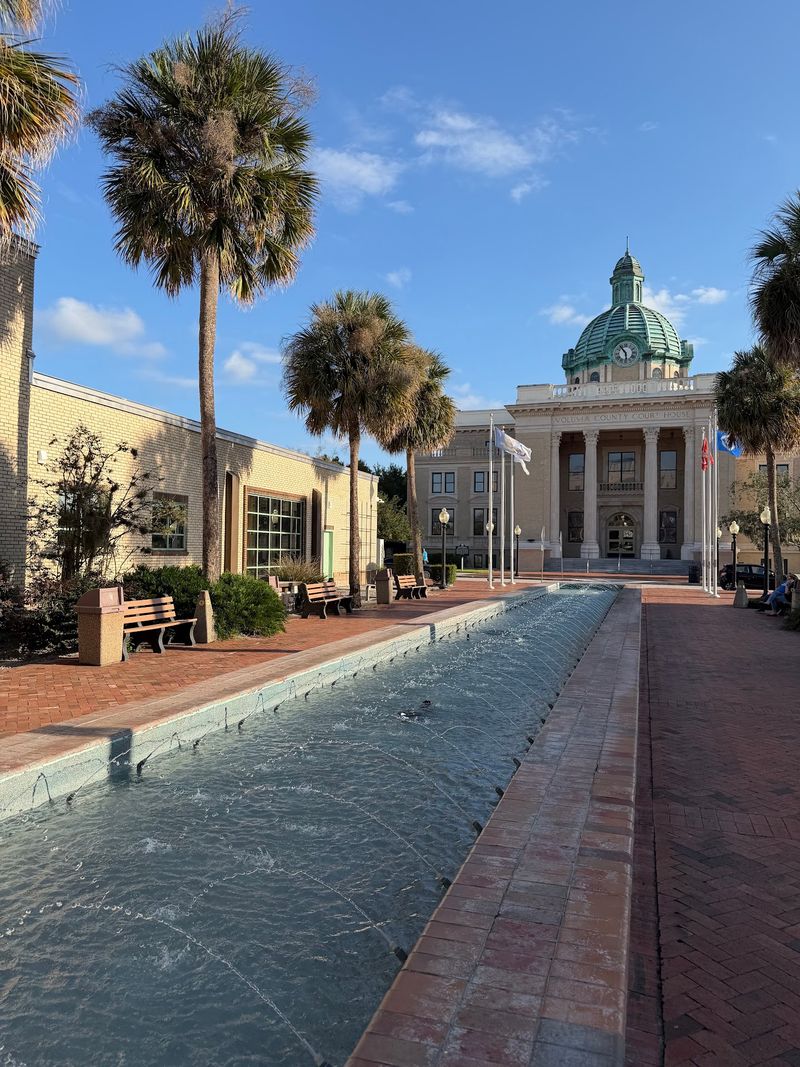
Sculptures, murals, and a historic theater all share one walkable downtown. DeLand packs a lot of art into a few friendly blocks.
The heart of town is Woodland Boulevard, a celebrated Great American Main Street district. Wide sidewalks and curb bump-outs make crossing the street simple and stress-free.
You will find more than 50 locally owned shops downtown. Boutiques, antique stores, art galleries, and restaurants keep the blocks interesting.
Art does not stay indoors here. The DeLand Sculpture Walk and the DeLand Historic Mural Walk turn a regular stroll into a free outdoor gallery.
For a show, check the Athens Theatre schedule. It hosts musicals, comedy, live concerts, and dance performances.
Museum lovers have options too. The Museum of Art – DeLand and the Gillespie Museum at Stetson University are both worth a look.
Stetson welcomes the public for lectures, concerts, and cultural events. That college energy adds a fun spark to the town.
Need some nature after all that culture? Blue Spring State Park, De Leon Springs State Park, and Hontoon Island State Park are nearby for paddling, hiking, and wildlife watching.
DeLand has roughly 38,000 residents, yet downtown still feels compact. Plan for a full day, because the art alone can fill hours.
Address: DeLand, FL 32720
7. Gulfport
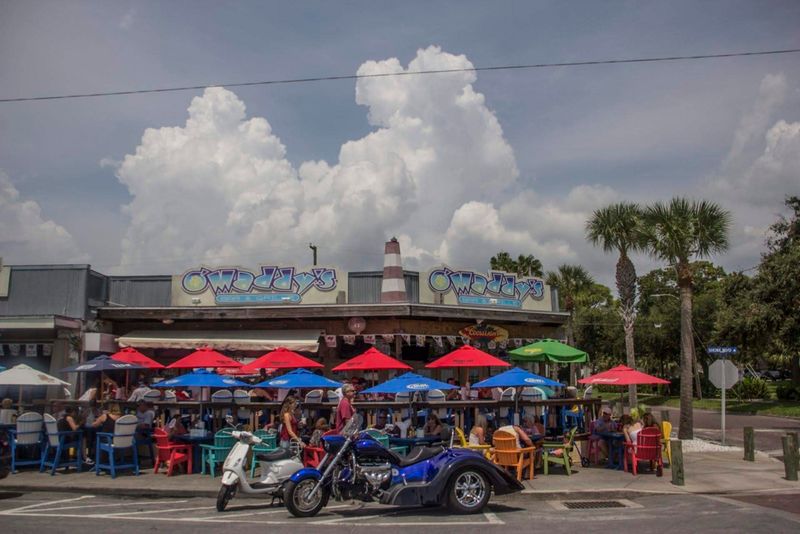
Gulfport’s main drag ends at the water, which is about as convenient as a walking route gets. Stroll down Beach Boulevard, and the town beach and fishing pier are waiting at the bottom.
This seaside town has around 12,000 residents. It feels close-knit and leans hard into the arts.
The commercial core spans just a few easy blocks. Artist studios, restaurants, and small shops line the way.
That short layout is the secret to its charm. You can see most of downtown in one relaxed outing, then come back for a second lap.
Artist studios give the street a creative, quirky personality. Browsing local work feels more personal than shopping at a big mall.
The fishing pier is a nice spot to pause and watch the water. Bring your camera, because the views across Boca Ciega Bay can be lovely.
Gulfport sits in Pinellas County, close to St. Petersburg. It offers a slower pace than the bigger city next door.
Plan your visit for a sunny afternoon. A beach break, a gallery stop, and a meal can easily fit into a few happy hours.
Wear sandals you can walk in. The beach is so close you will probably end up with sand in your shoes anyway.
Address: Gulfport, FL 33707
8. Safety Harbor
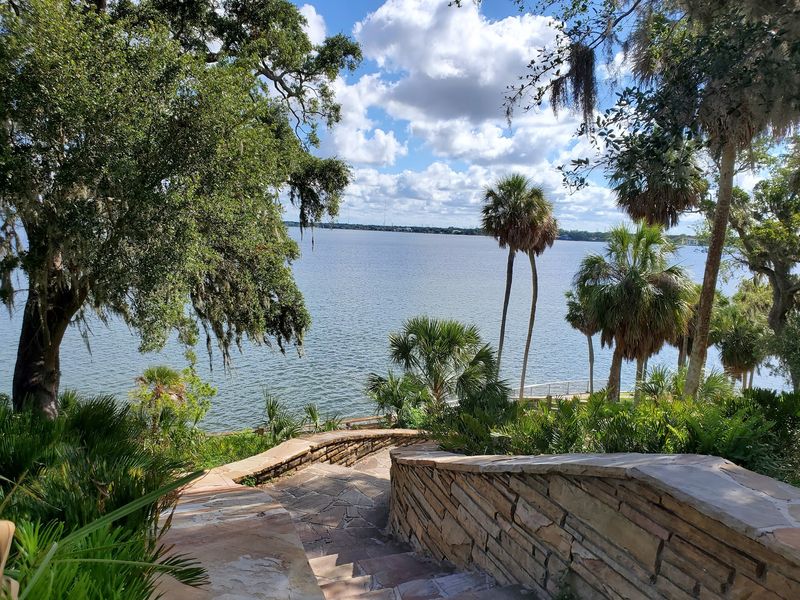
With a name like Safety Harbor, you expect a calm little town, and this one delivers. It sits quietly on the edge of Old Tampa Bay.
About 17,000 people live here. The town is best known for its classic Main Street shaded by big oak trees.
Those trees matter in Florida. Canopy-shaded sidewalks make a summer stroll far more pleasant than walking in full sun.
Main Street links local cafes, gazebos, and the city marina. Continuous pathways mean you can follow it all without hunting for a crosswalk every few steps.
The town also has a long link to natural springs. The Safety Harbor Resort and Spa sits downtown near the water and is built around them.
Head to the marina for a breather by the bay. It is a peaceful place to watch boats and stretch your legs.
Philippe Park is close by if you want more green space. Its shady grounds along the bay make a good add-on to a downtown visit.
Safety Harbor works well for a slow morning or a lazy afternoon. Grab a coffee, wander under the oaks, and let the day stay simple.
Bring a light jacket in winter. Breezes off the bay can feel cooler than you expect.
Address: Safety Harbor, FL 34695
9. Apalachicola
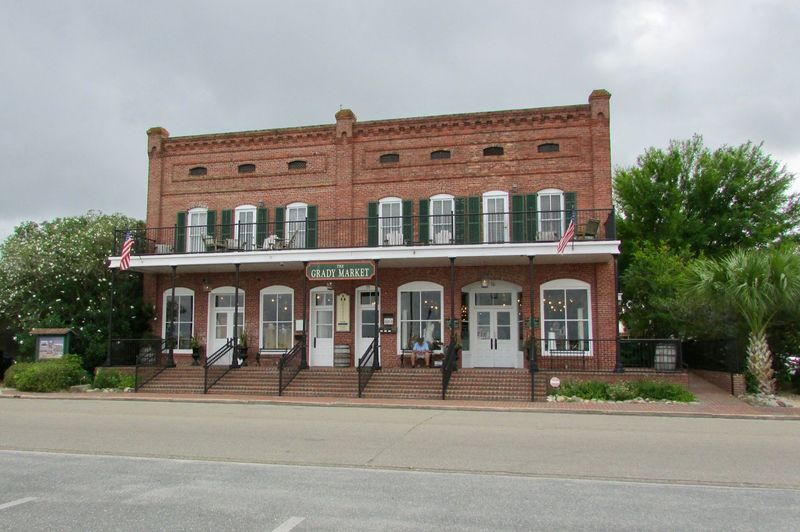
Modern air conditioning owes a nod to this tiny Panhandle town. Dr. John Gorrie, who worked on early ice-making and cooling ideas, lived and worked in Apalachicola.
The John Gorrie Museum State Park tells his story. It is a fun stop on a hot day, for obvious reasons.
Apalachicola has fewer than 3,000 residents. Its unhurried, coastal character makes it feel like a real getaway.
The town follows a dense historic grid. Seafood markets, boutiques, and the working riverfront all sit within a short walk of each other.
That working waterfront is a big part of its charm. Boats still line the Apalachicola River, reminding you that seafood is serious business here.
The town has long been famous for oysters. If you love seafood, the local markets are a great place to explore.
Old buildings give the downtown a sturdy, historic look. Take time to wander side streets and notice the details.
Plan to slow way down here. There is no rush, and the town seems to prefer it that way.
Apalachicola rewards curious walkers who browse, snack, and chat with shop owners. It is the kind of place where an hour easily turns into a whole afternoon.
Address: Apalachicola, FL 32320
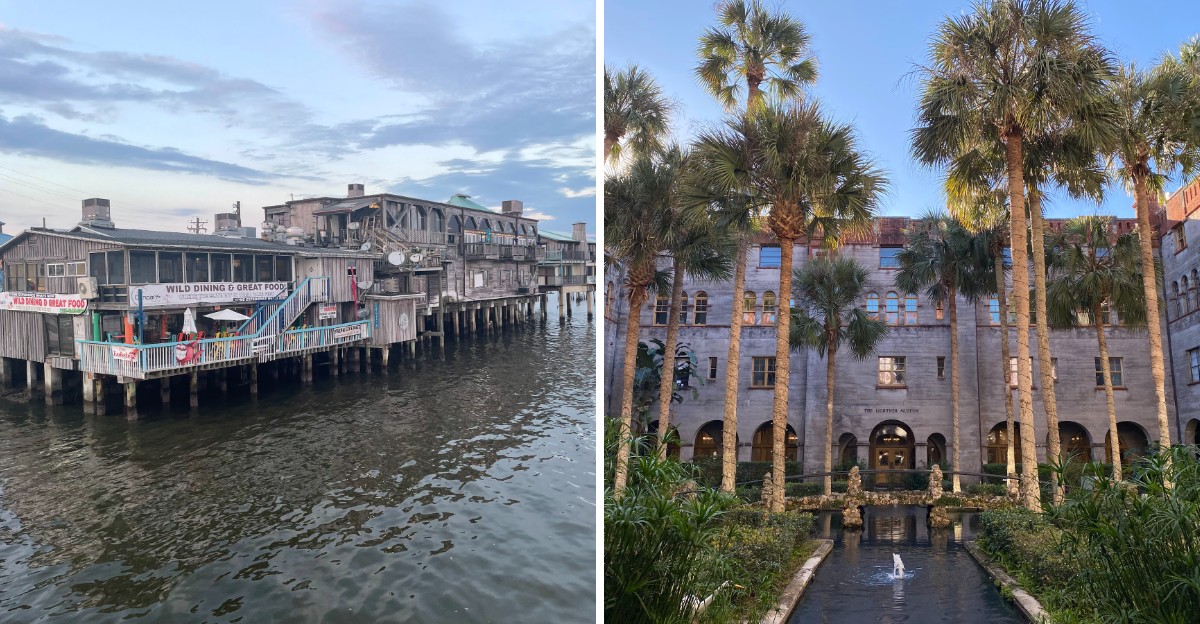
10. Cedar Key
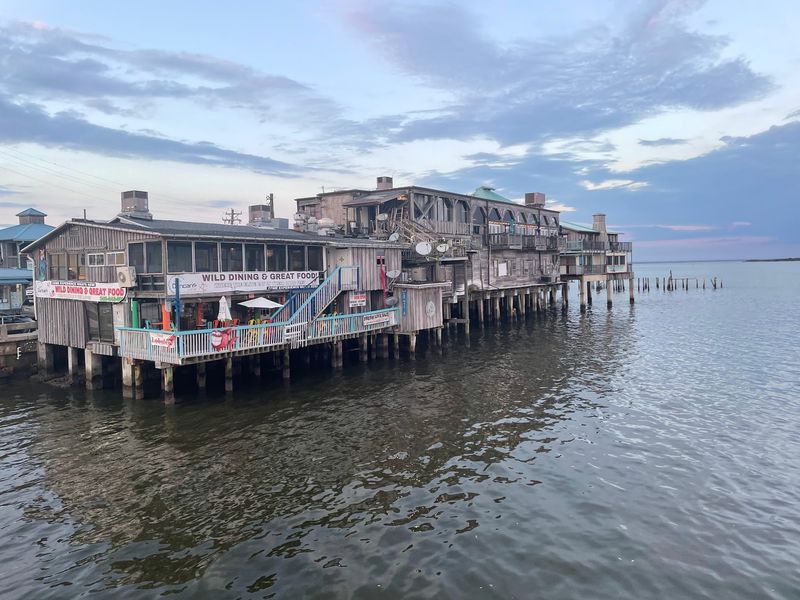
Fewer than 1,000 people live in Cedar Key, so you will not need a map for long. The whole town is small enough to explore mostly on foot.
Cedar Key sits on an island along Florida’s Nature Coast. It has a rustic Gulf fishing village feel that seems far from the busy beaches down south.
Dock Street is the place to start. Restaurants sit near the water, and the views stretch out across the Gulf.
Art galleries add a creative touch between meals. Browsing local art is a relaxed way to spend an afternoon.
The city marina is close by too. Watching boats come and go is a simple pleasure that never seems to get old.
Cedar Key is known for its clam farming. Fresh local seafood is a big part of the island’s identity.
History fans can visit the Cedar Key Museum State Park. It shares stories about the island’s past and its people.
Because the town is so isolated, it stays quiet and peaceful. That calm is a big part of why people fall for it.
Plan to stay until sunset if you can. Watching the sky change color over the Gulf is the perfect way to end a walk, and a pretty good reason to come back.
Address: Cedar Key, FL 32625