
This Missouri Town Disappeared After Its Roads Were Sprayed With Toxic Oil
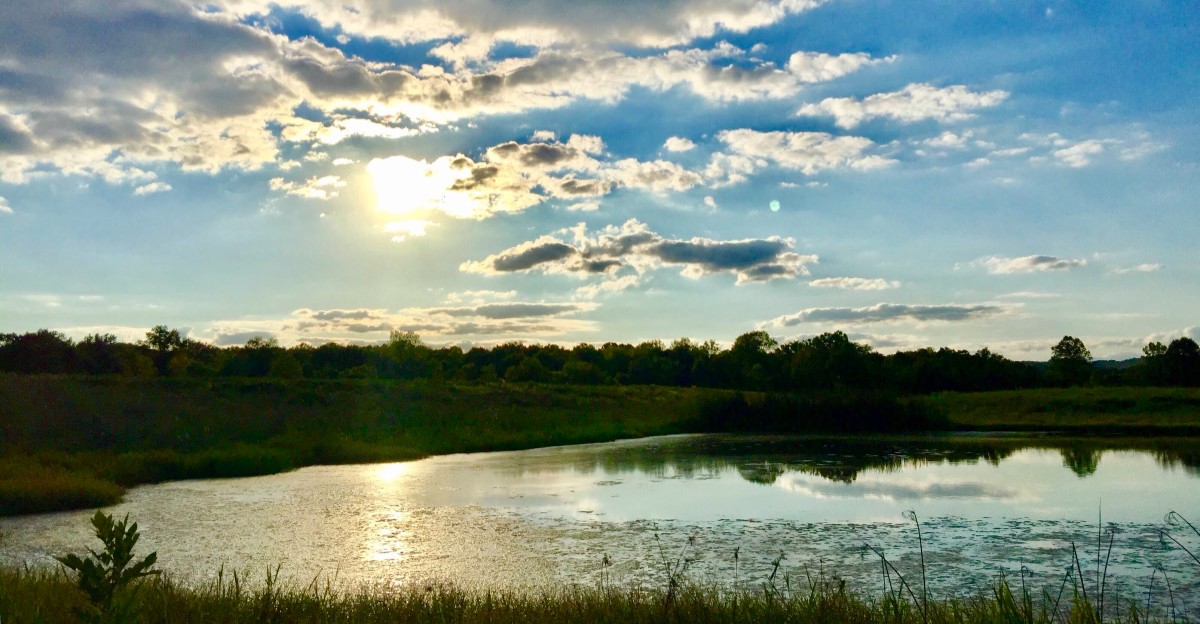
A town can’t exactly pack up and leave. Unless the government buys every property and tells everyone it’s time to go.
That’s what happened in Missouri. The trouble began with a seemingly harmless fix for dusty roads.
Spraying them with waste oil. Residents had no idea the oil was contaminated with dioxin, an extremely toxic chemical.
Then a devastating flood spread the contamination beyond the roads. Homes, yards, and entire neighborhoods became unsafe, and a community of more than 2,000 people was forced to leave.
I find it chilling that something meant to keep the dust down helped wipe a whole town off the map. Today, the land has a very different purpose, and you’d never guess what happened beneath those picnic spots.
A Newspaper Gimmick Gave This Riverside Town Its Start
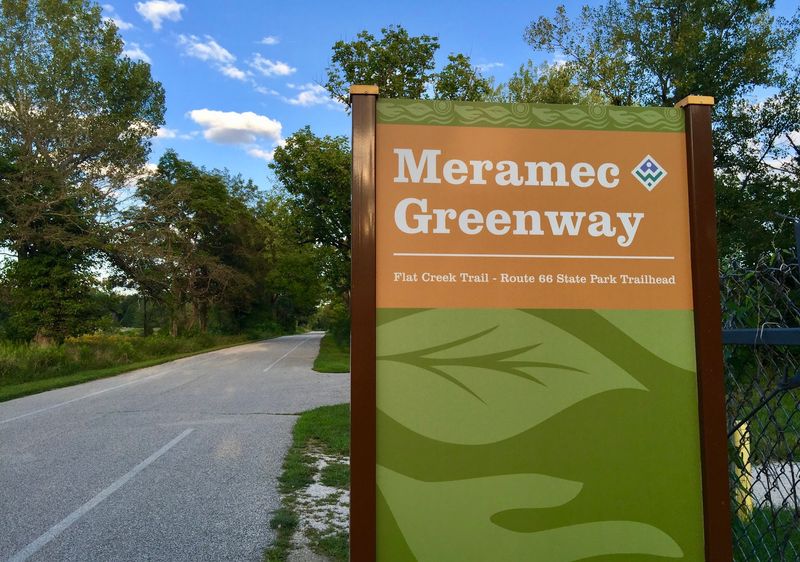
Plenty of towns start with a railroad or a gold strike. Times Beach, Missouri, started with a newspaper promotion in 1925.
The St. Louis Times wanted more readers, so it got creative. It sold lots measuring just 20 by 100 feet, bundled with a six-month subscription.
That’s how the town got its name, too. The Times part came straight from the paper, while the Beach part pointed to the Meramec River.
Early buyers saw it as a summer escape from the city. Families could build small cottages and enjoy the river during hot Missouri months.
Things shifted during the Great Depression. Money got tight, and many people moved into those cottages full-time because it was cheaper than city living.
Slowly, the vacation spot turned into a real working-class community. By its peak, more than 2,000 residents called it home.
I like how ordinary the whole story feels at this stage. Kids played, neighbors chatted, and life rolled along beside the river.
Nobody buying a lot for a newspaper deal could have guessed the town’s future. That’s what makes the opening chapter so striking now.
Dusty Roads Led To A Fix Nobody Saw Coming
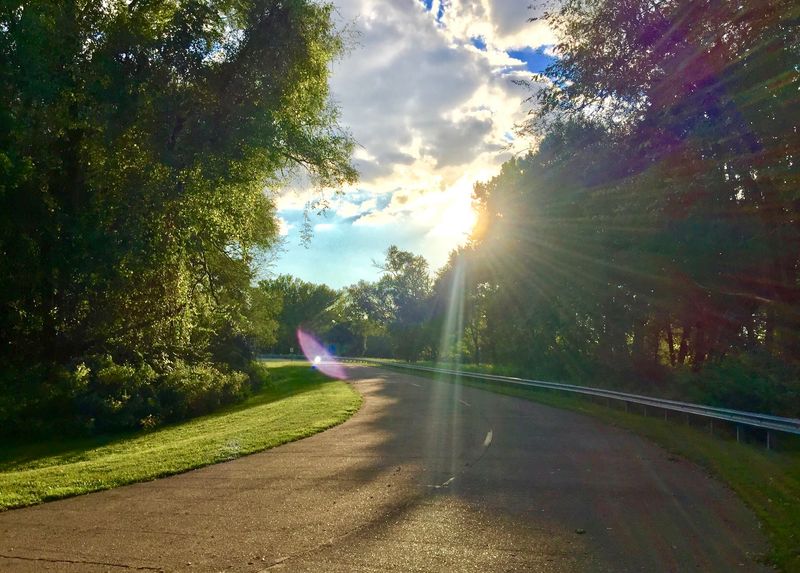
Dust sounds like a small problem until it coats your porch, car, and kitchen table every day. Residents of Times Beach, Missouri, dealt with exactly that in the 1970s.
The town’s roads were unpaved, and summer traffic kicked up clouds of grit. Paving every street cost serious money, so leaders looked for a cheaper solution.
Spraying oil on dirt roads was a common trick back then. The oil helped hold the dust down, and it seemed practical and harmless.
So the town hired a local waste hauler named Russell Bliss. Between 1972 and 1976, he sprayed roughly 160,000 gallons of waste oil across the roads.
For a while, the plan seemed to work. The dust settled, and life felt a little cleaner.
Looking back, the story offers a quiet lesson for everyone. Cheap fixes deserve a few extra questions about where the materials actually come from.
Nobody in town had reason to suspect anything strange in that oil. Still, that simple dust-control job would end up changing the whole community forever.
The Secret Ingredient In That Oil Was Seriously Bad News
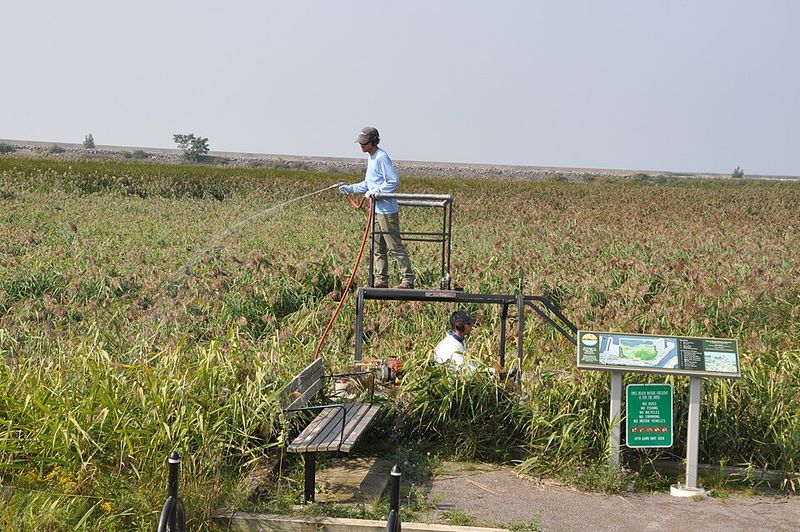
Hidden inside that waste oil was dioxin. Scientists consider it one of the most toxic chemicals humans have ever produced.
The dioxin traced back to a chemical plant in Verona, Missouri. The facility had previously produced a component of Agent Orange, while Northeastern Pharmaceutical and Chemical Company, known as NEPACCO, later manufactured hexachlorophene there.
Both processes generated toxic dioxin waste.
Leftover chemical waste from that plant got mixed with the oil. Then it ended up sprayed across roads, horse stables, and other sites around eastern Missouri.
The first warning signs showed up in animals. At stables that had been sprayed, 62 horses were lost, which alarmed owners and investigators.
People reported health troubles too. Illnesses linked to the contamination included miscarriages and a painful skin condition called chloracne.
In 1982, the EPA confirmed the bad news about Times Beach. Tests found dioxin levels around 100 parts per billion.
At the time, federal health officials considered soil concentrations above 1 part per billion a potential health concern. Some road samples reached 100 times that level, making the contamination especially alarming.
Suddenly the dusty-road fix looked like a nightmare. Residents now faced questions nobody ever wants to ask about their own front yard.
Then The River Made Everything Worse
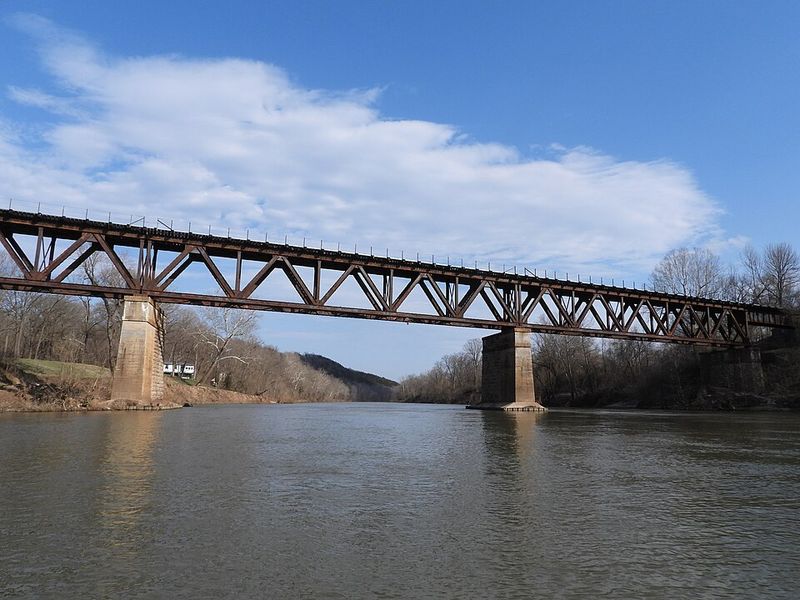
Bad timing doesn’t get much worse than this. In December 1982, right as the dioxin news broke, the Meramec River flooded Times Beach, Missouri.
Floodwaters swept through streets and homes across the town. Families who were already worried now had to deal with water damage too.
The flood carried a sneaky extra danger. Moving water helped spread the contaminated soil from the roads into yards, houses, and other areas.
Before the flood, the problem sat mainly on the streets. Afterward, officials had to treat the entire town as a concern.
That river had been the reason people came in the first place. The same water that drew summer visitors in the 1920s now pushed the town toward its end.
I believe that irony is one of the hardest parts of the story. A peaceful riverside setting turned into the very thing spreading the damage.
Cleanup in a normal flood means mopping, drying, and rebuilding. Here, returning home started to look less like a plan and more like a risk nobody could accept.
Uncle Sam Ended Up Buying The Whole Town
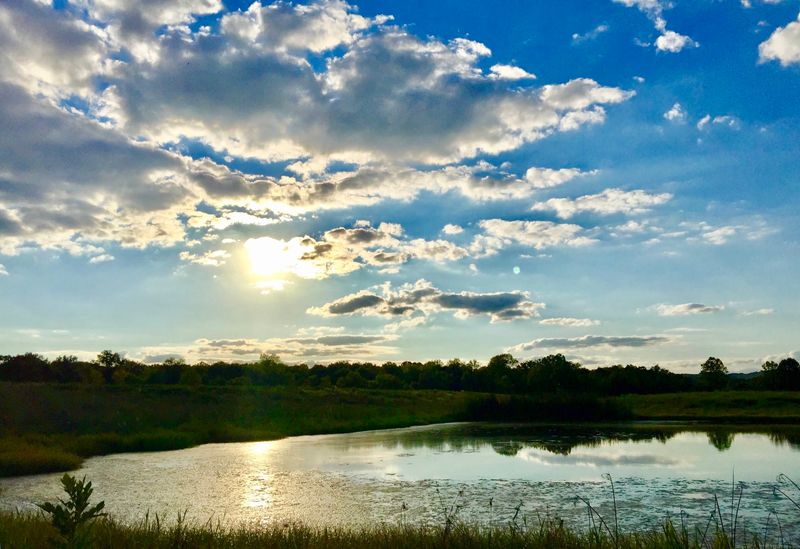
Picture a government purchase order for an entire town. That actually happened in 1983, when federal officials moved to buy out Times Beach, Missouri.
Residents were evacuated and compensated for their properties. Families packed up and left homes they had lived in for years.
It was a massive step, and it marked a rare moment in American history. Whole communities don’t usually get bought and emptied this way.
Local government didn’t last much longer either. On April 2, 1985, Times Beach’s Board of Aldermen voted to dissolve the municipality, and Missouri Governor John Ashcroft approved the decision that same day.
Soon after, the state of Missouri officially disincorporated Times Beach. Just like that, the town vanished from the list of working municipalities.
The story didn’t fade quietly, though. Times Beach became one of the country’s worst environmental disasters and a landmark Superfund site.
The disaster became one of the most memorable early cases handled under the federal Superfund program, which had been established in 1980 to address hazardous waste contamination. Times Beach showed how the program could be used to relocate an entire community and clean up polluted land.
That’s a heavy legacy for a place that began as a newspaper perk. It also shows how one community’s story can protect many others.
A Giant Cleanup Turned The Dirt Into Something Safe
Cleaning up dioxin isn’t a job for shovels and garbage bags. Crews needed a full-scale incinerator, and they built one right on the Times Beach site.
From 1996 to 1997, that incinerator burned through contaminated soil and debris. The total reached about 265,000 tons.
Not all of it came from Times Beach alone. Material from 28 other sites in eastern Missouri also went through the process.
High heat broke down the dioxin so it could no longer cause harm. It was slow, careful work on an enormous scale.
The price tag was huge too. Missouri officials report that the cleanup cost the government approximately $110 million, making the project an enormous environmental undertaking.
Syntex, the parent company of NEPACCO, took part in carrying out the cleanup. That connection brought the story full circle in an unusual way.
Once the work wrapped up, the land got a fresh start. The site went to the State of Missouri in 1997.
A few years later, in 2001, the EPA removed Times Beach from its national cleanup list. The ground was finally ready for its next chapter.
Your Picnic Spot Used To Be Main Street
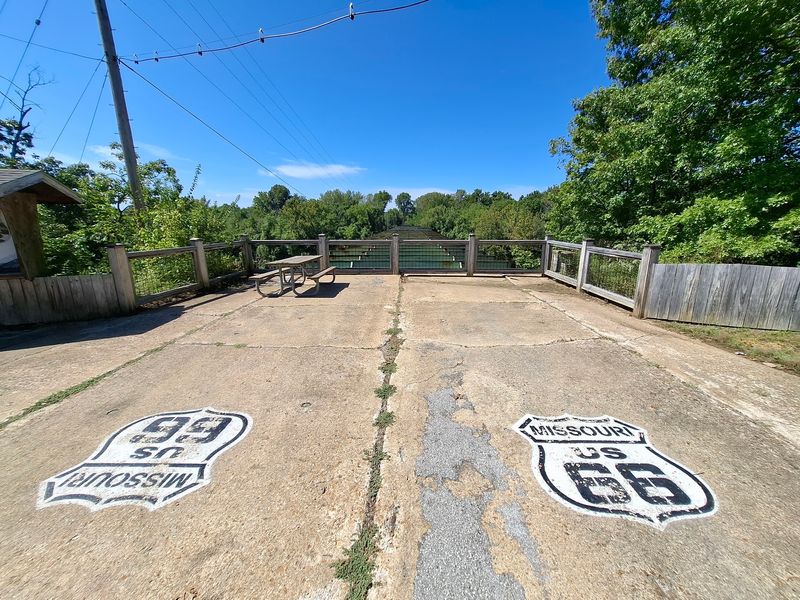
Today the old townsite goes by a much cheerier name: Route 66 State Park. It officially opened in 1999 on the land where Times Beach once stood.
The park covers 424 acres along the Meramec River. You’ll find it at 97 N Outer Rd, Eureka, MO 63025, about 17 miles southwest of St. Louis.
Trail lovers can explore several miles of paved and natural-surface paths. The park offers routes for hiking, biking, and horseback riding, with some sections easier than others.
Families have plenty to enjoy as well. Picnic areas, a playground, and two large reservable shelters make it easy to plan a group outing.
A boat ramp offers access to the Meramec River too. That’s a nice nod to the town’s original river-loving roots.
Fields of wild grass and brush now cover spots where homes once stood. Some old streets still hint at the neighborhood layout.
Walking those flat trails, you’re tracing the bones of a lost Missouri town. That makes an ordinary stroll feel a lot more meaningful.
An Old 1935 Roadhouse Holds The Town’s Memories
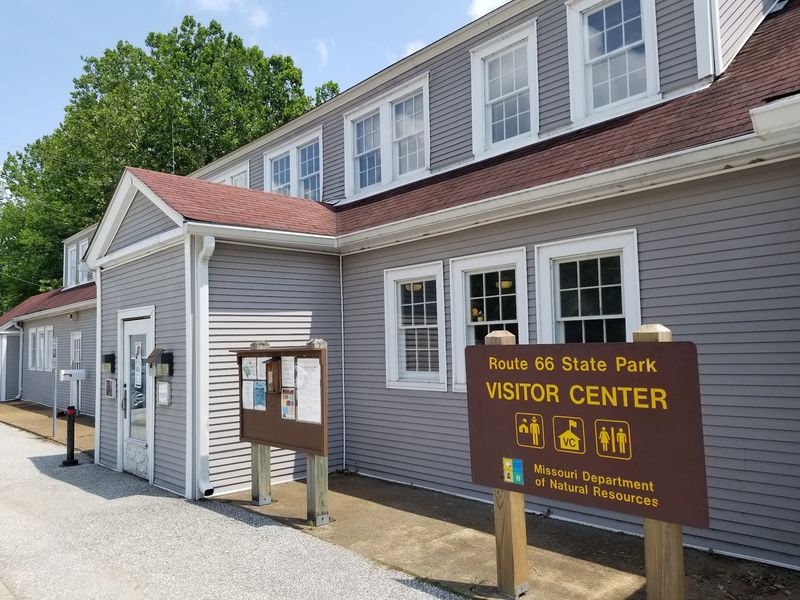
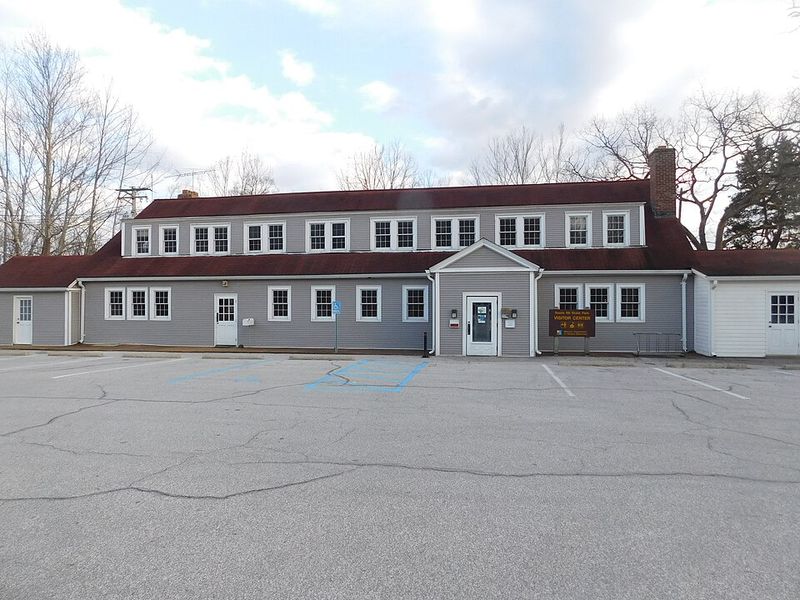
Some buildings simply refuse to quit. The visitor center at Route 66 State Park lives inside the Bridgehead Inn, a roadhouse built in 1935.
Back in its early days, the inn sat right on the original Route 66. Travelers heading across the country passed by its doors.
Now it serves a very different purpose. Exhibits inside cover both the history of the Mother Road and the former town of Times Beach.
Photos and memorabilia help bring the lost community back into focus. It’s a good stop before heading out on the trails.
Context changes how you see the park. Those quiet fields mean more once you know about the cottages and families that filled them.
I like how the building connects two big stories at once. Road trip nostalgia and environmental history share the same roof here.
Plan a little time inside instead of rushing past. The exhibits turn an easygoing park visit into a real history lesson about Missouri.
A Historic Bridge Is Waiting For Its Comeback
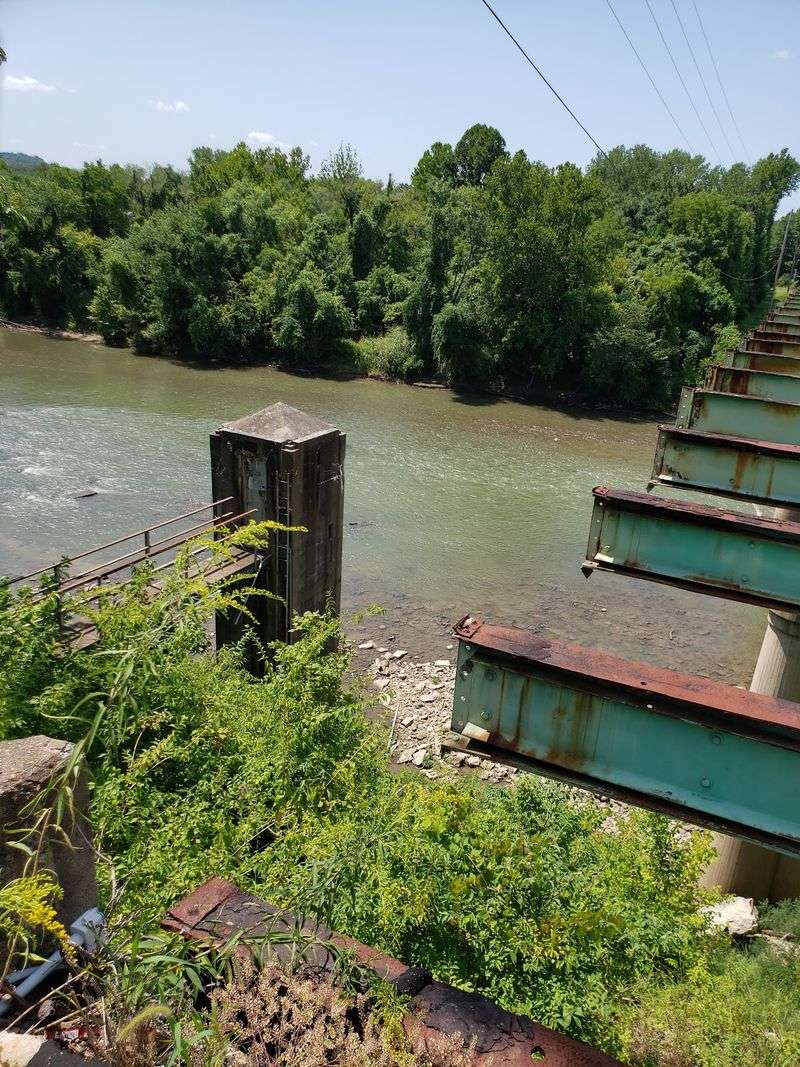
Stretching about 1,000 feet across the Meramec River, the old Route 66 bridge is hard to miss. It was completed in 1932, when the town was still young.
Back then, this bridge carried travelers toward Times Beach and beyond. It linked the riverside community to the famous Mother Road.
Today, efforts are underway to raise money for its restoration. Fans of Route 66 history are hoping to see it brought back to life.
That effort says a lot about how people view this place now. Instead of forgetting the story, many want to preserve its landmarks.
The bridge also gives the park a great visual centerpiece. Steel, water, and open sky make a classic scene for history buffs and road trippers.
Route 66 State Park celebrates Missouri’s link to that legendary highway. The bridge is a big part of that celebration.
So the next time you cruise Route 66 near Eureka, slow down a bit. A vanished town, a restored landscape, and a waiting bridge are all sharing the same stretch of river.