
This Central Florida Fossil Site Lets Shark Tooth Hunters Strike Gold Miles From The Ocean
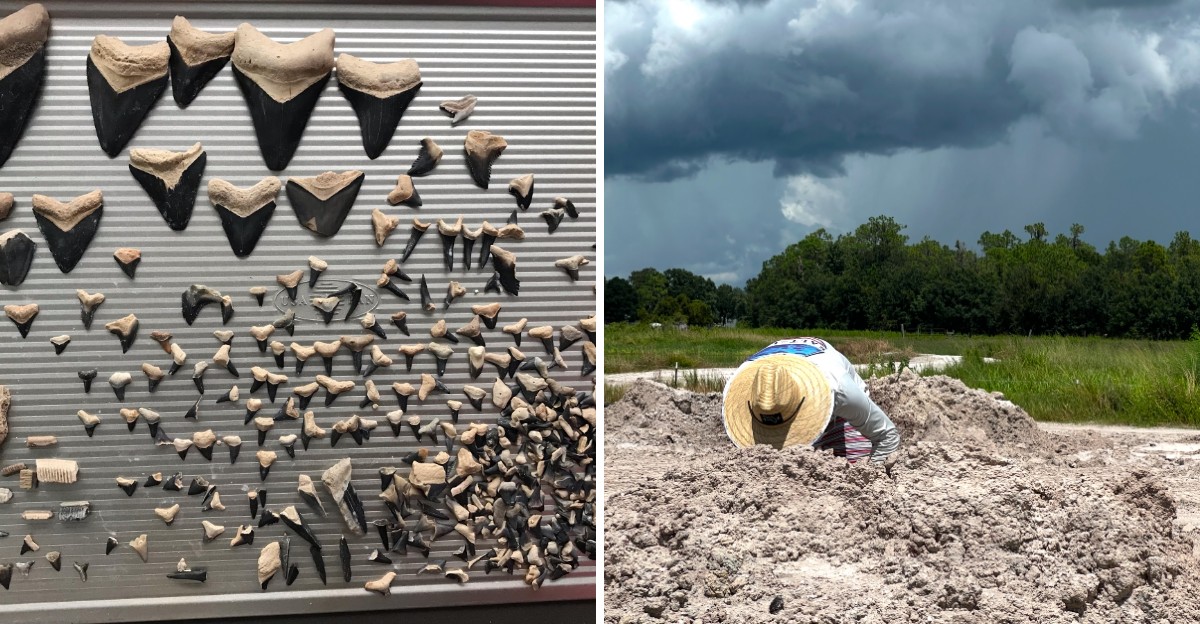
Megalodon teeth come out of the ground here, not out of the surf. The dirt is dug from 12 to 15 feet underground, then piled up for you to wash.
Nobody seeds these piles. Every fossil got there naturally, from ancient shark teeth dating back millions of years to mammoth fragments that may be much younger.
I love that honesty. Your finds are truly yours.
The setup is simple and splashy. Adults get a hose, a sifter, and a shovel, and the muddy hunt begins.
I can’t imagine a better excuse to get filthy on purpose in Florida.
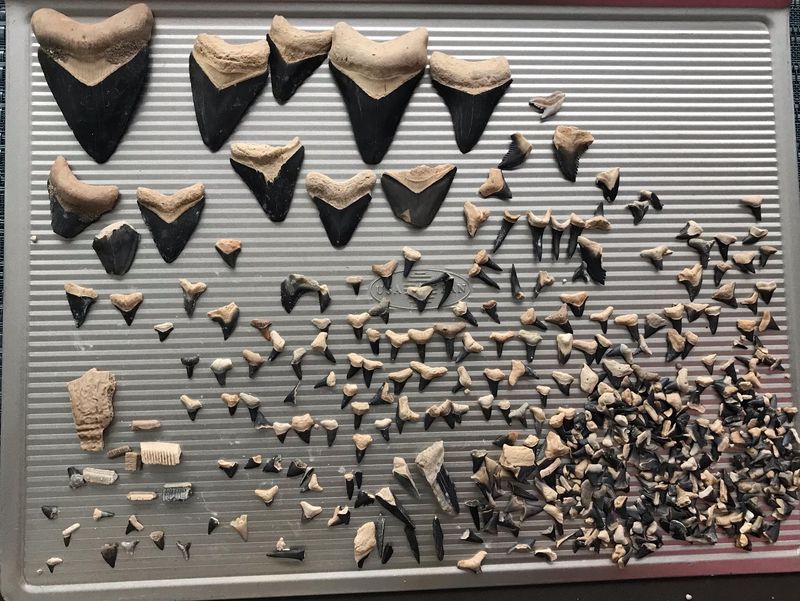
The colors are the real lure, though. Teeth from this region can show grays, oranges, blues, and even gold-tinged enamel.
So how far would you drive to wash a piece of the ancient sea out of a mud pile?
Hose Down A Mud Pile And Watch Ancient Shark Teeth Appear
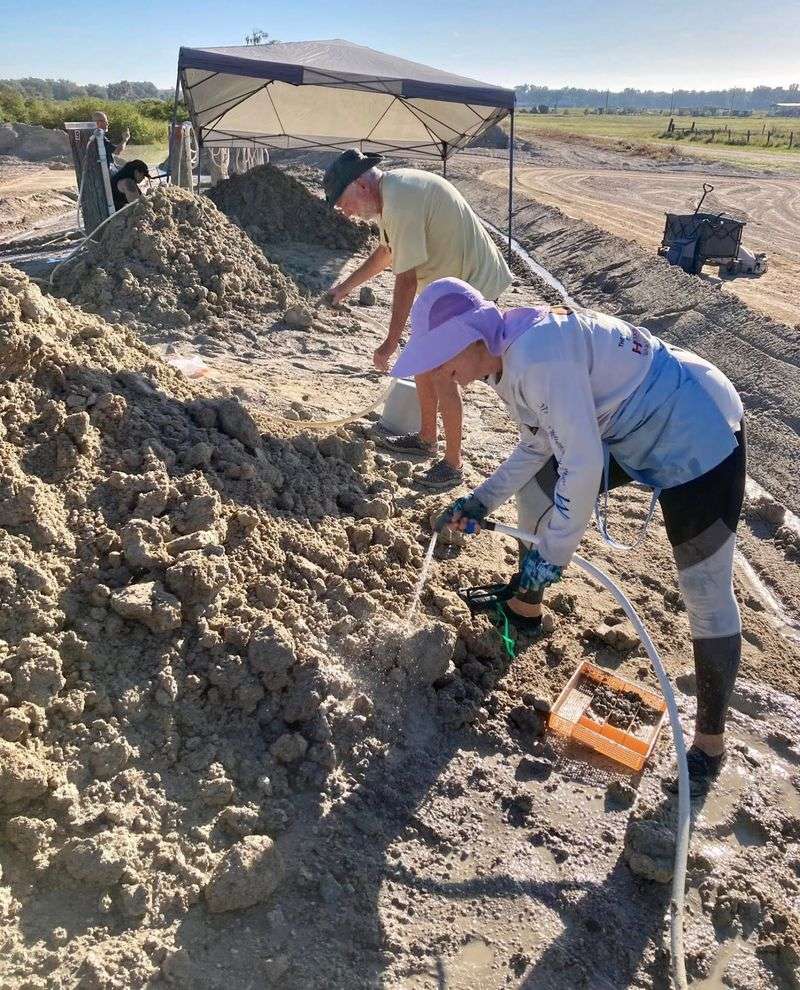
Most shark tooth hunts happen on a beach, staring at the tide line. At Bone Valley Fossil Farm, the hunt happens on dry land with a hose in your hand.
The farm calls it water-assisted, land-based fossil hunting. Workers dig fossil-rich matrix from 12 to 15 feet underground and pile it at wash stations.
Your job sounds simple. You spray the clay and sand through a sifter until the treasures show themselves.
Sifters and shovels are provided, so you don’t need special gear to start. Each paid adult gets a hose, which quickly becomes your favorite tool of the day.
The best part is the honesty of it all. The material is not seeded, so nothing gets sprinkled in for show.
That means every tooth you uncover has been waiting in the dirt for millions of years. It also means luck plays a real role.
A Megalodon tooth isn’t guaranteed, and the farm says so plainly. You will find shark teeth and other fossils, though, and that’s a pretty good deal for a pile of mud.
Patience pays off here. Slow, steady washing gives small teeth a chance to show up before they slip past.
The Megalodon Is The Headliner, But The Supporting Cast Is Huge
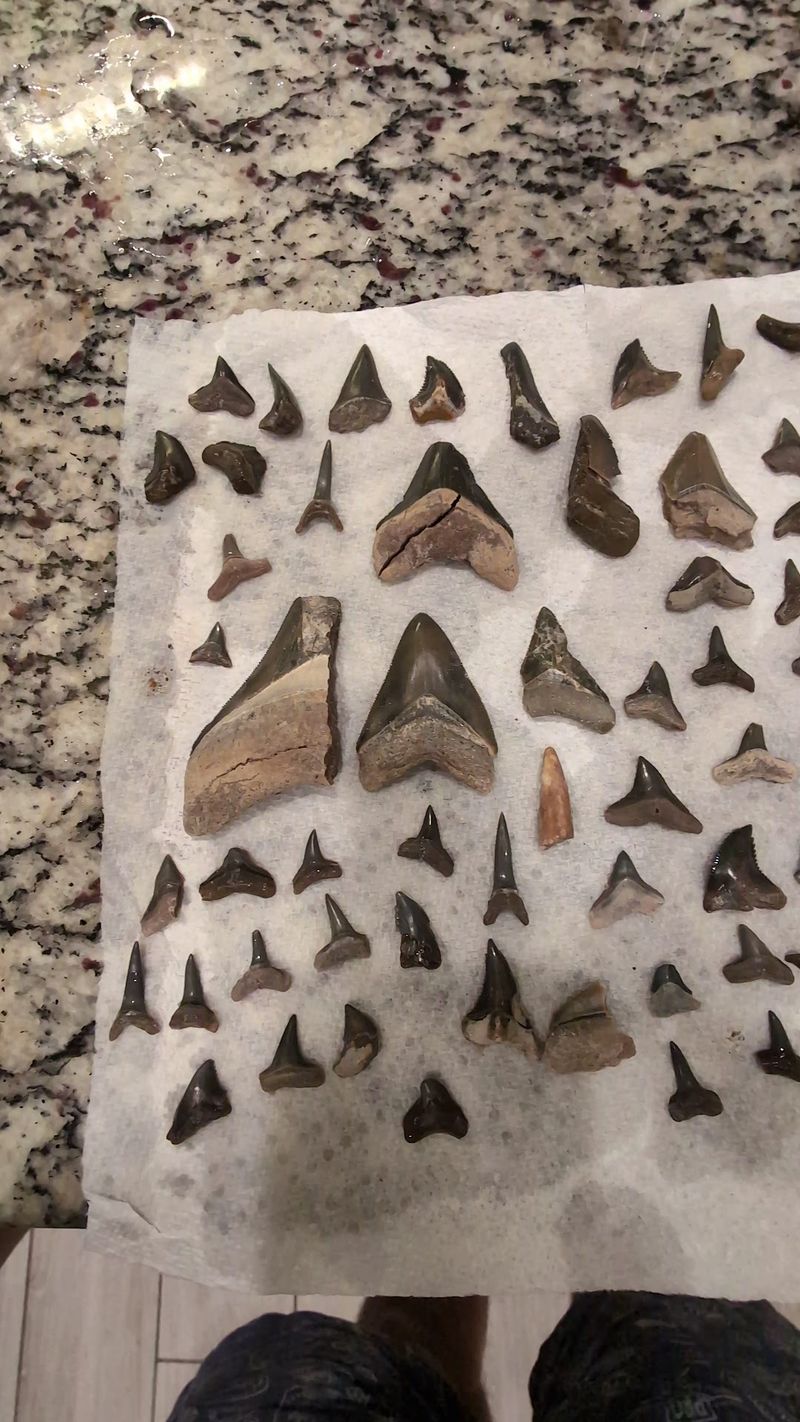
Everyone dreams of pulling a giant Megalodon tooth from the sifter. That ancient shark was enormous, and its teeth can fill your palm.
Still, the shark list at Bone Valley Fossil Farm goes much deeper. Hunters can find Lemon, Tiger, Bull, Mako, and Sand Tiger shark teeth.
Hammerhead teeth turn up too. So do Snaggletooth Hemi teeth, which have a jagged look that collectors love.
Learning a few shapes before you go makes the day more fun. A pointy, narrow tooth tells a different story than a wide, serrated one.
Try snapping a few photos of tooth types on your phone ahead of time. Then you can play detective right at the wash station.
Kids especially enjoy sorting finds into little shark families. It turns a muddy afternoon into a hands-on science lesson nobody has to call homework.
Remember that size isn’t everything. A tiny, perfect tooth can be just as exciting as a broken big one.
Bring small containers or bags for your treasures. Teeth are easy to lose in a pocket, and you’ll want every single one when you get home.
Mammoths, Rhinos, And Dugongs Crash The Shark Party
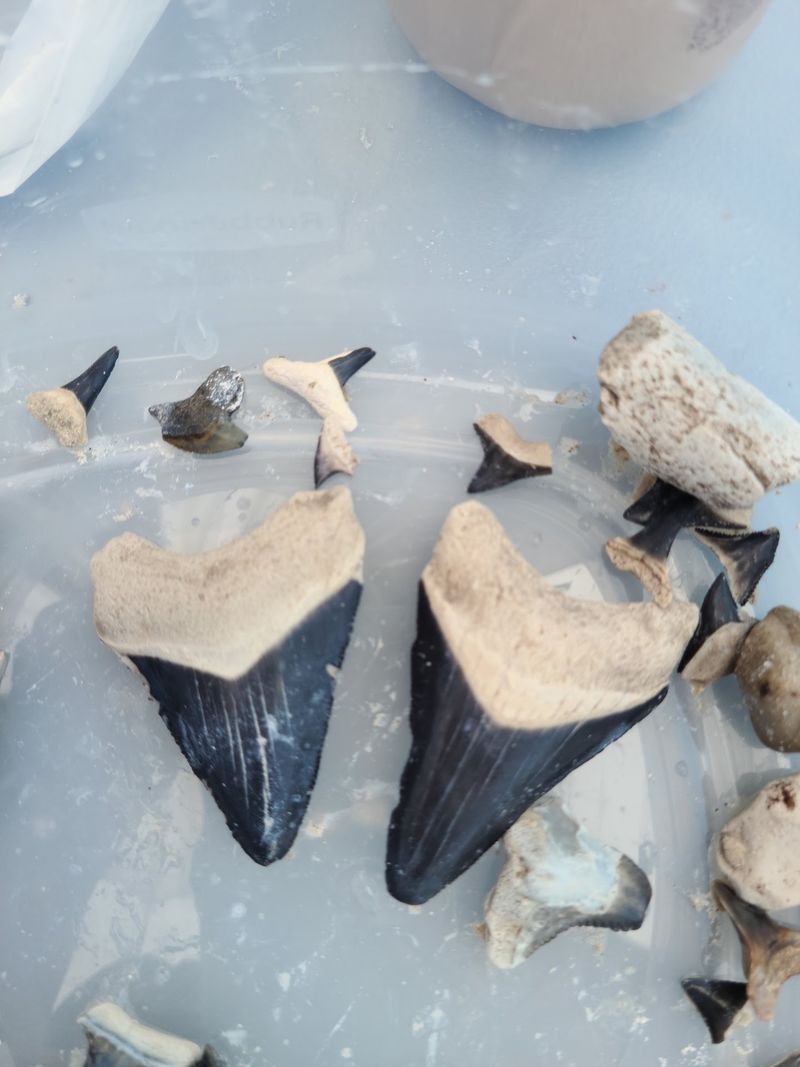
Sharks get top billing, but they weren’t the only creatures leaving bits behind. Bone Valley Fossil Farm can turn up a surprising mix of animals.
Think about this list for a second. Sting rays, burrfish, dugongs, gators, whales, dolphins, and turtles all make appearances.
Then land animals join the lineup. Mammoths, mastodons, peccaries, rhinos, and horses are all possible finds.
Yes, rhinos lived in Florida. That fact alone might be worth the trip for curious kids and grown-ups alike.
Stingray mouth plates are a fun one to watch for. They look like flat, ridged pieces, almost like tiny pieces of ancient pavement.
Turtle shell fragments often show a pebbly or patterned surface. Dugong bones tend to be thick and heavy, since those sea cows had dense skeletons.
Don’t toss anything strange-looking too quickly. That odd lump in your sifter could be a bone fragment with a great backstory.
If you’re unsure, set it aside and ask. Building a mystery pile can be the most exciting part of the whole day.
A Shallow Sea Once Covered This Spot, And It Shows
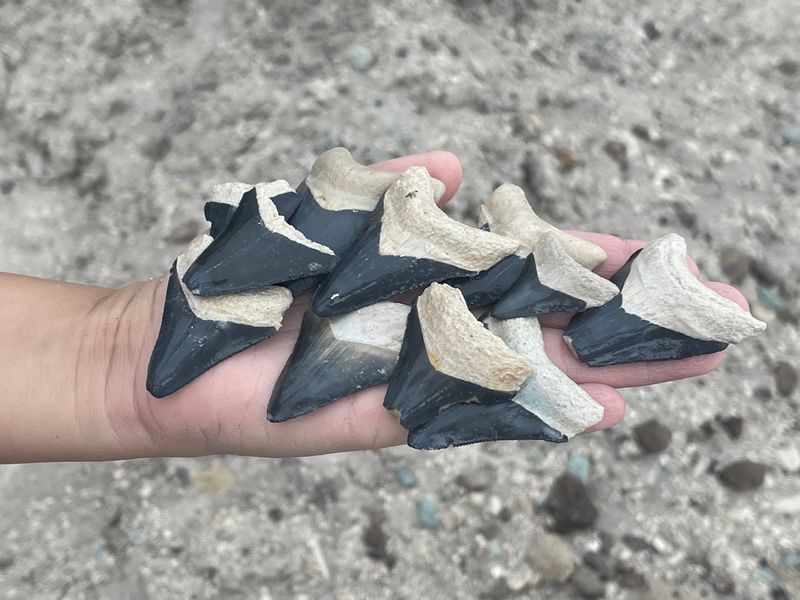
Millions of years ago, this part of Florida sat under warm, shallow seas. Sharks cruised overhead where farm fields and highways sit today.
That ancient ocean explains the treasure. Teeth and bones settled into the seafloor and slowly turned to fossils.
Geologists call the layers here the Bone Valley Formation. It ranges from about 5 to 23 million years old, covering the Miocene to early Pliocene.
The wider Central Florida phosphate district earned the nickname Bone Valley for a simple reason. The ground is packed with fossils.
Phosphate mining in the region has uncovered many of these finds over the years. It helped put this part of the state on the fossil map.
Knowing this history changes how a muddy pile looks. You’re not just sifting dirt, you’re sifting through an old seafloor.
Bowling Green sits well inland, far from any beach. That’s what makes the title fit so well.
You can strike shark tooth gold with no waves in sight. The ocean simply packed up and left its souvenirs behind for you.
Those Colors Look Like Somebody Painted Them
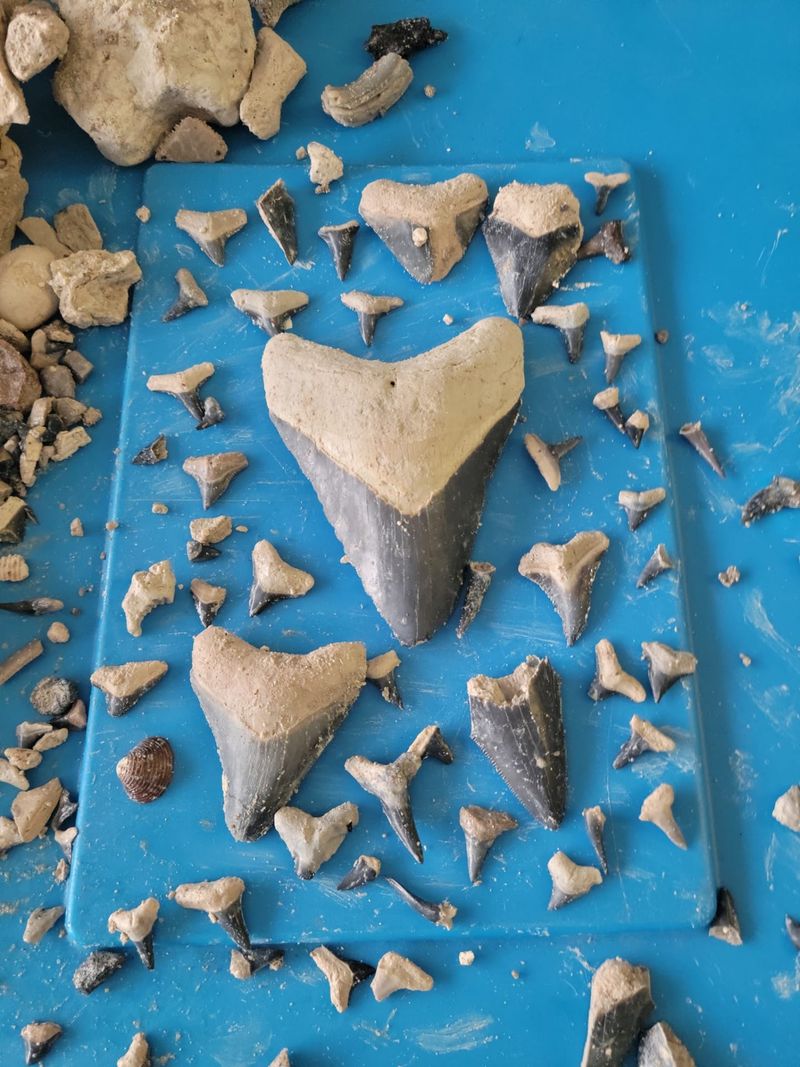
Gray, orange, blue, black, white, and even a hint of gold. Bone Valley teeth come in shades that make collectors grin.
The secret lies in the ground itself. Phosphate-rich sediments have a special chemical makeup that tints the enamel as fossils form.
Bone Valley teeth are also known for great preservation. That combination of color and condition makes Megalodon teeth from this region extra prized.
So even a small find can feel special. A little tooth with blue enamel might steal the show over a bigger plain one.
Rinse your finds gently after the hunt. A soft brush and clean water help the true colors shine without scratching the surface.
Keep teeth out of hot car dashboards and rough bags. Padded containers protect delicate tips and edges on the ride home.
Many hunters like to display finds by color. A row from pale gray to deep black makes a striking shelf piece.
That’s the fun of a Bone Valley Fossil Farm day. You might come home with a rainbow that once belonged to a shark.
Pack Like You’re Heading To A Muddy Beach Day Without The Beach
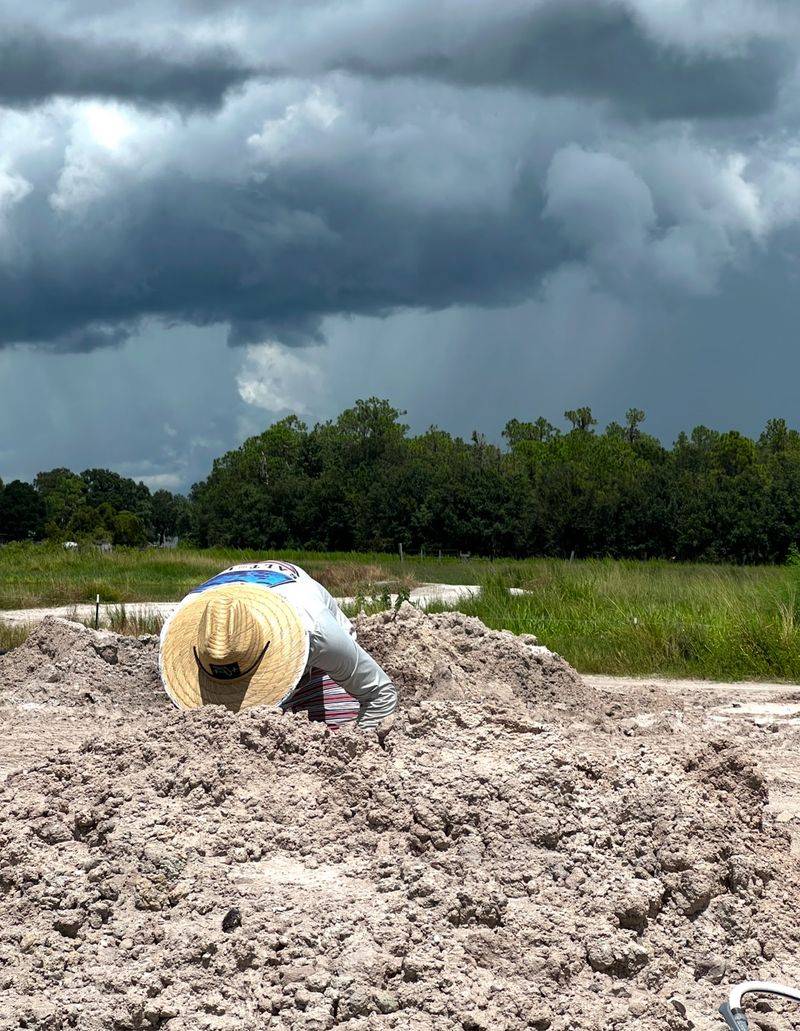
Sunscreen, bug spray, a hat, and a cooler. That’s the starting kit, and it only grows from there.
The farm suggests bringing plenty of drinks plus lunch or snacks. Florida sun is serious, and washing fossils is real work.
A shade canopy or beach umbrella is a smart move. Add chairs, and your wash station suddenly feels like a cozy camp.
Now for the messy part. You will get wet and muddy, so a change of clothes is strongly suggested.
Pack extra shoes and towels too. Spare socks or neoprene water booties keep your feet much happier in the soggy dirt.
Rain gear belongs on the list as well. Central Florida weather can shift fast, especially on summer afternoons.
Bring containers or bags for your finds. A few sizes help you separate big teeth from tiny ones.
There’s an on-site portalet, but don’t expect much else nearby. Think of it as camping for a day, with prehistoric prizes as the reward.
Pack well, and you can focus on the fun part. Hunting.
Kids Ride Free, Which Makes Teamwork Mandatory
Good news for families. Children 17 and under come free with a paid parent or guardian.
There’s a fun catch. Kids share the adult’s hose and space, so the day turns into a team project.
One person sprays while the other scans the sifter. Then you swap, and suddenly everyone has a job.
Young eyes are often great at spotting tiny teeth. Grown-ups bring the patience to keep washing when nothing shows up.
Plan for a long, warm day, though. Hunting runs from 8:00 AM to 2:30 PM, and Florida heat can wear little ones down.
Shade, snacks, and plenty of drinks make a huge difference. A small chair for a break helps kids stay cheerful.
Give each child their own bag for finds. Kids love having a personal stash to show off later.
Military families get a nice perk too. Active or former military members receive a discount on non-discounted hunts with proper credentials at booking.
Shared hoses, shared discoveries, and shared mud. That’s a family outing everyone will remember.
Booking Takes A Message, A Little Patience, And Cash
Forget online checkout carts. Reservations here start with a Facebook message or an email to the farm.
Include your preferred dates and the number of adults and children. Add a contact phone number so they can reach you.
Give them about 24 hours to reply. A little patience goes a long way with a small operation.
No deposits or advance payments are taken. You pay on arrival, and it’s cash only, so plan an ATM stop before you head out.
Hunts run on Fridays, Saturdays, and Sundays. Hours go from 8:00 AM to 2:30 PM.
Mark your calendar for one big closure. The farm is closed for all of December 2026.
The January 2027 schedule gets posted on December 1st. Watching for that date could help you grab a spot early.
Weekend openings can go quickly, so flexible dates help. Having a backup day ready makes booking much smoother.
Once it’s confirmed, the hard part is done. All that’s left is waiting for the mud.
Rural Hardee County Is Part Of The Adventure
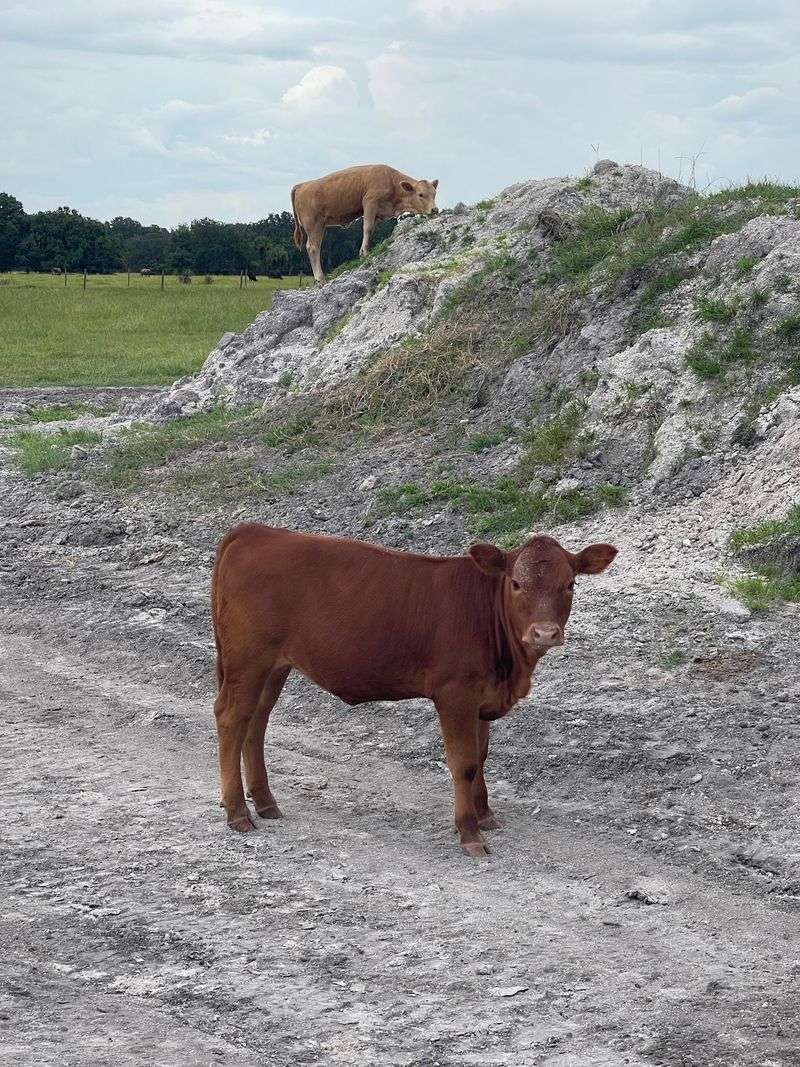
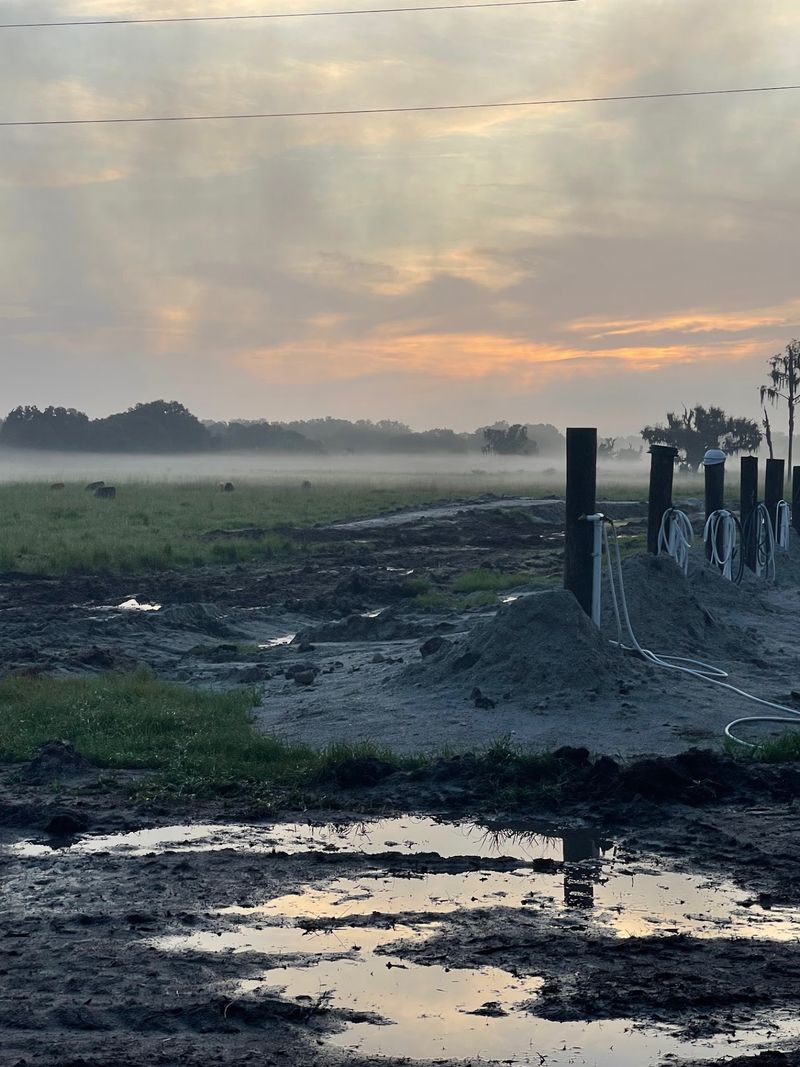
Out here, the scenery leans toward pasture and open sky. Bone Valley Fossil Farm sits in rural Hardee County, right in the heart of Central Florida.
The address is off U.S. Highway 17, Bowling Green, FL 33834.
That road runs north and south through small farm towns.
Come prepared, since you won’t find shops at every corner. Fill your cooler and gas tank before the final stretch.
Arriving on time matters with an 8:00 AM start. Leaving a little early gives you a buffer for unfamiliar country roads.
The quiet setting is part of the charm. With no beach crowds or boardwalk noise, it’s just you, the hose, and the hunt.
Florida usually means oceans to out-of-state visitors. This trip flips that idea completely.
You’ll be miles from salt water, yet holding teeth from ancient sharks. That’s a fun story to tell back home.
When the day wraps up, change into dry clothes before the drive. Your car seats will thank you, and your fossils will ride home in style.