
This New York Town Was Left Behind And Became A Fascinating Piece Of History
A future U.S. president was hiking in a remote New York village when news arrived that he’d suddenly be stepping into the country’s highest office. Quite the career update for someone who’d gone into the woods for a quiet escape.
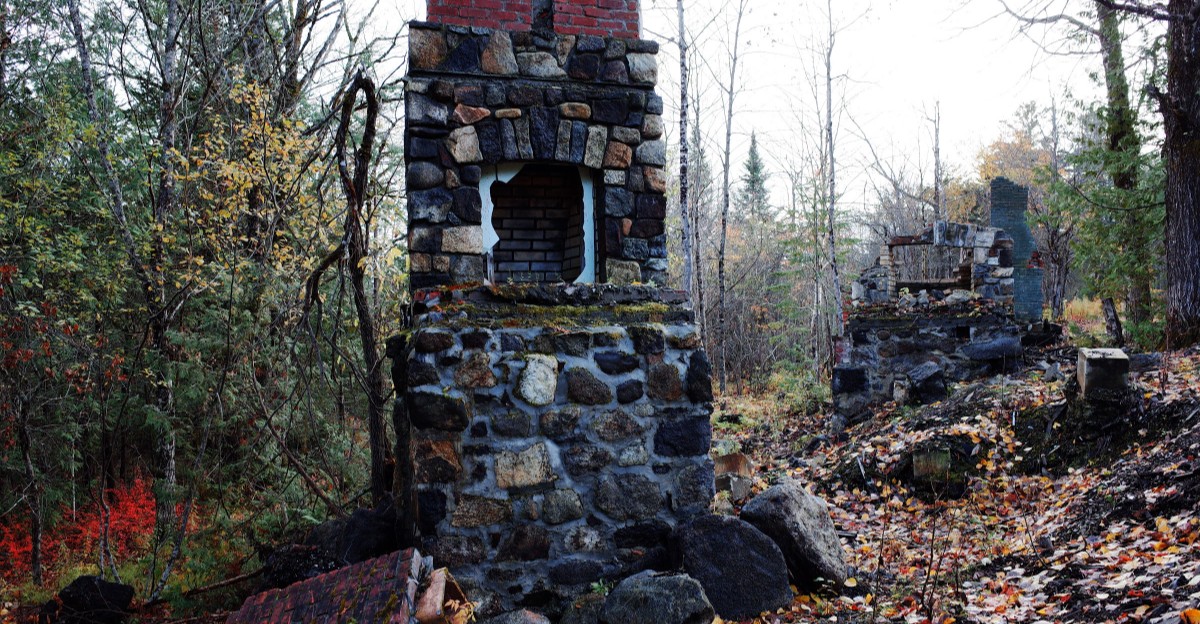
Today, the forest has reclaimed much of the settlement, but it hasn’t erased the evidence. Stone ruins rise between the trees, old buildings linger in the wilderness, and the trails wind through a place that seems to have slipped out of time.
I’d call that a rather dramatic way to disappear from the map. Stranger still, this town didn’t vanish just once.
It got a second act before the woods took over again.
A Village That Got Abandoned Not Once But Twice
Most ghost towns empty out one time and call it a day. Tahawus Ghost Town, along Upper Works Road in the Adirondacks, went through the whole thing twice.
The story starts in 1826, when Archibald McIntyre and David Henderson found iron ore here. Mining began soon after, and the settlement was first called McIntyre before becoming Adirondac around 1840.
The village grew fast. It had farms, mills, a forge, a blast furnace, and even the first bank in the Adirondacks.
Then things fell apart by 1858. The ore held a stubborn impurity called titanium dioxide, and hauling iron out of these mountains was brutally hard.
An economic slump and a flood piled on more trouble. People packed up and left the buildings to the forest.
Here’s the funny twist. That annoying impurity later became the whole reason mining returned in the 1940s.
Titanium went from problem to prize, and the area boomed again. When mining ended for good in 1989, the town was left behind a second time.
Keep that double story in mind as you walk around. Every ruin belongs to one chapter or the other.
You Will Feel Tiny Next To This 60-Foot Stone Giant
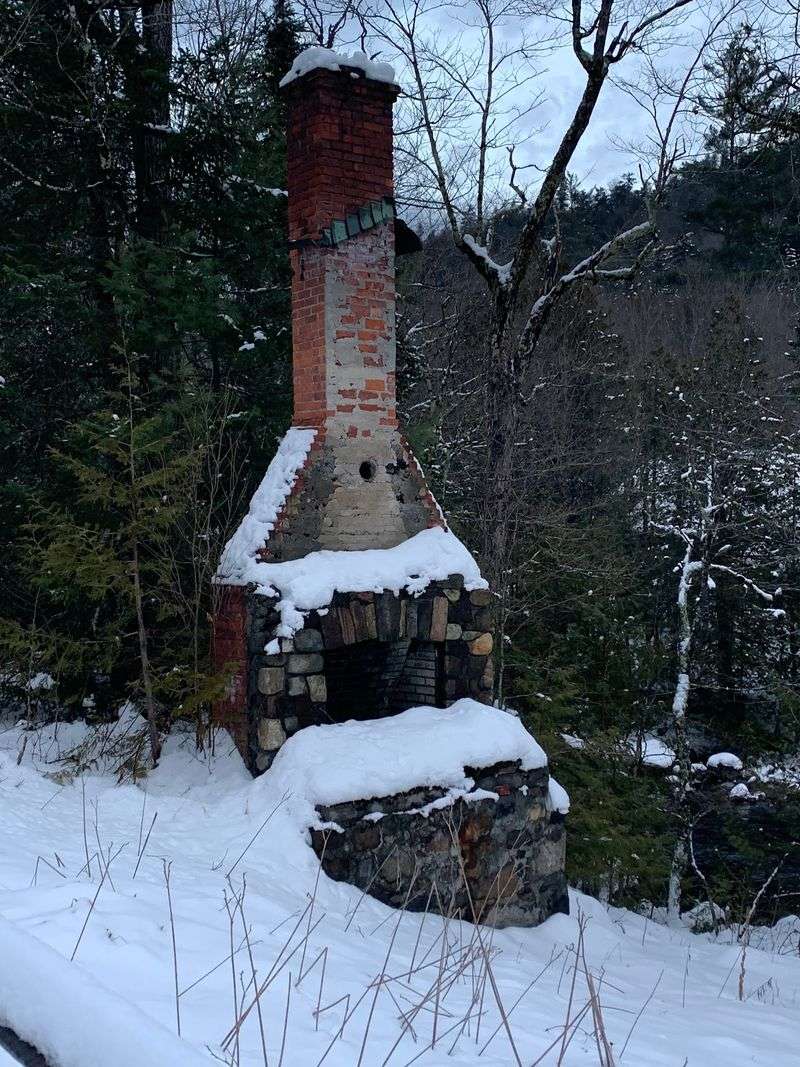
Sixty feet of hand-stacked stone rising out of the trees. That’s the McIntyre Blast Furnace, and it’s the showstopper of the whole site.
Workers built it in 1854 to turn local ore into iron. It was a bold bet on a place that had almost no easy roads in or out.
The furnace didn’t save the village, but it sure outlasted it. More than 170 years later, it still stands tall in the New York woods.
Crews have cleared, stabilized, and cleaned the structure. Walkways now loop around it, so you can admire the stonework from several angles.
Bring a camera with a wide lens if you have one. Fitting the whole thing into one frame takes some backing up.
The furnace also tells the iron story better than any textbook. You can almost picture the heat and noise that once filled this quiet spot.
Give yourself a few minutes here before moving on. Look at how the stones fit together without modern machines.
It’s a solid reminder that people once worked incredibly hard in this remote valley. Their effort is still standing, literally.
The Cottage Where A Presidency Started With A Wild Night Ride
History doesn’t usually happen this far from a city. In 1901, though, Vice President Theodore Roosevelt was staying in the Tahawus area when urgent news arrived.
President William McKinley had been shot, and his condition had turned grave. Roosevelt left from the MacNaughton Cottage and headed out through the darkness.
That trip became known as his Midnight Ride to the Presidency. It ended with Roosevelt taking over as the nation’s leader.
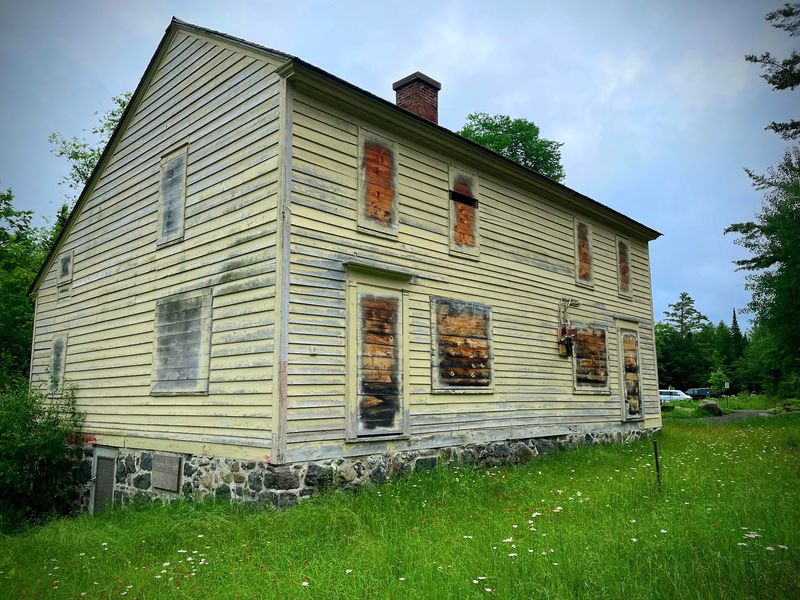
The cottage itself dates to 1834. It’s the only building left from the first mining era, which makes it a true survivor.
Think about everything that structure has outlasted. It saw the iron village rise, empty out, and turn into a sporting club retreat.
Some restoration work has helped keep it standing. That’s great news for anyone who loves presidential trivia.
Here’s a handy tip for families. Tell kids the Roosevelt story before you arrive, so the cottage means something when they see it.
It turns a plain old house into the start of a real adventure. Few history lessons come with a better backstory than a late-night race through the mountains.
When Rich Sportsmen Moved Into The Empty Houses
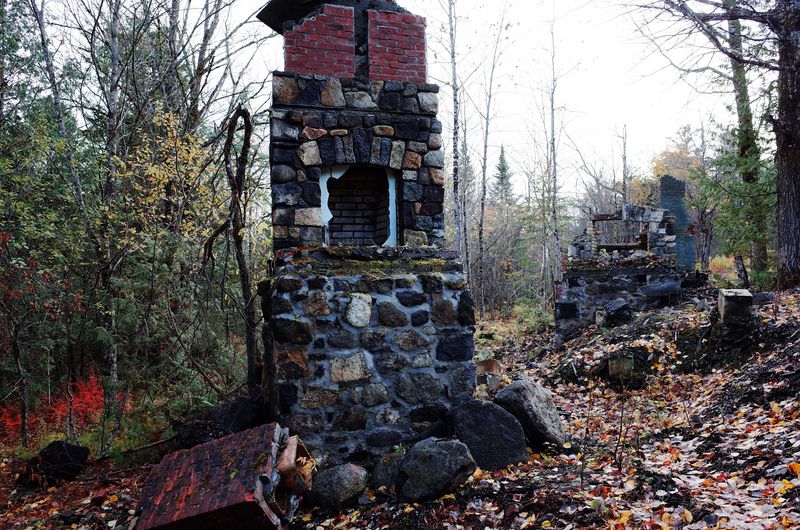
Empty houses in the woods sound spooky to some people. To a group of hunters and anglers in 1876, they sounded like a great deal.
The Preston Ponds Club leased the deserted village and the land around it that year. Later, the group renamed itself the Tahawus Club.
The name Tahawus means cloud-splitter. It was also sometimes used for Mount Marcy, which looms nearby.
Members came for fishing, hunting, and mountain air. The quiet that drove workers away was exactly what these visitors wanted.
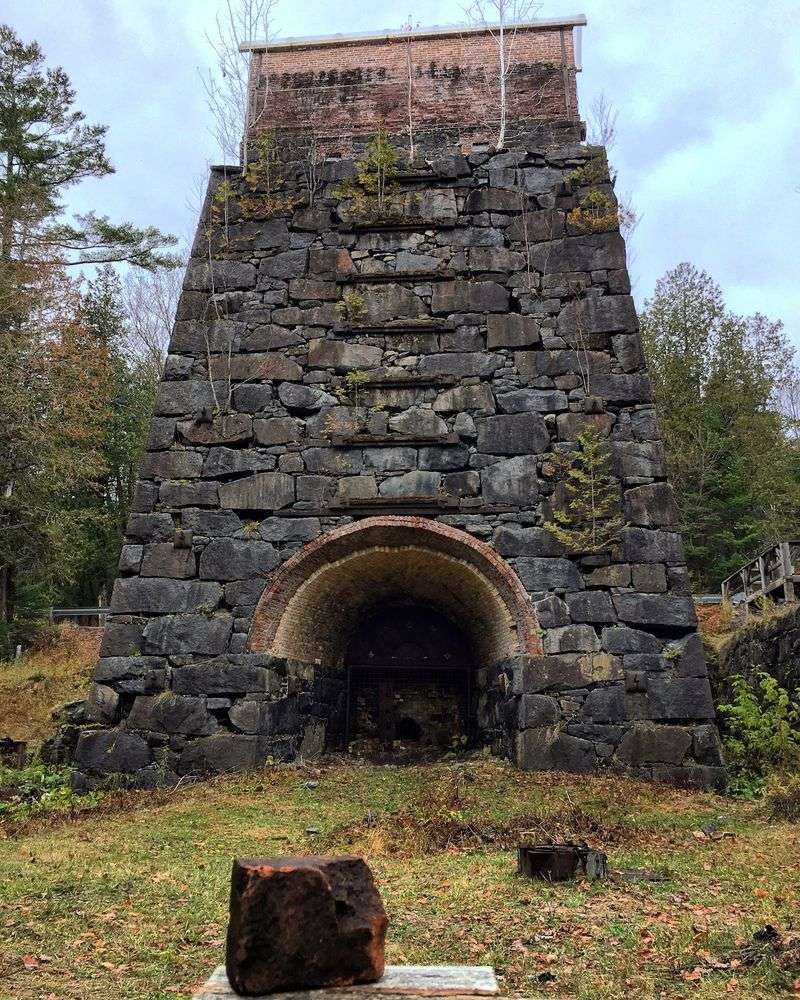
Many of the ruins you’ll spot today come from that club era, roughly 1890 to 1930. At least ten building remnants remain scattered around the site.
Look closely, and you’ll start telling the eras apart. The furnace speaks of industry, while these leftovers speak of leisure.
One important rule here keeps everyone safe. Stay on the marked paths and never enter the old structures.
Many are unstable after decades of snow and weather. Admire them from outside, snap your photos, and let them keep their secrets.
The forest has been in charge for a long time now.
Easy Walking Paths Turn Ruins Into A Storybook
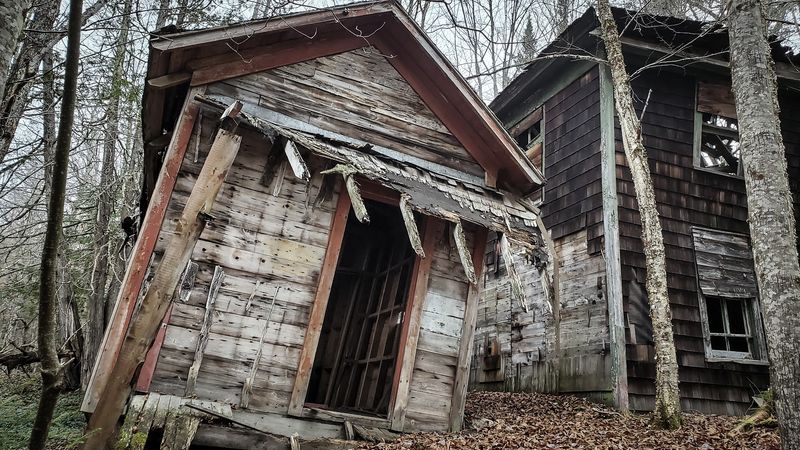
Good news for anyone who isn’t a hardcore hiker. You don’t need climbing skills to enjoy this slice of New York history.
The Open Space Institute bought the Tahawus Tract in stages between 1994 and 2004. Public access opened in 2003, and preservation work followed.
Today an easy walking tour leads you past the highlights. Interpretive panels explain what each ruin was and why it mattered.
That makes the visit feel like flipping through a giant outdoor history book. Each stop adds another page to the story.
The official address is Upper Works Road, Newcomb, NY 12852. The site sits in the Town of Newcomb in Essex County.
A stone walkway helps you move between exhibits without much fuss. It’s a nice setup for grandparents, curious kids, and casual walkers.
Plan to read the signs slowly instead of rushing through. The details are what make the place come alive.
Pack water and snacks, since this is a remote spot. Bathroom options are very limited, so plan ahead before you leave town.
A little preparation keeps the whole outing relaxed and fun.
Meet The Humble Starting Line Of The Mighty Hudson
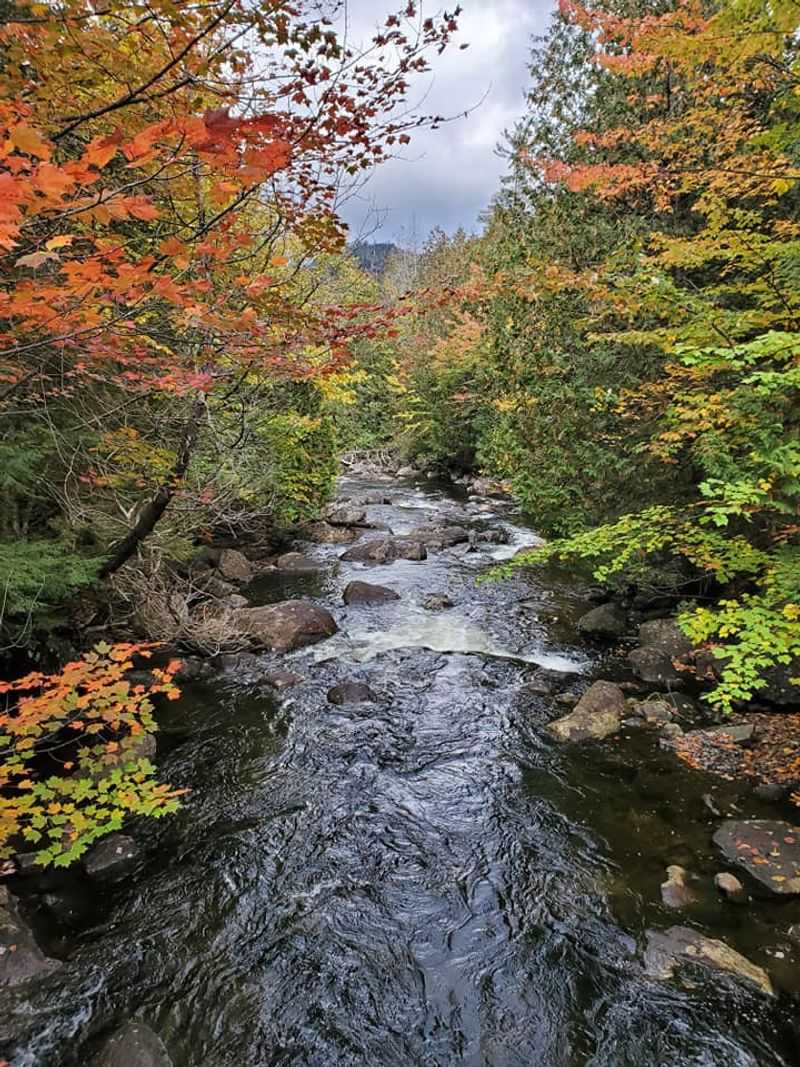
The Hudson River flows past skyscrapers in Manhattan. Up here, it starts out small enough to make you smile.
Henderson Lake marks the beginning of the waterway officially named the Hudson River. However, Lake Tear of the Clouds, higher in the Adirondacks, is traditionally recognized as the river’s source.
That’s a fun fact to share at the dinner table. Most people never think about where big rivers actually begin.
The lake is named for David Henderson, one of the men who found iron here in 1826. So even the water connects back to the village story.
Paddlers love this spot. Bring a kayak or canoe if you want to explore the lake from the water.
Just know that the parking area sits a short distance from the trail. You’ll carry your boat a bit farther than you might expect.
Even without a boat, the walk out is pleasant and easy. Stand by the spillway and take in the moment.
That modest flow eventually reaches the Atlantic Ocean. It’s one of the coolest before-and-after comparisons in the entire state.
Big Mountain Trails Begin Right Beside The Ruins
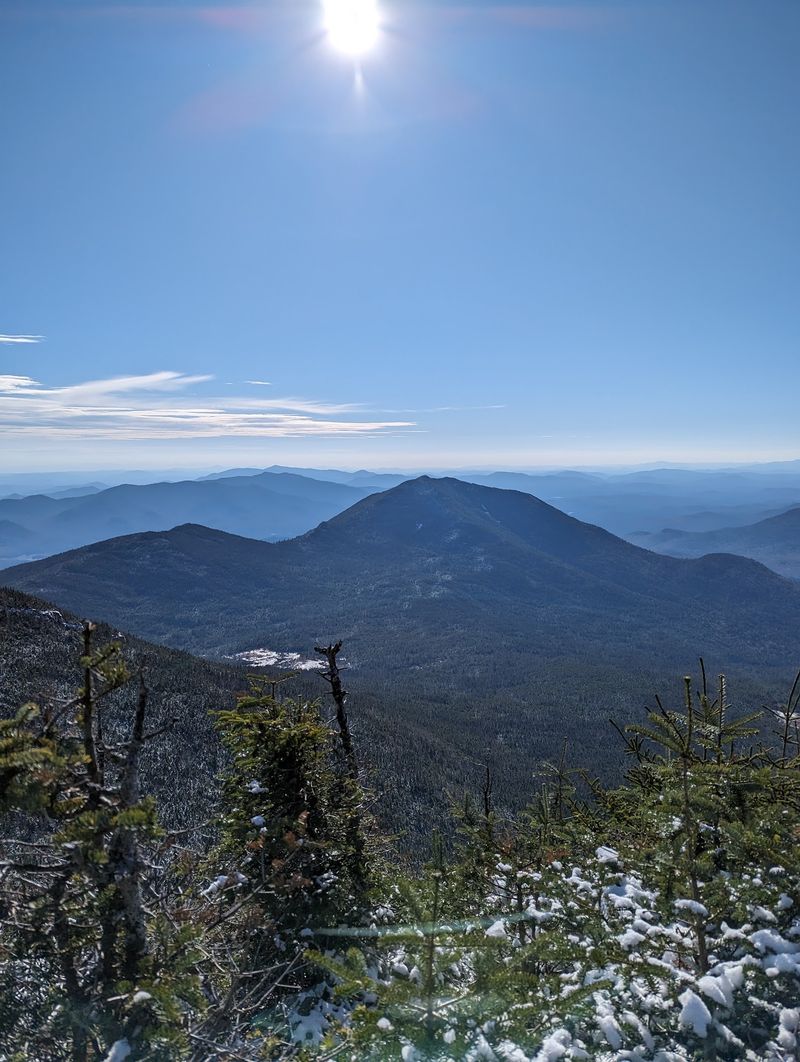
Plenty of ghost towns are dead ends. This one is a launching pad for some of the best hiking in the Northeast.
The Upper Works Trailhead is a major entry point into the High Peaks Wilderness. It opens 24 hours, so early birds can start before sunrise.
Trails from here reach Mount Marcy, the tallest peak in New York. The Calamity Brook Trail also begins in this area.
Want something shorter? The trail to the Mt.
Adams Fire Tower offers a big view without an all-day trek.
These routes can be rugged, rocky, and muddy in spots. Wear sturdy boots and check the weather before you go.
Always sign in at the trail register before heading out. It helps rangers know who is in the backcountry.
Winter hikers should pack traction gear or snowshoes. Conditions change fast once you gain elevation.
Even if you skip the summit, the mix is special. You get mining history at the parking lot and wild mountains just steps away.
Not many trailheads come with that kind of opening act.
The Titanium Boom Left Lakes Deeper Than You Would Guess
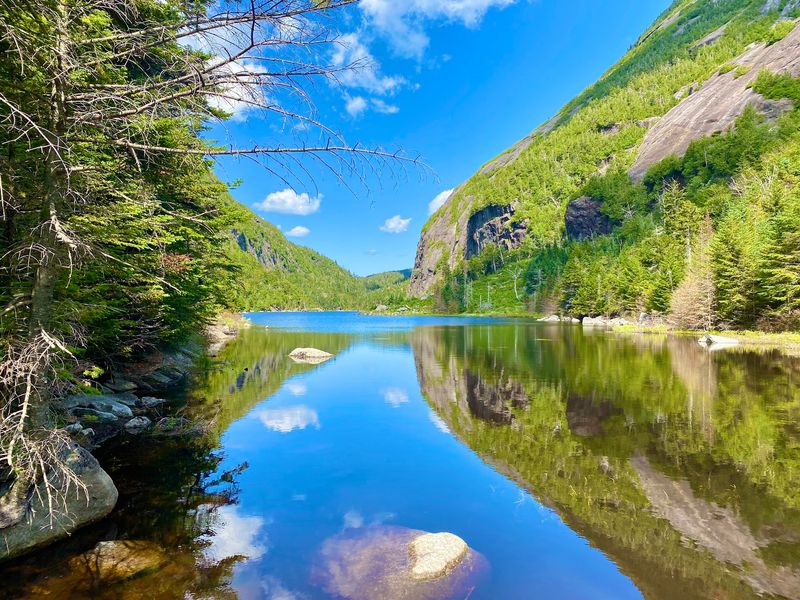
Titanium saved this valley’s economy in a way nobody saw coming. In 1940 and 1941, National Lead Industries reopened mining here for titanium dioxide.
The same impurity that ruined iron work a century earlier was now valuable. A railroad was built to the site, and it became the largest titanium mine in the world.
Workers needed homes, so a new community called Tahawus was established near the Lower Works in the 1940s. In 1963, many of its houses and other buildings were relocated to Newcomb to make room for mining expansion.
Some buildings were moved along, while others stayed behind. Mining finally stopped in 1989 after 40 million tons of titanium had been pulled out.
The old open pits filled with water over time. They now rank among the deepest lakes in the Adirondacks.
Rock fans, take note. Mine tailings in the area can hold samples of granite, mica, and anorthosite.
Look, admire, and keep a respectful distance from steep edges. This was heavy industrial ground, after all.
It’s wild to think a modern mining giant once roared here. Now the water just sits there, calm and very deep.
Slow Down And Enjoy The Scenic Road In
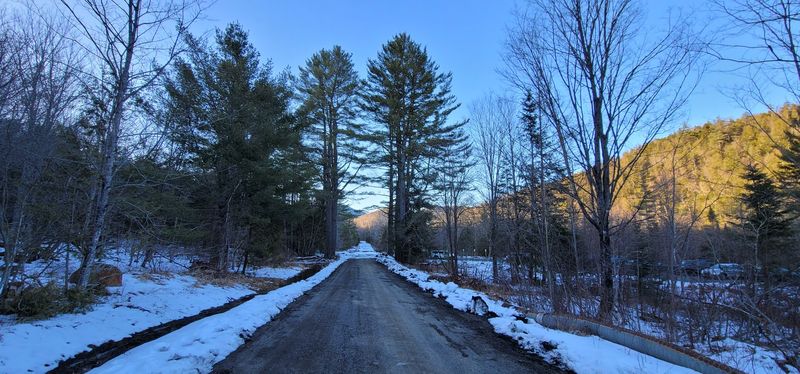
Sometimes the drive deserves its own spot on the itinerary. Tahawus Road, also called Upper Works Road, is that kind of drive.
It branches off Route 28N and runs about seven miles toward the old village. Along the way, you’ll pass deep forest, quiet meadows, bridges, and lakes.
Distant mountain views pop up between the trees. Keep your speed easy so you actually notice them.
Birders, this route is for you. The road to Upper Works is recommended for birdwatching, so pack binoculars.
The blast furnace sits along the way before you reach the trailhead parking. It makes a perfect first stop to warm up your curiosity.
Remember that this is a remote corner of New York. Fill your gas tank and grab supplies before leaving the main road.
Cell service can be spotty in the mountains, too. Download maps ahead of time so you don’t get turned around.
By the time you arrive at the ruins, the modern world feels far away. That might be the best part of the trip.
Tahawus Ghost Town rewards anyone willing to take the long way.