
Alabama’s First State Capital Became A Ghost Town, And Its Ruins Are Still Hiding In The Woods
A whole state capital once stood here, and now the deer seem to have the best address in town. Streets still run through the woods, but the houses and shops are long gone.
The town was planned on a neat grid. Its streets were named for trees and important men, which feels a little funny now that the trees clearly won.
Some old brick columns still rise out of the grass. Chimneys stand alone where homes used to be, like lonely guards waiting for a family that never came back.
Can you imagine a stranger place to ride a bike through Alabama history? I can’t.
Two rivers meet nearby, and the quiet feels almost too calm for a spot with this many stories. It got me wondering, how does a capital city simply fade away?
You Can Ride A Bike Through The Streets Of A Vanished Capital
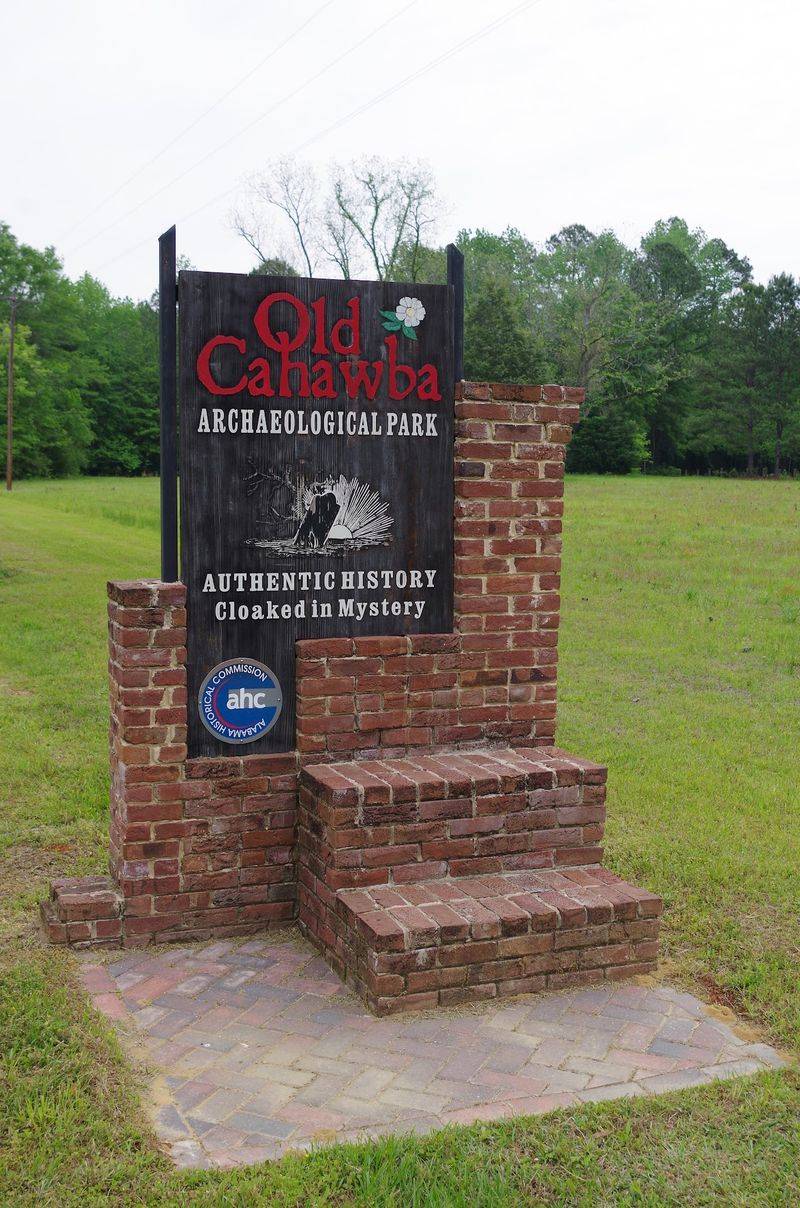
Few ghost towns hand you a set of wheels at the door. Old Cahawba Archaeological Park keeps a limited number of cruiser bikes at the Visitor Center for free loan.
You’ll need paid admission and a valid driver’s license to borrow one. Bikes are limited, so arriving early is a smart move on busy days.
The park has about five miles of smooth, level roads for pedaling. Those roads follow the old street grid, so you’re literally riding where a capital city once stood.
Flat roads mean you don’t need fancy skills or strong legs. That makes it a fun pick for families, casual riders, and anyone who hasn’t touched a bike in years.
Prefer to keep things simpler? You can also drive your car through the park and walk the stops that catch your eye.
Brochures are available for a self-guided trip. Grab one first, because a map turns empty clearings into real streets and homes.
Plan for a few hours if you want to see it all. Rushing a whole lost city in thirty minutes feels a bit like skimming the last page of a mystery novel.
Alabama Picked This Spot For Its Very First Capital
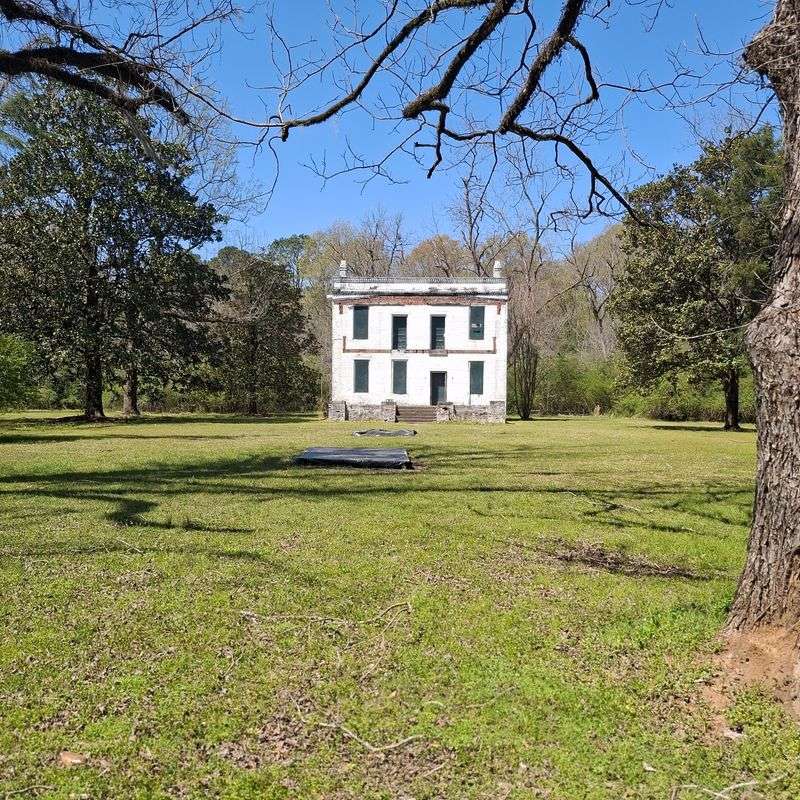
Back in 1818, leaders chose this riverside land for something big. Cahawba became Alabama’s first permanent state capital in 1820 and held that role until 1826.
The town was carefully planned on a grid system. Streets were named for trees and for prominent men of the day.
Alabama’s first governor, William Wyatt Bibb, had big plans for the place. He even worked ancient Native American earthworks into the original town layout.
Then trouble rolled in with the water. Frequent flooding and exaggerated health worries pushed lawmakers to look elsewhere.
In 1825, the legislature voted to move the capital to Tuscaloosa. The change took effect in 1826, and the political spotlight left town.
Here’s a twist many folks miss. Cahawba didn’t fade right away after losing its title.
It stayed the Dallas County seat until 1866. So the town still had courthouse business, lawyers, and plenty of reasons for people to stick around.
Standing near the old site today, it’s hard to picture lawmakers arguing here. The grass and trees make the whole story feel like a secret the land is quietly keeping.
Those Lonely Brick Columns Have A Wild Story To Tell
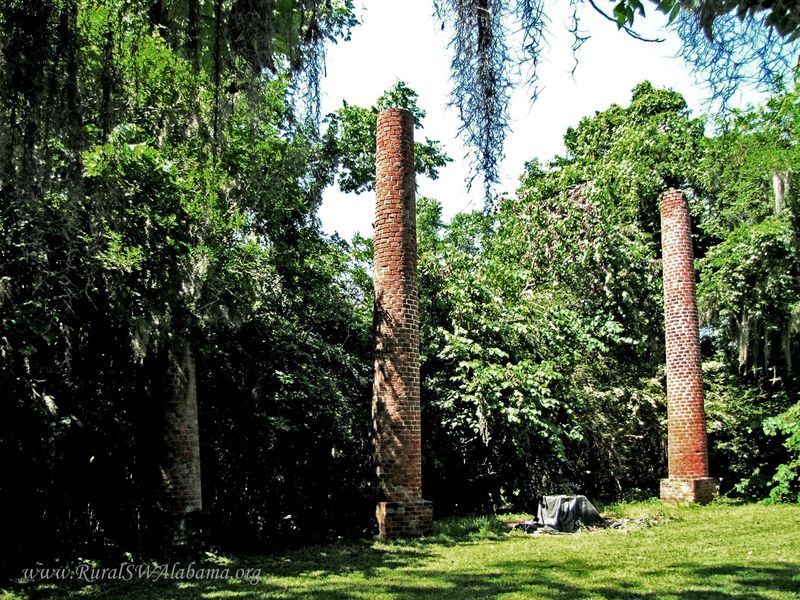
Four tall columns standing in an empty field will stop anyone in their tracks. The Crocheron Columns are among the most photographed sights at Old Cahawba Archaeological Park.
They’re the remains of a significant mansion that once stood on the site. The house is gone, but the columns refuse to take the hint.
The spot also served as a meeting site during the Civil War. That gives these bricks more history than most entire buildings can claim.
Bring your camera, and maybe a little patience. The columns look striking against open sky, especially when the light shifts during the day.
Scattered around the park, you’ll find other leftovers from the town’s busy years. Lone chimneys mark where homes once stood, and old ornamental wellheads still dot the grounds.
Many ruins wear a coat of moss these days. It’s like nature slowly tucking the old town in for a very long nap.
Read the signs near each stop as you go. They turn a pile of bricks into a family, a street, and a story that suddenly feels personal.
A Church That Moved Away And Then Came Back Home
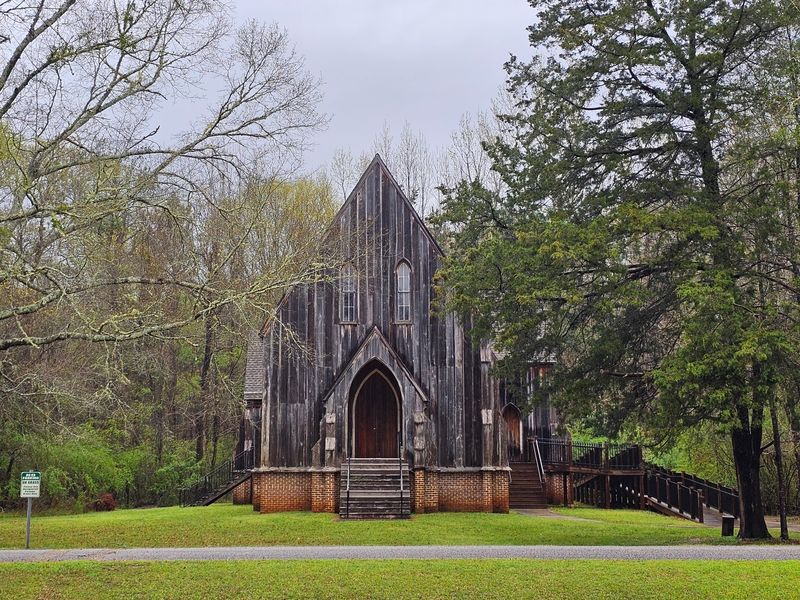
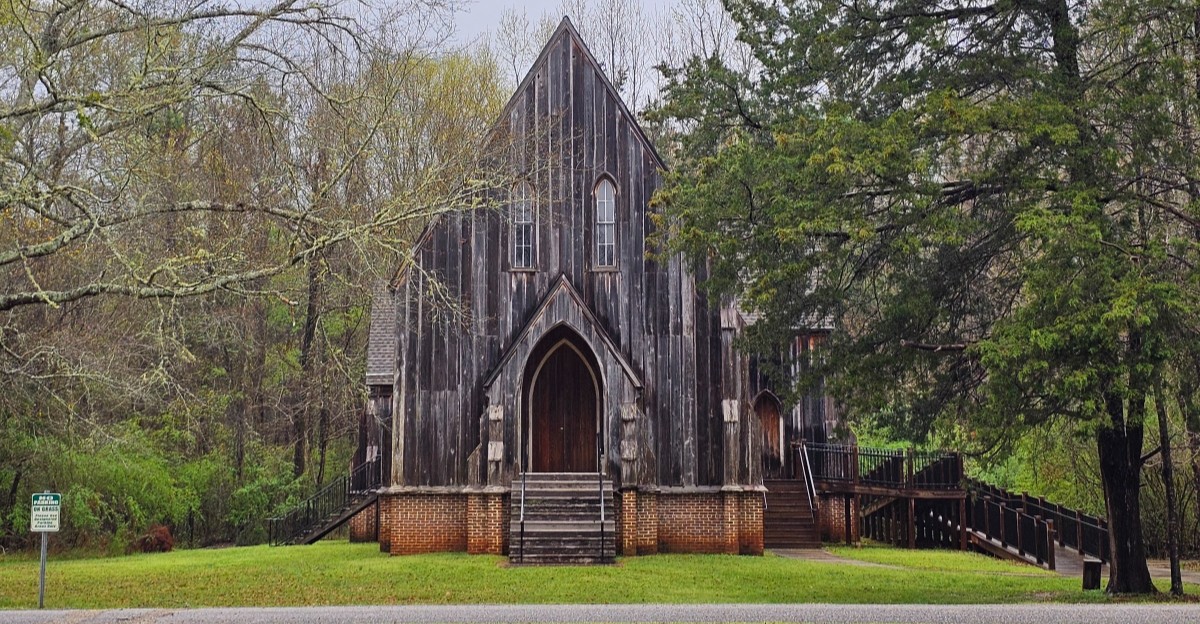
Some buildings stay put for centuries. St. Luke’s Episcopal Church took a road trip and came back.
The church was originally built in 1854, during Cahawba’s busy cotton years. Later it was relocated away from the fading town.
Eventually it returned to the park, where it now stands restored. That kind of homecoming is rare for any building, let alone one this old.
It stands near the Visitor Center, which makes it an easy first stop. Its Gothic Revival style gives the grounds a storybook feel.
The church grounds are also available for events. Imagine a gathering framed by pointed windows and the quiet of an old river town.
Nearby, a few other buildings have survived the long years. The Barker Slave Quarters, built in 1860, still stands as a sobering reminder of who did the labor here.
An African American school is also among the remaining structures. Together, these sites tell a fuller story of Cahawba than any columns could alone.
Take your time at each one. These walls hold voices that deserve a careful listen.
People Lived Here Thousands Of Years Before Any Capitol Was Built
Long before lawmakers showed up, this land already had a long history. Archaeologists have found signs of Native American life here dating back about 4,000 years.
Between 1500 and 1600 CE, a large Mississippian village stood on this ground. It had flat-topped mounds, defensive walls, and a moat.
That’s a serious setup for any community. It shows how valuable the land where two rivers meet has always been.
Some experts even suggest it may have been Maubila. That’s the village Hernando de Soto encountered in 1540.
Nobody has proven that link for certain. Still, the idea adds a fascinating layer to an already layered place.
Remember that Governor Bibb used ancient earthworks in his town plan. So the capital wasn’t built on empty wilderness at all.
That’s exactly why the word archaeological sits in the park’s name. Every walk here crosses many centuries of human life, not just a few decades of state politics.
Think of the park as a stack of stories. The capital is just one chapter near the middle.
Cotton Money Once Made This Ghost Town Boom
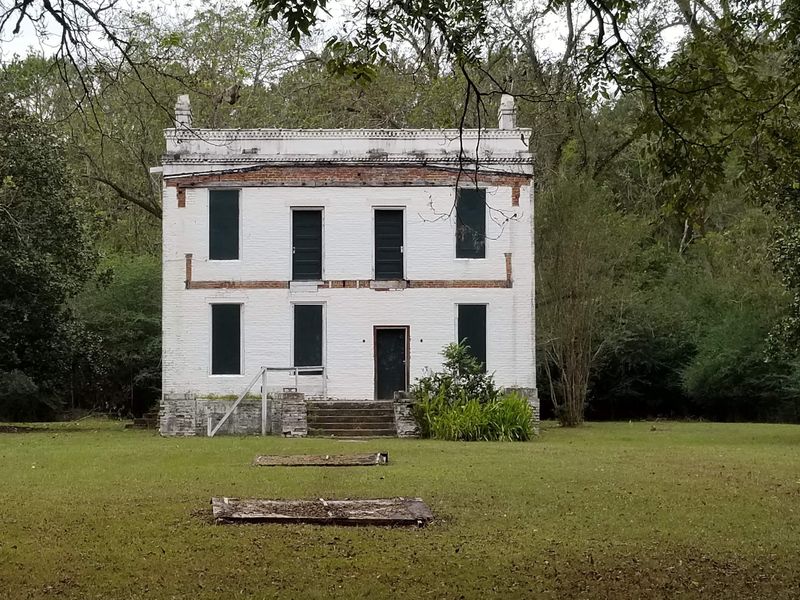
Losing your capital title sounds like the end of the road. Cahawba bounced back anyway, and it bounced hard.
During the 1840s and 1850s, the town boomed. The cotton economy and river shipping brought money, trade, and new families.
The population grew to more than 3,000 before the Civil War. A railroad line arrived in 1859, adding even more buzz.
Then the Civil War changed everything. The Confederate government took the railroad for military use somewhere else.
A large cotton warehouse got a grim new purpose. It became Castle Morgan, a prison for Union soldiers.
About 3,000 men were held there in harsh, crowded conditions. The site is part of the park today, and it’s a sobering stop.
After the war, the abandoned courthouse briefly hosted freedmen seeking political power. That chapter shows Cahawba still mattered, even as it emptied out.
Walking these quiet roads, the boom years feel almost impossible. Yet the clues are everywhere, from cemeteries to foundations, if you slow down and look.
One Big Flood Started The Slow Fade To Ghost Town
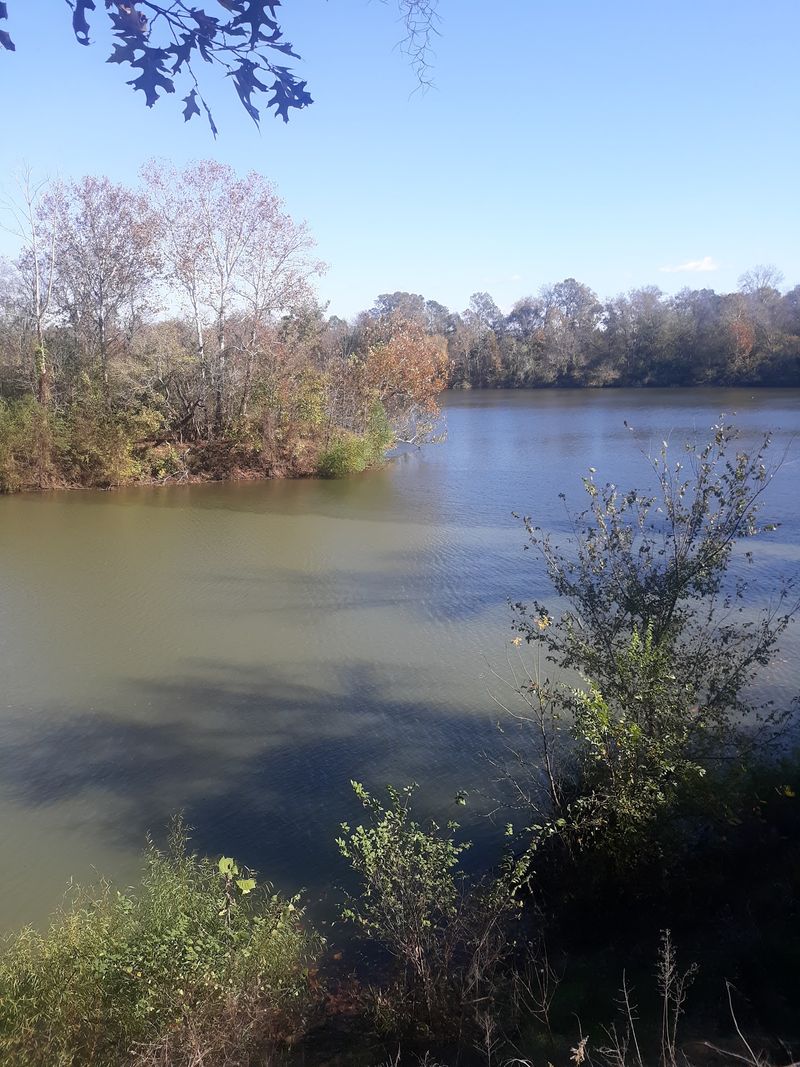
Water gave Cahawba its life, and water helped take it away. A massive flood in 1865 badly damaged the town.
In 1866, the county seat moved to Selma for good. That move pulled the rug out from under the local economy.
Businesses packed up and families followed. The town that had survived losing the capital couldn’t survive this one-two punch.
By 1900, most buildings were gone. Fire, decay, and dismantling slowly erased what was left.
Believe it or not, the town wasn’t officially unincorporated until 1989. Cahawba stayed a town on paper long after it vanished on the ground.
Today the Alabama Historical Commission manages the site. Its job is to protect what remains and help visitors understand it.
Historic cemeteries hold some of the best clues. Inscribed gravestones list names and dates that bring the old town back into focus.
Walk them gently and read a few stones. Each one is a tiny biography, and together they sketch the story of a whole community.
Two Rivers, Eagles, And A Trail Made For Slowing Down
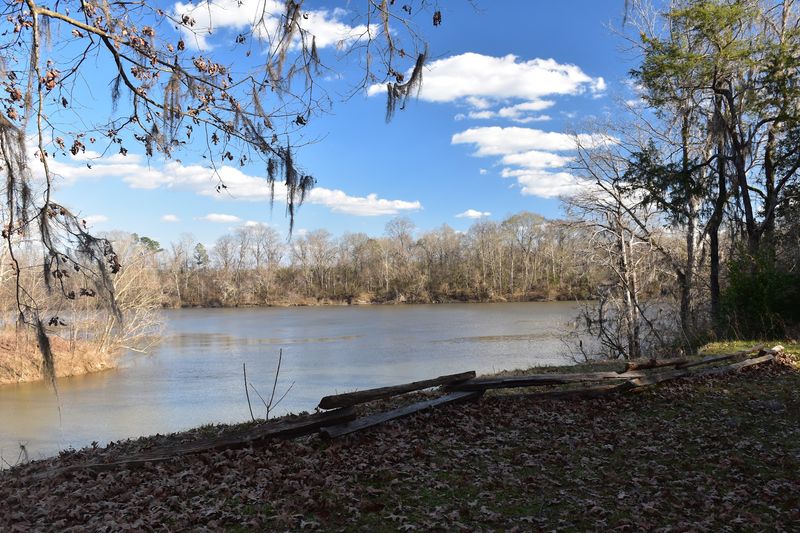
History buffs aren’t the only ones who should make the trip. Nature lovers get plenty to enjoy at Old Cahawba Archaeological Park, too.
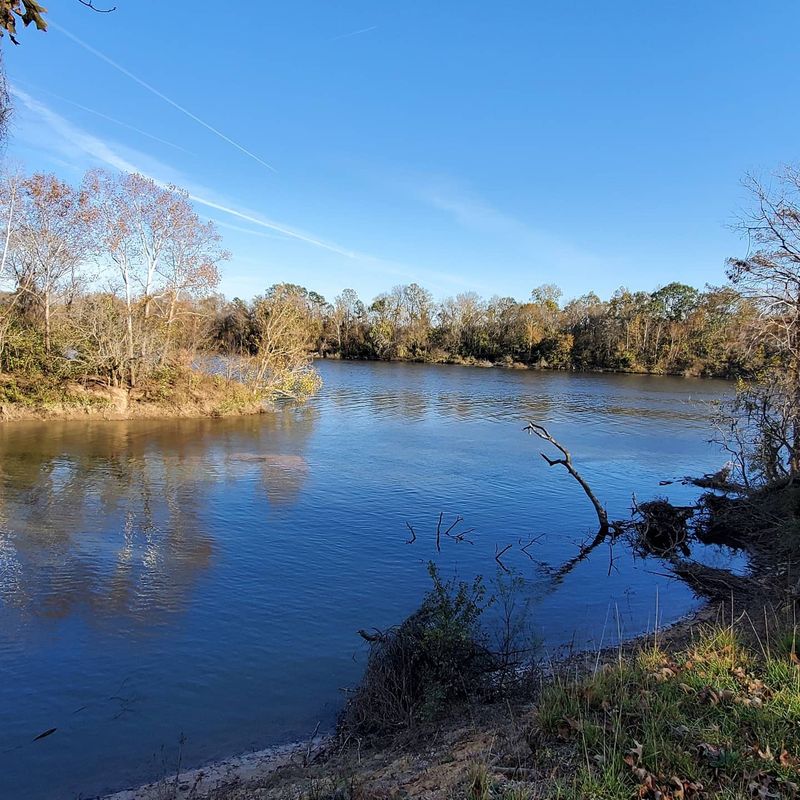
The park sits where the Alabama and Cahaba Rivers meet. That watery crossroads makes for some lovely views.
Clear Creek Nature Trail is an accessible half-mile path. It includes a canoe launch and an overlook with views of the Cahaba River.
Birders, take note. The park is a featured site on the Alabama Birding Trails.
Its mix of habitats draws songbirds and woodpeckers. Along the Alabama River, you may even spot an Osprey or a Bald Eagle.
Paddlers can use the Vine Street access point as a take-out for the Cahaba Blueway. Canoe shuttle services are available for planning a river day.
Fishing and wildflower photography are popular options as well. Pack binoculars and a camera, because you’ll want both.
A picnic area overlooks the Alabama River, with wheelchair-accessible tables. Lunch with a river view beats a desk sandwich every single time.
Smart Planning Makes Your Ghost Town Visit Way Better
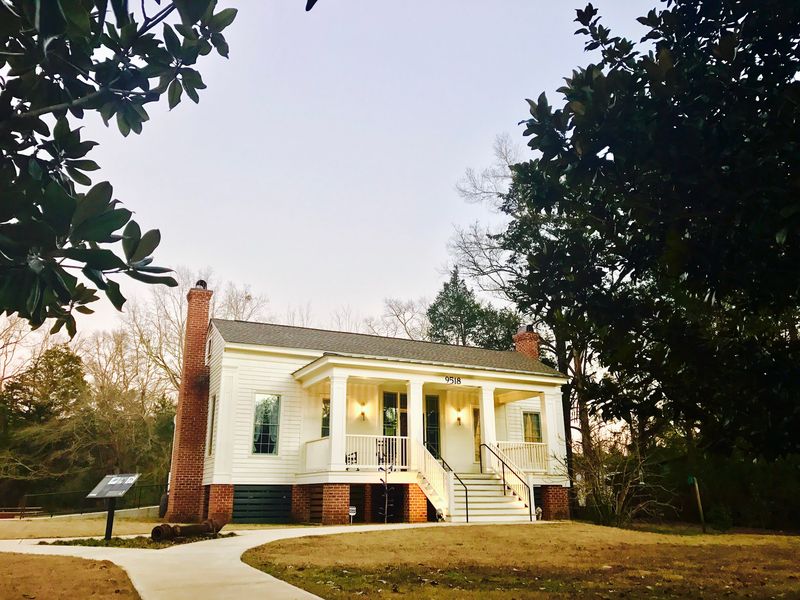
Timing matters more here than at your average park. The grounds are open daily from 9 AM to 5 PM.
The Visitor Center runs Thursday through Monday, from 10 AM to 4:30 PM. That’s where you’ll find exhibits, brochures, bikes, and accessible restrooms.
The gift shop sells books, snacks, and souvenirs. A small admission fee is charged to enter the park.
Set your GPS for 9518 Cahaba Road, Orrville, AL 36767. The park sits east of Orrville in Dallas County, Alabama.
Want a deeper story? Walking, wagon, and step-on bus tours are offered by appointment.
Book at least two weeks ahead for those guided options. Self-guided brochures work well if you’re more of a spontaneous explorer.
The park closes on Thanksgiving, Christmas, and New Year’s Day. Check before heading out, then plan a full afternoon among the ruins, rivers, and quiet roads of this vanished capital.