
This Florida Fossil Site Lets You Split Open Rocks And Find Fossils Millions Of Years Old
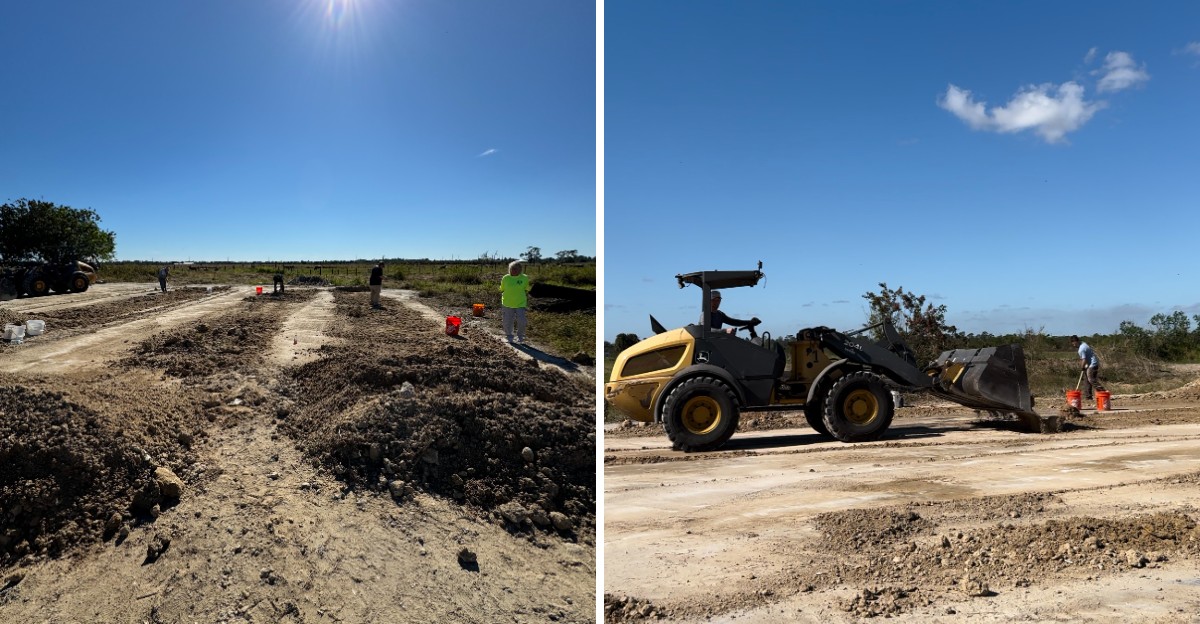
Somewhere in rural Florida, people crack open fossil clams and find golden crystals glowing inside. These clams lived roughly 1.6 to 2 million years ago, and nobody has seen their insides since.
The crystals are called dogtooth spar, and they grow in pointy clusters like tiny teeth. Some even glow under ultraviolet light.
I can’t imagine a better excuse to get muddy on a cool fall morning.
You dig through piles of dirt, wash your finds, and keep every single treasure. Shark teeth, sand dollars, and fossil coral can show up too.
One shovel scoop could hold fossils nearly two million years old, dating back to a time when much of Florida was covered by ancient seas.
The digging season is short, and spots require reservations. So what kind of buried surprise is waiting in your bucket?
Crystal-Stuffed Clams Are The Real Stars Here
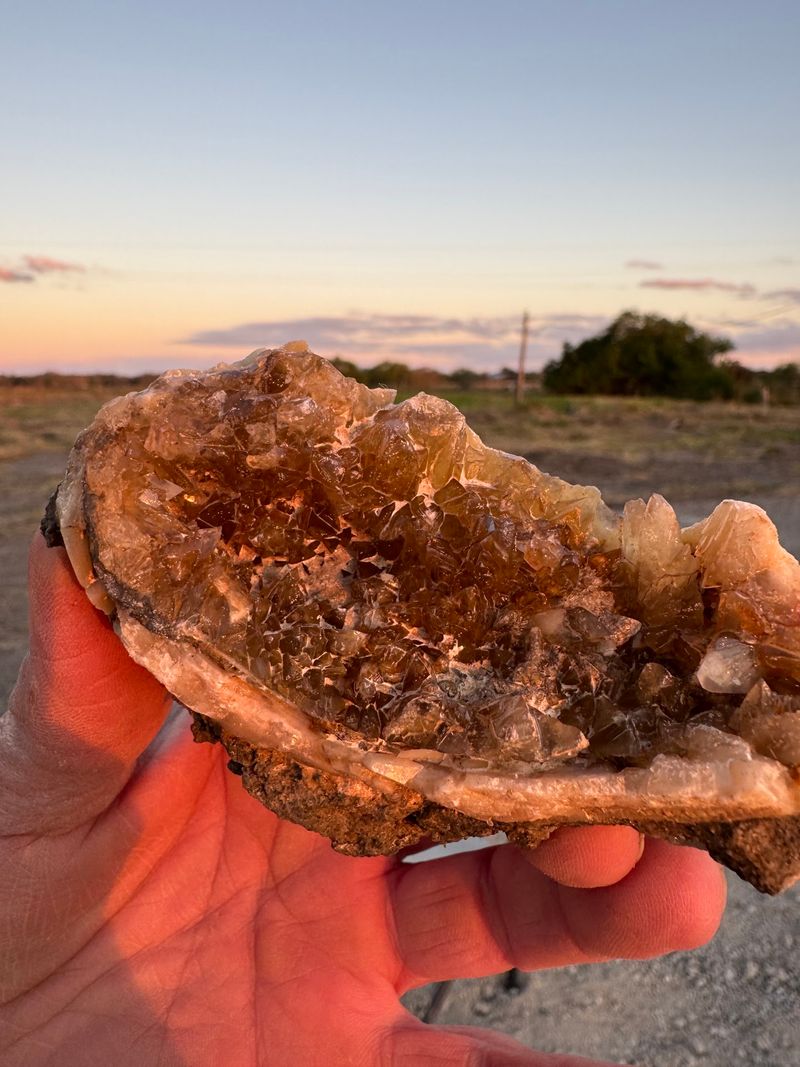
Ancient clams make surprisingly good treasure chests. At Fort Drum Crystal Mine, fossilized clams called Mercenaria permagna often hide sparkling calcite crystals inside.
The crystals are known as dogtooth spar because of their sharp, pointed shapes. Many show a warm golden-yellow color that looks almost like honey frozen in stone.
Whelks get the same crystal treatment sometimes, which feels a little unfair to plain old seashells. A fossil snail stuffed with sparkles is a strong upgrade from anything at the beach.
These hollow fossils work like natural geodes. Over a very long time, minerals seeped in and slowly formed crystal clusters where the clam’s body used to be.
Here’s a fun bonus for night owls. Some of these crystals fluoresce, meaning they glow under ultraviolet light.
That makes a black light a smart thing to keep at home after your trip. Your shelf of fossils could turn into a tiny glowing museum.
Not every clam you pull out will be packed with crystals. That’s part of the thrill, and it keeps you reaching for the next one with real hope.
Your Bucket Could Hold Way More Than Clams
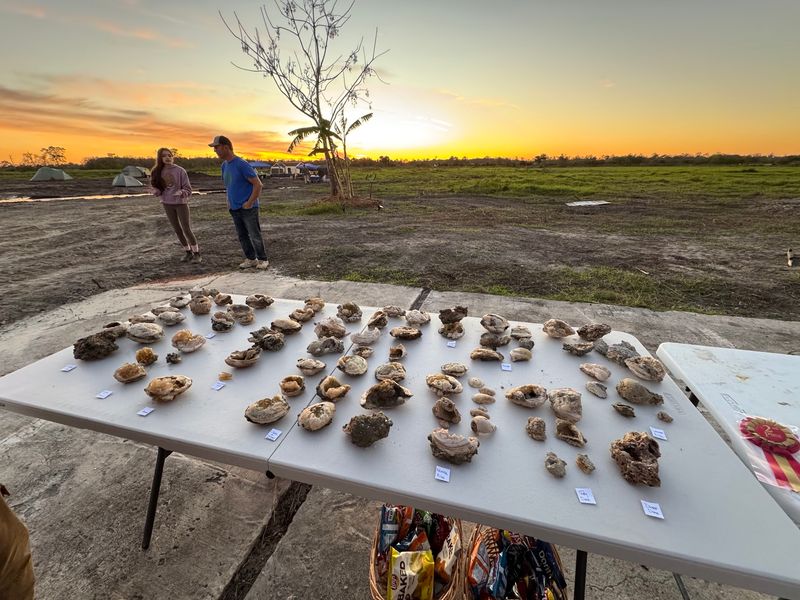
Shark teeth are an easy crowd favorite. They hide in the same dirt as the famous clams, so keep your eyes sharp while you sift.
The list of possible finds runs surprisingly long. Whelks, snails, olive shells, barnacles, coral, sand dollars, and sea urchins can all turn up.
Fossil bone appears too, which adds a little mystery to the day. You may not know exactly what creature it came from, and that’s half the fun.
Loose calcite crystals and clusters also hide in the piles. Even without a full clam attached, they make lovely pieces to display.
All of these fossils date back roughly 1.6 to 2 million years. Scientists place them in the Plio-Pleistocene, a time when this part of Florida sat underwater.
That ancient sea explains why your haul looks like a beach trip from another age. Every sand dollar was once part of a living seafloor.
A good tip is to bring small containers or egg cartons. Delicate shells and tiny shark teeth travel home much safer that way.
Pick Your Digging Style Like A Menu
Options make everything better, even dirt. Fort Drum Crystal Mine offers several ways to search, so you can match the dig to your energy level.
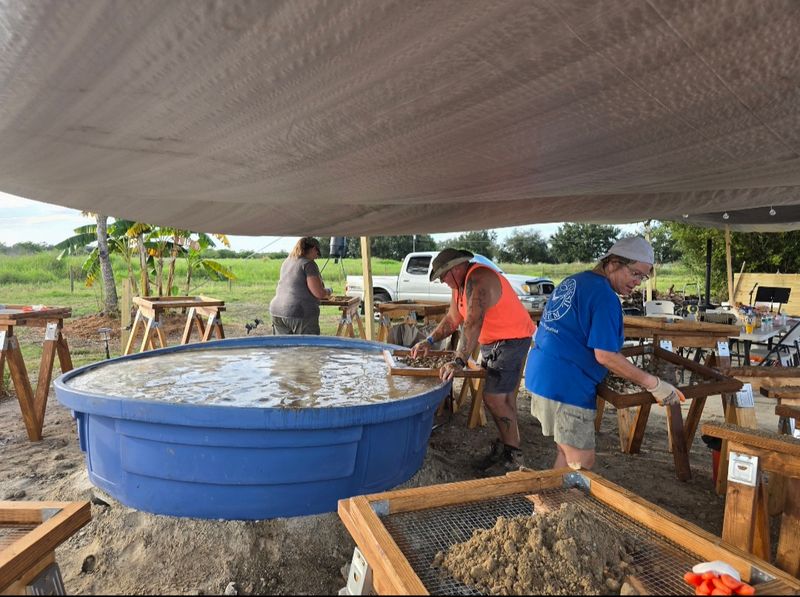
The big showstopper is a 36-foot screening and wash station. Water rinses away mud, which helps reveal clams without banging on them too hard.
Prefer your own space? Individual elevated screens come with wash tubs, so you can work at a comfy height.
Flipped piles are ready for classic hand digging. This choice suits anyone who loves the feeling of pulling a fossil straight from the ground.
Then there’s the grizzly screen, built for larger pieces. Big clams and chunky crystal clusters tend to show up nicely on it.
Families with younger kids may enjoy starting at a screen before trying the piles. Washing and spotting fossils is easier for small hands than heavy shoveling.
Since the options differ in style, ask about them when you book your reservation. Planning ahead helps you spend more time finding treasure and less time deciding where to stand.
Clam Island Sounds Like A Vacation, And Kind Of Is
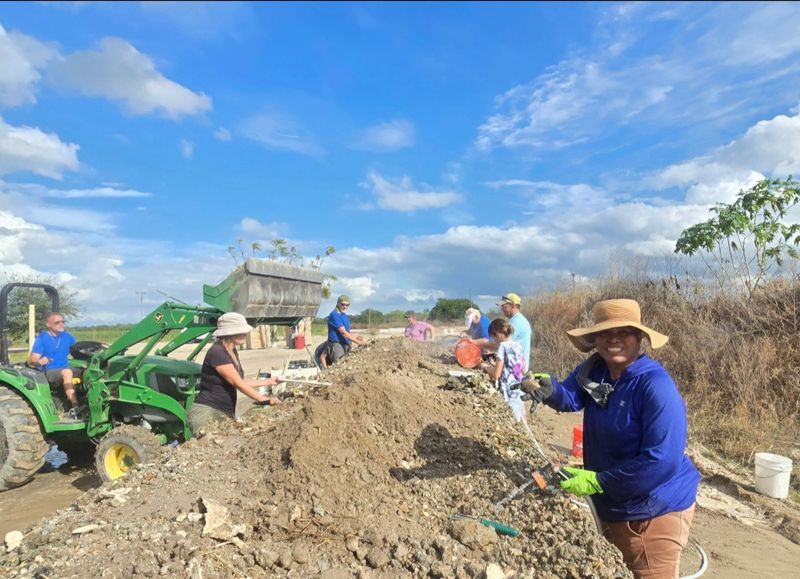
Clam Island might be the best name for a sifting area ever invented. It’s a set of raised sifters at Fort Drum Crystal Mine, and it skips a lot of bending over.
Your back will thank you for that. Hours of crouching over dirt piles can get old quickly, especially for grandparents or anyone with sore knees.
Shade pavilions on the property also help with Florida’s strong sun. Even in November and December, a bright afternoon can feel warmer than expected.
Raised sifters let you shake out loose dirt and inspect what stays behind. Small treasures like shark teeth are easier to spot at eye level.
This is a great choice for slow, careful searchers. People who like to examine every shell will feel right at home here.
Pack a hat and sunscreen anyway, because shade can shift as the day moves along. A light long-sleeved shirt helps too.
Bring a small brush for cleaning fragile pieces on the spot. Gentle brushing beats scrubbing, and it protects those delicate crystal tips.
Pack These Tools And You’ll Dig Like A Pro
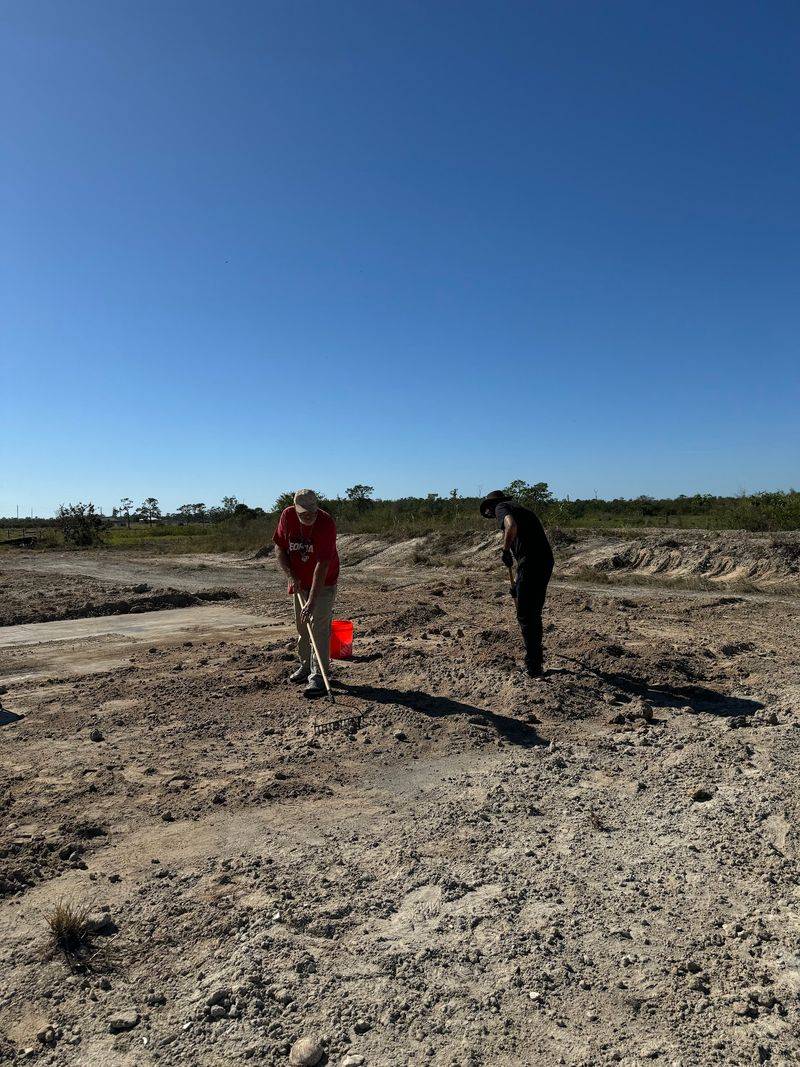
Gloves are the unsung heroes of fossil hunting. Shell edges and crystal points can be sharp, so protecting your hands matters.
The operator supplies some tools and lets visitors borrow equipment. Still, bringing your own gear is the recommended move.
A smart packing list includes a small shovel, rake, hand trowel, gloves, and buckets. These basics cover most of what you’ll need at the piles.
Hammers, chisels, hoes, and flathead screwdrivers also come in handy. A screwdriver works nicely for gently prying fossils loose from packed dirt.
Go easy with the hammer, though. Crystal clusters can crack if you swing too hard, and that’s a sad sound.
Extra buckets are never a bad idea in Florida rockhounding. You get to keep everything you find, so your haul might grow fast.
Wrapping supplies help on the drive home. Old newspaper or towels keep fossils from rattling against each other in the car.
Wear clothes you won’t mind ruining. Mud and wash water have a funny way of getting everywhere by the end of the day.
Mark Your Calendar Because The Season Is Short
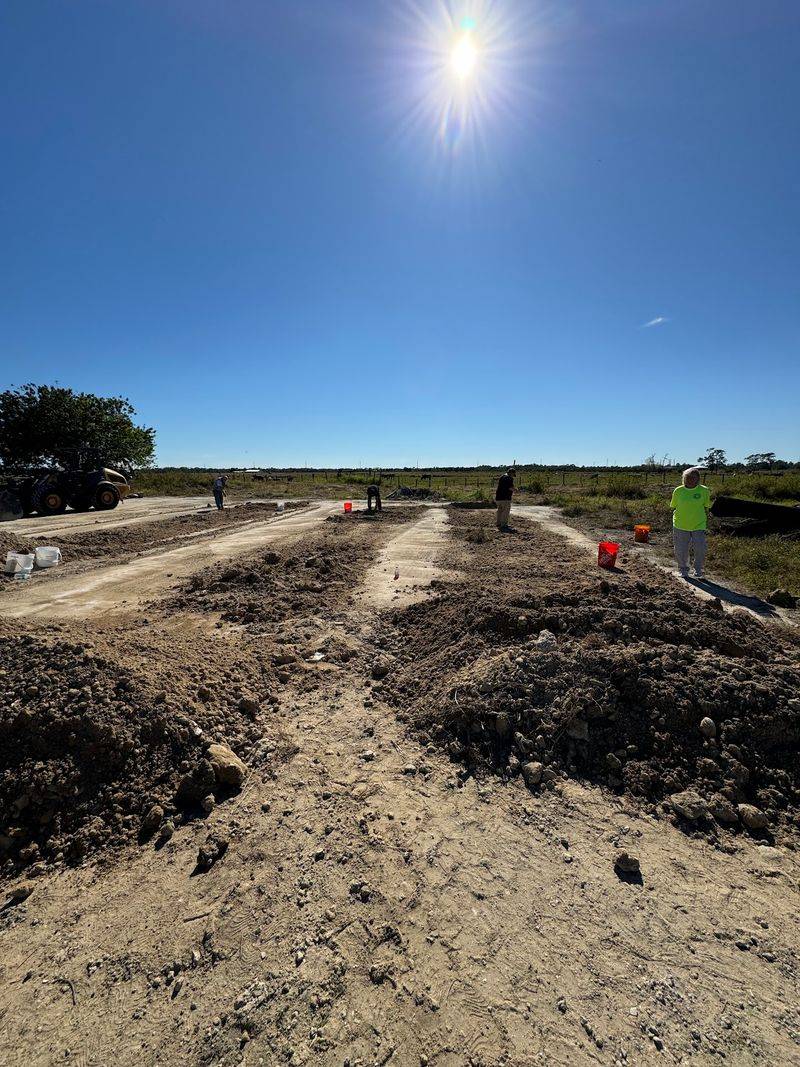
Timing is everything at this dig. Fort Drum Crystal Mine runs seasonally rather than all year long.
The 2026 mining season is scheduled from November 6 through December 12. Digging happens on Fridays and Saturdays only.
Hours run from 10 a.m. to 3 p.m. That gives you a solid five hours to fill buckets and test your patience.
Reservations are required, so don’t just show up hoping for luck. Booking ahead keeps things organized and saves you a wasted drive.
The cooler months are a clever choice for this kind of work. Shoveling under the Florida summer sun would be a very different story.
Arriving right at opening gives you the most digging time. It also helps you grab a good spot before the afternoon heat kicks in.
Plan your weekend around the weather forecast too. A dry Saturday makes hauling and sifting dirt a lot more pleasant.
Because the window is small, popular dates may book quickly. Lock in your day early if your heart is set on a crystal clam.
The 48-Hour Dig Brings Camping And Black Lights
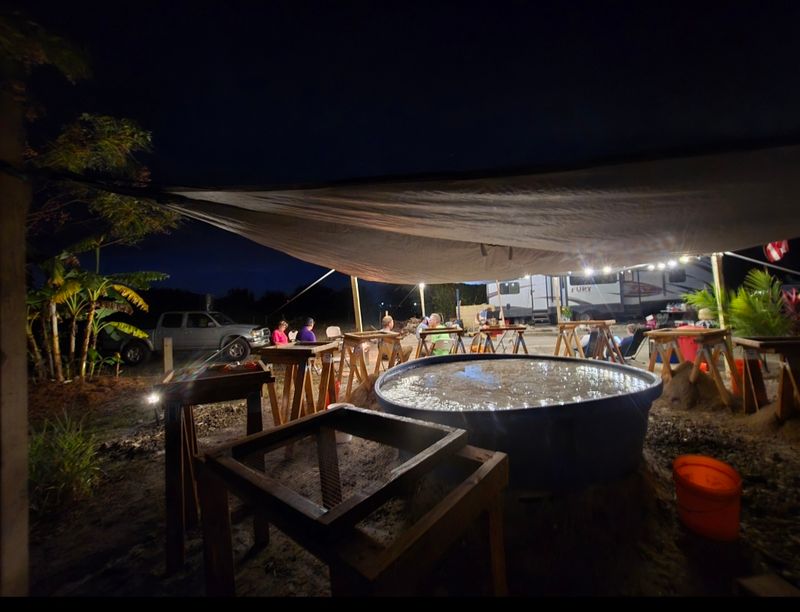
Forty-eight hours of digging sounds intense, and that’s the whole point. The Annual 48-Hour Dig Event at Fort Drum Crystal Mine is set for November 6 and 7, 2026.
Free camping comes with the event. That means you can sleep close to the piles and get back to work at sunrise.
Multi-day events sometimes include extra fun. Live music, astronomy lessons, and night hunting with black lights have all been part of the lineup.
Night hunting is where those glowing crystals shine, literally. Fluorescent calcite lights up under ultraviolet beams, making the dirt look like a treasure map.
Bring your own UV flashlight if you have one. It’s a fun way to check your finds after dark.
Astronomy lessons are a sweet bonus in a rural spot. Looking up at the stars after looking down at fossils all day feels like a full science weekend.
Camping gear, warm layers, and a headlamp are smart additions. Florida nights in November can surprise you with a chill.
A Quarry Story That Started With A Lucky Change
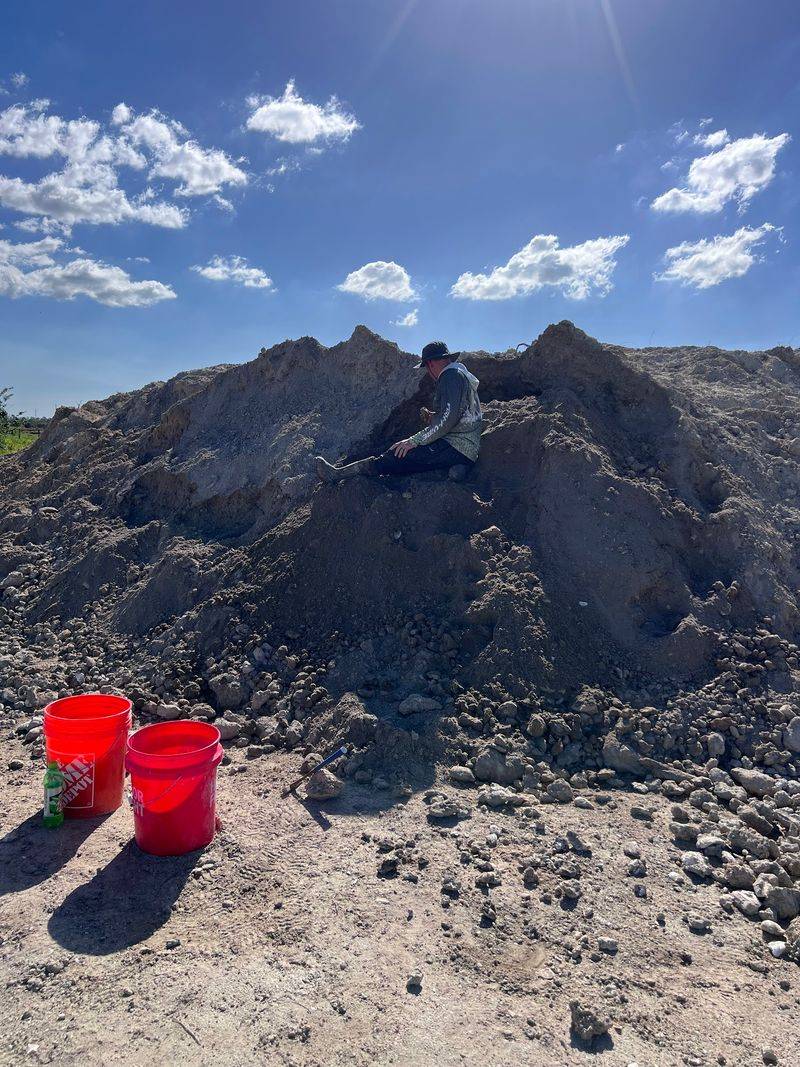
Limestone, not crystals, was the original business. The famous Ruck’s Pit operated as a limestone quarry from the early 1900s until 2006.
The Rucks family owned it starting in 1959. Geologist Dr. Thomas M.
Scott noted the site’s importance in the early 1990s.
Things got exciting in 2002. After the quarry changed its digging methods, workers began finding exceptional calcite crystals inside fossil clams.
That shift turned a work site into a rockhounding legend. Collectors started talking about the golden crystals that came from this little corner of Florida.
The original pit later closed and flooded around 2006 or 2008. Eddie Rucks then set up the Ft.
Drum Crystal Mine at its current spot, using material from the old pit.
So the dirt you sift carries real history. It came from one of the state’s best-known fossil locations.
Knowing this backstory makes each find feel more special. You’re holding a piece of a story that took millions of years and one lucky change to tell.
New Owners Gave This Old Mine A Fresh Start
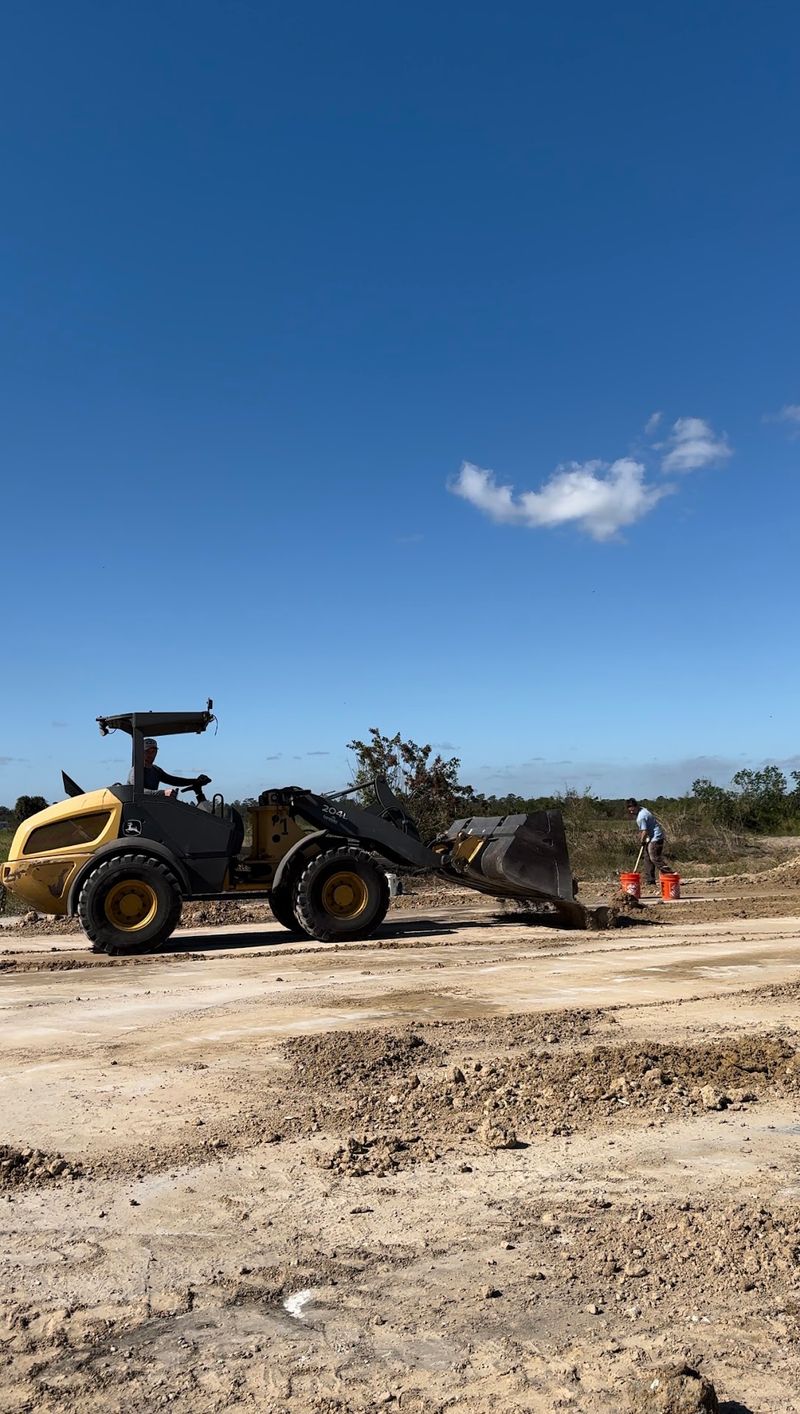
Fresh hands took over in November 2024. A pair known as That Camping Couple now owns and runs Fort Drum Crystal Mine.
They’ve worked to clean up and improve the property. That effort shows in the setup, from the wash station to the new digging options.
Comfort details help a lot on a long dig day. Portable toilets, buckets of wash water, and free cold Gatorade and water are available on-site.
An ATV helps haul heavy rocks and tired people. Anyone who has carried a full bucket of shell dirt will appreciate that.
You’ll find the mine at 28320 NE 55th Avenue, Okeechobee, FL 34972. It sits in a rural part of Florida, so plan your route ahead of time.
Filling your gas tank and packing snacks before you go is a wise idea. Rural roads don’t always offer quick stops.
Once you arrive, the goal is simple. Dig, wash, and head home with fossils that waited millions of years just for you.