
6 Trails In Southern Ohio With Forgotten Ruins Hiding In The Woods
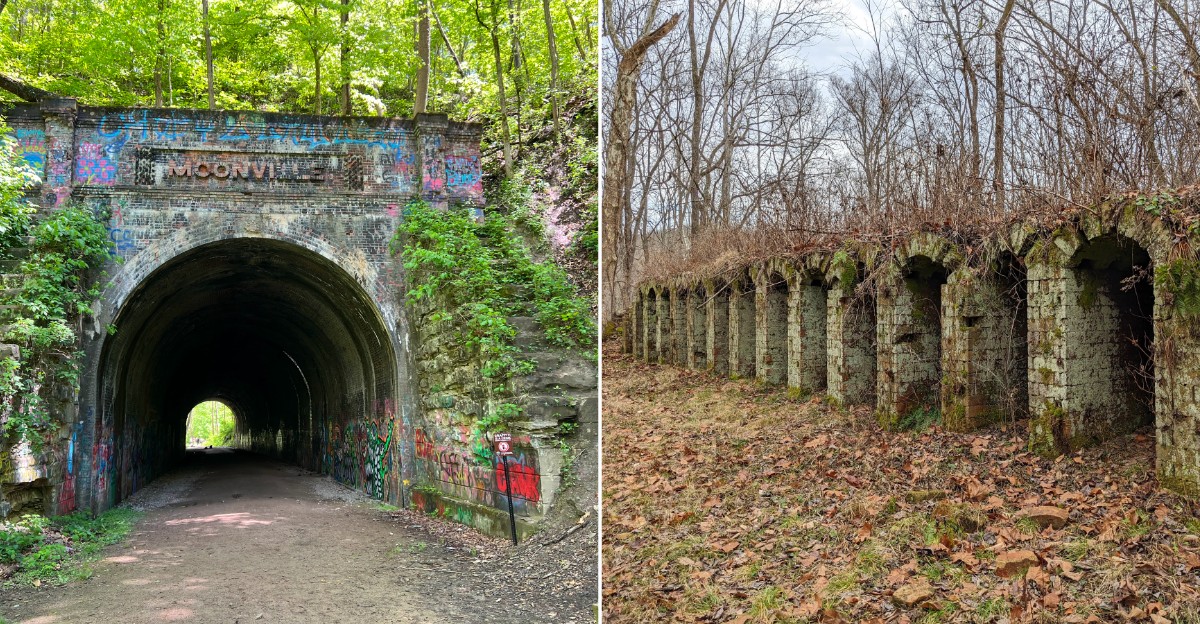
I can appreciate a beautiful forest trail, but finding an abandoned structure along the way makes the hike much more interesting.
Suddenly, I’m wondering who built it, what happened there, and how much history is hiding beneath those fallen leaves.
Southern Ohio has plenty of places that raise those questions. Deep in its wooded hills, old iron furnaces and forgotten railroad tunnels still offer fascinating glimpses into the past.
What makes these places even more intriguing is that some aren’t particularly easy to find. A few require longer hikes, while others might surprise you just a short walk down the trail.
I found six southern Ohio trails where the scenery comes with an unexpected piece of history.
And trust me, some of these discoveries are worth getting your boots muddy for.
Hope Furnace Trail, Lake Hope State Park
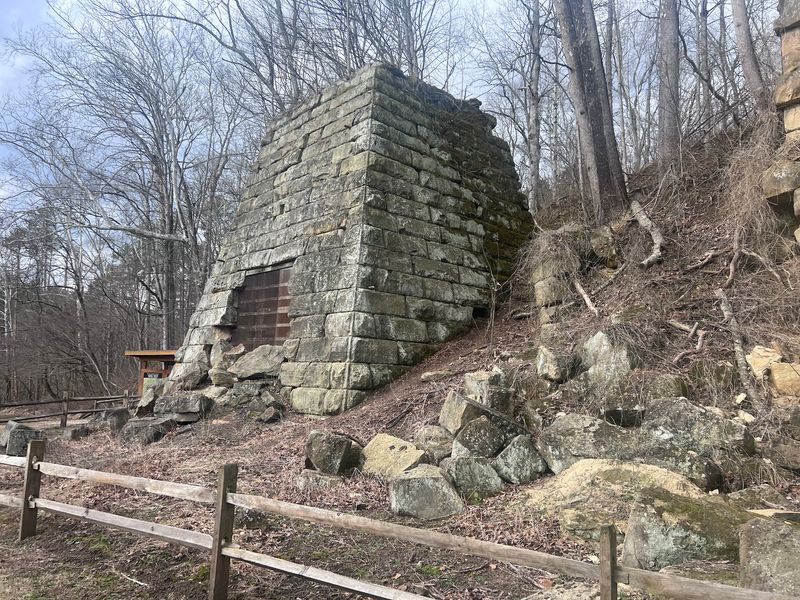
Iron once ruled these hills. Lake Hope State Park still keeps one big stone reminder of that era.
The park sits at 27331 State Route 278 near McArthur, in Vinton County, southern Ohio. The Hope Furnace Trail winds through the forest that once fed a busy iron industry.
Hope Furnace was built in the 1850s from large blocks of sandstone. Workers loaded iron ore, limestone, and charcoal into the top, and melted iron came out near the bottom.
The furnace still stands tall today, with its chimney section and foundation remnants easy to see. Standing next to it, I had to tilt my head back just to take it all in.
Here is a fun fact. Charcoal furnaces like this one needed huge amounts of wood, so much of the local forest was cut down in the 1800s.
The thick woods you see now are mostly regrowth. Nature has made quite the comeback, and the trail shows it off nicely.
The Hope Furnace Trail runs approximately 3.2 miles one way, with some ups and downs on dirt paths. Good shoes and a water bottle will keep you comfortable.
The furnace itself is also accessible directly from State Route 278, so visitors who prefer a shorter stop do not need to complete the full trail.
Lake Hope itself is a lovely place to cool off after your walk. You can rent a boat, picnic by the water, or just sit and watch the herons.
Summer weekends can get busy, especially near the lake. For quieter trails, visit on a weekday morning or in early fall.
Kids usually love this stop because the furnace looks like a castle tower. Honestly, so do grown-ups.
After seeing it in person, you may never look at a frying pan the same way again.
Pine Run Trail, Vinton Furnace State Forest
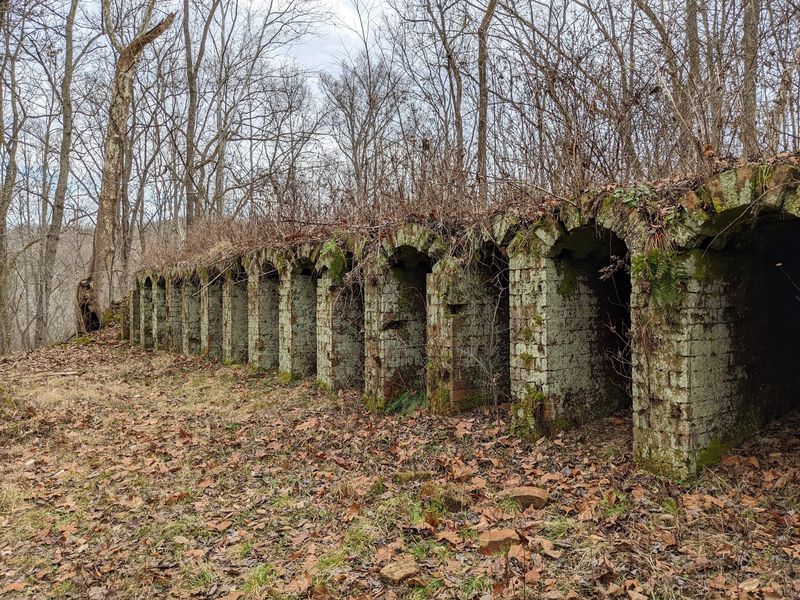
Ready for a real treasure hunt? Pine Run Trail delivers one of the most hidden ruins on this list.
You will find it in Vinton Furnace State Forest in Vinton County, Ohio. Start along Experimental Forest Road, then follow forest roads and the trail deeper into the woods.
The prize at the end is a row of abandoned Belgian coke ovens. These stone structures once turned coal into coke, a fuel used for making iron.
Today, the ovens are crumbling, mossy, and wonderfully wild. Trees and ferns grow right out of the old stonework.
The round trip is about 5.6 miles, so plan for a few hours. The route passes through thick woodland with very few signs of modern life.
I loved how quiet it was out there. Aside from birds and the crunch of my boots, I heard almost nothing.
Because this hike is more remote, preparation matters. Download a map before you go, since cell service can be spotty.
Pack plenty of water and a snack, even on cool days. Sturdy hiking boots are a smart choice for rocky and uneven ground.
Vinton Furnace State Forest is also used for forest research. You might notice study plots or markers, so please leave them alone.
Fall and early spring are ideal times to hike here. Fewer leaves mean better views of the ruins, and the bugs are much calmer.
When you finally spot those ovens peeking through the trees, it feels like a true discovery. Call it a coke-tastic reward for every step.
Moonville Rail Trail, Moonville Tunnel
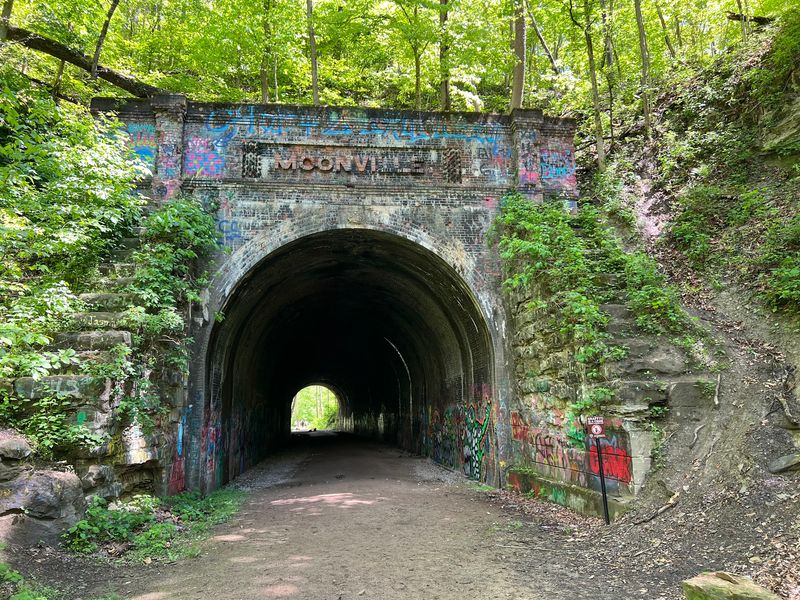
A brick tunnel in the middle of nowhere makes a great first stop. It feels quiet, a little spooky, and very photogenic.
The Moonville Rail Trail follows an old railroad line through the wooded hills of Vinton County, near McArthur, Ohio, in the United States. The main parking area sits along Hope-Moonville Road, so finding the start is simple.
Moonville was once a small mining community that grew up beside the tracks in the 1800s. Today, the town is gone, but the brick-lined Moonville Tunnel still stands strong between the hills.
I walked through it slowly and listened to my steps echo off the old walls. The tunnel is short, so you can see daylight at both ends the whole time.
Look closely around the area and you can spot more clues from the past. Scattered foundation stones peek out of the leaves, and a small cemetery sits up on a nearby hillside.
The trail itself is mostly flat, which makes it friendly for families and casual walkers. Raccoon Creek runs close by, adding a peaceful soundtrack to the hike.
Spring brings fresh green leaves and wildflowers along the path. Fall is even better, with orange and gold trees framing the tunnel opening like a postcard.
Wear shoes you do not mind getting muddy. Low spots near the creek can stay wet for days after rain.
Local stories say the tunnel is haunted, and you will hear plenty of them at nearby campgrounds. I did not meet any ghosts, but I did meet a very confident chipmunk.
Bring a flashlight for photos inside the tunnel. Moonville may be a ghost town, but it is never short on character.
Old Stone Church Trail, Wayne National Forest
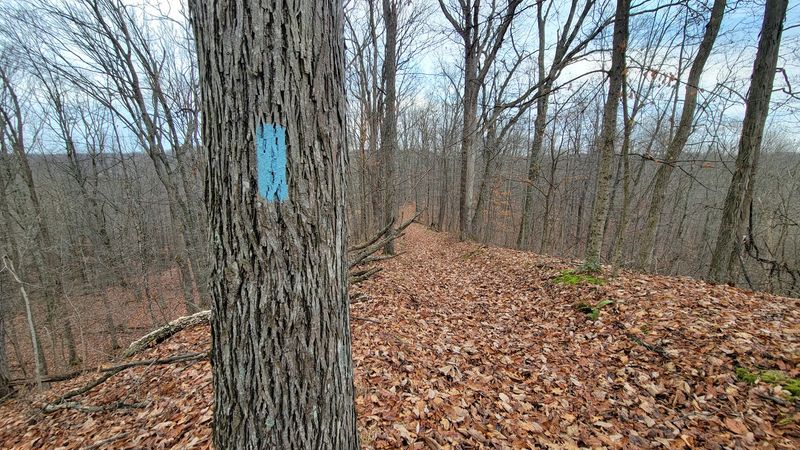
Picture stone walls standing with no roof above them. That eerie and beautiful sight waits on the Old Stone Church Trail.
The trailhead is on County Road 38 near Shawnee, in Perry County, inside Wayne National Forest. This part of Ohio once buzzed with mining and industry.
The trail system winds through wooded hills, quiet valleys, and old industrial land. Signs of the past pop up here and there if you keep your eyes open.
The star attraction is the skeleton of an old stone church. You reach it by a connecting gravel-road route, so it adds a little extra walking.
I stood inside the empty walls and looked up at open sky. It was peaceful, and the old windows framed the trees perfectly.
Please treat the ruins with care. Do not climb the walls, since old stonework can be loose and fragile.
This trail system is also popular with horseback riders and other users. Stay alert, share the path, and step aside politely when needed.
The terrain includes hills, so expect some climbing. Trekking poles can help on steep sections, especially after rain.
Nearby Shawnee is a fun historic town worth a stroll. Its old buildings with wooden porches give you a taste of mining-era life.
Late fall is a lovely time to visit. Bare trees make the church walls easier to spot from a distance.
The church may have lost its roof long ago. Its charm, however, is very much still standing.
Lake Vesuvius Lakeshore Trail, Wayne National Forest
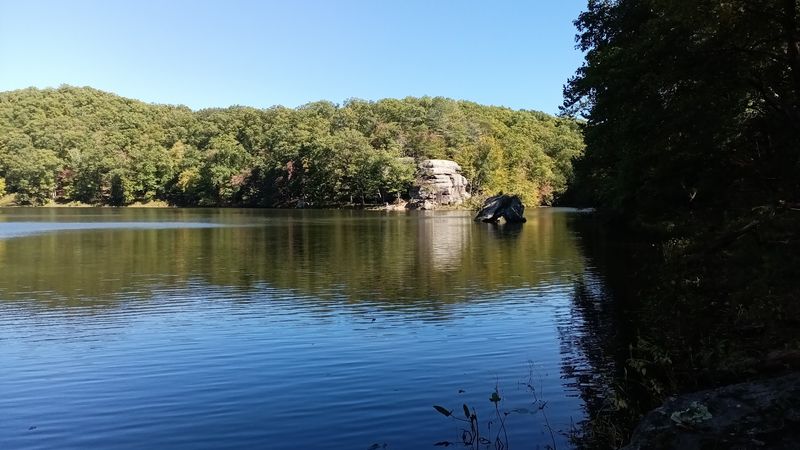
Despite the dramatic name, Lake Vesuvius usually offers a calm setting. No volcano here, just a fascinating slice of history.
The lake sits along County Road 29 near Pedro, in Lawrence County. It is part of the Ironton Ranger District of Wayne National Forest.
The Lakeshore Trail normally follows the water’s edge through peaceful woods. However, Lake Vesuvius remains drained for dam repairs in October 2026, and lake access is restricted.
Near the base of the dam stands the Vesuvius Iron Furnace. This stone structure dates to the 1800s, when this area was a busy ironmaking region.
The furnace is a historic attraction worth knowing about, although visitors should confirm whether the trail and furnace access are available during the ongoing repairs. Its thick stone walls have survived for generations.
Fun fact time. The Hanging Rock Iron Region, which includes this area, once produced iron used across the growing nation.
The area’s history makes it an interesting destination, even while the lake is undergoing repairs. Visitors should not expect the usual waterfront scenery until the lake has refilled.
The trail has some rocky and rooty sections. Take your time, especially where stones can be slippery.
The surrounding recreation area offers camping and hiking opportunities, although fishing and boating on Lake Vesuvius remain unavailable during the closure. Check current restrictions before making weekend plans.
Early fall is my favorite time to visit. Once the lake returns to its normal level, the colors should again reflect beautifully on the water.
Bring a camera and a good appetite for adventure. This area has plenty of history to discover, even as restoration work continues.
Fort Trail, Fort Hill Earthworks And Nature Preserve
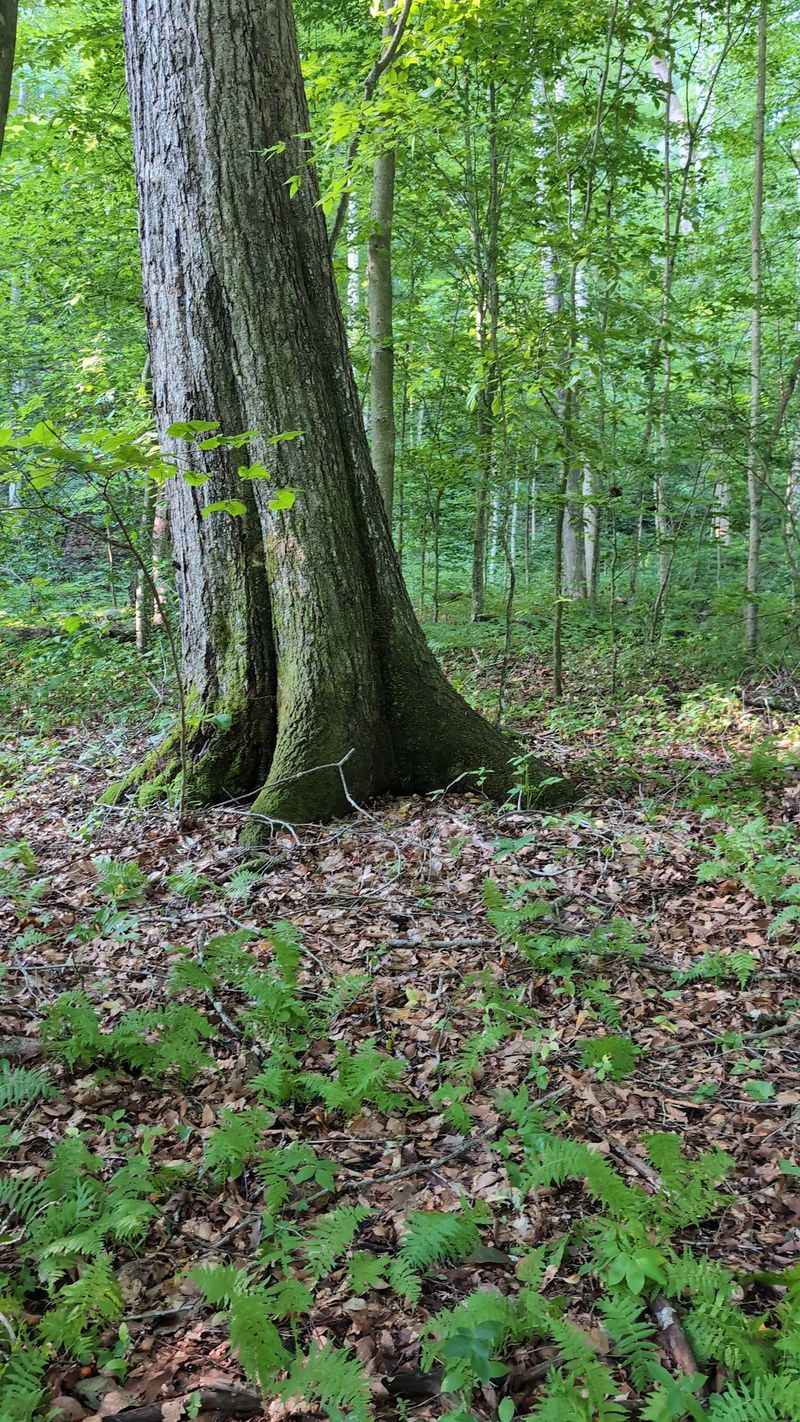
Long before iron furnaces, ancient builders shaped this hilltop. Their work has lasted around 2,000 years.
Fort Hill Earthworks and Nature Preserve sits at 13614 Fort Hill Road, near Hillsboro, in Highland County, Ohio. The Arc of Appalachia cares for the site today.
The Fort Trail is a challenging 2.2-mile route. It climbs steeply through the woods before reaching the summit.
At the top, you will find a ceremonial earthwork built by the Hopewell culture. Walls of earth and stone stretch around the forested hilltop.
These are not abandoned buildings. They are protected Indigenous heritage features, so please stay on the trail and show respect.
I caught my breath at the top and just took it all in. Knowing people built these walls by hand so long ago gave me chills.
The preserve is also known for its rich plant life. Wildflowers, ferns, and towering trees make the climb feel lush and green.
Wear sturdy shoes because the trail is steep and rocky in places. Bring water, since there are few places to refill.
An Education Center near the parking area shares information about the site’s history and archaeology, but it is open by appointment. Check availability before planning a visit.
Spring is magical here, with blooms covering the forest floor. Weekdays tend to be quieter, although certain trails close during scheduled deer-management periods.
This hike asks a lot of your legs. In return, it gives your mind plenty to think about on the way down.