
Did You Know Colorado Has An Entire Mining Town Frozen In Time Near A Mountain Lake?
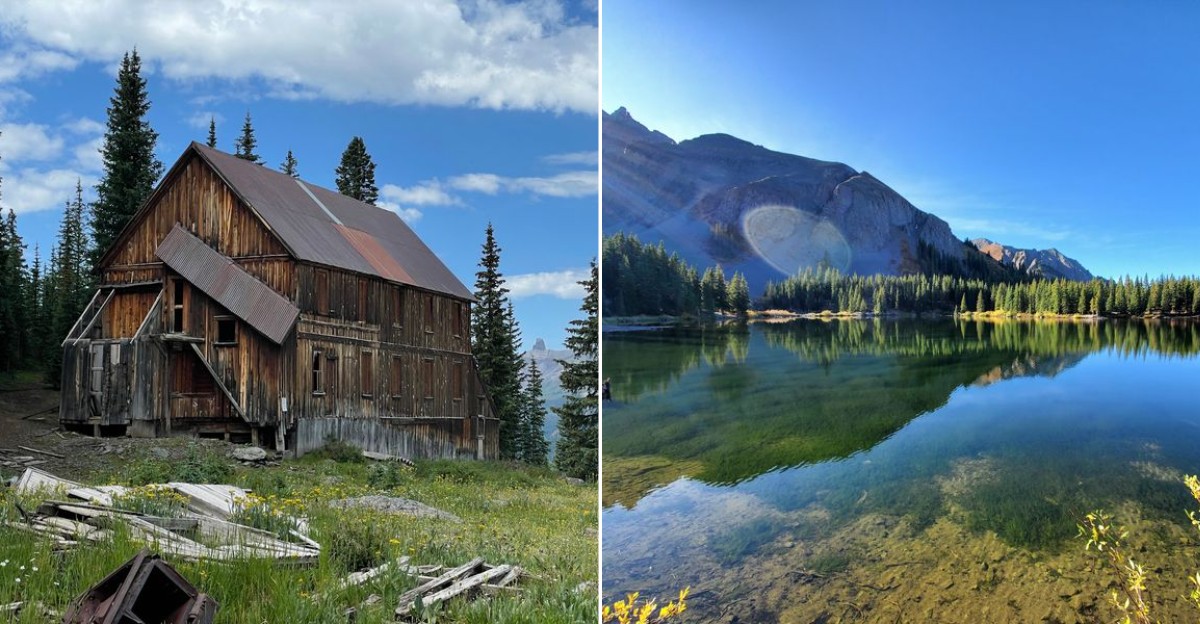
Back in 1891, a tiny mining camp high in the San Juan Mountains helped put Nikola Tesla’s alternating current to real work. Miners up there used cutting-edge electricity before most American homes even had a single lightbulb.
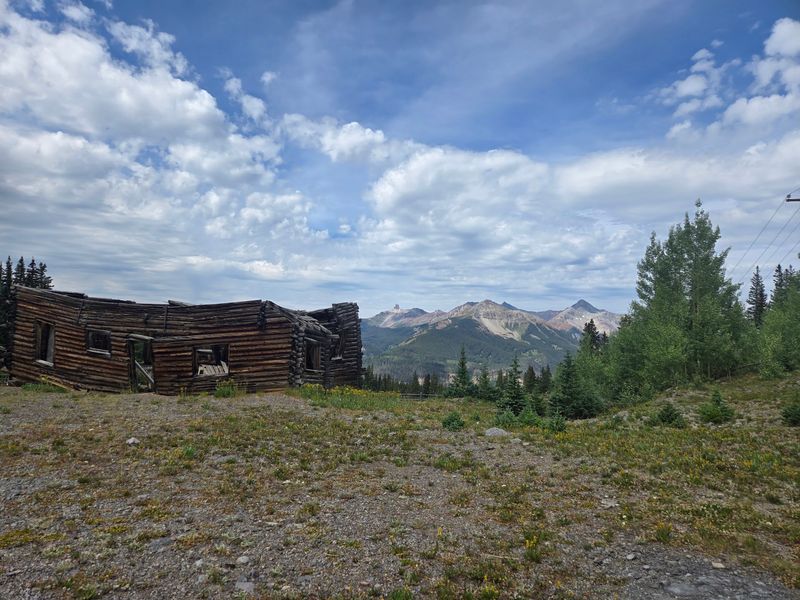
Today, about 20 weathered wooden buildings still stand at roughly 11,800 feet above sea level. One two-story boardinghouse, built from salvaged materials, ranks among Colorado’s last major mining camp boardinghouses still standing.
I love that nobody turned this spot into a theme park or a polished museum. There are no gift shops, ticket booths, or snack stands competing with the mountain silence.
Instead, you get quiet old cabins, sweeping peak views, and a set of alpine lakes sitting just below town. I believe that’s a pretty great reward for a bumpy drive.
So how did an entire town end up frozen in place like this?
These Miners Had Tesla Power Before Your Great-Grandparents Had Lightbulbs
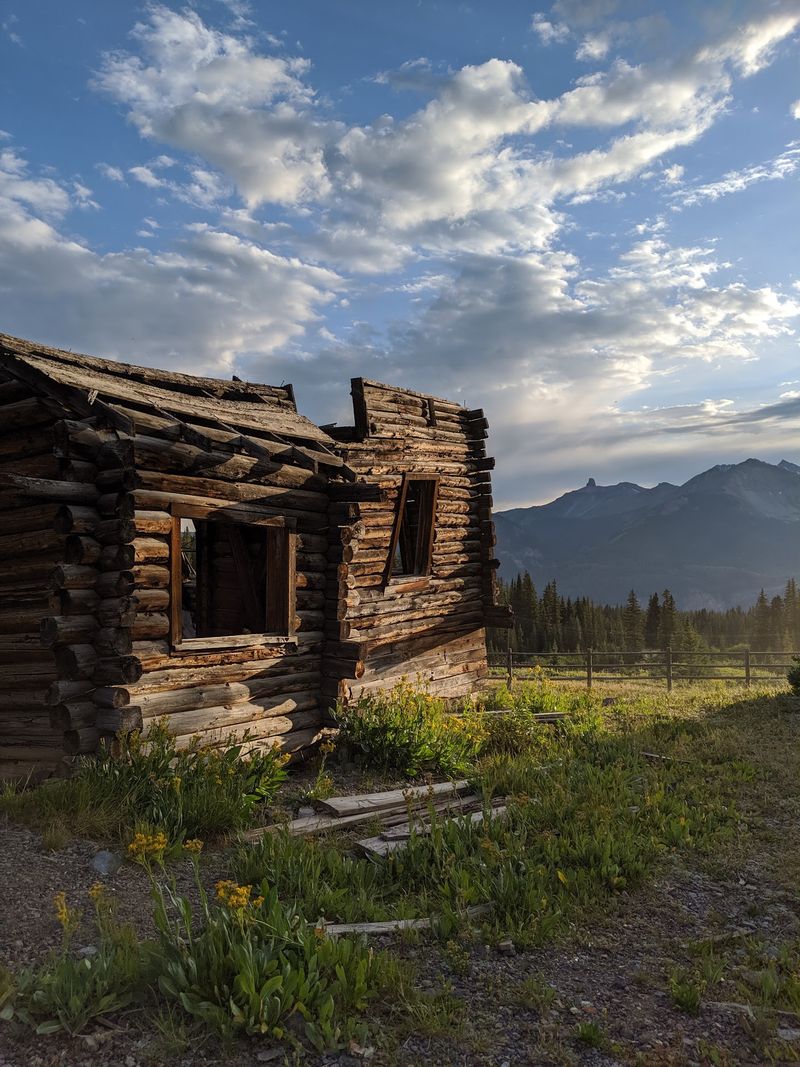
Electric history took a wild turn at Alta Ghost Town, way up in the San Juan Mountains. Back in June 1891, this remote camp became one of the earliest places on Earth to use alternating current for industrial power.
A businessman named L.L. Nunn teamed up with George Westinghouse to make it happen.
They built a hydroelectric plant at Ames, about three miles away, using Nikola Tesla’s AC system.
That power ran the Gold King Mine, the big operation that kept Alta busy. Before AC, sending electricity over long distances was a messy, expensive problem.
Steep mountain terrain made hauling fuel for the mine tough and costly. So the miners basically got a front-row seat to the future of electricity.
I like how a handful of hardworking people on a lonely mountainside helped shape modern life. Every outlet in your house owes a tiny thank-you to experiments like this one.
Keep that in mind as you wander among the old buildings. You’re standing in a place that helped light up the world, even if it looks pretty quiet now.
The Old Boardinghouse Is Basically The Town’s Main Character
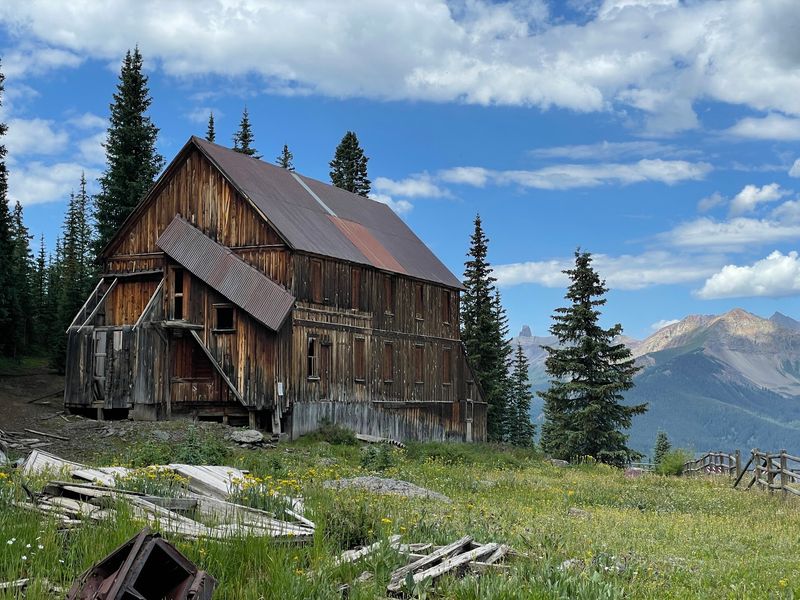
Recycling was cool long before it was trendy, at least in Alta. The two-story boardinghouse here went up in 1939, and builders used salvaged materials to create it.
Today, it’s one of the last remaining major mining camp boardinghouses in all of Colorado. That makes it a pretty rare survivor in a state packed with mining history.
Boardinghouses gave miners a place to sleep and eat close to the job. Living right near the work made a lot of sense when winter snow piled up fast.
The building has also received stabilization work to help it stay standing. That kind of care matters for a wooden structure facing harsh mountain weather every single year.
Photographers will want extra time here. The weathered boards and tall frame look amazing against the surrounding peaks, especially with soft morning or evening light.
Admire it from the outside and keep your hands to yourself. Old floors and walls aren’t built for modern foot traffic, and nobody wants to be the reason history falls apart.
Honestly, this one building tells a bigger story than most textbooks could.
Go On A Scavenger Hunt Through About 20 Old Buildings
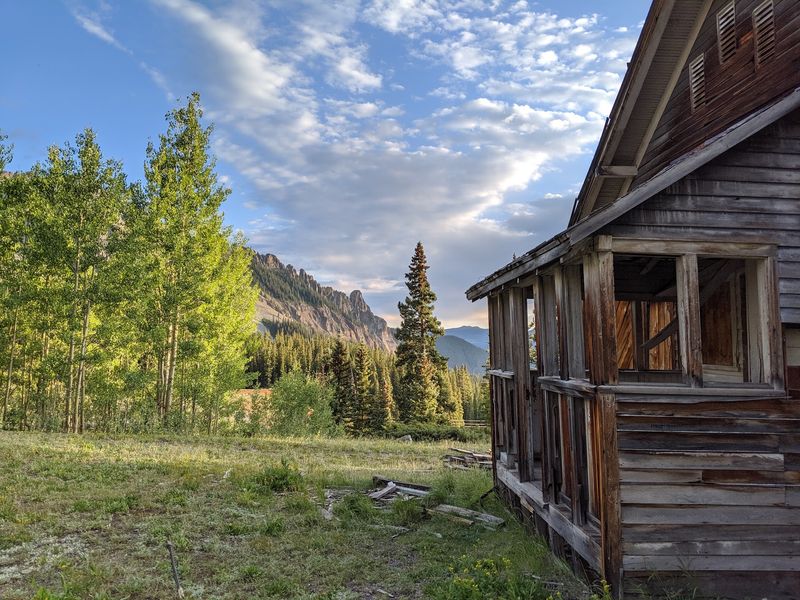
Roughly 20 historic structures still dot the townsite. That’s a surprising number for a place that emptied out more than 75 years ago.
You’ll spot mining cabins, an old company store, and a warehouse among them. Each one hints at how daily life once worked at this chilly altitude.
Think about the company store for a second. Miners couldn’t exactly pop down the street for groceries when the nearest town sat miles below.
The cabins are small and simple, which tells you plenty. Comfort wasn’t the top priority when gold was the main reason anyone lived here.
Alta Ghost Town is listed on the National Register of Historic Places. That status helps recognize just how important these weathered walls really are.
Treat your visit like a museum without glass cases. Snap photos, read the landscape, and leave every board, nail, and rusty scrap exactly where it sits.
Bring kids along and turn it into a game. Ask them to guess what each building was used for, then talk about how different their own homes look today.
Gold Kept This Mountain Town Busy For Seven Decades
It all started with a shiny discovery. In 1877, prospectors found the Alta vein in the Gold King Basin, and a mining settlement soon followed.
Alta served as the home base for high-altitude mining from 1877 until 1948. The Gold King Mine was the star of that long-running show.
Gold was the main prize, but it wasn’t alone. The mines here also produced silver, copper, and lead.
At its peak, around 100 people called Alta home. Some sources suggest a few hundred may have lived here at times, so numbers likely shifted over the years.
Either way, that’s a small crowd for such a big job. Mining at nearly 12,000 feet took serious grit, warm clothes, and probably a lot of strong coffee.
I can’t imagine shoveling snow before breakfast and then heading into a mine. These workers built a whole life in a place most of us only visit for a day.
Knowing this backstory makes the empty buildings feel a lot less empty. Every cabin once held someone’s routines, worries, and hopes for a lucky strike.
A Single Fire In 1948 Hit The Pause Button Forever
Plenty of ghost towns faded slowly. Alta stopped almost all at once.
In 1948, a fire burned the Alta mill, which had been built in 1937. Without that mill, the Gold King Mine couldn’t keep running.
Residents packed up and left after that. The town simply wasn’t needed once the mine went quiet.
That sudden exit is a big reason the place feels frozen in time. Buildings stayed put while the people moved on to new jobs and new towns.
History buffs love this kind of story. It shows how one key building could hold an entire community together in a remote mountain spot.
Walking the townsite with this in mind adds a thoughtful mood to the trip. You’re seeing the exact moment a busy place became a quiet one.
The mill itself is gone, but the town it supported still speaks volumes. Look at the cabins and boardinghouse as snapshots of a community that ended with one bad day.
It’s a little bittersweet, sure. It’s also fascinating proof that some stories end abruptly, yet the setting sticks around for decades.
Your Car Will Have Strong Opinions About This Road
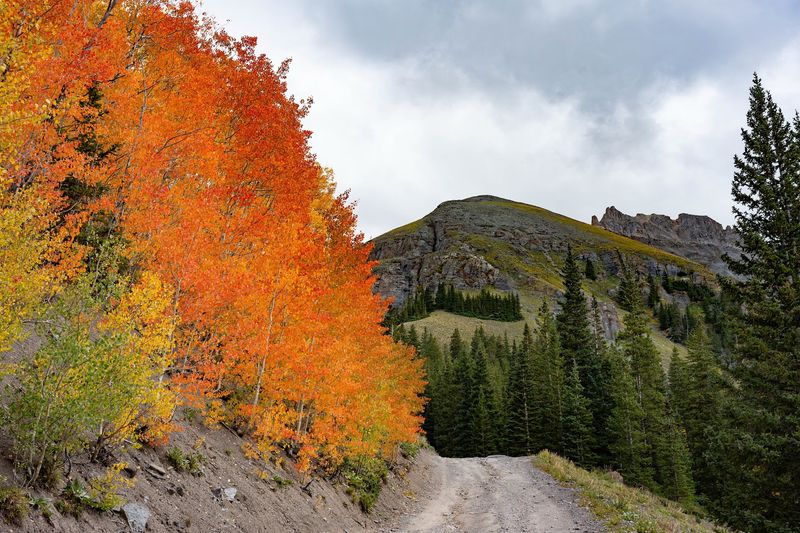
Smooth pavement doesn’t make it this far. The trip follows Forest Service Road 632, also called Alta Lakes Road or Boomerang Road.
The general location is Alta Lakes Road, near Telluride, CO 81435. The ghost town sits roughly 10 miles south of Telluride in San Miguel County.
A high-clearance AWD or 4WD vehicle is the smart pick. Some sections get rough and narrow, so low-slung cars may scrape and complain.
Timing matters just as much as tires. Heavy snow usually closes the road from late autumn through late June.
That leaves summer and early fall as your main window for driving up. Plan around it, and check current Forest Service conditions before heading out.
Drive slowly and give yourself extra time. Rocky stretches reward patience, and oncoming traffic may need you to pull over on tight spots.
Pack water, snacks, and layers, since there are no services at the townsite. Mountain weather changes fast at this height, and nobody wants to shiver in shorts.
Treat the drive as part of the adventure. The bumps feel worth it once those old buildings come into view.
Three Alpine Lakes Are Waiting Just Below Town
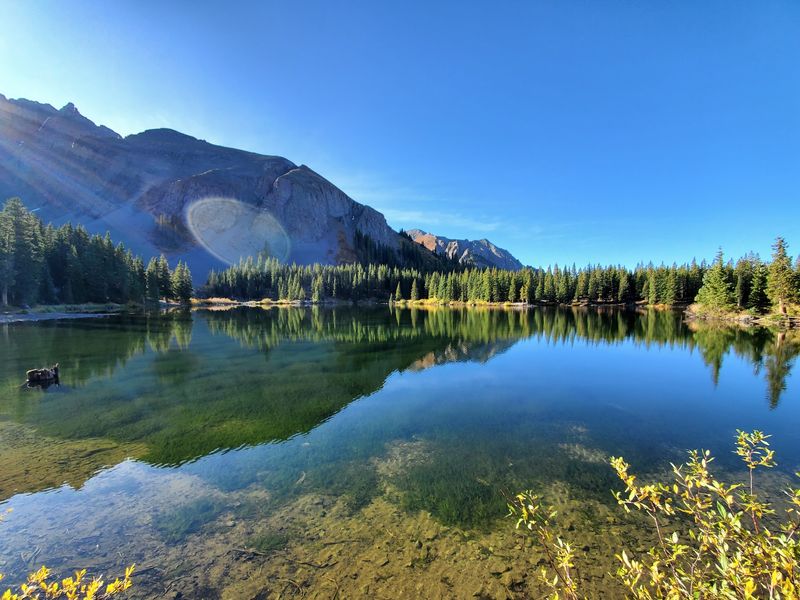
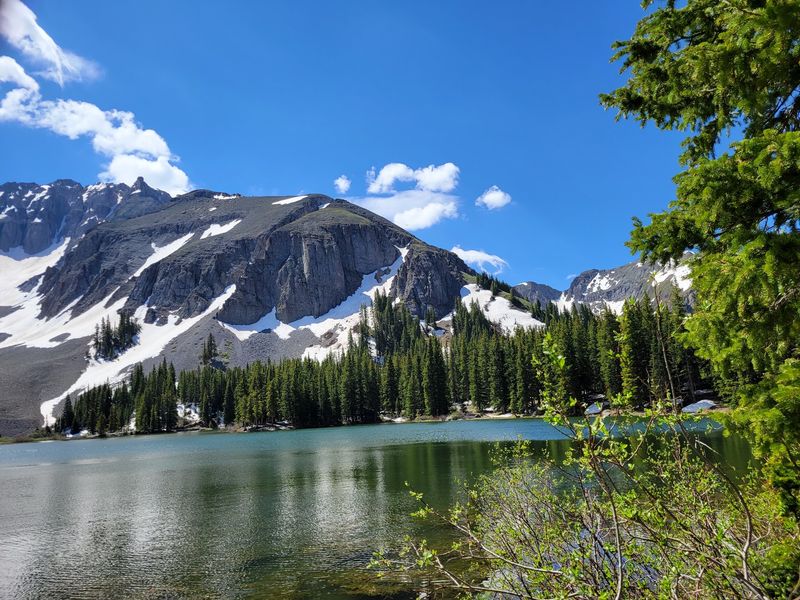
History is great, but a sparkling lake makes a pretty strong closing argument. Just below Alta Ghost Town sit the three Alta Lakes.
Two of them are open to the public. The third is private and home to a rental lodge called the Alta Lakes Observatory.
The public lakes are popular for paddleboarding and kayaking. Calm water surrounded by high peaks makes for an unforgettable paddle.
Anglers can bring a rod and try their luck too. Make sure you have a valid Colorado fishing license before casting a line.
Hikers, mountain bikers, and photographers also find plenty to enjoy here. The views around the lakes stretch toward big San Juan peaks, including Mount Wilson.
Bring a warm layer even in July. Water and wind at this elevation can feel chilly fast, especially later in the afternoon.
I like how this setting mixes two moods so well. You can poke around old mining history in the morning, then float on a mountain lake after lunch.
Pack sunscreen, though. High-altitude sun doesn’t play around, even on cooler days.
Free Camping Up Here Comes With A Few House Rules
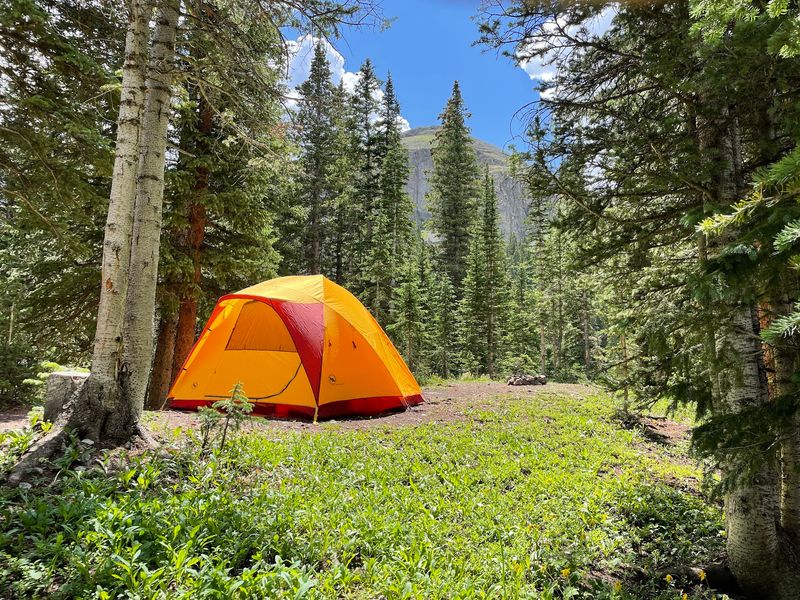
Sleeping under the stars costs nothing near Alta Lakes. Dispersed, primitive camping is free in designated spots close to the water.
Camping isn’t allowed inside the historic townsite itself. Keep your tent near the lakes and let the old buildings rest in peace.
Primitive really means primitive here. Campsites don’t have picnic tables or fire grates, so plan your setup accordingly.
Porta-potties are regularly serviced, which is a nice bonus at this altitude. Still, pack out all trash and leave your site cleaner than you found it.
Stick to the marked sites only. Fragile alpine plants grow slowly, and staying in designated spots protects the area for future campers.
Arriving earlier in the day gives you a better shot at a spot. Summer weekends can get busy, and sites aren’t reserved ahead of time.
Nights get cold at around 11,000 feet and above. A warm sleeping bag and extra layers will make you much happier around sunrise.
Fall asleep near a ghost town, wake up beside a mountain lake. That’s a pretty great story to bring home.
Snow Season Turns The Whole Area Into A Winter Playground
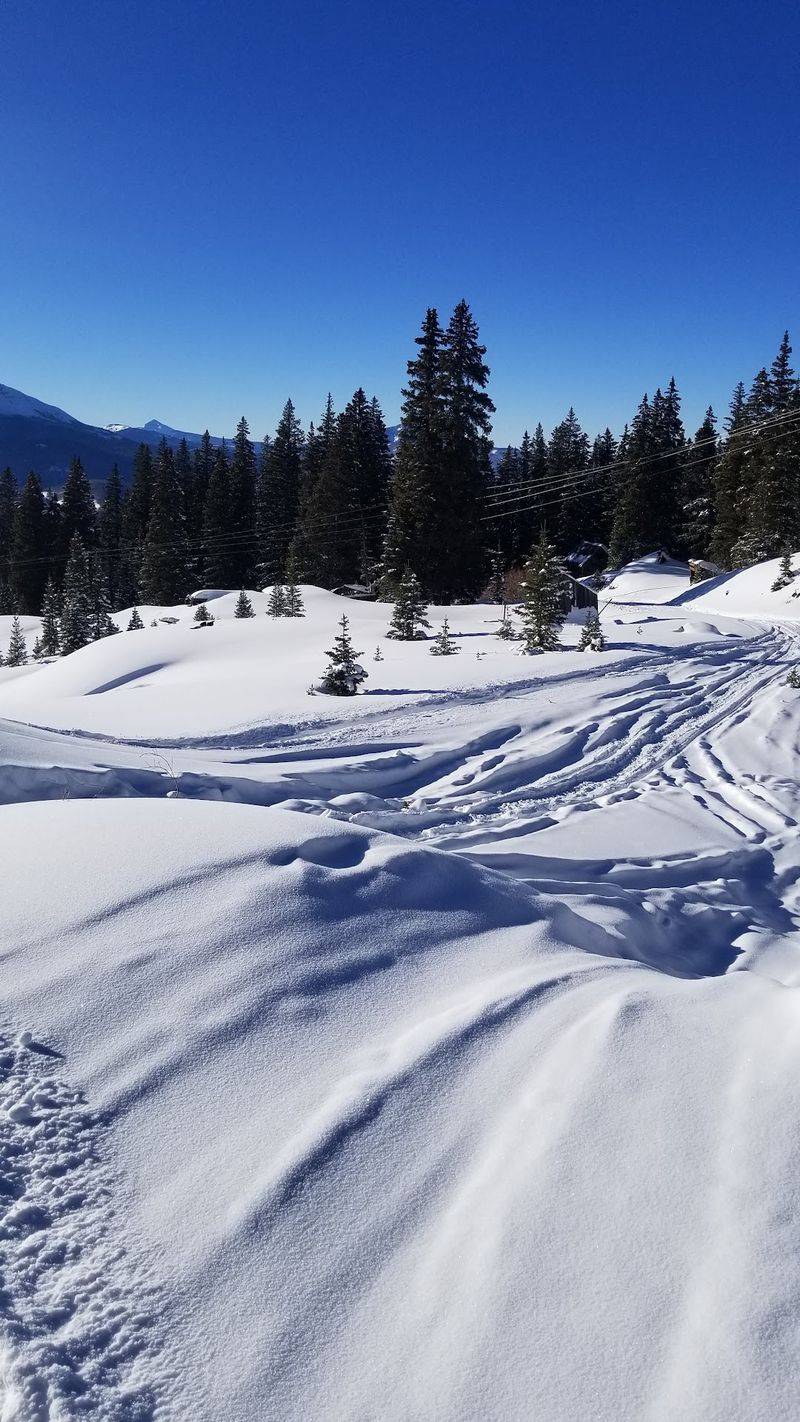
Snowflakes don’t shut down the fun, they just change the rules. Once heavy snow closes the road to cars, the Alta Lakes area becomes a winter destination.
Snowshoeing, snowmobiling, backcountry skiing, and fat biking all happen here in the colder months. Seeing old mining cabins buried in white powder sounds like a postcard waiting to happen.
Backcountry travel needs serious preparation, though. Know avalanche safety, check conditions, and go with experienced partners or a guide.
Meanwhile, the future of Alta Ghost Town has been a hot topic. The owners, Leucadia Financial Corporation, once proposed private residential development after a resort plan was rejected.
They’ve also worked with local groups to protect the site’s historic character. Efforts have included stabilizing the boardinghouse and rehabilitating a cottage.
For now, the townsite remains a preserved historic place open for public viewing. That’s good news for anyone who loves Colorado history.
I believe that makes visiting with respect even more important. Stay on paths, leave everything untouched, and let the next person enjoy the same frozen-in-time magic you did.