
The Colorado Countie Where Black Bears Are Especially Active During Fall
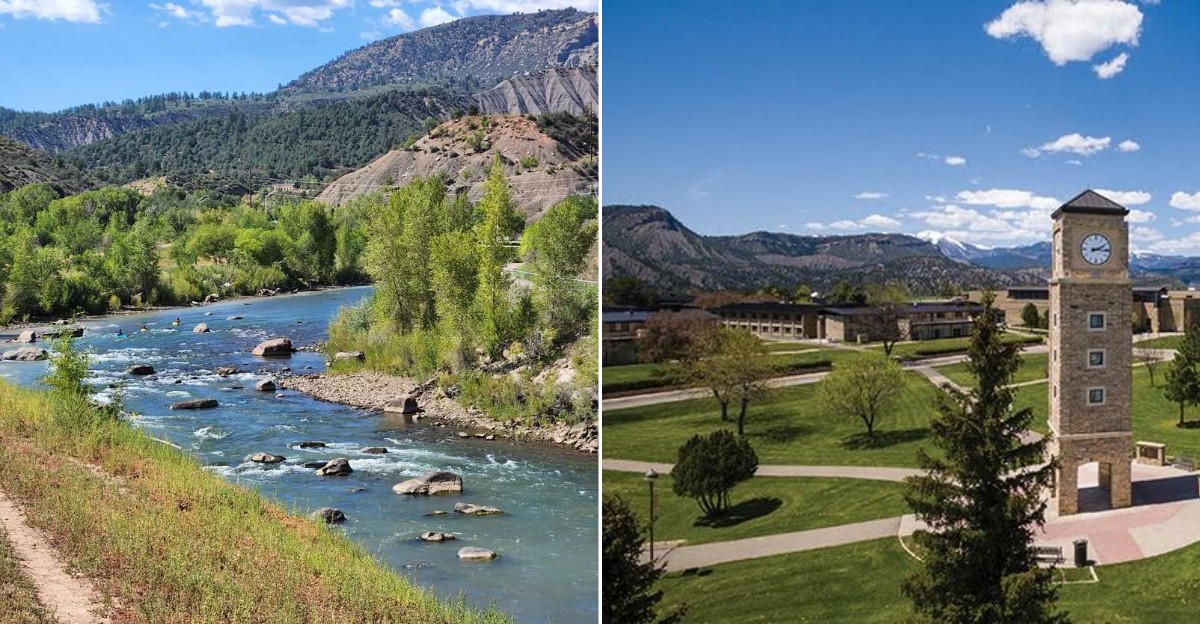
In 2025, one corner of Colorado reported more bear sightings and incidents than any other county in the state. That includes raided trash, stripped fruit trees, and visits to chicken coops.
The reason gets wild every fall. Bears enter a phase called hyperphagia and chase about 20,000 calories a day.
That’s a lot of acorns, berries, and, sadly, unsecured garbage.
I like how honest this place is about the problem. The county has a bear hotline, a trash ordinance, and a local group paying people to buy tougher trash cans.
I believe that says a lot about a community.
So what happens when hungry bears with great memories share a valley with growing neighborhoods? The answer is part science lesson, part survival guide, and part reminder to lock your car doors.
Fall Turns Local Bears Into Round-The-Clock Snack Hunters
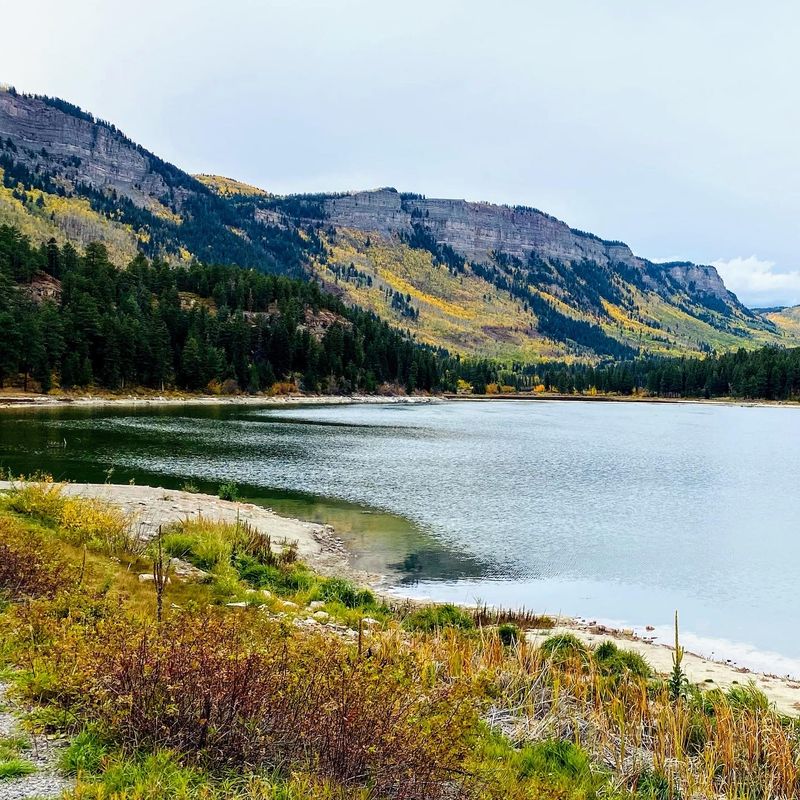
Twenty thousand calories a day sounds like a dare, but bears in La Plata County, Colorado treat it like a job. That daily goal kicks in during late summer and early fall.
Biologists call this phase hyperphagia. It’s a period of intense, almost compulsive eating that gets bears ready for winter.
The stakes are high for every bear. A well-fed bear can gain two to four pounds of fat each day during this stretch.
All that fat has a purpose. Bears need it to survive five to six months in a den with no food or water.
Here’s a detail many people miss. Hibernation is triggered by dwindling food supplies, not simply by cold weather or snow.
That means a bear keeps searching as long as food keeps showing up. An open trash can in October can delay bedtime for a hungry bear.
Most bears start heading to dens in late October or early November. They usually wake up again in late April or early May.
So if you live in or visit the county in autumn, expect busy neighbors. They’re furry, determined, and running on a very strict meal plan.
The Numbers Put This County At The Top Of Colorado’s Bear List
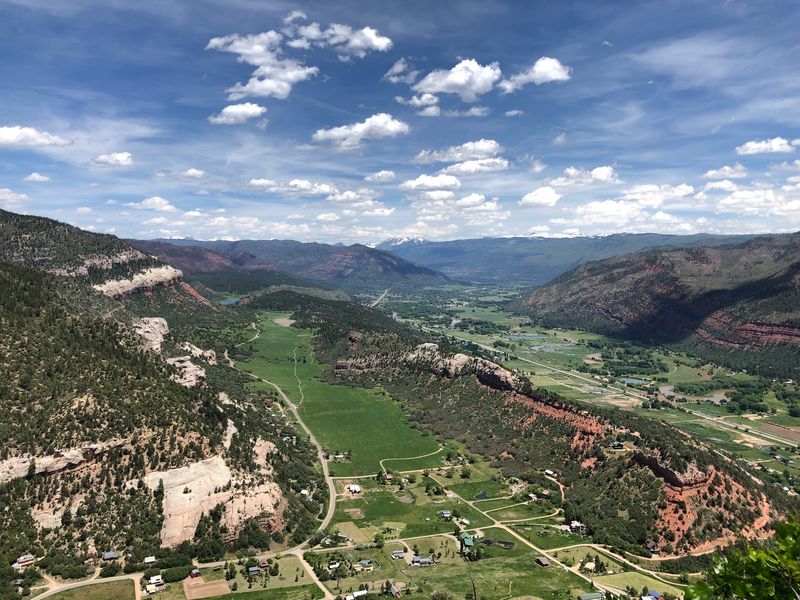
Leading the state isn’t always a trophy. In 2025, La Plata County, including Durango, reported more bear sightings and incidents than any other county in Colorado.
Those incidents covered a long list of trouble. Trash, domestic fruit, crops, chickens, livestock, and orphaned cubs all showed up in the reports.
The year before told a similar story. In 2024, the county accounted for 14 percent of bears euthanized statewide.
It also handled 25 percent of all bear relocations in Colorado. That’s one county carrying a quarter of the state’s bear moves.
Why so busy? Poor natural food years play a big role, especially when late frost or drought hurts acorn and berry crops.
When wild food runs short, bears go looking elsewhere. Human food sources become very tempting, very fast.
Growing neighborhoods add to the mix. As homes spread into bear habitat, run-ins naturally become more common.
None of this means bears are villains. It means the county sits where hungry wildlife and busy people overlap, and fall makes that overlap impossible to ignore.
Good Luck Hiding Dinner From A Nose Like This
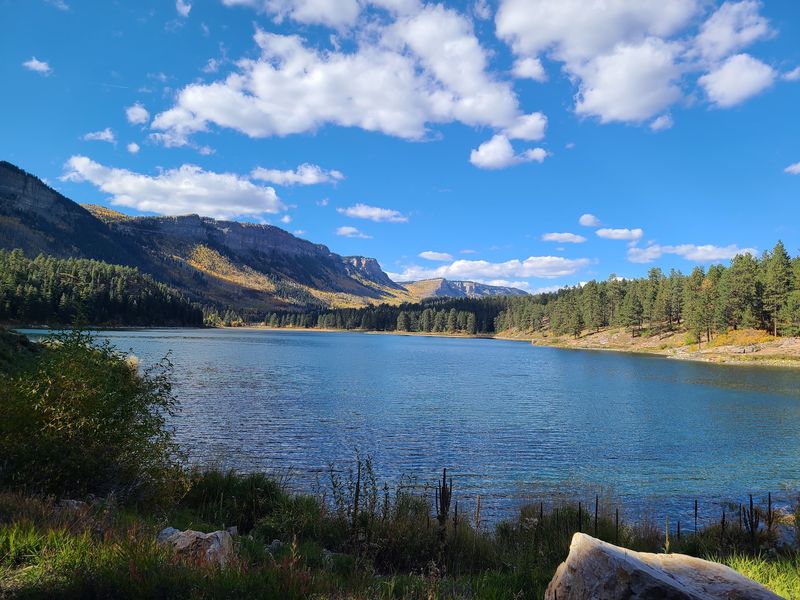
A bloodhound would lose this contest badly. A bear’s sense of smell is about seven times better than a bloodhound’s and 100 times more sensitive than a human’s.
That nose works over huge distances. Bears can detect food up to five miles away.
Think about what that means in a neighborhood. A greasy grill or a bag of trash sends a message across a big chunk of the valley.
Memory makes things even trickier. Black bears are intelligent and remember easy food sources very well.
Once a bear finds a reliable snack spot, it comes back. Again and again, often on a schedule.
Bears aren’t naturally nocturnal, either. Some travel at night simply to avoid people while they look for food.
So a quiet street after dark isn’t always as quiet as it seems. Somebody with a great nose may be checking the menu.
The best defense is boring but effective. Clean up smells, store food inside, and give that powerful nose nothing worth following.
Don’t Expect Every Black Bear To Actually Be Black
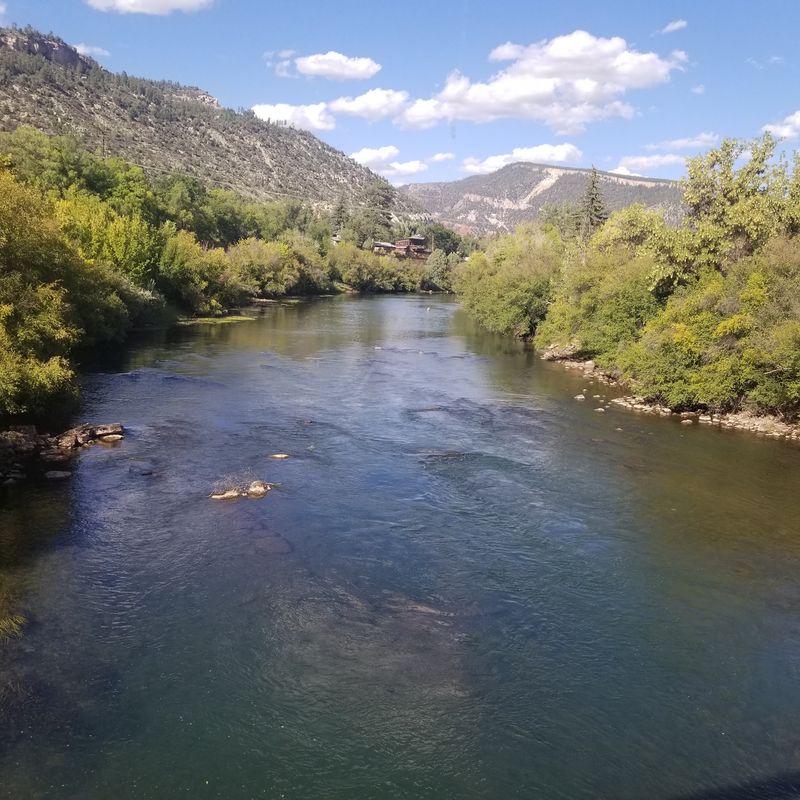
Blond, honey, cinnamon, and chocolate all sound like dessert flavors. They’re also common colors for black bears in Colorado.
In Southwest Colorado, many bears are shades of brown. So that tan bear crossing the road is still a black bear.
In fact, black bears, or Ursus americanus, are the only bear species found in La Plata County. No grizzly guessing needed.
Size changes with the seasons. Adult males average around 275 pounds, while females are closer to 175 pounds.
Weight can swing from 100 to 450 pounds. Food supply and time of year make a huge difference.
Fall bears are usually at their heaviest. All that hyperphagia eating shows up fast.
Cubs stick with their mothers through their first year. They den together through winter and become independent by their second autumn.
That’s why fall can include young bears learning the ropes. A mother bear’s choices often become her cubs’ habits, which is one more reason clean neighborhoods matter so much.
Your Trash Can Is The Most Popular Restaurant In Town
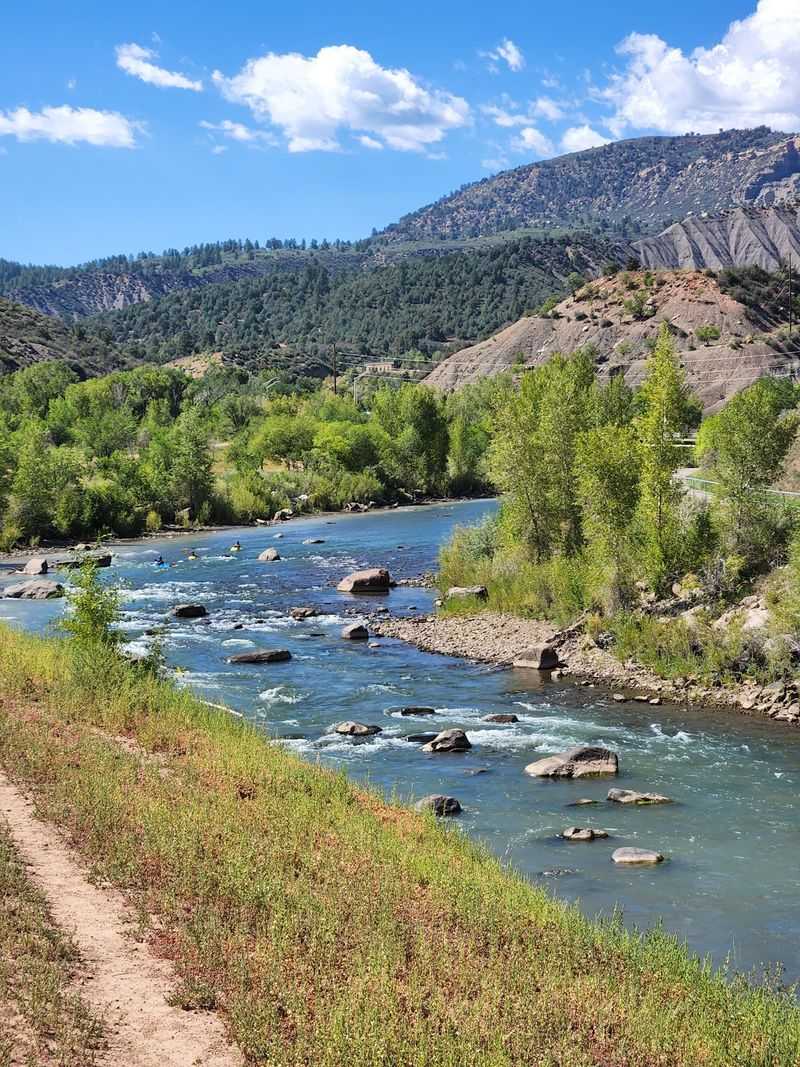
Trash is the number one cause of human-bear conflicts. It’s smelly, easy, and packed with calories.
La Plata County takes this seriously. Its trash ordinance, Section 46-57, sets fines for residents who don’t secure containers from wildlife.
Bear-resistant cans are the go-to fix. They’re built to keep curious paws and strong claws out.
Here’s a nice bonus for residents. Bear Smart Durango offers a rebate to La Plata County residents who buy a bear-resistant trash can.
Timing helps too. Keeping trash secure until pickup day stops a bear from turning your curb into a nightly stop.
Remember that great bear memory? One successful raid can turn into weeks of return visits.
The phrase locals in wildlife work often use is blunt. A fed bear is a dead bear, because food-conditioned bears lose their natural fear of people.
A locked lid feels like a small chore. For a hungry bear, though, it can be the difference between moving on and becoming a repeat problem.
Bird Feeders And Fruit Trees Are Basically Bear Buffets
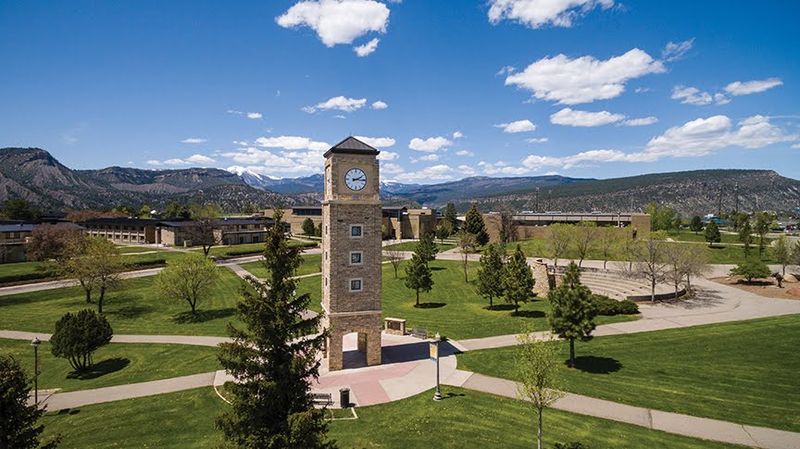
A seven-pound seed tube holds more than 12,000 calories. To a bear in hyperphagia, that’s more than half a day’s goal hanging from a hook.
That’s why bird feeders are a big attractant. Experts recommend taking them down while bears are active, typically mid-March through early November.
Fruit trees cause plenty of trouble as well. Domestic fruit showed up often in the county’s 2025 incident reports.
Picking fruit promptly helps a lot. So does clearing away anything that falls to the ground.
Pet food is another easy target. Feed pets indoors and store their food somewhere secure.
Compost piles can draw bears too. Grills should be cleaned after every use, since leftover grease smells amazing to a bear.
Chicken coops, beehives, and gardens need extra protection. Electric fencing is a recommended way to keep bears out.
None of these steps are complicated. Together, they tell a wandering bear there’s nothing worth sticking around for, which is exactly the message La Plata County, Colorado wants sent.
Lock The Car Like A Bear Knows How Door Handles Work
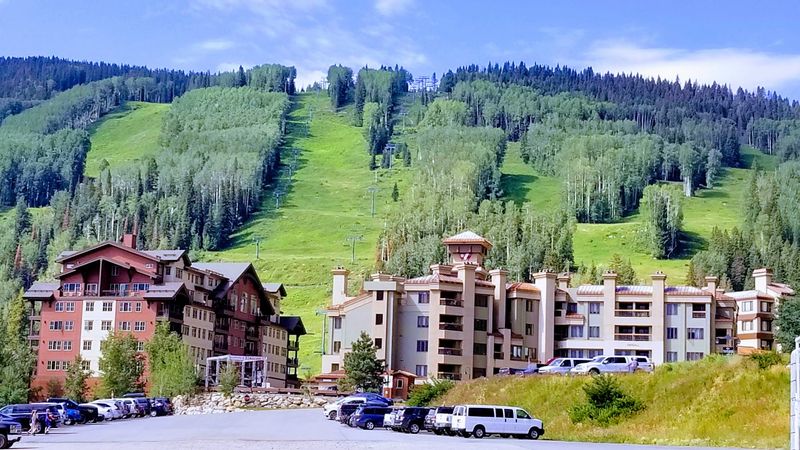
Some bears figure out door handles. That alone should change how you park in La Plata County during fall.
Locking vehicle doors and windows is one of the top recommendations. A snack wrapper or forgotten lunch can be enough to draw interest.
Homes need the same care. Keep house and garage doors and windows locked, especially on ground floors.
An open garage full of pet food or trash is an open invitation. Bears are opportunists, and they notice easy access.
Black bears are generally shy and would rather avoid people. Trouble usually starts when they connect homes with food.
So the goal is simple. Make every home and car feel like a dead end for a bear’s appetite.
If a bear does show up, noise helps. Yelling, banging pots, or using an air horn can scare it away.
That reaction matters for the bear’s future. A bear that learns people mean hassle is far more likely to stay wild and keep its distance.
One Phone Call Can Help Neighbors And Bears Alike
Few counties have a dedicated line just for bears. La Plata County does, and it’s a smart resource.
The La Plata County Bear Hotline lets residents report bear activity. It also helps people get deterrents and assistance with conflicts.
Reporting early matters. It gives wildlife experts a better picture of where bears are causing trouble.
Colorado Parks and Wildlife follows a two-strike policy. Food-conditioned bears that keep causing problems often have to be euthanized for public safety.
Relocation sounds like an easy answer. Sadly, moving those bears is rarely successful, since they often return or repeat the habits.
That’s why prevention gets so much attention. Stopping a problem before it starts protects the bear as well as the neighborhood.
Groups like Bear Smart Durango add even more support. Their education efforts and can rebate give people real tools, not just warnings.
I can’t imagine a better example of teamwork. When neighbors report, secure, and share tips, bears get a better shot at living wild lives in Colorado.
Camping In Bear Country Still Beats Staying Home
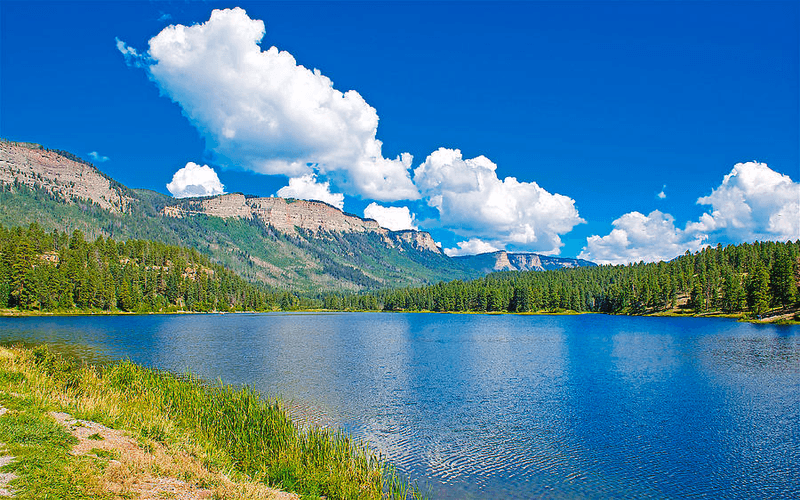
Golden aspens and cool mountain air make fall camping hard to resist. Bears simply happen to love the season too.
The good news? San Juan National Forest campgrounds provide bear boxes for food storage.
Use them for everything with a scent. Food, coolers, and cooking gear all belong locked away when you’re not using them.
Bear spray is another smart item to pack. Carry it and know how to use it before you hit the trail.
Remember that a bear’s natural diet is more than 90 percent grasses, berries, fruits, nuts, and plants. They’d rather forage than face you.
Keeping camp clean keeps it that way. A tidy site gives bears no reason to wander in.
Most Colorado bears stay active from mid-March through early November. Fall trips land right in the busiest eating window.
That shouldn’t scare you off. With a bear box, some spray, and good habits, La Plata County’s wild side becomes something to respect and enjoy rather than avoid.