
This Hidden Maine Bog Is Crawling With Moose, And It’s Wilder Than You Think
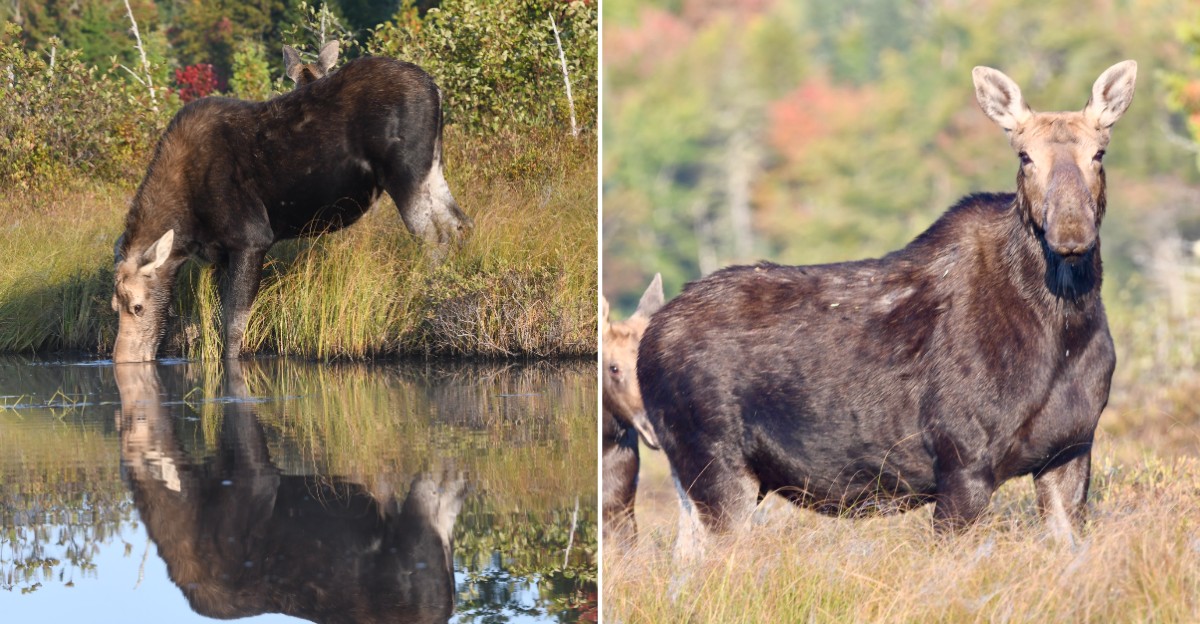
Moose here don’t just wander by one at a time. Seeing several of them in the water at once is not unusual at all.
I had no idea a single wetland could pull that off so reliably.
The secret is a buffet of aquatic plants, cool deep water, and thick mud. That mud works like bug spray for a half-ton animal. Honestly, that one caught me by surprise.
Getting there means bumping down a rugged logging road in northern Maine. Cell service fades fast, and logging trucks rule the route.
Guides have been sending moose seekers to this spot since at least the 1990s.
There’s a free campsite right by the water, with zero facilities and a sky full of stars. Paddlers often get the closest looks around quiet bends. So how close would you dare to drift?
The Moose Odds Here Are Seriously In Your Favor
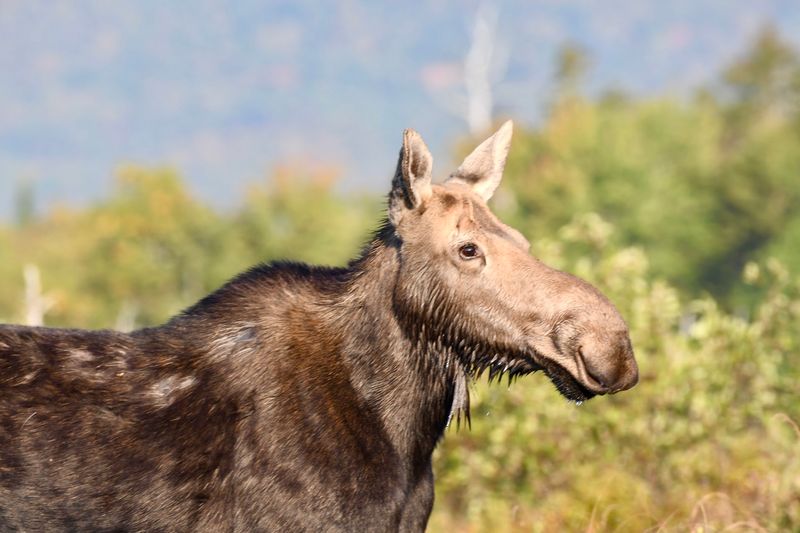
Plenty of folks drive all over the North Woods hoping for one moose. Lazy Tom Bog makes that hunt a lot less frustrating.
It’s widely considered one of the most reliable moose-viewing spots in the whole Moosehead Lake region.
That reputation isn’t new, either. Guides have pointed visitors toward Lazy Tom Bog since at least the 1990s.
So what keeps the moose coming back? The answer comes down to three simple things.
Food, cool water, and mud.
The bog is packed with aquatic plants, which moose munch like salad. Deep water helps them cool off when summer heats up.
Thick mud protects their hides from biting bugs, which is a pretty smart trick.
Spotting more than one moose at a time here isn’t rare. Some lucky visitors see a small crowd of them wading together.
That’s a sight most people never forget.
Still, moose are wild animals, not scheduled performers. Some trips will come up empty, and that’s part of the deal.
Pack patience along with your snacks.
Treat any sighting like a gift. Keep a respectful distance, stay quiet, and let the animals carry on with their day.
They were here first, after all.
Set Your Alarm Early, Because Moose Keep Odd Hours
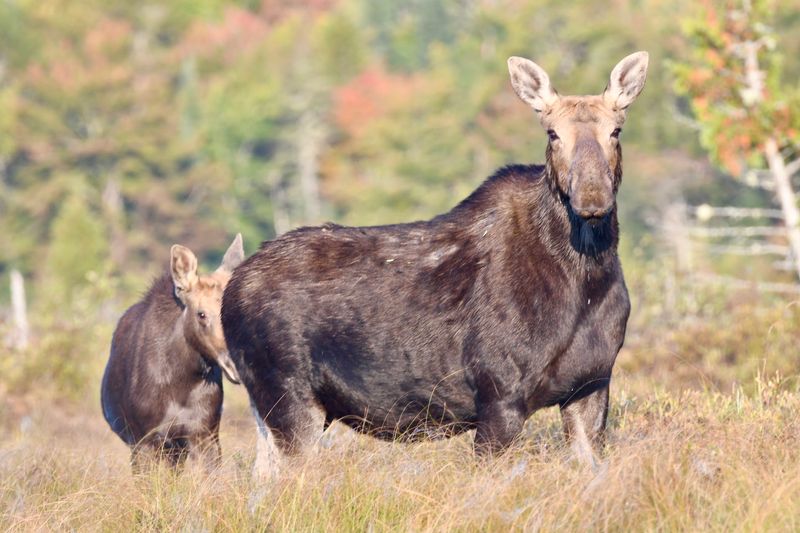
Sleeping in is a terrible moose-watching strategy. These big animals are most active at dawn and dusk.
Midday trips often mean staring at very empty water.
Timing the season matters just as much as timing the day. Late spring, in May and June, is a strong pick.
Moose look for salt along roadsides and fresh greens in bogs then.
June and July bring something extra sweet. That’s prime time for spotting cows with their calves.
A gangly baby moose trailing its mother is pure charm on long legs.
Early fall is another great window. September and October mark the rut, which is the moose mating season.
Bulls get busier and more noticeable during those weeks.
Of course, a rutting bull deserves a lot of space. He’s focused on romance, not on making friends with tourists.
Give him the whole bog if he wants it.
A smart plan is to arrive before sunrise and stay a while. Then come back for the evening shift.
Two chances in one day beat one rushed visit every time.
Bring a warm layer for those early mornings. Maine dawns can feel chilly, even in summer.
Grab A Paddle And Peek Around The Next Bend
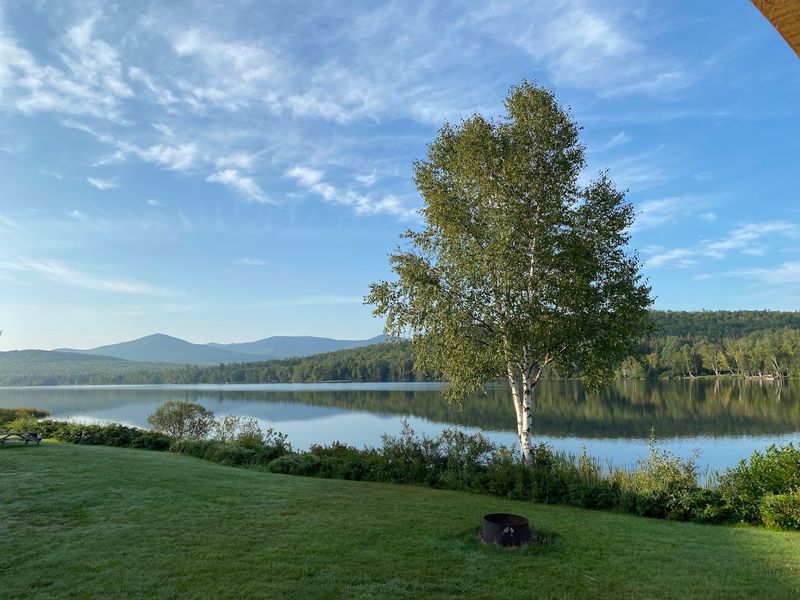
Roadside viewing is fine, but paddlers hold the winning ticket. Lazy Tom Bog is well suited for exploring by canoe or kayak.
The water lets you slip into places a car simply can’t reach.
Moose often hang out just around the bends of the waterway. From the road, those curves hide a lot of the action.
From a boat, you can drift right into view.
Quiet paddling makes a huge difference here. Smooth strokes and low voices help you blend in.
Splashing and chatter tend to end the show early.
The water system adds to the appeal. Lazy Tom Stream Reservoir feeds into the bog.
The result is a connected wetland that supports plenty of wildlife.
There’s also a small, shallow pond inside the bog called Lazy Tom Pond. Wetland plants surround it on all sides.
It’s the kind of calm water that makes paddling feel easy.
Bring your own boat, since no facilities exist on site. A life jacket belongs on every paddler, no exceptions.
Remote water means help is far away.
Keep plenty of room between your boat and any moose. Floating doesn’t make you invisible, and a startled moose is no joke.
The Road In Is Half The Adventure
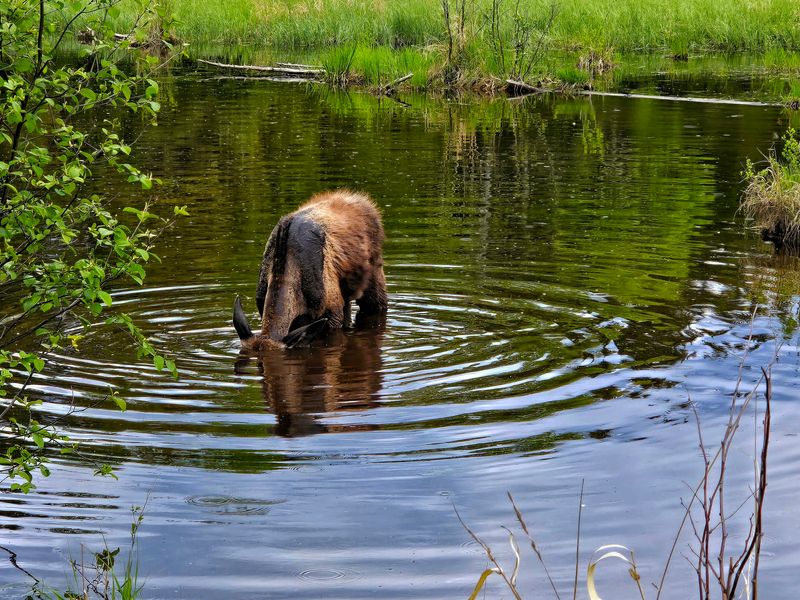
Smooth pavement does not lead to this bog. Access comes by Spencer Bay Road, a rough, unpaved logging road.
High-clearance vehicles are the smart choice.
The bog sits in Frenchtown Township in Piscataquis County, Maine. It’s close to the tiny outpost of Kokadjo, in the greater Moosehead Lake area.
Look for the primitive campsite just past a bridge on Spencer Bay Road.
Map apps can get confused out here. Some searches send people to the wrong spot entirely.
Asking at local stores or lodges for current directions is a wise move.
Logging trucks use this road often, and they need room. Pull over and let them pass.
They’re working, and you’re sightseeing, so courtesy goes a long way.
Other moose hunters stop near the bridge too. Tour groups and fellow visitors may share the view.
Park carefully so nobody blocks the road.
Fill your gas tank before heading in. Services are scarce, and cell signal is spotty or missing.
Download maps ahead of time.
A North Maine Woods day-use fee may apply depending on your route. Check before you go, so there are no surprises at a gate.
Free Camping With Moose For Neighbors
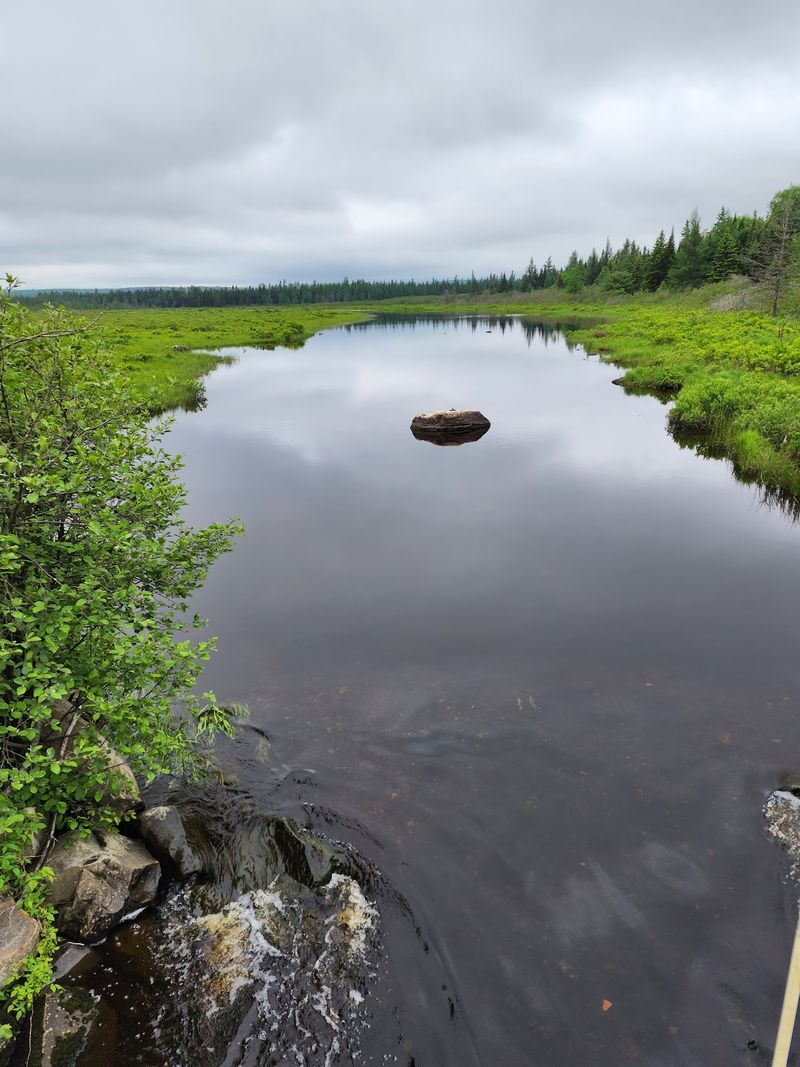
Free campsites with wildlife views are rare treasures. The Lazy Tom Bog Primitive Campsite costs nothing to use.
It runs on a first-come, first-served basis.
Primitive really means primitive here. There are no facilities at all.
No water spigot, no restroom, and no camp store waiting around the corner.
That means packing like a pro. Bring all your drinking water, plus hand sanitizer and a trowel.
Everything you carry in should leave with you.
The payoff is huge, though. The site sits among wetlands and thick spruce-fir forest.
You’re basically camping inside a wildlife corridor.
Waking up this close to moose country means no long morning drive. You can unzip the tent and start scanning the water.
That’s a commute worth bragging about.
Arriving early improves your chances of grabbing the site. Since there’s no reservation system, timing is everything.
Have a backup plan in case someone beat you there.
Store food carefully and keep a tidy camp. Wild neighbors appreciate good manners, and so does the next camper.
Leave the spot nicer than you found it.
Bring The Long Lens, Not Your Courage
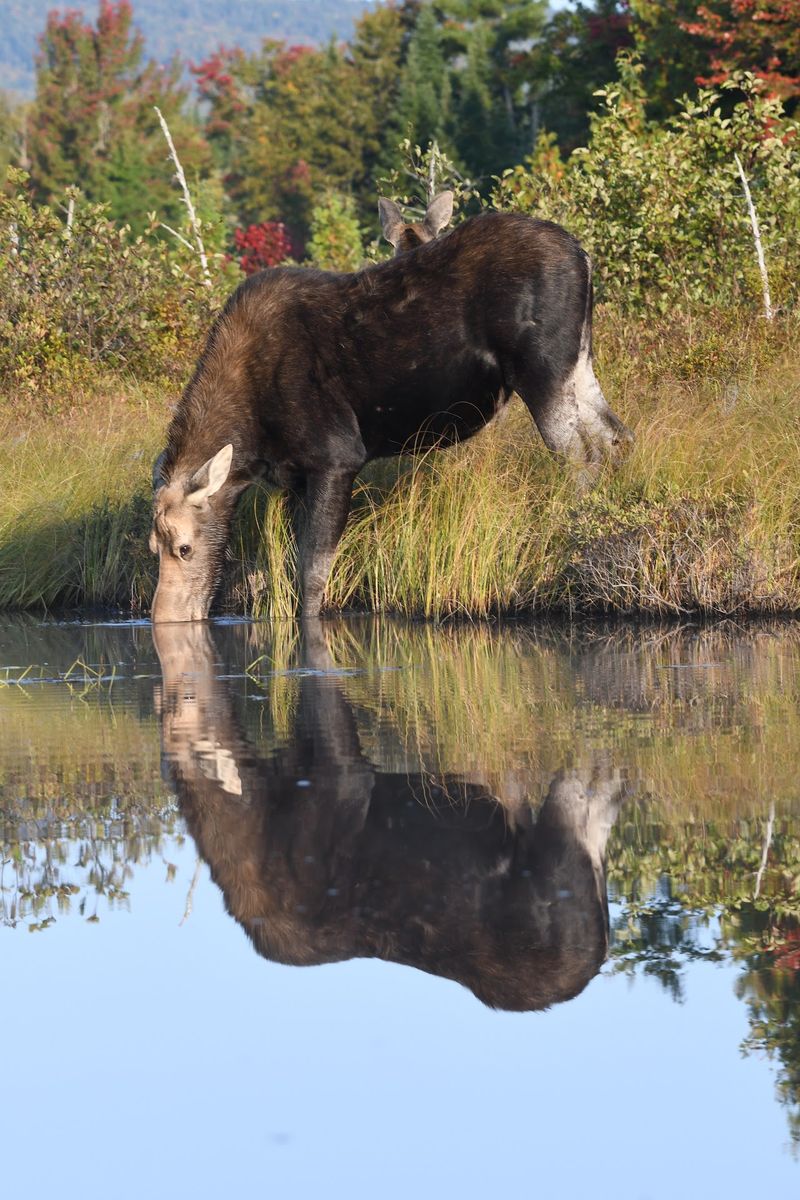
Golden light and giant animals make a photographer’s dream combo. Dawn at Lazy Tom Bog often brings soft, glowing light.
Mist and still water only add to the mood.
A 300mm lens or longer is the recommended tool for wildlife shots. That reach lets you fill the frame without crowding the moose.
Your safety and the animal’s comfort both stay intact.
Phones can still grab nice scenery shots. Just don’t try to zoom by walking closer.
A moose that feels pressured may react fast.
A tripod or a steady rest helps in low morning light. Shaky hands and slow shutter speeds rarely mix well.
A car window or a sturdy kayak brace can work in a pinch.
Patience is the real secret ingredient. Moose may stand still for ages, then suddenly lift a dripping head from the water.
Be ready for that moment.
Don’t forget the wider view, either. Reflections on calm water make beautiful landscape shots.
A moose in the corner of a big scene can tell a better story.
Extra batteries are a must. Cold mornings drain them faster than you’d think.
Mountains, Moss, And A Sky Full Of Stars
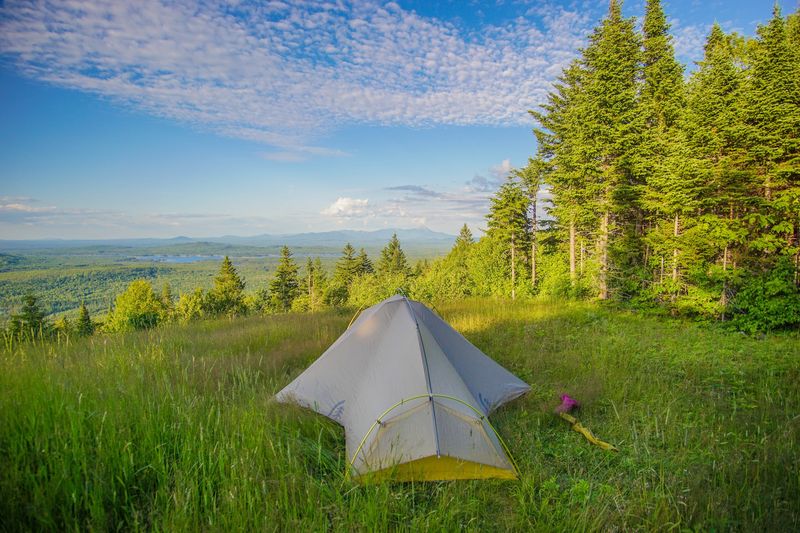
Moose get top billing, but the scenery deserves its own applause. Lazy Tom Bog offers views of Big Spencer and Little Spencer mountains.
Their shapes rise above the wetland like a painted backdrop.
Still water mirrors the sky on calm days. Mossy trails and dark spruce trees frame the edges.
The whole place feels like classic North Woods Maine.
Night brings a whole new show. With almost no light pollution, the stars come out in force.
Campers get a front-row seat.
Bring a blanket and let your eyes adjust. The longer you look, the more stars appear.
It’s a free planetarium with better seating.
Quiet is part of the scenery too. Away from towns and traffic, small sounds stand out.
Frogs, birds, and water become the soundtrack.
A headlamp with a red-light setting helps protect your night vision. It also keeps camp from glowing like a stadium.
Your fellow stargazers will thank you.
Early mornings give the mountains a soft glow. Pair a sunrise moose watch with a mountain view, and you’ve got a seriously good start to the day.
Your Last Stop For Supplies Has A Famous Sign
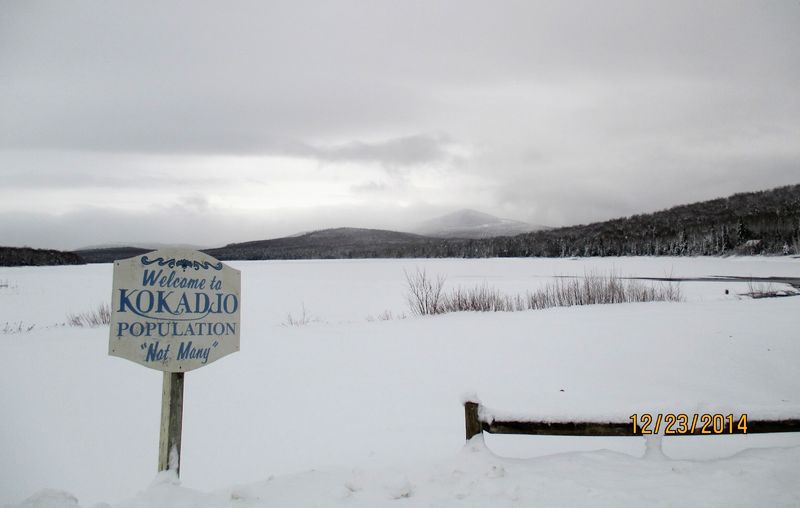
Kokadjo might be the most honest town in Maine. Its unofficial slogan is Population: Not Many.
That pretty much says it all.
This small settlement sits close to Lazy Tom Bog. It’s the nearest spot for basic supplies and hot meals.
You can also pick up local trail information there.
Treat it as your final check before heading into the woods. Grab forgotten snacks, top off essentials, and ask about road conditions.
Local tips can save you a wrong turn.
Remember, the bog itself has nothing for sale. No water, no food, and no restrooms wait at the campsite.
Kokadjo is your safety net.
A warm meal after a chilly dawn watch sounds pretty great too. Moose spotting builds an appetite.
Plan your morning so you can refuel afterward.
Greenville sits farther south and offers more services. Rockwood, about 20 miles north of Greenville on Route 6/15, has a general store and lodges.
Both are good places to ask for current directions.
Small places like Kokadjo keep the region running. A friendly hello and a little patience go a long way out here.
Turn One Moose Trip Into A Whole North Woods Week
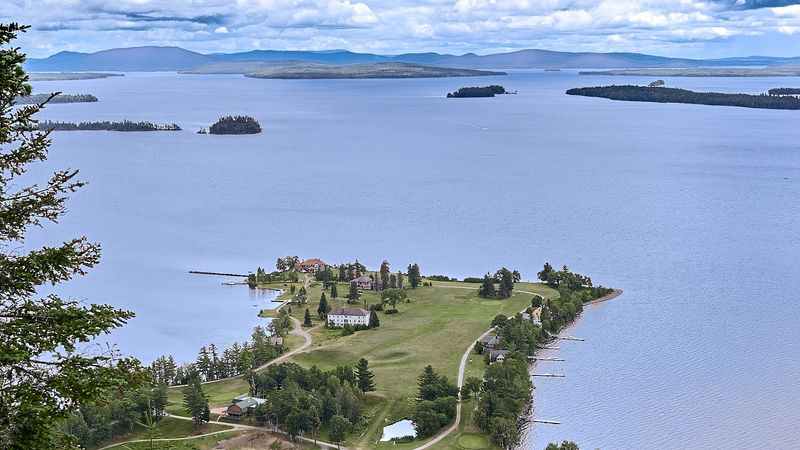
Once you’ve seen a moose or two, the rest of the region starts calling. Lazy Tom Bog sits in the Moosehead Lake area.
That region has some of the highest moose numbers in Maine.
Mount Kineo is a favorite side trip. It’s reached from Rockwood and offers hiking with big views of Moosehead Lake.
The cliffs look dramatic from almost any angle.
Hikers have another option nearby. Remote sections of the Appalachian Trail are a short drive from the bog.
A day hike on that famous path makes a great add-on.
Spring visitors sometimes come for shed hunting. Moose drop their antlers, and early spring is the time people search for them.
Finding one feels like winning a woodland treasure hunt.
Backcountry hiking around the area keeps things wild. Trails here feel far from busy parks.
Pack a good map, since signal is unreliable.
Mix it all together for a solid trip. Dawn at the bog, midday on a mountain, and evening back at the water.
That’s a schedule built for moose fans.
Just leave room in the car for stories. You’ll have plenty.