
11 Michigan Towns Where Underground Railroad Stories Come Alive Along The Freedom Trail
A church in Michigan once sheltered people racing toward Canada, and you can still tour it today. The congregation behind it was started in 1836 by 13 formerly enslaved people. Records credit it with helping about 5,000 people reach freedom.
That story is only one stop. Across Michigan, Quaker farmhouses, quiet cemeteries, and even a working train station hold pieces of the same daring network. Some sites even earned a spot in a National Park Service program.
What stays with me is how many of these places are still standing. You can climb into an attic where freedom seekers hid. You can stand at a station where they once waited to head north. Michigan’s Underground Railroad sites make for a history-filled road trip through churches, homes, and landmarks connected to the journey toward freedom.
The stories are brave, surprising, and much closer than a history textbook might make them feel. Each stop offers a different glimpse into the people who risked so much.
11. Cassopolis
A Quaker farmer’s attic in this corner of Cass County once worked as a secret guest room. Stephen Bogue settled here in 1830, and his home sheltered many freedom seekers bound for Canada.
Bogue did more than open his door. He founded the Friends Anti-Slavery Society in 1843, which tells you he meant business.
Today the Underground Railroad Society of Cass County owns the Stephen Bogue House. The group bought it in 2018 to protect it and share its story.
The best part might surprise you. Visitors can explore the attic where people once hid, which makes history feel very real and very close.
The house also played a central role in the 1847 Kentucky Slave Raid. Slave catchers came north hoping to grab people, and this community pushed back.
Don’t leave town without visiting Brownsville School #1 at 20559 Osborn St. The one-room schoolhouse opened in the mid-1840s and was integrated from its first day.
Students of different races learned side by side there until it closed in 1957. That’s more than a century of sharing desks, which is pretty remarkable.
Tours run May through October, Monday through Friday, from 2 to 5 p.m. Docents help explain the history, and private tours can be arranged.
Wear comfy shoes if you plan to climb up there. Old attics weren’t built with modern visitors in mind, after all.
Plan to visit both sites in one afternoon. Bring your questions, because the docents clearly have stories to share.
Address: M-60 and Crooked Creek Rd., Cassopolis, MI
10. Vandalia
Plenty of folks buy land to farm. James E. Bonine bought land in 1853 and then invited freedom seekers and free Black families to settle on it.
That bold welcome shaped this small Michigan village. Today two Bonine buildings sit on opposite sides of M-60, like bookends to the story.
The James E. Bonine House stands at the corner of M-60 and Penn Rd. Crews are restoring it as an education and community events center.
Once finished, it will highlight local Quakers, Free Black pioneers, and other abolitionists. In other words, it shines a light on neighbors who took real risks together.
Across the road, the James E. Bonine Carriage House has its own job. It’s a documented Underground Railroad station, which puts it in a special category.
The carriage house is being restored as a period farm museum. You’ll get a sense of how rural life and secret rescue work overlapped here.
Both properties belong to the Underground Railroad Society of Cass County. Tours run May through October, Monday through Friday, from 2 to 5 p.m.
Can’t make those hours? Private tours can be arranged, which is handy for families or small groups.
Vandalia sits just a short drive from Cassopolis along M-60. Pairing the two makes for a full, meaningful day without much time in the car.
Restoration work means the sites keep changing. A return trip in a year or two could show you something new.
Address: M-60 and Penn Rd., Vandalia, MI
9. Schoolcraft
Kalamazoo County’s first doctor had a second, secret practice. Dr. Nathan Thomas, a Quaker abolitionist, opened his home as an Underground Railroad station in the early 1840s.
He and his wife, Pamela, didn’t do it halfway. They’re estimated to have given food and shelter to between 1,000 and 1,500 freedom seekers from 1840 to 1860.
The house was first built in 1835. Additions came in 1840 to fit a growing family and the extra guests who needed hiding.
Freedom seekers sometimes hid upstairs under the eaves. Squeezing into that slanted space must have taken real courage.
Now for a fun twist. The whole house was moved to its current spot in 1868, so it has done some traveling of its own.
The Schoolcraft Historical Society runs the Dr. Nathan Thomas House. Big renovation work wrapped up on October 4, 2025, so the place looks fresh for visitors.
Tours are by appointment only. That means you’ll want to reach out ahead of time instead of just showing up.
The upside of booking? Smaller visits often give you more time to ask questions and soak up the details.
Schoolcraft is a small village south of Kalamazoo. It’s easy to fit this stop into a drive between Cass County and Battle Creek.
Hiding places tend to stick in the mind far better than dates in a textbook. Bring younger travelers and see what questions they ask.
Address: 613 E. Cass Street, Schoolcraft, MI 49087
8. Battle Creek
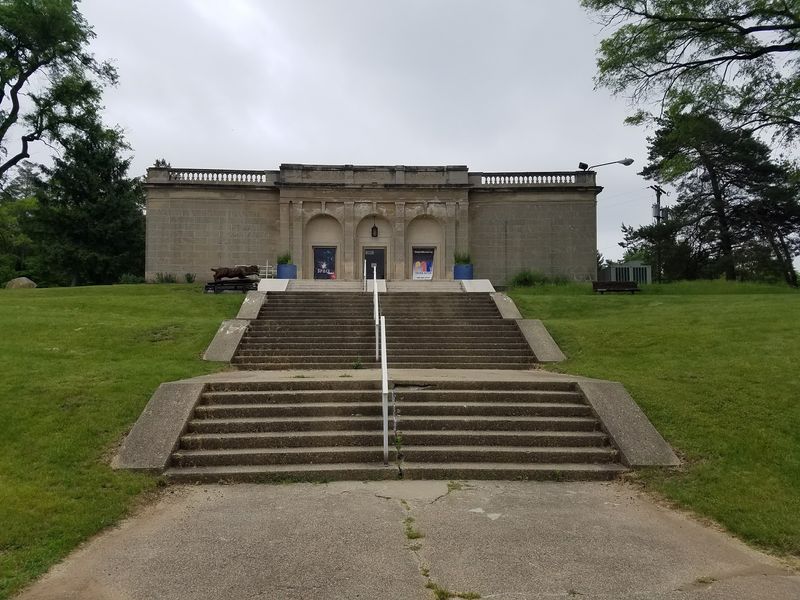
Twenty-eight feet long and fourteen feet high, Battle Creek’s bronze Underground Railroad Monument isn’t shy. It’s the largest monument dedicated to the Underground Railroad.
Find it in Linear Park, open to visitors daily. The sculpture was dedicated in 1993 to honor the city’s role as a key waystation.
Walk around both sides, because each tells a different story. One side shows Quaker stationmasters Erastus and Sarah Hussey helping freedom seekers.
The other side features Harriet Tubman leading people north. Seeing both together reminds you how many hands it took to make this network work.
Next, head to One Michigan Ave to find where the Husseys once lived and ran a dry goods store. A historical plaque now marks the spot at the Kellogg Foundation’s parking ramp.
Yes, a parking ramp. Big stories sometimes hide in plain places.
The Husseys hid freedom seekers in their home and store starting around 1840. Estimates say they helped between 1,000 and 2,000 people.
Erastus also edited the Michigan Liberty Press, an antislavery newspaper. So he spoke out in print while sheltering people in secret.
In October 2024, the site joined the National Underground Railroad Network to Freedom. That’s a big honor for a spot many drivers pass without noticing.
Snap a photo at the monument, then read the plaque. The two stops together take little time and pack a lot of meaning.
Address: 256 W. Van Buren Street, Battle Creek, MI 49017
7. Marshall
In 1847, a whole town stood up to slave catchers, and the town was Marshall. Adam Crosswhite had escaped slavery and settled here with his family.
When Kentucky slave catchers arrived, Marshall residents protected the Crosswhites. The Crosswhite Affair played a big role in the passage of the Fugitive Slave Law.
It also heightened anti-slavery feelings. Not bad for a small Michigan town.
The Crosswhite family came back to Marshall after the Civil War. You can visit Adam Crosswhite’s grave at Oakridge Cemetery, established in 1839.
Several notable abolitionists rest there too. The grounds are open daily, and the office keeps weekday hours.
Nearby, a 1923 historical marker honors Crosswhite at the site of his former home. Seek it out for a fuller picture of where his story unfolded.
Take a quiet moment at the Crosswhite grave. Courage like his family’s deserves a pause, not a rushed selfie.
Then swing by the National House Inn Bed & Breakfast at 102 South Parkview. Built in 1835, it’s Michigan’s oldest operating hotel.
The inn is believed to have been an Underground Railroad stop. During 1976 renovations, workers found a hidden room in the basement.
The owners believe that room hid freedom seekers. It’s a great reason to book a night and soak up the old building’s history.
Check-in starts at 3 p.m., and late arrivals can be arranged on request. A cemetery visit by day and a historic inn by night makes a memorable combo.
Address: 614 Homer Rd, Marshall, MI 49068
6. Jackson
Trains still roll through a Jackson station where freedom seekers once waited. The Jackson Train Station is the longest continuously operating passenger rail station in the nation.
In May 2023, it joined the National Underground Railroad Network to Freedom. Many freedom seekers passed through on their way toward the Canadian border.
Standing there gives you chills in the best way. Modern travelers check their phones in the same place others once hoped for freedom.
Next, visit Mt. Evergreen Cemetery on Greenwood Ave. It’s also part of the Network to Freedom program.
Eight Jackson residents tied to the Underground Railroad rest there. One freedom seeker’s headstone even mentions the journey on the Underground Railroad.
A Michigan Historical Marker helps explain the site. Take your time reading it before you wander the grounds.
First Congregational Church at 120 N Jackson St was founded by Underground Railroad agents. The Romanesque Revival church joined the anti-slavery movement in the 1840s.
Then drive up to Under the Oaks Park. A stone monument marks where the Republican Party formed on July 6, 1854.
That event shaped the fight against slavery before the Civil War. It’s wild to stand where such a big moment began.
The Experience Jackson Tours app guides you to several of these landmarks. Download it before you go and let it play tour guide.
Jackson packs a surprising amount of history into one city. Give yourself a full afternoon so you aren’t rushing between stops.
Address: 501 E Michigan Ave, Jackson, MI 49201
5. Brooklyn
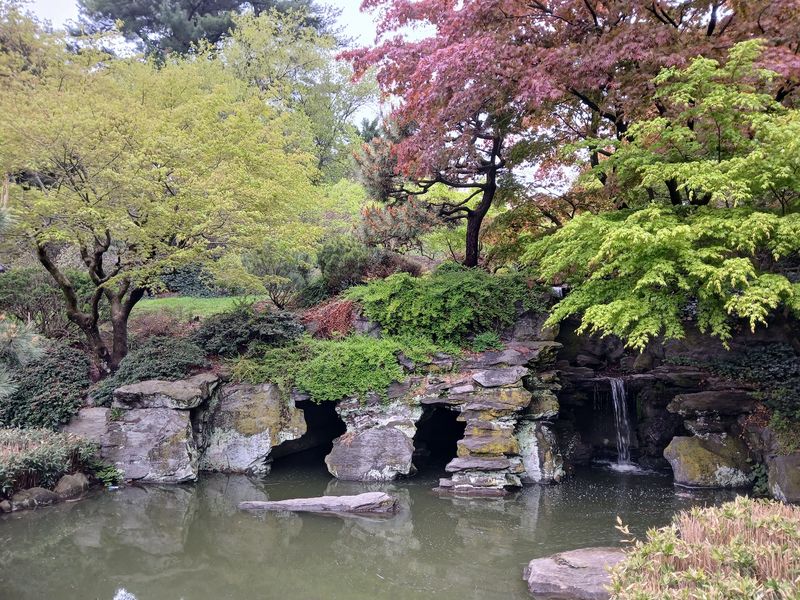
Peaceful fields can keep big secrets. Watkins Lake State Park and County Preserve sits on land once owned by Royal Watkins, an Underground Railroad supporter.
Watkins set up his farm here in 1834. Back then, it was known as Watkins Farm, and it offered help to people traveling north.
In 1847, the quiet farm turned dramatic. Slave catchers tried to kidnap John White, a self-freed man, right on this property.
The attempt failed. White’s story continues in Ann Arbor, where you can later visit his grave at Fairview Cemetery.
In 2020, the National Park Service welcomed the site into its Network to Freedom program. That puts this rural spot alongside famous city landmarks.
What makes Brooklyn special is the open space. You can walk the land and think about history without walls or display cases.
Bring good walking shoes and maybe binoculars. A state park visit doubles as a nature outing and a history lesson.
Michigan’s Freedom Trail stories often focus on houses and churches. Here, the story lives in the fields and lakeside land itself.
Pack a snack and take it slow. Few history stops let you stretch your legs this much.
Try telling John White’s story while you stand on the property. It hits differently when you’re right where it happened.
Visit in different seasons for a new look at the landscape. Spring fields and autumn leaves give the same story a fresh backdrop.
Address: 14801 Arnold Road, Brooklyn, MI 49230
4. Adrian
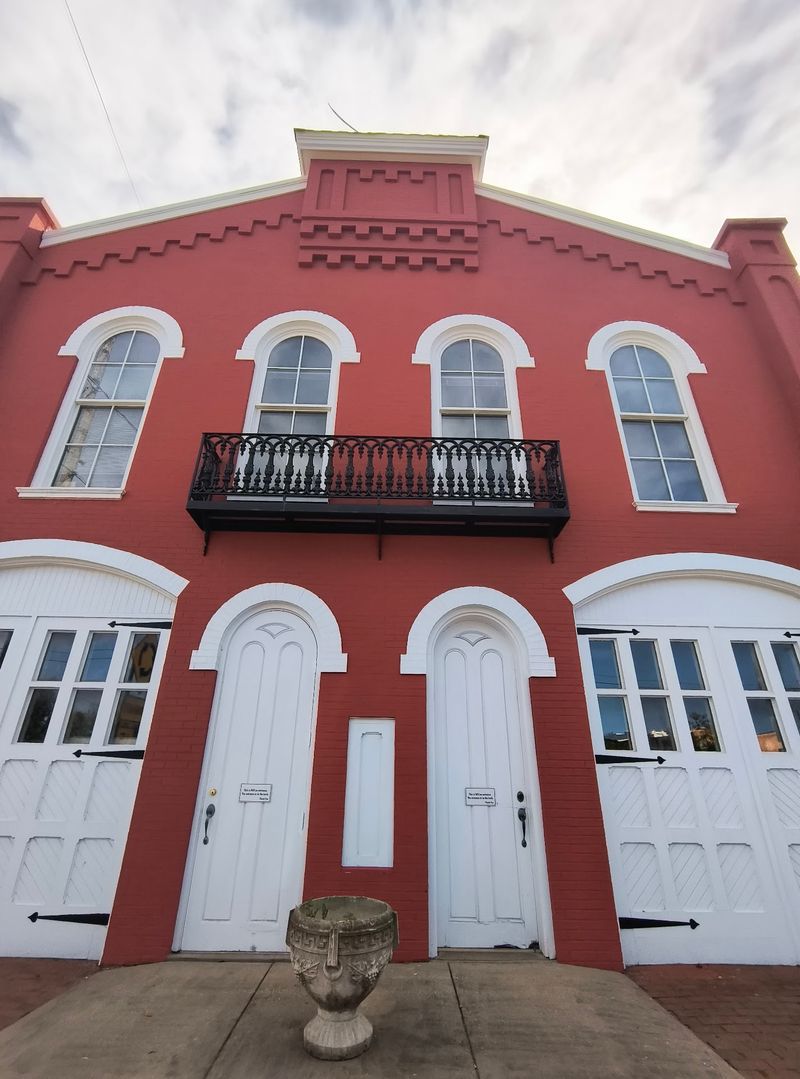
A drinking fountain might seem like an odd way to honor a hero. In Adrian, the Laura Smith Haviland Commemorative Drinking Fountain does just that.
Haviland was an abolitionist, educator, author, and human rights advocate. She was active in the anti-slavery movement starting in the 1830s.
In 1837, she founded the Raisin Institute, Michigan’s first integrated school. She also played a major role in the Underground Railroad.
The fountain stands near the Lenawee County Historical Museum. Stop for a photo, then head inside for more of her story.
The museum at 110 E. Church St. holds a real treasure. Haviland’s diary from the 1890s describes her friendship with Sojourner Truth.
Two famous freedom fighters, swapping stories as friends? That detail alone makes the visit worth it.
Haviland’s life shows that teaching can be a brave act. Opening an integrated school in the 1830s took real nerve.
Adrian makes a great stop for students and teachers. Her story connects classrooms and courage in a way that feels relevant today.
Ask museum staff about her school and her work. Quick tip: write your questions down before you go so you don’t forget.
Haviland’s name pops up across southeast Michigan history. Once you learn about her, you’ll start spotting her influence in other Freedom Trail stories.
Then take a slow lap around downtown Adrian. Picturing her era here helps the museum’s stories sink in.
Address: 110 E. Church St., Adrian, MI 49221
3. Ann Arbor
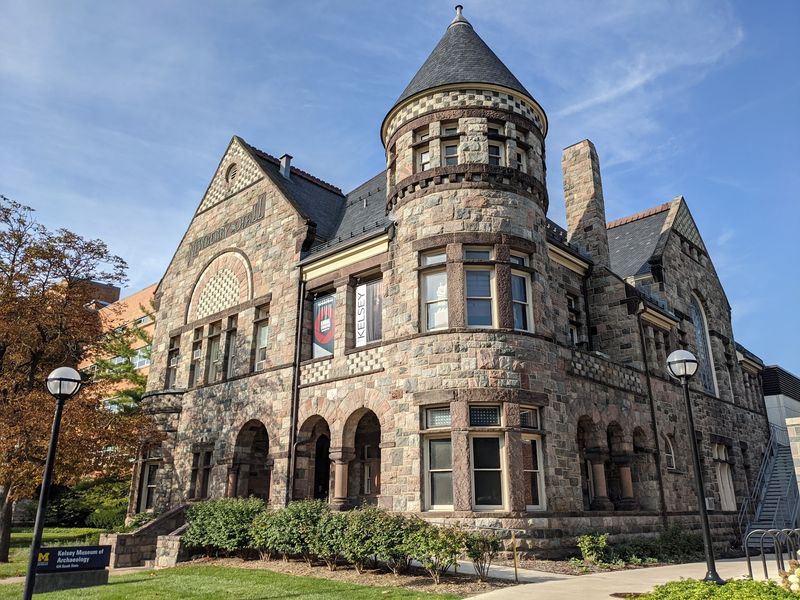
Tour buses usually mean souvenir shops, but this one means history. The African American Cultural and Historical Museum of Washtenaw County runs the Journey to Freedom Underground Railroad Bus Tour.
The three-hour ride visits verified Underground Railroad sites in Ann Arbor and Ypsilanti. It’s a member of the National Park Service Network to Freedom program.
Stops highlight where the Michigan Anti-Slavery Society was founded. You’ll also learn where The Signal of Liberty newspaper was printed.
That paper connects to the Guy Beckley House at 1425 Pontiac Trail. Reverend Guy Beckley moved to Ann Arbor in 1839 and published The Signal of Liberty from 1841 to 1846.
Built around 1842, the house has thick stone walls and handmade bricks. It sheltered Caroline Quarlls, a freedom seeker, on her journey.
The house is a private home, so admire it from outside. Please respect the owners while you take in the view.
Fairview Cemetery at 1401 Wright St. holds another key story. John Felix White, who escaped slavery in 1844, rests there.
Remember the failed 1847 kidnapping at Watkins Farm in Brooklyn? White was the man slave catchers targeted, and they didn’t succeed.
Ann Arbor is often known as a college town. These sites show it was also a center of brave, organized resistance.
Tours need advance booking and a minimum of six people. Gather friends or family to make it happen.
The museum also offers 90-minute walking tours. Pick the option that fits your group’s energy level.
Address: 3261 Lohr Road, Ann Arbor, MI
2. Ypsilanti
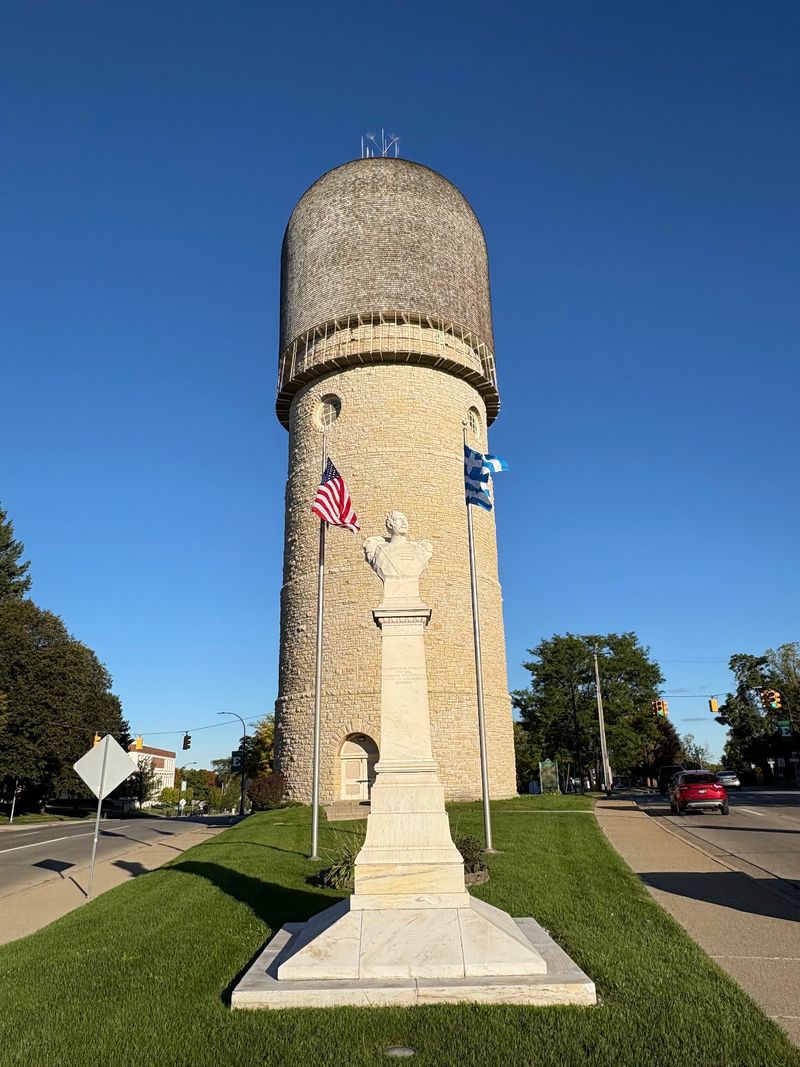
Ypsilanti sat where two major Underground Railroad routes met. That made the city a critical station for people moving toward Detroit and Canada.
Start with the Starkweather Farmhouse at 1266 Huron River Drive. Built in 1844, it ranks among Ypsilanti’s most historic houses.
George and Millie McCoy had escaped slavery and later settled on the Starkweather Farm. From the late 1850s, they actively supported the Underground Railroad.
George had a clever trick. He hid freedom seekers among goods while traveling to Detroit.
Want a bonus fact? George was the father of Elijah McCoy, the famous inventor.
The McCoy Cabin once stood on the farm too, though it’s gone now. The farmhouse has been restored and is often viewed from outside.
The Journey to Freedom bus tour from the African American Cultural and Historical Museum of Washtenaw County includes Ypsilanti sites. It highlights local Black community history and the city’s role in the network.
Booking ahead is required for the tour. Groups need at least six people, so round up your crew early.
Ypsilanti pairs naturally with Ann Arbor since the two cities sit side by side. You can easily cover both in a weekend.
This family’s story shows that formerly enslaved people led rescue work too. They weren’t just helped, they were helpers.
Look closely at the farmhouse’s old lines. It has stood since 1844, outlasting many changes around it.
Snap a photo from the road and share the McCoy story. More people should know it.
Address: 1266 Huron River Drive, Ypsilanti, MI 48197
1. Detroit
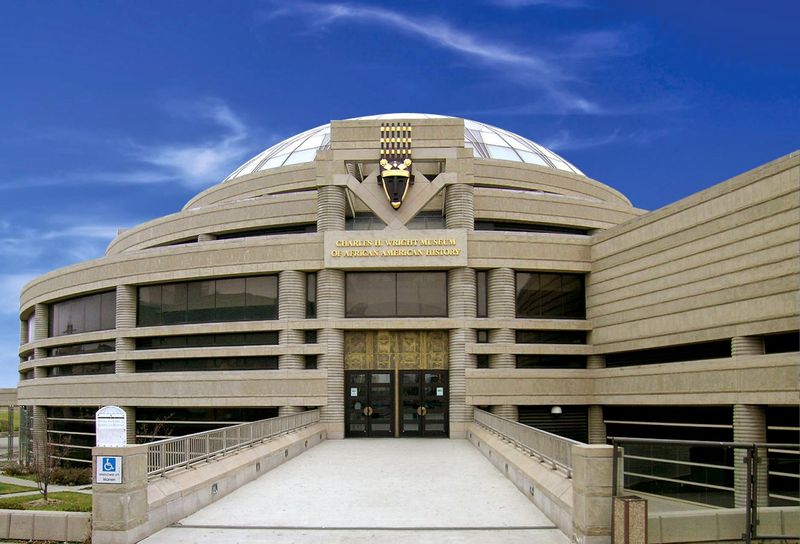
Thirteen formerly enslaved people founded Second Baptist Church in March 1836. It’s the oldest African American church in the Midwest and still holds weekly services.
The church served as an Underground Railroad station known as Coghan Station. It reportedly helped about 5,000 people reach Canada.
Beneath the sanctuary is a room where freedom seekers found temporary refuge. The Detroit Underground Railroad Historical Society leads tours of the church.
Second Baptist also opened the city’s first school for Black children in 1839. Faith, shelter, and education lived under one roof.
Next, head to First Congregational Church of Detroit at 33 E Forest Ave. Its Flight to Freedom Tour is an interactive storytelling re-enactment.
The journey starts at the Door of No Return and moves through safe houses toward Canada. The ADA-accessible Station House exhibit adds dioramas, artifacts, and a video.
Tickets can be bought online, and groups of 20 or more can book private tours. Plan ahead if you’re bringing a class or club.
Finish at Elmwood Cemetery on Elmwood Avenue, established in 1846. Underground Railroad leaders George de Baptiste and William Webb rest there.
A self-guided tour map helps you find their graves. Guided tours are offered too, and the grounds open daily.
Detroit was the last big stop before Canada for many travelers. Ending your Michigan Freedom Trail trip here feels just right.
The Detroit River sits close by, with Canada on the other side. Looking across, you’ll understand how near and how far freedom once felt.
Address: 441 Monroe St., Detroit, MI 48226