
The Huge Pennsylvania State Park That Stays Empty Even At Peak Fall Color
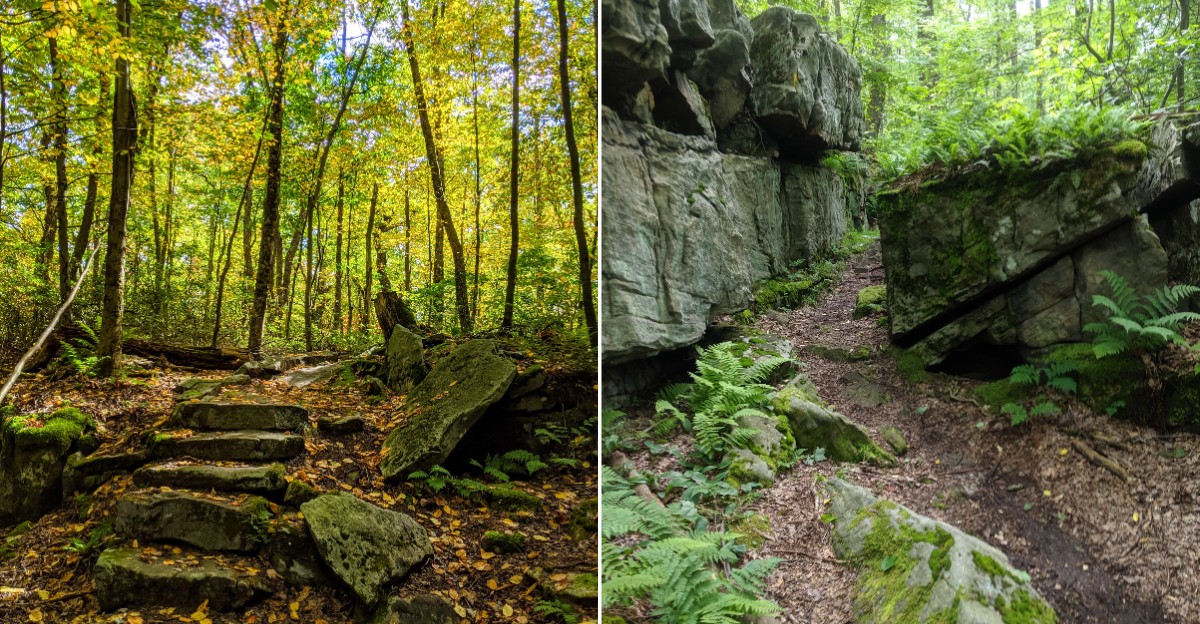
A single state park stretches 70 miles long, yet it’s often only a few hundred yards wide.
That’s not a typo. It’s a skinny ribbon of forest draped across a mountain ridge.
The ridge itself formed around 250 million years ago.
North America and Africa crashed together and pushed it up. I like knowing my autumn hike sits on the leftovers of a continental fender bender.
This stretch of southwestern Pennsylvania turns gold and red every October.
Oaks, maples, cherries, and poplars all join the show. I believe few places in the East put on a better one.
Here’s the twist. There’s no big central lodge or beach pulling everyone into one spot.
So where does everybody go when the leaves peak?
A Park Built Like A Ribbon Instead Of A Blob
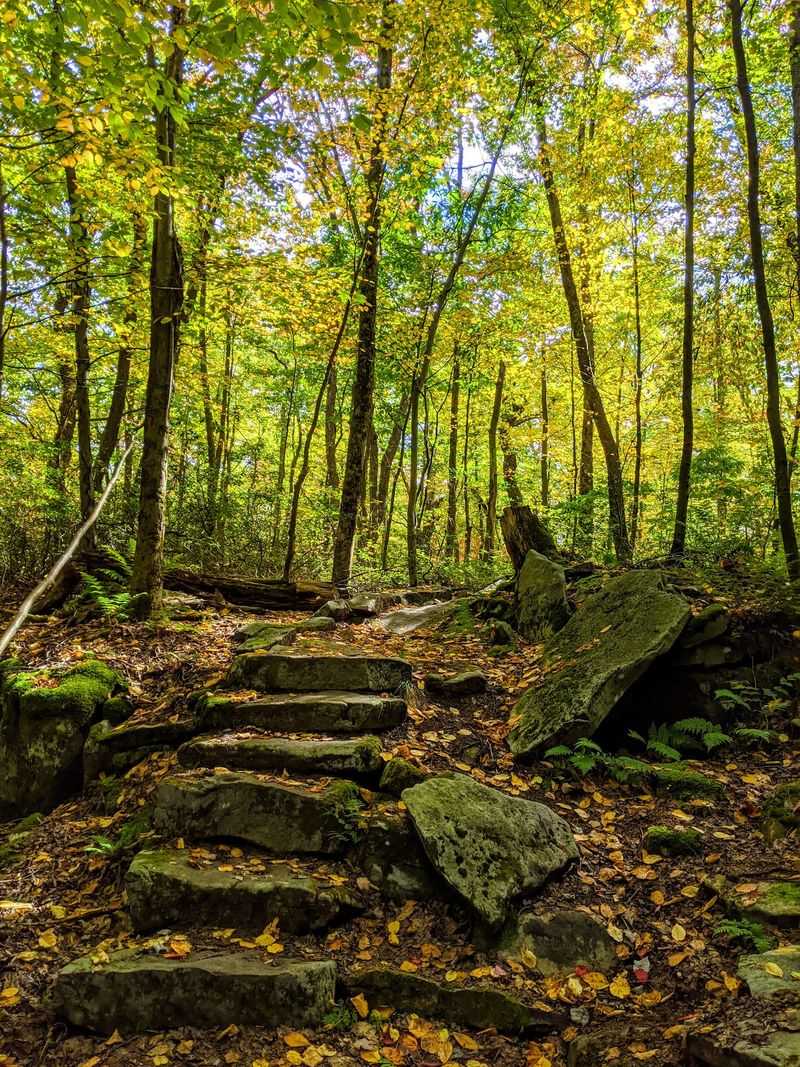
Most parks are shaped like a puddle. Laurel Ridge State Park is shaped more like a shoelace.
The park covers roughly 13,625 acres, though some sources list it closer to 14,700. Those acres don’t sit in one tidy block.
They spread out as several separate tracts across four counties.
Cambria, Fayette, Somerset, and Westmoreland counties all hold a piece of it. That’s a lot of map for one Pennsylvania state park.
It also explains the quiet you’ll find here.
Crowds usually pile up where everything is bunched together. A single beach or visitor center draws people like a snack table at a party.
Laurel Ridge skips that setup almost entirely.
The park follows a long trail instead of circling a central attraction.
Visitors spread out along dozens of trailheads and access points. You might share a parking area with a few cars, then barely see anyone for hours.
That design makes peak foliage feel calmer than you’d expect. October color here can rival New England’s famous displays.
Yet the shape of the place keeps elbow room generous.
So if busy overlooks make you grumpy, this layout works in your favor. Grab a map and pick your own slice.
Seventy Miles Of Trail Is The Whole Point
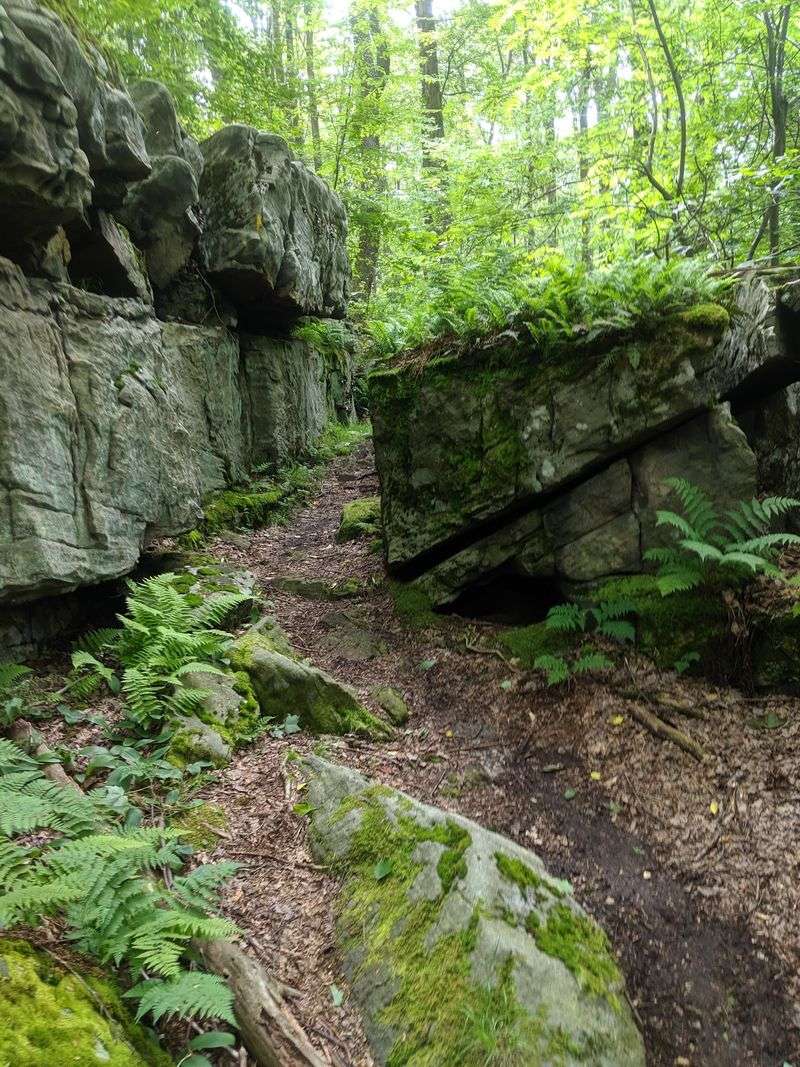
Seventy miles. That’s the length of the Laurel Highlands Hiking Trail, the star of the entire park.
The trail runs from Ohiopyle in the south to near Johnstown in the north.
It’s protected as a linear state park, which is a fancy way of saying the park is mostly the trail. Laurel Ridge staff handle its management from end to end.
You don’t have to hike all of it, thankfully. Day hikers can choose short chunks between road crossings.
Backpackers can tackle the whole route over several days.
The trail offers a semi-wilderness feel. Expect plenty of rocks and roots underfoot, so sturdy boots make a smart choice.
Trekking poles help too, especially on the steeper climbs.
The northern end near Route 56 starts with a long uphill push. Your legs will notice within the first couple of miles.
Pace yourself and save some snacks for the top.
Motor vehicles and bikes aren’t allowed on the hiking trail. That keeps the mood peaceful and the footpath focused on walkers.
Fill out a trail card or tell someone your plans before heading out.
Fall is a stellar time to go. The leaves crunch, the air cools, and the views open up.
Sleep In A Three-Walled Shelter With A Fireplace
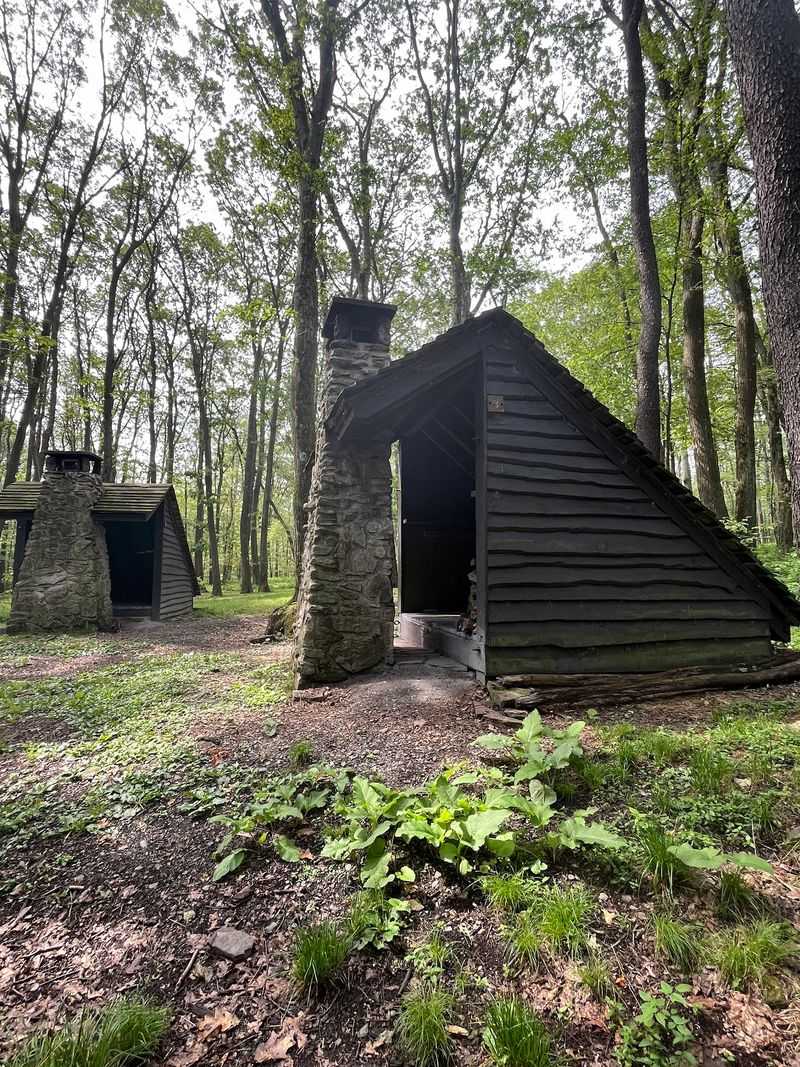
Forget the hotel lobby. Your overnight digs here come with three walls, a roof, and a fireplace.
Eight shelter areas sit along the Laurel Highlands Hiking Trail. They’re spaced roughly every 6 to 12 miles.
That spacing makes planning a multi-day trip pretty simple. Each area offers five Adirondack-style shelters, two vault toilets, and space for 25 tents.
Water availability requires extra planning. Not every shelter area has a reliable water source, and most available trail water must be filtered or treated before drinking.
Check with the park office about current water availability before your trip, and carry enough water to reach your next dependable source.
Reservations are mandatory, so don’t just show up hoping for a spot. Book ahead through Pennsylvania’s state park reservation system.
Fall weekends are a smart time to plan early.
The open front of a lean-to lets cool mountain air drift in. Bring a warm sleeping bag, since higher elevations run chilly.
A tarp can help block wind on blustery nights.
There’s something cozy about falling asleep near glowing embers. You’ll hear the forest instead of traffic.
Morning comes with fresh air and maybe a few curious birds.
Pack light but pack smart. Water purification equipment, layers, and a headlamp will make the night far more comfortable.
Your Jacket Will Earn Its Keep Up Here
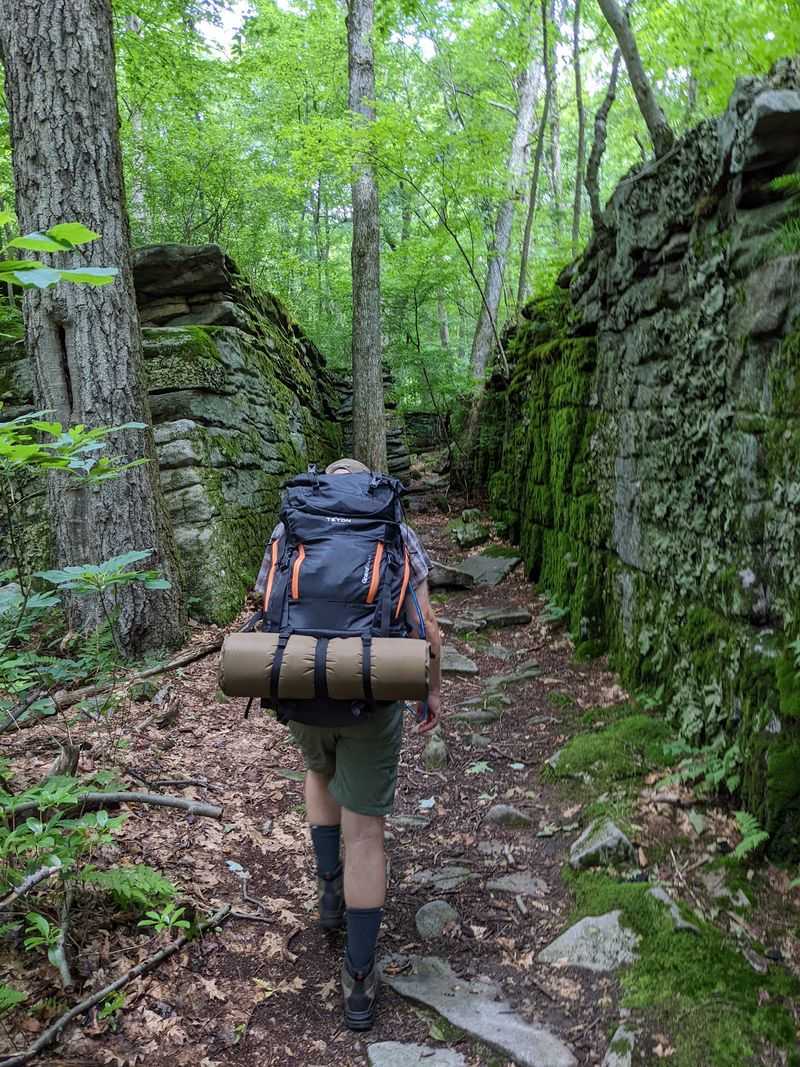
Elevation changes everything on this ridge. Much of the park sits around 2,500 feet above sea level.
That height brings cooler temperatures than the valleys below. It also brings more rain and snow.
Your weather app for the nearest town might not tell the whole story.
A sunny afternoon in a lower town can feel brisk on the ridge. Layers are your best friend here.
A light jacket stuffed in your pack could save your whole outing.
The cooler air plays a role in the fall show, too. Hardwoods like oaks, maples, cherries, and poplars cover the slopes.
Together they create rich reds, oranges, and yellows.
Peak color usually lands around mid-October. Timing shifts a little from year to year, so check foliage reports before driving out.
Pennsylvania offers weekly fall foliage updates that help with planning. Mornings can be misty and moody on the ridge.
Afternoons often brighten as the sun burns through. Either way, the colors look great against a gray or blue sky.
Pack water, gloves, and a hat once October rolls around. Cold fingers can make even gorgeous scenery hard to enjoy.
Old Stories Run Deep Along This Ridge
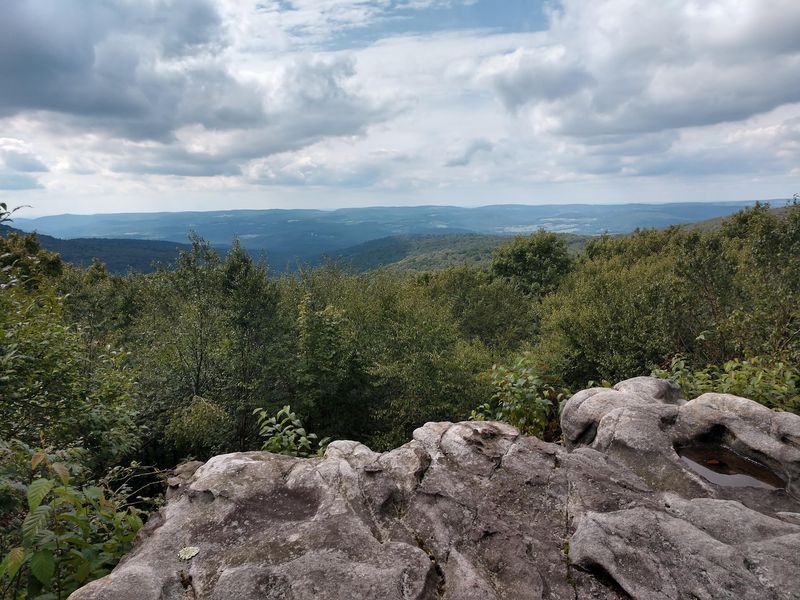
Today’s lush forest hides a rough past. By 1940, heavy logging and mining had left much of this ridge looking desolate.
Long before that, Indigenous peoples used the area. The region later played a part in the French and Indian War.
Plenty of history has crossed these hills.
The comeback story starts in the 1960s. The Western Pennsylvania Conservancy began acquiring land in 1966.
Governor Raymond P. Shafer approved the park on July 10, 1967.
The first portion was dedicated on May 15, 1974. Since then, the forest has steadily grown back.
The woods you hike today are the result of decades of recovery.
Park land also includes the site of the Laurel Hill Settlement. It was a multi-racial community whose property the state acquired in 1967.
That chapter adds an important human layer to the landscape.
I can’t imagine a better example of nature bouncing back. Bare hillsides became a colorful autumn spectacle.
Knowing that makes each red maple feel a little more impressive.
Take a moment on the trail to think about it. The quiet here was hard-won.
Snow Turns The Ridge Into A Winter Playground
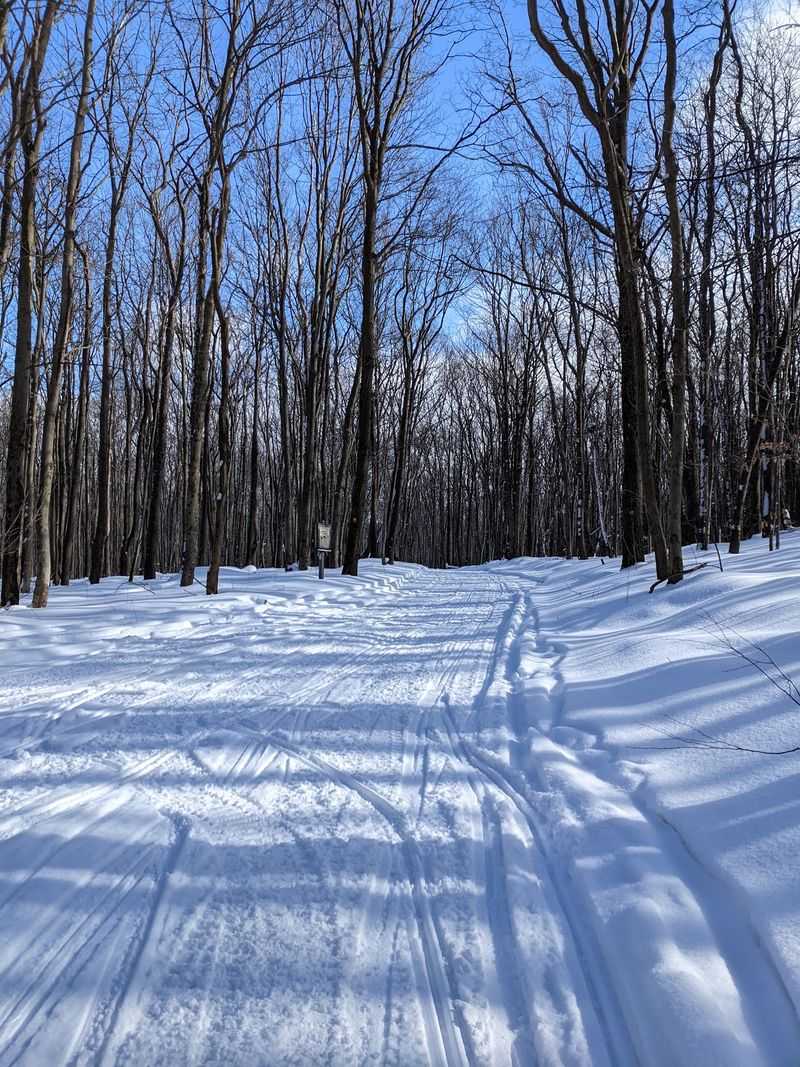
When the leaves drop, the fun doesn’t stop. The ridge gets plenty of snow thanks to its elevation.
Laurel Ridge State Park offers about 35 miles of cross-country ski trails. Many are wide and fairly flat near the main ski areas.
That makes them friendly for beginners still finding their balance.
Outer loops add distance and challenge for stronger skiers. You can choose a gentle glide or a real workout.
Both come with snowy forest views.
Snowmobilers get their own playground, too. More than 70 miles of trails wind through the park.
That’s a big network for exploring on a cold day.
Winter backpacking along the hiking trail is also possible. Those shelters with fireplaces become extra appealing in January.
Just prepare carefully for icy footing and short daylight.
Check conditions before heading out, since snow depth can change quickly. Dress in layers you can peel off as you warm up.
Cold air feels sharper on exposed ridgelines.
Fall gets the headlines, but winter here deserves a look. Fewer people, fresh powder, and silent woods make a strong combination.
Bring The Dog And Your Brightest Orange
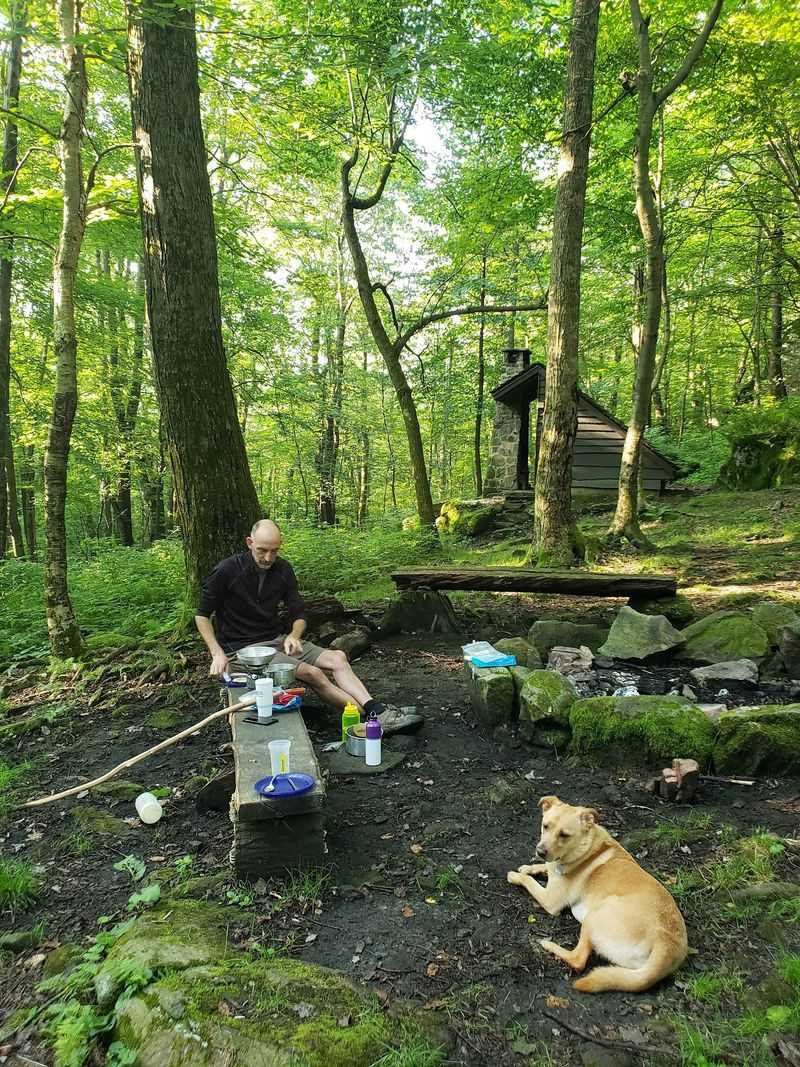
Good news for four-legged hikers. Dogs are permitted on most trails and day-use areas at the park.
Keep your pup leashed and bring plenty of water. Rocky stretches can be tough on paws, so take breaks.
Pack out any waste to keep the trails clean.
Now for a fall reality check. Hunting is allowed in much of the park.
Autumn hikers will share the woods with hunters during certain seasons.
That’s where blaze orange comes in. Wear a bright orange hat or vest during hunting seasons.
Put an orange vest on your dog, too.
Pennsylvania publishes its hunting season dates every year. A quick look before your trip helps you plan smart.
Sundays may offer a different mix of activity depending on current rules.
Picnicking and wildlife watching round out the day. Keep your eyes open for birds and other forest residents.
A pair of binoculars can turn a short walk into a mini safari.
Bright colors may not match your fashion goals. Still, looking like a traffic cone is a small price for safety.
Getting There Takes A Little Mountain Driving
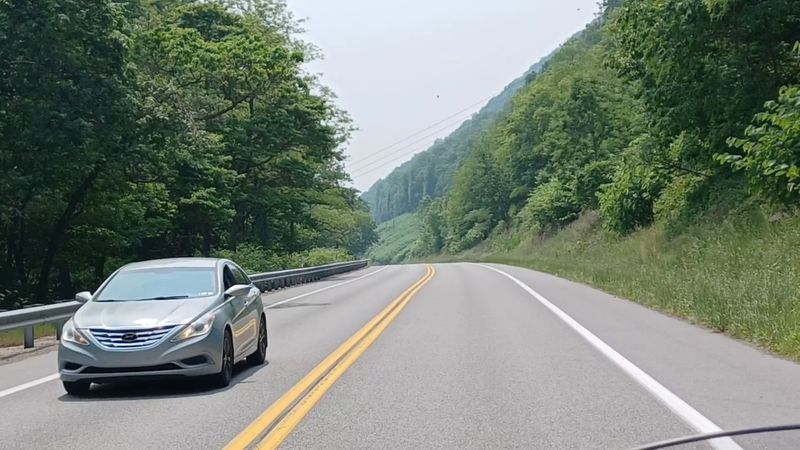
Mountain roads lead the way here, so expect curves and climbs. The drive itself becomes part of the fall scenery.
The park office is at 1117 Jim Mountain Road, Rockwood, PA 15557. Some map apps list the area under Mill Run instead.
Double-check your directions before losing cell signal.
Laurel Ridge State Park is open year-round from sunrise to sunset. That gives you plenty of daylight hours in early fall.
Days shrink quickly as November approaches, so plan accordingly.
The park office is a handy first stop. Staff can help with maps, trail conditions, and shelter questions.
Paper maps come in handy where phones lose bars.
Since the park spreads across many access points, choose your trailhead in advance. Route 56 and Route 653 are among the road crossings hikers use.
Each one opens a different stretch of forest.
Pack snacks and fill your gas tank before heading up. Services can feel far apart in this part of Pennsylvania.
A little planning keeps the day relaxed.
Arrive early for the best light. Morning sun on autumn leaves is worth the alarm clock.
Stretch Your Trip With These Neighboring Stops
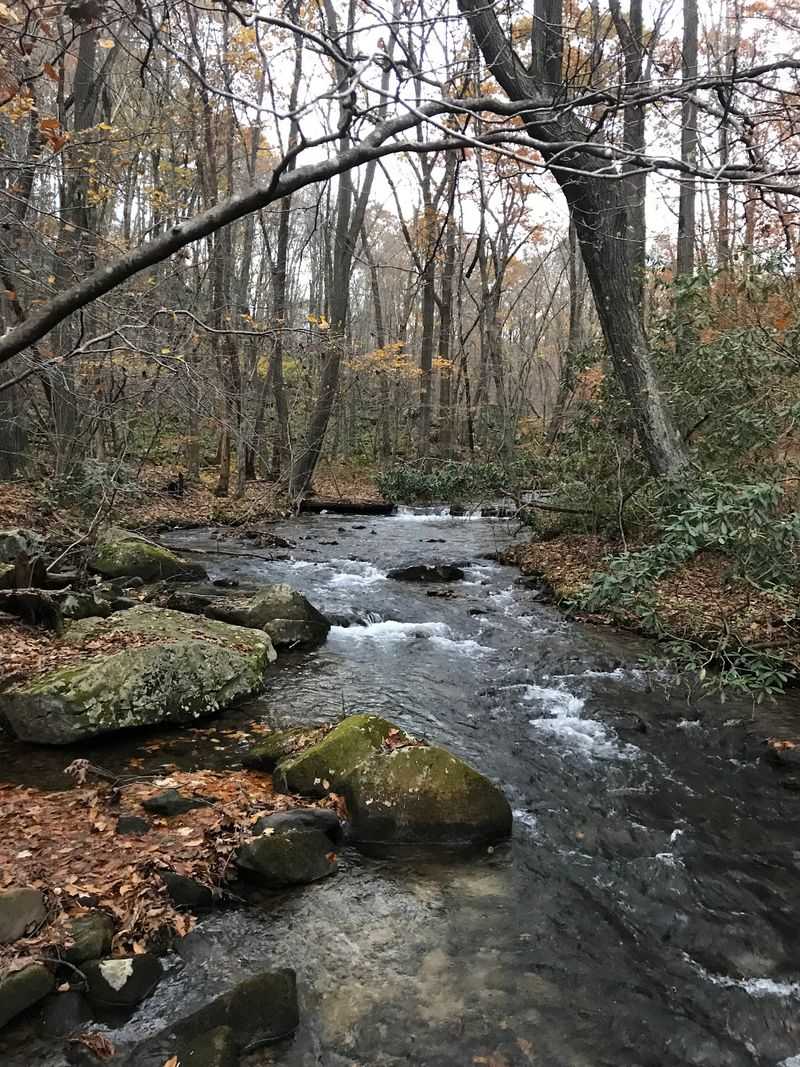
One long ridge connects you to a surprising lineup of nearby adventures. The Laurel Highlands region is packed with them.
Ohiopyle State Park sits at the southern end of the hiking trail. It’s known for waterfalls and the Youghiogheny River.
Pairing the two makes a great fall weekend.
The Flight 93 National Memorial is also in the region. It offers a moving, thoughtful stop away from the trails.
Many visitors set aside a few quiet hours there.
Underground fans can check out Laurel Caverns. The cave stays cool no matter the season.
It’s a fun change after a day of leaf peeping.
More state parks and forests surround the ridge. Kooser, Laurel Hill, and Linn Run all sit within reach.
Each offers its own trails and autumn color.
Seven Springs Mountain Resort is another nearby name. It adds lodging and seasonal activities to your options.
That’s handy if a shelter sounds a bit too rustic.
Laurel Ridge works beautifully as the centerpiece of a bigger trip. Start on the ridge, then explore outward.
You might need more vacation days than you planned.