
This Illinois Wildlife Area Lets You Hunt For Fossils And Take Home Rocks To Crack Open
Somewhere in Illinois, you can pick up a plain brown rock, carry it home in a bucket, and stick it in your freezer. A few weeks later, it might split open to show a fern that grew about 300 million years ago.
That is the whole idea, and I love how simple it sounds. The rocks are called ironstone concretions.
They come from the same ancient fossil beds that gave Illinois its famously weird state fossil, the Tully Monster.
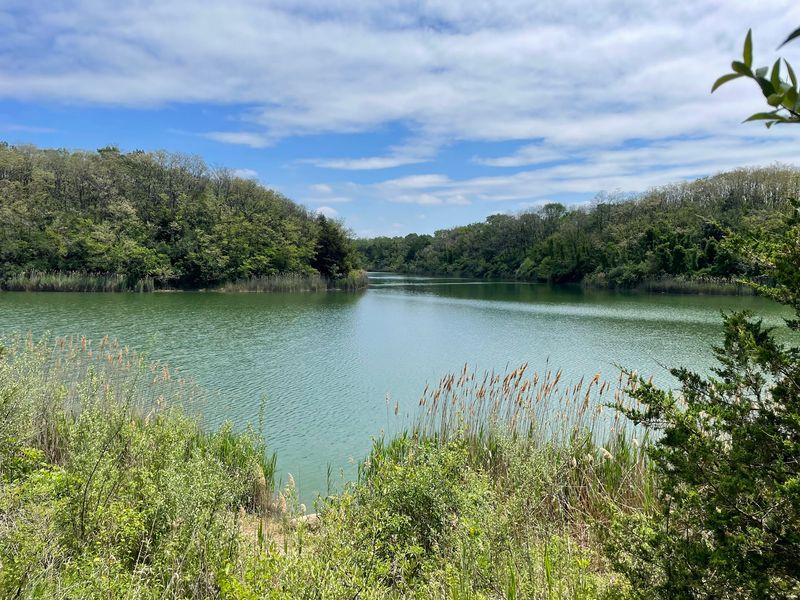
The land around them was once strip-mined for coal. Now it’s quiet lakes, grassland, and woods where kids can poke along the water like real paleontologists.
I can’t imagine a better rainy-day project than waiting on a frozen rock to crack. The hunt itself costs nothing but a free permit and some patience.
So where exactly is this place?
A Free Fossil Hunt About An Hour From Chicago
Grundy and Will County backroads lead to one of the coolest free outings in northern Illinois. Mazonia-Braidwood State Fish and Wildlife Area sits near the small town of Braceville, along Illinois Route 53.
The state describes it as a preserve of lakes and grassland with hunting, fishing, and boating. That sounds pleasant enough on its own.
Then you learn about the rocks, and suddenly the whole family wants to go.
Here’s the hook. Mazonia-Braidwood is one of the few public places in Illinois where fossil collecting is allowed.
Even better, you get to keep what you find.
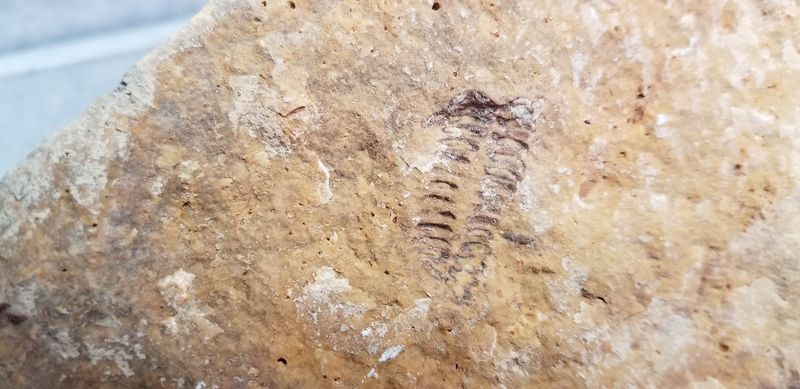
The prizes are ironstone concretions, lumpy nodules that often hide plants or animals from the Pennsylvanian period. Some visitors spot them along shorelines and trails.
Others come home empty-handed and vow to return smarter.
It’s run by the Illinois Department of Natural Resources, so this isn’t a pay-to-dig tourist operation. There’s no gift shop selling plastic dinosaurs.
You bring the bucket, the curiosity, and maybe some snacks.
For families who like cheap adventures with a real payoff, it’s hard to top. Few day trips let kids hold something older than the dinosaurs.
Coal Country That Grew Back Into Wild Land
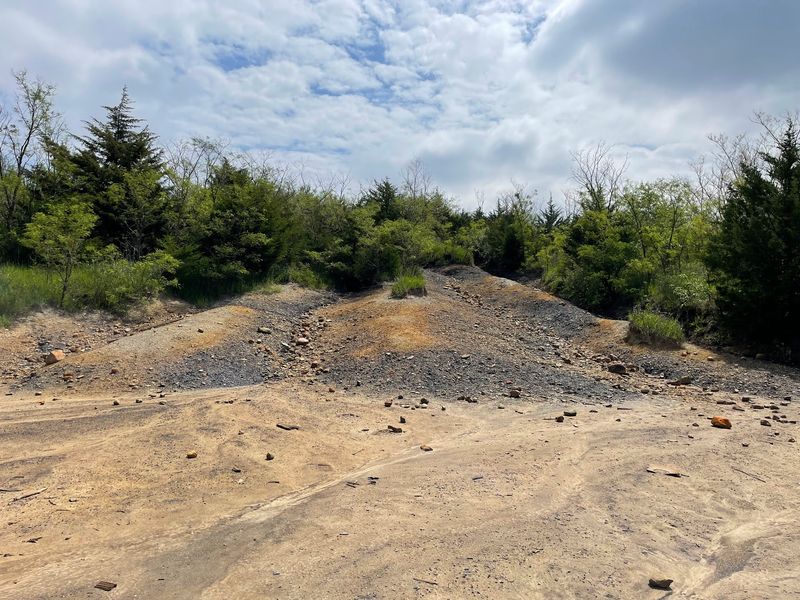
Long before the bass and the birdwatchers, this ground belonged to coal companies. Strip mining churned the land here until the early 1970s.
Mining left behind deep pits and long ridges of spoil. Water filled the pits, and trees and grasses slowly claimed the ridges.
The result is a landscape that looks almost sculpted.
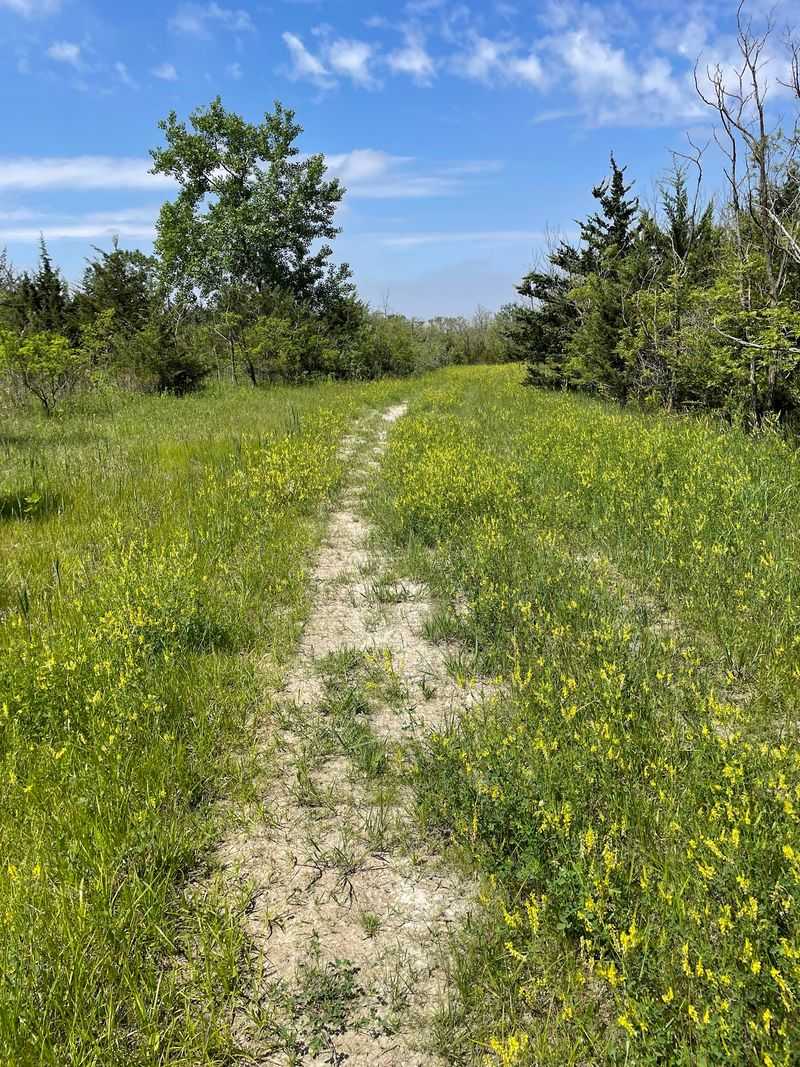
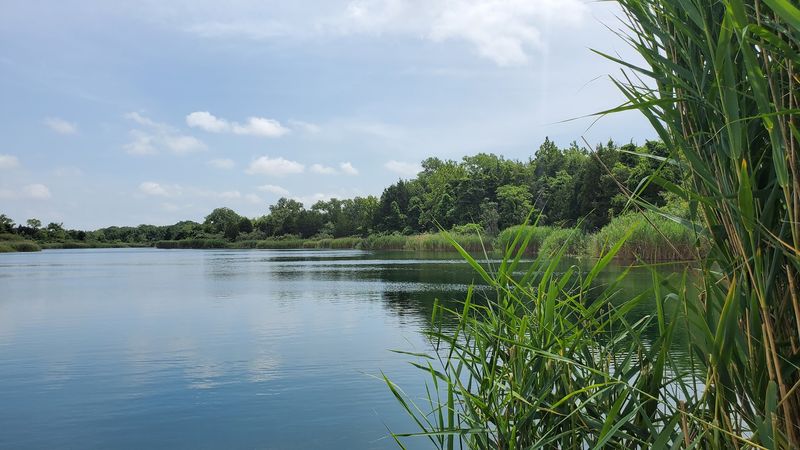
That odd shape is part of the charm. Ponds tuck between wooded mounds, and open grassland stretches out beyond them.
A few visitors have even compared certain corners to Yellowstone, which is a big compliment for Grundy County.
The mining history also explains the fossils. Digging for coal exposed layers that had been buried for ages.
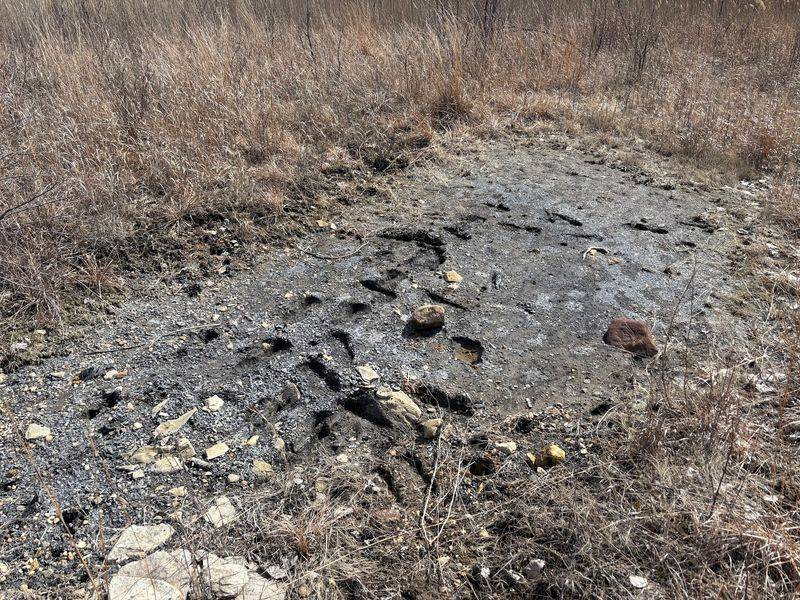
The concretions came up with the spoil and have been weathering out ever since.
So in a funny way, an industrial past made this treasure hunt possible. The miners weren’t looking for ferns or shrimp.
They just happened to unearth an ancient world.
I like that the place doesn’t hide where it came from. It wears its history in every bumpy ridge.
You’re exploring Illinois coal country and prehistoric Illinois at the very same time.
Rocks That Hold A 300-Million-Year-Old Secret
Ferns, insect wings, shrimp, and jellyfish all turn up inside these unassuming stones. They belong to the world-famous Mazon Creek fossil beds.
The concretions formed roughly 300 to 309 million years ago. Back then, this part of Illinois sat near a swampy coast and shallow sea.
Soft creatures and delicate leaves got buried fast, and minerals wrapped around them.
That fast burial is what makes Mazon Creek special. Soft-bodied animals rarely fossilize anywhere.
Here, their outlines survived in amazing detail.
Plants are the most common find, and they’re genuinely beautiful. A good fern impression looks like someone pressed a leaf into dark clay yesterday.
Animal fossils are rarer, which makes them feel like winning a tiny lottery.
Then there’s the legend. The Tully Monster, officially Tullimonstrum gregarium, is the Illinois state fossil.
Scientists still argue about what this strange soft-bodied animal actually was.
Finding one at Mazonia-Braidwood is a long shot. Still, every lump you pick up carries that little spark of maybe.
Kids especially love that feeling, and honestly, so do grown-ups.
A trilobite has even been reported along a shoreline here.
Your Freezer Becomes The Most Exciting Appliance In The House
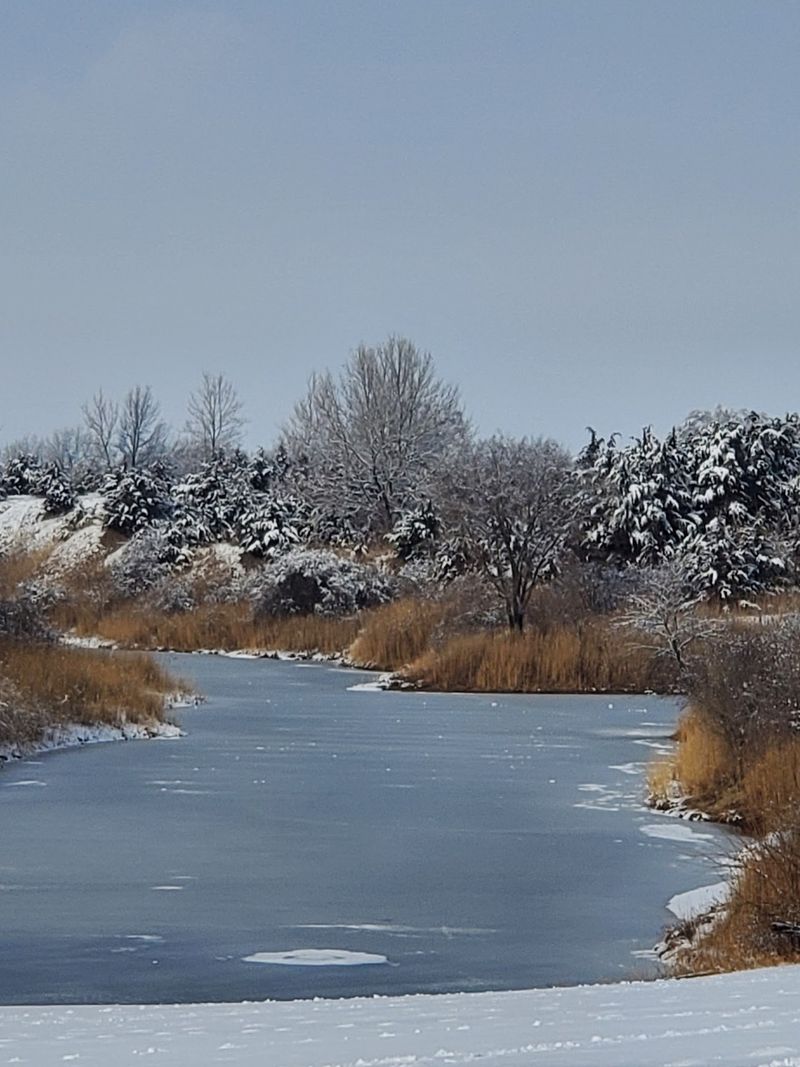
Patience is the secret tool, not a hammer. Concretions should come home whole instead of being smashed open at the site.
The popular trick is called the freeze-thaw method. You soak the rocks, freeze them, then let them thaw.
Repeat that cycle again and again.
Eventually, tiny cracks appear along the edge. That’s your signal.
A gentle tap often splits the stone right along the fossil plane.
Why bother with all that waiting? Whacking a concretion too early can shatter whatever’s inside.
Freezing lets nature do the careful work for you.
Protect your eyes when tapping, because chips can fly. Safety glasses turn the moment into a proper lab experiment, which kids will adore.
Not every rock holds a fossil. Some open to reveal nothing but more rock, and that’s part of the game.
The next one could be the fern of the century.
I believe this is where the outing really shines. A single Saturday trip turns into weeks of suspense at home.
Few souvenirs keep a family talking that long.
Rules Worth Knowing Before You Grab A Bucket
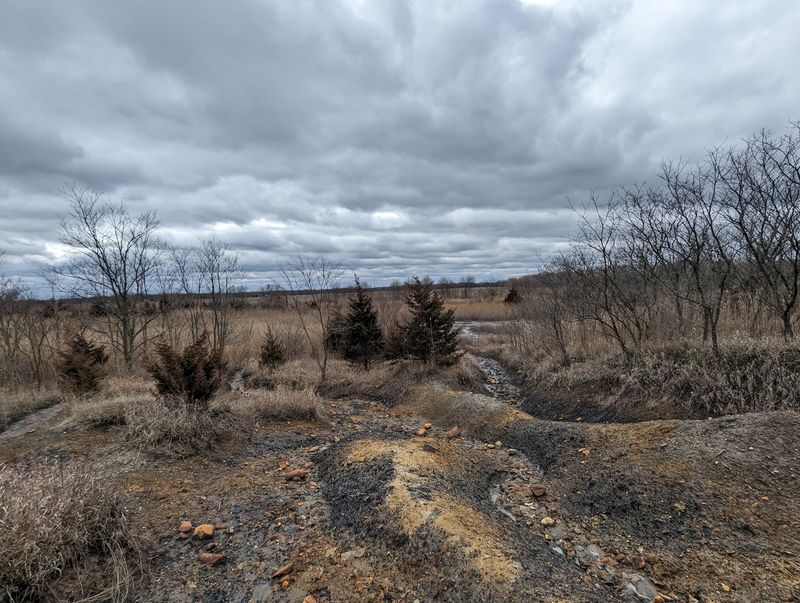
Paperwork comes first, but it’s painless. Fossil hunters need a free day permit, available at the park office or through the state website.
Collecting season runs from March 1 through September 30. Fall and winter belong to hunting seasons, so the rocks get a break then.
Each person may collect one five-gallon container of concretions per day. That’s plenty for a family haul.
Commercial collecting isn’t allowed, so this is strictly for fun and curiosity.
You can only pick up loose concretions on the surface. Digging and excavating are off-limits.
Keep a signed copy of your permit handy, since staff may ask to see it.
The area also offers a reporting form for fossil finds. Sharing what you discover helps build a better picture of the site.
One heads-up matters. Some of the permit information has been described as dated, and certain spots can be tricky to locate.
Doing a bit of homework on what concretions look like pays off.
Spring, before leaves fill in, makes rocks far easier to spot.
Bass, Catfish, And A Whole Lot Of Water
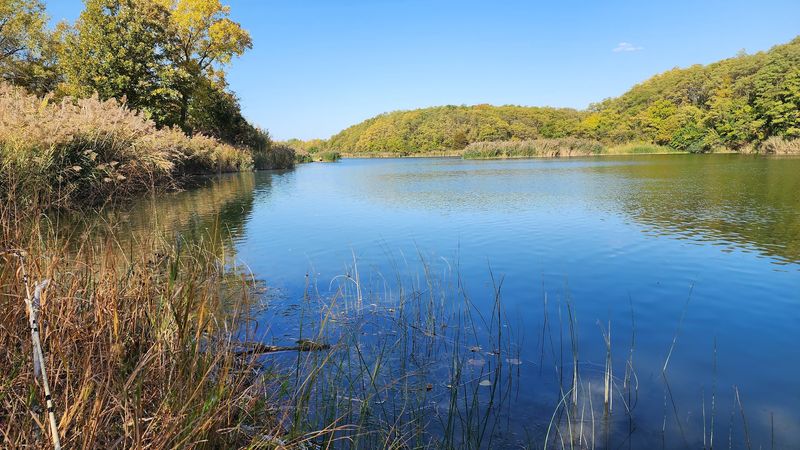
More than 200 water impoundments dot this property. Some cover under an acre, while others stretch to around thirty.
That’s a serious buffet for anglers. Largemouth bass, smallmouth bass, bluegill, crappie, and channel catfish all live here.
You can pick a different pond every visit and never repeat yourself for ages.
Fishing actually rivals fossils as the main attraction. Multiple boat ramps make launching easy, and shoreline access is plentiful.
Kayakers love the calm water and the sheer number of choices.
A lucky angler might even hook a huge catfish in plain view of cheering strangers. That’s the kind of moment that happens on quiet Illinois water.
Families can easily combine the two hobbies. One parent fishes while the kids search the shoreline for concretions.
Everybody wins, and nobody gets bored.
Bring a valid Illinois fishing license and check current regulations before casting. Rules can vary by water body.
A little preparation keeps the day relaxed.
Hunting and trapping also happen here in season, including deer, waterfowl, and upland game. That’s another reason the fossil season ends when it does.
Room To Breathe Without Any Crowds
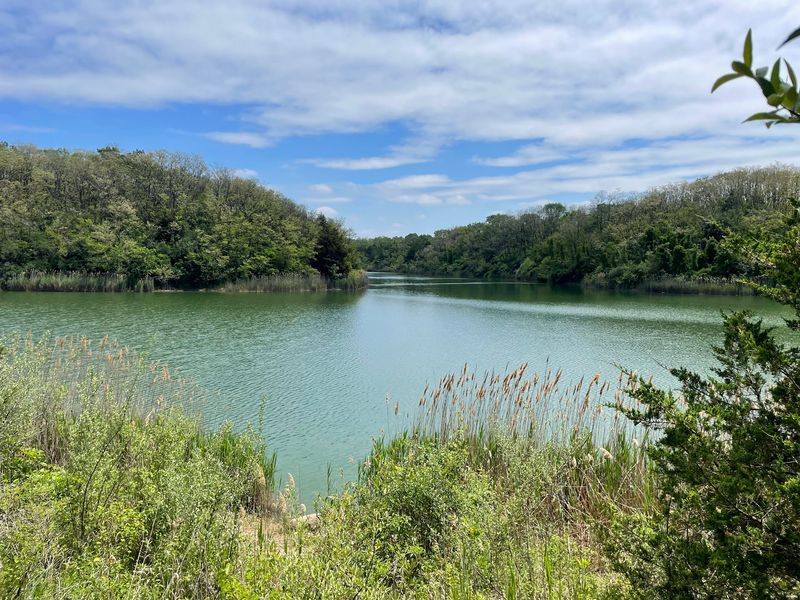
Emptiness might be the most surprising feature of all. For a place so close to Chicagoland, Mazonia-Braidwood often feels wonderfully quiet.
Lots of small parking spots spread around the property. That means you can pull over, step out, and wander off with only the birds for company.
Birdwatching, hiking, and simple nature study fit right in. Sunrise and sunset over the ponds look especially lovely.
Some folks even mention stargazing here, which makes sense given the open skies.
Not all paths are paved, though one stretch near the water is easy on the feet. Elsewhere, trails can get overgrown, and signage is limited.
Stick near the water if you’re unsure.
That wildness cuts both ways. It feels adventurous, yet it calls for caution with young kids.
Carry water, a charged phone, a first aid kit, and maybe a downloaded map.
Bug spray deserves a top spot on your packing list. Summer insects can be fierce near all that water.
Prepared families get rewarded with real peace. It’s the opposite of a packed theme park, and that’s exactly the appeal.
Hours, Directions, And What To Pack
Getting there is refreshingly easy. The area sits at IL-53 and E Huston Rd, Braceville, IL 60407, in north-central Illinois.
Gates open daily from 6 AM to 10 PM. That generous window gives early birds a cool morning start and lets anglers linger into the evening.
Stop by the park office first. Permits and maps have been available there, sometimes tucked in a mailbox for easy pickup.
Grab one even if you think you know the way.
Here’s a sensible packing list. Bring buckets, sturdy shoes, long pants for brushy spots, sunscreen, and lots of water.
Toss in bug spray and safety glasses for the cracking session at home.
Picnicking is limited, so plan simple snacks. A cooler in the car works nicely for a lunch break between ponds.
Best of all, there’s no admission fee for fossil hunting. A tank of gas and a free permit cover the main costs.
For Illinois families watching budgets, that math feels great. You get a full day outdoors and a bucket of mystery rocks for almost nothing.
Why A Bucket Of Rocks Might Be The Best Souvenir In Illinois
Most souvenirs end up in a drawer. A cracked concretion with a fern inside ends up on the windowsill, labeled in a kid’s handwriting.
That’s the magic of Mazonia-Braidwood State Fish and Wildlife Area. It mixes a free outdoor day with a slow-burn science project.
The excitement keeps going long after the car is unpacked.
It isn’t polished, and that’s fine. Trails get overgrown, signs could be bigger, and bugs show up in summer.
Go in with realistic expectations and good prep.
What you get in return feels rare. There’s quiet water, wide skies, bass waiting under the surface, and stones holding life from 300 million years ago.
I can’t think of many places in Illinois that let ordinary families touch deep time. Even fewer let you bring it home in a bucket.
So mark March 1 on the calendar. Clear a shelf in the freezer and charge up your patience.
Somewhere in that bucket, a tiny ancient fern might be waiting. Or maybe, just maybe, the strangest monster Illinois ever knew.