
Colorado’s Secret Valley Where Wild Elk Roam Beneath Bald Eagles
The marble in the Lincoln Memorial came out of a quarry that sits inside a mountain, about 9,300 feet up. That same rugged country is also home to roaming elk herds and wintering bald eagles.
A clear, free-flowing river runs about 40 miles through it, packed with rainbow, brown, and cutthroat trout. Natural hot springs bubble right at the water’s edge, and you can soak in them all year long.
I like how this corner of Colorado squeezes old mining towns, a 42-room mansion, and serious wildlife into one scenic drive. I can’t imagine a better road trip for anyone who loves surprises outside the car window.
The cell signal fades, the gas stations vanish, and the scenery just keeps getting bigger. So where is this place, and why does it stay so quiet?
Elk Here Keep A Calendar Smarter Than Most Humans
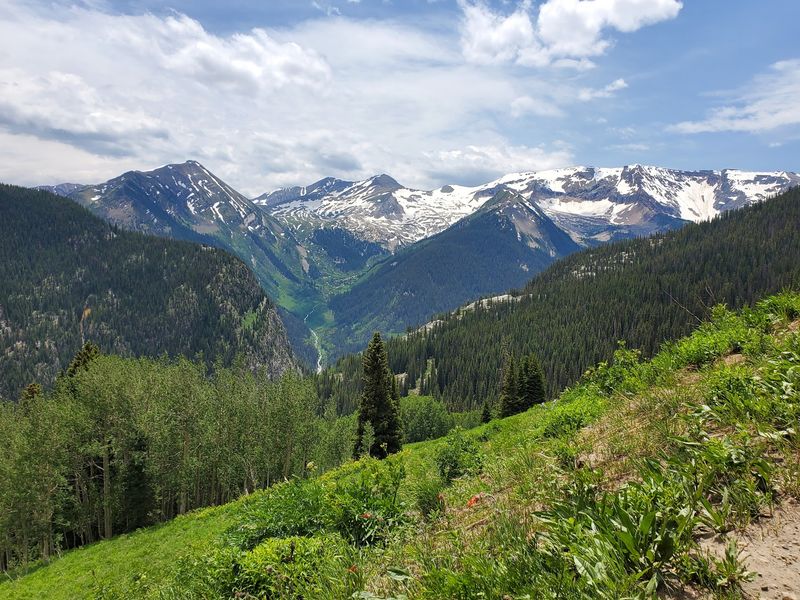
The Crystal River Valley stretches about 28 miles between Carbondale, Redstone, and Marble in Colorado. Its most impressive residents weigh hundreds of pounds and travel with the seasons.
Elk here follow a pattern biologists call the green wave. In spring, they move uphill as fresh grass pops up at higher elevations.
Fall flips the script. When heavy snow arrives, the herds drift down to lower, sun-warmed winter ranges where food is easier to reach.
Colorado Parks and Wildlife keeps tabs on these movements. That work helps protect the routes elk depend on year after year.
So when should you look? Your timing matters more than your luck, since elk follow the snow line instead of a tour schedule.
Bring binoculars and pull fully off the road before stopping. Highway 133 has plenty of curves, and a sudden brake for a big set of antlers can surprise the driver behind you.
Give the animals lots of room, too. A long lens beats a close approach every single time, and the elk will thank you by sticking around for more photos.
Look Up Between October And March For The Real Showstoppers
Bald eagles love two things: big water and plenty of fish. Colorado happens to offer both, especially when winter rolls in.
Many eagles fly south from Canada and Alaska each year. They choose Colorado for its milder winters and fish-rich rivers, which makes October through March prime viewing season.
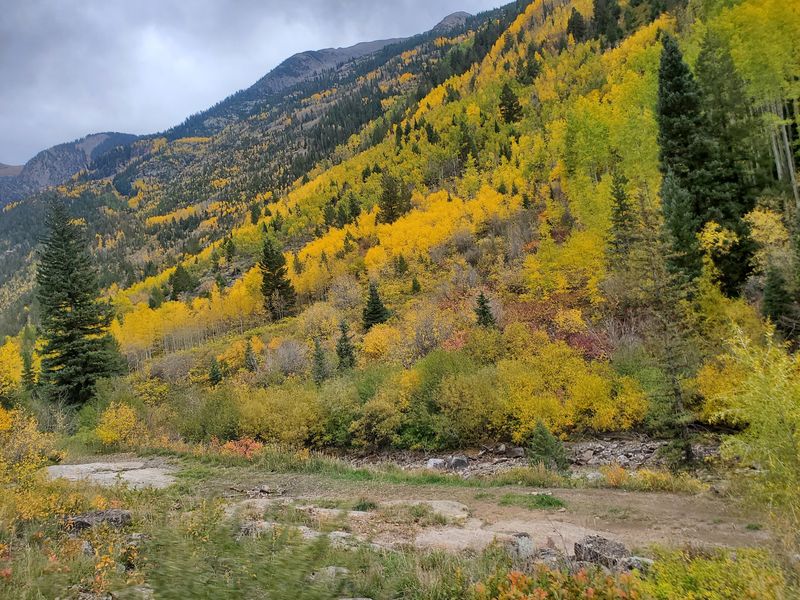
The Crystal River gives these birds a scenic place to hang out. Tall cottonwood trees along waterways are favorite spots, and eagles often build nests in them during breeding season.
Early birds win here, literally. Early mornings and late afternoons are often the best times to catch eagles roosting.
A spotting scope or good binoculars will make a huge difference. Scan the tops of bare trees near the water, since that white head stands out nicely against gray branches.
Keep your voice low and stay near your car or the trail. Eagles that feel crowded will simply leave, and nobody wants to watch a tail feather disappear.
While you scan the skies, watch for other locals too. The valley also supports bighorn sheep and Lewis’s woodpeckers, so a slow drive can turn into a surprise wildlife checklist.
A River So Clear It Practically Shows Off
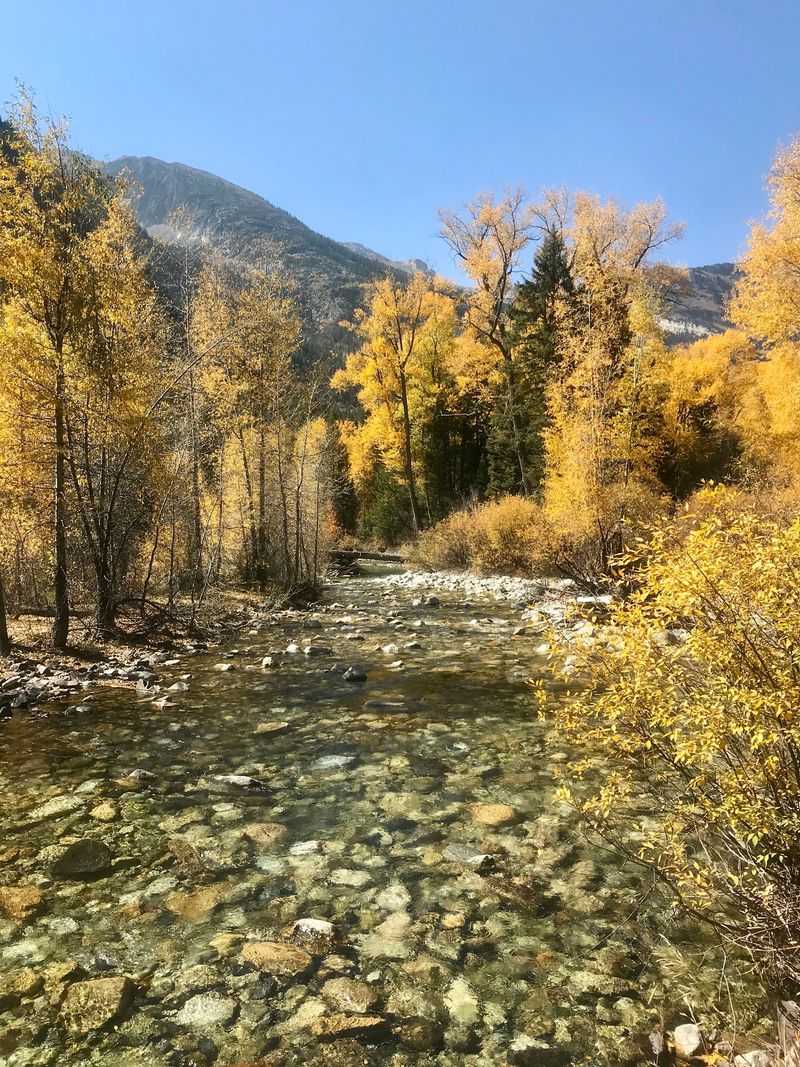
Forty miles of free-flowing water give this valley its name and its heartbeat. The Crystal River carves through Colorado’s Elk Mountains before joining the Roaring Fork River at Carbondale.
Anglers get excited for good reason. Rainbow, brown, and cutthroat trout all swim here, and fly-fishing is a major draw.
Late summer into fall is a sweet spot. August through October offers some of the best chances to hook a trout.
Spring is a different story entirely. Snowmelt turns certain stretches into challenging whitewater for experienced kayakers and rafters.
That wild streak is exactly why people want to protect it. Ongoing efforts aim to designate parts of the Crystal River as a federal Wild and Scenic River, guarding both its beauty and its recreation.
Check local fishing regulations before you cast. Rules can change by section, and a quick look saves headaches later.
Not a paddler or angler? Riverside pullouts along Highway 133 still deliver plenty of sparkle, and the sound of rushing water costs nothing to enjoy.
Two Summits Keep Watch Over Everything You Do
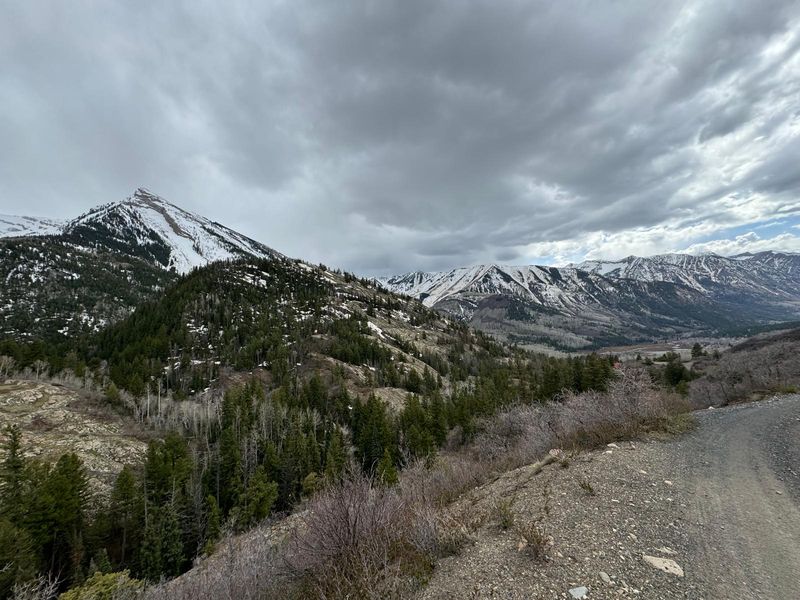
Every great valley needs a landmark, and this one got a double. Mount Sopris rises to 12,953 feet with two matching summits that dominate the skyline.
You’ll spot it almost everywhere near Carbondale. It becomes the backdrop for ranches, rivers, and basically every photo you take.
Hikers love the mountain for its trails and big views. In winter, skiers and snowmobilers find their own reasons to head its way.
A full summit trip is a serious effort, though. Plan carefully, start early, and be honest about your fitness level.
Colorado weather loves to change its mind in the high country. Afternoon storms can roll in fast, so pack layers, water, and snacks even on sunny days.
Prefer your adventures a little calmer? Just find a pullout or a park bench in town and enjoy the view with zero blisters.
Sunrise and sunset light can paint the peaks in warm colors. That makes Mount Sopris a favorite subject for photographers who are willing to set an early alarm.
Your Muscles Will Beg For A Riverside Soak
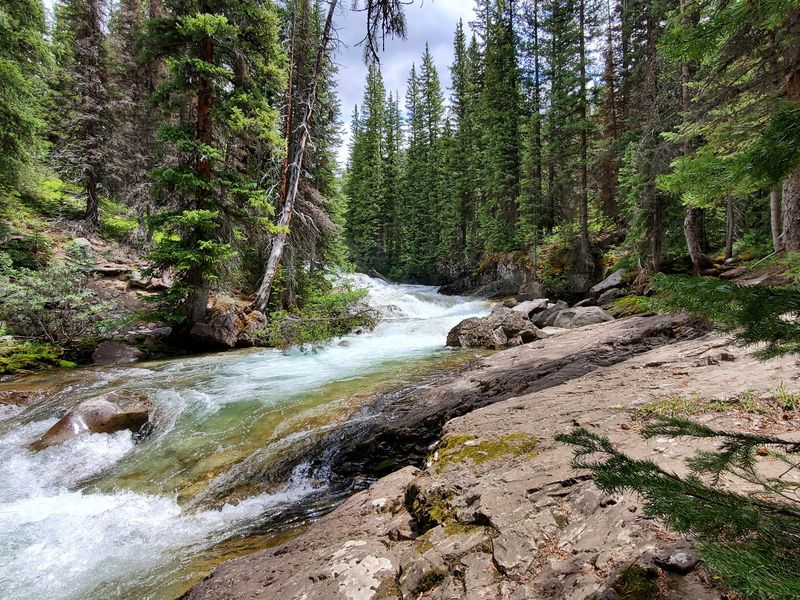
Hot water meets cold river at Penny Hot Springs. You’ll find it year-round near mile marker 13.5 on Highway 133.
The setup is wonderfully simple. Natural pools sit right beside the Crystal River, so you can soak while the current rushes past.
Treat the spot kindly, since it’s a natural area and not a resort. Pack out everything you bring, and keep noise low for others.
Across the river lies Filoha Meadows, a thermal wetland with a fascinating secret. Rare plants and animals live there, including orchids and fireflies.
Yes, fireflies in Colorado. That alone sounds like a trivia question waiting to stump your friends.
Access to Filoha Meadows runs from July 1 to September 30. The limited season helps protect the delicate habitat.
Want something more organized? Avalanche Ranch Hot Springs nearby offers additional soaking, and reservations are typically required, so book before you go.
Bring a towel, sandals, and a warm layer for after. Climbing out into mountain air is the only tough part of the whole experience.
A Mansion With 42 Rooms Waits In A Tiny Mountain Town
Industrial magnate John Cleveland Osgood built Redstone as a company town. Today the whole place is a National Historic District in Pitkin County.
The town’s star is Redstone Castle, also called Cleveholm Manor. It’s a 42-room Tudor Revival mansion, which feels wildly fancy for a small canyon community.
Restored worker cottages line the streets nearby. They offer a peek at how everyday families lived back in the company-town days.
The historic Redstone Inn adds even more old-time character. Together, these buildings make the town feel like a living history lesson.
Don’t skip the Redstone Coke Ovens either. These historic structures connect to the area’s industrial past and make a striking roadside stop.
A self-guided historic tour is available here. That means you can explore at your own pace without rushing to keep up with a group.
Plan for a slow wander rather than a quick drive-through. Redstone rewards curious walkers who read the signs, look closely, and imagine the busy days when coal shaped everything around them.
The Stone From This Town Ended Up In Washington
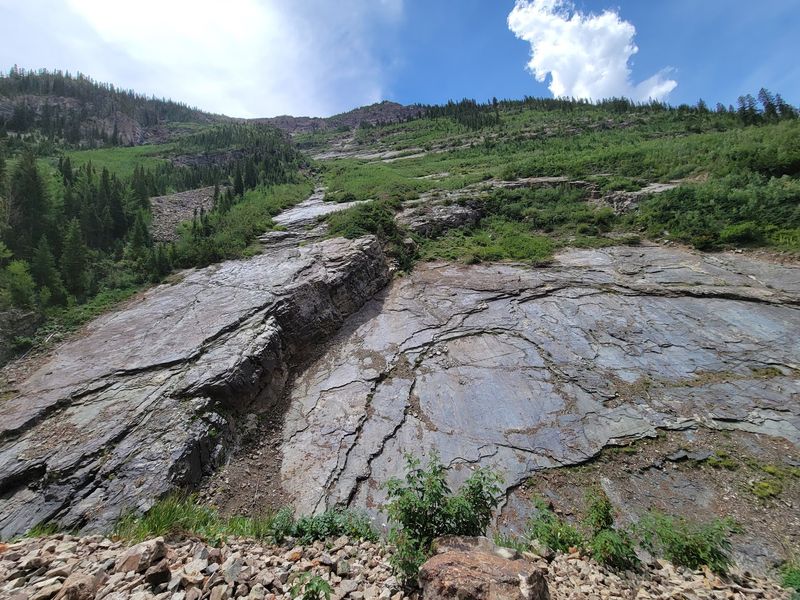
Here’s a fun fact to drop at dinner. The Lincoln Memorial and the Tomb of the Unknown Soldier both used marble from a tiny Colorado town.
The Yule Marble deposit near Marble was discovered in 1873. Its stone is 99.5 percent pure calcite, which gives it that famous bright glow.
The quarry works inside a mountain at about 9,300 feet. That sounds like something from an adventure movie, but it’s real.
Marble itself was founded in 1899 and remains small and quiet. It also serves as a launch point for four-wheel-drive tours and trips into nearby National Forest and Wilderness Areas.
Now for the practical part. Marble has no gas stations and no cell service, so plan ahead.
Fill your tank in Carbondale before heading south on Highway 133. Download maps ahead of time, too, because your phone will stop helping somewhere along the drive.
Honestly, the missing signal is part of the charm. Fewer notifications mean more time noticing white marble chunks sparkling along the roadsides and riverbanks.
Bumpy Roads Lead To The Most Famous Photo In The Valley
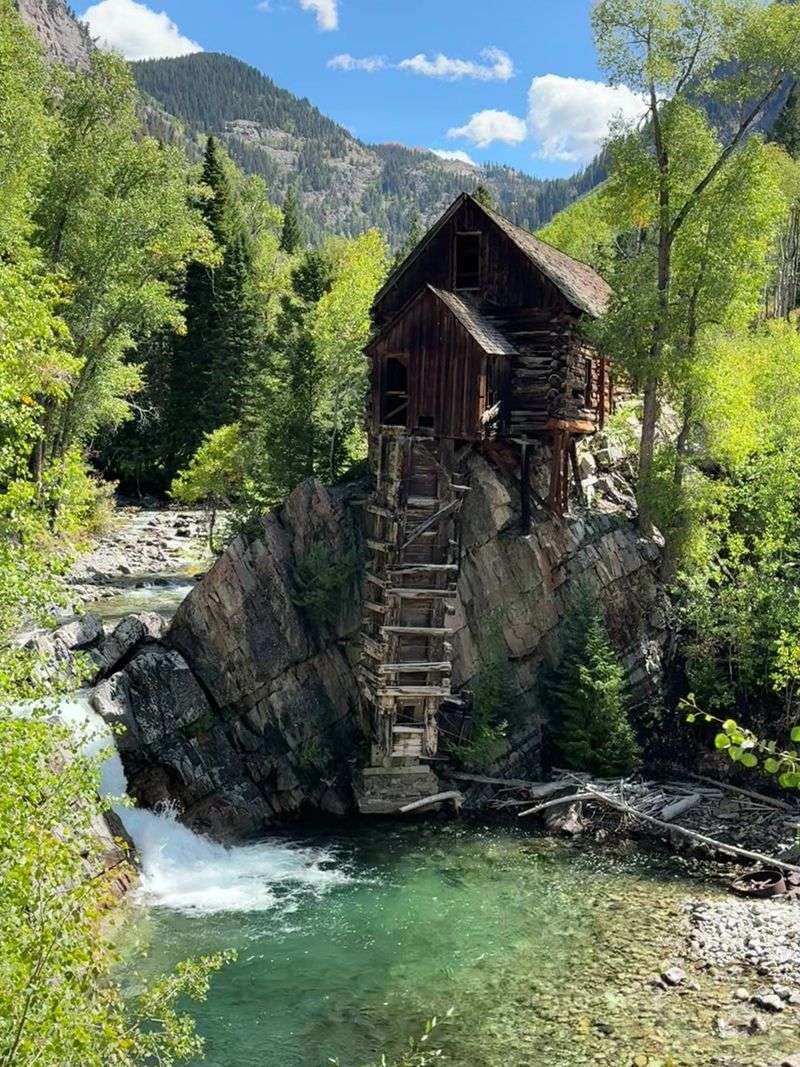
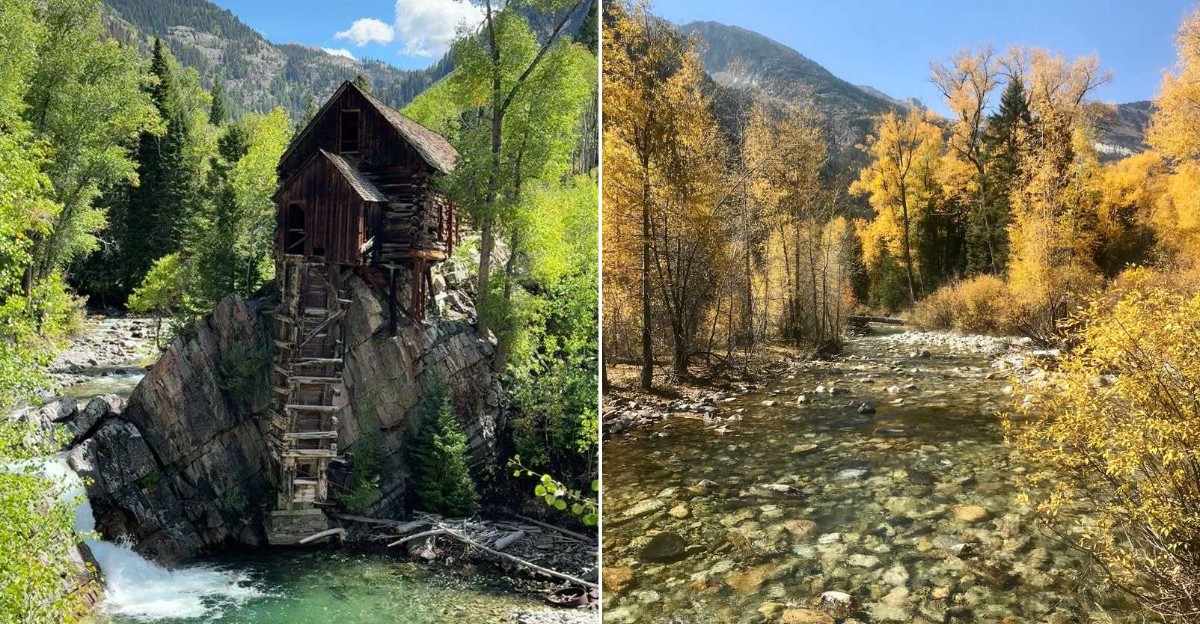
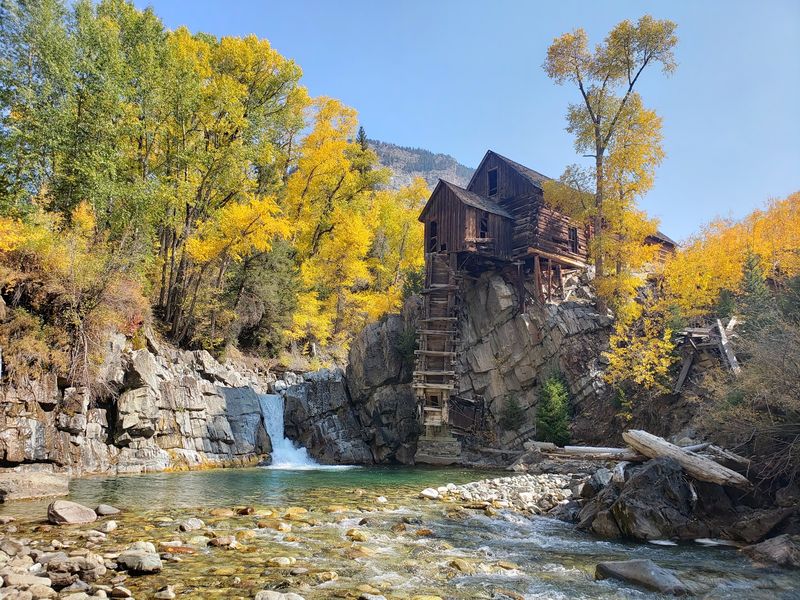
Few old buildings get as much camera love as the Crystal Mill. This wooden structure once powered the former silver-mining town of Crystal City.
It perches above the river about 5 miles east of Marble. Its mapped address is 11520 Co Rd 3, Carbondale, CO 81623, along Gunnison County Road 3.
Getting there takes effort. Your options are a four-wheel-drive vehicle, hiking, horseback, or mountain bike.
The road is unpaved, rocky, and narrow in spots. High-clearance 4×4 vehicles are the smart choice, and guided jeep tours are available if you’d rather not drive.
Seasonal closures can happen because of snow or rockslides. Check conditions before leaving, especially early or late in the year.
Hiking in? Pack plenty of water, sturdy shoes, and rain gear, since mountain weather can shift quickly.
Guided jeep tours also visit scenic Lead King Basin. Pairing both stops turns one bumpy morning into a full day of jaw-dropping Colorado scenery, plus a camera roll you’ll scroll through for weeks.
Start Your Adventure Where Two Rivers Shake Hands
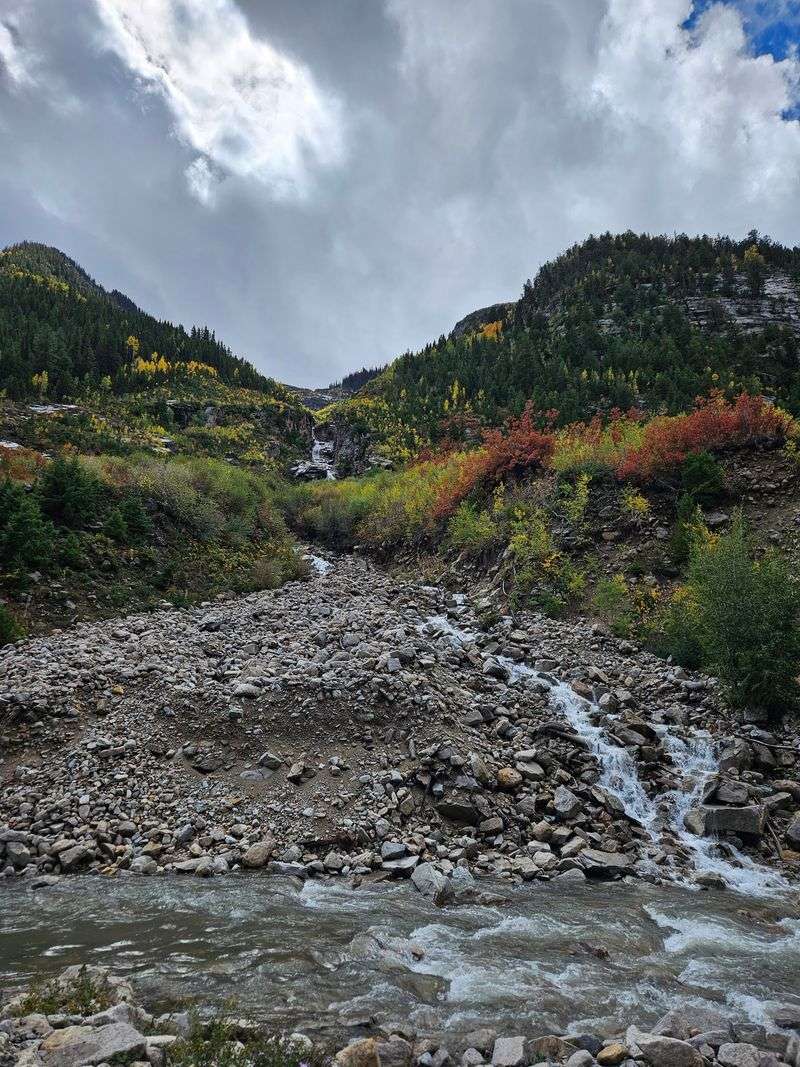
Carbondale sits where the Crystal and Roaring Fork Rivers meet. Incorporated in 1888, it serves as the gateway to the whole valley.
The town has a lively arts and culture scene. A seasonal farmers market adds even more reasons to stop and stretch your legs.
Kids and curious grown-ups should check out the Crystal River Hatchery nearby. Colorado Parks and Wildlife raises trout there and offers a self-guided tour.
Watching thousands of young fish is oddly relaxing. It also explains how healthy rivers stay stocked for future anglers.
From Carbondale, the West Elk Loop Scenic Byway heads south as Highway 133. Old potato farms, cattle ranches, and colorful rock formations roll past your windows.
Aspen sits about 30 miles away, and Glenwood Springs is roughly 12 miles off. That makes the valley easy to add to a bigger trip.
Before you go, top off gas and grab snacks. Carbondale is one of your last chances for both, and the elk certainly won’t share theirs.