
Long Before Modern America, This Little North Carolina Town Had A Story Of Its Own
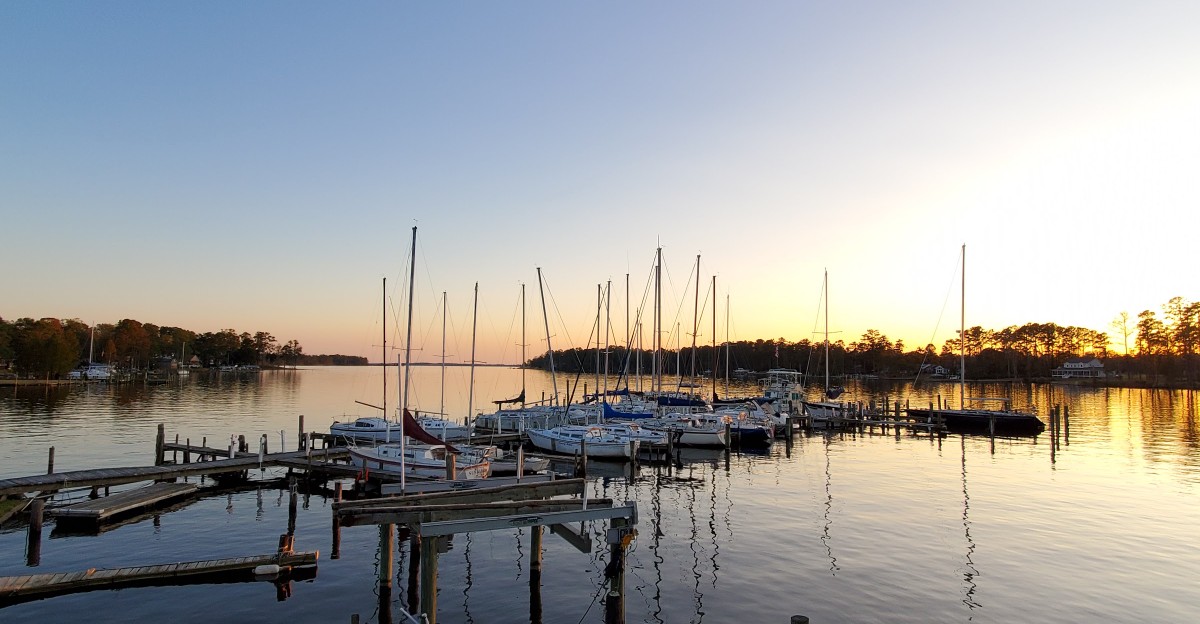
When I think of pirate history, I picture stolen treasure, dangerous waters, and men who never stayed in one place for long. But what if I told you one of the most infamous pirates in history once settled down in a quiet North Carolina town?
Blackbeard himself reportedly made this waterfront community his home after accepting a royal pardon.
And somehow, a place tied to one of history’s most feared pirates also became known for something far less expected. Its early church, historic streets, and literary roots.
That contrast is what makes me curious. How did such a small town become part of so many early American stories, and what can I still find there today that connects it to a world that disappeared centuries ago?
The Oldest Town In The State Has Bragging Rights It Earned Early
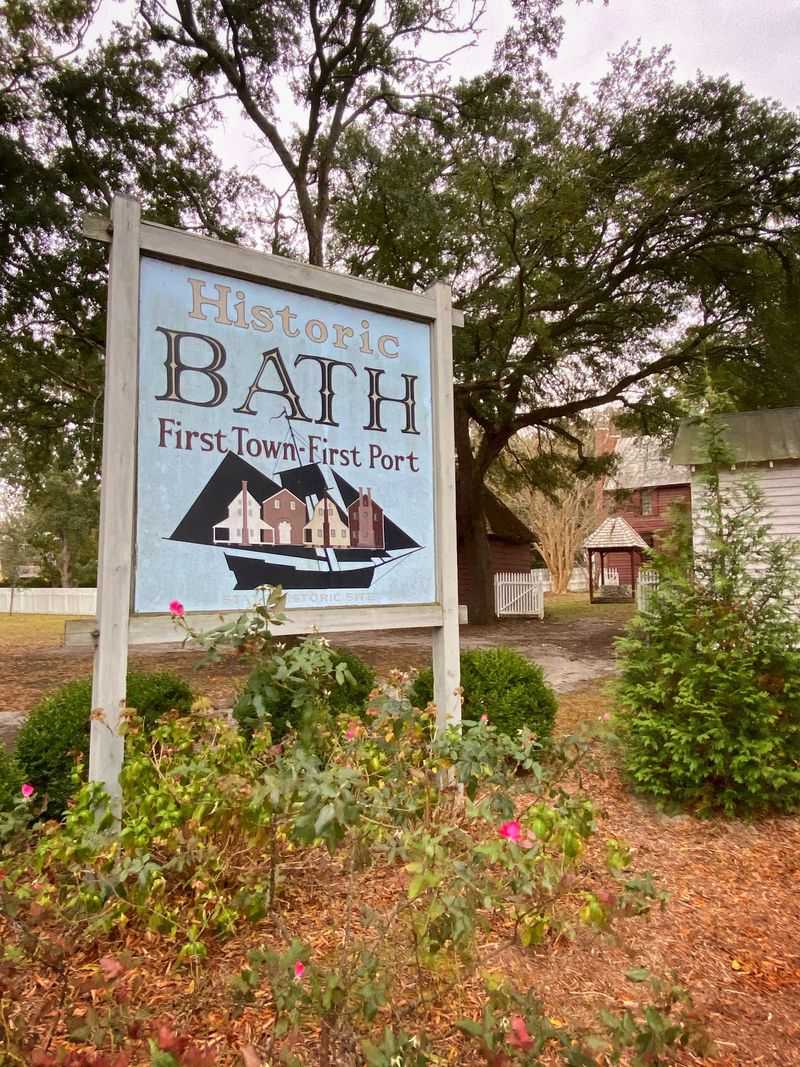
Back in 1705, Bath became the very first incorporated town in North Carolina. That beats every big city in the state by decades, which is a fun fact to drop at dinner.
Bath sits in Beaufort County along Bath Creek, just off the Pamlico River. The water mattered a lot, because boats were the highways of colonial life.
Explorer and surveyor John Lawson helped lay out the town in its early years. His plan gave the settlement a tidy shape that still guides the streets today.
Today, Bath is tiny, with only a few hundred residents. The quiet makes it easy to slow down and notice the old trees, the creek views, and the historic markers.
Here’s a practical tip for your trip. Wear comfortable shoes, since the best way to see the historic district is on foot.
Many of the key landmarks sit within a short stroll of each other. You can cover a lot of colonial history in one relaxed afternoon without ever needing to move your car.
Start Your Visit Where The Locals Of History Left Their Clues
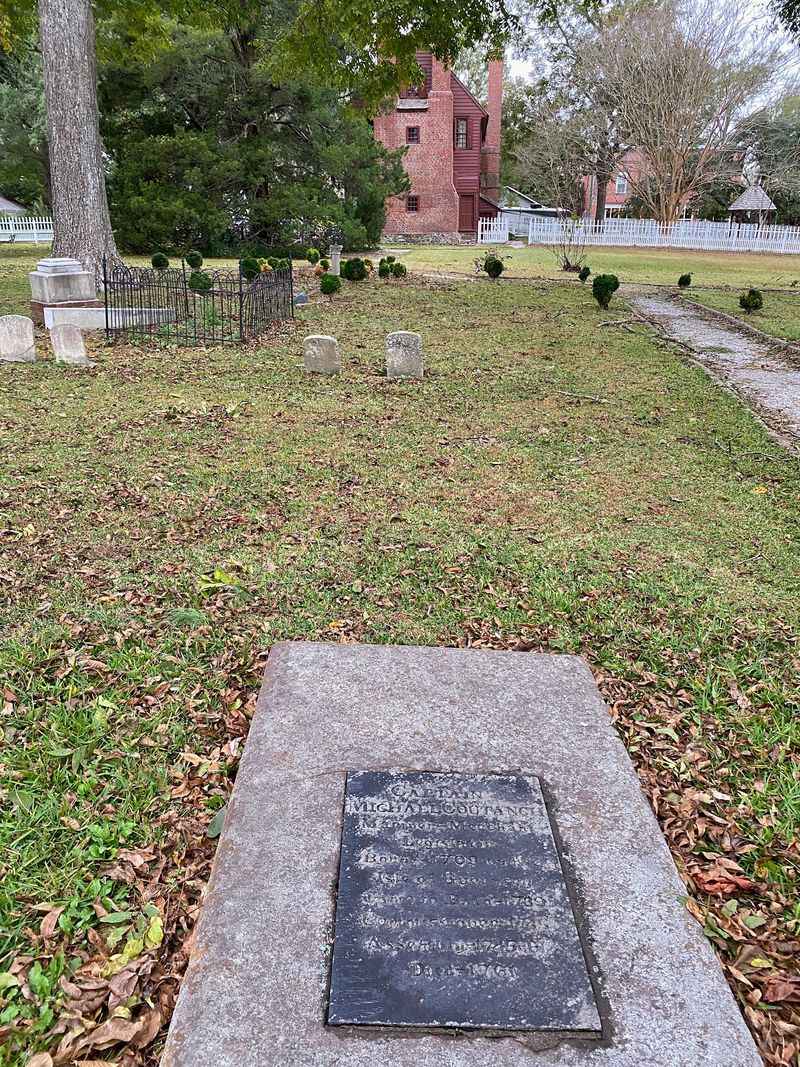
Every good mystery needs a starting point. In this town, that’s the Historic Bath State Historic Site visitor center.
You’ll find the Historic Bath State Historic Site at 100 S. Harding Street, Bath, NC 27808.
The site is run by the state of North Carolina, and it ties the whole historic district together.
Inside, exhibits explain how Bath grew from a frontier outpost into a busy colonial port. A short film helps set the scene before you head outside.
The staff also offer guided tours of several historic buildings. These tours open doors you couldn’t step through on your own, which is a pretty good deal.
Planning ahead helps a lot here. Check the site’s current hours before you go, since small historic sites can keep schedules that change by season.
Grabbing a map at the visitor center is a smart first move. It turns a simple walk into a self-guided treasure hunt through three centuries of stories.
Those Old Bricks At St. Thomas Church Have Seen A Few Centuries
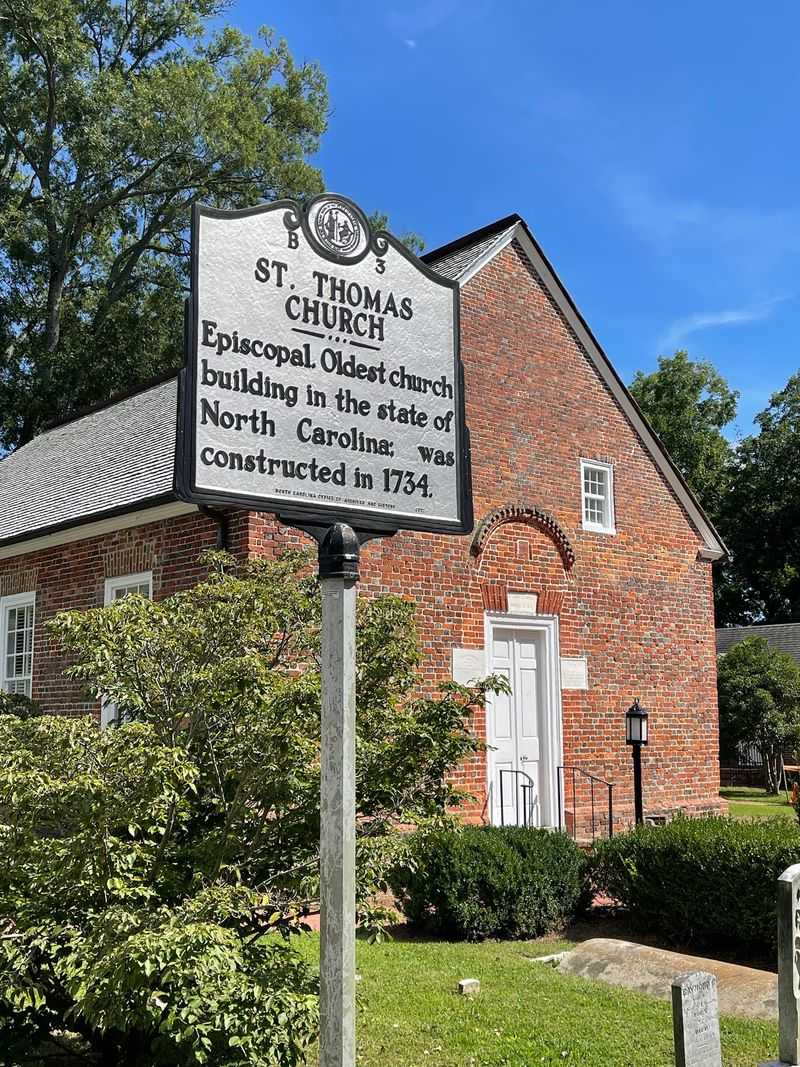
Built in 1734, St. Thomas Episcopal Church is the oldest existing church building in North Carolina. Let that sink in for a second, because it was already old when the country was born.
The church is made of brick and has a simple, sturdy look. Its thick walls and plain design feel humble, yet it carries a huge chunk of state history.
Even better, St. Thomas is still an active congregation today. That means this is not just a museum piece but a living part of the community.
The church also connects to an early library story that we’ll get to soon. Books and worship went hand in hand in colonial Bath.
When you visit, be respectful of the space and any services. A quiet look around tells you plenty about the people who built a town from scratch.
Photographers, take note of the brickwork and the trees around the grounds. The scene makes a lovely shot, and it looks like a page from a history book.
Bookworms Get A Surprise Here That Predates Most Of America
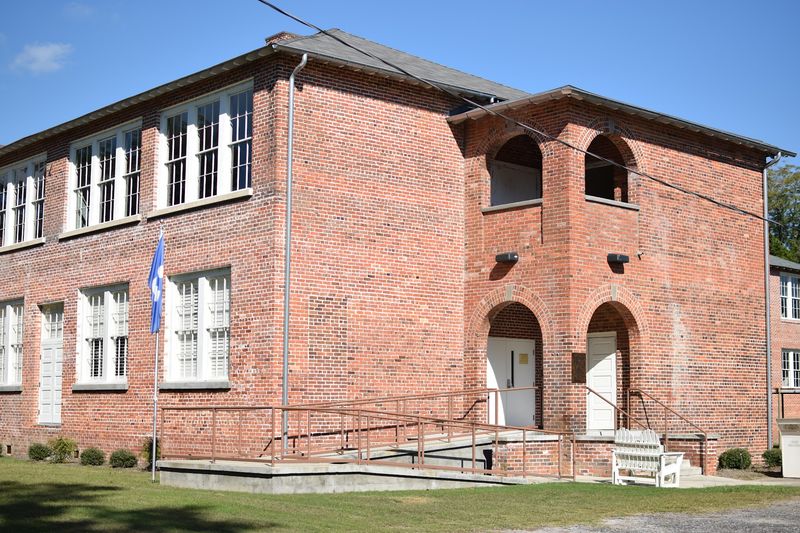
Long before library cards existed, Bath had books arriving from England. Reverend Thomas Bray, an English clergyman, sent a collection to the area around 1700.
That gift is known as the beginning of North Carolina’s first public library. For a settlement still finding its feet, that was a bold step toward learning.
Bray believed books could help colonial communities grow strong in faith and knowledge. He sent libraries to several colonies, and Bath was lucky enough to get one.
The collection was tied to St. Thomas Parish. So the church and the library story really belong together.
Why does this matter to a modern visitor? It shows that early colonists cared about reading and ideas, not just farming and trade.
Kids especially enjoy this part of the story. Ask them to imagine a whole town sharing one shelf of books, then watch them appreciate their school library a little more.
It’s a small detail with a big message. Curiosity has deep roots in this little creekside town.
Blackbeard Really Did Try Living The Quiet Life Here
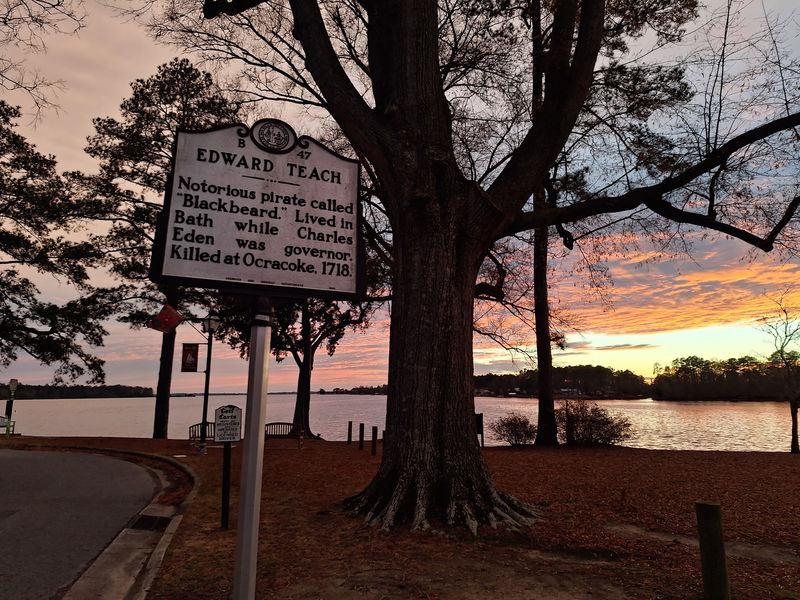
Edward Teach, better known as Blackbeard, is the town’s most famous former resident. Around 1718, he accepted a royal pardon from North Carolina Governor Charles Eden.
After that, Blackbeard lived in Bath for a time. A legendary pirate settling into a small colonial town sounds like a movie plot, but it really happened.
Governor Eden also lived in the area. That closeness has sparked plenty of stories and questions over the years.
The creek gave easy access to the Pamlico River and Pamlico Sound. For a man who knew boats, that location made a lot of sense.
Of course, Blackbeard’s quiet life didn’t stay quiet for long. Still, his stay put Bath on the map of pirate history forever.
Fans of pirate tales will love standing near the water and picturing sails on the horizon. Bring the kids, because a real pirate connection beats a cartoon every time.
Just keep expectations simple. You won’t find buried treasure, but you will find a great story.
Count The Chimneys At The Palmer-Marsh House
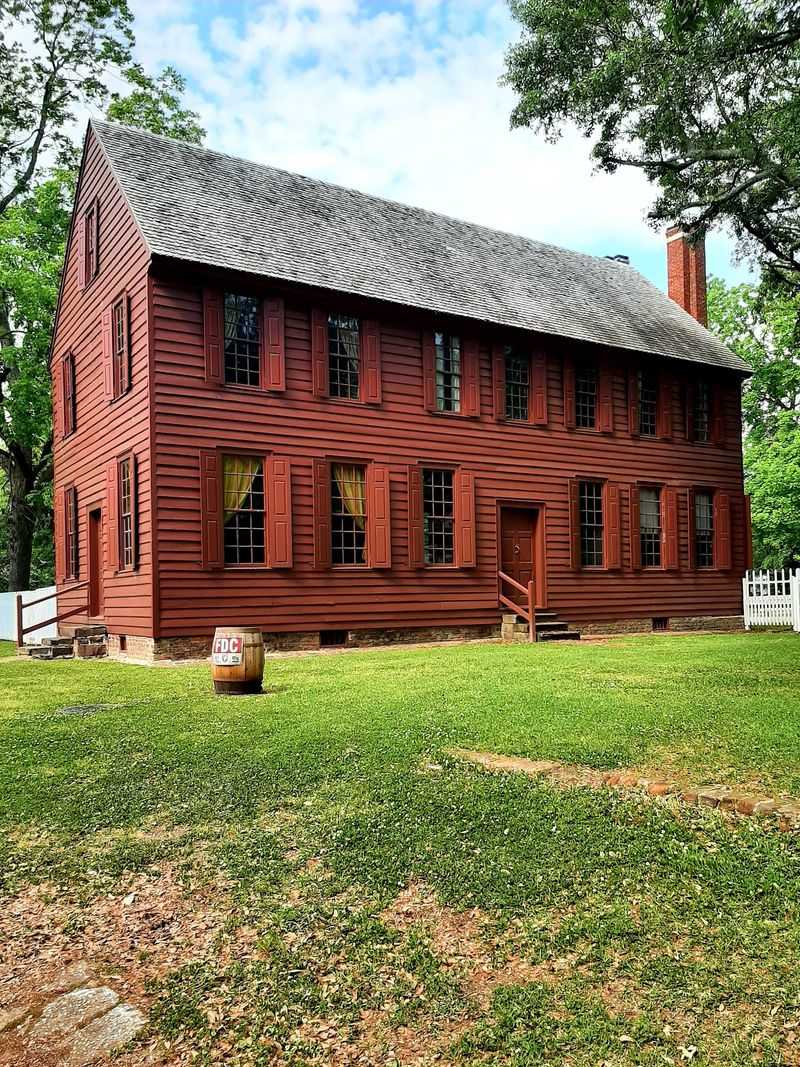
One look at the Palmer-Marsh House and your eyes go straight to that chimney. The giant double brick chimney on the end is one of the most striking sights in town.
The house dates to around 1751, making it one of the oldest homes in North Carolina. It belonged to wealthy merchants, which tells you Bath once had serious trade traffic.
Big homes like this show how the town changed after its rough frontier days. Families built to last, and their effort still stands proudly today.
The house is part of the Historic Bath site. Guided tours give you a closer look at colonial daily life inside.
Pay attention to the size of the rooms and the way the house is laid out. These details reveal how people cooked, worked, and stayed warm before electricity.
This stop pairs nicely with a picnic nearby, if you pack one. History feels a lot more fun on a full stomach.
And yes, the chimney really is worth a photo.
A House That Moved And A House With A View
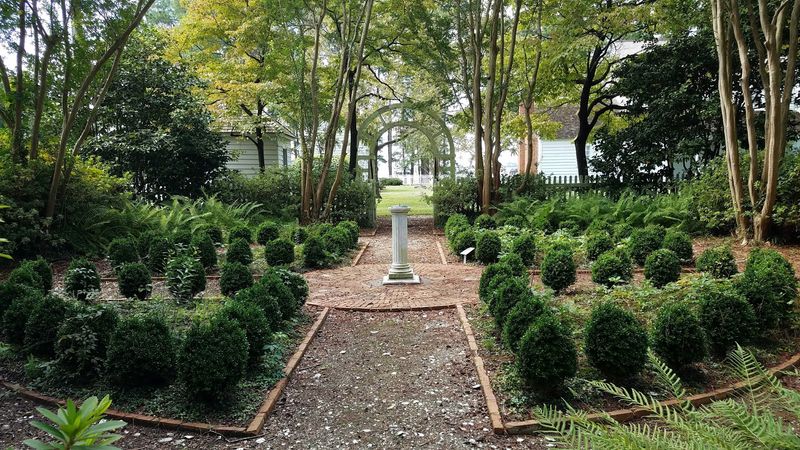
Some old houses stay put, and some take a little trip. The Van Der Veer House, built around 1790, was moved to its current spot in the historic district.
Moving a whole house sounds wild, but it helped preserve an important piece of the past. Now it sits where visitors can easily enjoy it.
Then there’s the Bonner House, built around 1830. It stands on Bonner’s Point, where Bath Creek meets Back Creek.
That location is the real treat. The view across the water is peaceful and wide, and it’s easy to see why someone wanted a home right there.
Together, these houses show how Bath kept growing after its earliest years. Each one adds a new chapter to the timeline.
Plan some extra minutes at Bonner’s Point. It’s a lovely place to pause, look at the creek, and let all that history settle in.
Sunsets over the water can be gorgeous too. Bring a camera and a little patience.
Water Lovers Will Want To Bring A Kayak Or A Fishing Pole
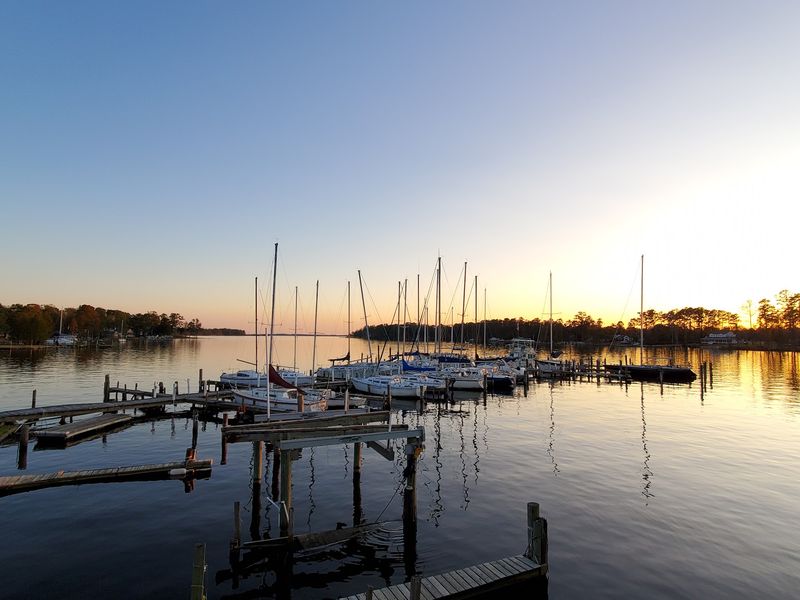
History buffs aren’t the only ones who should visit. Bath’s creekside setting makes it a pleasant spot for anyone who loves being near the water.
Bath Creek flows into the Pamlico River, one of the big waterways of eastern North Carolina. Boating has shaped this area for centuries, and it still does.
Bath Harbor Marina offers a spot for boaters to dock near town. Arriving by water is a fun way to see Bath the way early settlers did.
Paddlers can enjoy calm stretches of water and views of marsh grass. Bird watchers may want binoculars along too.
A few practical tips will help. Check the weather and wind before heading out, since open water can get choppy fast.
Pack sunscreen, water, and bug spray during warmer months. Coastal areas can get buggy, and nobody wants a pirate-sized itch.
Mixing history with a little paddling makes for a well-rounded day. Your legs and your brain both get a workout.
Round Out The Trip With Nature Trails Down The Road
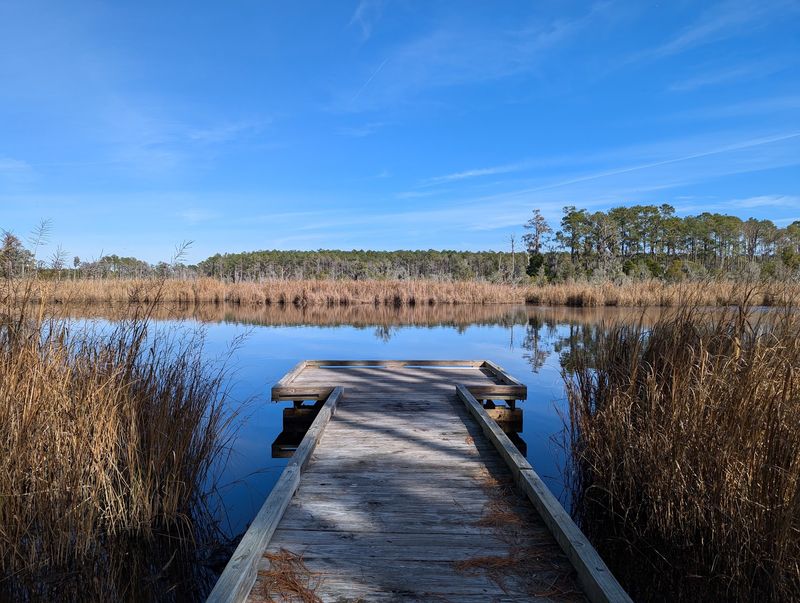
Just a short drive away, Goose Creek State Park is a perfect sidekick to a Bath visit. The park sits along the Pamlico River between Bath and Washington.
Boardwalks carry you through marshes and swampy woods. You’ll see tall trees, wetland plants, and maybe some wildlife if you move quietly.
The park also has a sandy riverfront area and spots for picnics. Families can stretch their legs after all that colonial sightseeing.
Nearby Washington, North Carolina, is another easy add-on. It has a downtown waterfront and more places to grab a meal.
So how should you plan your day? Try Bath in the morning, when the historic district is calm, then head to the park in the afternoon.
That combo balances old buildings with fresh air. Kids get to explore, and grown-ups get a breather.
By the end, you’ll understand why this little corner of the state left such a big mark. Bath may be small, but its story fills a whole day.