
11 Ohio Landmarks With Interiors That Are Absolutely Worth Seeing On A Gray November Day
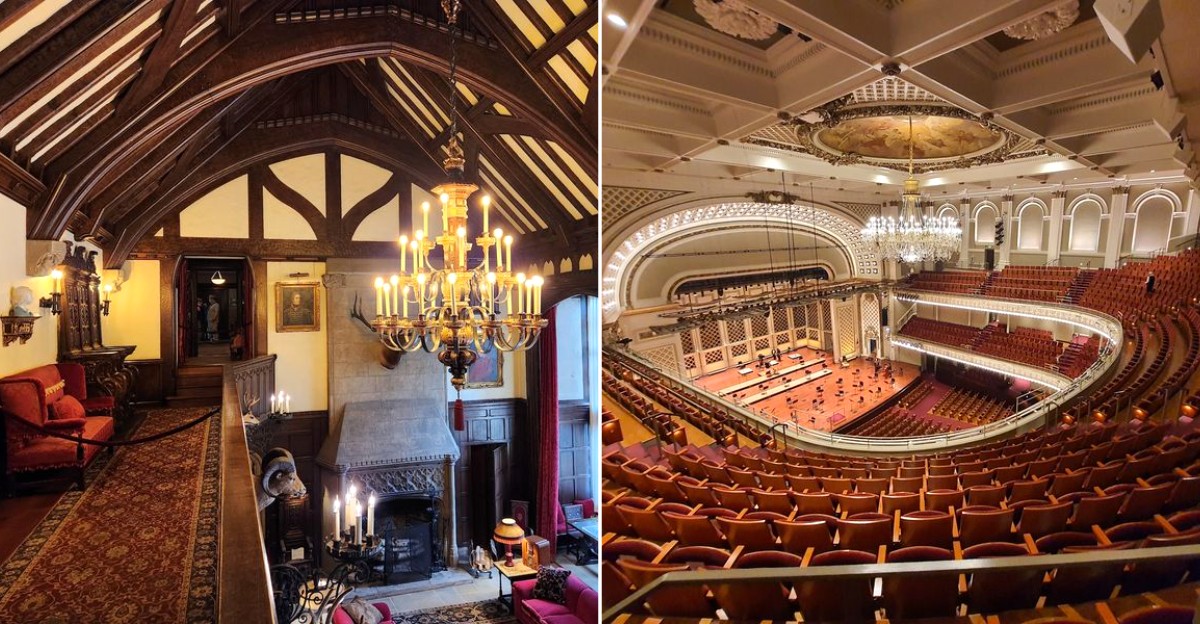
Ohio’s November weather doesn’t exactly encourage sightseeing, especially when the sky looks like it hasn’t seen sunshine in weeks.
I used to take that as a good excuse to stay home, until I realized how many of the state’s most impressive sights are actually indoors.
And I’m not just talking about museums with interesting exhibits. Some of Ohio’s historic buildings have interiors so elaborate that I found myself spending more time admiring the ceilings than whatever I originally came to see.
The Cleveland Arcade is a perfect example, but it’s hardly alone. Grand theaters, historic train stations, and even government buildings hold architectural surprises that most people wouldn’t expect to find behind their doors.
The best part? Several of these places are free to explore, so a gloomy forecast doesn’t have to mean an expensive afternoon.
Here are eleven Ohio landmarks that might actually make you appreciate having a gray November day on your hands.
1. The Cleveland Arcade, Cleveland
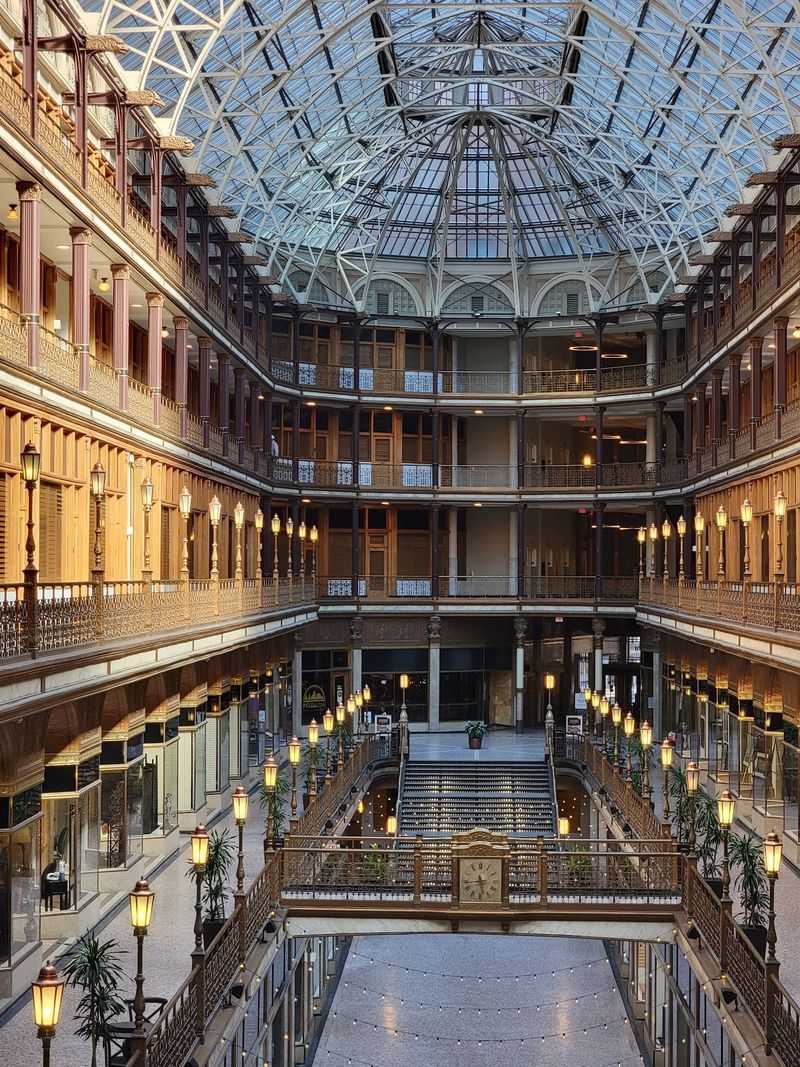
Some buildings whisper. The Cleveland Arcade sings in five-part harmony.
Opened in 1890 at 401 Euclid Avenue in downtown Cleveland, Ohio, this Victorian shopping arcade was one of the first indoor malls in the United States.
My first look up made me stop in the middle of the walkway. Five stories of balconies wrap around the space, trimmed with decorative ironwork that looks almost like lace.
Above it all sits an enormous glass skylight. On a gray November afternoon, the light that pours through feels soft and silvery, which is great news for photos.
The arcade connects Euclid Avenue and Superior Avenue, so it also works as a cozy shortcut on a chilly day. Part of the building is now a hotel, and small shops and cafes fill the lower levels.
Bring your camera and climb to an upper balcony for the best angle. Looking straight down the long hall shows off the symmetry beautifully.
Plan for about thirty minutes if you just want to admire it. Stay longer if you grab a hot cocoa and people-watch from a bench.
Fun fact: the arcade was among the first buildings in Cleveland added to the National Register of Historic Places. That status feels well earned once you see the ironwork up close.
2. Cincinnati Union Terminal, Cincinnati
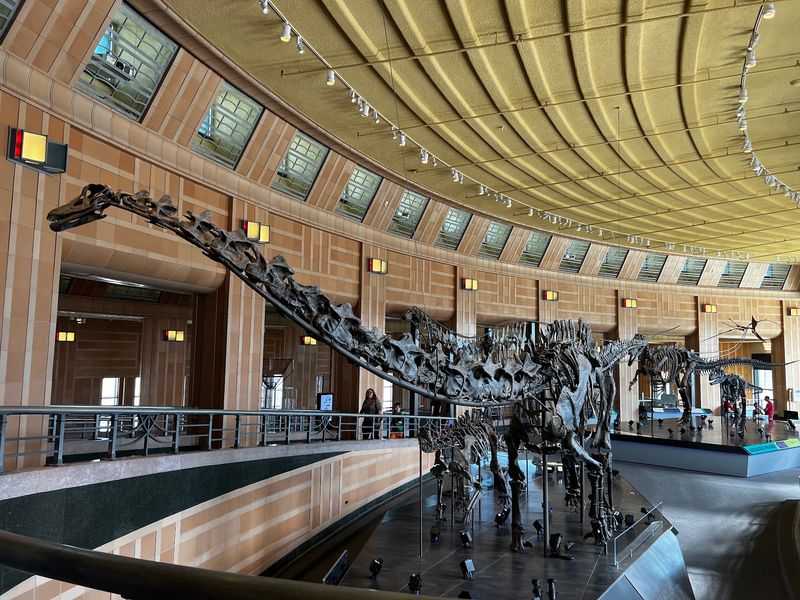
Trains still roll past, but the real show happens under the dome.
Cincinnati Union Terminal, at 1301 Western Avenue in Cincinnati, opened in 1933 as a grand Art Deco railroad station. Today it houses the Cincinnati Museum Center, which includes history and science museums plus a children’s museum.
The semicircular rotunda is the star. It is one of the largest half-domes in the Western Hemisphere, and its painted bands of orange and yellow make a cloudy day feel a little sunnier.
Along the walls, giant mosaics by artist Winold Reiss tell the story of Cincinnati and its workers. I spent a good twenty minutes just reading the faces in them.
Here is a quirky bonus. If you stand at one side of the rotunda and whisper toward the wall, a friend on the far side can hear you clearly.
Walking through the rotunda is a treat on its own, but the museums need tickets. Check the museum center website for hours and special exhibits before you go.
Families will love the hands-on spaces, and history fans can spend hours inside. Either way, save energy for one last slow lap around that glowing dome before heading back into the November chill.
3. Ohio Statehouse, Columbus
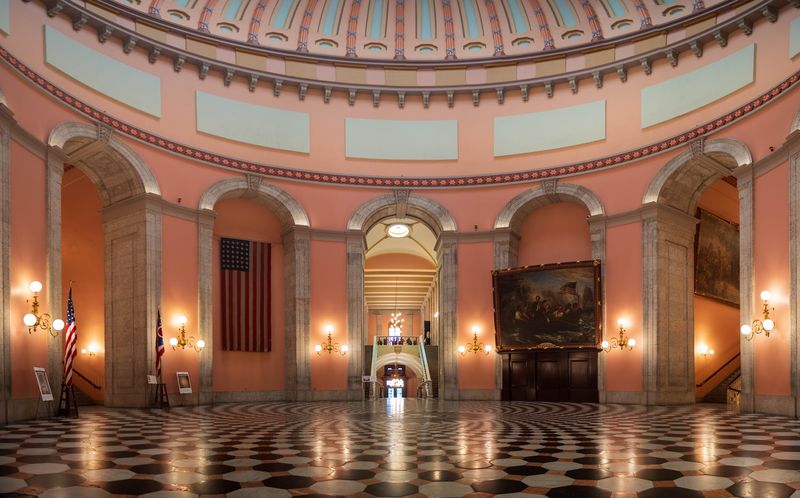
Free tours and fancy floors make a pretty convincing pair.
The Ohio Statehouse stands at 1 Capitol Square in downtown Columbus, Ohio. Construction wrapped up in 1861, and the Greek Revival building has been the home of state government ever since.
Inside, the rotunda pulls your gaze straight up. A skylight at the very top shows the Great Seal of Ohio, glowing above the marble floor.
Speaking of floors, look down too. The marble was arranged in patterns, and the stone came from places around the country.
I joined a free guided tour, and the guide shared stories about presidents, paintings, and political drama. Tours usually run on a regular daily schedule, so check times online before you arrive.
Do not skip the restored House and Senate chambers. They look polished and grand, with tall windows and rich details from the 1800s.
The Statehouse Museum Shop and a small café are tucked inside, which makes it easy to stay warm for a while. Parking is available underground beneath the square.
Gray skies outside actually help here. With fewer people strolling the grounds, the halls feel calm, and you can soak in nearly two centuries of history at your own pace.
4. Stan Hywet Hall & Gardens, Akron
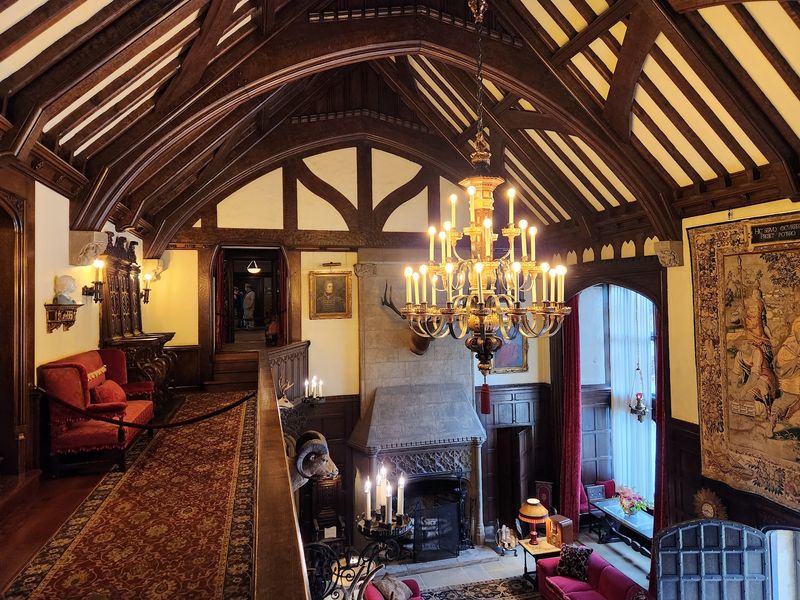
Tire money built this house, and it shows in every carved beam.
Stan Hywet Hall & Gardens sits at 714 North Portage Path in Akron, Ohio. F.A.
Seiberling, co-founder of the Goodyear Tire & Rubber Company, completed the Tudor Revival Manor House in 1915.
The name comes from an Old English phrase for stone quarry. That is a nod to the old quarry on the property.
Inside, the house feels like a storybook. Dark wood paneling covers the walls, and huge fireplaces anchor many of the rooms.
The Great Hall is my favorite spot. It is tall, echoing, and full of the kind of craftsmanship you rarely see anymore.
November is a smart time to go. The estate usually prepares for its famous holiday season, and seasonal tours let you explore the historic rooms while the gardens rest outside.
Hours and tour options change through the year, so check the official website before you plan your trip. Some special events need advance tickets.
Wear comfy shoes, since the manor is large and has many stairs. Afterward, a short walk past the frosty gardens makes a crisp, quiet ending to a cozy afternoon.
5. Cincinnati Music Hall, Cincinnati
Brick towers and pointed arches hint at the drama waiting inside.
Cincinnati Music Hall, at 1241 Elm Street in the Over-the-Rhine neighborhood of Cincinnati, opened in 1878. It is a National Historic Landmark and one of the most famous concert halls in the country.
The building is home to the Cincinnati Symphony Orchestra, the Cincinnati Pops, the Cincinnati Opera, and the Cincinnati Ballet. That is a lot of talent under one roof.
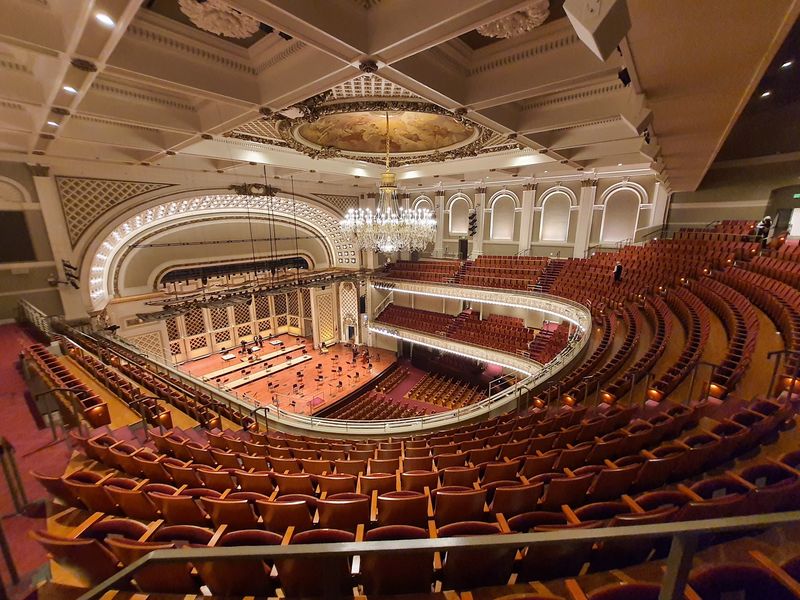
A big renovation finished in 2017 refreshed the main auditorium, now called Springer Auditorium. The seats, balconies, and lighting feel elegant without losing their old charm.
Catching a November concert is my favorite way to see it. Music sounds richer when the room itself is a work of art.
Not into concerts? Guided tours run on selected dates, often led by volunteers who share stories about the building’s past.
Check the schedule before you go, because tour days are limited. Tickets for shows can sell out around the holidays, so book early.
Washington Park sits right across the street. Even on a gray day, the view of the hall’s grand facade from the park is worth a quick pause and a photo.
6. Ohio Theatre, Columbus
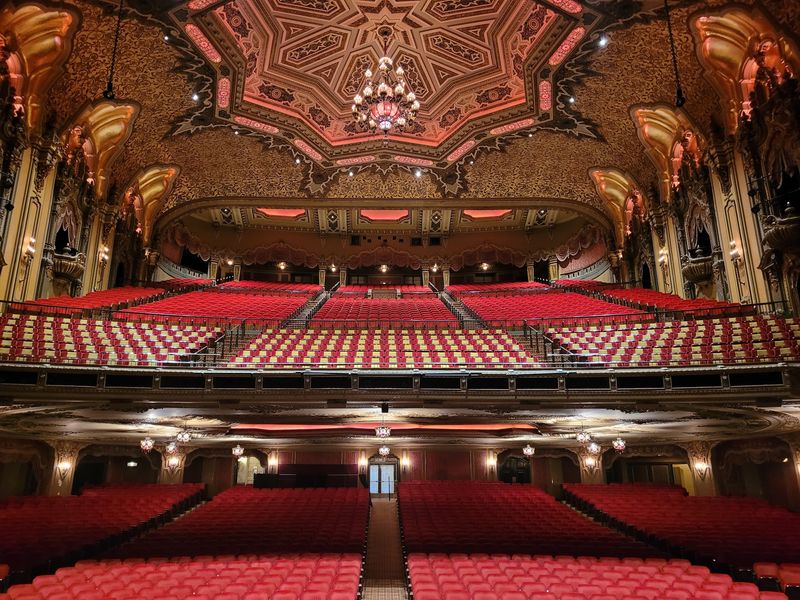
Gold, velvet, and a chandelier the size of a small car.
The Ohio Theatre, at 39 East State Street in downtown Columbus, opened in 1928 as a movie palace. Its Spanish Baroque style makes it feel like a royal ballroom.
In 1969, the theater faced the wrecking ball. Local residents raised money to save it, and that grassroots effort is a big reason we can still enjoy it today.
Inside, every surface seems to sparkle. Gilded details climb the walls, and the balconies curve around the auditorium like a giant hug.
Look up for the famous chandelier hanging high above the seats. It is one of those sights that makes everyone in the row point and whisper.
The theater hosts the Columbus Symphony, touring shows, and a popular summer movie series. Attending a November performance is the best way to see the space in full glory.
Pro tip from my visit: arrive early. That gives you time to wander the lobby and admire the details before the lights go down.
It sits right across from the Ohio Statehouse, too. Pairing the two makes for an easy, warm downtown day without much walking in the rain.
7. Cleveland Public Library, Main Library, Cleveland
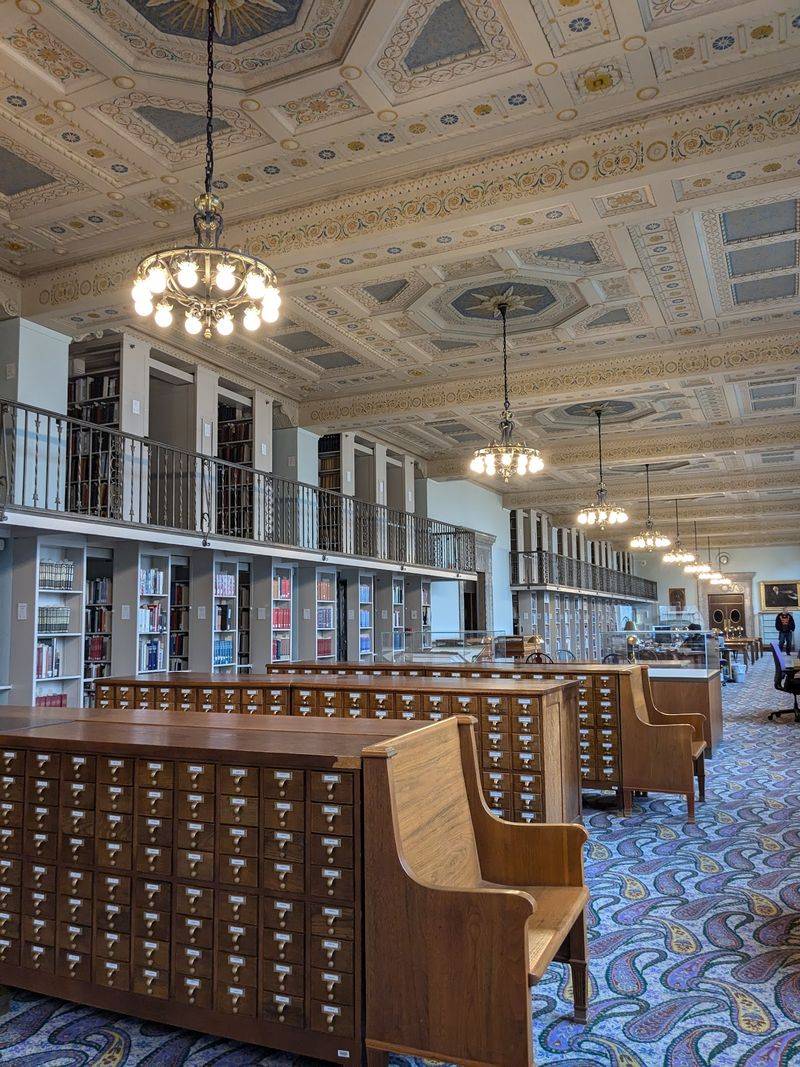
Shhh, the ceilings are showing off.
The Main Library of the Cleveland Public Library stands at 325 Superior Avenue in downtown Cleveland, Ohio. The grand building opened in 1925 and faces the city’s historic Mall.
Step inside, and the first thing you notice is the marble. Graceful staircases rise from the lobby, and polished stone gleams under the lights.
Above you, elaborate ceilings add color and pattern. Murals in several rooms tell stories and add warmth to the space.
I love that this is a working library, not just a museum. People read, study, and borrow books while visitors like me wander around looking up.
The collections here are huge. The library is known for special collections, including a large chess collection that surprises many first-time visitors.
Entry is free, which makes it a budget-friendly stop on a dreary day. Check posted hours, since they can change around holidays.
Before you leave, step out to the Eastman Reading Garden next to the building. Even in November, it is a peaceful little courtyard between the Main Library and the Louis Stokes Wing.
Bring a book home, or just bring good memories of those ceilings.
8. West Side Market, Cleveland
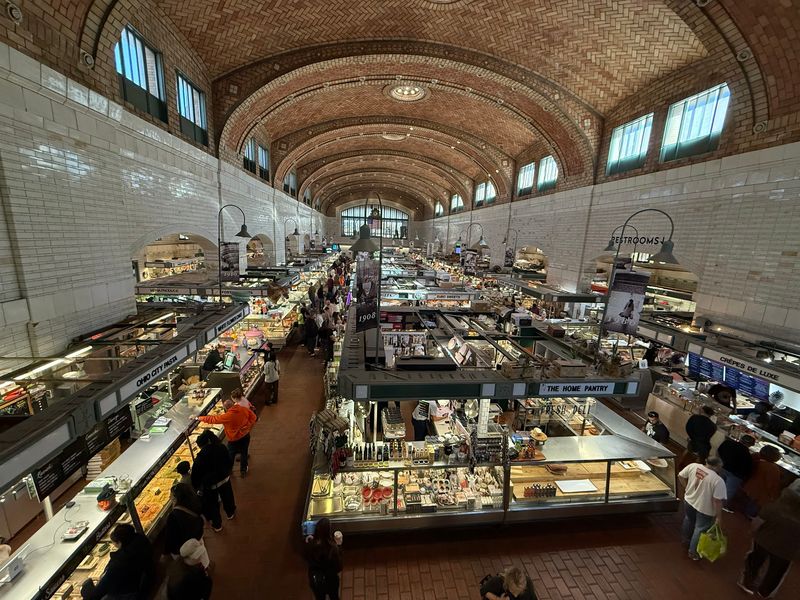
Come for the vaulted ceiling. Stay for the pierogi.
The West Side Market sits at 1979 West 25th Street in Cleveland’s Ohio City neighborhood. It opened in 1912 and is the city’s oldest operating public market.
The main hall is a beauty. A tall vaulted ceiling made of Guastavino tile arches high above the stalls, and a clock tower stands outside like a friendly landmark.
Below, dozens of vendors sell meat, cheese, baked goods, spices, and ethnic treats. The smells alone could warm you up on a chilly morning.
Across from the main hall, a produce arcade offers fruit and vegetables. It is a bit cooler there, so keep your jacket handy.
My plan is simple. I walk one full lap first, then go back for the snacks that called my name the loudest.
The market is usually open several days a week but closed on some weekdays. Check hours online, and bring cash just in case some vendors prefer it.
Arrive early to beat the crowds, especially before Thanksgiving. Gray skies never seem to slow this place down, and that lively energy is part of the fun.
9. Thomas J. Moyer Ohio Judicial Center, Columbus
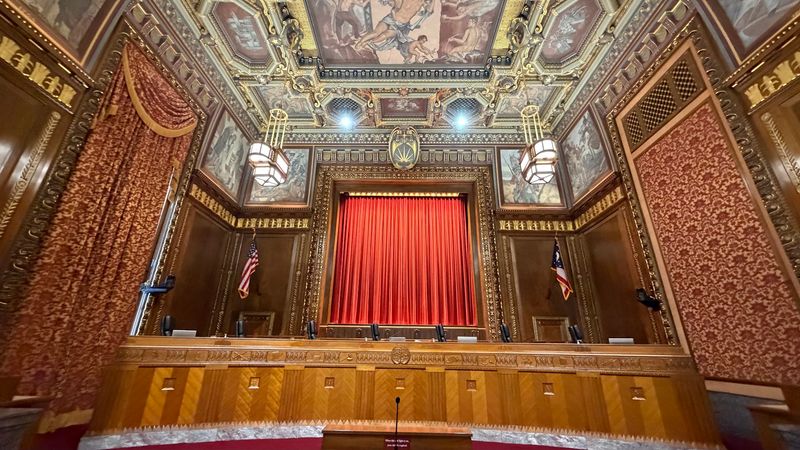
Court is in session, and so is the art class.
The Thomas J. Moyer Ohio Judicial Center sits at 65 South Front Street in Columbus, Ohio, near the Scioto River.
Completed in 1933, this Art Deco landmark is home to the Supreme Court of Ohio.
The building was first designed for state offices. A careful restoration later turned it into the court’s home, and it reopened for that role in 2004.
Inside, monumental hallways stretch out in marble and bronze. Murals cover many walls, showing scenes of Ohio history, industry, and daily life.
The courtroom is the real wow moment. Its detailed ceiling and rich woodwork make it feel serious and stunning at the same time.
Visiting is easy on the wallet. Free self-guided visits are generally available during weekday court hours, and you will pass through security at the entrance.
A visitor education center inside explains how the courts work. Kids and adults can both learn something without feeling bored.
I left with a camera roll full of murals and a better idea of how justice works in this state. That is a pretty great verdict for one rainy afternoon.
10. Toledo Museum of Art, Glass Pavilion, Toledo
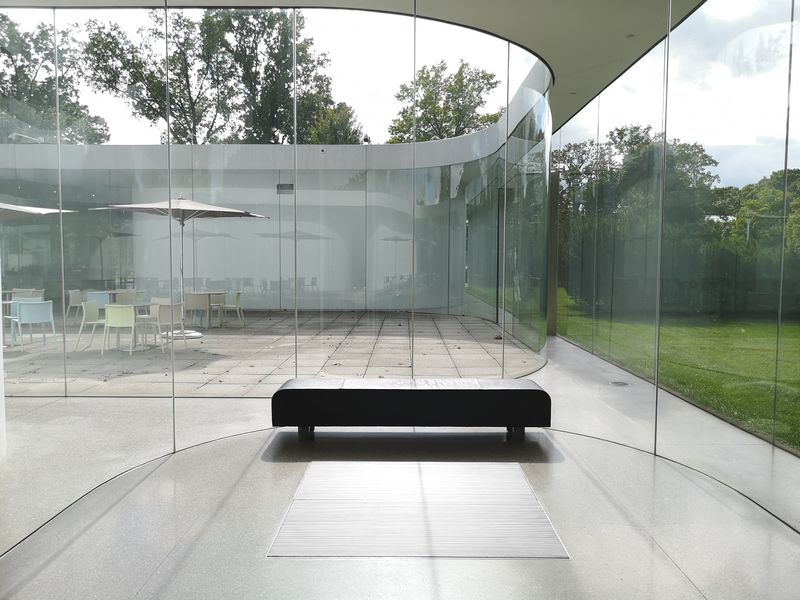
Clear walls, clever design, and zero dull moments.
The Glass Pavilion belongs to the Toledo Museum of Art and sits at 2444 Monroe Street in Toledo, Ohio. It opened in 2006 and was designed by the Japanese firm SANAA.
Toledo is nicknamed the Glass City, thanks to its long history in glass making. This building celebrates that heritage in a bold, modern way.
Curved glass walls wrap around the galleries. You can often see through several rooms at once, which makes the space feel open and light even when clouds hang low.
The collection shows off glass art from ancient pieces to modern sculptures. Colors glow in the soft November light.
My favorite part was the hot shop. Artists often give glassblowing demonstrations, and watching molten glass turn into art is mesmerizing.
Here is the best news. General admission is free, though parking may carry a fee for nonmembers.
The Glass Pavilion sits across the street from the main museum building. Plan a few hours so you can explore both, especially if the weather is truly gloomy.
After seeing so many classic historic rooms, this place feels like a fresh, sparkling change of pace.
11. Cleveland Museum of Art, Cleveland
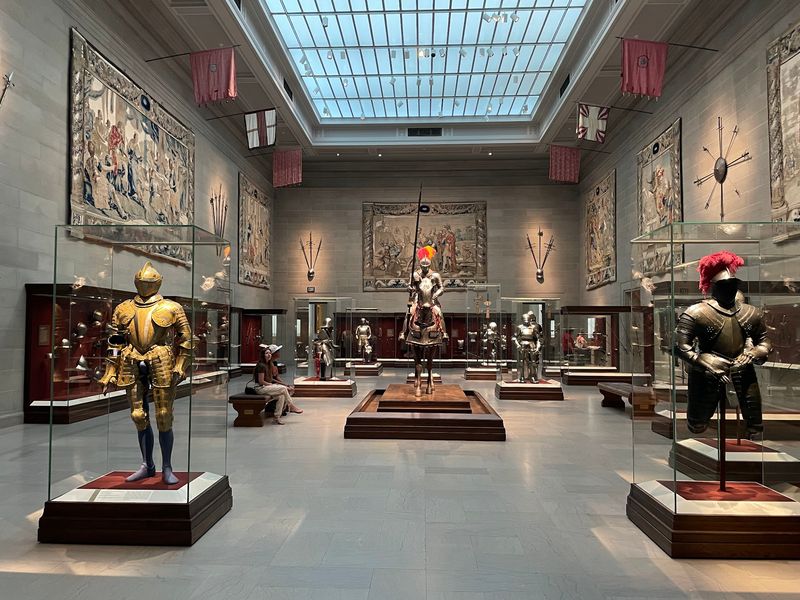
Knights in shining armor make a fine finale.
The Cleveland Museum of Art stands at 11150 East Boulevard in the University Circle area of Cleveland, Ohio. Its original Beaux-Arts building opened in 1916 overlooking Wade Lagoon.
Years later, a large expansion added a spacious modern atrium. The glass roof covers a huge open space between the old and new wings, and it fills with soft light even on gloomy days.
The Armor Court is my must-see spot. Suits of armor stand in rows, and the high ceiling makes the room feel like a castle hall.
Beyond that, the galleries hold art from around the world. You can see ancient Egyptian objects, Asian art, European paintings, and modern works all under one roof.
General admission is free, which is a huge win. Some special exhibitions do need tickets, so check the schedule before you go.
Plan at least half a day. The museum is large, and tired feet are real.
Wade Lagoon outside looks pretty even under a pewter sky. Snap one last photo of that grand building, and you will leave convinced that November in Ohio is secretly fantastic.