
13 Old-School Ohio State Parks Rich In Local History
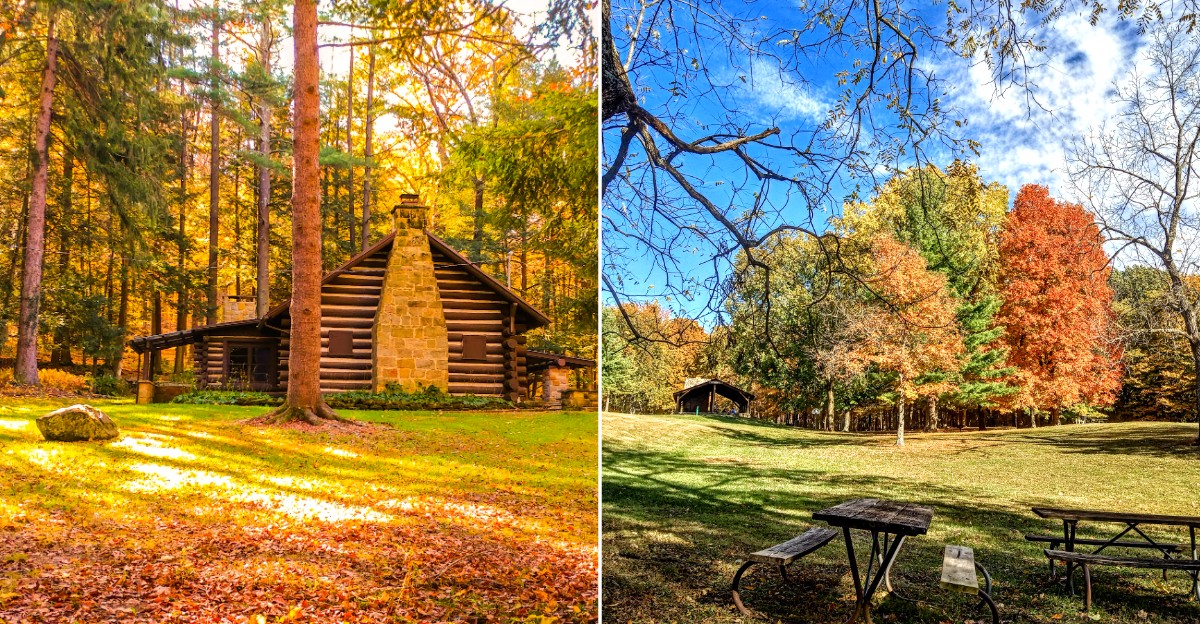
Ever visited an Ohio state park and wondered what the place looked like a hundred years ago?
I’ve always found it fascinating how an ordinary walk can turn into an unexpected history lesson, especially when you come across something that clearly has a story behind it.
And Ohio has quite a few places where those stories are still waiting to be discovered.
Imagine following a wooded trail and stumbling upon the remains of a canal that once helped keep an entire region moving.
It’s the sort of discovery that makes me curious enough to spend the rest of the afternoon learning about it.
Some parks have even more surprising connections to Ohio’s past. One protects the very hills featured on the state seal, while another is home to a lighthouse that has stood beside Lake Erie since 1822.
These 13 Ohio state parks offer plenty of reasons to explore beyond the usual hiking trails.
Just don’t be surprised if the history ends up stealing your attention from the scenery.
1. Beaver Creek State Park, East Liverpool
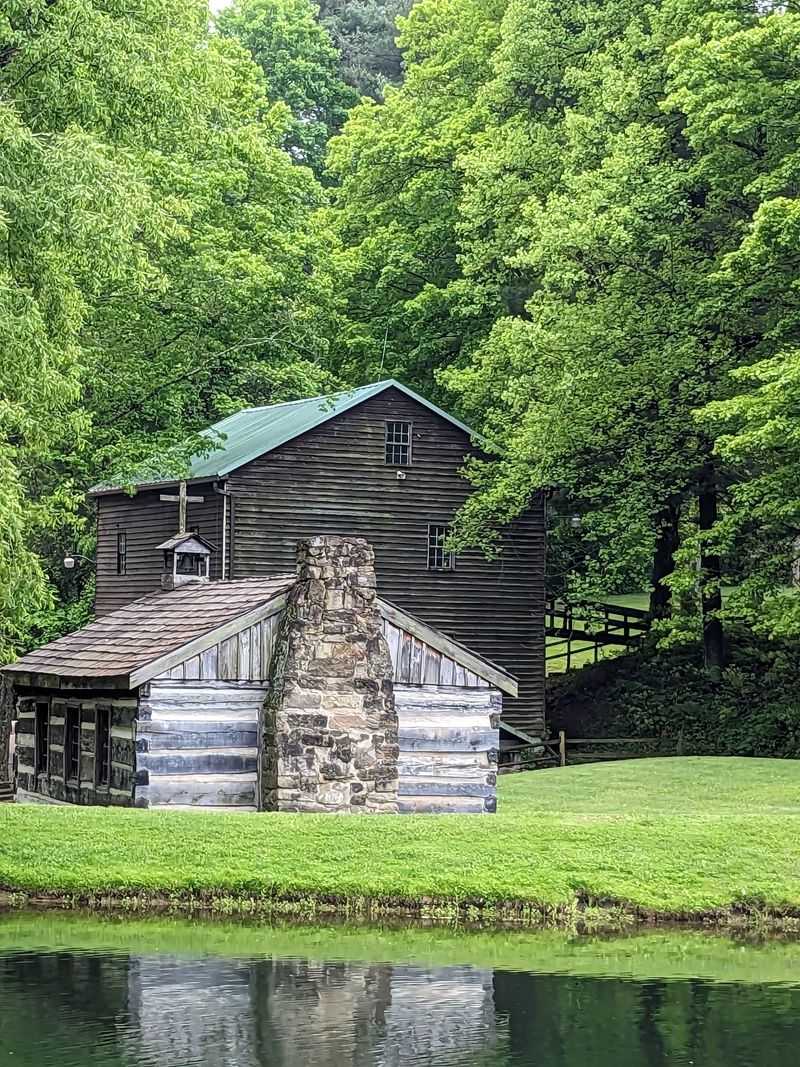
Gaston’s Mill still stands proud beside the water, and it stole my heart in about five seconds.
Beaver Creek State Park sits at 12021 Echo Dell Road in East Liverpool, Ohio, in the northeastern corner of the state. It is one of the best places in the United States to see pioneer life up close.
The park features a reconstructed 19th-century village. You can stroll past the mill, a schoolhouse, a blacksmith shop, a chapel, and a charming covered bridge.
I loved how close everything sits together. You can explore the whole village without tiring out little legs.
History buffs should also hunt for remnants of the Sandy and Beaver Canal. Old stone locks rest quietly among the trees along wooded trails.
Those locks show how hard people worked to move goods long before trucks and highways existed. Running your hand over the cut stone feels like shaking hands with the past.
Fall is my favorite season here, when the leaves turn gold around the mill. Bring a camera and comfy boots for the trails.
Consider this park a well-milled introduction to Ohio history.
2. Malabar Farm State Park, Lucas
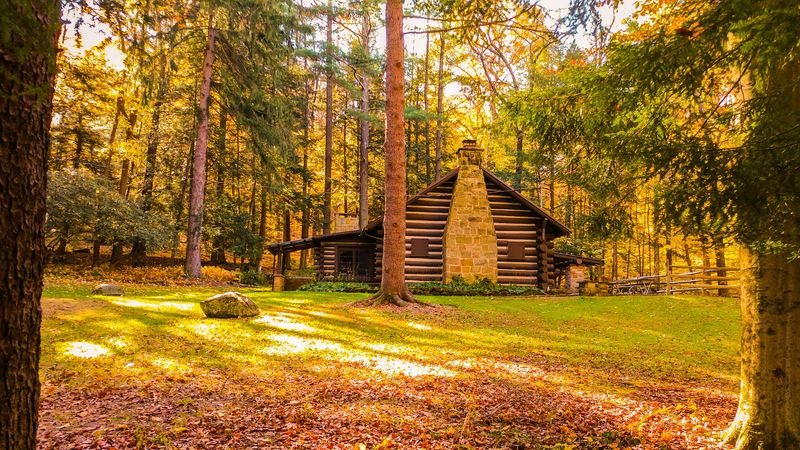
Few farms come with a Pulitzer Prize attached.
Malabar Farm State Park, located at 4050 Bromfield Road in Lucas, Ohio, preserves the legacy of author and conservationist Louis Bromfield. He won the Pulitzer Prize and then poured his energy into caring for the land.
The star attraction is the historic Big House. It has 32 rooms, which is plenty of space for hide-and-seek champions.
Walking through it gave me a real sense of rural life during the mid-20th century. The rooms feel lived in rather than stiff and fancy.
Outside, traditional farm buildings dot the scenic countryside. This is still a working farm, so you may spot animals going about their busy day.
Kids love the barns, and grown-ups love the peaceful views across the rolling hills. I recommend visiting in late spring or summer when the fields look their greenest.
Bromfield believed in protecting soil and teaching better farming. His ideas still shape how the park is run today.
Wear shoes you do not mind getting a bit dusty. Malabar Farm proves that great stories can grow right out of the ground.
3. Lake Hope State Park, McArthur
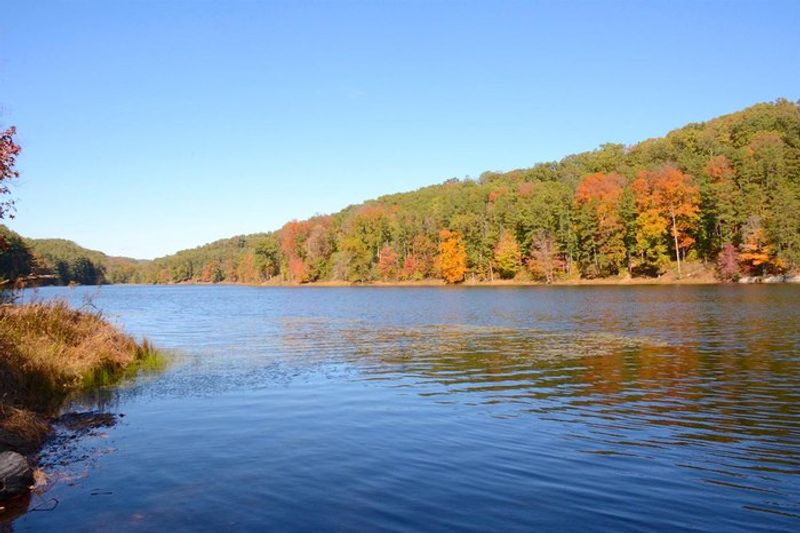
Deep in the woods, a tall stone chimney rises like a quiet clue.
That chimney belongs to Hope Furnace, the historic heart of Lake Hope State Park. The park sits at 27331 OH-278 in McArthur, Ohio, tucked inside the wooded hills of Vinton County.
Workers built the furnace in 1853 and 1854. It once supported a thriving ironmaking community in southeastern Ohio.
Standing beside the stonework, I tried to picture the heat, noise, and hard labor that filled this valley. Today the only sounds are birds and the rustle of leaves.
The surviving structure offers a real, touchable reminder of the region’s industrial past. Signs nearby help explain how iron was made here.
After soaking up the history, I recommend a walk along the forest trails. The hills look gorgeous in October when the colors peak.
The lake itself is great for paddling on calm summer days. Pack a picnic and make an afternoon of it.
Bring a flashlight in your bag if you stay late, since the woods get dark quickly. Lake Hope turns iron history into an ironclad reason to visit.
4. Salt Fork State Park, Lore City
Size matters at Salt Fork. It is the largest state park in Ohio.
Salt Fork State Park sits at 14755 Cadiz Road in Lore City, in Guernsey County. With so much room to roam, I almost needed a map for my map.
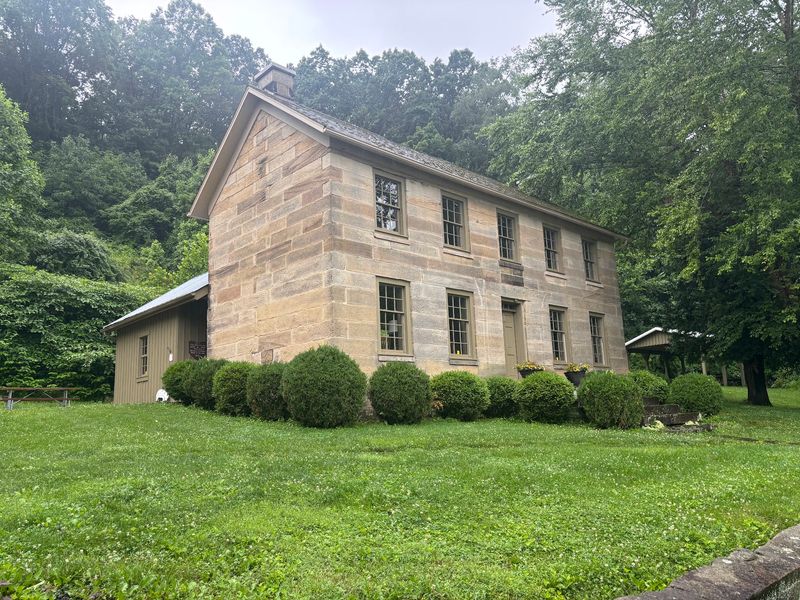
The history highlight here is the Kennedy Stone House. This beautifully restored sandstone home dates back to the 1830s.
It rests among the trees and overlooks Salt Fork Lake. The setting feels calm, private, and a little bit magical.
The house preserves an important chapter of early Guernsey County settlement. Its thick stone walls show how settlers built homes meant to last for generations.
Interior tours are seasonal, so check the schedule before you go. I suggest planning a summer or early fall visit for the best chance of stepping inside.
Even if the doors are closed, the outside views are worth the short walk. The lake sparkles beautifully in the late afternoon.
Spend the rest of your day boating, hiking, or simply relaxing by the shore. Salt Fork serves up history with a generous sprinkle of scenery.
5. Caesar Creek State Park, Waynesville
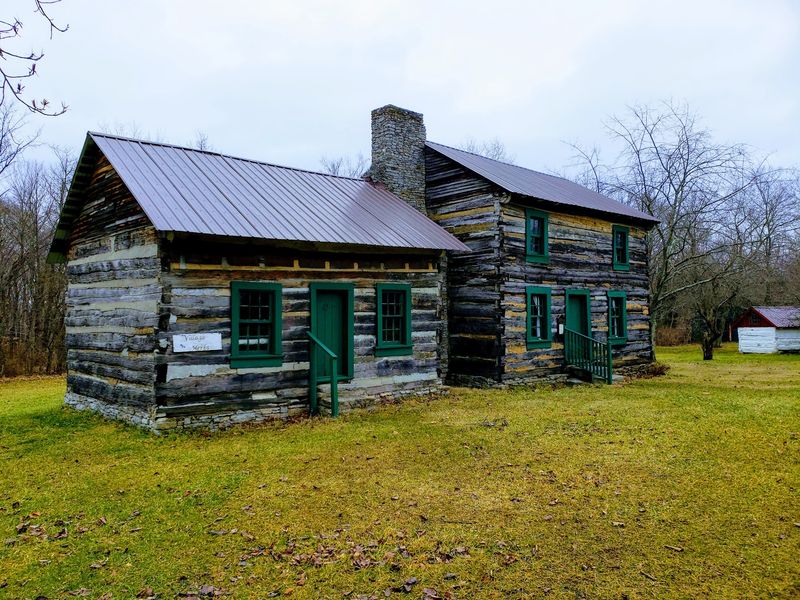
Log cabins beat modern houses in one big way. They come with stories baked into every beam.
Caesar Creek State Park spreads across southwestern Ohio, with its park office at 8570 East State Route 73 in Waynesville. Its biggest history treat is Caesar’s Creek Pioneer Village, located at 3999 Pioneer Village Road.
The village holds authentic restored log buildings from the late 1700s and early 1800s. Walking among them felt like flipping through a living history book.
You can explore the grounds around a historic schoolhouse and a blacksmith shop. There is also a Quaker meetinghouse, which reflects the faith of many early settlers in the area.
Traditional family cabins round out the collection. I enjoyed comparing their size to my own closet, and the cabins did not win by much.
The village makes a great stop for families and school groups. Kids can see how people lived without electricity or running water.
Spring and fall offer the most comfortable weather for wandering. The big lake nearby is perfect for a cool-down afterward.
Caesar Creek reminds me that simple living took serious skill.
6. Hueston Woods State Park, College Corner
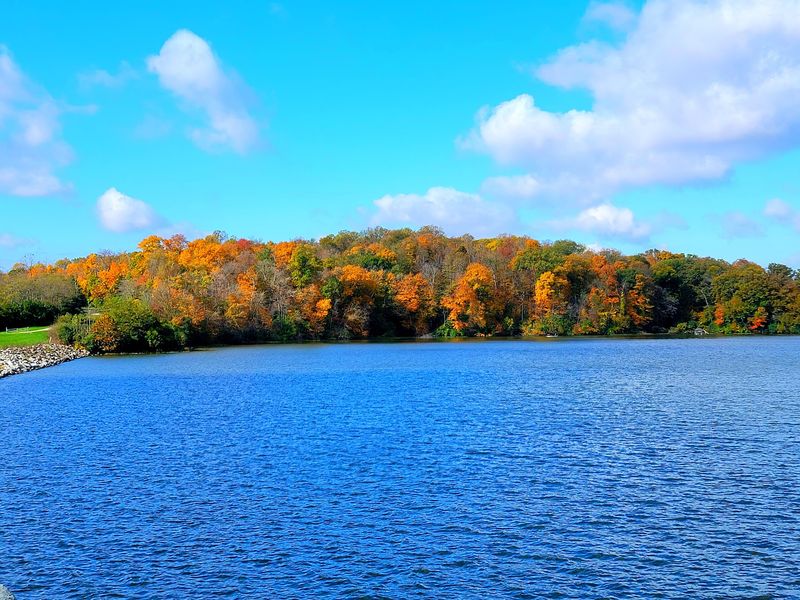
Hueston Woods State Park, at 6301 Park Office Road in College Corner, Ohio, is known for its ancient beech-maple forest. The Hueston family protected these woods, and I am so glad they did.
Walking under those giant trunks made me feel pleasantly tiny. The forest is part of the natural heritage of the state.
Cultural history shows up here too. The Doty Homestead Pioneer Farm Museum offers a peek at early farm life in the region.
History lovers should also seek out the ancient Adena earthwork. The Adena people lived in this area long before European settlers arrived.
Seeing their work in person adds a deeper layer to the visit. It reminds you that this land has hosted people for a very long time.
Autumn is the dreamiest season here, with beech leaves glowing bronze. Spring wildflowers are lovely too.
Take your time on the trails and look up often. Hueston Woods rewards patient walkers with history rooted in every direction.
7. Punderson State Park, Newbury
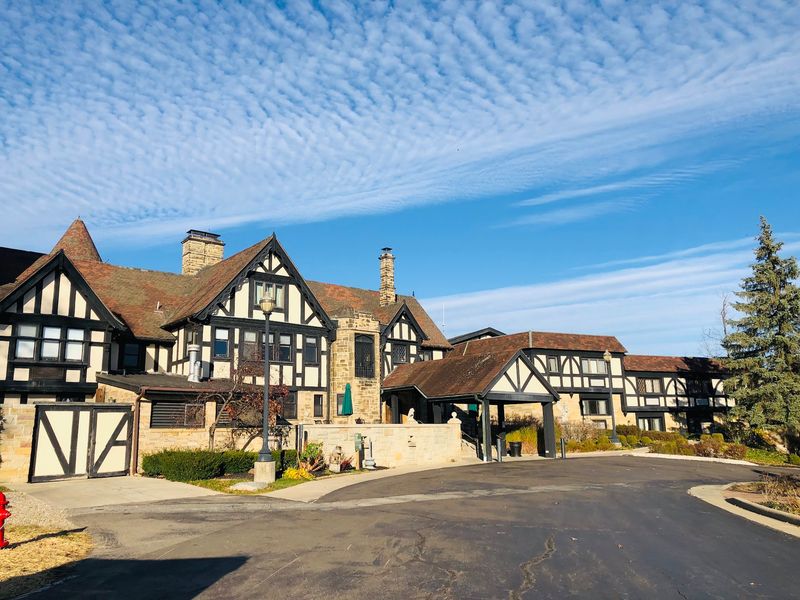
Tudor style in northeastern Ohio sounds unexpected. Punderson Manor makes it look completely natural.
Punderson State Park sits at 11755 Kinsman Road in Newbury. The manor is the showpiece, and construction on it began in 1929.
Its English Tudor design caught my eye right away. Dark wood details, steep rooflines, and elegant windows give it a storybook look.
The historic interiors feel warm and grand at the same time. I could easily picture guests gathering by the fireplace on chilly evenings.
The estate rests in a peaceful lakeside setting. It recalls the days when this area served as a popular countryside retreat for Cleveland residents.
City folks came here to escape the noise and breathe fresh air. Honestly, the idea still works perfectly today.
Fall is a fantastic time to visit, when the trees around the lake blaze with color. Winter can be charming too, with a quiet, snowy glow.
Bring a camera for the manor from across the water. Punderson proves that a little old-world style never goes out of fashion.
8. Buckeye Lake State Park, Millersport
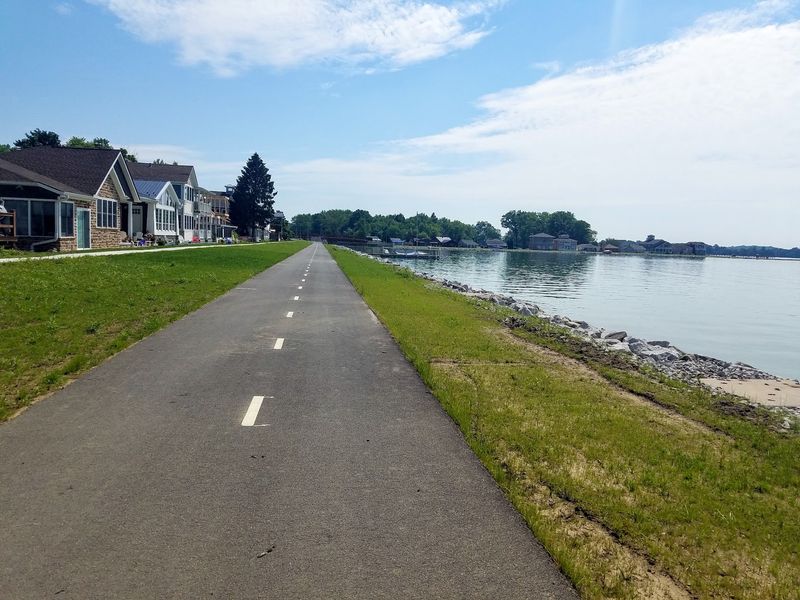
Every family tree has an oldest member. For Ohio state parks, that title goes to Buckeye Lake.
Buckeye Lake State Park’s office is located at 2905 Liebs Island Road NE in Millersport. The lake started life as a reservoir for the canal system.
Later, the lake transformed into a celebrated vacation spot. Amusement rides, dance halls, and waterfront attractions drew crowds from all over.
I love imagining summer nights filled with music and laughter along the shore. Those days were the original weekend getaways.
The amusement park is gone now, but one piece of it remains. Visitors can find the restored fountain at the park’s North Shore facility in the village of Buckeye Lake, where it recalls its place at the center of the historic Buckeye Lake Amusement Park.
Standing beside it felt like meeting a celebrity from another era. It makes a fun photo spot for history fans.
Summer is the best time to visit, when the shoreline buzzes with boaters and swimmers. Bring sunscreen and a towel.
Take a slow walk along the water and enjoy the breeze. Buckeye Lake shows that good times can make great history.
9. Grand Lake St. Marys State Park, St. Marys
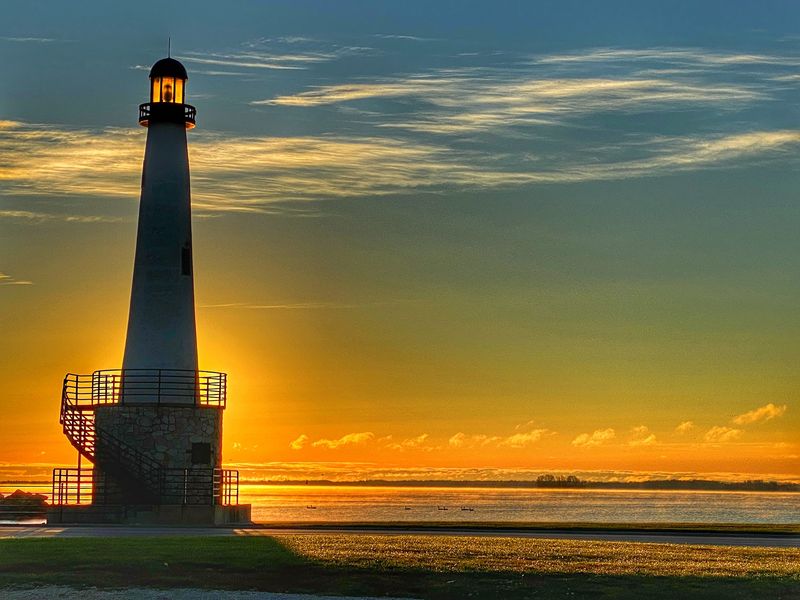
Big records deserve big lakes.
Grand Lake St. Marys State Park sits at 834 Edgewater Drive in St. Marys, in western Ohio. Workers built the lake between 1837 and 1845 to supply water to the Miami and Erie Canal.
At one time, it was the largest artificial reservoir in the world. That is a pretty impressive bragging right for a lake built mostly by hand.
The history gets even more surprising. Beginning in the 1890s, offshore oil wells operated right on the lake.
That made Grand Lake part of an early chapter in petroleum exploration. I never expected an oil story at a peaceful lakeside park.
Today, the water draws boaters, anglers, and sunset watchers. The views stretch so far that the lake almost feels like a small sea.
Late summer evenings are my favorite here. The sky turns orange and pink over the water.
Pack a folding chair and settle in along the shore. Grand Lake St. Marys truly lives up to the grand in its name.
10. Lake Loramie State Park, Minster
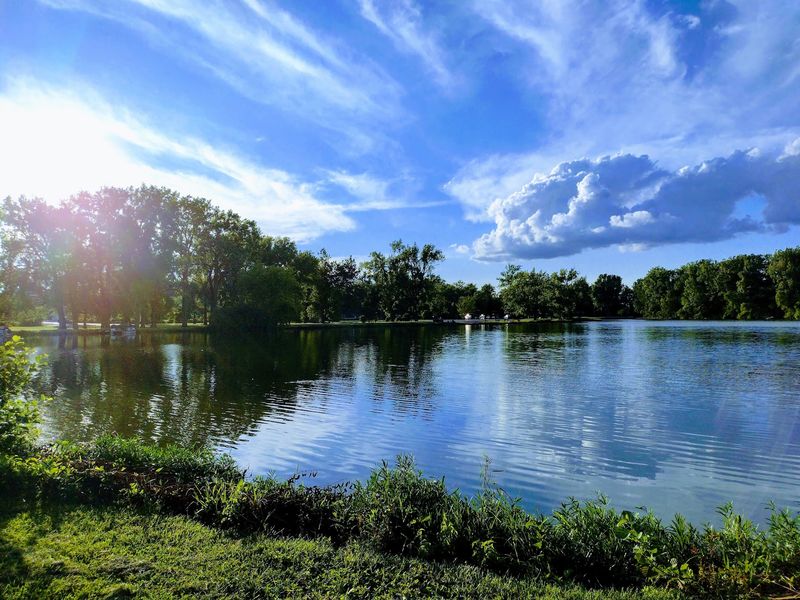
Canals once worked like the highways of their day, and Lake Loramie helped keep them running.
Lake Loramie State Park is located at 4401 Fort Loramie-Swanders Road in Minster, Ohio. It was originally developed as a reservoir for the Miami and Erie Canal.
The park preserves an important piece of transportation history. You can explore historic canal landscapes and picture boats gliding slowly through the area.
My favorite stop was the newer Welcome Center. It displays artifacts and exhibits that tell a much bigger story.
The displays cover the region’s Indigenous heritage, early settlements, and the canal era. I learned more in one hour there than in a whole semester of school, or so it felt.
The center is a smart first stop before heading outdoors. It gives context to everything you see on the trails.
Visit in late spring or early fall for comfortable hiking weather. The lake is calm and great for fishing.
Bring binoculars to spot birds near the water. Lake Loramie keeps the canal spirit flowing along nicely.
11. Marblehead Lighthouse State Park, Marblehead
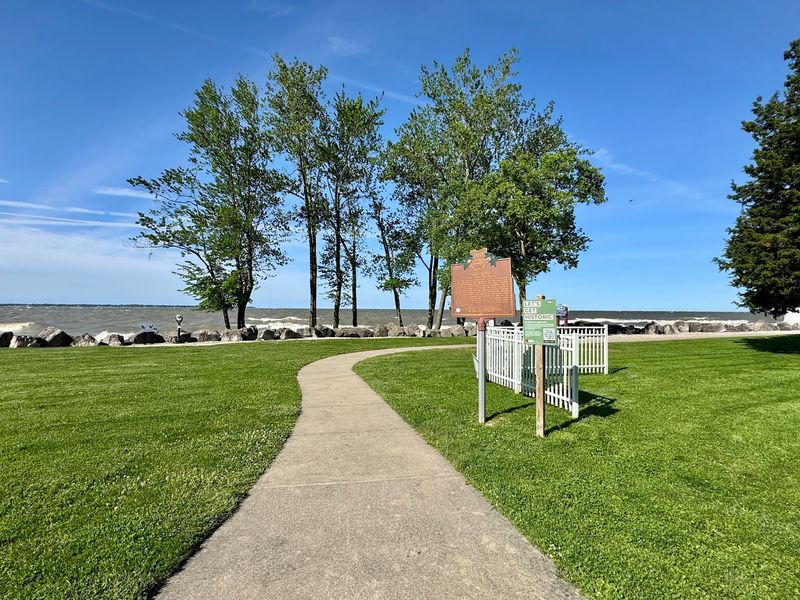
Since 1822, one bright tower has kept watch over Lake Erie.
Marblehead Lighthouse State Park sits at 110 Lighthouse Drive in Marblehead, Ohio. It is home to the oldest continuously operating lighthouse on the Great Lakes.
That is a serious streak of good service. The lighthouse has guided vessels safely for generations.
The park is small, but it packs in plenty of history. Besides the lighthouse, you can visit the keeper’s house and a reconstructed lifesaving station.
These buildings celebrate the people who protected sailors on the lake. Their stories made me appreciate how rough Lake Erie can get.
Lighthouse tours are offered seasonally, so plan ahead. Summer is usually your best bet for climbing up and enjoying the view.
The rocky shoreline makes a wonderful spot for photos. Waves crash against the stones, and the white tower stands out against the sky.
Wear shoes with good grip if you plan to explore the rocks. Marblehead is a shining example of maritime history done right.
12. Great Seal State Park, Chillicothe
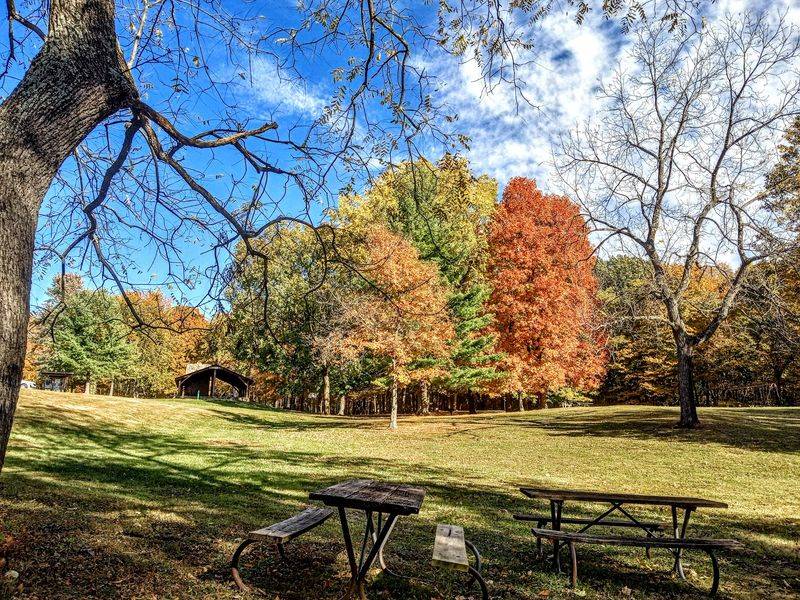
Look closely at the Ohio state seal, and you will see these very hills.
Great Seal State Park, at 4908 Marietta Road in Chillicothe, inspired the landscape shown on the official seal in 1803. I find that fact endlessly cool.
Chillicothe served as the first state capital. That makes this area a key part of how the state began.
The park preserves scenery tied to that founding moment. It also connects to the earlier Shawnee communities who lived in the region.
Standing on the trails, I could see why the view earned such an honor. The rolling hills look calm, proud, and very photogenic.
The wooded hiking trails offer a mix of history and natural beauty. Some paths climb steeply, so a good pair of hiking shoes helps.
Early morning is a magical time to visit. Mist often settles in the valleys below the ridges.
Bring water and take breaks at the overlooks. Great Seal gives you official approval to fall in love with the scenery.
13. Shawnee State Park, West Portsmouth
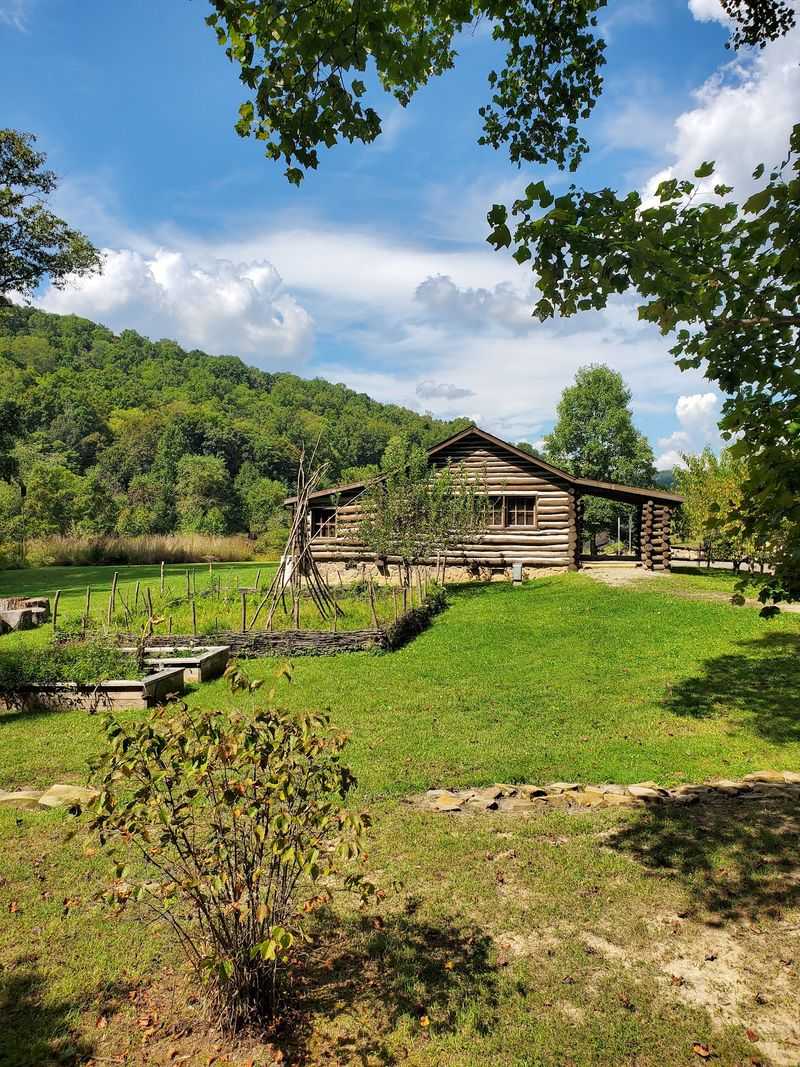
Hard work during hard times built something beautiful here.
Shawnee State Park sits at 4404 State Route 125 in West Portsmouth, Ohio. Rugged hills of Shawnee State Forest surround it on all sides.
The park reflects conservation efforts during the Great Depression. In the 1930s, workers from the Civilian Conservation Corps helped shape this land.
Visitors can discover a preserved CCC cabin. Historic interpretation displays explain what life was like for those young workers.
I was amazed by how much they accomplished with simple tools. Their efforts transformed the landscape into the park people enjoy today.
The cabin’s interior is generally open during summer. Plan a warm-weather trip if you want to step inside.
Beyond the history, the hills offer fantastic hiking and wide forest views. Some locals call this area the Little Smokies, and the nickname fits.
Pack snacks and plenty of water for the trails. Shawnee wraps up this road trip with proof that Ohio parks were built on real grit and good intentions.