
7 Tennessee Towns With A Past Stranger Than Their Peaceful Streets Suggest
One Tennessee town was so secret during World War II that it was practically erased from the map. Thousands of people lived there, yet what happened behind its gates was a closely guarded mystery.
For a state full of quiet little towns, that’s a surprisingly big secret.
And it gets stranger. I went looking for peaceful streets and mountain views, only to find stories that sound more like the opening scene of a mystery novel than an ordinary history lesson.
That’s the curious thing about places like these. A sleepy main street can hide a past nobody would ever guess from the outside.
Some secrets have been buried for decades. Others still leave people scratching their heads.
Tennessee’s most intriguing towns may be the ones that give the least away.
1. Adams
A town of roughly 600 people sounds too small for a national legend. Adams pulled it off anyway, thanks to a spirit known as the Bell Witch.
The story goes back to 1817. That year, the Bell family began reporting strange events on their farm that lasted until 1821.
Neighbors heard about knocking, voices, and unexplained attacks. The legend even links the haunting to the passing of family patriarch John Bell, which made it one of America’s most famous poltergeist tales.
Want a wild detail? Future President Andrew Jackson reportedly came to investigate the commotion himself.
Today the farm country looks peaceful, with rolling fields and quiet lanes. You’d never guess this calm corner of northern Tennessee helped shape American ghost lore.
Your best stop is the Historic Bell Witch Cave. It has been listed on the National Register of Historic Places since 2008.
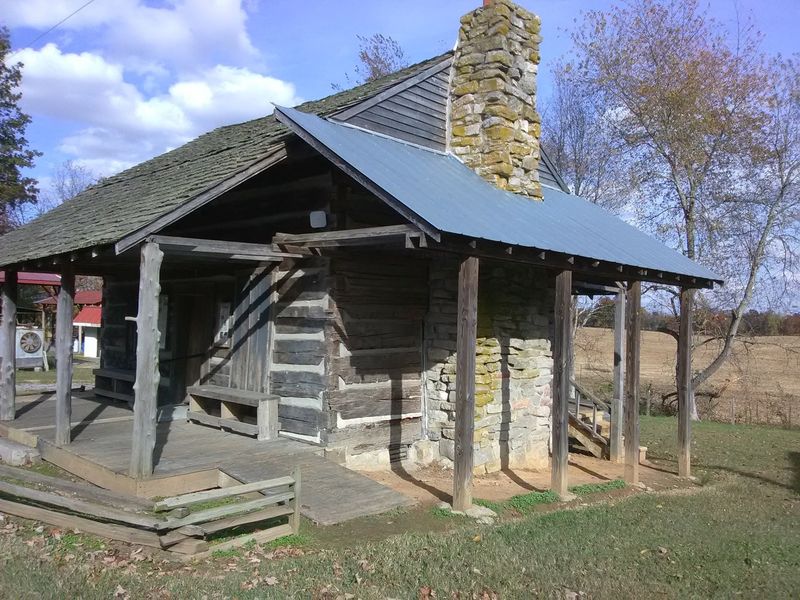
The cave tour lasts about 40 minutes and includes an ancient Native American burial site inside. A 30-minute tour of a replica John Bell Cabin shows how the family lived, with period furnishings.
History fans can book hayrides called Forgotten History Tours around the Bell property. Braver guests can arrange lantern tours or paranormal investigations by appointment.
Plan ahead, because the season matters. Tours typically shut down from December through April, and heavy rain can close the cave.
October brings extended hours and special events. Honestly, could there be a more fitting month for this place?
2. Oak Ridge
Few cities can claim they began as a secret. Oak Ridge was built in 1942 and kept off state road maps on purpose.
The reason was the Manhattan Project. Workers here enriched uranium for the atomic bomb dropped on Hiroshima in 1945, though many had no clue what their jobs really meant.
Fences surrounded the town, and guards checked who came and went. Residents were told to keep quiet about their work, which earned the place the nickname Secret City.
Picturing that today takes effort. Oak Ridge now has around 31,000 residents, plus parks, greenways, and calm cul-de-sacs along the Clinch River.
The leafy streets feel like any friendly Tennessee suburb. Yet the town’s roots tie directly to one of the biggest scientific turning points in world history.
Start your visit at the American Museum of Science and Energy. Its exhibits explain the Manhattan Project and the science that grew from it.
You’ll get a sense of how fast the town rose from farmland. You’ll also see how science stayed at the heart of the community after the war.
Curious kids and grown-ups both tend to get hooked on the secrecy angle. Who wouldn’t want to hear about a city that technically didn’t exist?
Pair the museum with a stroll on the greenways. The quiet trails make a nice contrast to the high-stakes history you just learned.
3. Rugby
An English author once tried to build a dream colony on the Cumberland Plateau. Rugby is what’s left, and it looks like a page torn from a Victorian novel.
Thomas Hughes founded the village in 1880. He wanted a cooperative community for the younger sons of English gentry, who often inherited little.
The plan sounded noble on paper. Then disease outbreaks and money troubles hit, and the utopia fell apart.
Rugby never fully emptied out, though. Fewer than 100 people live here now, among preserved cottages, historic gardens, and unpaved paths.
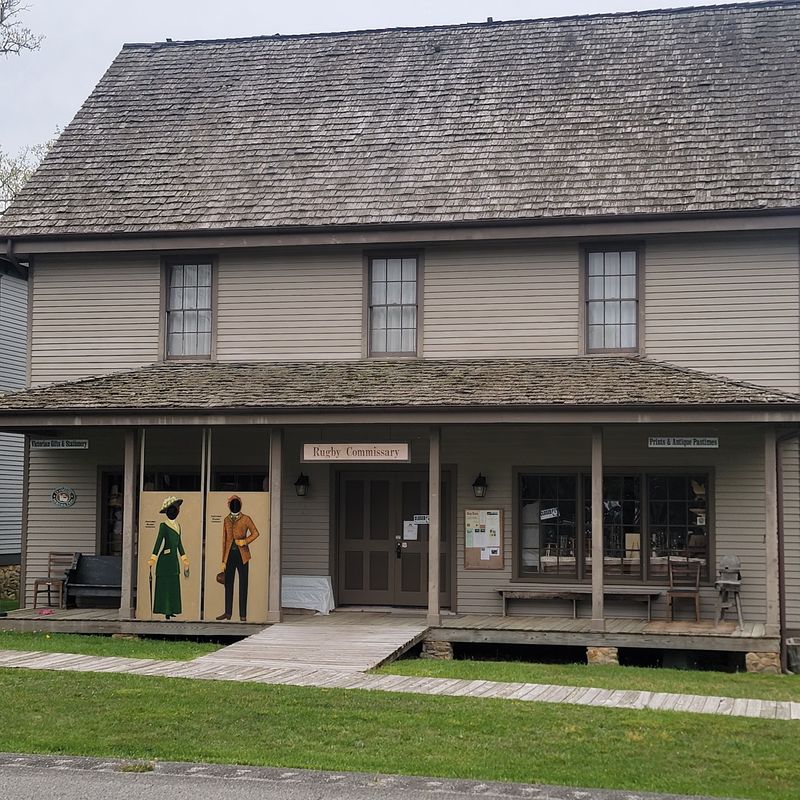
More than 20 original Victorian buildings still stand in Rugby, and guided tours take visitors inside several historic landmarks. A highlight is the 1882 Thomas Hughes Free Public Library, considered the oldest completely preserved public lending library in America.
Book lovers, take note. Shelves full of Victorian-era volumes make this stop feel like time travel with a library card.
Another favorite is Kingstone Lisle, built in 1884. Shops and dining include the R.M.
Brooks Store and The Commissary.
Want to stay overnight? Period-furnished cottages and the Newbury House Inn let you soak up the setting after the day crowds leave.
Hikers can reach trails in the neighboring Big South Fork National River and Recreation Area. A partner group also offers ghost-focused lantern walks called After Dark Tours, which need advance booking.
The Visitor Centre generally opens Thursday through Sunday. The main season runs from mid-March to mid-December.
4. Ducktown
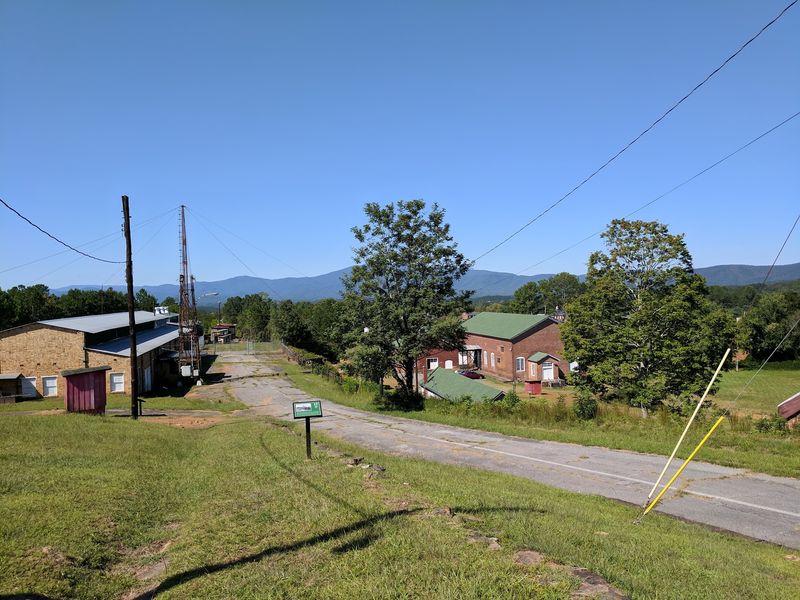
Southeast Tennessee once had a landscape so strange it looked like another planet. Ducktown’s barren red hills stretched for miles, and the story behind them was anything but science fiction.
Copper mining took off here in the 1800s and kept going into the 1900s. Smelters burned ore in open heaps, sending sulfur fumes across the hills.
Those fumes stripped away plant life. About 50 square miles of Appalachian forest turned into bare red clay.
The damage was so extensive that early astronauts reportedly used the Copper Basin as a landmark from space. That’s quite a claim to fame for a small Tennessee town, though hardly one worth celebrating.
Fast forward to today. Ducktown is a modest town of around 500 people, resting in the peaceful Blue Ridge foothills.
Restoration efforts have brought much of the green back. Still, the story of the Copper Basin remains one of the strangest environmental tales in the region.
For the full picture, head to the Ducktown Basin Museum. It sits at the old Burra Burra Mine site and covers the mining era and the people who worked it.
You’ll learn how mining shaped families, jobs, and the land itself. It’s a great stop for anyone who likes science, history, or a good comeback story.
Bring your camera for the surrounding hills. Seeing the blend of new growth and old scars helps the history click.
5. Petros
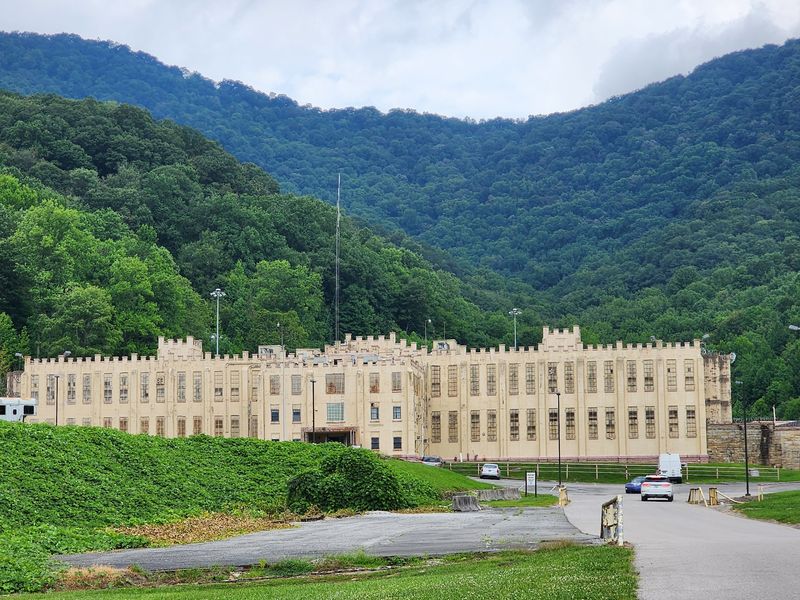
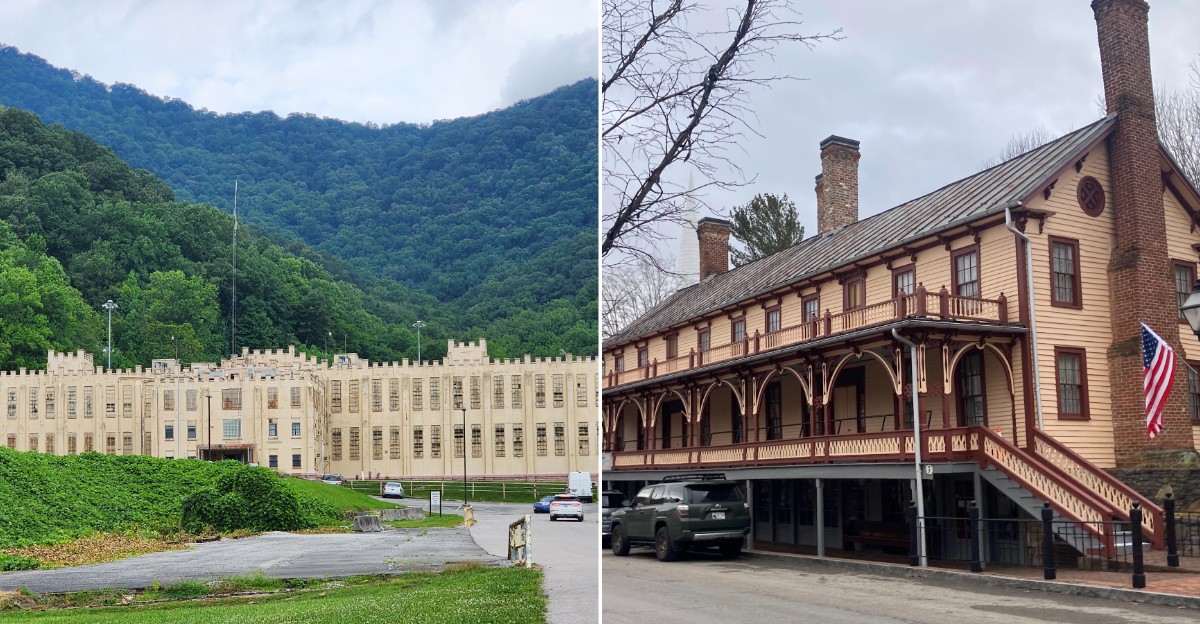
Stone walls rise against sheer mountain bluffs in a quiet Appalachian valley. That fortress is the old Brushy Mountain State Penitentiary, and it gives tiny Petros a jaw-dropping backstory.
Roughly 500 people live in Petros today. The community sits along State Route 116, where the pace feels slow and easy.
The prison’s history was anything but easy. Brushy Mountain grew out of the convict-lease era, when prisoners were forced to work the coal mines.
That system sparked violent labor uprisings in the region. Life inside the prison was also known for harsh discipline.
Then came 1977. James Earl Ray, the man convicted in the shooting of Martin Luther King Jr., escaped into the rugged mountains.
His freedom didn’t last long. Searchers found him in the woods a few days later, but the escape became a legend of its own.
The prison closed in 2009. Today, visitors can take tours of the historic grounds and hear stories from its long, rough run.
Walking past the cell blocks gives you a real sense of how isolated the place was. The steep bluffs explain why escaping was such a tall order.
Check tour options before you go, since offerings can change. It’s a stop for history buffs who like their stories gritty and true.
6. Jonesborough
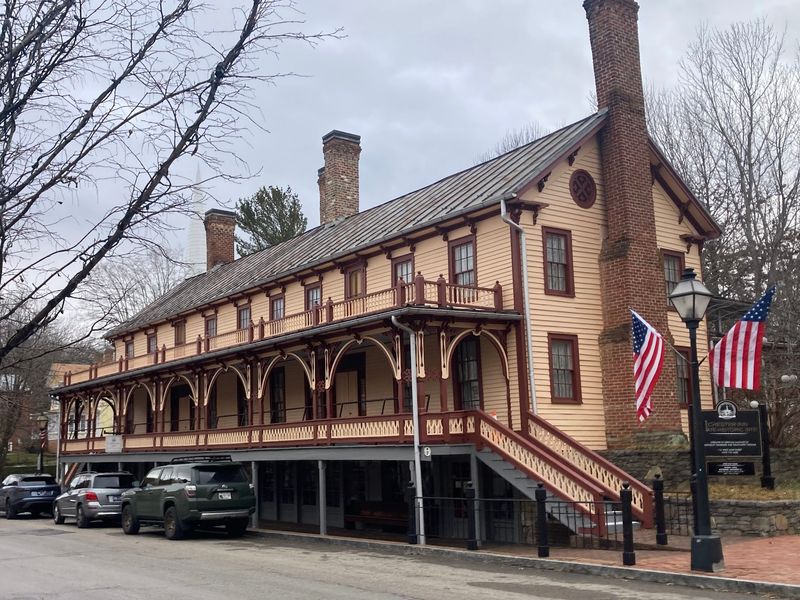
Tennessee’s oldest town once helped run a state that never officially existed. Jonesborough, founded in 1779, served in the 1780s as capital of the State of Franklin.
Franklin was a bold breakaway attempt by frontier settlers. Congress never recognized it, and the experiment faded within a few years.
That’s not the only surprise. Jonesborough also hosted The Emancipator, the first newspaper in America devoted entirely to ending slavery.
The paper launched in slaveholding territory, which makes its story even more striking. Talk about a small town with a loud voice.
About 5,800 people live here today. The brick-paved Main Street and old buildings make it feel calm and storybook pretty.
Begin at the Historic Jonesborough Visitors Center, which is open daily. You can grab self-guided tour maps and explore the Jonesborough/Washington County History Museum.
Among the museum’s treasures is the town’s first firefighting equipment from the late 1800s. It’s a fun look at how frontier towns protected themselves.
Next, swing by the Chester Inn State Historic Site and Museum. The inn dates to 1797 and features an 1850s town diorama plus exhibits on events like the 1873 cholera epidemic.
Costumed guides lead seasonal walking tours from March through December. You’ll hear about early residents and big moments while strolling the same streets they walked.
7. Hohenwald
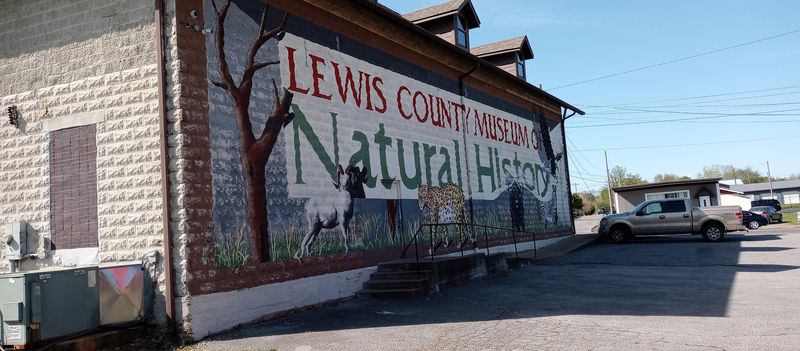
One of America’s greatest explorers finished his journey in the woods near this quiet county seat. That twist gives Hohenwald a mystery historians still argue about.
In 1809, Meriwether Lewis was traveling the Natchez Trace. He stopped at a wilderness inn called Grinder’s Stand and suffered gunshot wounds that cost him his life.
Was it self-inflicted, or was someone else involved? More than two centuries later, people still debate the answer.
Lewis had already become famous for leading the Lewis and Clark expedition. Losing him so suddenly, so far from home, only fed the questions.
Hohenwald itself has its own unusual roots. Swiss and German immigrants helped found the town, and the name means high forest in German.
Today about 3,700 people call it home. Timberlands and peaceful country roads surround the town, making it a relaxing base for exploring.
Your main stop is the Meriwether Lewis site on the Natchez Trace Parkway. A broken stone column monument marks his grave, a classic symbol of a life cut short.
Nearby stands a log cabin built to recall the inn. Trails and picnic spots make it easy to linger a while.
Bring your own theory, because you’ll probably leave with one. Either way, this calm Tennessee forest holds a story worthy of a cliffhanger.