
Kentucky Has An Abandoned Town With A Past That Few People Know About
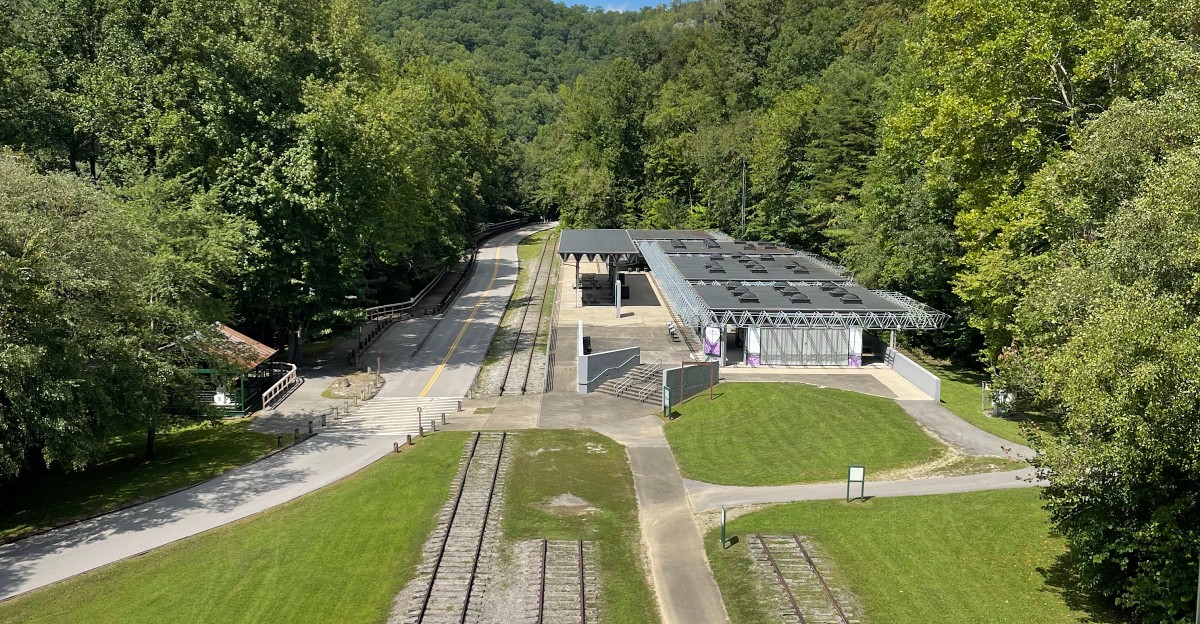
In the Kentucky hills, there’s an abandoned coal town where the buildings are little more than metal outlines, yet the voices of former residents still fill the air. It’s the kind of place that makes you wonder what it would have been like when the streets were full of life.
Today, the town feels frozen somewhere between memory and reality. The structures stand where homes and businesses once did, offering glimpses of a community that disappeared but wasn’t entirely forgotten.
I find something haunting about the idea of hearing someone tell their story in a place they once called home. It makes the past feel a little closer, even when so much of it is gone.
But what happened to this town, and why was it brought back in such an unusual way? The answers make its story even more fascinating.
A Town Named After Coal, Not A Bird
Blue Heron (Mine 18) sounds like a peaceful nature preserve. The name actually came from one of the grades of coal sold by the Stearns Coal and Lumber Company.
That company ran the whole show here. Blue Heron was a company town, which meant the business owned the homes, the store, and much of daily life.
Mine 18 opened in 1937 deep in the hills of McCreary County, Kentucky. At its peak, the community may have held around 1,000 people.
That’s a lot of folks for a spot this remote. Families raised kids, kept house, and built friendships around the rhythm of the mine.
Then the numbers stopped adding up. In December 1962, the mine closed because it no longer made a profit.
The town emptied out fast after that. Original buildings were removed or left to crumble in the woods for years.
Today, the National Park Service manages the site as part of the Big South Fork National River and Recreation Area. It’s an outdoor museum now, and it tells a story most people driving through Kentucky never hear.
Knowing the backstory first makes every stop feel more personal. Read up a little before you go, and the frames will start making sense quickly.
These Ghost Buildings Are Hollow On Purpose
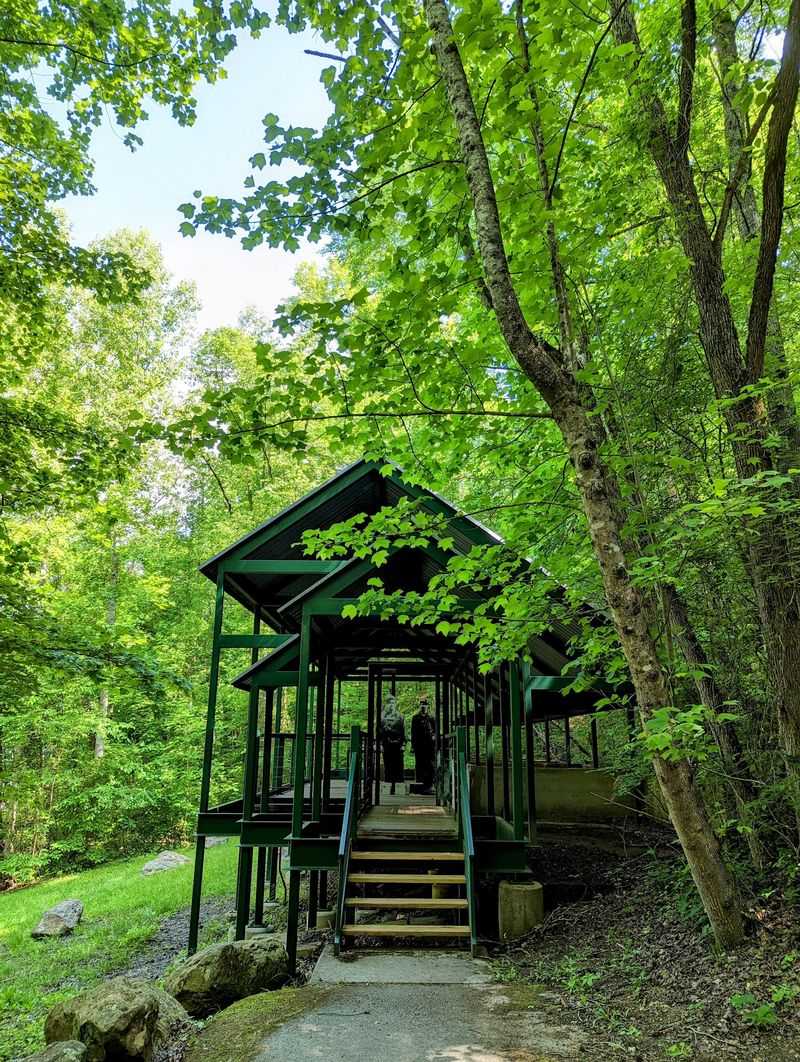
Walls are optional at this museum. The so-called ghost structures are open metal shells built on the approximate sites of the original buildings.
They work like a 3D outline of the old town. You can see where things stood without anyone pretending the originals survived.
The list covers a surprising slice of daily life. There’s a railroad depot, a company store, a schoolhouse, homes, and the superintendent’s house.
You’ll also find a bathhouse, a church, and a repair shop. Each one hints at a different part of the community’s routine.
The bathhouse is a good reminder of how dirty mining work got. Workers needed somewhere to scrub off the coal dust before heading home.
The superintendent’s house tells another story about who ranked where. Company towns had clear lines between bosses and workers.
Walking from frame to frame feels a bit like flipping through a pop-up book. The shapes are simple, but your brain fills in the rest.
Take your time moving through them in order. Seeing the store, school, and church close together shows how tightly packed life was here.
Push A Button And Let The Former Residents Talk
Former miners and residents do the storytelling here. Inside each ghost structure, you can press a button and hear their recorded memories.
That’s the feature that makes Blue Heron (Mine 18) stand out. Museums usually give you a plaque, but this one hands you real voices.
The recordings share personal recollections about life in the camp. People talk about their memories and how they felt about living in Blue Heron.
Hearing someone describe their own childhood school is different from reading about it. The details stick because a real person is saying them.
Each spot also has interpretive panels with photographs and descriptions. They explain the purpose of each building and the people who used it.
So you get two layers at once, pictures for your eyes and stories for your ears. Kids who tune out signs often perk up when a voice starts talking.
Plan for these stops to slow you down in a good way. Rushing past them would be like skipping every song on a great album.
Bring a little patience and pick a few favorites to hear all the way through. The voices are the heart of the whole place.
The Tipple Bridge Comes With A Serious View
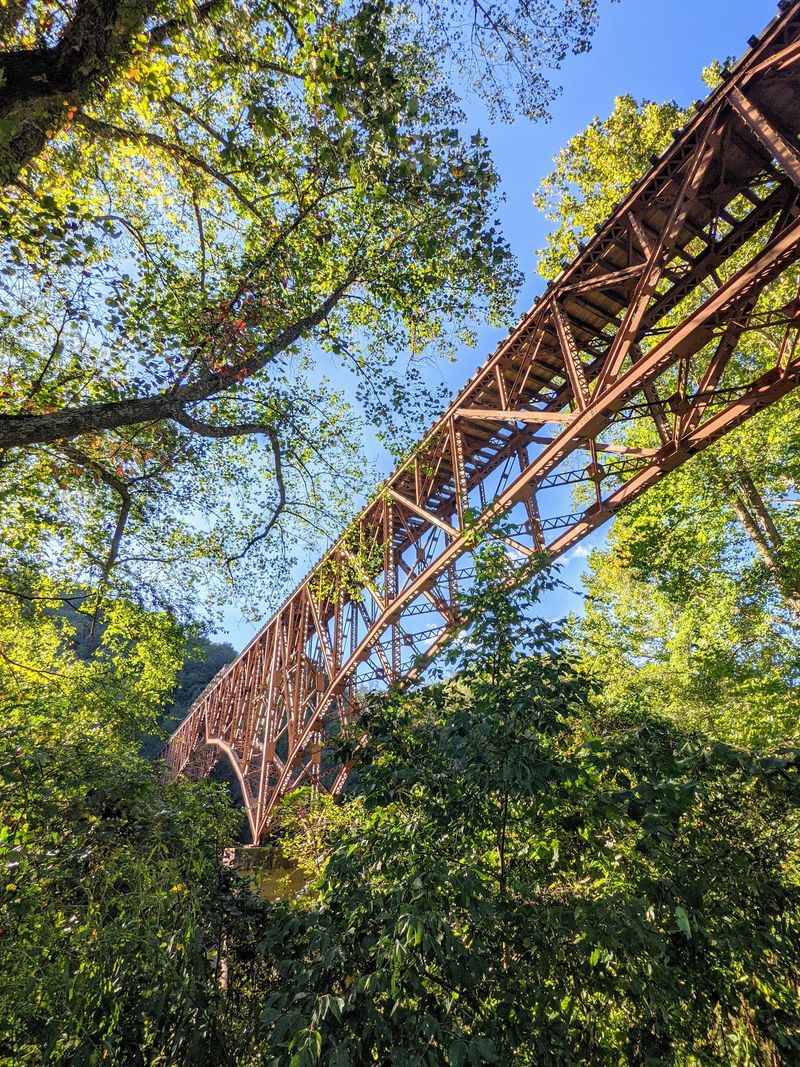
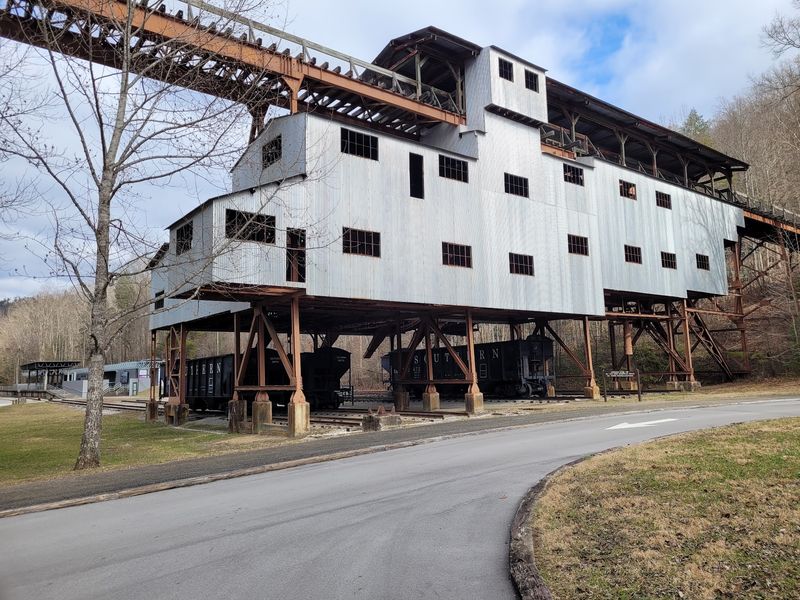
Coal had to go somewhere after it left the mountain. At Blue Heron, it went through the tipple, where it was processed and loaded.
A full-scale model of the coal tipple now stands at the site. You can even explore beneath the tipple building and get a sense of its size.
The scenery is a big reason this spot ends up in so many photos. Fall color turns the gorge into a full painting.
The bridge sits high above the water. Anyone who gets wobbly about heights may want to admire it from the ground instead.
Even from below, the tipple gives a clear picture of the mining process. It connects the mine, the rails, and the river in one big structure.
Bring a camera with a decent zoom. The gorge views are the kind you’ll want to show off later.
Peek At The Spot Where The Work Actually Happened
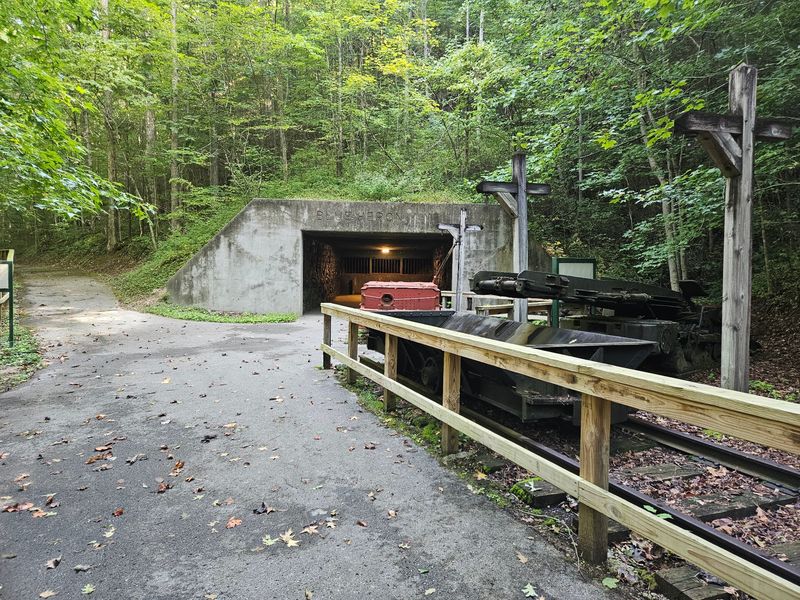
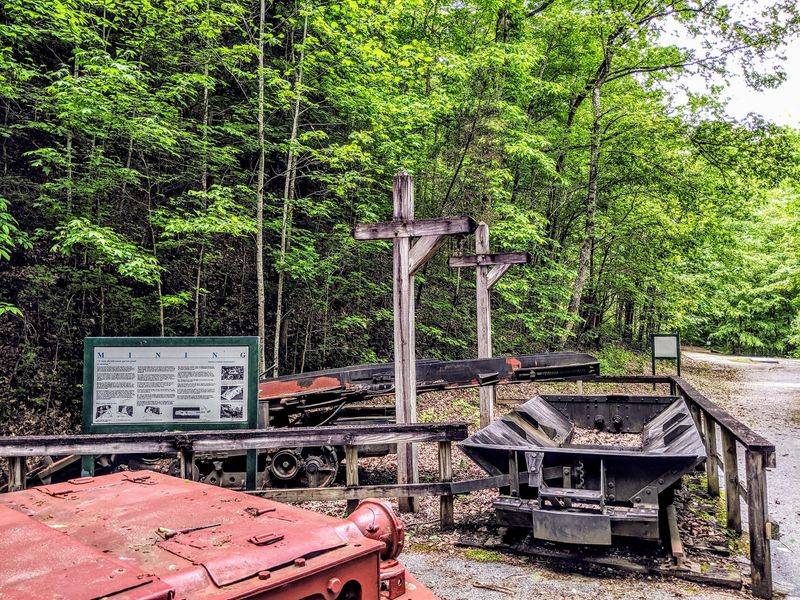
Everything in this town traced back to one hole in the hillside. An exhibit at the site shows the entrance to Mine 18.
Standing near it helps the history click. Every home, paycheck, and school lesson in Blue Heron depended on what came out of that opening.
The exhibit explains the work miners did underground. It’s a sobering look at long days in tight, dark spaces.
Compare that to the bright gorge outside, and the contrast is striking. Miners spent their workdays far from all that daylight.
The path up to the entrance is paved but steep in sections. Wear comfy shoes and give yourself a few breaks along the way.
Families might use this stop to talk about how jobs have changed. Most kids today can’t picture a commute that ends inside a mountain.
The mine operated from 1937 until the end of 1962. That’s about 25 years of digging, hauling, and hard labor.
Take a moment here before heading back down. Seeing the starting point gives the ghost buildings below a lot more meaning.
Rangers, Restrooms, And Free WiFi In The Middle Of Nowhere
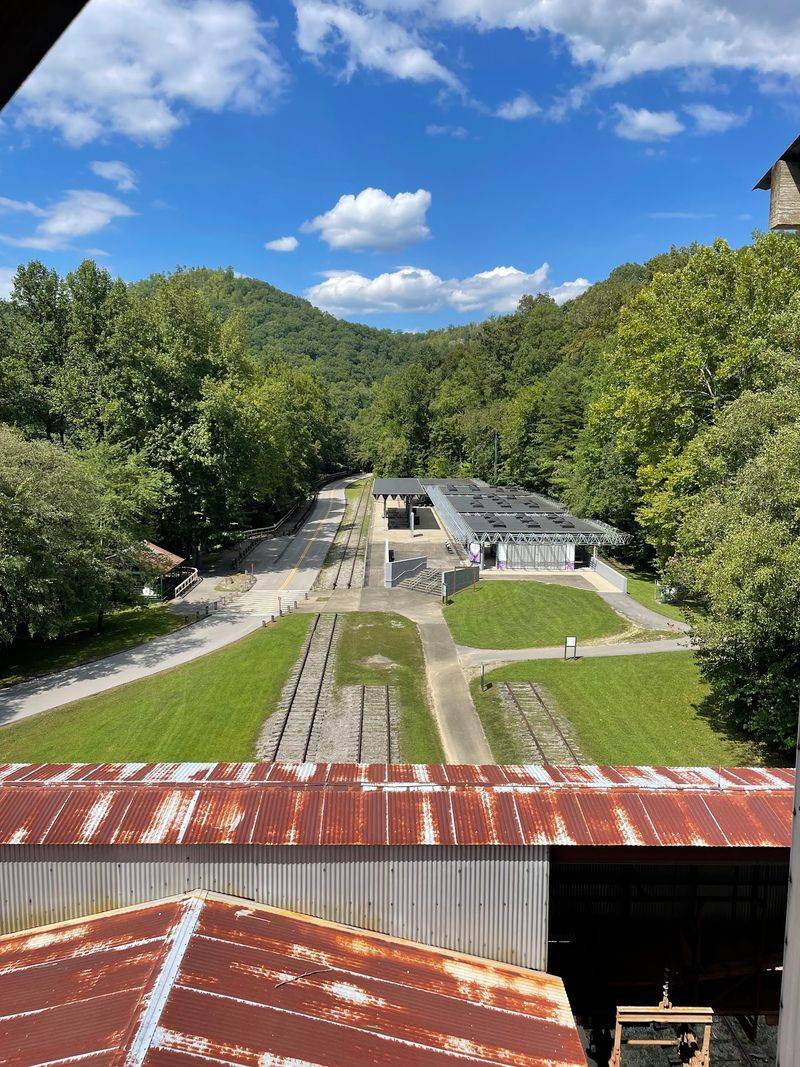
Cell signal out here is famously weak. That makes the free public WiFi at the Blue Heron Interpretive Center a small modern miracle.
The center opened in 1989 as part of the effort to preserve the town’s story. It offers rangers, restrooms, and a bookstore.
Hours are seasonal, so timing matters. The center operates from Memorial Day weekend through October 31, Wednesday through Sunday.
Wednesday through Friday hours are 9:30 AM to 4:30 PM, while Saturday and Sunday hours are 10 AM to 5 PM.
The outdoor exhibits are a different story. They’re open year-round, 24 hours a day, and admission is free.
That means an off-season visit still works fine. You’ll just miss the rangers and the bookstore.
Rangers can answer questions the signs don’t cover. They’re especially helpful if you’re curious about the trails or the wider park.
The bookstore is a good place to grab a souvenir or learn more about the region. Local history books stretch the trip well past the drive home.
Download maps before you leave town, just in case. Showing up prepared beats hunting for one bar of signal on a ridge.
Getting There Takes A Little Planning
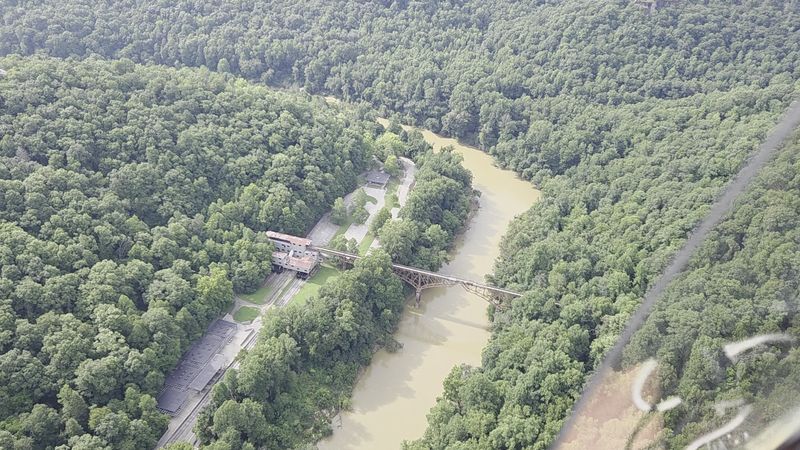
GPS can get confused in these hills. For directions, the physical address is 8249 Mine 18 Road, Strunk, KY.
If that address acts up, try typing in Blue Heron Interpretive Center instead. That usually points navigation apps the right way.
You can also follow Route 742 to Blue Heron Road. The site sits at the end of that road, about 20 minutes from Stearns, Kentucky.
The drive winds through wooded country with some steep grades. Take it slow, especially on the way back down.
Fill your gas tank before leaving Stearns. Services thin out quickly once you head toward the river.
Another option has historical charm of its own. The Big South Fork Scenic Railway runs from Stearns on the old Kentucky and Tennessee Railroad line.
Check the railway’s current schedule before planning around it. Driving is the most dependable way to reach the ghost town itself.
Lace Up For The Blue Heron Loop Trail
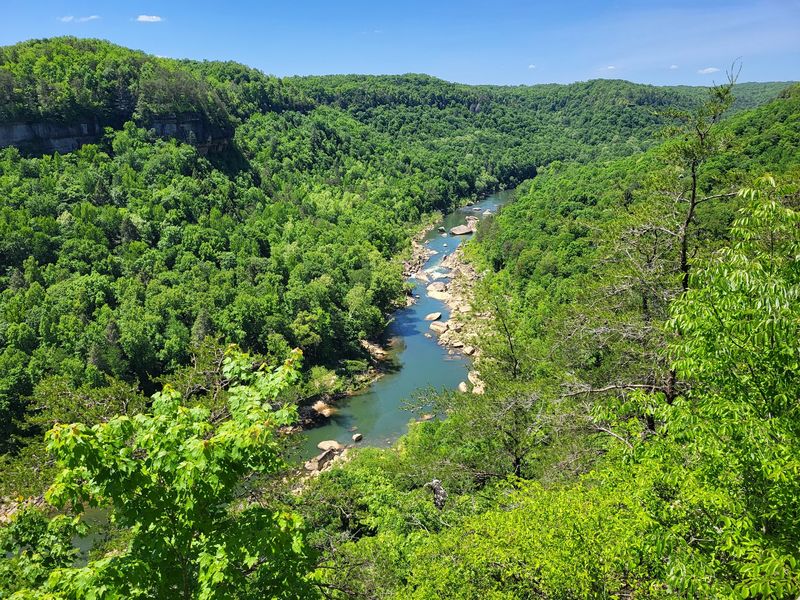
History buffs and hikers can share one trip here. The Blue Heron Loop Trail starts from the area and runs roughly 6.5 to 7 miles.
That’s a solid half-day hike for most people. It’s long enough to feel earned without eating your whole weekend.
The trail explores the rugged country around the old mining camp. You’ll get a better feel for how isolated this town really was.
Think about it while you walk. Families lived and worked out here with this same rough terrain all around them.
Pack plenty of water and snacks. There’s not much out on the trail besides trees, rocks, and river views.
Start early if you want the full loop and time for the museum. Squeezing both into a short afternoon gets tricky.
Let someone know your plans before heading out. With weak cell service, a little planning goes a long way.
The loop is part of the larger trail system in the Big South Fork. If you love it, plenty more miles wait nearby in Kentucky and Tennessee.
Save An October Evening For Spooky Stories
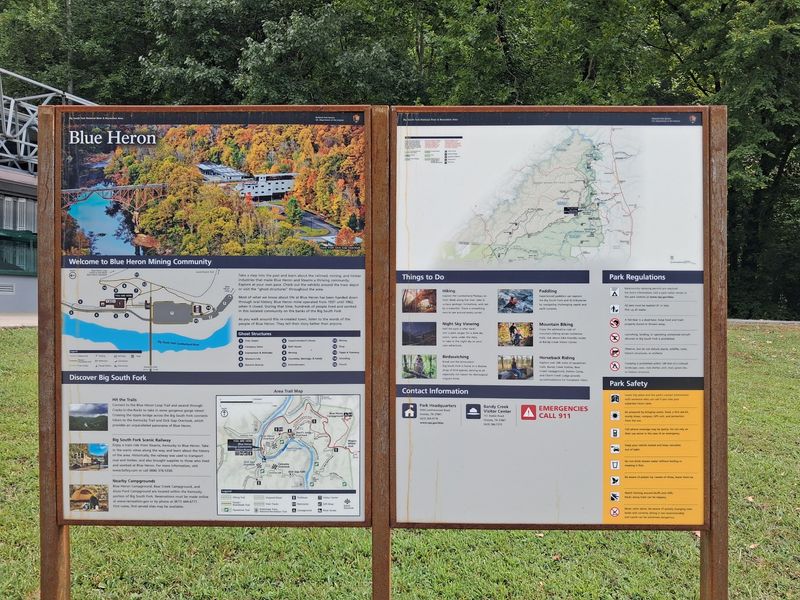
A town full of ghost buildings practically begs for a ghost story event. Blue Heron delivers with the annual Blue Heron Ghost Mine.
The event features local storytellers sharing tales from the region. Fall air, empty frames, and a good story make a fitting combo.
Stories have always been part of this place. The recorded voices in each structure already make the camp feel like one long conversation.
An evening of regional tales extends that tradition. It’s a fun way to see Blue Heron (Mine 18) in a whole different mood.
Dress in layers, since autumn nights in the gorge can cool off. A small flashlight helps too.
Families with younger kids might want to ask about the tone before going. Spooky can mean fun for some and pillow-hiding for others.
Either way, it’s a clever reason to come back. A town that went quiet in 1962 still has plenty left to say.