
Walk Among Curious Lemurs At This Pennsylvania Zoo’s Incredible Island Habitat
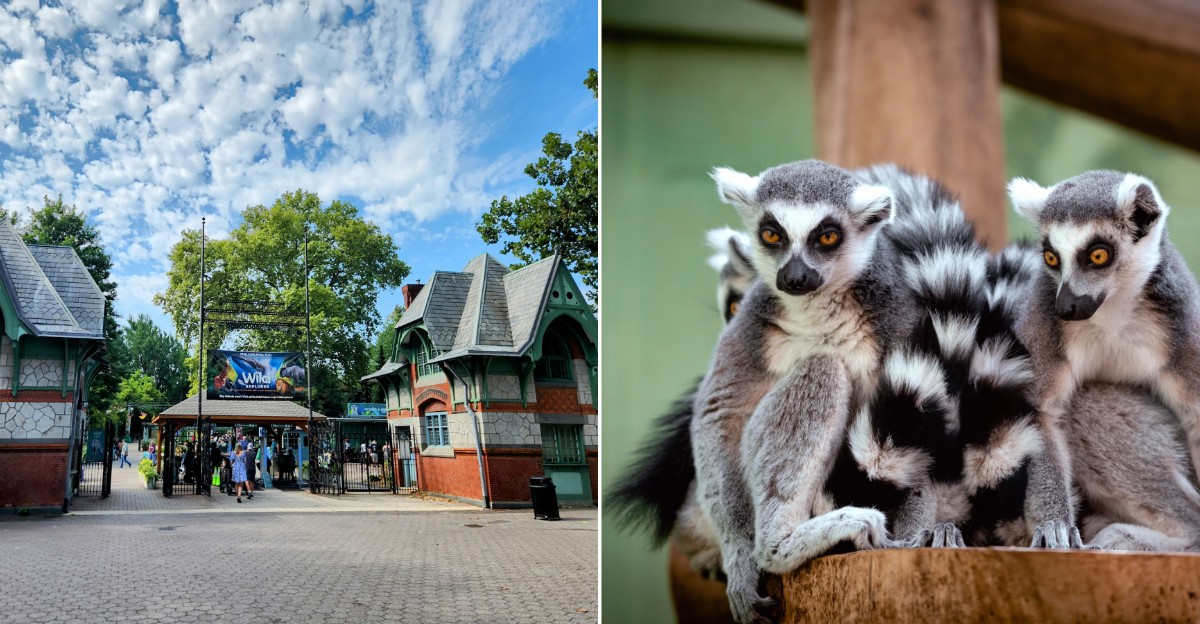
Lemurs from Madagascar can wander just feet from you here, with no glass in between. Two species share the space, and one of them is critically endangered.
That close-up walk-through returned in 2023. Before then, guests had gone more than 18 years without this kind of primate encounter.
I like how the whole thing flips the usual zoo visit around. You stroll along a path while ring-tailed and mongoose lemurs go about their business nearby.
I can’t imagine many kids staying calm when a striped tail swishes past. The island sits inside a zoo with deep roots in Pennsylvania.
That same zoo also sends tigers and gorillas along mesh trails high over visitors’ heads. So where does a lemur stroll lead from there?
Stroll Right Through The Lemurs’ Front Yard
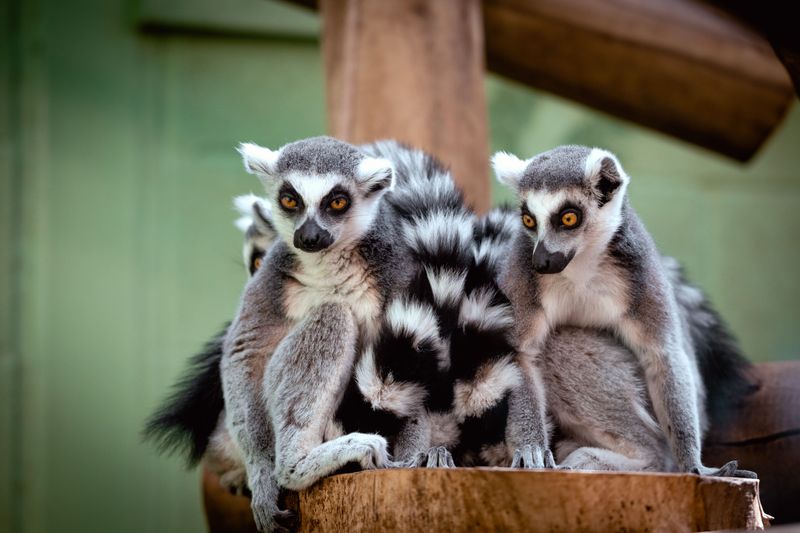
No glass, no fence line, just you and a family of lemurs sharing the same path.
Lemur Island at the Philadelphia Zoo is a walk-through exhibit that lets guests step into the animals’ space.
You’ll find it just outside the PECO Primate Reserve. It reopened as a walk-through in 2023, after more than 18 years without this type of primate encounter.
Two species live here, ring-tailed lemurs and mongoose lemurs. Both come from Madagascar, a large island off the southeast coast of Africa.
Ring-tailed lemurs are the ones with those famous black-and-white striped tails. They’re listed as endangered on the IUCN Red List.
Mongoose lemurs are even more at risk. The IUCN lists them as critically endangered, which makes seeing them up close extra meaningful.
Want a fun spotting game? Male mongoose lemurs show reddish fur around the neck, while females show white fur instead.
Keep your hands to yourself and your voice low. The lemurs are the hosts here, and good guests let them set the pace.
The goal goes beyond cute photos, too. The exhibit is designed to help visitors care more about protecting these animals in the wild.
Lemur Fans Have Picked The Right Zoo
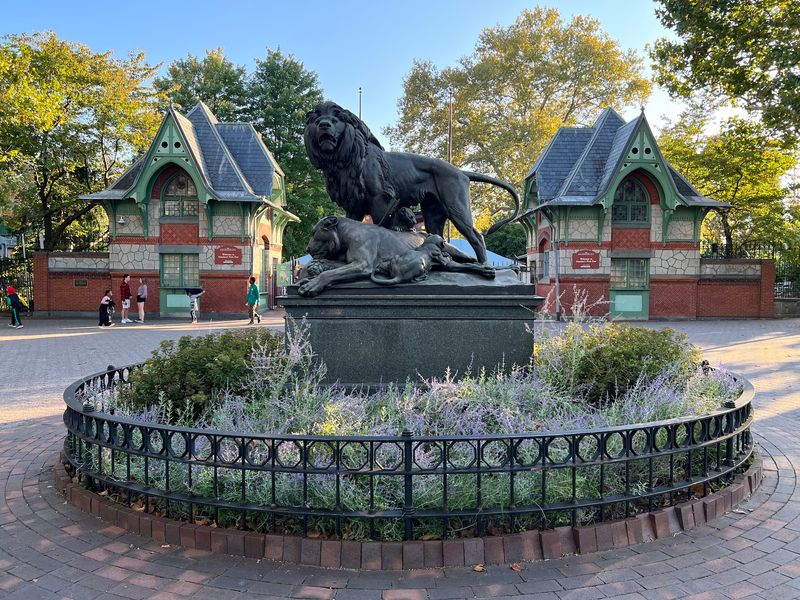
Lemurs come in many shapes and colors, and this zoo takes them seriously.
The Philadelphia Zoo keeps one of the most diverse collections of lemur species in North America.
That means the island is only one piece of the story. More lemur species live elsewhere on the grounds, so keep your eyes open as you explore.
Why does variety matter? Each species has its own needs, habits, and level of risk in the wild.
Madagascar is the only place on Earth where lemurs naturally live. Caring for many species in one zoo helps protect that rare family tree.
The zoo ties this work to its bigger mission. It aims to protect endangered wildlife around the globe, not just show animals off.
So each visit connects you to real conservation work. Your ticket helps support animals that badly need allies.
Here’s a tip for curious kids. Ask them to compare tails, faces, and fur colors between lemurs they spot around the zoo.
It turns a simple walk into a nature detective game. And honestly, grown-ups tend to get just as hooked on spotting the differences.
You’re Standing In America’s Very First Zoo
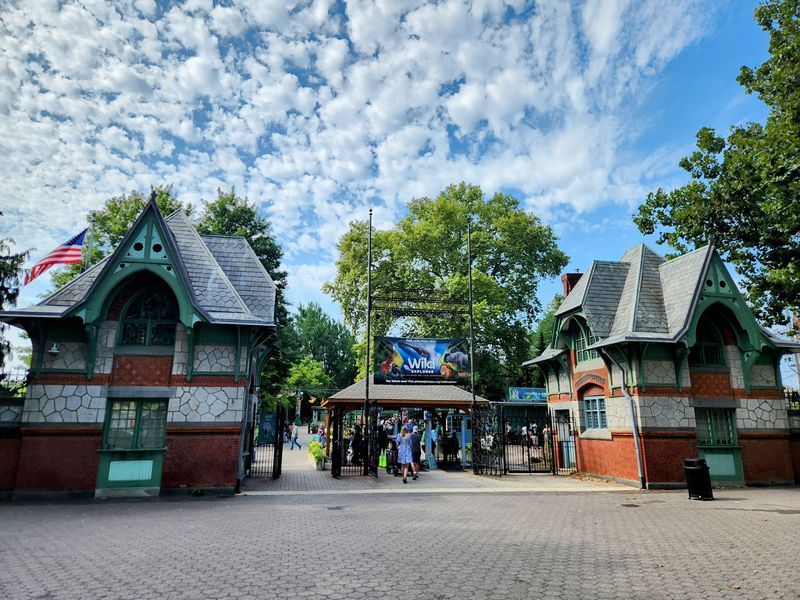
Bragging rights don’t get much bigger than this. The Philadelphia Zoo proudly calls itself America’s First Zoo.
It was chartered in 1859. The Civil War delayed the opening, so the gates finally welcomed the public on July 1, 1874.
Speaking of gates, take a good look on your way in. The Victorian gates and gatehouses were designed by architects Frank Furness and George W.
Hewitt.
Those are original features from the zoo’s earliest days. Few places let you walk through the same entrance used by visitors in the 1800s.
The zoo kept racking up firsts after opening. In 1928, it saw the first successful births of an orangutan and a chimpanzee in a U.S. zoo.
It also created the first on-site animal care center in the world. That’s a big deal for keeping animals healthy.
Then came Zoo Cake, specially made food for zoo animals. It helped animals live longer and raise more young.
The grounds cover 42 acres inside Fairmount Park in Philadelphia. All that history sits right beside lemurs and lions, which feels pretty great.
Look Up, Because A Tiger Might Be Walking Overhead
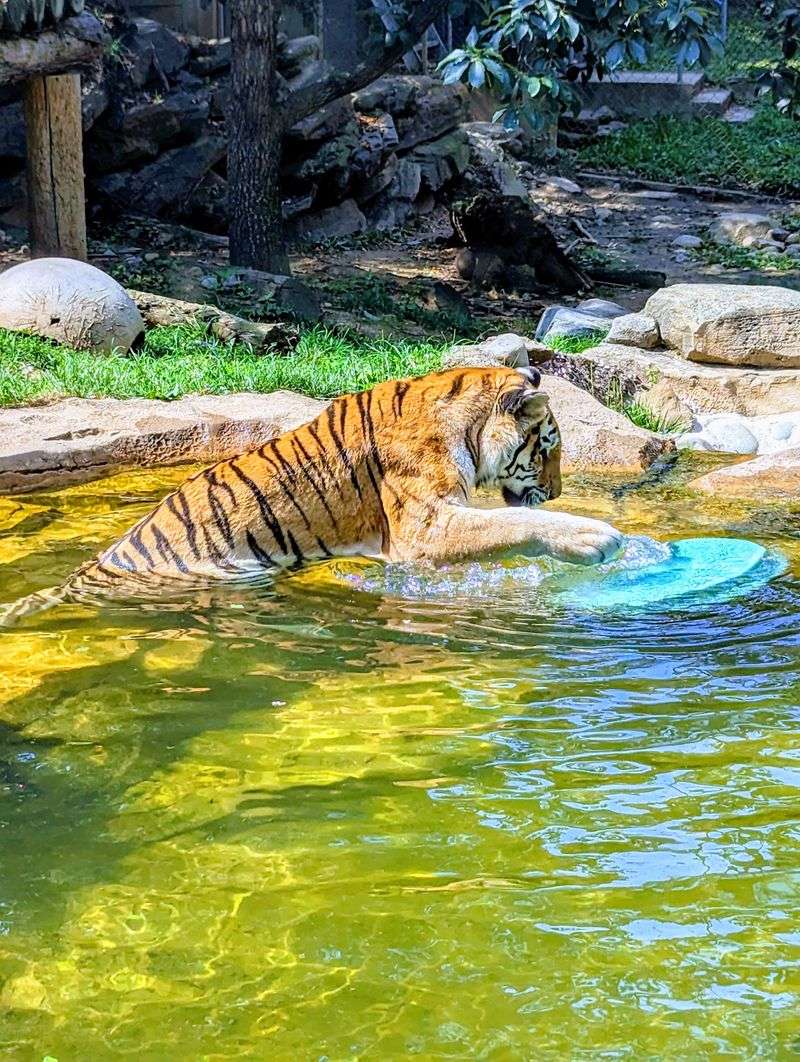
A big cat strolling above your head sounds like a wild dream.
At this zoo, it’s simply part of the design.
The Zoo360 animal exploration trail system was a world first. It uses see-through mesh pathways to link habitats across the campus.
Some trails run high in the air. Others stay at ground level, giving animals more room to roam and explore.
Each trail fits the animals using it. You’ll find the Treetop Trail, Great Ape Trail, Big Cat Crossing, Gorilla Treeway, and Meerkat Maze.
A lemur or another small primate might scamper across the Treetop Trail. A gorilla could be lounging in the Gorilla Treeway while you walk below.
The point is more freedom for the animals. More space and choices keep them active and curious.
For visitors, it adds surprise everywhere. You never know what might pop up over the next path.
So slow down and glance up often. Your neck may get a workout, but the view is worth it.
Bring a camera with a quick shutter. Animals on the move don’t usually wait for perfect poses.
Great Apes And Big Cats Steal Plenty Of Spotlight
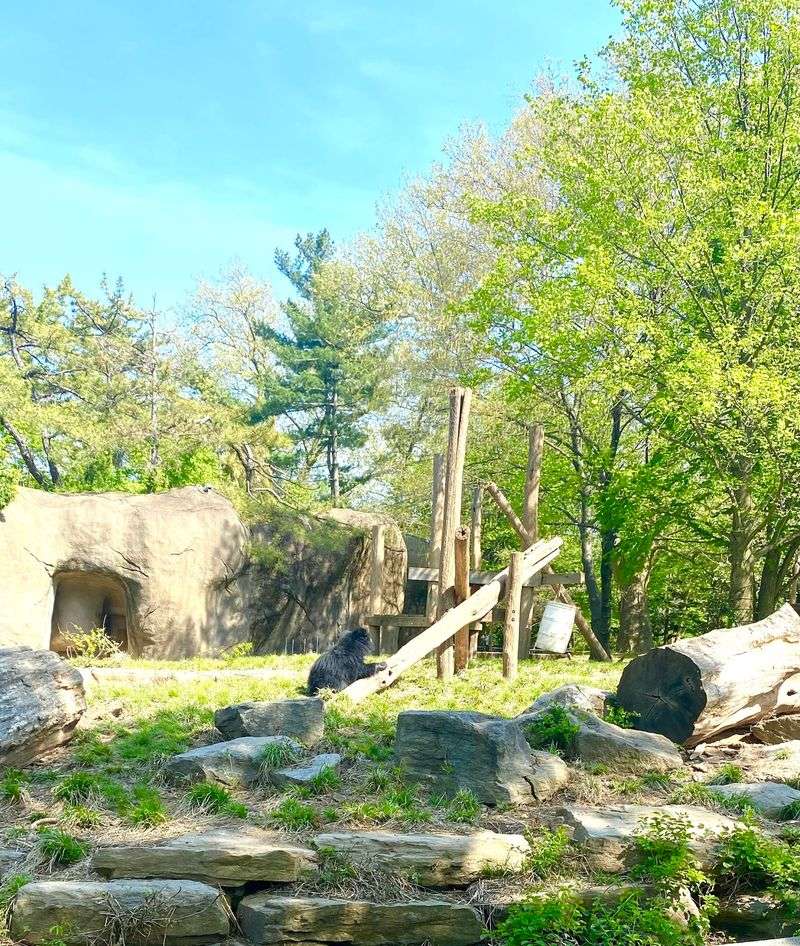
Right next door to Lemur Island, the primate fun keeps going.
The PECO Primate Reserve holds a wide mix of primates in indoor and outdoor exhibits.
Many of those spaces connect to Zoo360 trails. Gorillas, orangutans, and gibbons can head out on pathways high above the ground.
Gibbons are especially fun to watch move. Their long arms make swinging look completely effortless.
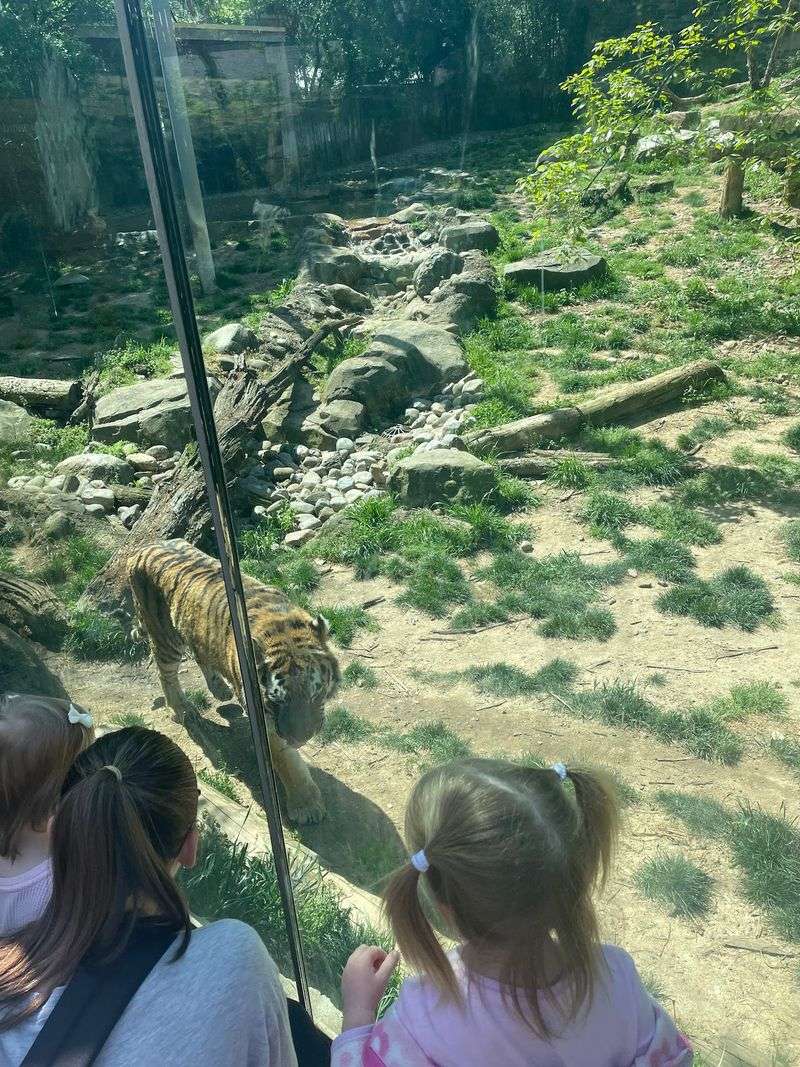
Then there’s Big Cat Falls, where the power level jumps. Lions, tigers, pumas, snow leopards, and jaguars all live here.
The habitat includes waterfalls and pools. Cats can swim, climb, and act more like they would in nature.
Yes, some big cats enjoy water. Tigers in a pool might change your whole idea of house cats and baths.
Animals choose where they rest, so not every species will be in view. Patience and a second loop often pay off.
A smart plan is pairing these areas in one stretch. Start with lemurs, wander through the primates, then visit the cats.
That route gives you climbing, swinging, swimming, and pouncing in one easy loop.
Bears Got A Major Glow-Up
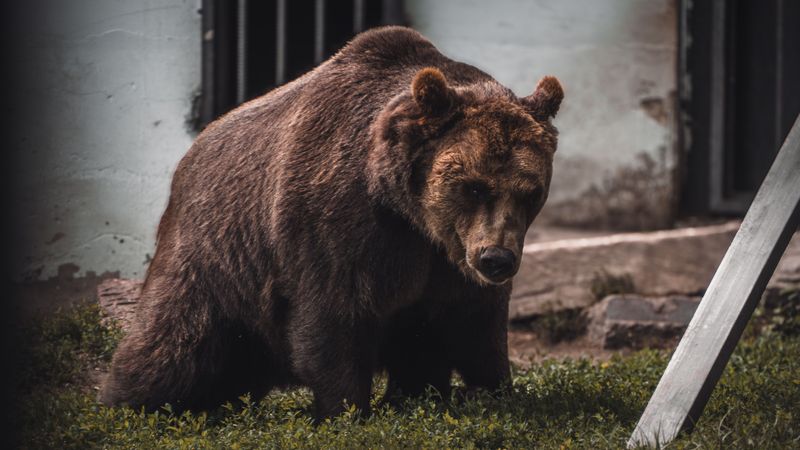
Andean bears are the largest bear species in South America.
Sloth bears join them in one of the zoo’s newest upgrades.
Francis J. Carey Bear Country was refreshed into a state-of-the-art home.
It was the zoo’s largest construction project in over a decade.
That’s a lot of effort for some fuzzy residents. The result gives the bears more ways to explore their space.
A new Zoo360 trail, Gould and Potter Crossing, is part of the project. It lets the bears travel beyond their main habitat.
Sloth bears are fun to learn about. They have shaggy coats and long claws built for digging into insect nests.
Andean bears often show light markings around the face. Those patterns can look a bit like a pair of glasses.
Bears can be shy and pick quiet corners. If you don’t spot one right away, circle back later in your visit.
Bear Country shows how the zoo keeps changing. It’s a reminder that America’s oldest zoo isn’t stuck in the past.
Pair this stop with your lemur walk. Fur fans will be very happy.
Little Explorers Get Their Own Wild Classroom
Goats waiting for a brushing make a pretty good welcome committee.
That’s the scene at KidZooU, built with young visitors in mind.
Its official name is the Hamilton Family Children’s Zoo and Faris Family Education Center. Kids probably won’t care about the long name once they meet the animals.
The award-winning space works like an interactive wildlife academy. It mixes indoor and outdoor learning with hands-on displays.
The Barnyard is the star for many families. Guests can meet and brush ambassador goats and sheep with an educator’s help.
Free-range chickens may wander nearby too. It gives the area a real farm feeling right in the city.
KidZooU is also LEED Gold certified. That’s a big green badge for saving water and energy.
Exhibits even teach kids how recycling can help animal habitats. It’s a lesson they can take home that same day.
Plan a little extra time here with younger children. Brushing a goat is the kind of moment that’s tough to rush.
Hand sanitizer in your bag is a smart move. Farm friends can be a little dusty.
Birds Fly Free While You Walk Among Them
Lemurs aren’t the only animals you can walk among here.
The McNeil Avian Center offers a free-flight rainforest full of birds. More than 100 exotic birds from around the world live inside.
Bright wings flash overhead while you stroll through the greenery.
Wings of the World is another walk-through option. It brings you close to some of the planet’s most beautiful birds.
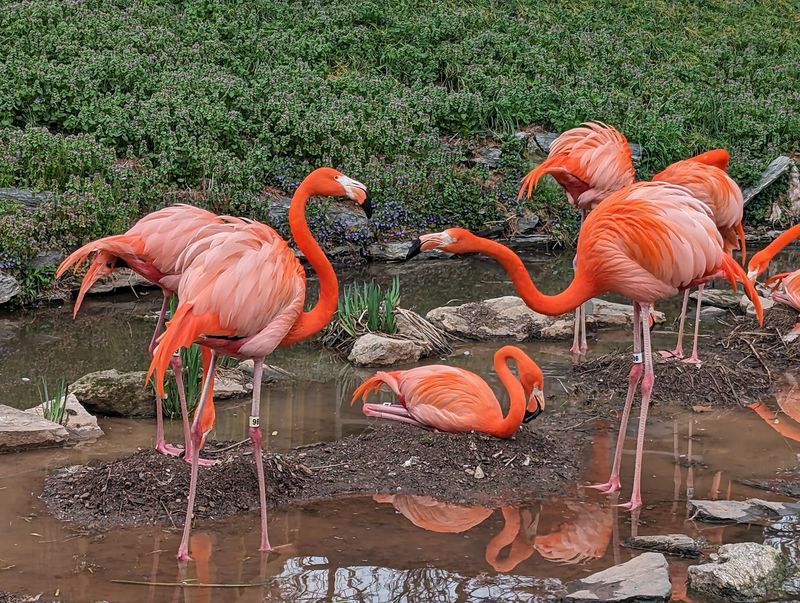
Pink fans, this one’s for you. Flamingo Cove sits next to the McNeil Avian Center.
It’s home to Caribbean and African greater flamingos in their own aviary. A group of flamingos is called a flamboyance, which suits them perfectly.
Want something stranger? The Rare Animal Conservation Center houses Rodrigues fruit bats, golden lion tamarins, and pied tamarins.
Golden lion tamarins look like tiny orange lions. They’re small monkeys from Brazil with big personalities.
These spaces show the zoo’s role as an ark for endangered animals. Each species here has a bigger story to tell.
Move slowly in the aviaries and look in every direction. Birds don’t stick to eye level.
A Penn Family Mansion Hides Among The Animals
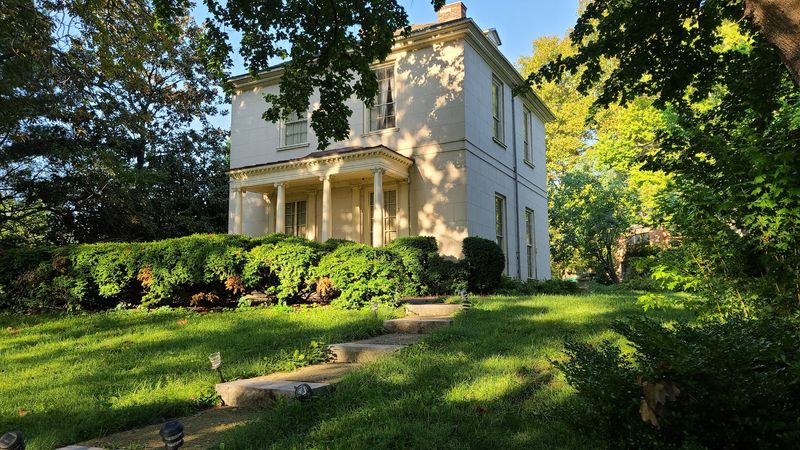
John Penn, grandson of Pennsylvania founder William Penn, built a country home here between 1782 and 1785. Today it’s called The Solitude, and it stands on zoo grounds.
It’s the oldest structure at the zoo. It’s also the only surviving Penn family home in the United States.
The house has elegant plaster ceilings. It even has a cryptoporticus, an underground passage servants used to reach a separate kitchen.
Fun twist: the mansion once served as the zoo’s reptile house. Later, it held offices before being restored as a house museum.
It now opens for special tours and events. Check ahead if you’d like to peek inside.
The grounds themselves feel like a Victorian garden. Tree-lined walks and over 500 plant species fill the 42 acres.
Look for ZOOtopiaries too, mosaic animal figures spread around the paths.
The Philadelphia Zoo sits at 3400 W Girard Ave, Philadelphia, PA 19104. It usually opens at 9:30 AM and closes at 5 PM, though hours can shift.
Start with the lemurs, end with history, and Pennsylvania’s oldest zoo will feel brand new.