
Secret Mountain Towns Tourists Aren’t Supposed To See In Colorado
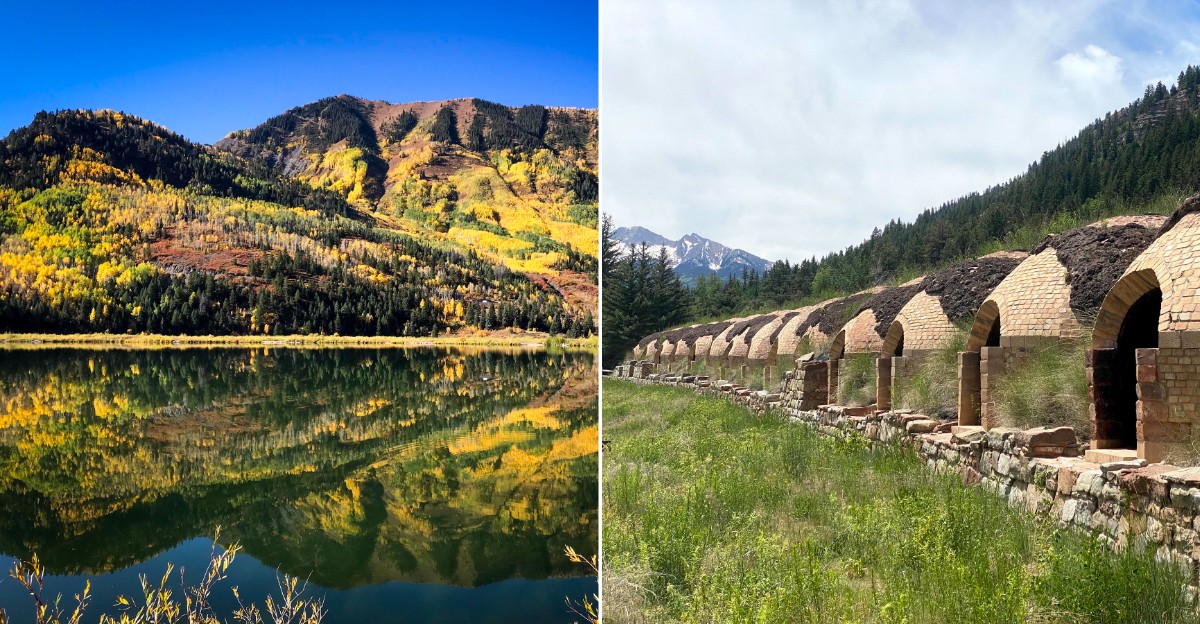
One mountain town in this story has a fully paved road to it, yet it’s still called the most remote incorporated town in the lower 48. Another one has a quarry that supplied stone for the Lincoln Memorial.
I love that a postcard-sized village helped build a national icon.
The surprises keep stacking up. One spot is a certified International Dark Sky Community, where the Milky Way gets top billing.
Another tiny town sits so high that its whole population could fit inside a school bus or two.
Colorado is famous for big ski resorts and crowded trailheads. These towns skip the spotlight, and that is exactly the appeal.
I can’t think of a better road trip theme than chasing the places most travelers zoom right past. Ready to see what’s hiding behind the next mountain pass?
1. Lake City
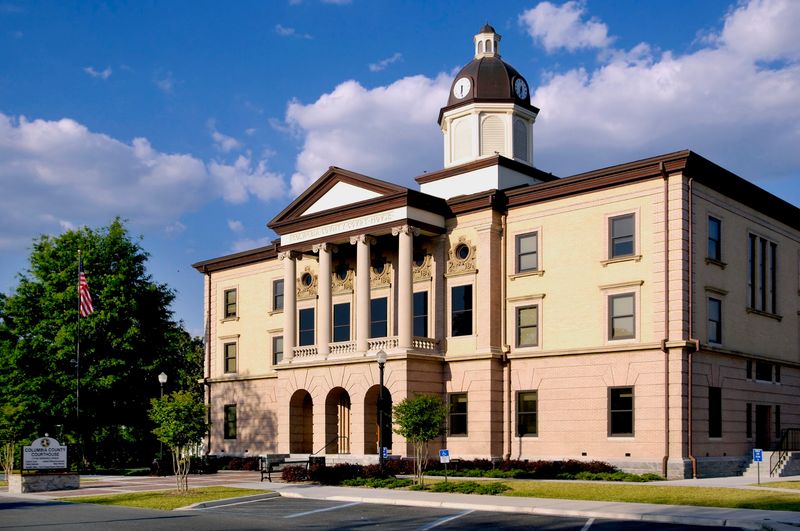
Plenty of towns claim to be off the beaten path, but Lake City has the title to back it up. It’s often called the most remote incorporated town in the lower 48 states.
The town sits at roughly 8,670 feet in the San Juan Mountains. It’s also the county seat of Hinsdale County, the least populated county in Colorado.
History is thick here. Lake City started as a mining town and supply center in the 1870s, and the railroad arrived in 1889.
In 1978, the Lake City Historic District landed on the National Register of Historic Places. More than 75 buildings from the late 1800s still stand, so a simple stroll feels like a trip back in time.
Love lakes? Lake San Cristobal, the state’s second-largest natural lake, sits nearby for fishing, boating, and paddleboarding.
Winter turns that same lake into a skating spot. The Lake City Ice Park offers more than 100 ice-climbing routes across four climbing areas for anyone who likes their hobbies extra frosty.
Peak baggers have a real treat waiting. Five fourteeners, nicknamed the Lake City 5, include Handies, Uncompahgre, Wetterhorn, Sunshine, and Redcloud.
The Alpine Loop Scenic Byway is another big draw. This 65-mile network of 4×4 roads passes ghost towns, waterfalls, and old mines.
Curious minds should stop by the Hinsdale County Museum. It covers local mining history and the famous story of Alferd Packer.
Summer visitors can even join a Lake City Ghost Tour. Not bad for a town most people can’t find on a map.
Address: Lake City, CO 81235
2. Creede
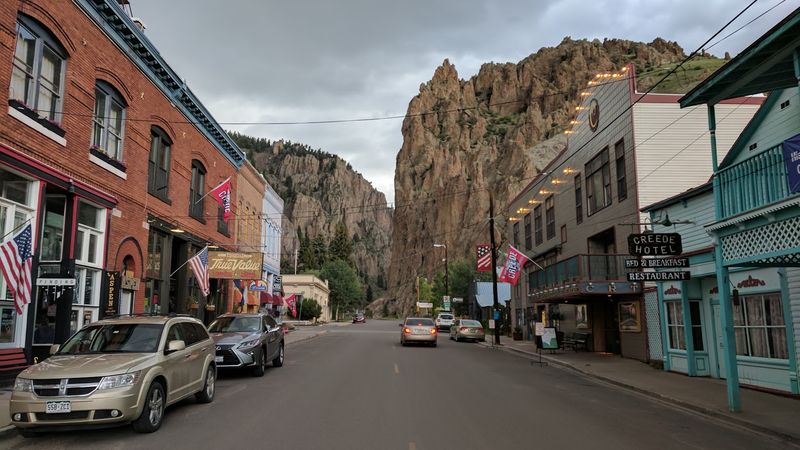
Steep canyon walls squeeze this little town so tightly that the cliffs feel like part of Main Street. Creede sits in Mineral County, high in the San Juan Mountains.
Silver put Creede on the map in the early 1890s. The boom was fast and loud, and the town grew almost overnight.
That wild era left plenty of stories behind. Bob Ford, the man known for shooting outlaw Jesse James, ran a saloon here and was shot in Creede in 1892.
Want to see mining history up close? The Underground Mining Museum was carved right into the rock, so the tour feels like stepping inside a mountain.
Above town, the Bachelor Historic Tour follows a scenic road past old mine sites. It’s a fun way to see how hard miners worked in this rugged terrain.
Creede also has a serious arts streak. The Creede Repertory Theatre has staged shows here since 1966, which is impressive for a town this small.
Outdoor fans get loads of options too. The Rio Grande runs nearby, and trails and forest roads branch out in nearly every direction.
You’ll want to plan ahead before heading over. Creede is far from big cities, and the drive through the mountains takes patience.
That distance is part of the charm, though. Few places mix rowdy mining legends, live theater, and canyon views quite like this one does.
Address: Creede, CO 81130
3. Marble
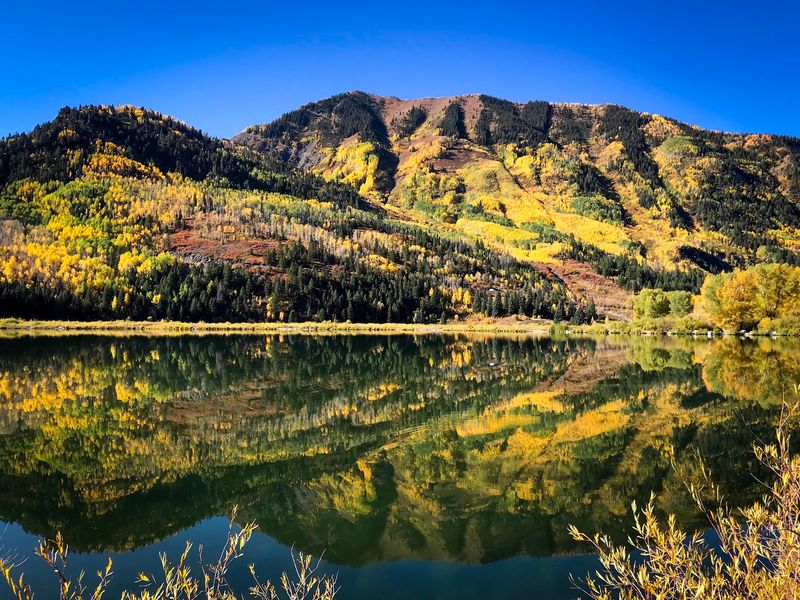
Ever looked at the Lincoln Memorial and wondered where the stone came from? A big part of the answer is a tiny town in the Crystal River Valley.
Marble’s quarry produced Yule Marble, a bright white stone prized for its purity. It was used in the Lincoln Memorial and the Tomb of the Unknown Soldier.
That’s a huge legacy for a town with only a small number of residents. The quarry still operates today, high above town.
History fans should check out the Marble Historical Society Museum. It shares stories about the quarry workers and the town’s early days.
Around town, chunks of leftover marble show up in surprising places. You’ll spot white stone scattered near the river and along the old mill site.
The Marble Mill Site Park preserves ruins from the old finishing mill. Walking among those pillars feels a bit like exploring an ancient temple.
Nature lovers get a bonus nearby. The Crystal Mill, one of the most photographed spots in Colorado, sits a few miles up a rough road.
That road is no joke, so a high-clearance 4×4 or a guided tour is the smart move. Hikers and bikers also make the trip.
Marble doesn’t shout about itself. It simply sits in a quiet valley, holding a piece of American history that most people pass without knowing.
Address: Marble, CO 81623
4. Rico
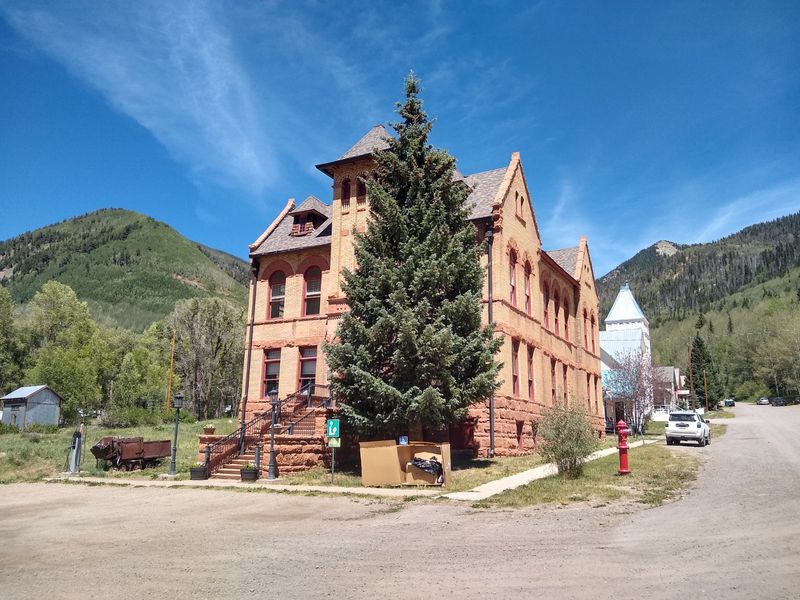
Blink on Highway 145 and you might miss one of the quietest towns in the San Juans. Rico sits along the Dolores River between Telluride and Dolores.
The name means rich in Spanish. That fits, since the town grew from a silver mining boom starting around 1879.
At its peak, Rico had thousands of residents and a busy downtown. Today, the population is tiny, but several historic buildings still line the main road.
Keep an eye out for the old Rico Town Hall and the Rio Grande Southern Railroad history in the area. That railroad once linked these isolated mountain towns.
Outdoor fun here feels wide open. The San Juan National Forest surrounds the town, with trails for hiking, mountain biking, and horseback rides.
Fishing is another easy pick. The Dolores River flows right through the valley, and anglers often head upstream for quiet spots.
Fall might be the prettiest time to drive through. Aspens along Highway 145 turn bright gold, and the scenery feels almost unreal.
Services are limited, so pack snacks and fuel up before arriving. Telluride is the closest larger town for supplies.
Rico rewards travelers who slow down. You get mountain views, mining history, and calm streets, all without fighting for a parking spot.
Address: Rico, CO 81332
5. Ophir
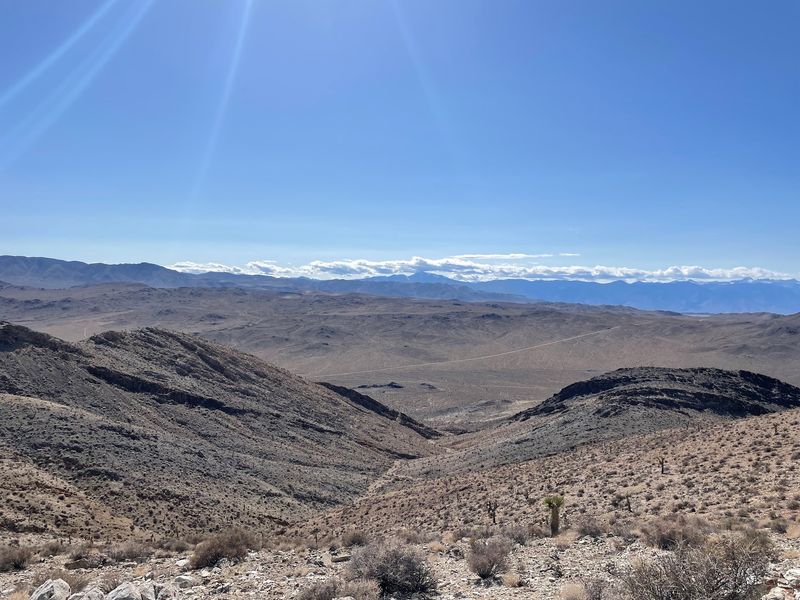
Here’s a town so small that a family reunion could double the population. Ophir sits in a narrow valley a short drive south of Telluride.
The town sits at about 9,700 feet, surrounded by steep peaks on nearly every side. Its population is under 200, making it one of Colorado’s tiniest towns.
Ophir started as a mining camp in the 1870s. Later, the Rio Grande Southern Railroad passed nearby, including the famous Ophir Loop.
That loop was an engineering trick to help trains climb the steep grade. Rail fans still love reading about the high trestles that once carried trains here.
Adventure is the main draw today. Ophir Pass Road climbs over the mountains toward Silverton, and it’s a classic route for 4×4 drivers.
Take that road seriously, though. It’s narrow and rocky, and it usually opens only during the summer months.
Winter brings a totally different scene. Ice climbers and backcountry skiers head to the area, but avalanche danger is real, so training and gear matter.
Don’t expect stores or restaurants in town. Ophir is mostly homes, so plan to grab food and supplies in Telluride.
Visit respectfully, since people live here year-round. The payoff is a jaw-dropping valley that feels like Colorado’s best-kept postcard.
Address: Ophir, CO 81426
6. Redstone
Red cliffs glow above this little village like someone turned up the color dial. Redstone sits along the Crystal River, south of Carbondale.
Industrialist John Cleveland Osgood built Redstone around 1900 as a company town for coal workers. He wanted better housing than most miners had at the time.
Osgood also built a grand home for himself, known as Redstone Castle. The mansion still stands and is a highlight of local history.
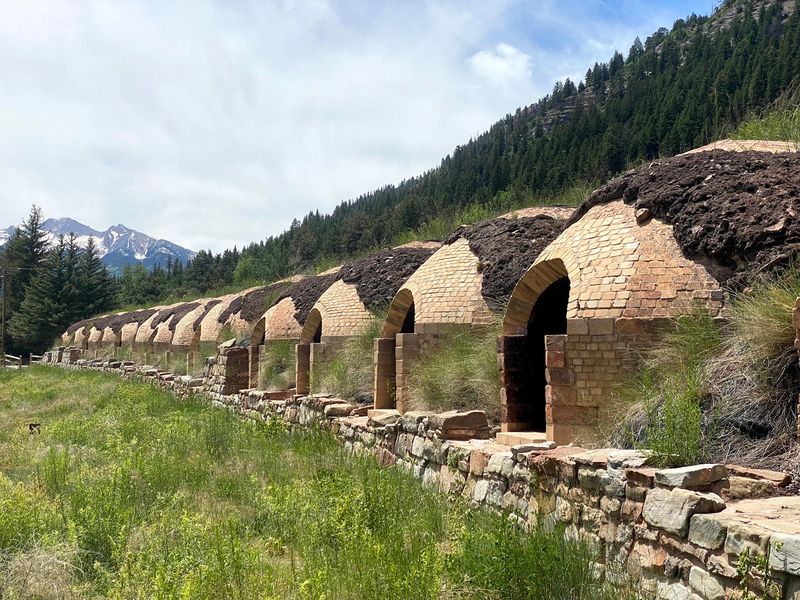
Right along the highway, you’ll see a row of old coke ovens. Workers once used them to turn coal into coke for steel making.
Those beehive-shaped ovens make a great photo stop. They’re a reminder that this pretty valley was once a busy industrial site.
Main Street is short and walkable. Small shops, galleries, and historic cottages line the road, giving the village an easygoing pace.
Nature takes center stage just outside town. The Crystal River offers fishing, and nearby trails lead into the White River National Forest.
Fall is a showstopper here. Golden aspens mix with red rock, and the drive along Highway 133 is a favorite for leaf peepers.
Redstone pairs nicely with a trip to Marble, just up the road. Two tiny towns, one gorgeous valley, and plenty of stories to collect.
Address: Redstone, CO 81623
7. Pitkin
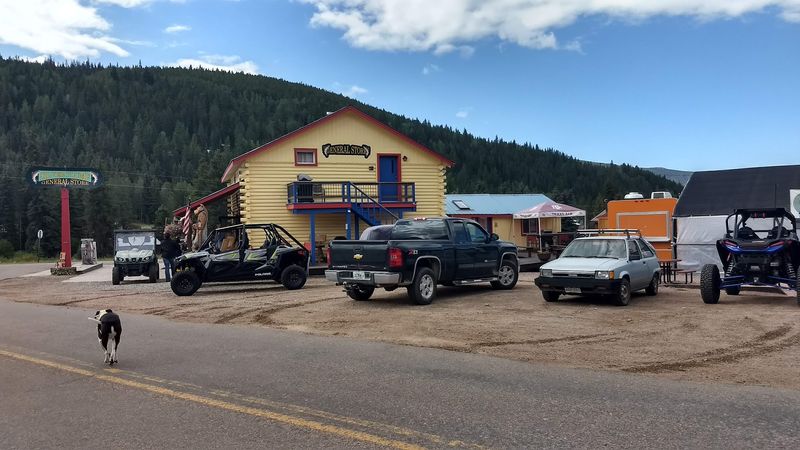
Some towns fade away after mining, but Pitkin decided to stick around. This small community sits east of Gunnison along Quartz Creek.
Founded in 1879, Pitkin is often called one of the first incorporated mining towns on Colorado’s Western Slope. Silver brought the first settlers to the area.
Many original wooden buildings still stand along its quiet streets. Walking around feels like browsing a living history book.
The Alpine Tunnel is a must-know story here. Built in the 1880s, it was one of the highest railroad tunnels in North America.
The tunnel itself is closed today, but the historic site nearby can be reached by road in summer. Old station ruins and stunning views make the trip worthwhile.
Fishing fans should pack a rod. Quartz Creek runs through the area and gets plenty of attention from anglers.
Summer brings ATV riders and campers to the surrounding Gunnison National Forest. Forest roads branch off toward ghost towns and high passes.
Winters here get famously cold. Pitkin often ranks among the chilliest spots in the state, so dress like a marshmallow if you visit then.
Services are small and seasonal, so check ahead before you go. The reward is a peaceful mountain town that history seems to have gently paused.
Address: Pitkin, CO 81241
8. Westcliffe
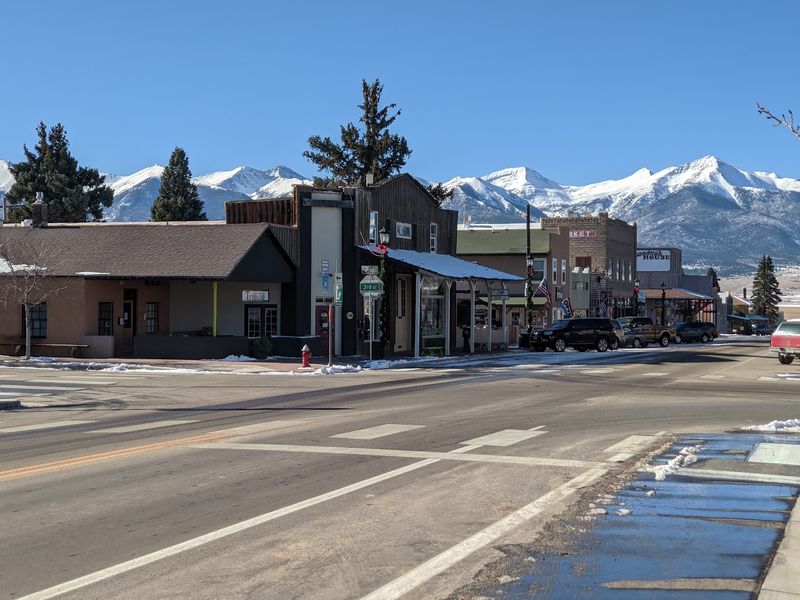
Stargazers, this one’s for you. Westcliffe and nearby Silver Cliff earned recognition as an International Dark Sky Community in 2015.
That means the towns work hard to keep lights low at night. On clear evenings, the Milky Way can stretch across the sky.
Westcliffe sits in the Wet Mountain Valley at nearly 7,900 feet. The jagged Sangre de Cristo Mountains rise right behind it.
The town grew after the railroad arrived in the 1880s. Today, Main Street has shops, cafes, and historic buildings with a small-town feel.
Want a great sky-watching spot? The Smokey Jack Observatory, run by local astronomy volunteers, hosts stargazing events.
Daytime has plenty going on too. Hikers head into the Sangre de Cristo Wilderness, where trails lead to alpine lakes and high peaks.
The valley is also ranch country. Wide pastures and open views make the drive into town feel peaceful and roomy.
Bring layers no matter the season. Mountain nights cool off fast, especially when you’re standing outside looking up.
Westcliffe proves you don’t need city lights to have a bright night out. Just bring a blanket, a little patience, and a curious mind.
Address: Westcliffe, CO 81252
9. Crestone
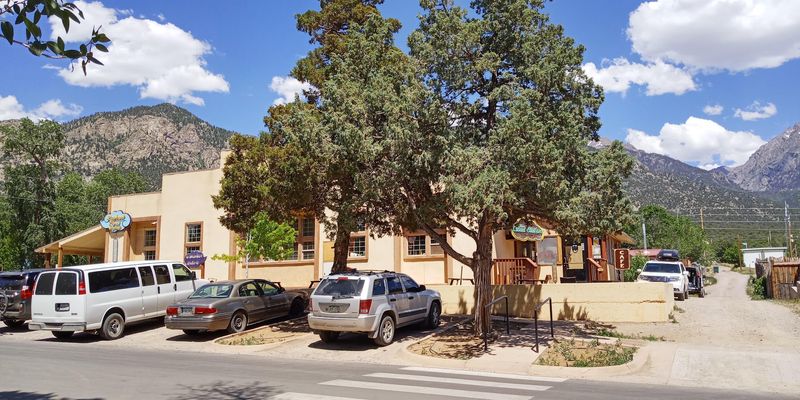
Few towns this small have so many places for quiet reflection. Crestone is known for its many spiritual centers representing different traditions.
The village sits at the base of the Sangre de Cristo Mountains. It overlooks the wide San Luis Valley, one of the largest high mountain valleys around.
Crestone began as a mining town in the late 1800s. Gold drew prospectors, though the boom didn’t last long.
Today, visitors come for peace and scenery. Retreat centers, temples, and a stupa dot the area, and some welcome respectful guests.
Always check rules before visiting any spiritual site. Many have specific hours, and silence is often expected.
Hikers have amazing options nearby. Trails head up toward Willow Lake and the Crestone Peaks, some of the toughest climbs in Colorado.
Great Sand Dunes National Park isn’t far away either. Pairing the two makes for a memorable day of very different landscapes.
The town itself is small, with a few shops and eateries. Its unpaved roads and quiet pace match the calm mood.
Crestone isn’t about rushing around. It’s a place to slow down, take a deep breath, and enjoy some mighty big mountain views.
Address: Crestone, CO 81131
10. Silver Cliff
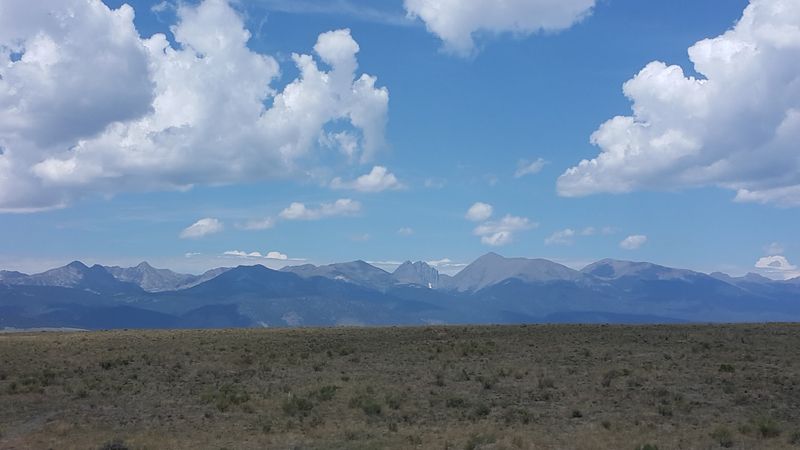
Back in the early 1880s, this quiet town was briefly one of the bigger cities in Colorado. Silver Cliff boomed after silver was found in 1878.
The rush brought thousands of people almost overnight. When the ore ran thin, most of them moved on.
Silver Cliff sits right next to Westcliffe in the Wet Mountain Valley. The two towns share their International Dark Sky Community status.
History buffs will enjoy the Silver Cliff Museum. It’s housed in the old town hall and fire station, built in 1879.
Inside, displays cover mining days and local life. It’s a quick visit that packs in plenty of fun stories.
Spooky story fans might know about the Silver Cliff Cemetery lights. People have reported strange glowing lights there for many years, though no one agrees on why.
Visit the cemetery quietly and respectfully. It’s still a resting place, not a theme park.
The views around town are wide and dramatic. The Sangre de Cristo Mountains form a jagged wall across the western horizon.
Silver Cliff makes an easy add-on to a Westcliffe trip. Grab some history by day, then look up for stars once the sun goes down.
Address: Silver Cliff, CO 81252