
Rent Hovers Near $800 In This Quiet Arizona Mountain Town Where Retirees Keep Arriving
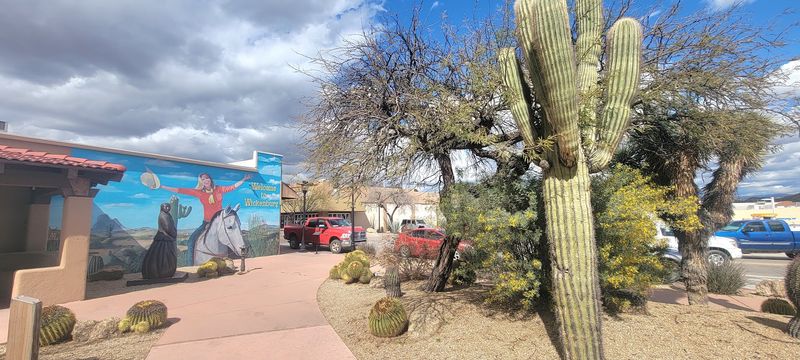
A tree once served as the town jail here, and it still stands downtown. Lawmen chained outlaws to its trunk because building a real lockup apparently sounded like too much work.
That same Arizona town calls itself a dude ranch capital. It sits beside a river that mostly hides underground, and legend says one sip turns you into a fibber for life.
Now add the part retirees care about. Rents here can stay surprisingly gentle compared with the Phoenix metro, and the pace stays slow on purpose.
I like how the place mixes cowboy history with quiet streets and wide desert views. I can’t imagine a better spot to test-drive a calmer, slower life in the desert.
So why do so many newcomers seem to pick this one and stay?
A Cowboy Town Sitting Right On The County Line
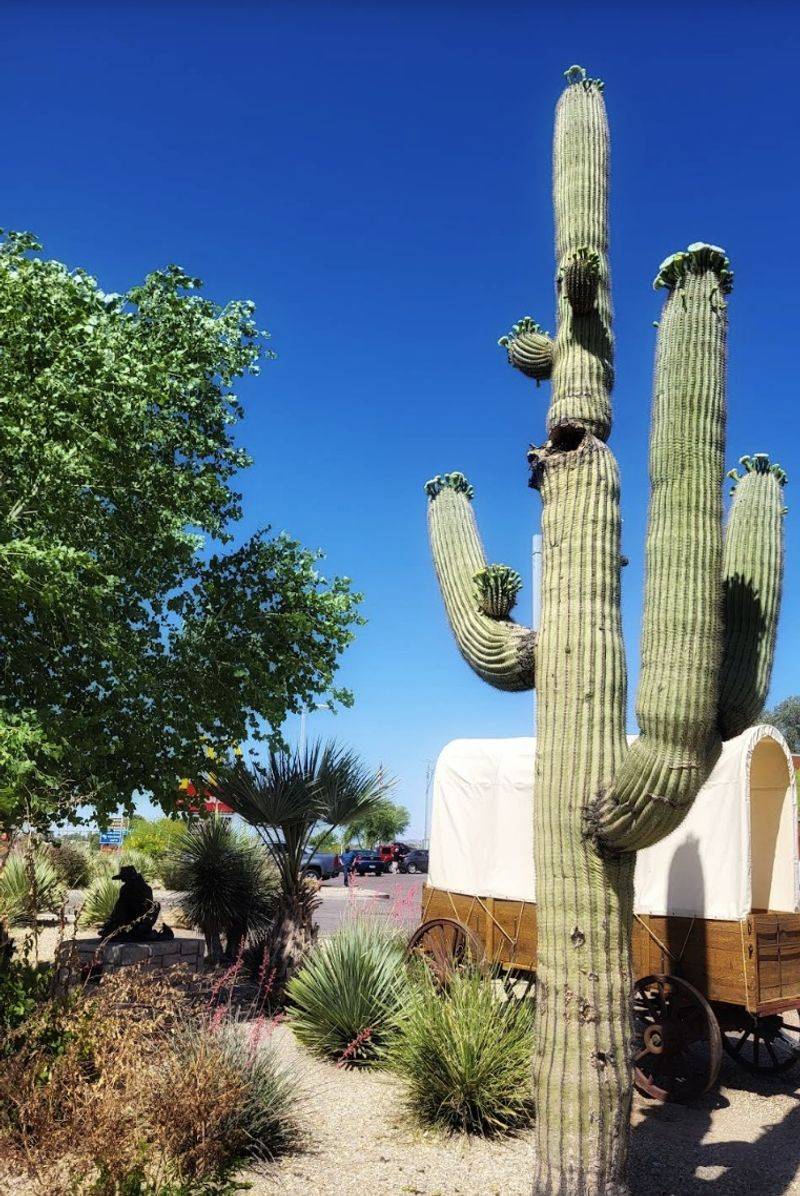
Wickenburg sits about an hour northwest of Phoenix, straddling the line between Maricopa and Yavapai counties. That makes it close enough for big-city errands and far enough to hear yourself think.
The town counted 7,474 residents in the 2020 census, with an estimate near 7,920 by 2022. Growth is happening, but slowly enough that the main street still feels like a main street.
Two highways do most of the heavy lifting here. US 60 and US 93 meet in town, so travelers headed toward Las Vegas or Prescott often roll right through.
Many of them keep driving, which is honestly their loss. The ones who stop find western storefronts, desert foothills, and a pace that feels pleasantly out of step with the Valley.
Call it a mountain-edge town rather than a true alpine hideaway. Rugged hills surround it, and the landscape shifts from saguaro flats to rocky ridges within a short drive.
For retirees, that location is a big part of the appeal. You get small-town Arizona quiet without losing reasonable access to hospitals, airports, and the shopping of greater Phoenix.
Gold Fever And A Prussian Prospector Started Everything
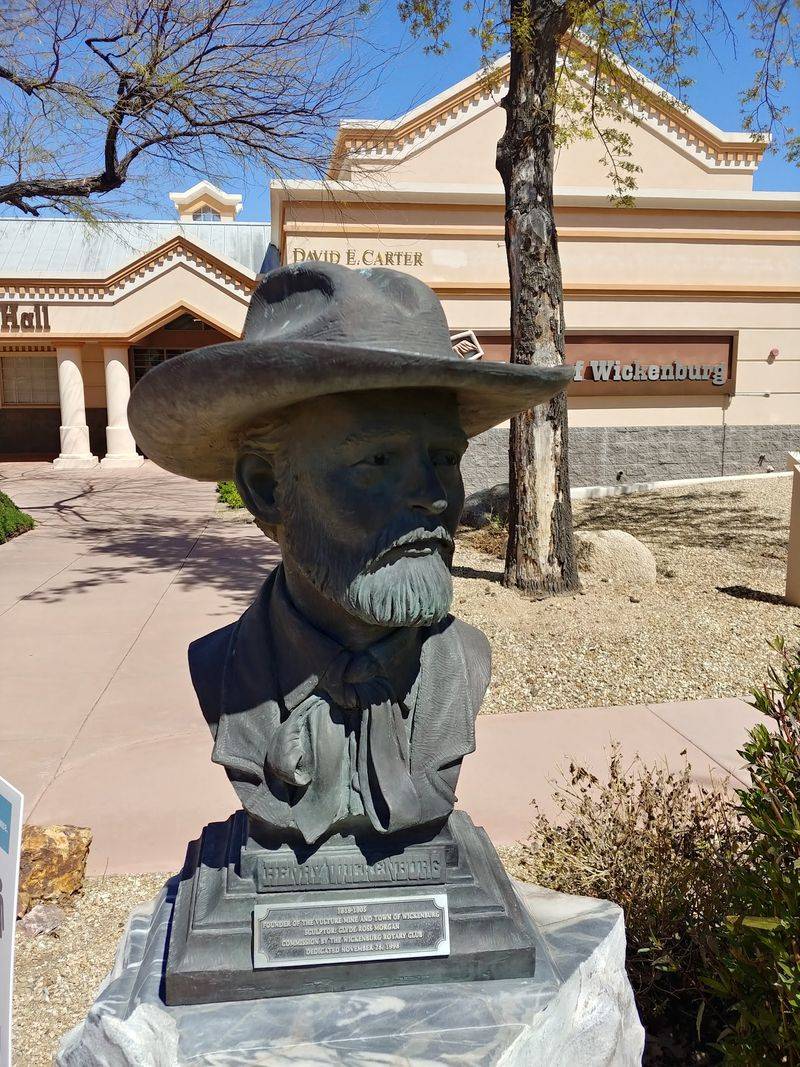
Henry Wickenburg went looking for gold in the 1860s and found plenty of it. His strike became the Vulture Mine, one of the richest gold producers in Arizona Territory history.
A town grew quickly around the boom. Miners, freighters, and merchants all needed somewhere to sleep, eat, and spend their earnings.
The name stuck, obviously. Few prospectors get an entire community named after them, and fewer still see it survive long after the gold rush cools.
Wickenburg did survive, partly by reinventing itself again and again. Ranching, the railroad, and later tourism each took a turn keeping the lights on.
The Vulture Mine site still sits southwest of town. Its weathered buildings give a real sense of how rough and remote frontier mining life could be.
History here isn’t locked behind glass, either. It shows up in street names, old buildings, and the stubborn western character that never quite left the place.
That backstory matters for anyone thinking about moving here. A town built on grit and second chances tends to welcome newcomers starting their own next chapter, and plenty of retirees arrive looking for exactly that.
Rents That Leave Room In The Monthly Budget
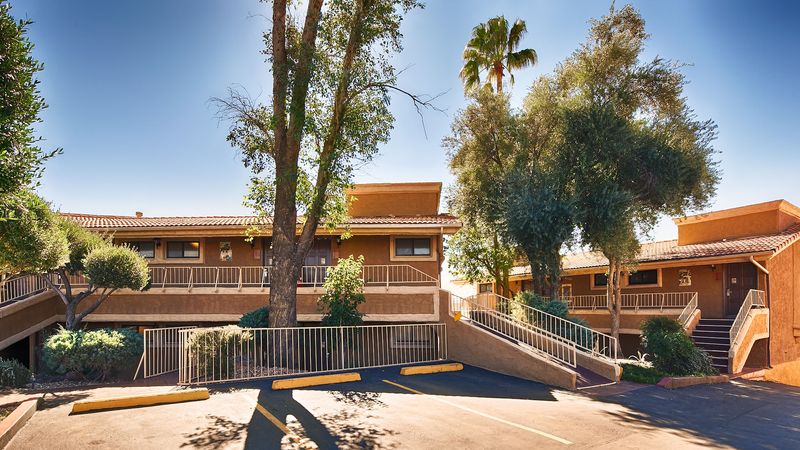
Housing costs are the headline, and they deserve the attention. Rents in Wickenburg can come in noticeably lower than many neighborhoods across the Phoenix metro.
That gap can make a real difference on a fixed income. Money saved on rent may stretch into groceries, travel, or simply a little more breathing room each month.
Prices do shift, so it pays to check listings before getting attached. Smaller apartments and older homes tend to be where the friendliest numbers show up.
The town’s mailing ZIP code is 85390, which helps when searching rental sites. Some listings may sit right in town, while others spread into surrounding desert parcels.
Inventory in a small town can also be thin. A good rental may not stay open long, so patience and a quick response can help.
Renting first is a smart move for curious retirees. It lets you test the summer heat, the quiet evenings, and the drive to Phoenix before committing to buy.
Nobody promises a bargain forever. Still, Wickenburg remains one of the more approachable options for people chasing a calmer Arizona life without big-city rent.
The Jail Tree Has Seen Some Things
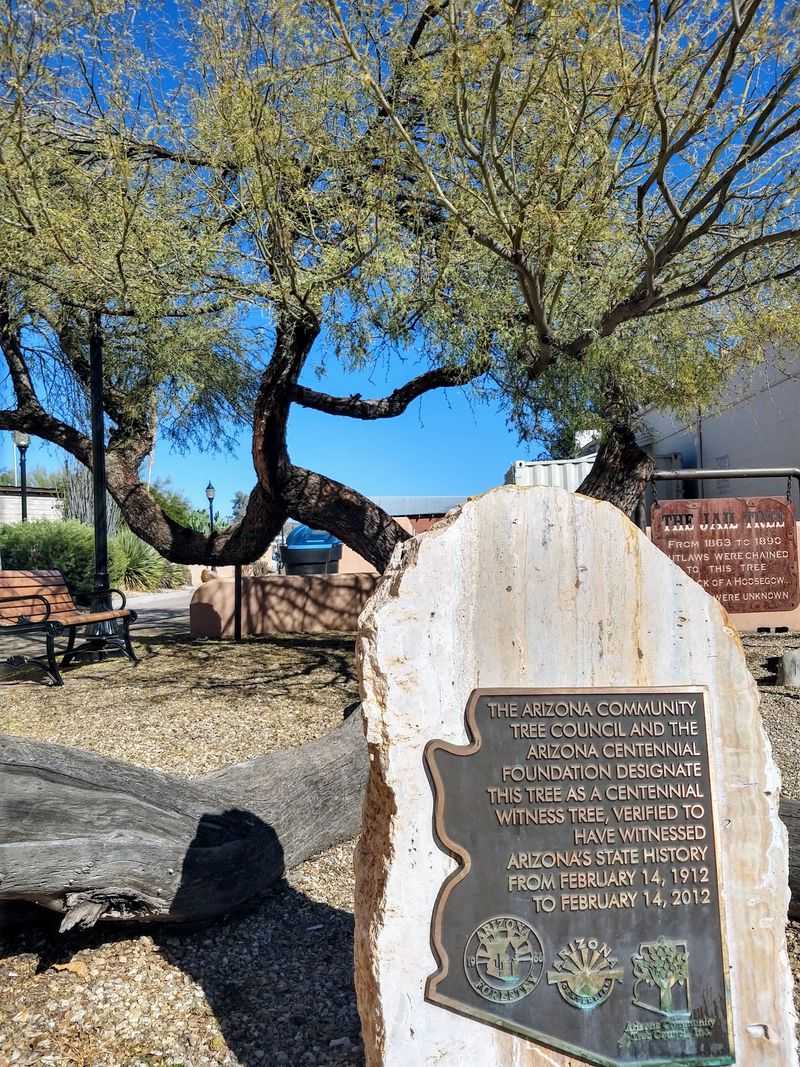
Forget iron bars and stone walls. Early Wickenburg lawmen reportedly chained prisoners to a big mesquite tree instead, since the town had no proper jail.
That tree still stands downtown near Tegner Street. It’s now one of the most photographed oddities in town, and it costs nothing to visit.
Families of prisoners supposedly brought picnic lunches to the tree. That detail alone makes it one of the stranger visiting arrangements in Arizona history.
A marker nearby tells the story for anyone curious. It takes about two minutes to read and probably ten more to stop chuckling about it.
The tree pairs nicely with a slow downtown stroll. Shops, cafes, and bronze statues sit within easy walking distance, so it fits into an unhurried afternoon.
Kids tend to love the story, and grandparents enjoy retelling it. It’s the kind of quirky local landmark that sparks conversation without trying too hard.
Small towns often hide their best stories in plain sight. Wickenburg puts this one right out on the sidewalk, branches and all, waiting for the next person to ask why a tree needs a sign.
A River With A Reputation For Tall Tales
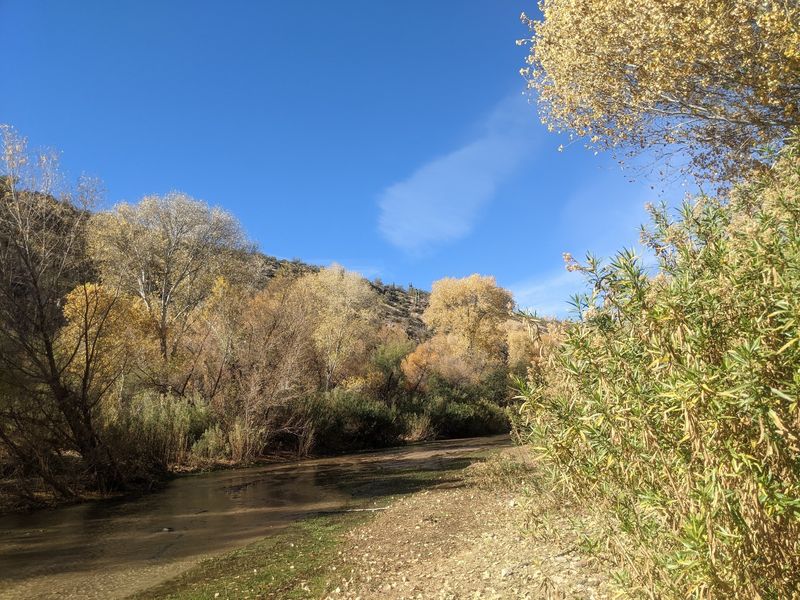
Legend says anyone who drinks from the Hassayampa River will never tell the truth again. Locals have been cheerfully repeating that warning for generations.
The river itself is a bit of a trickster too. Much of it flows underground, surfacing in only certain stretches near town.
Where water does reach the surface, the desert suddenly turns green. Cottonwoods and willows crowd the banks, which feels almost unreal in this part of Arizona.
The Hassayampa River Preserve protects one of those lush stretches south of town. Trails wander through shady riparian habitat that draws birds and birdwatchers alike.
Spring and fall are especially pleasant times to go. Cooler air makes the walk easy, and the shade feels like a gift whenever the sun turns serious.
Birders consider riparian areas like this valuable because they’re so rare in the desert. Bring binoculars and a little patience, and the trees often reward both.
For retirees, a quiet nature walk ten minutes from home is a real perk. Just maybe skip sipping from the river, in case the legend knows something we don’t.
Where Western Art Gets The Spotlight
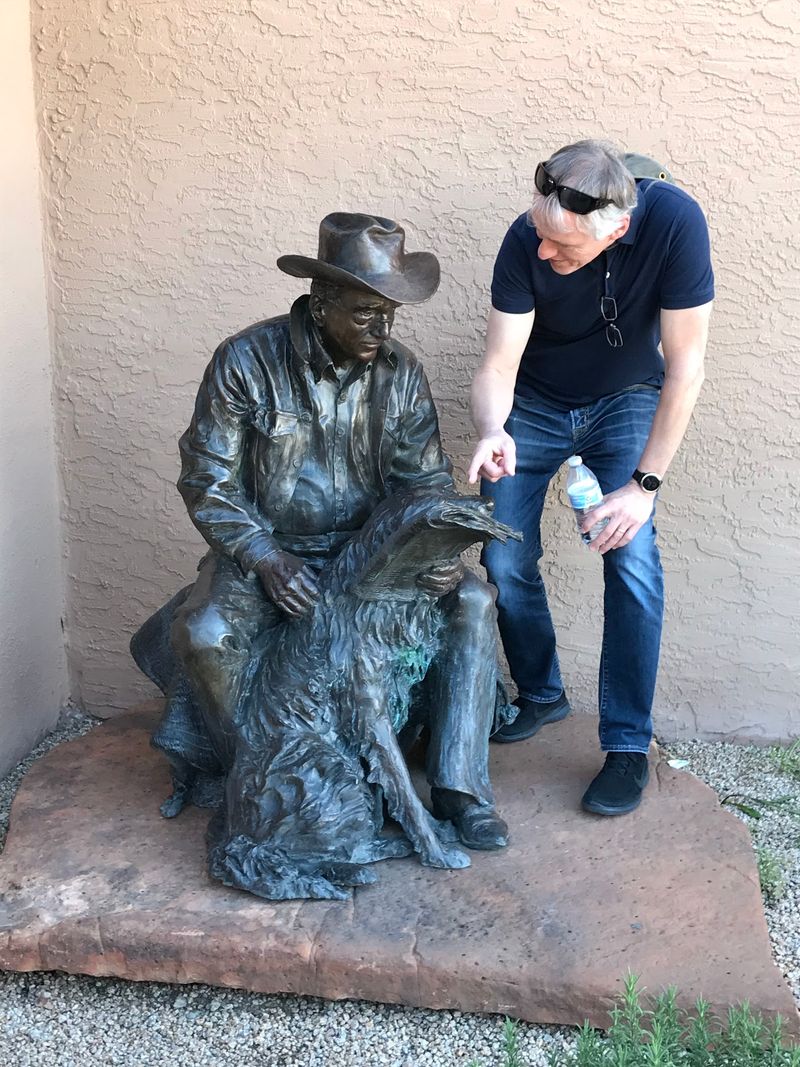
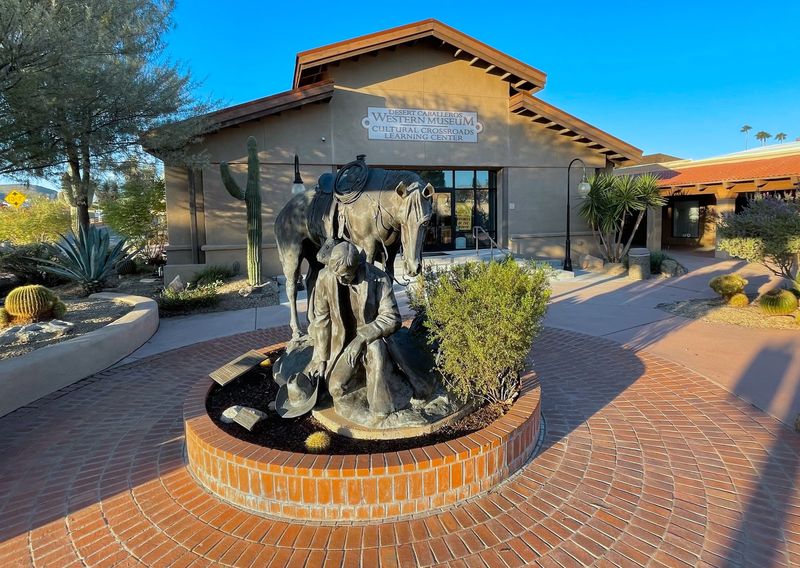
Cowboy paintings, bronze sculptures, and frontier artifacts fill the Desert Caballeros Western Museum downtown. It’s a surprisingly polished museum for a town this size.
Western art lovers can spend a good chunk of time here. The collection covers landscapes, ranch life, and the people who shaped the region.
Exhibits also dig into Wickenburg’s own past. Mining, ranching, and early town life get attention, which helps everything else in town make more sense.
Rotating exhibitions keep things fresh for repeat visitors. Hours and admission can change, so checking ahead before a trip is a good idea.
A museum like this adds real cultural weight to small-town living. Retirees who enjoy art, lectures, or volunteering may find a natural community here.
It also makes a great rainy-day or hot-day plan. When the summer sun gets intense, air-conditioned galleries look very appealing.
Out front and around downtown, bronze statues continue the theme. Wickenburg clearly takes its western identity seriously, but it presents that history with warmth rather than stiffness, and that balance makes the museum feel welcoming even for casual visitors.
Saddle Up In The Dude Ranch Capital
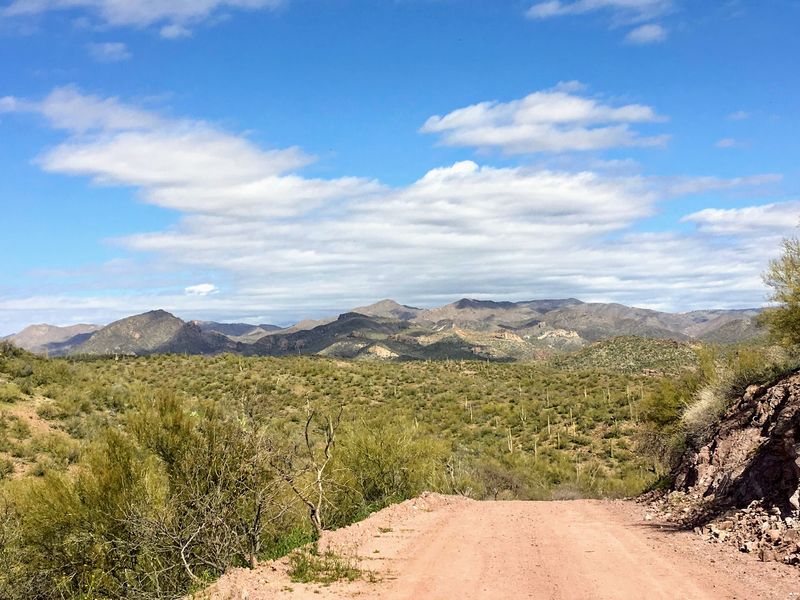
Wickenburg has long called itself the Dude Ranch Capital of the World. Guest ranches took off here in the early twentieth century, and some still welcome riders today.
The idea was simple and clever. City folks paid to live like cowboys for a week, complete with horseback rides and big desert skies.
That tradition continues at places like Rancho de los Caballeros and the Flying E Ranch. Seasons and offerings vary, so plan ahead if a ranch stay is on the list.
Horses remain a visible part of local life. Trails crisscross the surrounding desert, and the open terrain suits riders who prefer space over crowds.
Even non-riders can enjoy the ranch culture from the sidelines. Rodeo events and western gatherings bring that energy into town at various times of year.
For retirees with an equestrian streak, this is a rare draw. Few Arizona towns blend affordability with such deep horse-country roots.
Visitors from the Valley often use a ranch weekend as a reset button. Some of them end up coming back permanently, which may be the most convincing review a town can get.
February Brings Gold Rush Days To Downtown
Every February, Wickenburg throws a party called Gold Rush Days. The celebration nods to the town’s mining origins and draws crowds from across the region.
Parades, rodeo action, and vendors typically fill the schedule. Dates and lineups change yearly, so the official town calendar is the best place to confirm details.
Timing works in everyone’s favor here. February in Wickenburg usually brings mild temperatures, perfect for spending a whole day outside.
The festival gives newcomers an easy way to meet neighbors. Small-town events like this often become the place where friendships quietly start.
Other gatherings pop up through the year as well. Western-themed events and community celebrations help keep the calendar from ever feeling empty.
Retirees often say they want community without chaos. Events at this scale deliver exactly that mix, lively enough to feel fun yet relaxed enough to enjoy.
Arriving early is smart if parking matters to you. Then wander downtown, grab a bite, and soak up a town that clearly enjoys celebrating its own story every single winter.
Quiet Streets Built For A Slower Rhythm
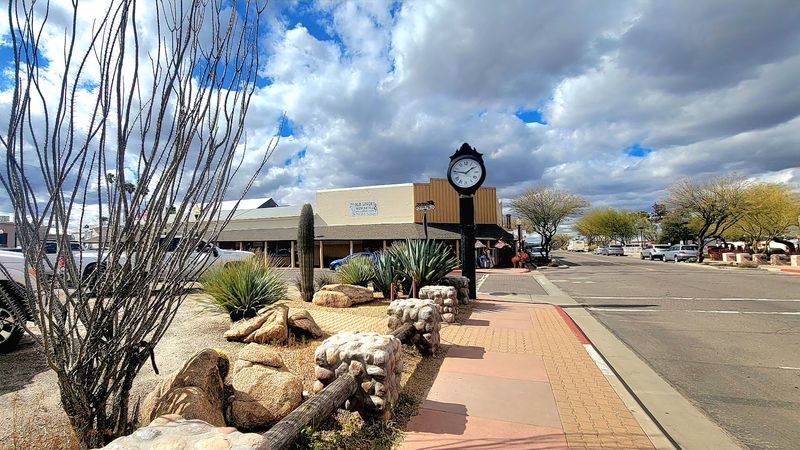
Nobody moves to Wickenburg for nightlife. People come for calm mornings, starry evenings, and neighbors who wave from the driveway.
The downtown core is compact and walkable. Shops, cafes, and historic sites sit close together, so a short stroll covers plenty of ground.
Retirees fit naturally into that rhythm. Days can revolve around a museum visit, a nature walk, or simply coffee on the porch.
Families and remote workers find their place here too. The quiet suits anyone tired of traffic and longing for open space.
Summers do get hot, since the town sits in the desert. Winters, though, tend to be mild and inviting, which partly explains the seasonal snowbird traffic.
Dark skies are another quiet bonus. Away from Phoenix’s glow, clear nights can reveal far more stars than most city dwellers are used to.
Small towns aren’t for everyone, and that’s fine. For those who crave peace without total isolation, Wickenburg offers a gentle middle ground that’s hard to find in Arizona today.
Getting There Takes About An Hour From Phoenix
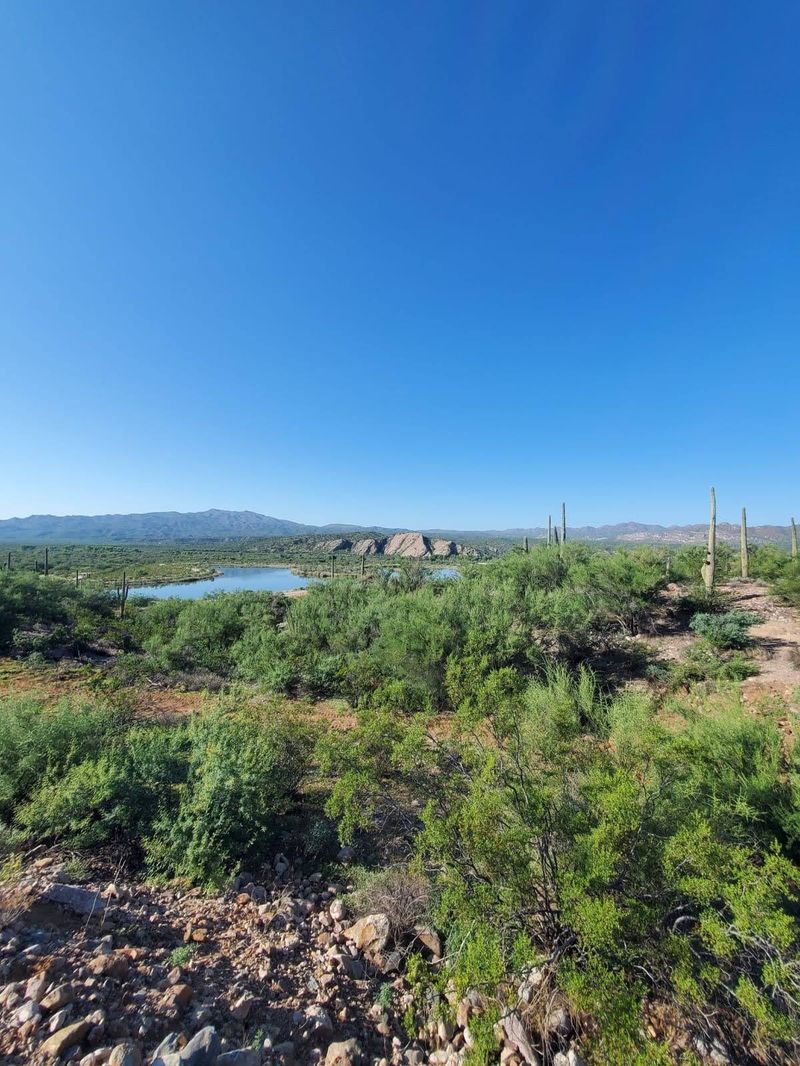
Reaching Wickenburg is refreshingly simple. From Phoenix, US 60 heads northwest through open desert and lands you in town in roughly an hour, depending on traffic.
Coming from the north works too. US 93 connects Wickenburg toward Kingman and Las Vegas, making it a natural pause on longer road trips.
The best visiting months usually run from fall through spring. Comfortable temperatures make walking downtown and hiking the preserve far more pleasant.
Summer visits are possible with smart timing. Mornings and evenings stay more manageable, while midday works best for indoor stops like the museum.
Hours for attractions vary by season. A quick check with each spot before leaving can save a wasted drive.
Prospective residents should try a few visits at different times of year. Seeing Wickenburg in July and January paints a much more honest picture.
Bring water, sunscreen, and a little curiosity. The drive is easy, and the reward is a town that feels miles away from the Valley rush even though it really isn’t.
Why This Desert Town Keeps Winning Over Retirees

Add up the pieces and the appeal becomes obvious. Wickenburg offers history, nature, community, and housing costs that may leave more room in the budget.
None of it feels manufactured. The jail tree, the river legend, and the ranch heritage all grew from real frontier stories.
Retirees seem to appreciate that authenticity. A town with genuine character often feels easier to call home than a newly built suburb.
The trade-offs deserve honesty too. Summers get hot, inventory can be limited, and some specialized services require a trip toward Phoenix.
Still, many people find those trade-offs worth it. Quiet streets and mountain-rimmed views can outweigh a longer drive for occasional errands.
Renting first remains the smartest test. A season or two will reveal whether the slower pace truly fits your life.
Wickenburg won’t shout for attention, and that’s part of its charm. For anyone hunting an affordable, friendly corner of Arizona, this little cowboy town deserves a spot on the shortlist, and maybe a weekend visit very soon.