
What Was Lost Beneath An Oregon Lake Is Slowly Coming Back Into View
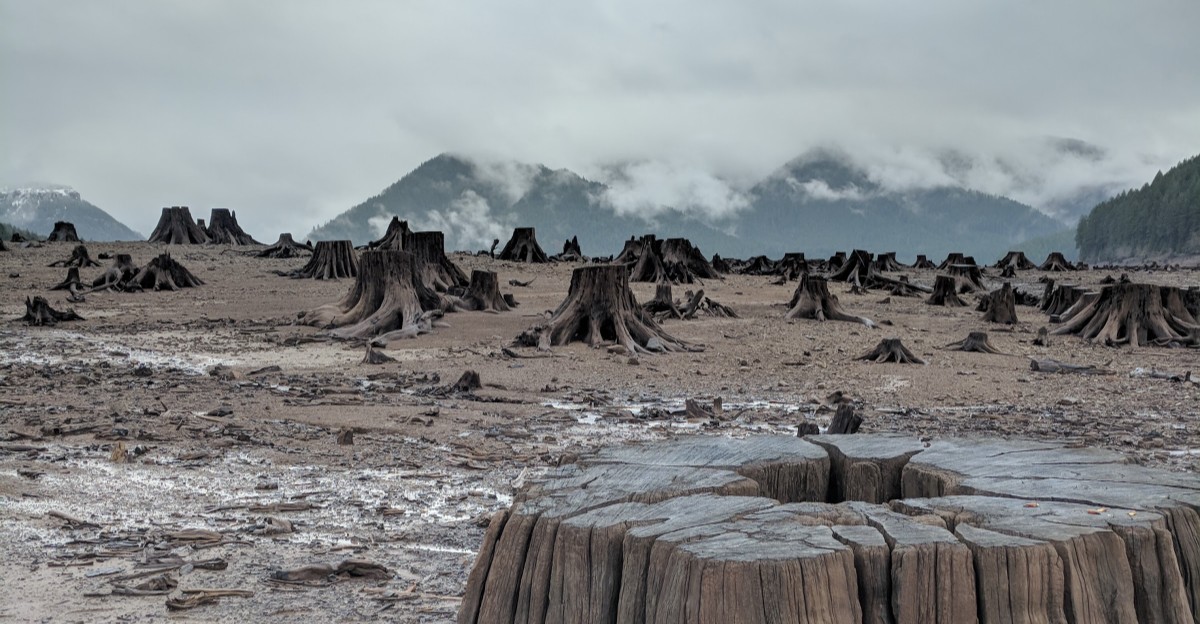
A wooden wagon emerging from the mud of an Oregon lake sounds like something out of an old Western. But this wasn’t a movie prop.
It was a real piece of history, hidden beneath the water for decades.
And the wagon wasn’t alone. When the lake level drops, old roads, building foundations, and traces of a railroad begin to appear along the exposed lakebed.
It’s almost as if the landscape is slowly giving up its secrets.
I find it fascinating that beneath a popular summer getaway lies the outline of an entirely different world. A town once stood here, filled with homes, familiar streets, and people who had no idea their lives would one day be buried underwater.
The water has kept that world out of sight for years. Every time it retreats, a little more of the past comes back into view, and some of what remains raises more questions than answers.
A Historic Wagon Made A Surprise Comeback
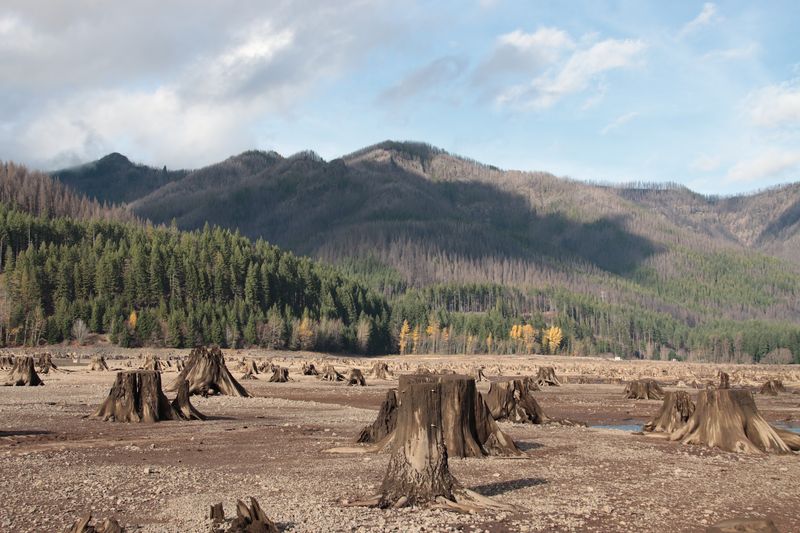
Most lakes give up sunglasses and lost fishing lures. Detroit Lake State Recreation Area sits beside a reservoir that once gave up an entire wagon.
A sheriff’s deputy spotted the wooden wagon in exposed mud during an unusually low-water period in 2015. Experts later identified Milburn wagon components likely dating to the early 1900s.
Milburn was a big name back then, based in Toledo, Ohio. Its wagons rolled all over the country, carrying freight, tools, and everyday supplies.
So how did one end up under an Oregon lake? Its exact history remains a mystery.
The wagon may have come from the original town of Detroit or somewhere farther upstream.
What is certain is that it remained submerged for decades before unusually low water levels exposed it in 2015.
That find is a good reminder for anyone walking the shoreline here. If you spot something old, leave it alone and report it to park staff or local authorities.
Historic items on public land are protected for a reason. Plus, nobody wants to be the person who tried to haul a 150-year-old wagon home in a minivan.
The Town Under The Water Had A Life Of Its Own
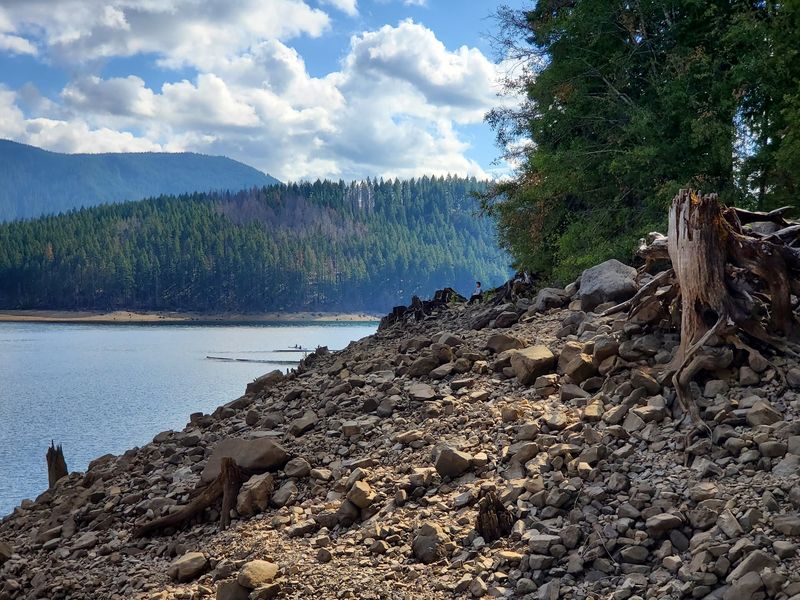
Long before boat ramps and campsites, a small town called Detroit sat on the valley floor. It grew up around timber work and the railroad that pushed up the North Santiam canyon.
Workers, families, and shop owners made a real community here. Homes, businesses, and roads filled the flat land beside the river.
Then came plans for flood control and power on the North Santiam River. Detroit Dam was completed in 1953, and the old townsite was in the path of the rising water.
Residents had to relocate to higher ground nearby. The town you can visit today is the newer version, sitting above the shoreline it once called home.
That history gives the lake a different feel once you know it. Every calm summer afternoon on the water happens right over somebody’s old street.
It’s a pretty wild thing to think about while floating on a tube. The Oregon valley didn’t just get a lake, it traded one kind of life for another.
Keep that story in mind when the water drops. Those exposed shapes along the bottom aren’t random rocks, they’re chapters of a town that moved uphill.
Low Water Turns The Lakebed Into A History Exhibit
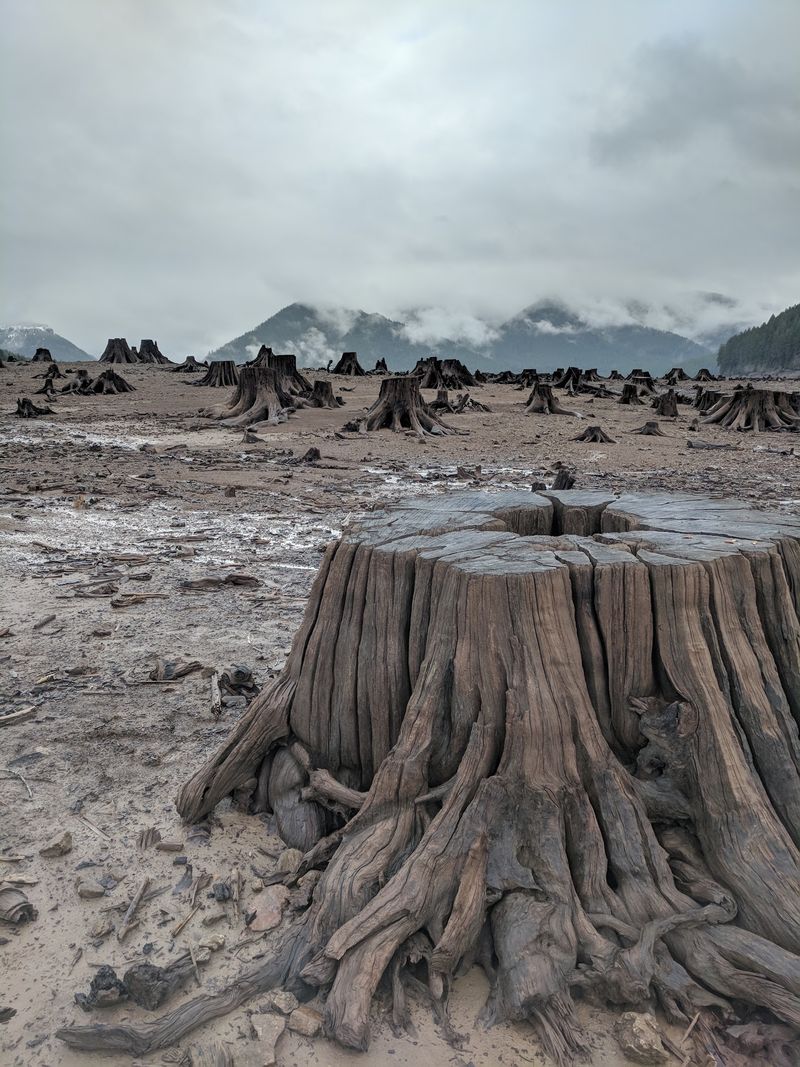
Low water sounds like bad news for boaters, and sometimes it is. For history fans, though, a shrinking reservoir is basically an open house.
Detroit Lake is managed by the U.S. Army Corps of Engineers, and water levels change through the year.
The lake is usually drawn down in fall and winter, then refills in spring.
During dry years or deeper drawdowns, the shoreline pulls way back. That’s when old building foundations, stumps, and a former railroad grade can poke into view.
Some folks find the scene a little eerie at first. Cracked mud, old roadbeds, and tree remains don’t exactly match the postcard version of a mountain lake.
Still, those features tell you exactly where the valley used to be busy. You can trace lines that once carried trains, wagons, and people going about their day.
Check current lake levels before visiting if you care about boating. Low levels can limit ramps and docks, while also revealing more of the buried past.
Either way, the lake never looks the same twice. That’s a pretty good reason to come back in a different season.
Your Campsite Comes With Mountain Views And Lake Breezes
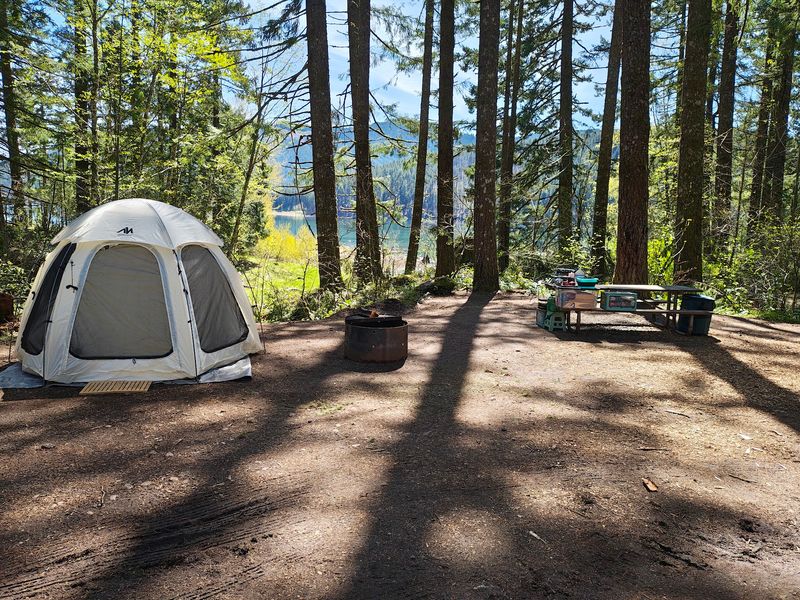
Here’s a fun twist: you can sleep right next to all that history. Detroit Lake State Recreation Area is one of the larger campgrounds in the Oregon state park system.
The park sits right along the shoreline, ringed by forest. Campsites are spread across several loops, with tent sites and RV sites that include hookups.
Some spots offer lake views, and on a clear day Mount Jefferson shows off in the distance. That’s a solid upgrade from staring at a parking lot.
Restrooms with flush toilets and showers are available in the loops. Water spigots are scattered through the campground too, which makes dish duty less of a hike.
Summer weekends can book up fast, especially around holidays. Reserve early through the Oregon State Parks reservation system if you have a date in mind.
Highway 22 runs along the park’s edge, so some sites near the upper end pick up road sounds. Earplugs are cheap insurance for light sleepers.
Pick a site closer to the water if quiet matters most. You’ll trade a little traffic hum for the sound of a breeze rolling off the lake.
Boats, Docks, And Moorage Make The Water Easy To Reach
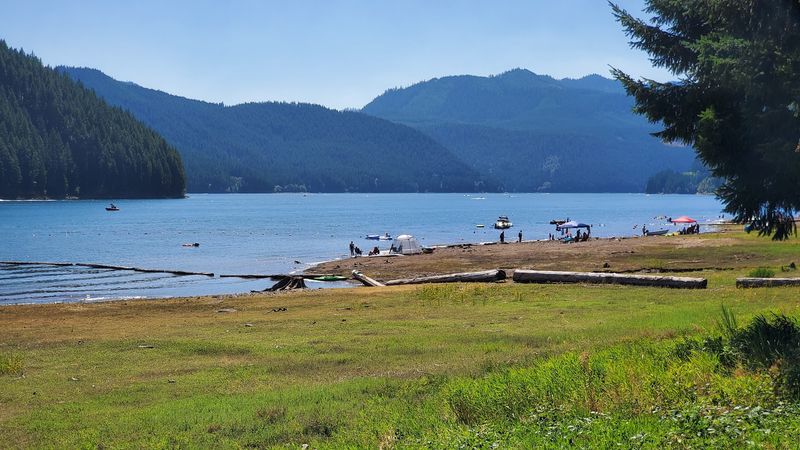
Got a boat collecting dust in the driveway? This is the place to give it a real job.
The park offers boat ramps, docks, and moorage space right on the lake. Campers can launch nearby and tie up close to their site, which feels a bit like having a waterfront cabin.
Detroit Lake is a popular spot for water-skiing, jet skis, and lazy pontoon afternoons. The reservoir stretches for miles, so there’s room to explore the coves and arms.
A boat also gives you a different angle on the area’s past. Cruising over the old valley, you’re gliding above roads and homesites that once sat on dry ground.
Water levels affect which ramps are usable, and boat launches can close entirely during low-water periods. A significant reservoir drawdown is planned for late 2026, so check current water levels and ramp availability before bringing your boat.
Check conditions before towing a trailer up the canyon. A quick look at lake level updates can save you a long, disappointed drive.
Wear life jackets and keep an eye out for exposed stumps when the lake is low. Old trees from the drowned valley sometimes sit closer to the surface than you’d expect.
Trout Fishing Here Is A Spring Tradition Worth Joining
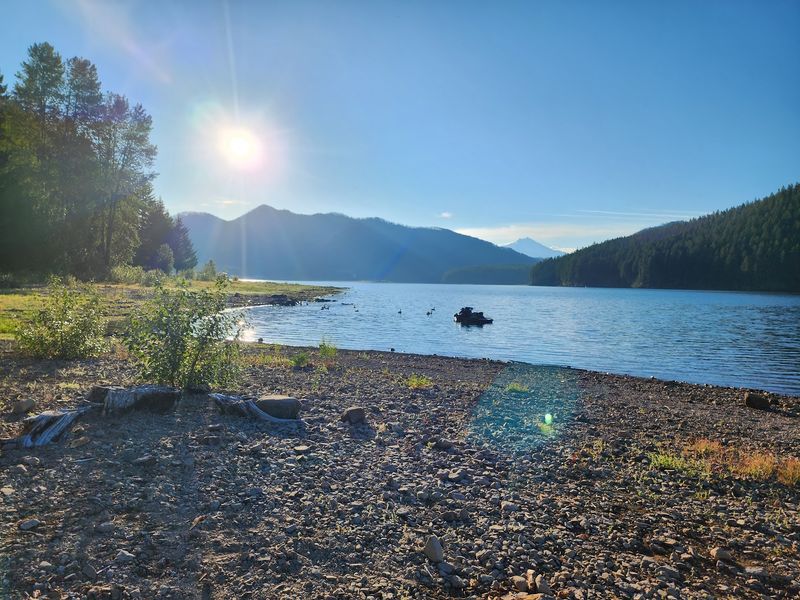
Rainbow trout get a lot of attention at this lake, and for good reason. The Oregon Department of Fish and Wildlife stocks Detroit Lake with trout.
Spring and early summer tend to be favorite times for anglers. The water is higher, the weather warms up, and the fish are more active.
You can fish from a boat or try your luck from the shore. Kokanee also live in the lake, giving boat anglers another target to chase.
Bring a valid Oregon fishing license before you cast a line. Regulations can change, so a quick check of current rules keeps your trip stress-free.
Kids who are new to fishing often do best with simple gear. A basic rod, a bobber, and some patience can turn into a favorite family memory.
There’s something funny about catching dinner above a sunken town. Somewhere below your hook, a street might have once seen horse-drawn traffic.
Early mornings are often calmer, before speedboats churn up the surface. Grab a thermos of coffee and enjoy the quiet while the mist lifts off the water.
Splash Time Starts At The Mongold Day-Use Area
Not camping? No problem at all.
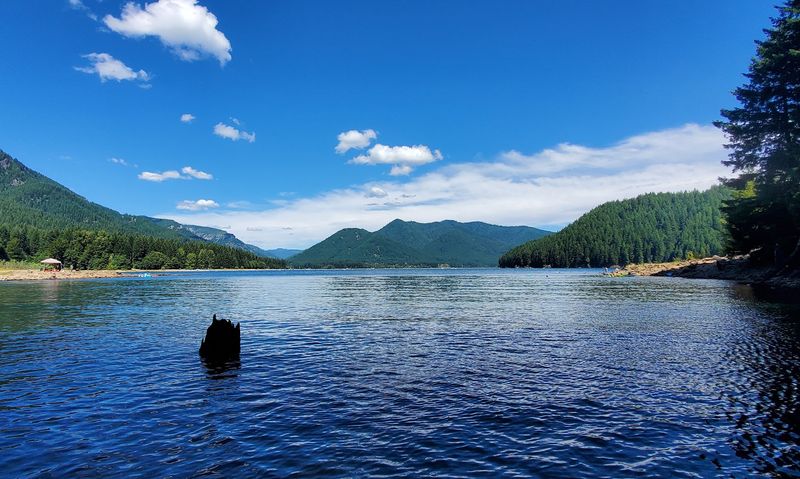
The Mongold Day-Use Area is part of Detroit Lake State Recreation Area and welcomes visitors who just want a sunny afternoon.
You’ll find a boat ramp, parking, picnic tables, and shoreline access for swimming. A parking permit or day-use fee applies, so plan to pay at the kiosk.
The shore is rocky in many places. Water shoes will make your toes much happier than bare feet on sharp stones.
Shade near the water can be limited too. A pop-up canopy or big umbrella is worth packing on hot July days.
Summer weekends draw boaters and swimmers who all had the same smart idea. Arriving early gives you a better shot at parking close to the lake.
Lake temperatures usually feel pleasant by mid-summer. Still, mountain water can surprise you, so ease in rather than cannonballing off the first rock.
Pack snacks, sunscreen, and a paddle if you bring an inner tube. Wind can push floaters around, and nobody wants to drift halfway to the dam.
Kids Get Playgrounds, Ranger Programs, And A Handy Store
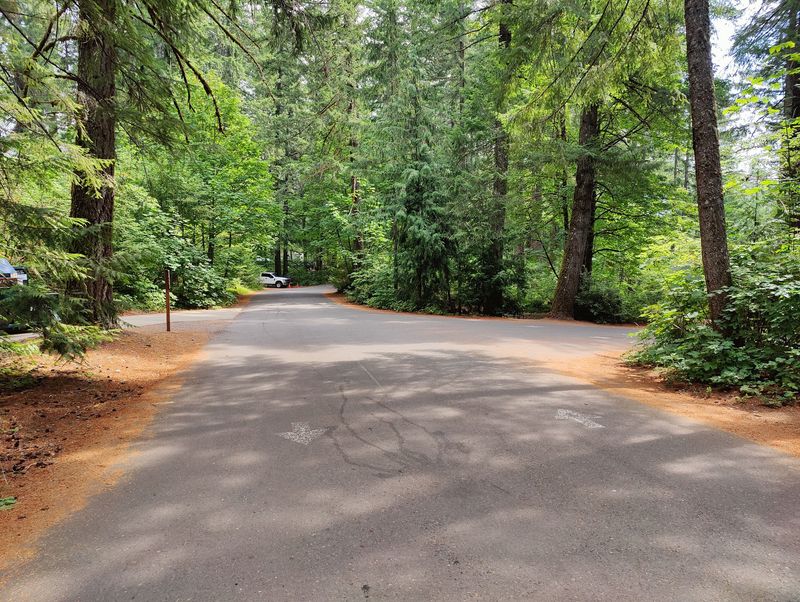
Families, take note. This park packs in plenty to keep young campers busy between swims.
Playgrounds sit within the campground, and there are spots for volleyball and horseshoes. A trail loops around the park, perfect for burning off extra energy before bedtime.
In summer, park rangers often run educational programs for kids. Topics can cover wildlife, nature, and the story of the area, which is a pretty easy way to sneak in learning.
Ask a ranger about the old town beneath the lake. Kids tend to love the idea of a sunken community more than any textbook chapter.
The on-site store is a lifesaver for forgetful packers. It carries snacks, souvenirs, ice, and firewood, so you don’t need to drive into town for marshmallow emergencies.
Showers in the restroom buildings help after a dusty day too. Clean kids in sleeping bags are a parenting win worth celebrating.
The full address is 44000 N Santiam Hwy, Detroit, OR 97342. Plug it into your map and let the kids start counting trees on the drive up.
Fire, Floods, And Resilience Shape The Story Today
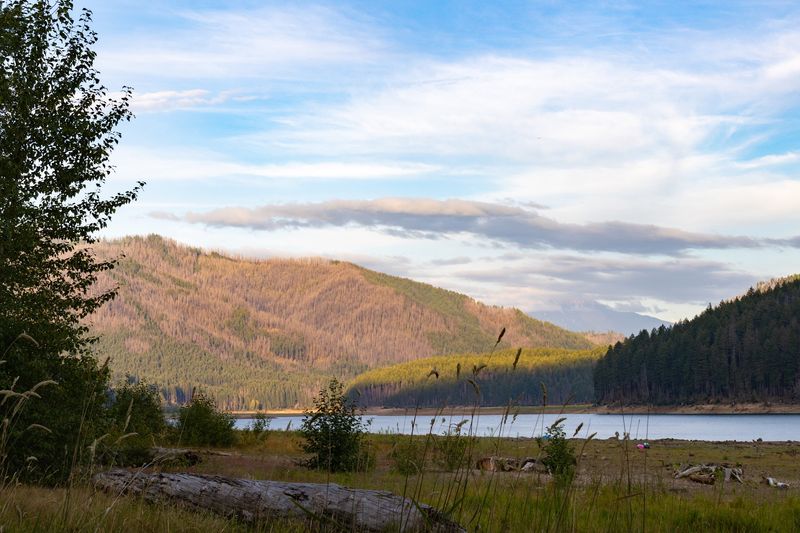
Few lakes carry this many plot twists. A town moved for the dam, and then nature added another chapter in 2020.
That September, the Beachie Creek and Lionshead fires swept through the North Santiam canyon. The town of Detroit suffered heavy losses, and many homes and businesses burned.
Detroit Lake State Recreation Area made it through that fire season. Today the campground welcomes visitors again while the community keeps rebuilding.
Driving in, you may notice burned hillsides alongside fresh green growth. It’s a striking reminder of how quickly a landscape can change.
Spending your money locally helps the town recover. Grab supplies, a snack, or a souvenir from local shops when you pass through.
The whole area feels like a lesson in starting over. First the water rose, then flames came, and still people keep coming back to this Oregon valley.
Visit with that story in mind, and the lake becomes more than a weekend playground. You’re standing in a place that keeps losing pieces, then finding new ways forward, sometimes with an old wagon thrown in for good measure.