
In This North Carolina Village, Generations-Old Traditions Remain A Way Of Life
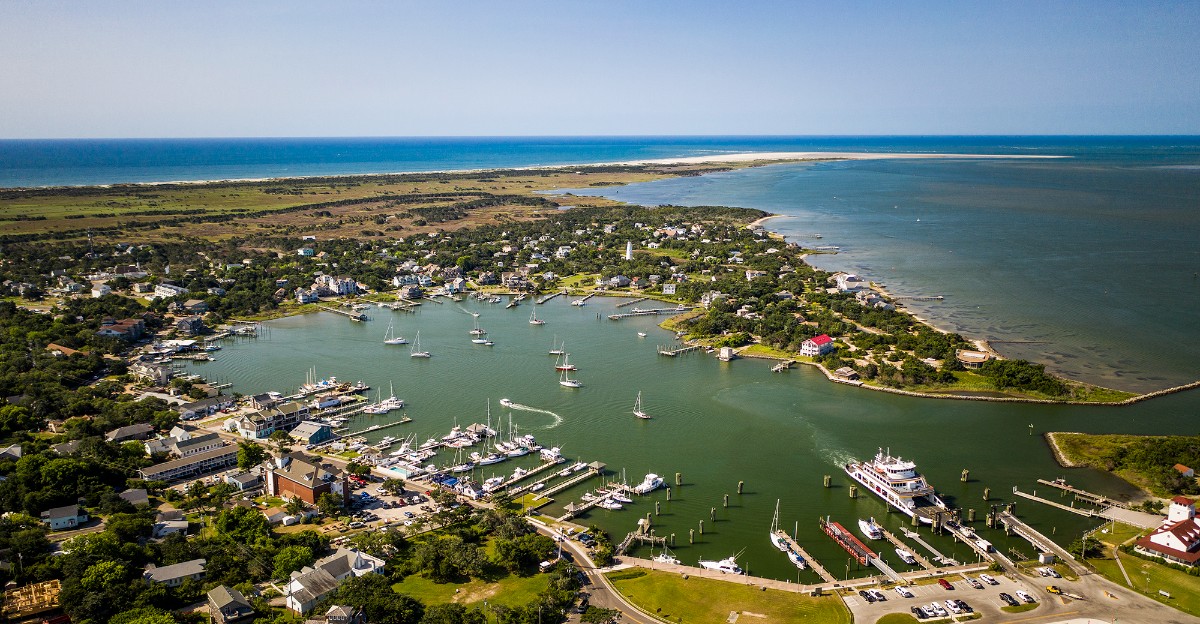
On this little stretch of North Carolina’s coast, time seems to speak its own language. Locals have quirky expressions, a distinctive accent, and traditions that have survived long after the rest of the world moved on.
What intrigues me most is how this village has managed to keep its character without turning its past into a tourist attraction. Banker ponies live in a protected pasture, pirate tales linger in local lore, and an old white lighthouse watches over it all.
Here, history isn’t tucked away in a museum. It’s woven into everyday life, passed down through generations and spoken in words outsiders might struggle to understand.
So what makes this coastal village so different from anywhere else in North Carolina?
Listen Closely, Because The Accent Tells The Whole Story
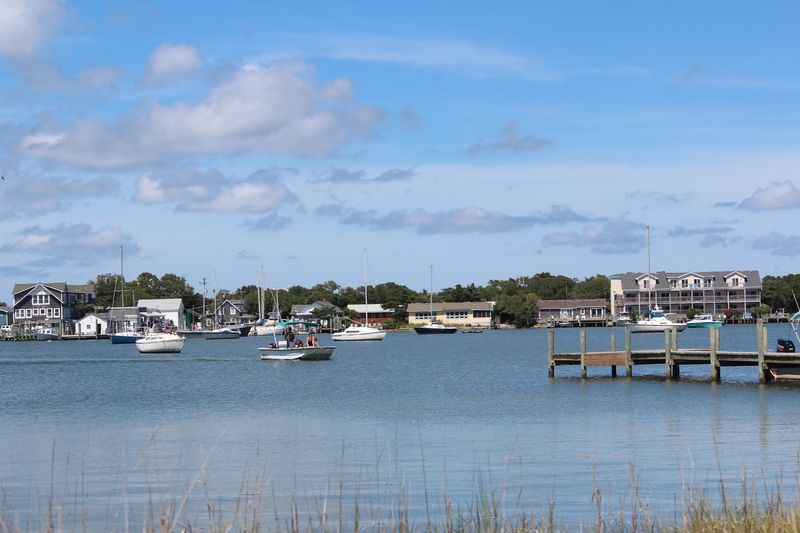
Few American towns have a dialect that linguists travel to study. Ocracoke Village, on Ocracoke Island, is one of them.
The local speech is often called the Hoi Toide brogue. Researchers at North Carolina State University spent years recording it.
Vowels bend in surprising ways here. High tide becomes something close to hoi toide, and that is where the nickname comes from.
Isolation shaped it. For generations, the island was reachable only by boat, so outside speech habits drifted in slowly.
Some words feel like a secret code. A dingbatter is an outsider, and the main means the mainland.
Linguists have warned that the brogue is fading. Fewer young islanders speak it as strongly as their grandparents did.
That makes every chance to hear it feel a little special. Chat politely with shop owners, and you may catch a phrase or two.
The Ocracoke Preservation Society has helped keep island stories and voices on record. Their work treats speech as heritage, not just quirky trivia.
A friendly tip: don’t try imitating the accent back. Listening works much better, and it is a lot less awkward for everyone involved.
The Lighthouse That Has Outlasted Two Centuries Of Storms
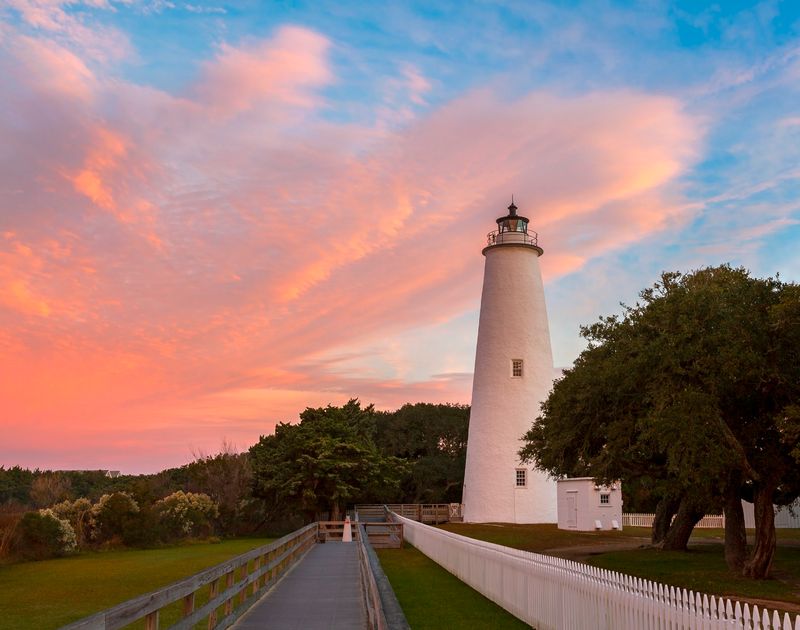
Built in 1823, the Ocracoke Lighthouse ranks among the oldest operating lighthouses in North Carolina. It still shines over the village today.
The tower stands about 75 feet tall. That sounds modest until you remember it has guided sailors for two centuries.
Its brick walls are coated in bright white. Against a blue island sky, the tower practically glows.
The Cape Hatteras National Seashore manages the site. A short boardwalk leads from the parking area to the base.
Visitors usually can’t climb inside, and that is part of its charm. The lighthouse is a working guardian, not a jungle gym.
Early evening often brings softer light for photos. Bring patience, since everyone else had the same idea.
The neighborhood around it is worth a stroll too. Narrow lanes, old cottages, and twisted live oaks surround the grounds.
A lighthouse this old says a lot about island priorities. Ocracoke Village keeps useful things running long after others would replace them.
Honestly, that steady glow might be the best symbol of the whole place. Old, reliable, and still on duty every single night.
Wild Ponies With A Pedigree Older Than The Town
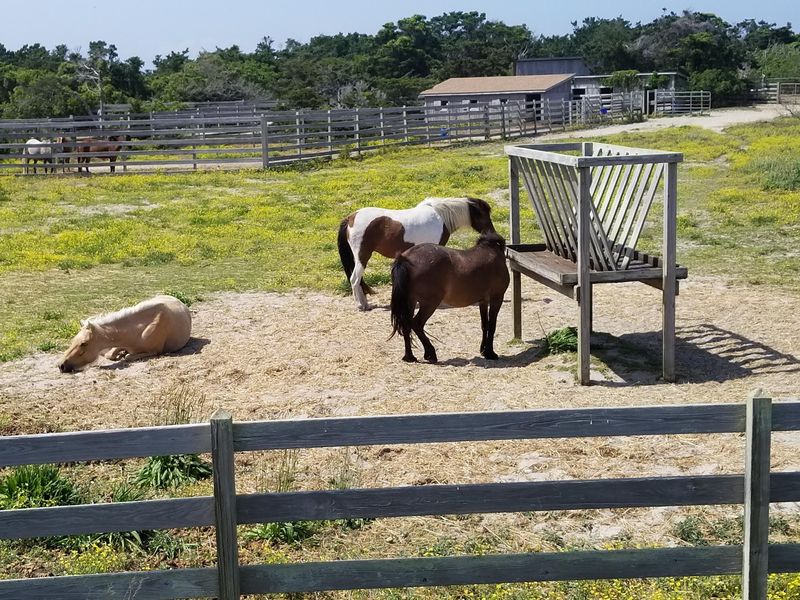
Spanish explorers may have left more than footprints here. Legend says the Banker ponies descend from horses on shipwrecked or stranded vessels centuries ago.
Today the herd lives in a fenced pasture managed by the National Park Service. The fence protects the ponies from traffic on North Carolina Highway 12.
You’ll find the Ocracoke Pony Pen a few miles north of the village. A viewing platform lets you watch them graze.
These horses are small, sturdy, and built for island life. Their ancestors survived on marsh grass and rain puddles.
Islanders once had a famous tradition with them. In the 1950s, local Boy Scouts formed a mounted troop using tamed ponies.
That detail sounds almost made up. It’s true, and it shows how woven into daily life these animals became.
Bring binoculars if you have them. The ponies don’t always hang out near the fence.
Morning and late afternoon tend to feel calmer for viewing. Either way, please never feed them, since human food can make them sick.
Five minutes here feels like a peek at very old island history.
A Pirate Once Called These Waters Home
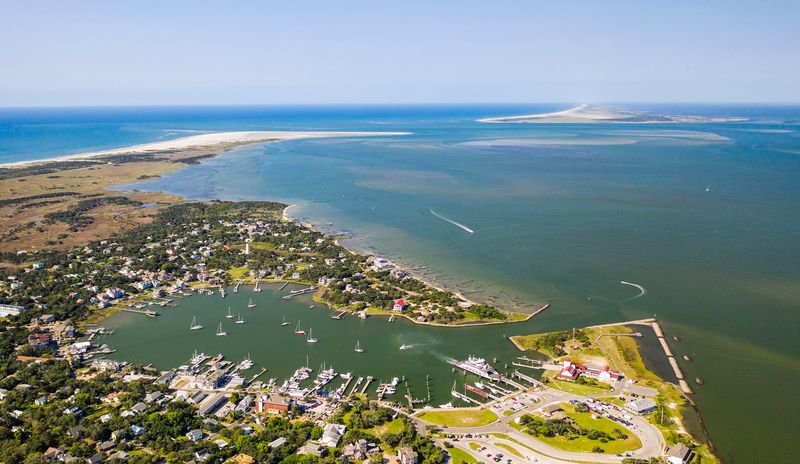
Blackbeard spent his final days right off this shoreline. In November 1718, the infamous pirate met his end in a battle near Ocracoke Inlet.
The spot is known as Teach’s Hole. That name comes from Edward Teach, which many historians believe was his real name.
Islanders have kept this story alive for three centuries. It shows up in shop names, local tours, and plenty of bedtime tales.
Blackbeard’s Lodge, a long-running inn in the village, carries his name too. Pirate flair is basically part of the zoning here.
The Queen Anne’s Revenge, his flagship, ran aground near Beaufort Inlet and was abandoned earlier that year. Recovered artifacts are displayed at the North Carolina Maritime Museum in Beaufort.
Back on Ocracoke, the legend feels closer. You can look across the water where the final fight unfolded.
Kids love this chapter, obviously. Grown-ups secretly love it just as much.
The village leans into the history without turning it into a cartoon. That balance keeps the pirate past feeling real and a little thrilling.
Bring curiosity and a good imagination. The water does the rest.
Fig Cake Is Practically The Official Island Dessert
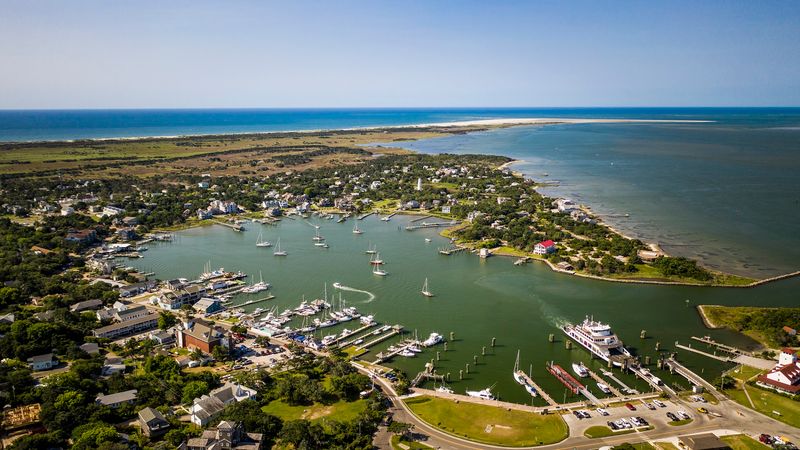
Fig trees grow all over Ocracoke Village. Many shade old family yards and have done so for generations.
So it makes sense that fig preserves became a kitchen staple. Then islanders did the smart thing and baked them into cake.
Ocracoke fig cake is a beloved local tradition. Families have passed down their own recipes for years.
The annual Ocracoke Fig Festival celebrates this sweet heritage each August. Since 2025, the festival has operated independently of the Ocracoke Preservation Society.
The festival includes a fig cake contest. Bakers bring their best versions, and the competition is friendly but serious.
You’ll also find fig preserves, local crafts, and island history at the event. It feels like a big neighborhood gathering.
Not visiting in August? Keep an eye out for fig preserves sold by local shops and markets.
Bringing a jar home is an easy souvenir. It also beats another keychain shaped like a lighthouse.
The fig tradition says a lot about island life. People made something special out of what grew right outside their doors, and they never stopped.
Your Cooler Will Thank You For Visiting The Fish Docks
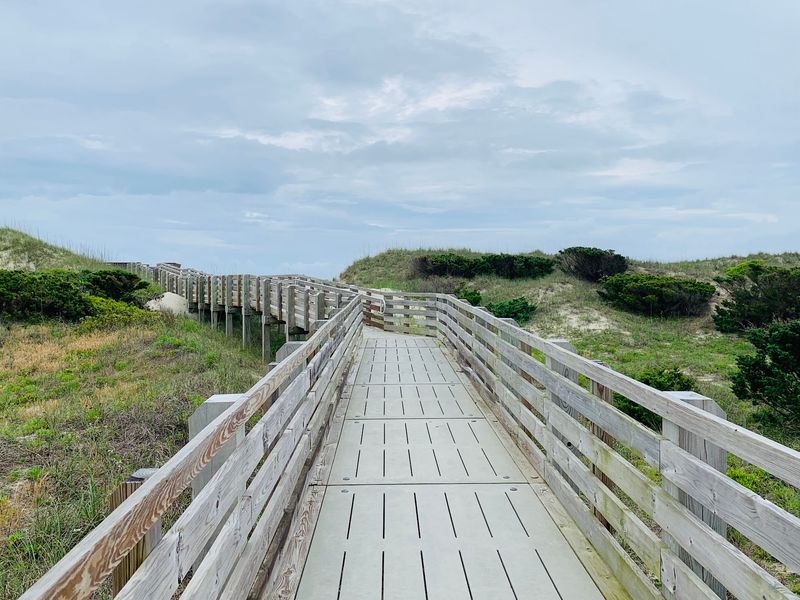
Fishing fed this island long before tourism did. Many Ocracoke families made their living on the water for generations.
That tradition still matters. Ocracoke Seafood Company operates as a working fish house near Silver Lake Harbor.
Here’s a cool twist. The community stepped up years ago to keep the fish house running when it faced closure.
Groups like the Ocracoke Working Watermen’s Association helped protect it. Losing the island’s last fish house would have meant losing a big piece of identity.
Local catches change with the seasons. What’s available depends on what the boats bring in.
Silver Lake Harbor itself sits at the heart of the village. Boats, docks, and waterfront spots circle the calm water.
Watching the harbor move through its day is pretty satisfying. Morning activity feels different from the lazy glow of evening.
Eating local seafood here supports real island families. That’s a delicious way to help keep traditions alive.
Just remember, the fishermen are working. Give them space, ask friendly questions at the counter, and enjoy food with serious island roots.
An Old Neighborhood Lane Still Holds The Village Together
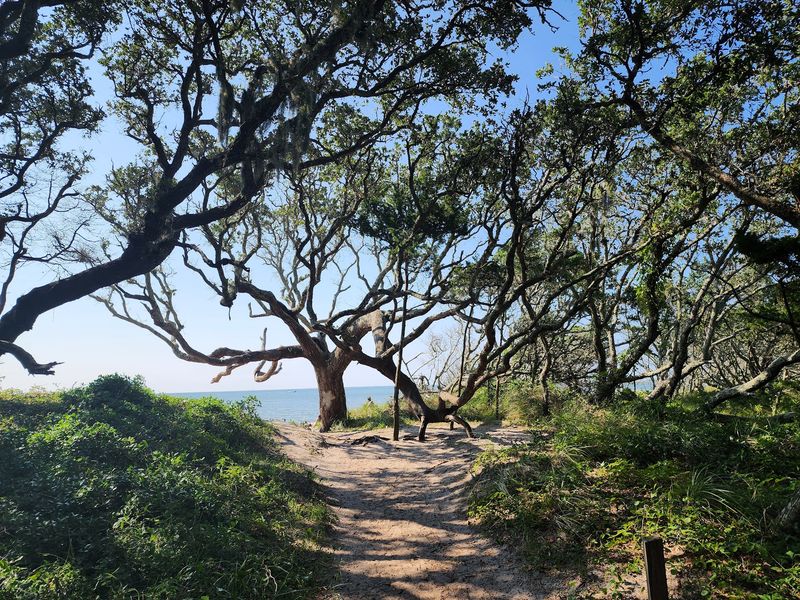
Howard Street is barely wider than a golf cart. It’s unpaved, shaded, and lined with old homes and family cemeteries.
Small cemeteries are tucked behind picket fences across the village. Many islanders buried loved ones close to home for generations.
The British Cemetery is another meaningful stop. It honors sailors from a British ship torpedoed off the coast in 1942.
Each year, a ceremony there remembers them. The grounds are leased to the United Kingdom, which is a surprising fact for a tiny island.
Walking these lanes feels like stepping through a family album. Names on old markers often match names you see on local businesses.
That connection is the point. Ocracoke Village never fully separated its past from its present.
Biking or walking is the best way to explore. Cars feel oversized on these slim little streets.
Please stay respectful near homes and cemeteries. These are personal spaces, not photo backdrops.
A slow wander here offers one of the most authentic looks at the island. Quiet details tell the story better than any sign could.
Get There The Old-Fashioned Way, By Ferry
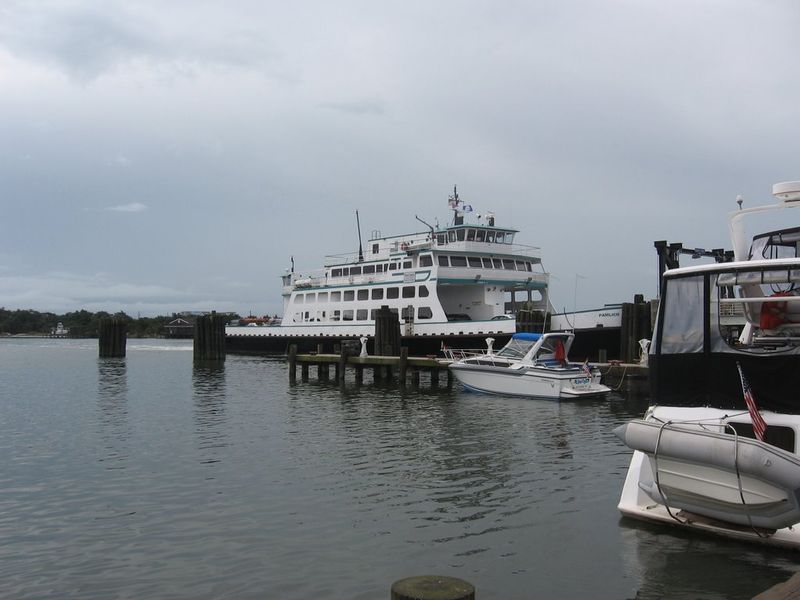
No bridge reaches Ocracoke. Most visitors arrive by ferry, though private and chartered aircraft can also reach the island.
The North Carolina Ferry System connects the island to the mainland and to Hatteras Island. Routes run from Hatteras, Swan Quarter, and Cedar Island.
The Hatteras crossing is the shortest. It’s free for vehicles and passengers, while longer mainland routes charge a fee.
A passenger ferry from Hatteras also lands right in the village during warmer months. You can skip the car entirely.
Once you arrive, the island address is simply Ocracoke, NC 27960. Most shops and inns sit around Silver Lake Harbor.
Seagulls often follow the ferries. Bringing them crackers is tempting, though feeding wildlife isn’t a great idea.
Plan ahead in busy seasons. Reservations are recommended for the longer routes.
Weather can affect schedules, so check ferry updates before you go. Island life follows the tides and wind, not your itinerary.
Honestly, the ride is part of the magic. Watching the mainland shrink behind you sets the perfect slow-paced mood.
Save Time For Beaches That Feel Delightfully Empty
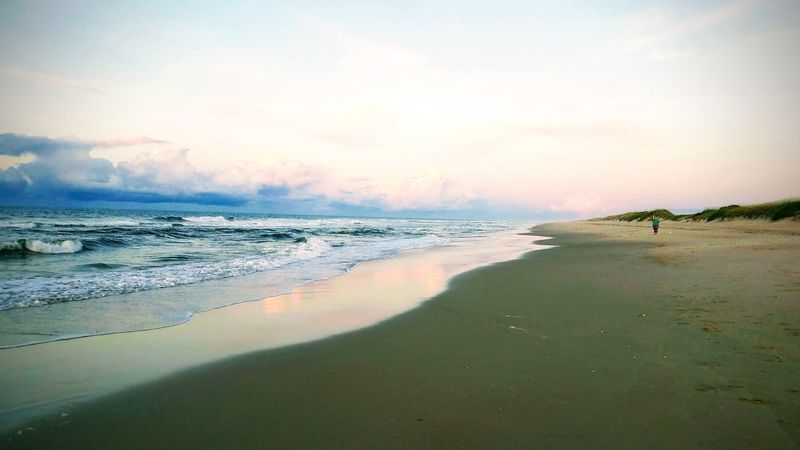
Sixteen miles of shoreline and almost no buildings on it. That’s the deal on Ocracoke Island.
Most of the island outside Ocracoke Village belongs to Cape Hatteras National Seashore. That protection keeps the beaches wild and wonderfully open.
Ocracoke Lifeguarded Beach is a popular choice in summer. It has parking, and lifeguards watch over swimmers during the season.
Ocracoke Beach has also earned high praise over the years. Coastal expert Dr. Beach named it America’s top beach in 2007.
Shelling is a classic island pastime. Calm mornings can be great for spotting treasures along the tide line.
Bring everything you need, since shade and snacks are scarce on the sand. Sunscreen and water are non-negotiable.
Rip currents can be strong in North Carolina waters. Swim near lifeguards when possible and respect posted warnings.
After a beach day, the village makes an easy home base. Fig cake, harbor views, and an old lighthouse are only minutes away.
That mix sums up Ocracoke perfectly. Wild nature and old traditions, sharing one sandy little island.