
Families Pay About $6 A Person To Watch Wild Horses Along The Salt River At This Arizona Recreation Area
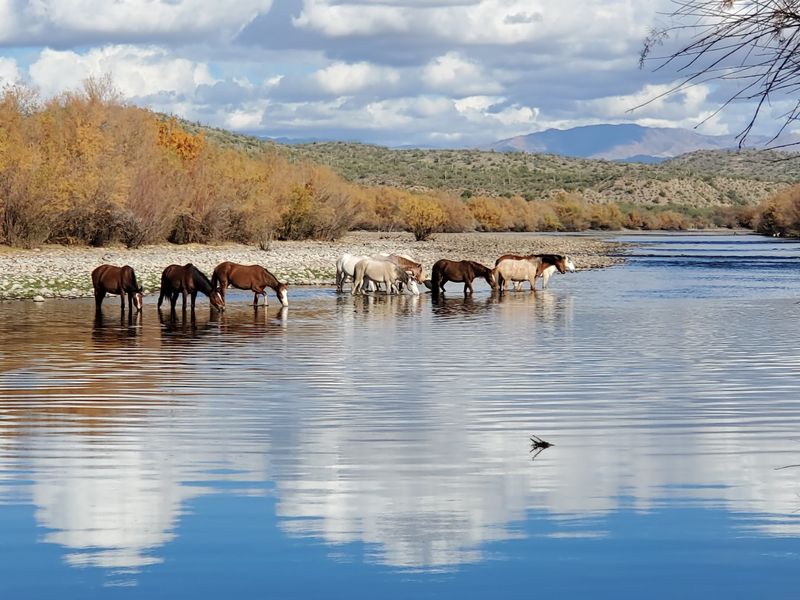
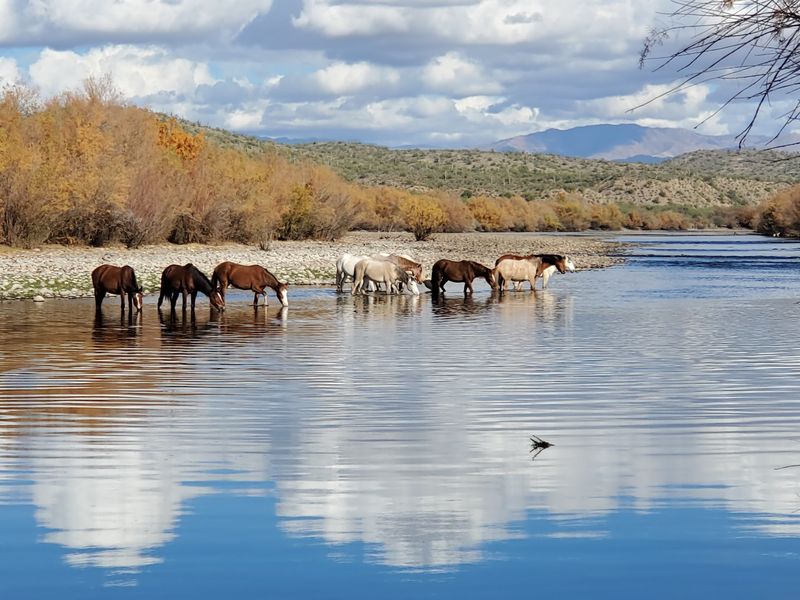
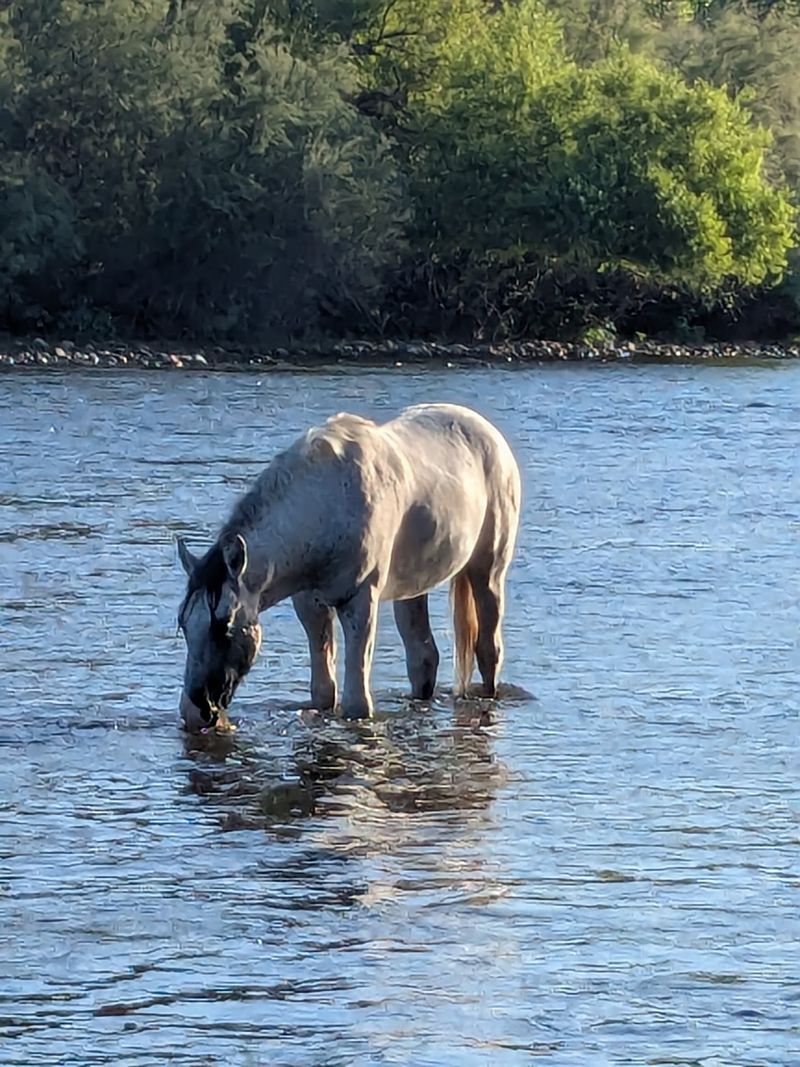
Wild horses wade straight into the river here, dunking their heads to munch on underwater grass. One visitor came to hike and got distracted by what they called snorkeling horses.
Honestly, I can’t blame them.
The horses roam freely along a shady, mesquite-lined stretch of riverbank in the Arizona desert. Many people believe their roots trace back centuries to Spanish colonial horses.
A federal law even protects them from harassment today.
The best part? You don’t need a ticket booth, a tour guide, or a big budget.
One inexpensive vehicle pass covers the whole carload, so a family of four splits the cost easily. Then you just park, stroll toward the water, and start scanning the banks.
I like how simple the whole outing is. So where exactly do these horses hang out, and when should you show up?
A Shady Riverbank At The End Of The Road
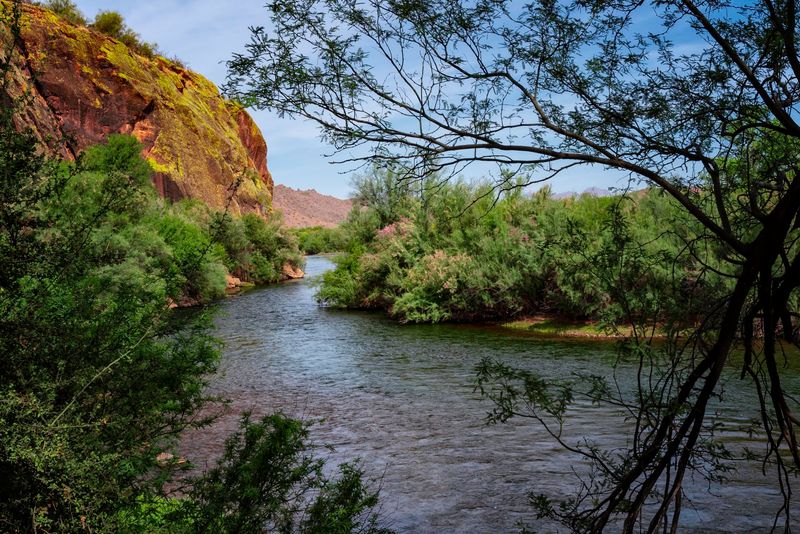
Coon Bluff Recreation Area sits inside Tonto National Forest, northeast of Mesa. It’s a relaxed riverfront park shaded by mature mesquite trees, with the Lower Salt River sliding right past.
Getting there feels like leaving the city behind in record time. The recreation area sits at the very end of its road, so there’s no through traffic rushing past your picnic.
Look downstream and you’ll catch a distant view of Superstition Mountain. Look closer, and the riverbanks reveal sandy beach areas, desert scrub, and plenty of hoofprints.
Those hoofprints are the reason so many people make the trip. Wild horses are by far the most talked-about feature here, and Coon Bluff often ranks among the most reliable spots on the river to see them.
Still, the setting earns its keep even on a horseless day. The river breeze, the sound of moving water, and the desert hills make a lovely backdrop for a slow morning.
Families, hikers, anglers, and paddlers all share this stretch. Everyone seems to find their own corner of shade, which tells you plenty about how roomy and easygoing the place feels.
Hoofprints That May Stretch Back Centuries
Long before Tonto National Forest existed, horses were already part of this landscape. The forest was established in 1905, and the herd’s story reaches well beyond that date.
Many believe the Salt River horses descend from Spanish colonial horses. Explorers such as Father Eusebio Kino brought horses into the region in the 17th century.
The river itself carries deep human history too. The Akimel O’odham people kept villages along these same banks, and the horses’ story is tied closely to that heritage.
Over generations, the herd adapted to the rugged Sonoran Desert. Summers bake, rain is scarce, and yet these animals have found a way to thrive beside the water.
That resilience changes how a sighting feels. You’re not just spotting a pretty horse; you’re looking at a living link to Arizona’s past.
Of course, the horses don’t care about any of that. They’re busy grazing, splashing, and keeping an eye on their youngsters.
Knowing the backstory simply adds a layer of wonder. It turns a quick photo stop into something closer to a history lesson with manes and tails.
The Nonprofit Keeping Watch Over The Herd
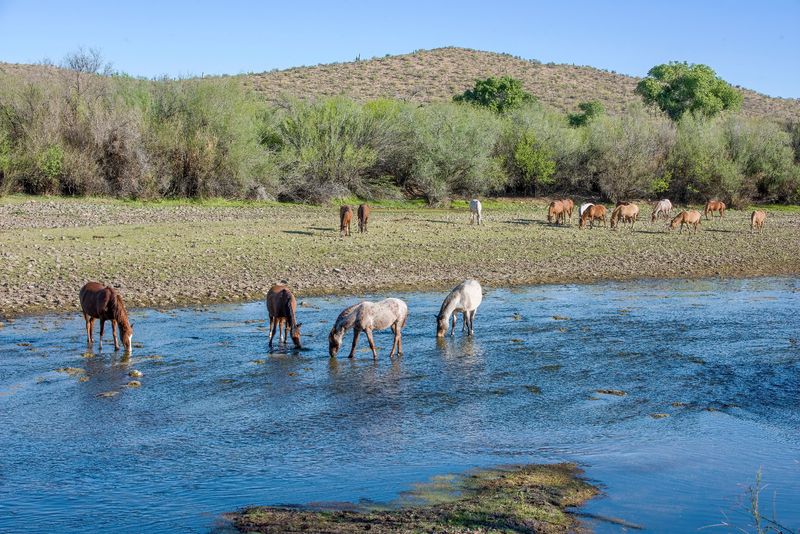
Credit for these horses still roaming free goes largely to the Salt River Wild Horse Management Group. The Arizona nonprofit monitors, studies, and protects the herd.
Their work gained new weight in 2016. That year, the Salt River Horse Act passed, legally protecting the horses from harassment and making humane management a priority.
The group runs an emergency hotline for horses in trouble. It also conducts a fertility control program designed to help keep the population stable over time.
Volunteers and staff work alongside state and federal agencies too. Their goal is long-term protection, so future families can enjoy the same sightings you might have this weekend.
Public education is a big piece of the mission. The group shares guidance on viewing the horses safely, which helps both the animals and the people watching them.
Knowing someone keeps such careful watch feels reassuring. These horses aren’t fenced or fed, yet they’re far from forgotten.
It’s a pretty great example of a community rallying around a beloved local icon. Next time you see a healthy band grazing by the river, you’ll know a lot of quiet effort helped make that moment possible.
Sunrise And Sunset Are Your Best Bets
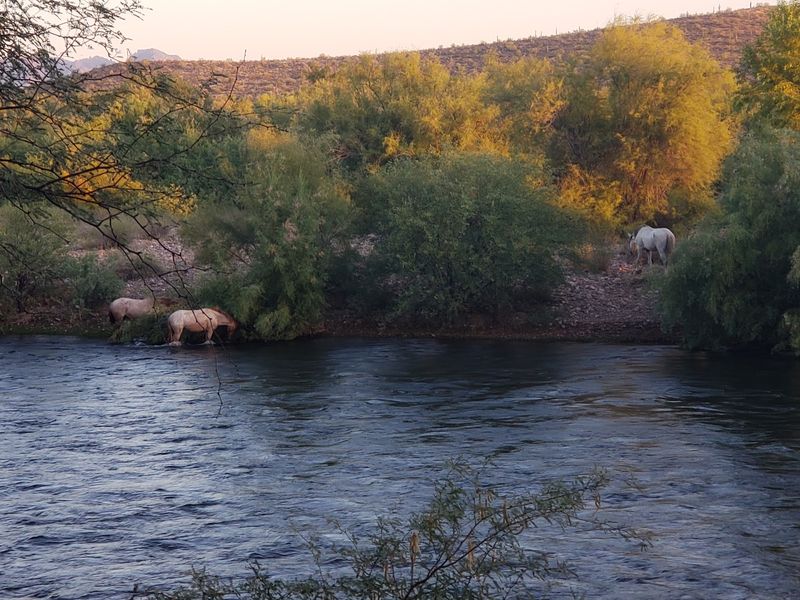
Timing matters more than luck here. The horses tend to be most active within two to three hours of sunrise or sunset.
Those cooler hours are when they head down to the water. They drink, graze, and sometimes wade right into the river to nibble on plants below the surface.
Sunset in particular gets plenty of attention at Coon Bluff. The golden light on the water makes even a horseless evening feel worth the drive.
Spring can be an especially good season for viewing. Mild temperatures also make it easier to wander a little farther along the banks in search of a band.
Patience helps a lot. Horses roam where they please, and some days they simply show up somewhere else.
One helpful trick involves watching the ground. Fresh manure and hoofprints near the river often hint that a group passed through recently.
Quiet listening pays off too. A rustle in the brush might be a band moving toward the water, sometimes with a young foal tucked safely in the middle.
So set an alarm or plan an evening outing. The horses keep their own schedule, but these windows give you the best shot.
Fifty Feet Of Respect Goes A Long Way
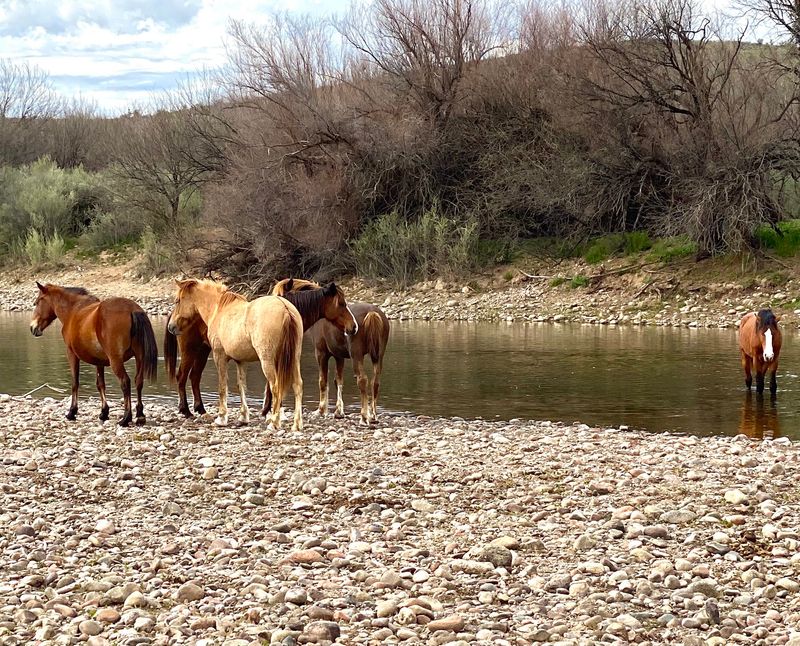
Wild means wild, even when the horses seem calm. They’re accustomed to people, but they are not pets and should never be treated like one.
The general guideline is to stay at least 50 feet away. That’s roughly the length of three or four cars parked end to end.
Distance keeps everyone safer. Horses can kick or bite when startled, and stallions protect their bands closely.
Never block a horse’s path to the water either. River access is essential for them, especially when desert temperatures climb.
Feeding is off the table too. Snacks from your picnic basket aren’t part of a healthy horse diet, and handouts can change natural behavior.
A zoom lens or a pair of binoculars solves almost every problem. You’ll get great views and photos without crowding anyone.
Kids usually grasp the rule quickly if you frame it as a game. Who can spot the horses first, and who can stay the quietest while watching?
Watching a band move and communicate naturally is the real reward. Foals stay close to the adults, and the group dynamics unfold best when nobody feels pressured.
An Easy Riverside Ramble With A Few Surprises
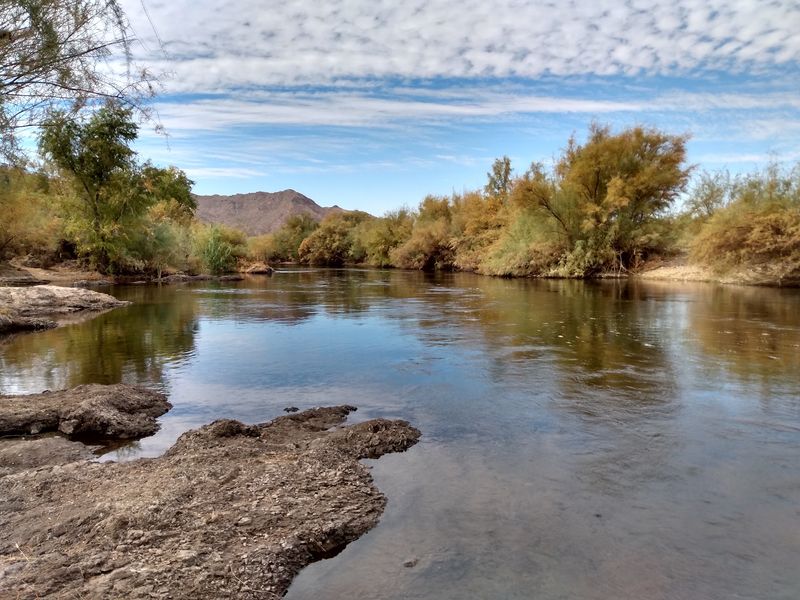
Good news for casual walkers: the trail along the river is fairly flat. You don’t need to be a serious hiker to enjoy it.
Parking at the end of the area and heading upstream is a popular approach. From there, the path follows the banks with river and mountain views nearly the whole way.
Sturdy shoes are still a smart choice. Natural debris, uneven spots, and plenty of horse droppings make watching your step part of the experience.
Some routes wander deeper into the desert. Signage can be limited out there, so it helps to keep track of where you’ve been.
Getting down to the water isn’t always easy. Hills along parts of the banks can make river access a bit trickier than it looks from the parking area.
Bring more water than you think you’ll need. Snacks help too, especially if a short stroll becomes a longer search for horses.
Bug spray deserves a spot in your bag as well. Flies can show up, particularly in warmer weather.
A shady patch of sand by the river makes a fine reward after the walk. Sit, sip some water, and keep scanning the far bank.
Ropes, Rock, And The Bluff Behind The Name
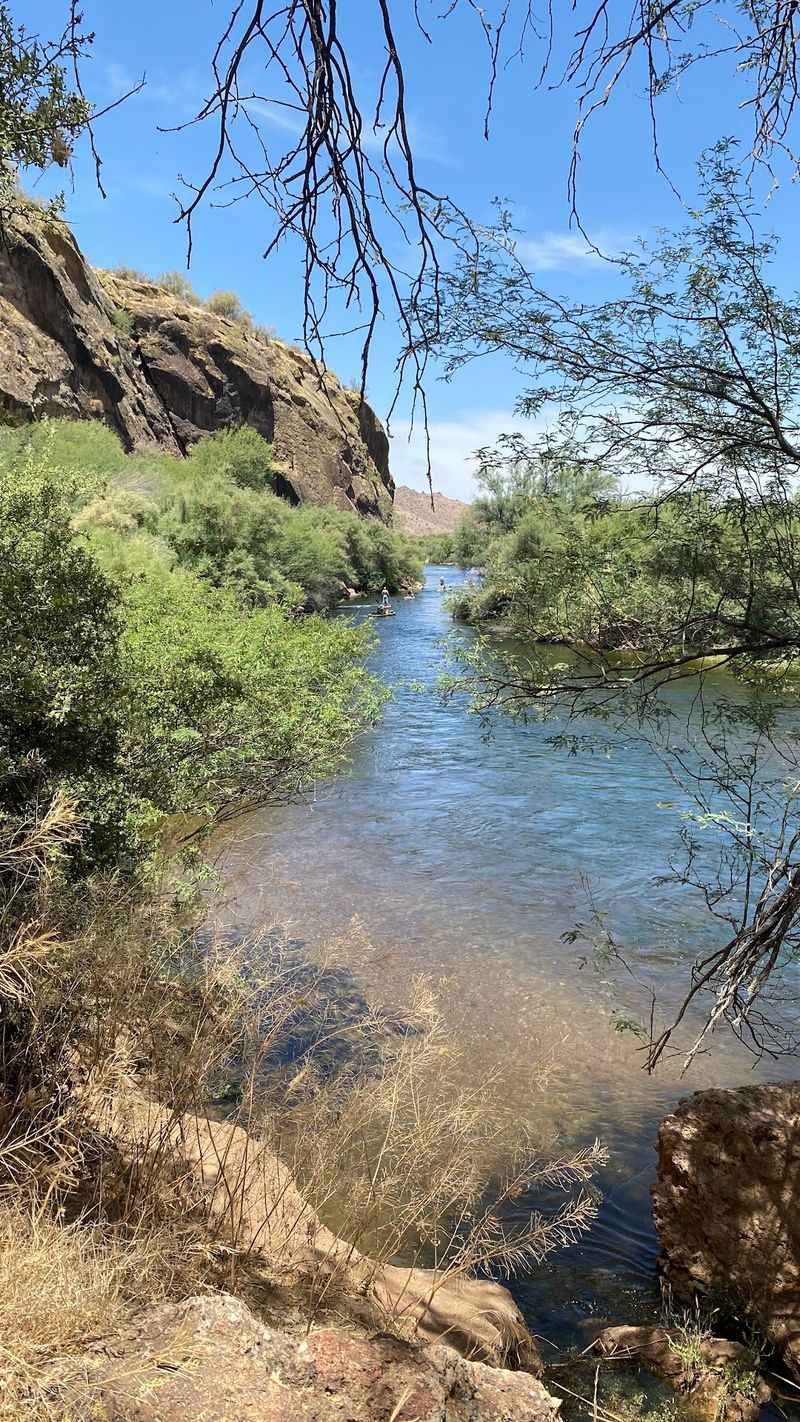
Every recreation area needs a signature landmark, and here it’s the bluff itself. The rocky rise above the river gives Coon Bluff its name and some of its best views.
Hikers can explore around and on top of the bluff. Rappelling also comes up often among the activities people enjoy in this area.
Down on the water, the bluff serves a handy purpose. Kayakers can tie off to ropes that hang down from the rock above.
Paddleboards and kayaks regularly drift past this stretch. Paddlers tend to stick to the stronger current, which leaves the calmer edges for families on the shore.
Watching the boats float by is a pleasant show on its own. Add a band of horses on the opposite bank, and the scene feels almost staged.
Anyone heading onto the water should come prepared. The current moves a little quicker than it might appear.
The bluff also makes a great reference point. If you wander down the trail, it helps you keep your bearings on the way back.
Rock, river, and wildlife all in one frame? That’s a pretty strong argument for packing the camera.
Mesquite Shade Makes Picnics Easy
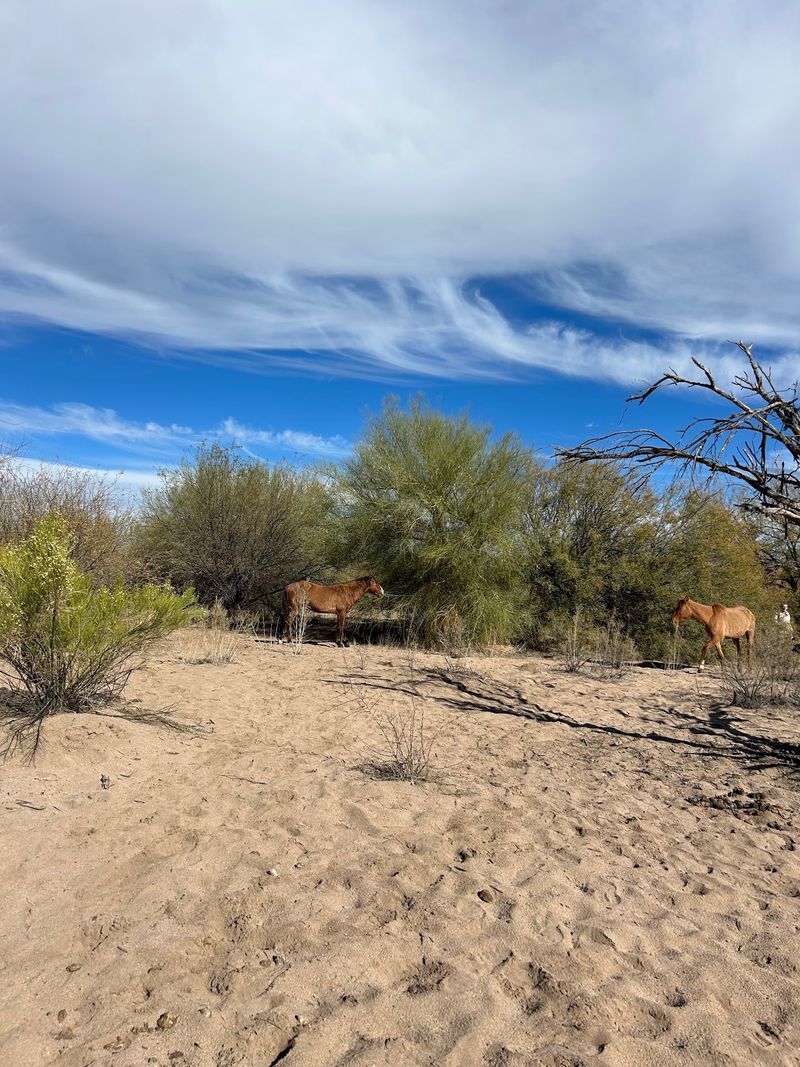
Lunch with a side of wild horses sounds pretty good. Coon Bluff makes that plan simple with a pavilion, picnic tables, and generous mesquite shade.
Shade is a real luxury in the Sonoran Desert. Those mature trees give families a comfortable spot to spread out and linger.
Beach areas along the river add another option. Some people skip the tables entirely and set up on the sand closer to the water.
Restrooms here are outhouses, so plan accordingly. They do the job, but this is a nature stop rather than a full-service park.
Bringing a garbage bag is a thoughtful move. The area stays much nicer when everyone packs out what they pack in.
A cooler with plenty of water and simple snacks works well. Easy finger foods let you keep one eye on the riverbank while you munch.
Little ones will love splashing near the edges. Just stay close, since the current moves quickly in spots.
Weekdays tend to feel especially peaceful. With fewer crowds, you’re more likely to snag a prime shady table and enjoy the quiet sound of the river.
Cool Summer Water And Winter Fishing Days
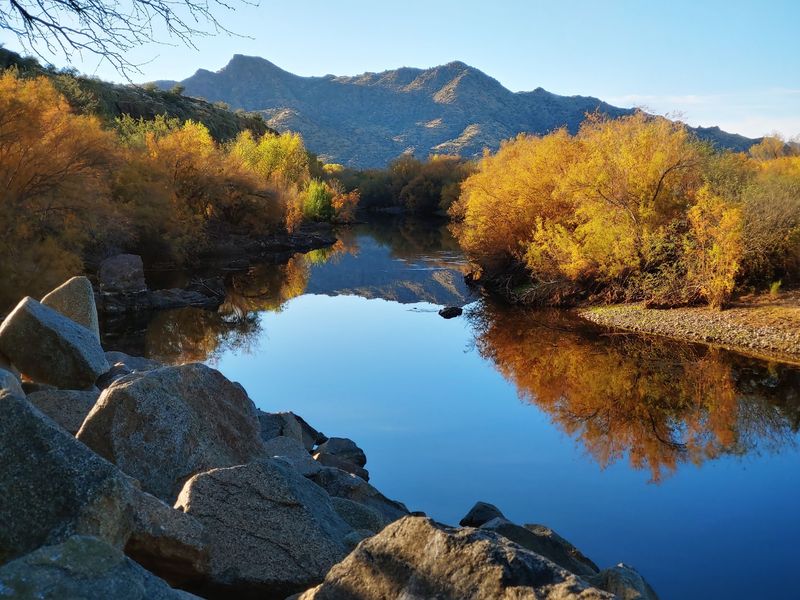
Few desert spots work this well across the seasons. Coon Bluff shifts personality as the calendar turns.
Summer brings people looking to cool off. The river water stays refreshingly cool even on a hot August day.
Winter belongs to the anglers. Fishing ranks among the most popular activities here, and the cooler months are a great time to cast a line.
Spring often offers prime conditions for horse watching. Mild weather makes longer walks along the banks far more comfortable.
Warmer months also bring tubing season on the Lower Salt River. Salt River Tubing operates from May through September with rentals and a shuttle service.
Tubers need to be at least four feet tall. Kids 12 and under must wear a life jacket on the float.
During hot months, early mornings and evenings are your friends. Those cooler hours line up nicely with peak horse activity anyway.
So there’s no wrong season, only different flavors of fun. Pick the one that fits your crew, whether that’s splashing, fishing, or quietly waiting for a band to wander down to drink.
Javelina, Longhorns, And A Sky Full Of Stars
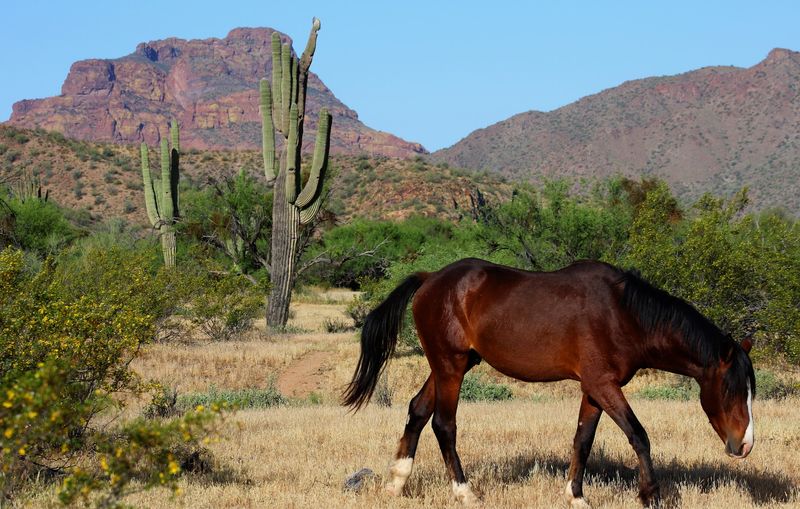
Horses steal the spotlight, but they aren’t the only locals around. Cattle graze in the area too, so don’t be surprised by a few cows near the river.
Sometimes a longhorn steer makes an appearance. Javelina also wander through, adding a little extra excitement to a desert hike.
Birdwatchers will find plenty to enjoy. The riverside setting and mesquite trees make good habitat for spotting feathered visitors.
Wildlife viewing here rewards a slow pace. Pause often, listen closely, and let the desert show you what’s moving.
After dark, the show moves overhead. Coon Bluff is a fantastic spot for photographing the stars, thanks to its distance from city lights.
A clear Arizona night above the river can feel downright magical. Bring a tripod if you’d like to capture it.
Evening visits pair nicely with sunset horse watching. Arrive for golden hour, then stick around as the first stars appear.
Just pack a flashlight for the walk back to your car. Trails that felt easy in daylight can look very different once the sky turns dark.
Your Pass, Your Route, And A Few Smart Extras
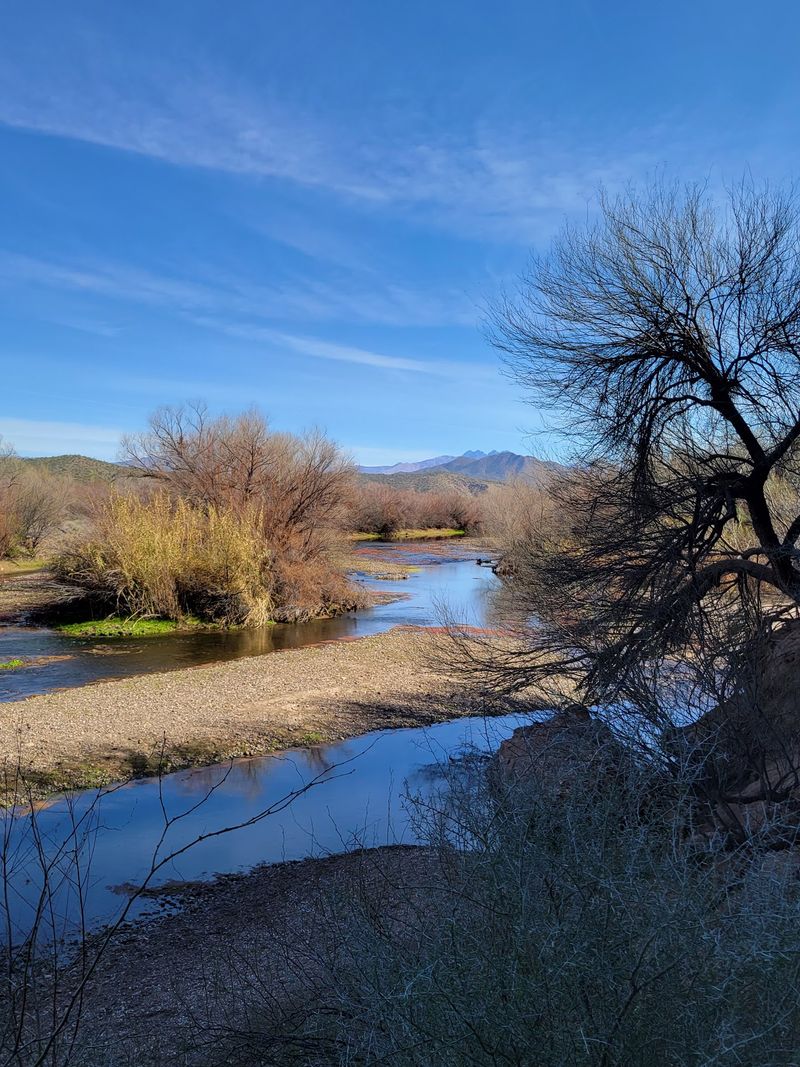
Forgetting the parking pass is the classic rookie mistake. Every vehicle at Coon Bluff Recreation Area needs a Tonto Daily Pass displayed.
Buying ahead is the cheaper route. Circle K stores sell them, including one on Power Road as you head out of town.
Kiosk passes cost a bit more on-site. An America the Beautiful pass or an annual Tonto Discovery Pass also covers entry.
Since the fee is per vehicle, families save big. Split it among a carload, and each person pays only a few dollars.
The address is Coon Bluff Rd, Mesa, AZ 85215. Recreation sites along this stretch of the Lower Salt River sit off Bush Highway.
Other nearby spots for horse watching include Phon D Sutton, Granite Reef, Goldfield, and Water Users. Coon Bluff remains a favorite thanks to its wide banks and easy access.
Pack water, snacks, bug spray, and sturdy shoes. A trash bag rounds out the kit nicely.
Weekdays offer the calmest visits. Sunset can get busier, especially when groups arrive for photos, so arriving early helps.
Why This Riverbank Deserves A Spot On Your Calendar
Honestly, it’s hard to find a better deal in Arizona. A carload of people, one modest pass, and a real chance at seeing wild horses splash through a desert river.
No tickets, gift shops, or timed entry slots get in the way. Coon Bluff Recreation Area keeps things refreshingly simple.
Sightings aren’t guaranteed, of course. The horses roam freely, and some visits end with cows, javelina, or simply a lovely walk.
Even then, the trip rarely feels wasted. Shady mesquite, cool water, and that distant view of Superstition Mountain carry plenty of charm.
I believe the magic lies in the uncertainty. Spotting a band moving toward the water, maybe with a wobbly foal, feels like winning a small lottery.
Families with young kids will find an easy, low-cost adventure. Retirees and photographers may love the quiet weekday mornings most.
Hikers, anglers, and paddlers each get their own reasons to return. Stargazers get a bonus round after sunset.
So grab a pass, pack the binoculars, and head east of Mesa. The horses might be waiting, ankle-deep in the river, chewing on breakfast like they own the place.