
Just Off I-75, This Michigan State Park Hides A Forest Of Towering Ancient Pines
A short drive from Interstate 75 near Grayling, a Michigan state park holds a surprise that makes highway travel feel very small: a forest of pines that have stood for centuries.
Across more than 9,000 acres, the park protects a rare patch of old-growth Michigan forest while offering paved walks, logging history, quiet lakes, and trails through rolling woods. The towering trees deserve your attention, but a tiny chapel and a museum give you good reasons to slow down, too.
For anyone exploring northern Michigan, these ancient pines and peaceful woodland trails offer a welcome detour from the highway. Come with walking shoes and a little extra time, because looking up becomes a surprisingly easy habit to pick up here.
A Forest Detour Just Off The Interstate
Hartwick Pines State Park is at 3612 State Park Drive near Grayling, Michigan. Leave Interstate 75 at Exit 259 and follow M-93 north for roughly three miles toward the park entrance.
Once inside, follow signs for the Hartwick Pines Visitor Center. Its Michigan Forest Visitor Center and Old Growth Forest signage is the key clue that you are approaching the trailhead rather than the campground or lake access areas.
Continue to the designated visitor center parking area and start the paved Old Growth Forest Trail from there. A Michigan Recreation Passport is required for vehicle entry; check visitor center and logging museum hours separately if you plan to go inside.
Ancient Pines Make Everything Else Look Small
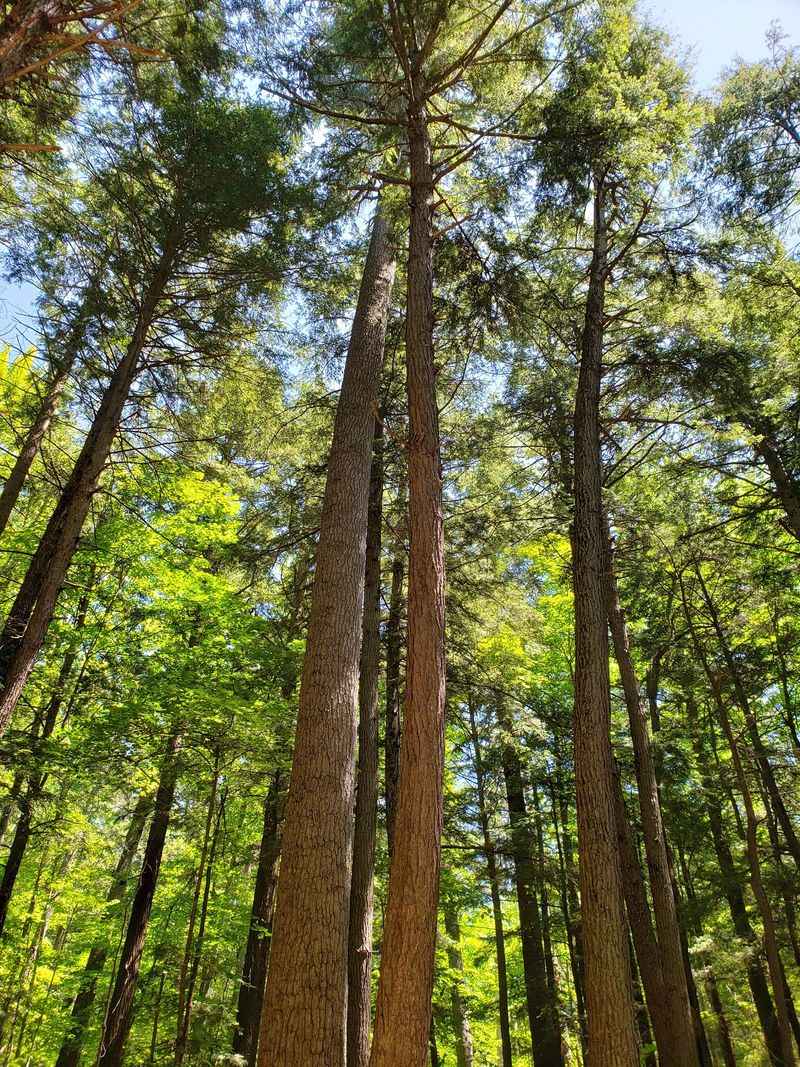
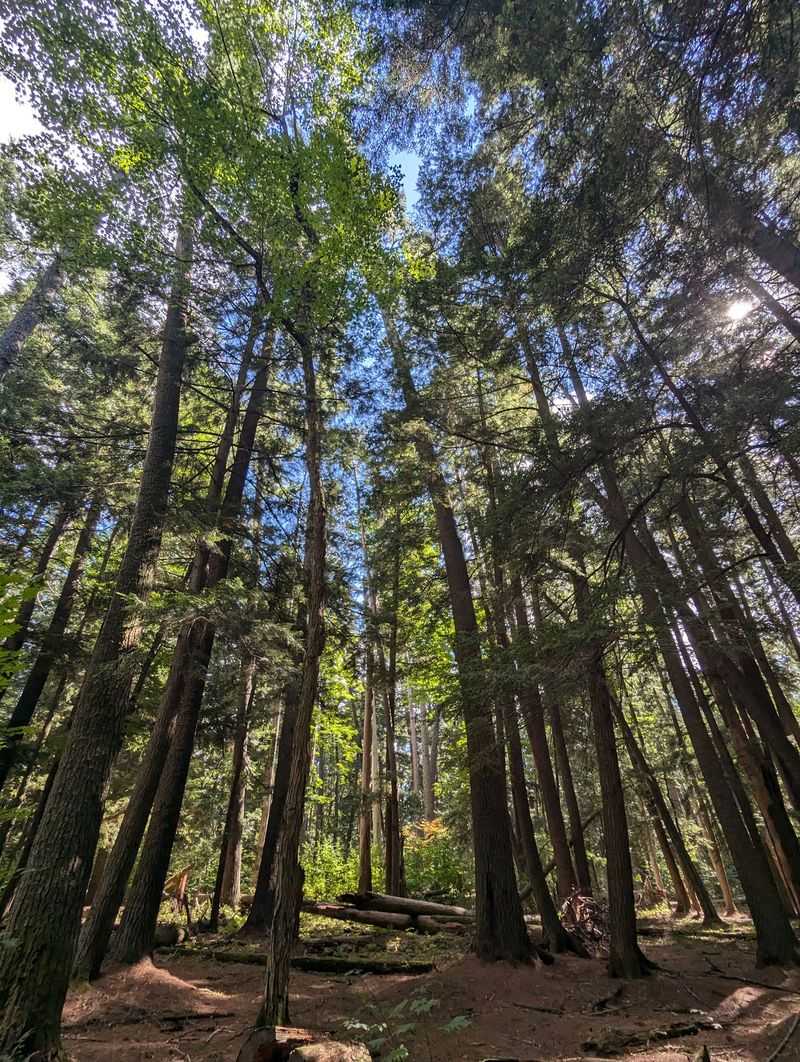
Your neck gets a little workout here. Within the park’s roughly 49-acre old-growth stand, white pines and red pines rise above a forest floor that feels far removed from the nearby highway.
Some trees are several centuries old, and the tallest pines reach more than 150 feet. Numbers help explain their size, but the better comparison is the ordinary person standing quietly beside a trunk.
Pause where the trail gives you a clear view upward rather than stepping into the understory for a photograph. Look at the different trunk widths, broken branches, and gaps overhead. An old forest is not a tidy row of matching giants; its uneven shapes are part of what makes it fascinating.
Walk The Paved Old Growth Forest Trail
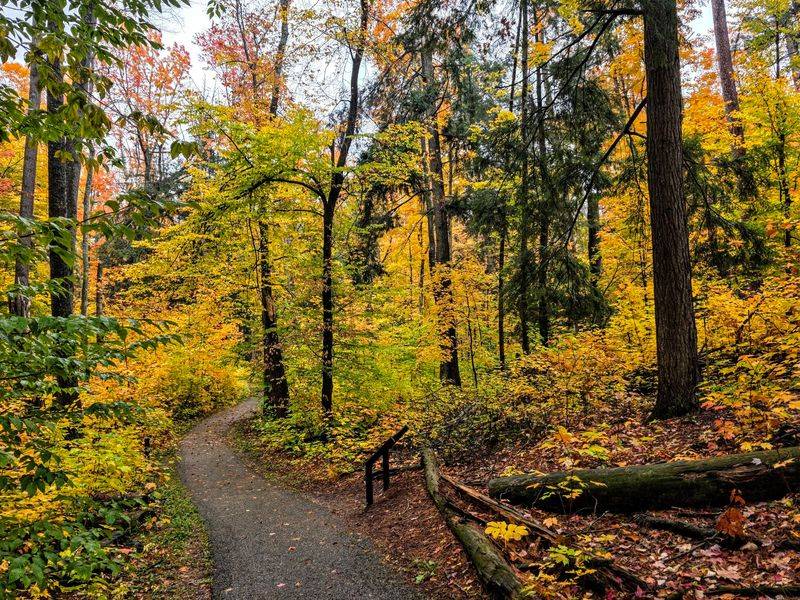
Pavement might seem like an unlikely partner for ancient trees, yet it makes this woodland easier to experience. The Old Growth Forest Trail forms a roughly 1.25-mile loop beginning behind the Michigan Forest Visitor Center.
The route connects major sights, including the logging museum and Chapel in the Pines. It suits a slower outing, with plenty of reasons to stop before your legs actually need a rest.
Do not assume paved means completely flat. Some grades can present challenges, so ask staff about conditions and accessibility needs before setting out. A track chair may be available through the park; confirm arrangements ahead. Carry water, bring insect protection in warmer months, and keep a trail map handy.
One Gift Preserved A Rare Forest
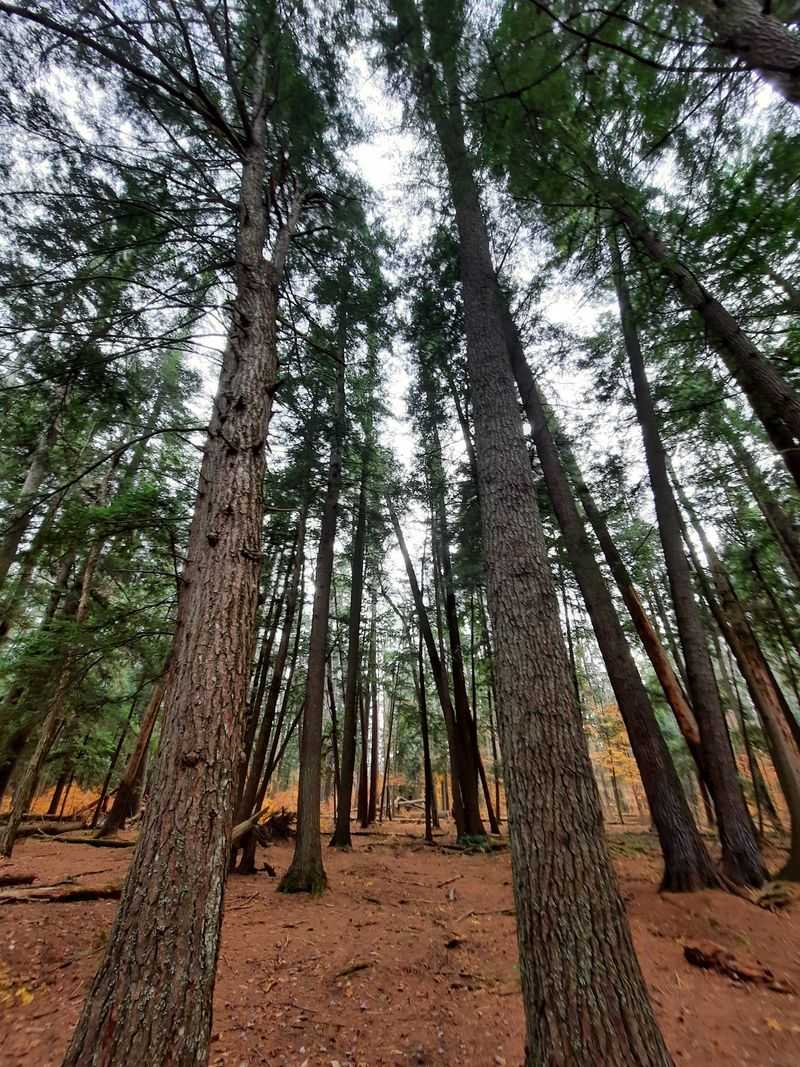
Much of Michigan’s original pine forest disappeared during the logging boom, which makes this surviving grove more than a pretty backdrop. It offers a glimpse of woodland that once covered far more of the state.
In 1927, Karen Michelson Hartwick donated more than 8,000 acres to Michigan, including the old-growth pines. The gift honored her late husband, Major Edward Hartwick, and helped establish the park that carries their name.
That history adds weight to an otherwise simple walk. The trees are here because a piece of land escaped cutting and later received protection. Read the interpretive signs along the route, especially if you are visiting with children. They make forest conservation easier to understand through one specific, lasting example.
Logging History Has A Place Among The Trees
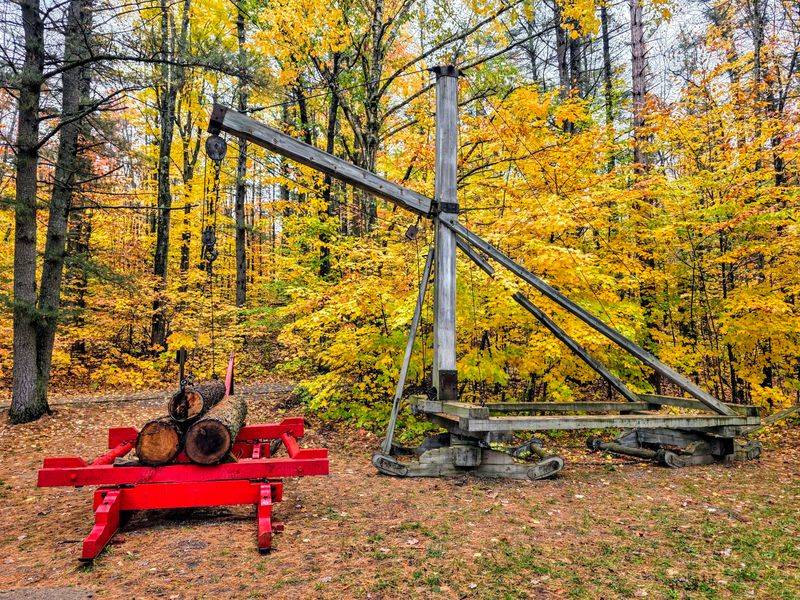
A logging museum beside protected pines might sound like an odd pairing. At Hartwick Pines, that contrast is the point: understanding the forest also means understanding the industry that changed it.
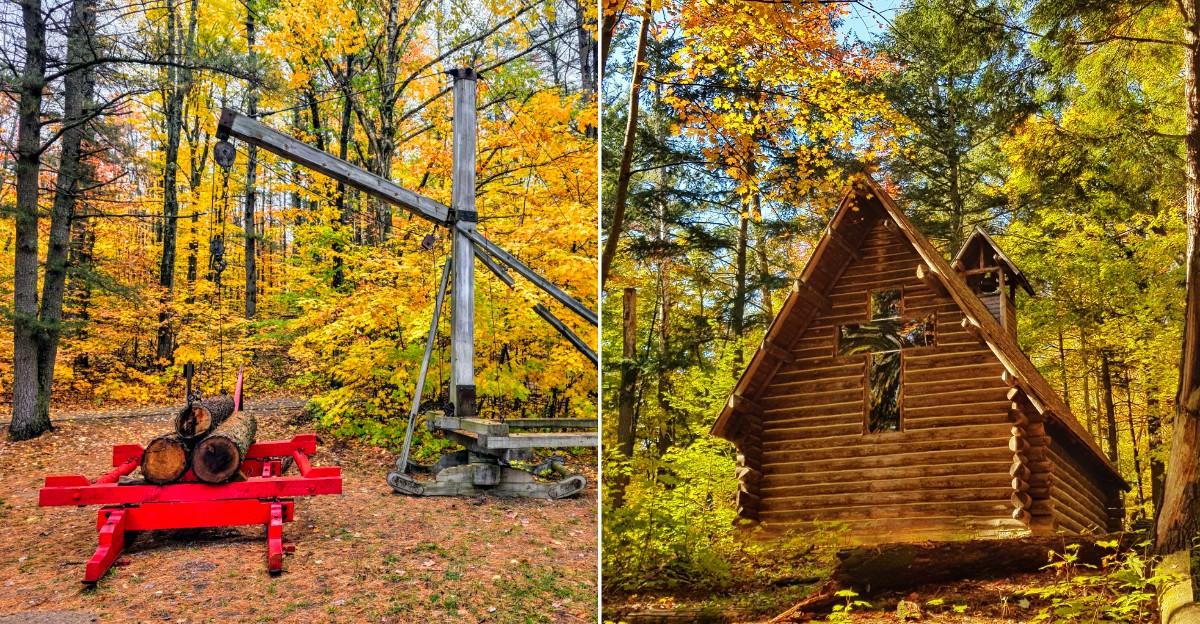
The Hartwick Pines Logging Museum uses recreated camp buildings, photographs, and artifacts to explain nineteenth-century lumber work. The Civilian Conservation Corps built the camp structures during the 1930s, adding another chapter of public land history.
Allow time to look beyond the biggest tools. Everyday objects help reveal how workers ate, slept, and managed demanding jobs far from home. Museum access and special demonstrations follow seasonal schedules, so check before visiting. If a sawmill event interests you, verify the date rather than expecting machinery to operate daily.
A Small Chapel Changes The Pace
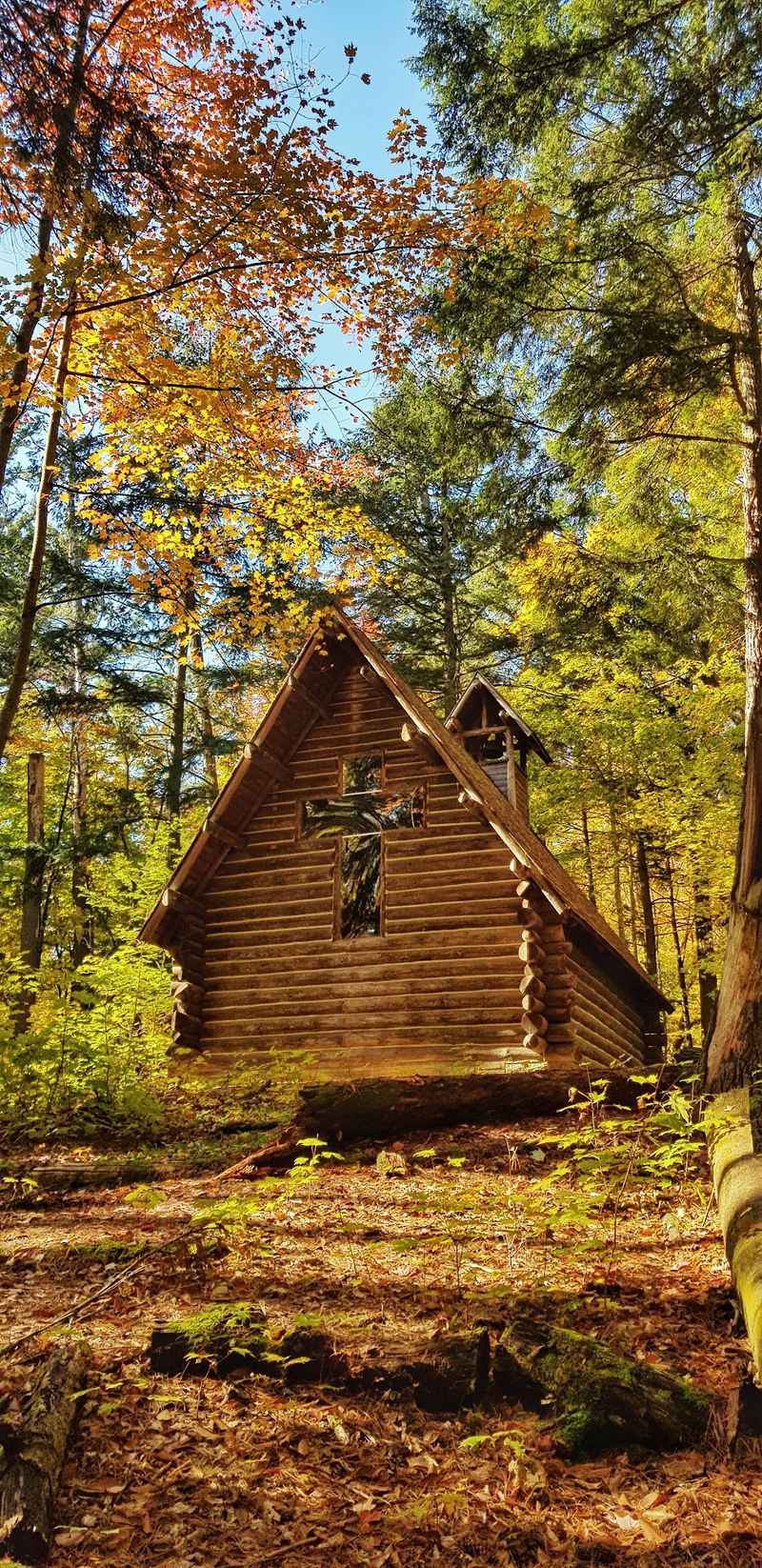
Not every memorable structure needs to be large. Along the forest trail, the Chapel in the Pines offers a small human space beneath trees that easily outsize it.
Built in the early 1950s, the rustic log chapel is known for its cross-shaped window and intimate interior. Its simple design fits the setting without competing with the woods outside.
Treat a stop here as a quiet pause rather than another attraction to rush through. If the building is open, step inside respectfully and give other visitors room. Access may be affected by ceremonies or other arrangements, so do not count on having it to yourself. Even from outside, the chapel adds an unexpected architectural detail to the walk.
Start With The Forest Behind The Windows
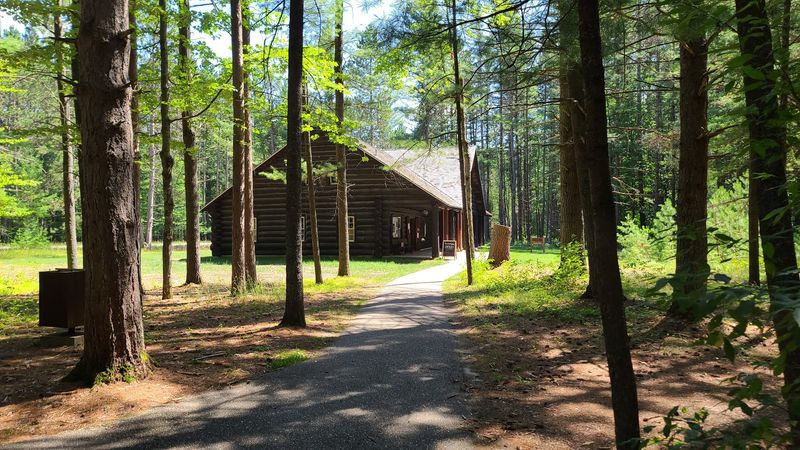
Before heading for the tallest trees, spend a few minutes learning what surrounds them. The Michigan Forest Visitor Center gives the park useful context without requiring a classroom-length commitment.
Opened in 1994, the center explores Michigan’s forests through exhibits about their past and present. Large windows also bring the woodland into view, offering a sheltered place to watch for birds or study the trees.
Ask staff which routes fit your available time and whether any programs are scheduled. Families can use the displays to introduce ideas that become easier to spot outdoors, from forest change to wildlife habitat. Check current building hours first, particularly outside the main travel season, and leave time afterward for the trail itself.
Beyond The Grove, The Landscape Opens Up
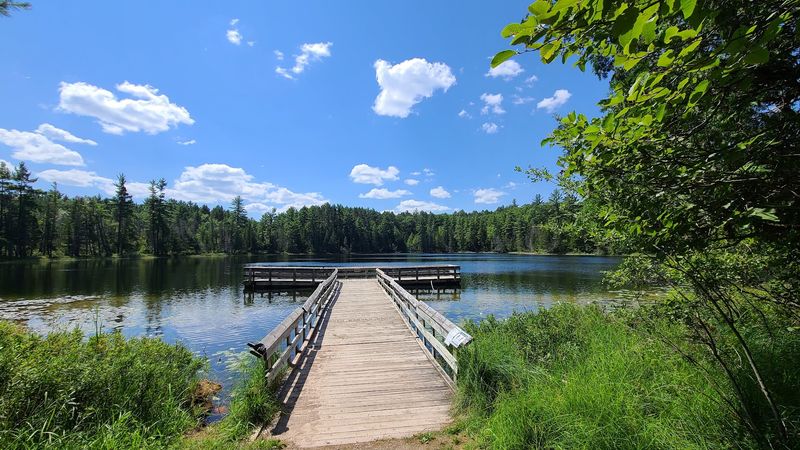
The famous pines occupy only a small part of this large park. Beyond the main loop, rolling terrain, mixed woods, lakes, and the East Branch of the Au Sable River give longer visits a different rhythm.
The roughly three-mile Au Sable River Foot Trail crosses the river twice and introduces scenery beyond the old-growth stand. Other routes support mountain biking, with forested terrain that rewards attention rather than speed.
Choose a trail for your activity instead of assuming every path allows the same use. Check the current park map, carry enough water, and leave a clear turnaround margin before dark. If your schedule allows only one walk, see the ancient grove first and save the wider network for another visit.
Every Season Offers A Different View
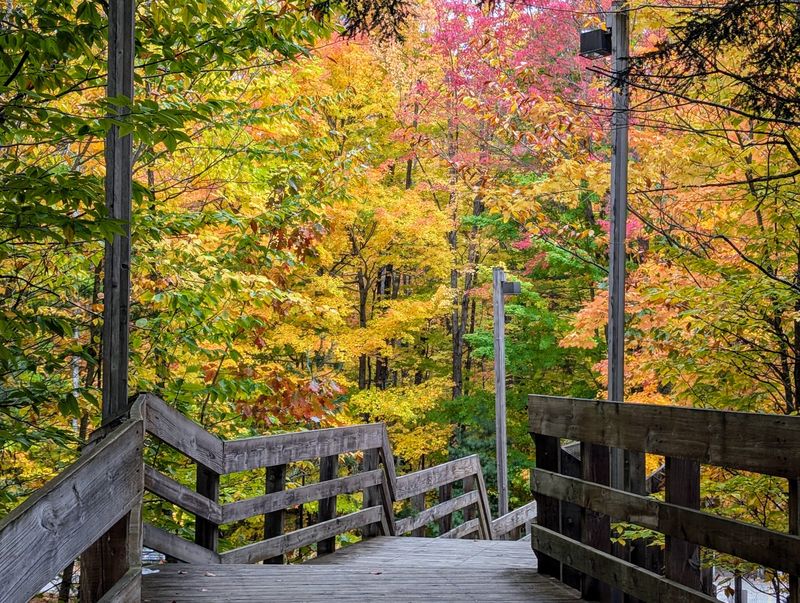
Snow changes the forest’s outlines without making the pines any less impressive. Hartwick Pines is a year-round destination, though the experience shifts with weather, daylight, and the services available.
Summer brings leafy shade and insects, so water and repellent earn their space in a day bag. Autumn adds color in the mixed woods, while winter opens opportunities for cross-country skiing and snowshoeing on appropriate routes.
Check trail conditions before planning a cold-weather outing, and follow posted guidance about permitted uses. Foot traffic can damage prepared ski tracks, so choose carefully. Whatever the month, dress for the forecast rather than the photograph you hope to take. The most comfortable visit usually begins with that very ordinary decision.
Leave Room For The Forest To Grow Old
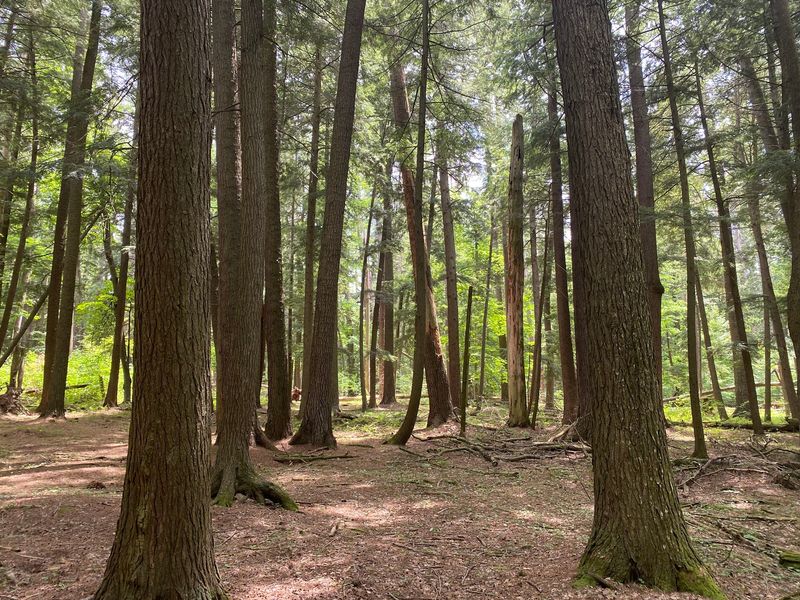
A fallen trunk belongs here as much as a towering living pine. Old forests include decay, openings, young growth, and trees at many stages of life, not just the giants that attract cameras.
That is a useful idea to carry through the grove. Dead wood supports the forest, and small plants beside the trail deserve the same care as the trees overhead.
Stay on designated paths, leave natural objects where they are, and pack out everything you bring. Keep voices low enough to notice birds and wind moving through the canopy. Before leaving, take one final look upward from a safe stopping place. A visit does not need a dramatic finish when the trees have supplied the scale all along.