
Most Arizonans Have No Idea This Scenic Train Ride Winds Through A Remote Desert Canyon
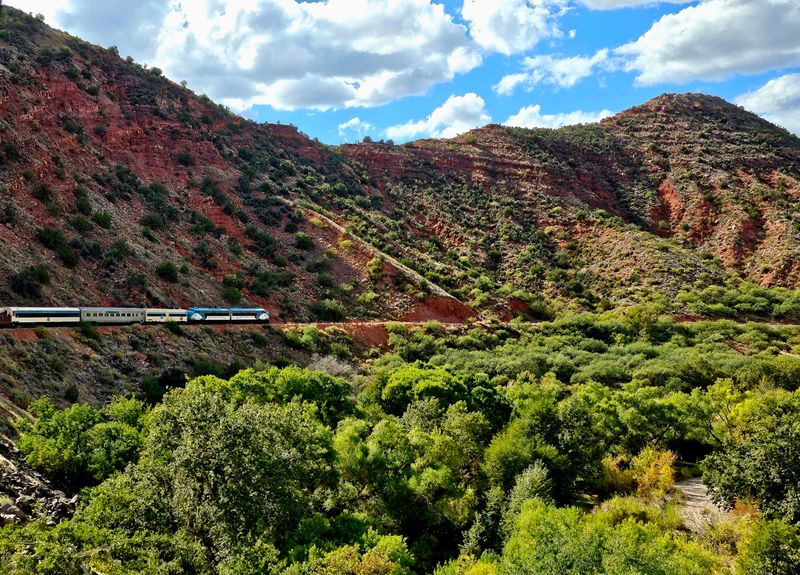
Bald eagles, ancient cliff dwellings, and a 734-foot tunnel all show up on one four-hour train ride. No road reaches most of the canyon it rolls through.
That detail alone got my attention. The tracks were laid in 1912 to haul copper, and they still follow a green ribbon of river through red rock walls in Arizona.
I like how the whole trip feels slow on purpose. You get a comfy couch inside, then you can step into an open-air car whenever the view calls your name.
Trust me, it calls often.
I believe most of us drive past places like this without ever knowing they exist. So how many Arizonans have actually ridden through this canyon?
My guess is fewer than you’d think.
A Rail Line That Reaches Where Cars Simply Can’t
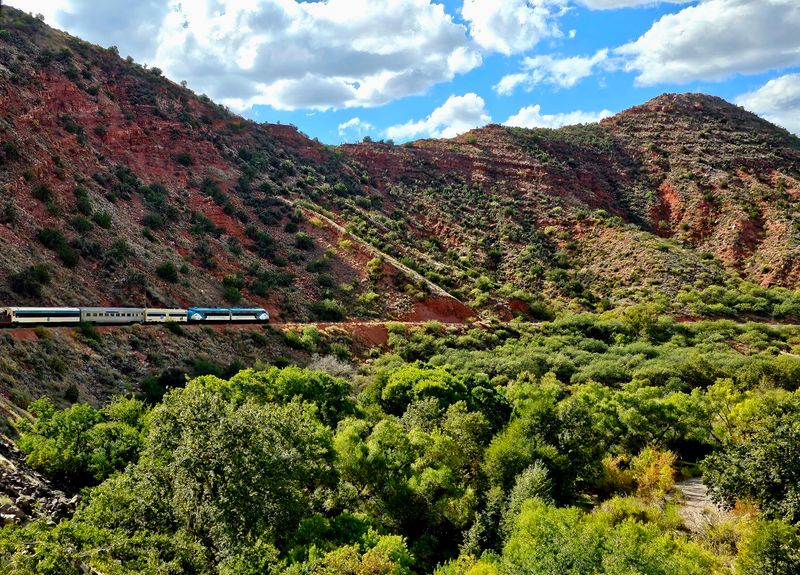
Most scenic drives in Arizona come with a parking lot at the end. The Verde Canyon Railroad skips the parking lot and heads straight into a canyon with no roads at all.
The trip starts in the small town of Clarkdale, in the Verde Valley. It runs about four hours round trip, following the Verde River into the canyon and back.
That river matters more than you might expect. It feeds a strip of green that cuts right through the high desert, so the scenery keeps shifting between cliffs and cottonwoods.
Much of the land along the route sits within the Prescott and Coconino National Forests. That protection helps keep the canyon wild and mostly untouched by development.
The turnaround happens near Perkinsville, where a ranch sits at the end of the line. Crews move the engines to the other end of the train for the return run.
Here’s a fair heads-up before you book. The ride back follows the same route, so you’ll see the canyon twice from a slightly different angle.
Honestly, that’s not a bad deal. A second look at the same cliffs often reveals details you missed the first time, like a rock face hiding in plain sight.
Copper, Dynamite, And 750 Workers With Shovels
Back in 1912, nobody built this line for the views. Copper was the whole point, and Arizona had plenty of it to move.
The 38-mile branch line linked the copper smelter in Clarkdale with the mines of Jerome. It also connected to the Santa Fe Railway, which opened the door to bigger markets.
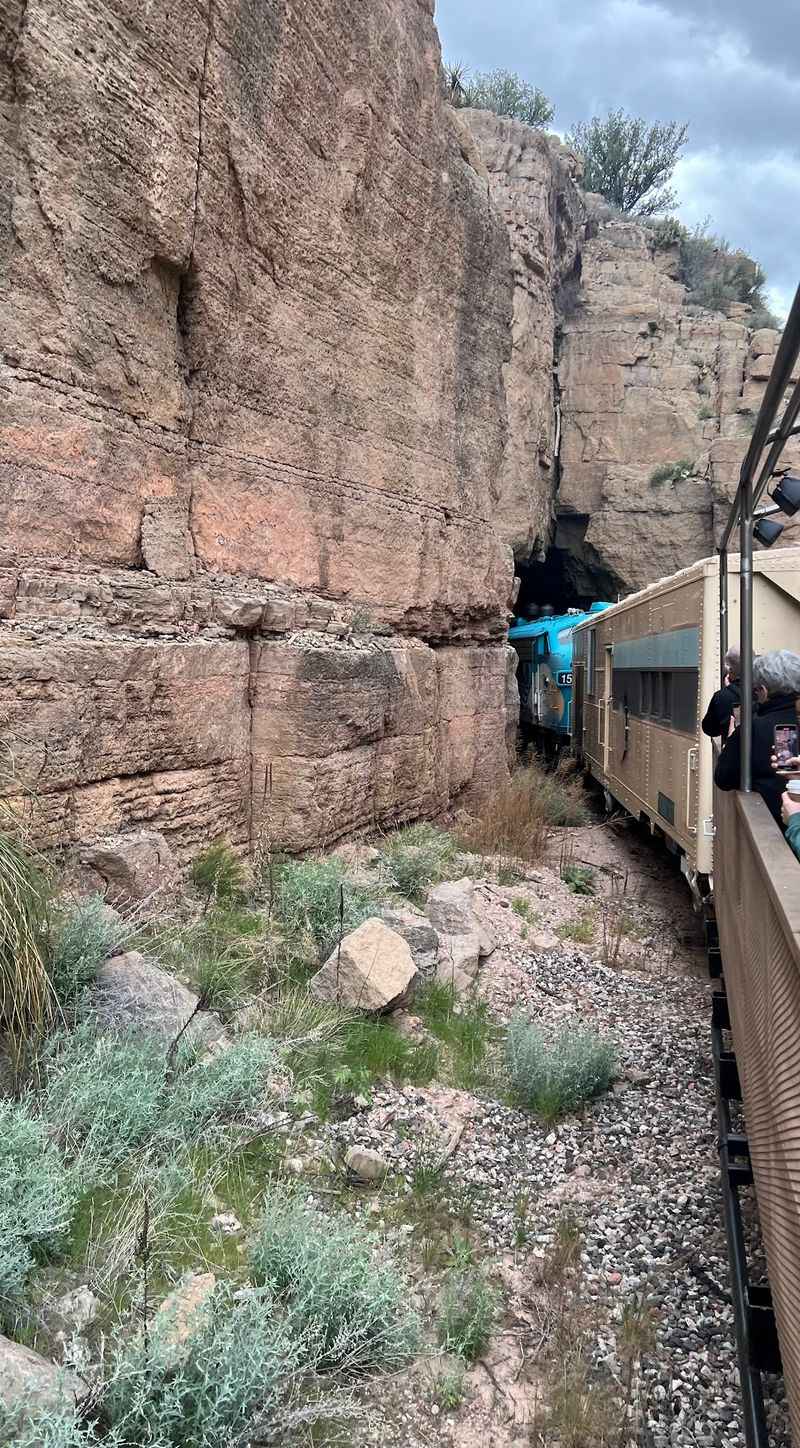
Building it was no small job. About 750 men spent a year carving the route with picks, shovels, and dynamite.
Their toughest assignment was a 734-foot tunnel bored straight through a mountain. You’ll roll through it on the ride, which feels a little humbling once you know the backstory.
For decades, the tracks did the heavy lifting for mining. Then a man named Dave Durbano saw a different future for them in 1988.
His idea turned freight tracks into a passenger excursion. The first Verde Canyon Railroad trip departed on November 23, 1990.
I can’t imagine pitching that idea at the time. A four-hour ride on an old copper line sounds odd on paper, yet here we are, still riding it.
The best part? The guides share much of this history along the way, so the story unfolds right outside your window.
Two Locomotives With An Alaska Backstory
Plenty of Arizonans have moved here from colder places. The engines pulling this train did the same thing.
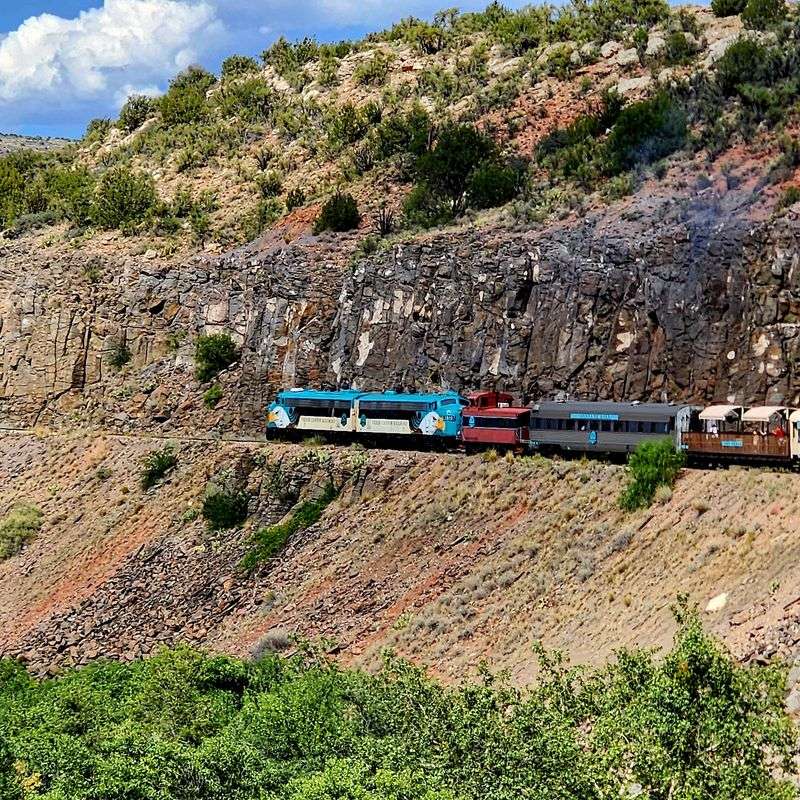
The railroad runs two vintage diesel locomotives, EMD FP7s numbered 1510 and 1512. Both were originally built in 1953 for the Alaska Railroad.
Somewhere along the way, they traded snowy tundra for red rock canyon. Talk about a lifestyle change.
Both engines went through extensive renovation before taking on passenger duty here. The work focused on safety and modern features, while keeping that classic look intact.
For train fans, these locomotives are a treat on their own. For everyone else, they add a nostalgic feel that suits the century-old tracks underneath.
That old-fashioned charm shows up in the whole experience. Riding a train like this often feels more like a classic movie scene than a typical day trip.
When you reach the end of the line, the engines get moved to the opposite end. That way, they can lead the train back toward Clarkdale.
Keep an eye out for that switch if you enjoy the mechanics. It’s a small moment, but it reminds you that real railroading still happens out here every trip.
The Open-Air Cars Are Where You’ll Spend Half The Ride
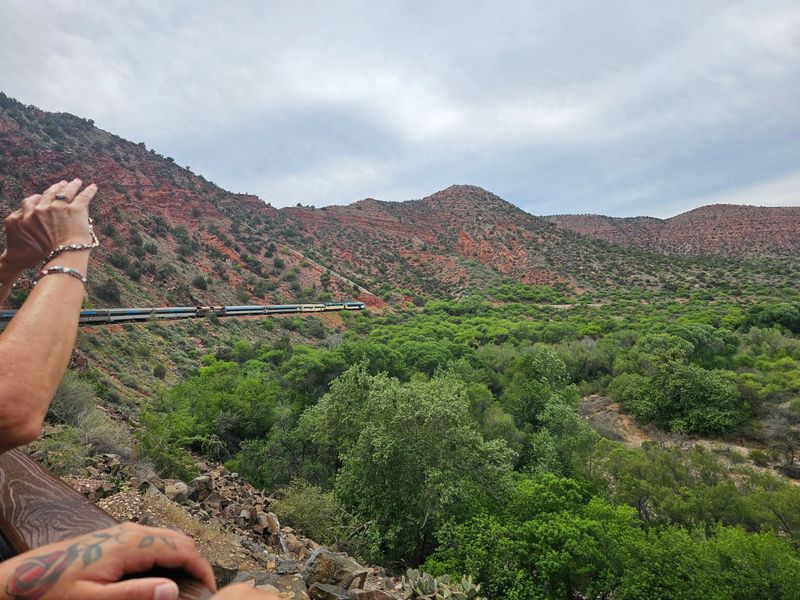
Windows are nice. A covered platform with nothing between you and the canyon is nicer.
Every passenger coach on the Verde Canyon Railroad connects to an open-air viewing car. You can wander in and out whenever you like during the ride.
A roof overhead helps block the sun, while the sides stay open for full views. That setup makes it easy to snap photos of cliffs, river bends, and rock formations.
Guides often work these outdoor cars too. They point out landmarks, share history, and help spot wildlife or interesting trees along the way.
Some formations have earned fun nicknames, including one that looks like a turtle. Another rock is said to resemble a famous late-night host’s face.
Summer heat in Arizona can make long stretches outside a challenge. The good news is that your air-conditioned seat sits just steps away.
Here’s a handy tip for planning. The right side of the train tends to offer the better views, so position yourself accordingly when you head out.
Between the breeze, the scenery, and the narration, these cars may become your favorite spot. Don’t be shocked if your phone fills up before the turnaround point.
Couches, Bistro Tables, And A Charcuterie Box Waiting At Your Seat
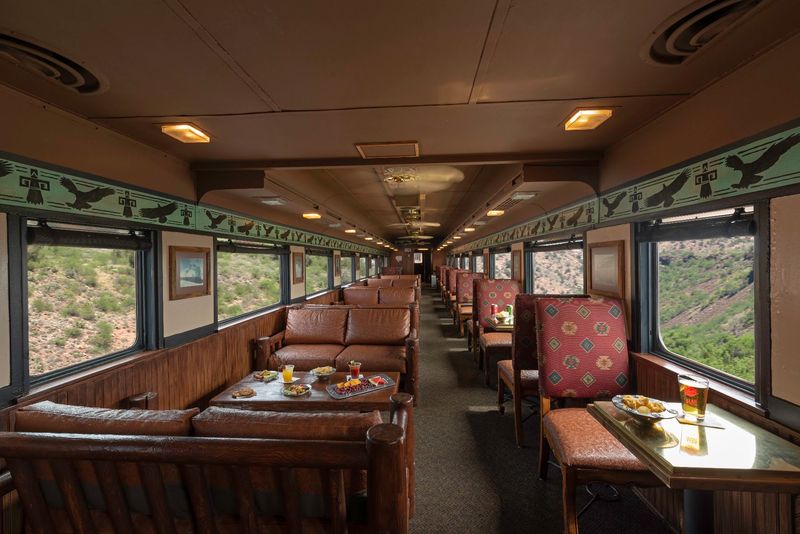
Forget stiff bus seats. Inside the cars, the seating looks more like a cozy living room on wheels.
Passengers relax on couches or upholstered chairs set around bistro tables. Big panoramic windows frame the canyon, and the cars stay climate controlled.
One detail really stands out. There’s a single class of ticket, so everyone aboard gets the same comfy treatment.
When you board, a welcome toast is waiting for you. Kids and anyone skipping bubbly can enjoy sparkling cider instead.
Each rider also gets an individually packaged charcuterie tray. It includes meats, cheeses, crackers, fruit, and a dessert, plus water at your seat.
Need more snacks? Extra treats and drinks are available for purchase throughout the trip, and ice cream is one option.
A quick heads-up for special diets. The charcuterie boxes can’t be changed or substituted, so plan ahead if you have food restrictions.
Each indoor car also has its own attendant and restroom. Named cars like Flagstaff, Sedona, Phoenix, and Scottsdale add a fun little Arizona touch to the whole setup.
Bald Eagles, Herons, And Maybe A Javelina Or Two
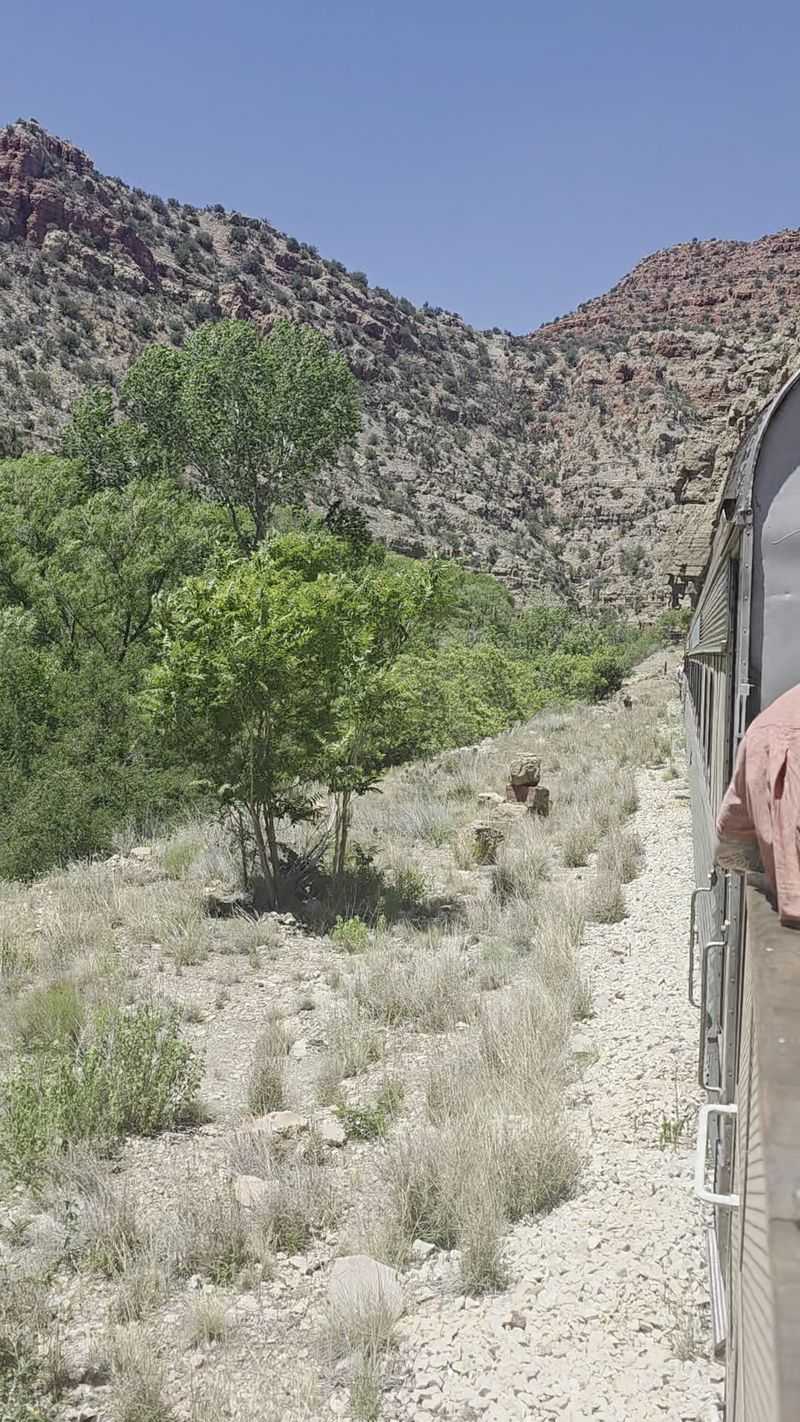
Spotting a bald eagle in the Arizona desert sounds unlikely. Along the Verde River, it’s a real possibility.
The canyon supports a thriving river habitat, which draws plenty of wildlife. Bald eagles sometimes soar above the cliffs or perch in trees near the water.
Great blue herons also make appearances along the riverbanks. They’re easy to recognize with their long legs and patient fishing style.
On land, you might catch deer, javelina, or coyotes moving through their home turf. None of them follow a schedule, so every ride brings different luck.
The plant life deserves attention too. Some trees grow right out of solid rock, which feels like a small miracle in such a dry landscape.
Guides help point out what’s worth noticing. Having an expert nearby means you’re less likely to miss a feathered celebrity perched on a branch.
Bring binoculars if you own a pair. They can turn a distant speck into a clear view of an eagle.
That mix of desert and river is what makes the canyon so surprising. One moment you see cactus country, and the next you’re gazing at green water and leafy trees.
Ancient Sinagua Dwellings Watching From The Cliffs
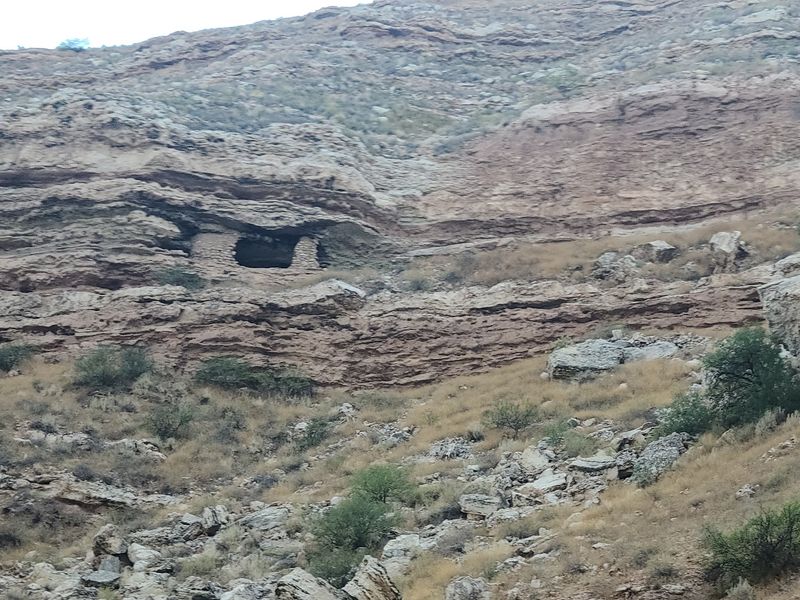
Long before trains arrived, people called this canyon home. Their stone dwellings still cling to the cliffs today.
The Sinagua people left ruins that sit high above the tracks. You can spot several cliff dwellings during the ride, especially from the open-air cars.
Seeing them in person adds real weight to the trip. These structures have stood for centuries, quietly overlooking the river below.
Guides share stories about how early travelers used the land. Certain rock formations reportedly helped people confirm they were heading the right way through the area.
Walking through this rugged canyon on foot would be tough. That makes the ancient settlements feel even more impressive when you spot them from your comfortable seat.
History along the route doesn’t stop with ancient times. You’ll also pass remnants of an old mining operation and a pioneer family site.
That homestead on the river existed before Arizona became a state in 1912. Remarkably, it’s still lived in today.
Put it all together and the ride becomes a moving timeline. Ancient homes, mining history, and pioneer life all share the same stretch of river.
Guides Who Turn Four Hours Into A Story
A great view is nice. A great view with someone explaining what you’re looking at is even better.
Each indoor car has an attendant who serves drinks and shares stories about the route. Outdoor cars often have their own guide focused on narration.
Together, they cover railroad history, geology, wildlife, and local landmarks. They’ll also point out cliff dwellings and the single trestle bridge on the route.
Friendly, knowledgeable staff come up again and again when people talk about this ride. The crew clearly makes a big difference in the overall experience.
Attendants often share tips about other things to see around the Verde Valley. That local know-how can help shape the rest of your weekend.
One thing to keep in mind. Since indoor attendants handle service too, the deepest narration usually happens out in the open-air cars.
So if history is your thing, spend some time outside. You’ll catch more stories and get better photos in the process.
Four hours might sound long at first. Between the views and the storytelling, though, the time tends to pass faster than you’d expect.
Starlight Rides And Holiday Trains Worth Planning Around
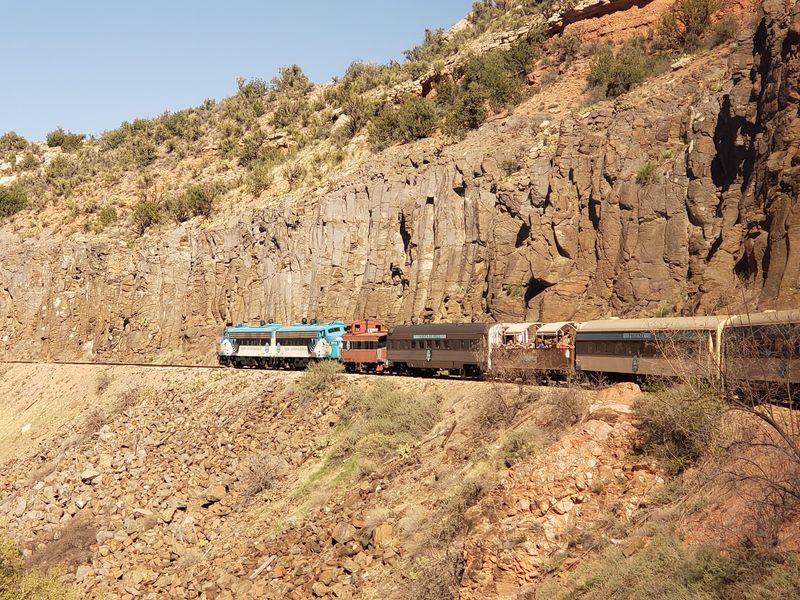
Sunsets in a red rock canyon hit differently. That’s the big draw behind the Saturday Starlight Adventures.
These special departures run on Saturdays and offer a chance to see the canyon as daylight fades. Depending on the season, you may catch sunset, stars, or a mix of both.
In spring months, the sun stays up longer, so expect more sunset than starlight. Either way, the glowing cliffs make it a memorable ride.
Hot summer days also make an evening trip extra appealing. Cooler air outside means more comfortable time in the open-air cars.
The railroad runs year-round, so every season offers something new. Fall brings changing colors, while spring adds fresh blooms along the river.
Themed events keep things interesting too. The Magical Christmas Journey adds holiday spirit, and Raptors at the Rails celebrates birds of prey.
Families often use these trips for special occasions. Birthdays, anniversaries, and even weddings have all found a home aboard these cars.
Check the schedule before you go, since themed rides vary throughout the year. Planning ahead may help you snag a spot on the night you want.
Café, Gift Shop, And A Museum Before You Even Board
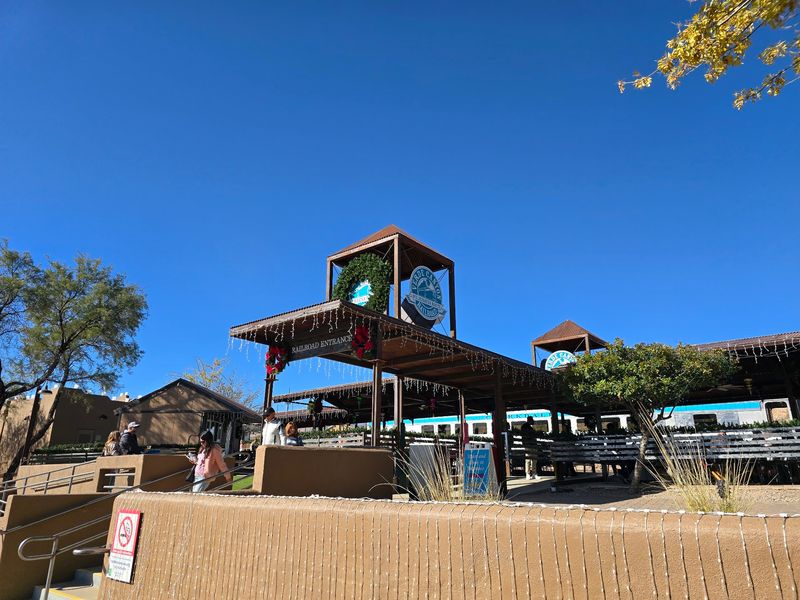
The fun starts on the platform. The hacienda-style depot gives you plenty to do before the whistle blows.
The Copper Spike Café serves hot and cold dishes made with locally sourced ingredients. You can eat under a shaded outdoor pavilion or carry food onto the train.
A beverage bar at the pavilion offers coffee, tea, and soft drinks. It’s a handy spot for a quick pick-me-up before departure.
Shoppers will enjoy the Boxcar Gift Store. It carries a variety of souvenirs and makes a fun stop on either end of the ride.
History lovers shouldn’t skip the John Bell Museum. It recently reopened and displays railroad memorabilia from the area.
Storyboards along the loading platform also share bits of history. Even waiting in line becomes a small lesson in Arizona’s past.
Heads-up for planning your arrival. Showing up around 45 minutes early usually gives enough time to check in and look around.
Getting there earlier may help with parking and give you more time to browse. Boarding typically starts about 15 minutes before departure.
Getting To Clarkdale And Knowing Before You Go
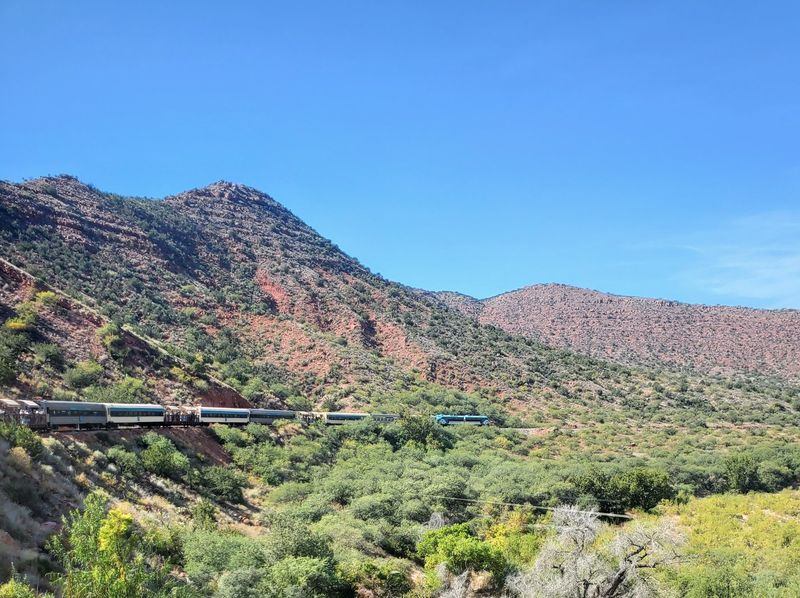
Clarkdale sits in Arizona’s Verde Valley, just north of Cottonwood. It makes an easy day trip from Phoenix, Sedona, or Flagstaff.
You’ll find the Verde Canyon Railroad depot at 300 N Broadway, Clarkdale, AZ 86324. The depot is open daily from 8 a.m. to 5 p.m.
The town itself has a story worth knowing. William Andrews Clark founded it in 1912 as a planned community for copper workers.
Clark also founded Las Vegas, which makes for a fun bit of trivia. Today, Clarkdale holds National Historic Landmark status.
Accessibility is taken seriously here. Lifts are available for passengers who can’t manage the stairs onto the train.
Since the railroad runs year-round, weather is worth a thought. Summer temperatures can top 100 degrees, but the indoor cars stay cool.
Tickets cover the same experience for everyone, so no upgrade guessing games. Booking in advance may help, especially for themed rides.
Wear comfortable shoes for moving between cars. Sunscreen and a hat can also come in handy for time spent out in the open-air cars.
A Slow Ride That Earns A Spot On Your Arizona List
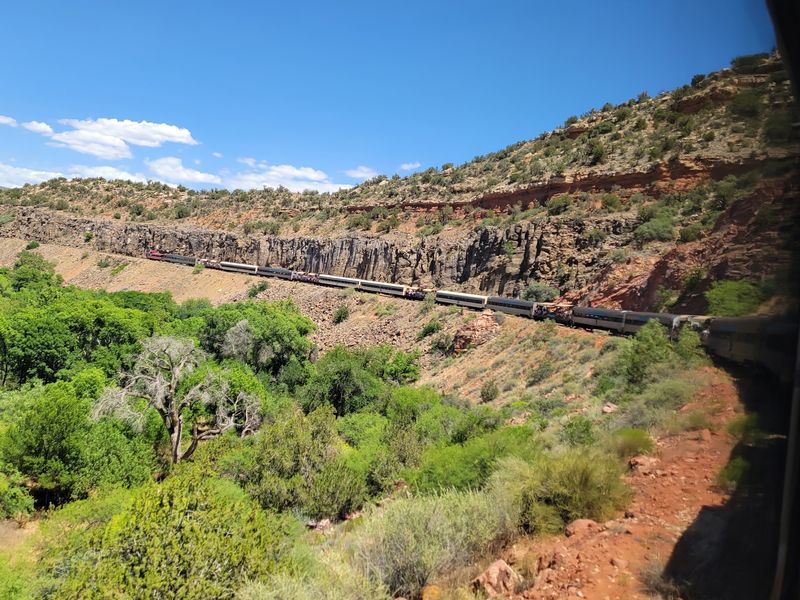
Some trips rush you from one sight to the next. The Verde Canyon Railroad takes its time, and that’s a big part of the charm.
You get red rock walls, a winding river, and ancient cliff dwellings in one outing. Add eagle sightings, comfy couches, and storytelling guides, and the day fills up nicely.
It also pairs well with other Verde Valley stops. Jerome, Sedona, and Tuzigoot National Monument all sit within easy reach.
Tuzigoot is a great match for history fans. The ancient pueblo ruin connects nicely with the Sinagua dwellings you’ll spot from the train.
Families, couples, and multigenerational groups all seem to find something to enjoy. The pace works for kids and grandparents alike.
Is it for everyone? If you need nonstop thrills, maybe not, but if you enjoy scenery and stories, it fits beautifully.
I believe this ride deserves more attention from people who live right here in Arizona. Plenty of out-of-state visitors already know about it.
So go ahead and tag someone who loves trains or red rocks. This canyon has been waiting over a century for you to notice it.