
10 Colorado Towns Losing Residents As Their Populations Continue To Age
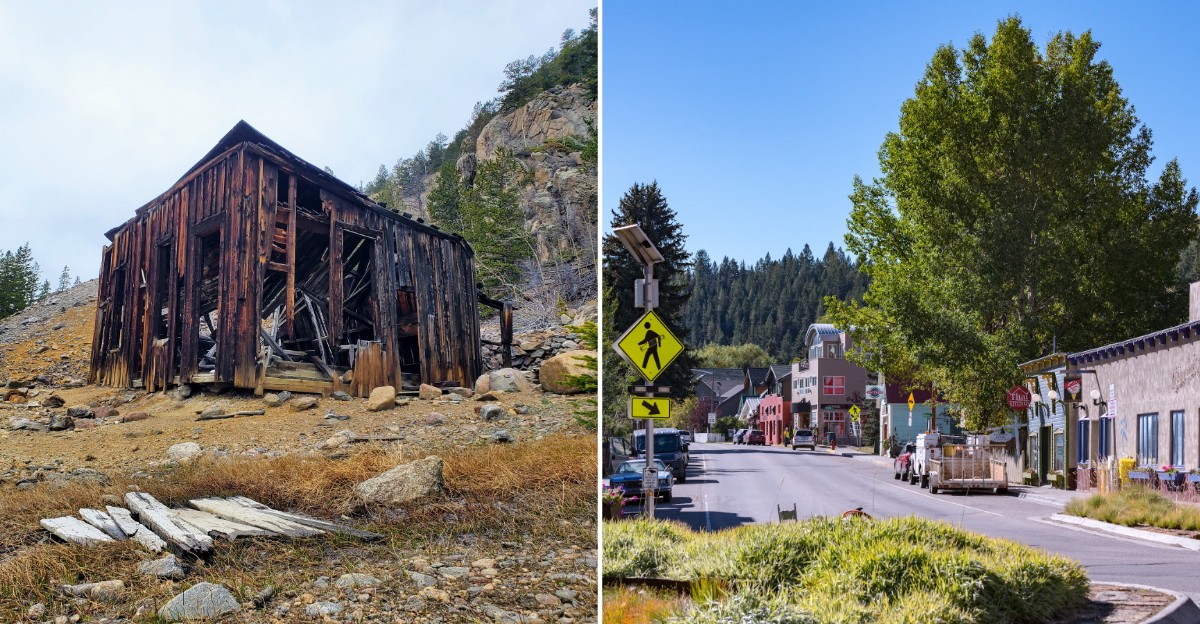
In one mountain town on this list, moose outnumber the people who live there. That alone made me stop scrolling and start digging.
The numbers behind these small places surprised me. In one town, about three in ten residents are 65 or older.
Its median age sits near 51, while Colorado as a whole is closer to 38.
Some of these towns are famous ski spots with fancy price tags. Others are quiet farm and ranch towns on the plains.
They share one quiet trend, though. Fewer young families are moving in, and longtime locals are getting older.
I love a good small town, so this story hit home for me. These places still have museums, trails, and history worth seeing.
So what happens to a town when the next generation drives away?
1. Walden
Moose outnumber people here, and that’s not a joke. Walden calls itself the Moose Viewing Capital of Colorado, and it earned that title back in 1995.
The human side of the story looks different. The 2020 census counted 606 residents, and current estimates hover around 573.
One demographic projection estimates Walden’s population at approximately 566 in 2026. The median age sits around 51, which is far older than the state average.
About 30 percent of residents are 65 or older. That’s nearly one out of every three neighbors, which shapes daily life in a big way.
Fewer young workers can mean fewer new shops and fewer kids in classrooms. Older residents often carry the town’s memory, though, and Walden clearly treasures its past.
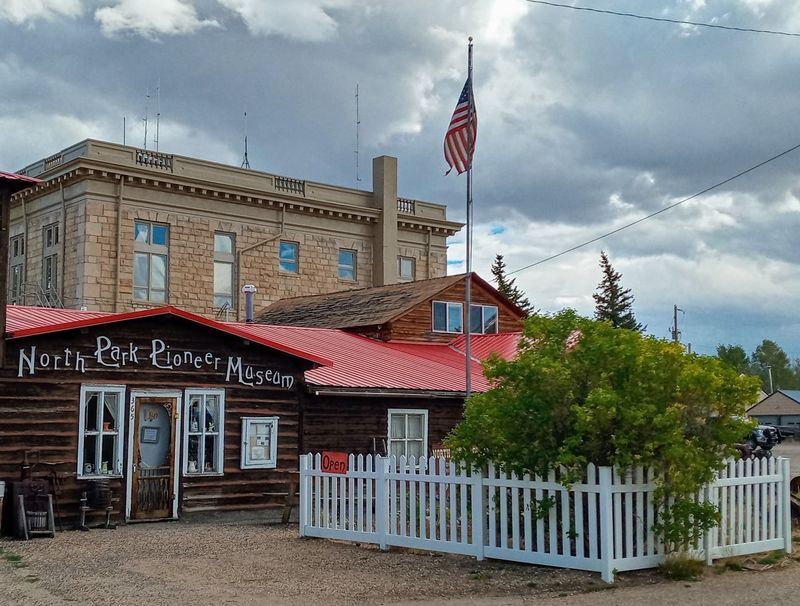
Head to the North Park Pioneer Museum to see that history up close. It sits inside a ranch home built in 1882 and holds 27 rooms of artifacts.
You’ll find a country store, a post office display, and a restored antique surrey. Exhibits cover mining, logging, ranching, and farming in North Park.
Want the wild side instead? The Moose Visitor Center in State Forest State Park is located near Gould, southwest of Walden, along Highway 14.
Look for the barbed wire moose sculpture out front. Inside, you can learn about the local herd, which numbers over 600 animals.
The reintroduction program started in 1978, and it clearly worked. You can even rent snowshoes there and go looking for antlers yourself.
Address: Walden, CO 80480
2. Silver Plume
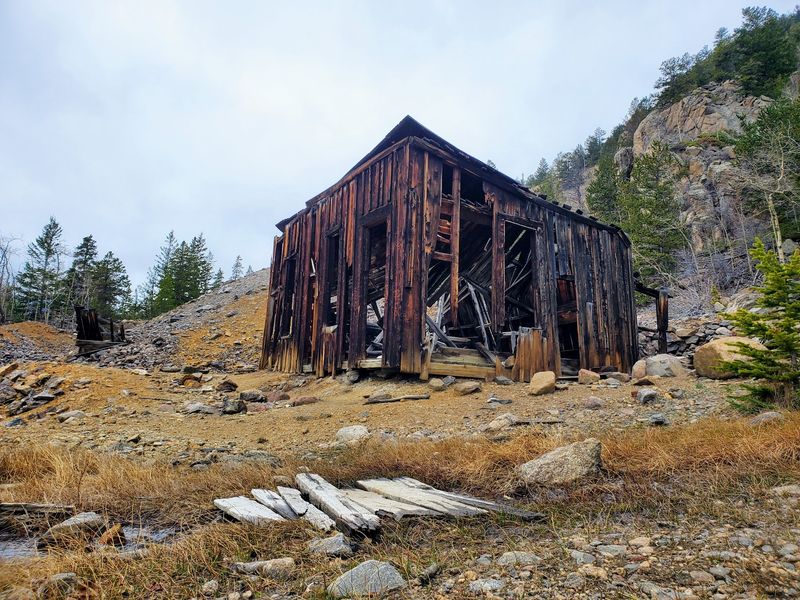
Blink on Interstate 70 and you’ll zip right past one of the smallest towns in Clear Creek County. Silver Plume counted just over 200 people in the 2020 census.
That’s a tiny number for a place with such a big past. The town grew up during the silver mining boom of the 1800s.
Back then, miners filled the narrow valley with homes, shops, and churches. Many of those old buildings still stand along the quiet streets today.
So why are fewer people sticking around? Housing in the mountains is costly, and jobs in such a small town are limited.
Young families often head toward bigger towns with schools and services nearby. The folks who stay tend to be longtime residents who love the history.
You can feel that love in how the town protects its past. Silver Plume is part of the Georgetown-Silver Plume National Historic Landmark District.
The Georgetown Loop Railroad connects the two towns with a steam train ride. It’s a fun way to see the valley without fighting highway traffic.
Hikers also enjoy trails that climb above town toward old mine ruins. Just bring layers, because mountain weather changes its mind quickly.
Small towns like this rely on visitors who care about more than a quick photo. Stop, wander, and read the plaques along Main Street.
Every visit helps keep a little place like Silver Plume on the map. And honestly, the views alone are worth pulling off the highway.
Address: Silver Plume, CO 80476
3. Vail
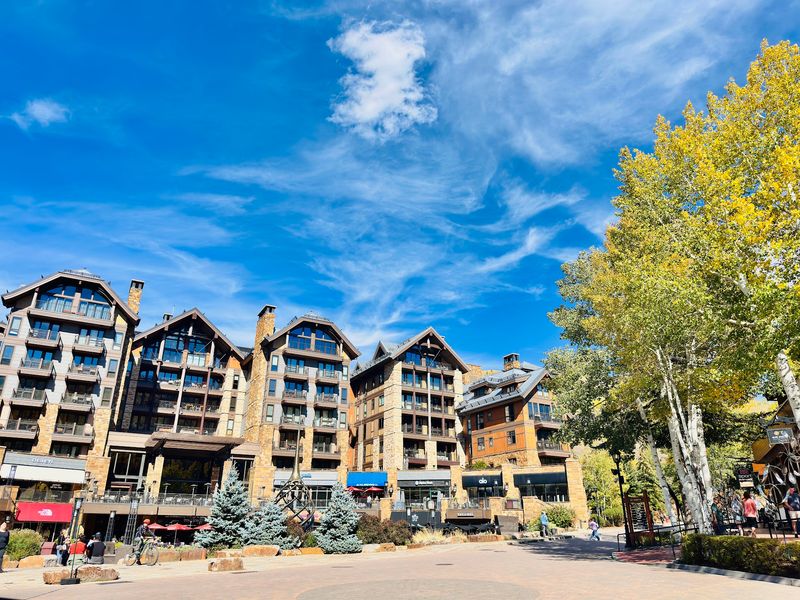
World-class ski slopes don’t guarantee a growing hometown. Vail draws huge crowds every winter, yet its year-round population has been shrinking.
How does a famous resort lose residents? A big reason is the cost of housing in the valley.
Many homes in Vail are second homes that sit empty part of the year. That leaves fewer places for full-time workers and young families to live.
Plenty of workers now commute from towns farther down the valley. Meanwhile, many full-time residents are older and have lived there for decades.
The town of Vail has worked on this problem for years. Its housing programs aim to help locals buy or rent homes in town.
Still, the slopes are the headline here, and for good reason. Vail Mountain is one of the largest ski areas in the United States.
Summer has its own charm, too. You can hike, bike, or stroll through Vail Village and Lionshead with mountain views in every direction.
The Betty Ford Alpine Gardens are a lovely stop. They’re known as some of the highest botanical gardens in North America.
The Colorado Snowsports Museum sits right in Vail Village. It tells the story of skiing in the state, including the 10th Mountain Division.
So enjoy the glitz, but notice the bigger story. A town needs neighbors, not just visitors, to stay lively for the long run.
Address: Vail, CO 81657
4. Aspen
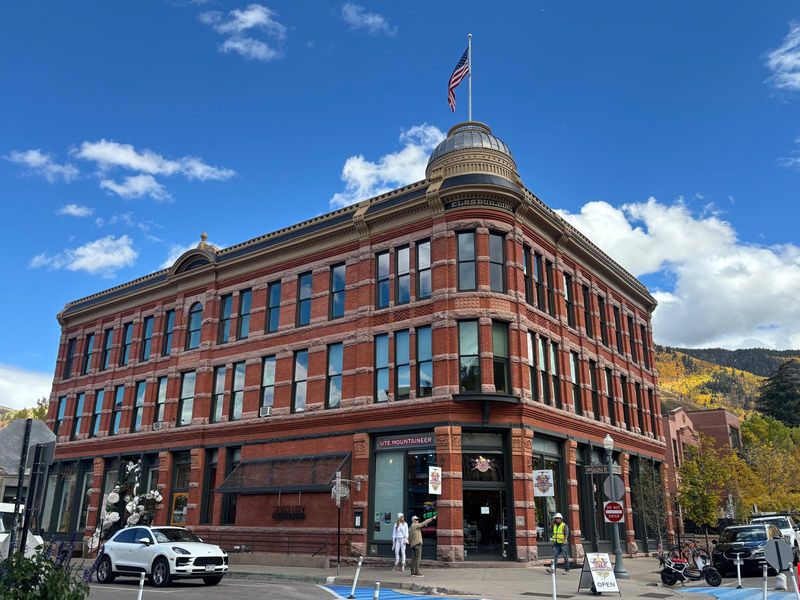
Fancy boutiques and famous visitors get the headlines, but Aspen’s local population tells a quieter story. The town has struggled to hold onto full-time residents.
Home prices in Aspen are among the highest in the country. That makes it very hard for young people to settle down there.
Many longtime residents bought homes decades ago, before prices climbed. As those locals age, fewer younger families replace them.
Workers often live in towns down the valley and drive in each day. The Roaring Fork Transportation Authority runs buses that help with that commute.
Aspen started as a silver mining town in the late 1800s. You can still see that history in its brick downtown buildings.
The Wheeler Opera House, built in 1889, still hosts shows today. It’s a great reminder that this town had style long before ski lifts.
Nature lovers should not miss the Maroon Bells nearby. These twin peaks are some of the most photographed mountains in Colorado.
In summer, the Aspen Music Festival and School brings concerts to town. Many performances happen in a big tent with mountain air drifting through.
Aspen also runs housing programs for local workers. The goal is to keep teachers, nurses, and other workers living in the community.
So when you visit, take in the glamour. Then remember that every town needs people who live there year-round to keep its heart beating.
Address: Aspen, CO 81611
5. Fowler
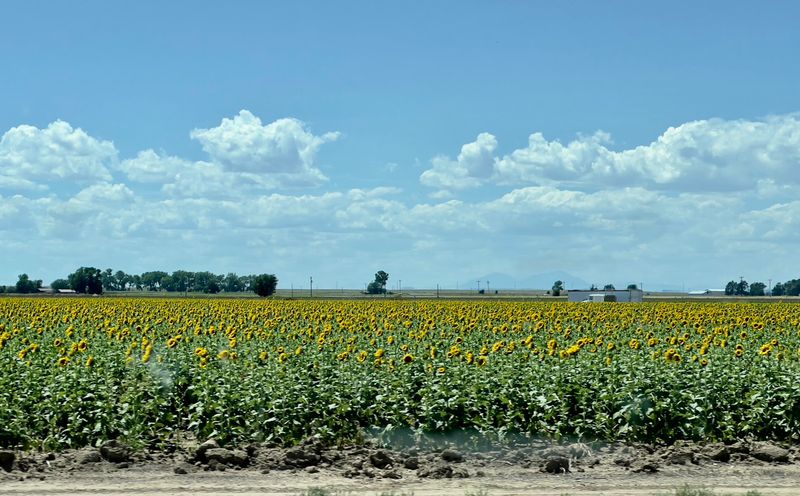
Out on the plains east of Pueblo, Fowler feels like a postcard from small-town America. The town sits in the Arkansas River Valley in Otero County.
Farming has long shaped life here. The valley is known for crops like melons and onions grown on irrigated land.
Fowler has roughly 1,100 residents, and that number has been slowly sliding. Like many rural towns, it’s seen young people leave for jobs in bigger cities.
That leaves an older population behind. Many residents have deep roots and family farms that go back generations.
An aging town faces real challenges. Schools may shrink, and local businesses can have a harder time finding workers.
Still, small towns often have a strong sense of community. Fowler has its own school district, which brings families together at games and events.
If you’re road tripping on U.S. Highway 50, Fowler makes an easy stop.
You can stretch your legs and see a quieter side of Colorado.
The flat land and wide skies are a big change from the mountains. Sunsets out here can look huge, with nothing blocking the view.
Want to support a place like this? Buy something local, fill up your tank, or grab a snack in town.
Small choices can matter in a small town. And you might leave with a new appreciation for plains life.
Address: Fowler, CO 81039
6. Julesburg
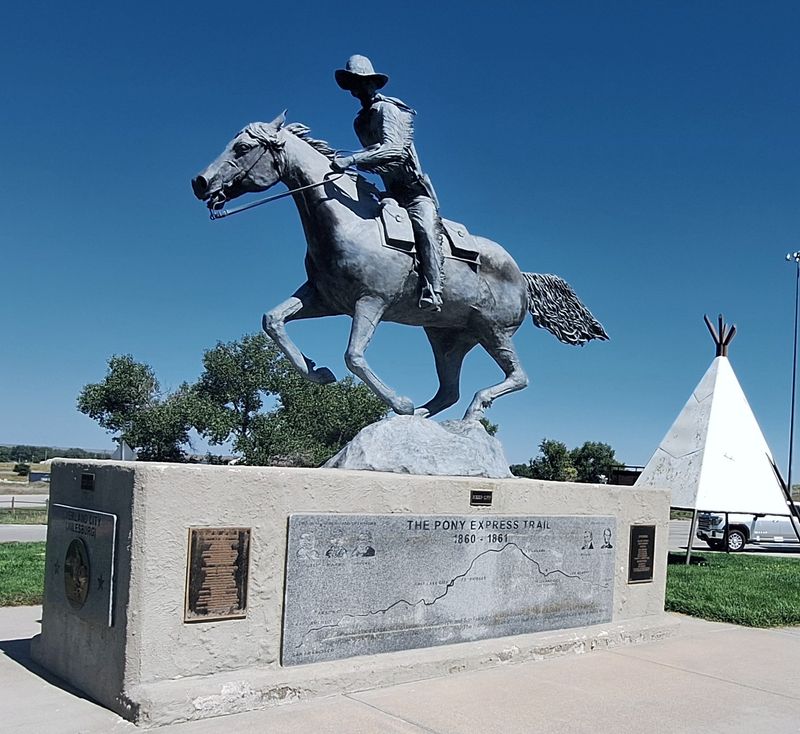
Few towns can say they moved four times, but Julesburg can. The current town is actually the fourth version of Julesburg.
Its history ties to the Pony Express, which had a station in the area. That gives this tiny corner of Colorado a big spot in Wild West history.
Today, Julesburg sits in the far northeast corner of the state, near Nebraska. It’s the county seat of Sedgwick County.
The town has around 1,200 residents, and the number has been dropping. Many young adults leave for college or jobs and don’t return.
That has left an older population holding things together. Many residents have spent much of their lives on the plains.
History fans should check out the Fort Sedgwick Museum. It shares the story of the old fort and the area’s frontier days.
The Depot Museum is another fun stop. It’s housed in an old railroad depot and focuses on local history.
Julesburg sits right along Interstate 76, so it’s easy to reach. It makes a handy break if you’re driving across the plains.
The South Platte River runs nearby too. Birdwatchers often enjoy the open land and wetlands around this part of the state.
Towns like Julesburg have survived moves, storms, and change before. Showing up and learning their story helps keep that spirit going.
Address: Julesburg, CO 80737
7. Telluride
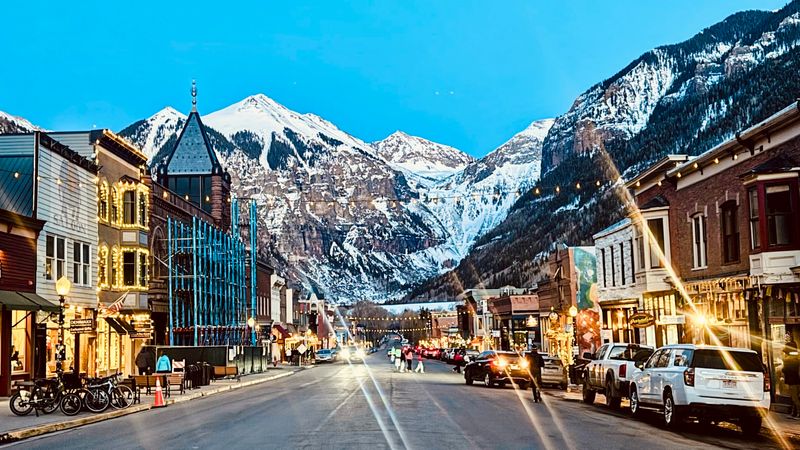
A free gondola ride connects two towns here, which is pretty cool. Telluride’s gondola links the town to Mountain Village.
Telluride sits in a box canyon surrounded by steep peaks. It’s one of the most beautiful settings you’ll find in Colorado.
That beauty comes with a price, though. Housing costs are sky-high, and many homes belong to part-time owners.
Full-time residents have become harder to keep. Many workers commute from towns miles away because they can’t afford to live close.
As longtime locals age, fewer young families arrive to take their place. That shift changes the feel of the community over time.
Telluride began as a mining town in the 1870s. Its historic district is a National Historic Landmark today.
Bridal Veil Falls is a must-see. It’s the tallest free-falling waterfall in Colorado, plunging down the end of the canyon.
Festivals are a big deal here too. The Telluride Film Festival and Telluride Bluegrass Festival draw fans from all over.
In winter, the ski area brings snow lovers to the slopes. In summer, hikers head up trails with wildflowers and old mine ruins.
Telluride has worked on local housing projects for its workers. A town this pretty deserves neighbors who can stay and enjoy it for years.
Address: Telluride, CO 81435
8. Manitou Springs
Free mineral water bubbling from public springs is not something most towns can brag about. Manitou Springs has several springs you can sample around town.
Each spring has its own taste, thanks to different minerals. Bring a cup and taste-test your way down the street.
This quirky town sits at the foot of Pikes Peak, just west of Colorado Springs. It has a population of around 5,000 people.
Like many popular towns, Manitou Springs has seen housing costs climb. Younger residents can struggle to afford a place, while the population trends older.
The town still has tons of personality. Its historic district is packed with old buildings and fun shops.
Thrill seekers can tackle the Manitou Incline. It’s a steep trail with a big elevation gain in a short distance.
The Pikes Peak Cog Railway also starts in Manitou Springs. It carries riders to the summit of the famous fourteener.
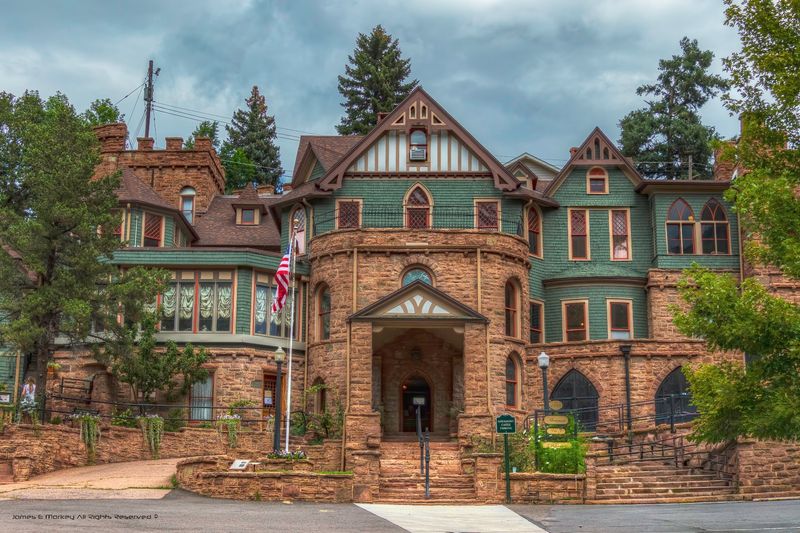
Miramont Castle is another great stop. This Victorian mansion is now a museum full of interesting rooms to explore.
The Cave of the Winds Mountain Park sits nearby too. You can tour caves or try outdoor thrill rides above the canyon.
Manitou Springs proves that small towns can stay lively and fun. Keeping young families around is the next big challenge.
Address: Manitou Springs, CO 80829
9. Minturn
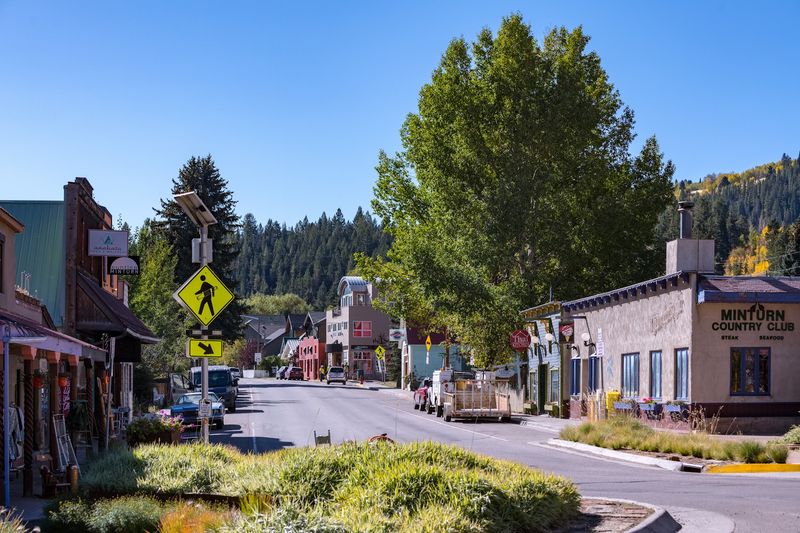
Just down the road from Vail, Minturn keeps a more laid-back mountain style. Railroad history built this little town along the Eagle River.
Minturn was once a key stop for the Denver and Rio Grande Western Railroad. Workers and their families helped the town grow.
Today, the town has about 1,000 residents. Like its famous neighbor, it faces rising housing costs and fewer young families.
Second homes and short-term rentals have changed the market. That makes it harder for local workers to find long-term homes.
Many residents have been there for years and are getting older. Keeping a balance of ages is a big goal for small mountain towns.
The Minturn Market runs on summer Saturdays. You can browse local goods, crafts, and food in the open air.
Outdoor fans have plenty to enjoy too. Trails nearby lead into the forest, and the Eagle River is great for fishing.
The famous Minturn Mile is a backcountry ski route from Vail Mountain. It ends near town, so skiers know the name well.
Minturn feels slower than nearby resort towns. That calm pace is part of what makes it special.
If you want mountain charm without the crowds, give this town a look. Just remember to support local businesses while you’re there.
Address: Minturn, CO 81645
10. La Junta
Trade along the Santa Fe Trail once made this area a busy crossroads. Today, La Junta keeps that history alive while facing a shrinking population.
The town’s name means “the junction” in Spanish. It fits, since railroads and trails once met here.
La Junta is the county seat of Otero County. It has around 7,000 residents, but that number has slowly dropped over the years.
Young people often move away for work or school. The result is an older population that still keeps the town running.
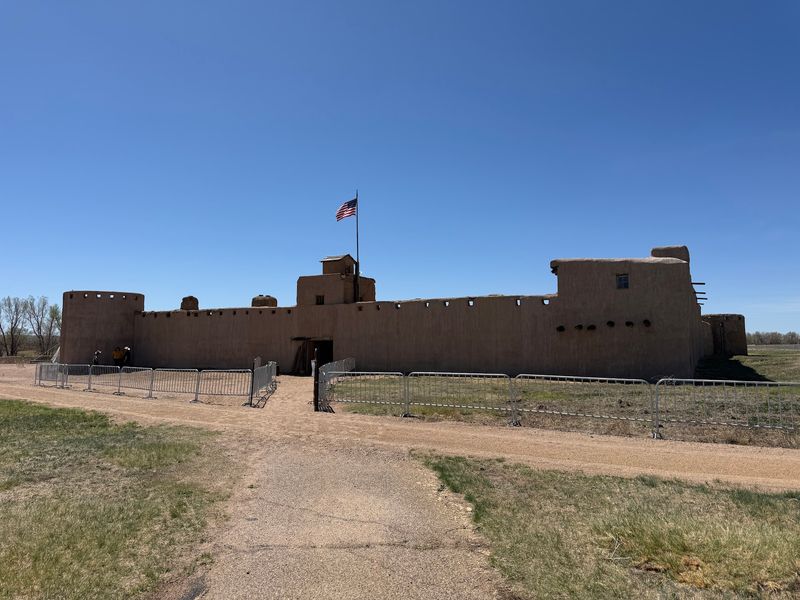
History lovers should head to Bent’s Old Fort National Historic Site nearby. This reconstructed adobe trading post offers a glimpse into life on the Santa Fe Trail, although access to its interior is currently restricted, with furnished rooms accessible through scheduled guided tours.
Staff in period clothing often share stories of frontier trade. It’s like stepping back to the 1800s for an afternoon.
The Koshare Indian Museum is another local stop. It features art and cultural items from many Native American groups.
Otero College also calls La Junta home. Colleges help small towns by bringing young people and fresh energy.
The town also sits along the Arkansas River. Wide plains and farm fields stretch out in every direction.
La Junta has stood at the crossroads for a long time. With a little help, it can keep welcoming travelers and new neighbors for years to come.
Address: La Junta, CO 81050