
9 Incredible Maine Craft Schools Where You Can Learn Skills Most People Have Forgotten
You can sign up for a class in Maine that teaches you to build your own house out of giant wooden beams. The frame stays together with carved, pegged joints that lock like puzzle pieces.
That school has been at it for more than 50 years. Another spot will teach you to carve a spoon with tools you made yourself. Somewhere else, people spend a whole week building a wooden boat by hand.
I love that these skills never really disappeared. They just moved into quiet workshops along the coast and up in the woods, waiting for curious hands. Some of these schools have been teaching for decades.
Most of us can barely hang a picture straight. So what would it feel like to learn something your great-grandparents took for granted? I have a hunch it would feel like a superpower.
1. Haystack Mountain School Of Crafts
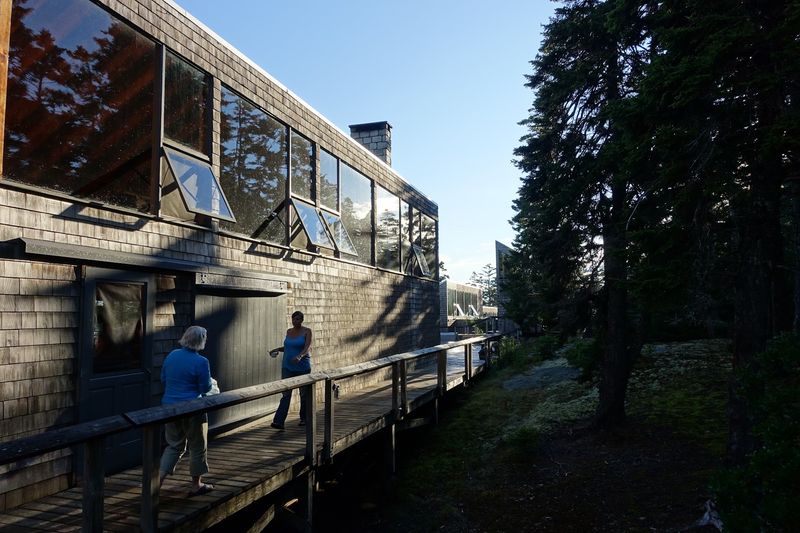
Most summer camps hand you a canoe paddle, but this one hands you a blacksmith’s hammer. Haystack sits on Deer Isle along the Maine coast, and it has been teaching craft since 1950.
The school actually started somewhere else and moved to its island home in 1961. Architect Edward Larrabee Barnes designed the campus, a cluster of shingled buildings linked by wooden walkways that step down toward the water.
Studios cover metals, ceramics, fiber, glass, graphics, blacksmithing, and woodworking. The shops come fully tooled, so you can show up curious instead of hauling a truckload of gear.
Sessions run as studio intensives and workshops, mostly during the summer. You live and work right on campus, which means your daily commute is a short stroll from breakfast to the forge.
Brand-new to a material? Beginners and longtime pros often share the same studios, and that mix is a big part of the fun.
Picture a potter swapping ideas with a weaver over lunch, then wandering into the glass studio just to see what’s happening. Creative sparks fly around here in ways a lonely garage workshop rarely allows.
Even the walk to class doubles as scenery. Spruce trees, granite ledges, and wide ocean views surround the shops, so focusing on your project might take some willpower.
The office keeps weekday hours if you have questions about sessions. Look over the course list early and pick the material that scares you just a little.
Address: 89 Haystack School Dr, Deer Isle, ME 04627
2. Maine Coast Craft School, LLC
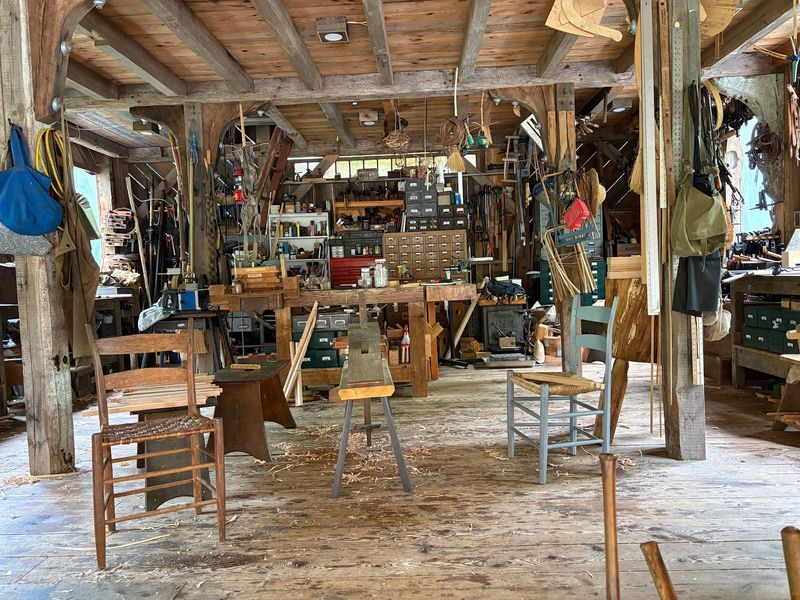
Here’s a class where you might make the knife before you make the spoon. Maine Coast Craft School teaches traditional hand tool woodworking in a rural corner of Bristol.
The courses run for several days, often four at a time. That gives you room to actually absorb a skill instead of rushing through a quick demo and leaving confused.
Classes can cover three big pieces of the puzzle. You learn how to make a particular wooden object, how to prepare the wood for it, and how to make the tools you need.
That last part is the real head-turner. Most woodworkers buy their gear, but here you get to understand how your tools come together from the start.
Green wood plays a big role in the work. Fresh wood carves differently than dry boards from a lumber store, and learning to read it feels like learning a new language.
Students get welcomed with good food and sharp tools, two things any carver can appreciate. A well-fed student with a keen edge is a happy, productive student.
The school also sells high-quality tools, so you can bring the craft home. That matters, because a new skill fades fast if you can’t practice it.
Bristol sits on the Pemaquid Peninsula, with rocky shorelines and small harbor villages nearby. It’s a fitting backdrop for a craft that has been around for centuries and deserves to stick around for many more.
Address: 260 Old County Rd, Bristol, ME 04539
3. WoodenBoat School
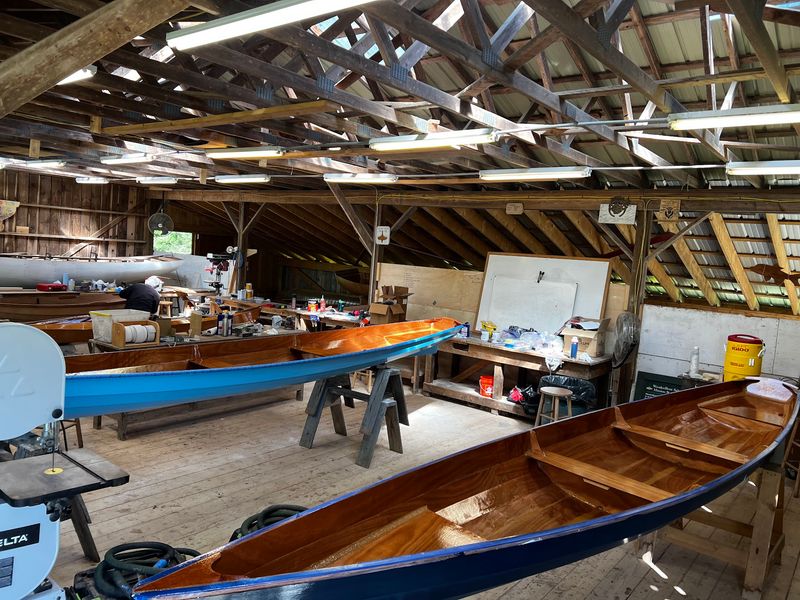
Ever wanted a boat but felt buying one was too easy? WoodenBoat School invites you to build one plank by plank on a waterfront campus in Brooklin.
The school shares its roots with WoodenBoat magazine, a longtime favorite for fans of classic boats. If you’ve ever flipped through those glossy pages and daydreamed, this is where the daydream gets sawdust on it.
Brooklin is a tiny village on the Blue Hill Peninsula, home to fewer than 1,000 people. The setting is pure coastal Maine, with water views that make long shop days feel a lot shorter.
Classes focus on hands-on boatbuilding and related maritime skills. Expert instructors guide you through the old methods that turned trees into seaworthy vessels long before plastic hulls showed up.
Fans of the school don’t hold back. Some call it the best place in the world to learn boat building, and that’s a bold title to earn.
Wooden boat work rewards patience. You learn to shape curves, fit pieces tightly, and respect the grain, skills that carry over to almost any woodworking project at home.
The campus itself draws praise for its beauty, and the staff gets high marks for friendliness. Free on-site parking also makes arrival one less thing to worry about.
Bring a notebook and plenty of questions. You might leave with a boat, a new hobby, or at least a serious case of shipwright envy.
Address: 41 WoodenBoat Ln, Brooklin, ME 04616
4. Center for Furniture Craftsmanship
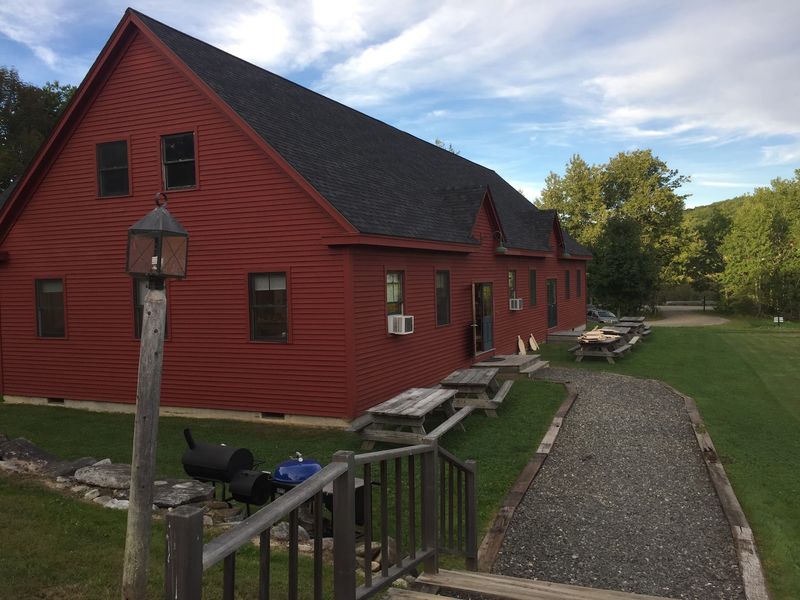
A barn workshop in the early 1990s grew into one of the best-known woodworking schools around. The Center for Furniture Craftsmanship opened in 1993 and now fills a dedicated campus in Rockport.
The mission is ambitious in the best way. The school aims to help you design and build wood pieces that are useful, beautiful, and expressive, all made to the highest standard of craftsmanship.
Short workshops let you test the waters in a week or two. Longer intensives and a nine-month comprehensive program exist for anyone ready to go all in.
Topics stretch well beyond basic boxes. Furniture making, turning, carving, marquetry, and finishing all show up on the schedule, depending on the season.
Instructors get described as highly skilled and fun, which is a winning combo when you’re holding a sharp chisel. The facilities earn strong praise too, so you’re not fighting dull blades or wobbly benches.
Don’t skip the Messler Gallery while you’re on campus. It shows work by faculty, students, and visiting artists, and many pieces are unlike anything you’d find in a furniture store.
Rockport itself is a small harbor village in Midcoast Maine. It makes a lovely spot to clear your head after a long day of planing boards.
The school keeps weekday office hours for questions about courses. Fair warning, though, you may never look at store-bought furniture the same way again.
Address: 25 Mill St, Rockport, ME 04856
5. New England School of Metalwork
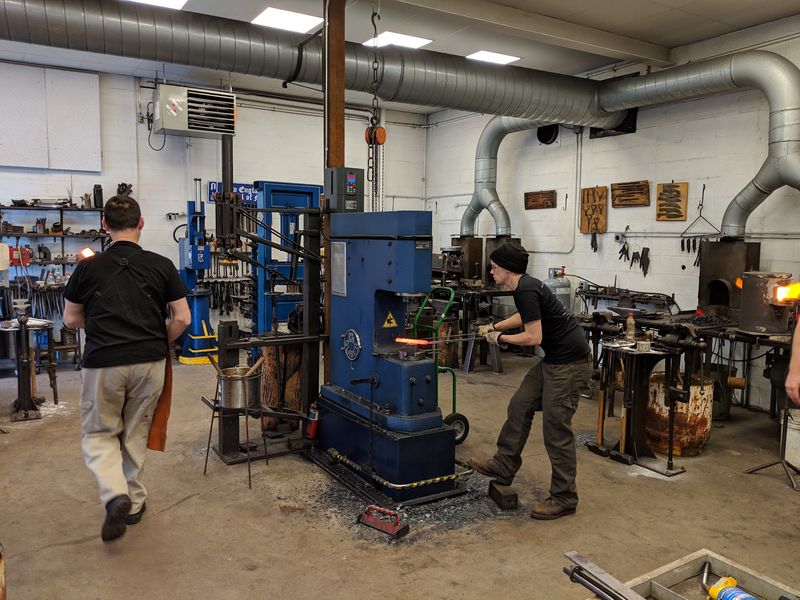
Sparks, anvils, and glowing steel make for one loud and wonderful classroom. New England School of Metalwork in Auburn has been firing up forges since 2000.
The idea came from a local welding supplier and an artisan metalsmith. People kept asking where they could learn welding and ornamental metalwork, so the team built a school to answer that question.
It runs as a nonprofit focused on promoting and strengthening metalworking skills. The facility was designed for two purposes, metalsmithing and welding, so both crafts get serious space.
Class options include blacksmithing, bladesmithing, and welding. Blacksmithing might feel like a scene from a history book, yet here it’s a skill you can practice with your own hands.
Students love that the lessons travel well. You leave able to keep building your skills at home with minimal tools and gear, which keeps the hobby affordable and doable.
Auburn sits along the Androscoggin River with deep roots in industry and working trades. A school like this fits right into that hardworking history.
The school is open on weekdays, and it offers free parking. It also welcomes LGBTQ+ students and provides a gender-neutral restroom.
Bladesmithing tends to grab the most attention, and it’s easy to see why. Turning a plain bar of steel into a knife you shaped yourself sounds like the coolest show-and-tell project ever.
Address: 7 Albiston Way, Auburn, ME 04210
6. Carpenter’s Boat Shop
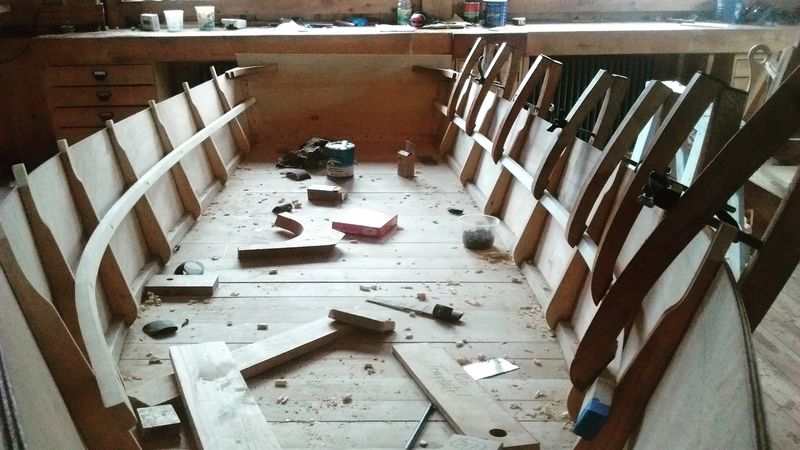
Give yourself one week, and you could walk away knowing how a wooden boat comes together. Carpenter’s Boat Shop in Pemaquid offers short boatbuilding courses along with longer apprenticeships.
The shop works as a craft guild and educational workshop. That means learning here feels hands-on, with real projects instead of slides and lectures.
Week-long boatbuilding classes are a big draw. Past students describe those courses as a great experience, and a single week is a manageable chunk of time for most schedules.
Apprenticeships go deeper for people who want more than a taste. Spending extended time in a working shop is how many traditional trades were passed down for generations.
Wooden boats teach lessons that stick. You learn to measure carefully, cut with care, and fix mistakes without panic, which honestly sounds useful for life in general.
Pemaquid is a coastal village within the town of Bristol, surrounded by rocky shoreline and small harbors. Boats aren’t just a hobby around here, they’re part of the local landscape.
Fun fact: this shop sits on the same road as another craft school on this list. Old County Road could easily earn a nickname as a lane for makers.
The shop keeps weekday hours, so reach out during the week to ask about courses. Bring sturdy shoes, a good attitude, and maybe a name picked out for the little boat you might help build.
Address: 440 Old County Rd, Pemaquid, ME 04558
7. Shelter Institute
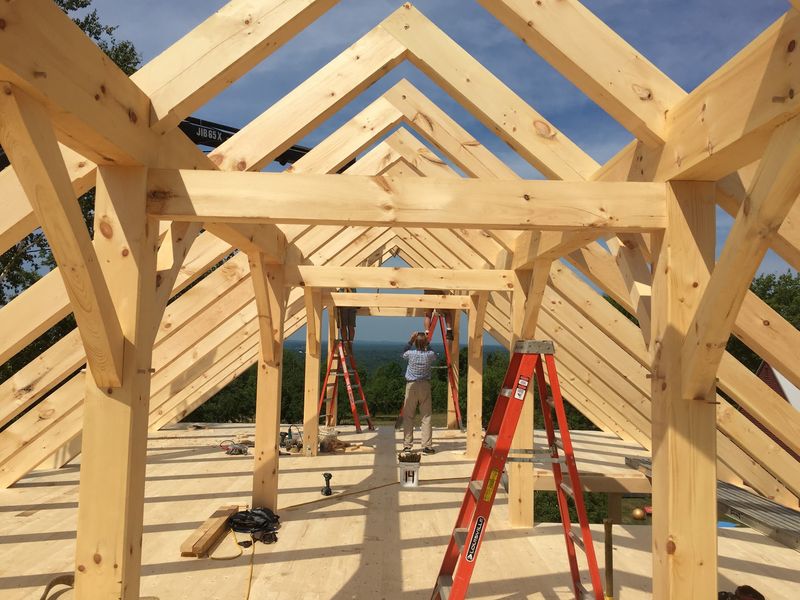
Building your own house sounds like something only pioneers did. Shelter Institute has been teaching regular people to do exactly that since 1974.
The school started with a simple goal: help people build their own homes. More than 50 years later, it still teaches that skill, with a focus on timber frames.
Timber framing is an old joinery craft that uses heavy wooden beams. Pieces get carved to fit together tightly, creating a strong frame that can stand for generations.
Students praise the team’s expertise and the relaxed feel of the classes. A calm classroom matters when you’re learning to cut joints in beams bigger than you.
The institute does more than teach. Its crew builds timber frame homes for clients, so the instructors work in the real trade, not just in theory.
There’s also a tool store on site stocked with high-quality tools. If class leaves you itching to buy a chisel the size of a canoe paddle, you’re in the right spot.
Woolwich sits along US Route 1 in Midcoast Maine, near the marshes of the Kennebec River. It’s an easy stop for anyone traveling the coast.
Hours run Monday through Saturday, which is handy for weekend shoppers browsing tools. Who knows, a quick visit could turn into a plan for a backyard cabin.
Address: 873 US-1, Woolwich, ME 04579
8. Monson Arts
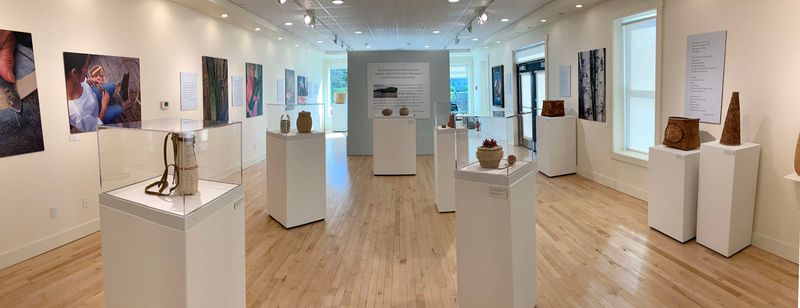
A town of roughly 650 people might seem like an unlikely creative hub. Monson Arts proves that small places can host big ideas.
The art center opened in 2018 in Monson, up in the Maine Highlands. The Appalachian Trail passes nearby, so hikers and artists share the same quiet corner of the woods.
Short intensive workshops give you a focused burst of hands-on learning. These sessions suit anyone who wants to try a craft without signing up for months of study.
Residencies for artists and writers are part of the mix too. Creators come to spend time making work, which helps keep the town full of fresh energy.
The center also runs community programs and partners with local schools. That means kids in the area get exposure to art and craft early, which is a pretty great gift.
A gallery shows exhibits that highlight the region’s creative legacies. Visitors point out the focus on quality local artists and craftspeople, giving the place a strong sense of home.
Monson has a long history tied to slate quarrying. A town built on working stone feels like a natural fit for people working with their hands today.
The building includes a gender-neutral restroom for visitors. Check the workshop calendar before you go, and consider pairing a class with some time outside in this beautiful stretch of the state.
Address: 7 Greenville Rd, Monson, ME 04464
9. At Home Modern
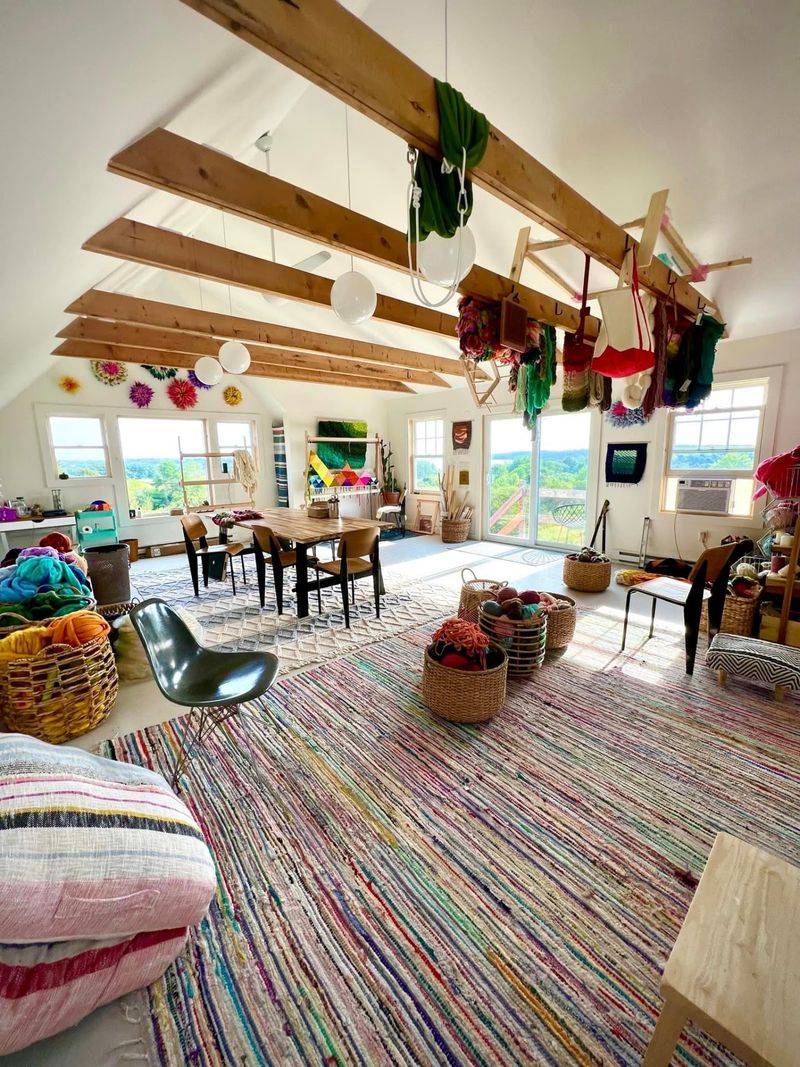
Tapestry weaving goes back thousands of years, but the pieces made here look anything but old-fashioned. At Home Modern is a tapestry weaving studio and classroom in Thomaston.
The work leans bold and bright. Large wall hangings feature strong colors, abstract designs, and rich wools that feel more art gallery than grandma’s attic.
You can learn through workshops, private weaving lessons, or multi-day retreats. That range helps whether you want a quick taste or a deeper stretch of loom time.
Retreats sound especially tempting for anyone who craves a creative getaway. A few days of weaving in a small Maine town beats doom-scrolling on the couch by a mile.
The studio also sells tapestry looms, fibers, and wool roving. That makes it easy to keep weaving at home instead of losing momentum after class ends.
Most of the finished tapestries are made on commission. Still, a few pieces are often available for sale, so you might spot something to hang on your own wall.
Thomaston sits along the St. George River and is known for its historic 18th- and 19th-century homes. Old architecture and an old craft make a charming pairing.
The studio welcomes LGBTQ+ guests and offers tours along with classes. Reach out before you visit, then get ready to discover just how relaxing a loom can be.
Address: 73 High St, Thomaston, ME 04861