
As Californians Face Rising Grocery Bills, This Neighborhood Market Makes Fresh Produce Easier On The Wallet
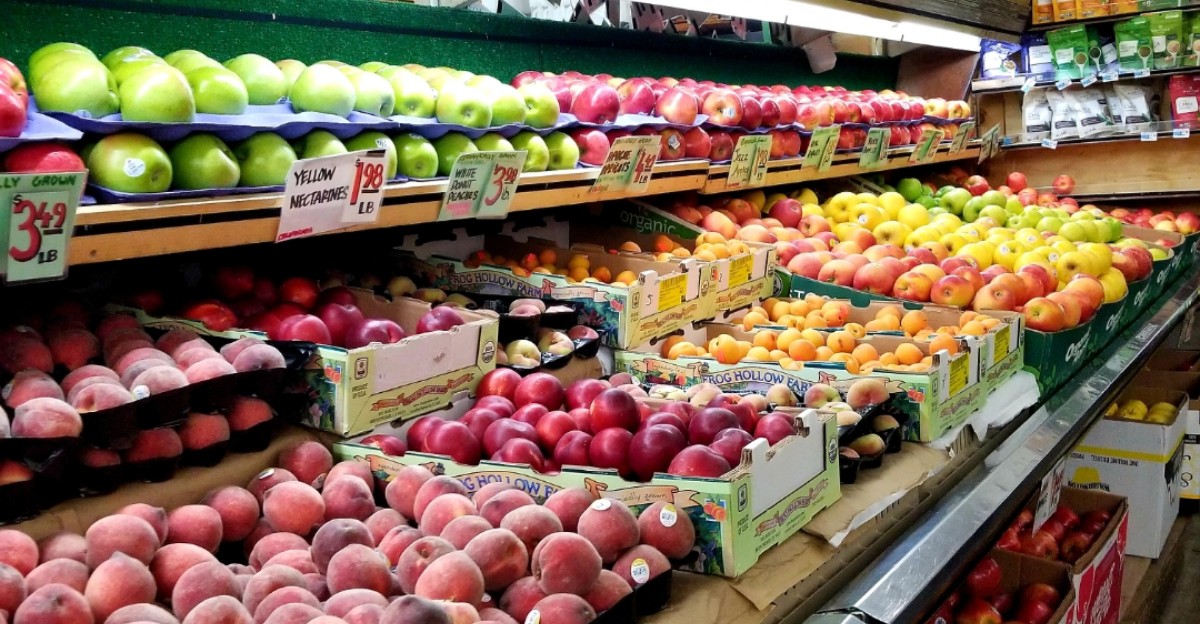
About three-quarters of this grocery store’s floor is fruits and vegetables. Not chips.
Not frozen pizza. Produce, stacked high in a space of roughly 7,500 square feet.
The buyers work directly with small and regional growers. That means heirloom fruits, unusual greens, and a mushroom lineup that could make a forager jealous.
Grocery bills keep climbing across California, and that makes a place like this feel extra important. I like how it treats a weekly produce run like a small adventure instead of a chore.
Purple cauliflower, piles of apple varieties, and dried beans in bulk all share the same aisles. Prices stay friendly enough that a full bag of fresh food doesn’t wreck the budget.
So how does one neighborhood shop pull that off?
Produce Takes Over Almost The Entire Store, And Nobody Is Complaining
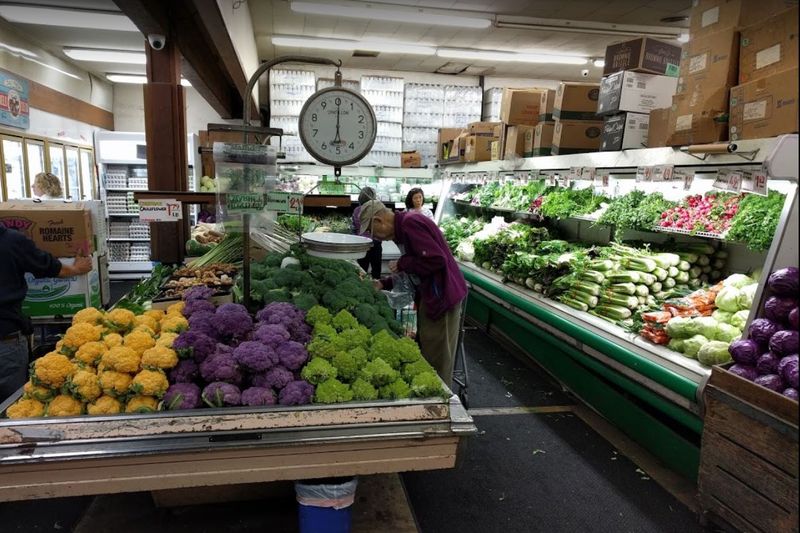
Monterey Market runs its business like produce is the main event, because it is. Roughly three-quarters of the store is fruits and vegetables.
That changes how shopping feels. Instead of hunting for apples past six aisles of snacks, you’re surrounded by fresh food from the moment you arrive.
The store covers about 7,500 square feet. That’s small by supermarket standards, yet the produce selection feels much bigger than the building.
Why does this matter for your wallet? Stores built around packaged goods often push you toward pricier processed items.
Here, the layout naturally steers you to whole ingredients.
Whole ingredients usually stretch further, too. A head of cabbage or a bag of carrots can show up in several meals across a week.
Planning helps. Make a loose list of meals, then let the bins guide the final picks based on what looks best that day.
Leave some room for flexibility. Seasonal items often shine brightest when they’re plentiful, and plentiful usually means friendlier pricing.
Think of it as a farm stand with the stocking power of a real grocery store. Not a bad combination for anyone watching costs in California.
Small Farms Get A Direct Line To Your Shopping Basket
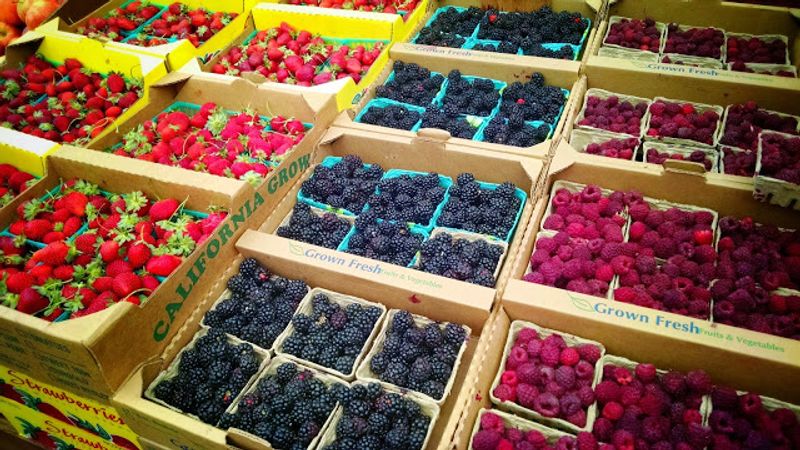
Middlemen add costs. Monterey Market leans on direct relationships with small-scale and regional growers, which keeps the path from field to bin shorter.
Shorter paths often mean fresher food. Fresher food lasts longer in your fridge, and that quietly saves money.
Think about how often limp greens end up in the trash. Produce that arrives in better shape gives you more days to actually use it.
These partnerships also bring in harvests that big chains rarely carry. Small growers often experiment with varieties that don’t fit the mass-market mold.
So you get access to unusual crops without paying specialty-shop markups. That’s a pleasant twist for curious cooks on a budget.
Supporting regional farms keeps money circulating closer to home in Northern California. Your grocery dollars help growers who care about flavor and land.
Here’s a practical move. Ask staff what’s local and peaking right now, since in-season local crops are usually the best value.
Buying this way also teaches you the rhythm of California seasons. Soon you’ll know when stone fruit arrives and when citrus takes over, and you’ll shop smarter for it.
Mushroom Lovers, Prepare To Lose Track Of Time
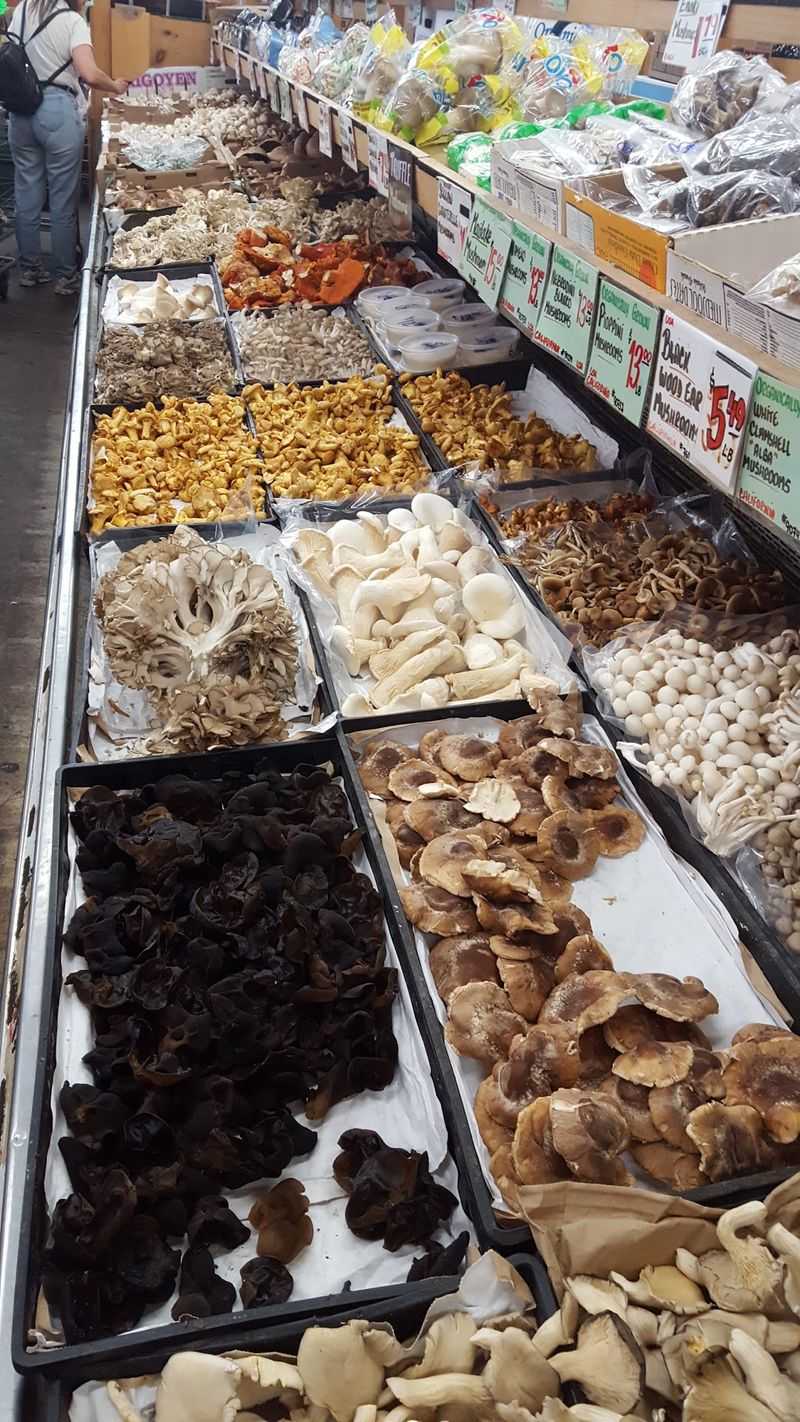
Some shoppers come for apples. Others head straight to the mushrooms, and honestly, who can blame them?
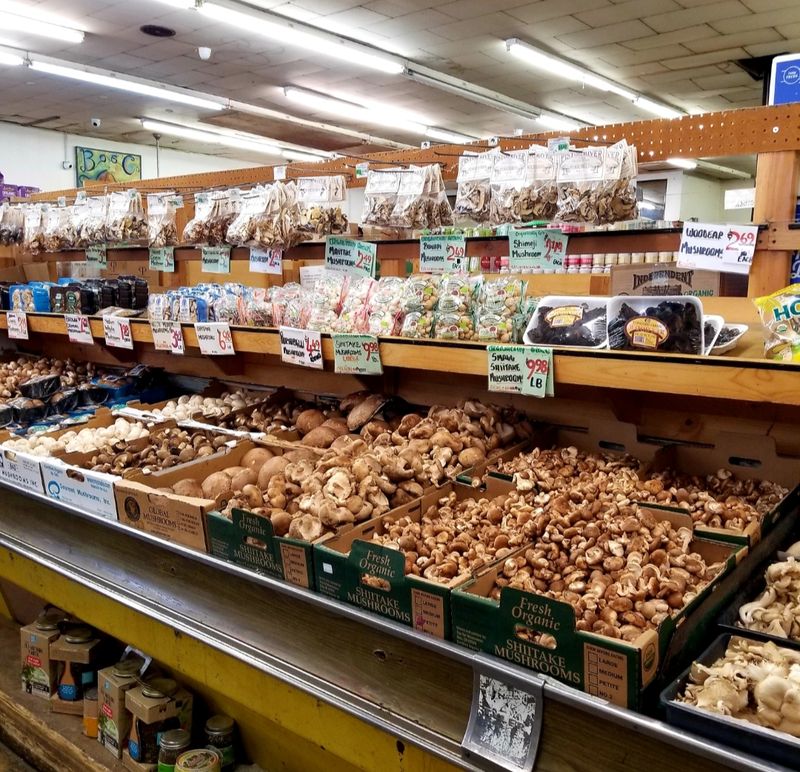
Monterey Market is known for an impressive range of fungi, including exotic and hard-to-find types. Several varieties often sit side by side, which makes comparing easy.
Mushrooms are a smart budget ingredient. They add rich, meaty flavor to pasta, stir-fries, and soups without the price of a big cut of meat.
A handful of shiitake or oyster mushrooms can turn plain rice into dinner. Sauté them with garlic and you’ve got a side that tastes restaurant-level.
Small paper bags sit near the mushroom section. That’s handy for grabbing a mix without wrestling with plastic.
Buying a little of several kinds is fun, too. You can test new flavors before committing to a bigger amount.
Store them in paper in the fridge, not sealed plastic. They’ll stay firmer and last longer that way.
Curiosity pays off here. One week of experimenting might uncover a new favorite that becomes a cheap weeknight staple for months.
Heirloom Finds Make Every Visit Feel Like A Treasure Hunt
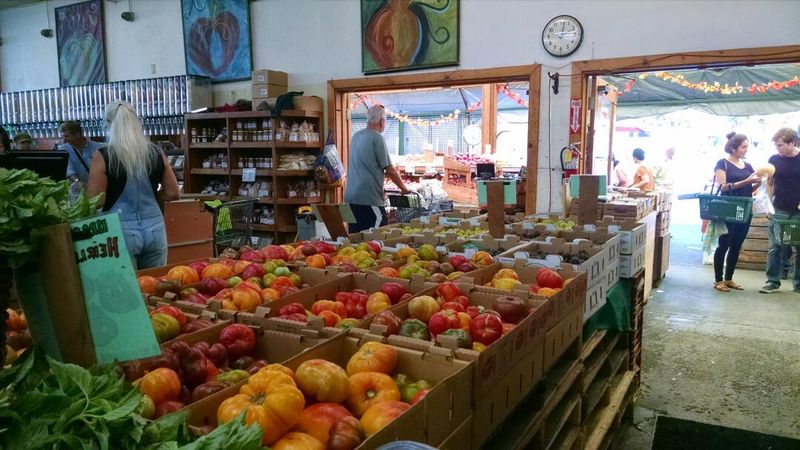
Purple cauliflower. Yellow cauliflower.
Heirloom fruits with names you’ve never heard. Ordinary grocery runs rarely look this colorful.
Monterey Market carries hard-to-find heirloom fruits and specialty vegetables. Local restaurants are known to shop here for those very items.
When chefs buy from the same bins you do, that’s a nice sign. You’re getting access to ingredients that often land on fancy menus.
The best part is cooking those dishes at home for far less. A bowl of roasted heirloom vegetables costs a fraction of a restaurant plate.
Try one new item per trip. It keeps meals interesting without blowing the budget on a cart full of unknowns.
Kids may get more excited about vegetables, too. A purple cauliflower is far more fun to eat than a plain white one.
Not sure what to do with something? Simple roasting with oil and salt works for most vegetables and lets the flavor speak.
Heirloom produce is about taste and variety. That makes healthy eating feel less like a duty and more like a delicious little discovery.
Bulk Bins Quietly Do Some Heavy Lifting For Your Budget
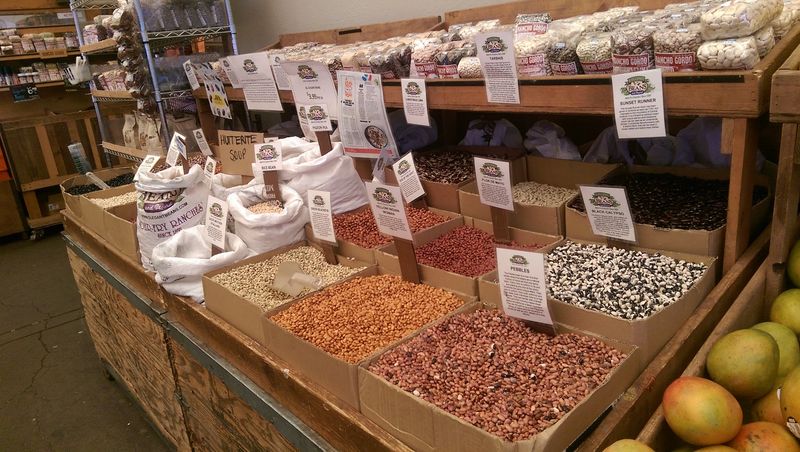
Fresh produce gets the spotlight, but the bulk section deserves a round of applause. Monterey Market stocks dried beans, nuts, and pantry basics in bulk.
Bulk shopping lets you buy exactly what you need. A cup of lentils for one recipe?
No problem.
That means less waste and less money sitting forgotten in the back of a cupboard. Packaged versions often force you to buy more than you’ll use.
Dried beans are especially good value. Cooked from scratch, they usually cost much less per serving than canned.
The store offers a notable selection of beans, including local options. Pair them with fresh vegetables and you’ve got hearty, affordable meals all week.
Bring your own containers if you want to cut down on packaging. Just check with staff first about how they handle weighing.
Nuts come both in and out of the shell. Shelling your own can be cheaper, and it slows down snacking, which is a sneaky bonus.
Fill a few jars once a month. Your pantry stays stocked, and last-minute expensive takeout starts looking less tempting.
Fruit Season Here Looks Like A Painter Went Wild
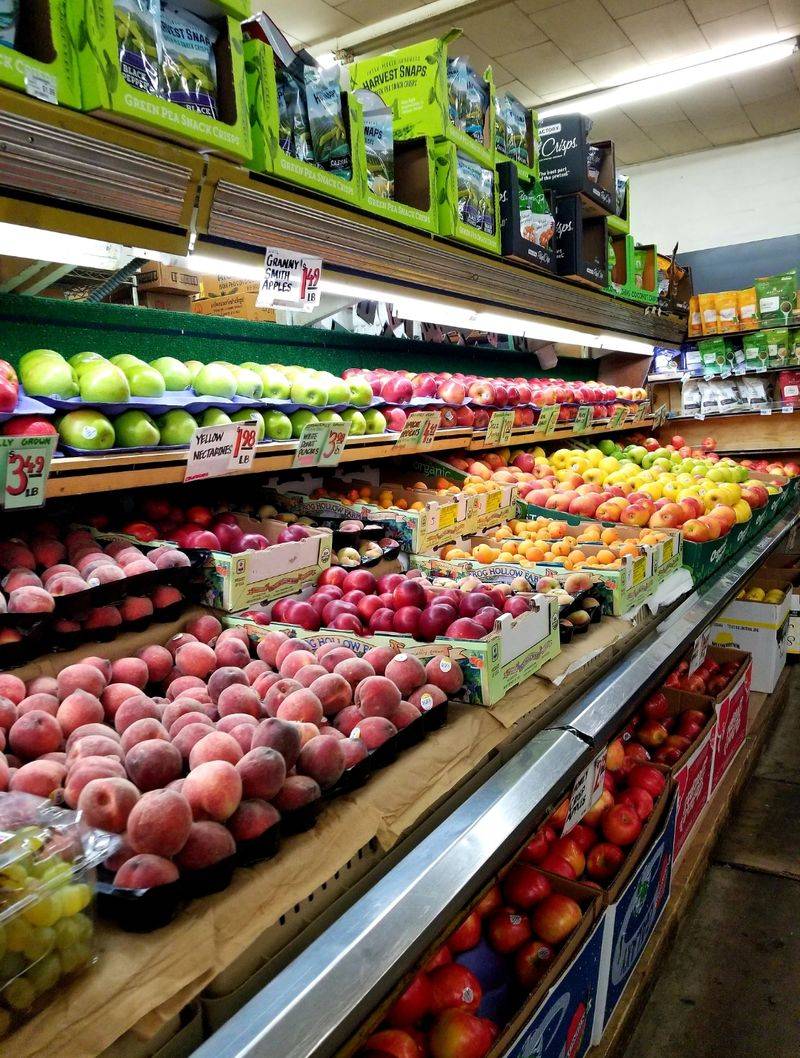
Peaches, plums, figs, grapes, and oranges rotate through as the seasons change. Monterey Market treats fruit like the star of the show.
Apples get special attention, with many varieties on offer. Picking just one might be the hardest choice you make all day.
Seasonal fruit is usually the best deal. When something is at its peak, supply is high and flavor is at its best.
That’s a nice combo for families. Kids get sweeter fruit, and parents get a snack that isn’t wrapped in plastic.
Buy a mix of ripe and not-quite-ripe pieces. That way you’ll have fruit ready to eat across the whole week.
Overripe fruit doesn’t need to be tossed. Bananas go into bread, and soft peaches make great smoothies or quick jam.
Fresh squeezed orange juice is another treat that gets attention here. It’s a bright way to start a weekend morning.
California grows some of the country’s best fruit. Shopping here makes it easy to enjoy that bounty without paying boutique prices.
Beyond The Bins, The Shelves Hold A Few Surprises
Produce rules the floor, yet the rest of the shelves aren’t an afterthought. Tamales, including vegan ones, are a fan-favorite pick.
Shoppers also find bread, cheese, coffee, and European and Asian specialty items. Dairy-free alternatives appear too.
There’s very little meat, so plan accordingly. This is a vegetable-first kind of place, and it owns that identity.
Less space for frozen dinners and packaged snacks can actually help your budget. Fewer tempting impulse buys means more money stays in your pocket.
Ready-made items like tamales make busy nights easier. Add a quick salad from fresh greens and dinner is handled.
Look for a discount rack as well. Slightly imperfect items can be a bargain for soups, sauces, or baking.
Mixing a few specialty items with lots of basics is a smart balance. You get a treat without turning the trip into a splurge.
It’s a compact store. Still, the variety makes one stop cover most of a week’s needs for many households.
Timing Your Trip Can Save Your Sanity
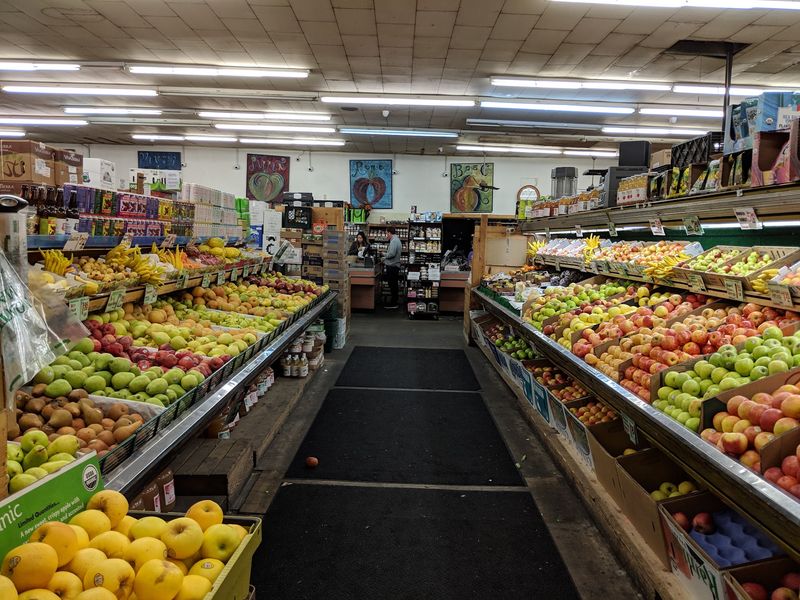
Popularity comes with a price, and here it’s measured in patience. Weekends can get busy, and the parking lot fills up fast.
The address is 1550 Hopkins St, Berkeley, CA 94707. It sits on a food-friendly corner in North Berkeley.
Doors open at 8 AM every day. Weekdays run until 7 PM, while Saturday and Sunday close at 6 PM.
Early weekday mornings are a smart target. You’ll likely have more room to browse and a calmer checkout.
Walking or biking is a great option if you live nearby. Skipping the parking hunt makes the whole trip more relaxing.
Bring a list and reusable bags. Knowing what you need helps you move efficiently when aisles feel snug.
Checkout lines can get long during rush times. A quick plan and a little humor go a long way.
Treat it a bit like a city adventure. The reward is a bag of fresh, fairly priced food that’s well worth a short wait.
Smart Shopping Habits Make The Savings Stick
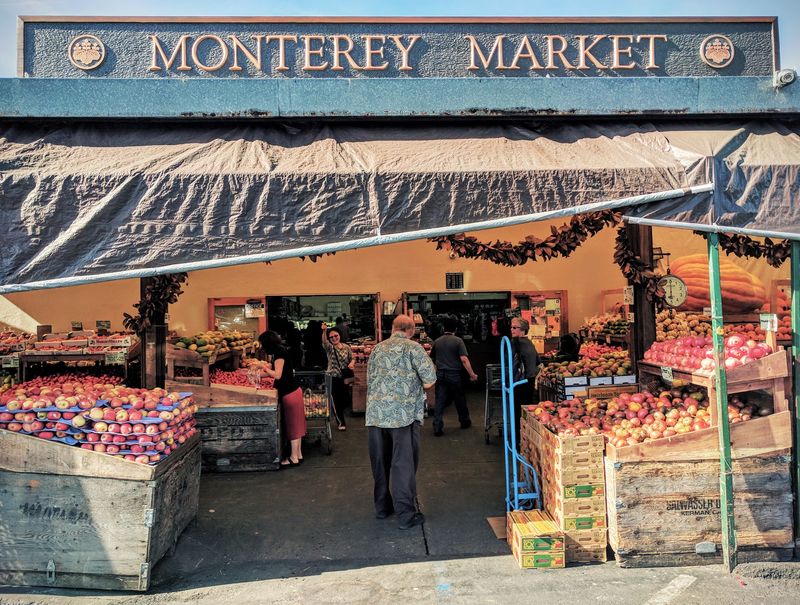
Good prices are a great start. Smart habits turn them into real savings over months.
Monterey Market makes that easier because fresh food is front and center. Building meals around produce naturally lowers costs for many households.
Start with a weekly plan. Choose two or three base ingredients, like greens, beans, and squash, and remix them across meals.
Store produce right as soon as you get home. Herbs go in water, greens get wrapped in a towel, and onions stay dry.
Cook once, eat twice. A big pot of vegetable soup becomes lunch for days.
Freeze extras before they fade. Chopped peppers, berries, and greens all freeze well for later.
Use stems and scraps for broth. It’s free flavor that would otherwise end up in the compost.
Rising grocery bills in California are stressful, no doubt. Still, a produce-focused market like this gives shoppers real tools to eat well without overspending, and that feels worth celebrating every single week.