
Maine’s Darkest Places Could Offer Incredible Views Of November’s Leonid Meteor Shower
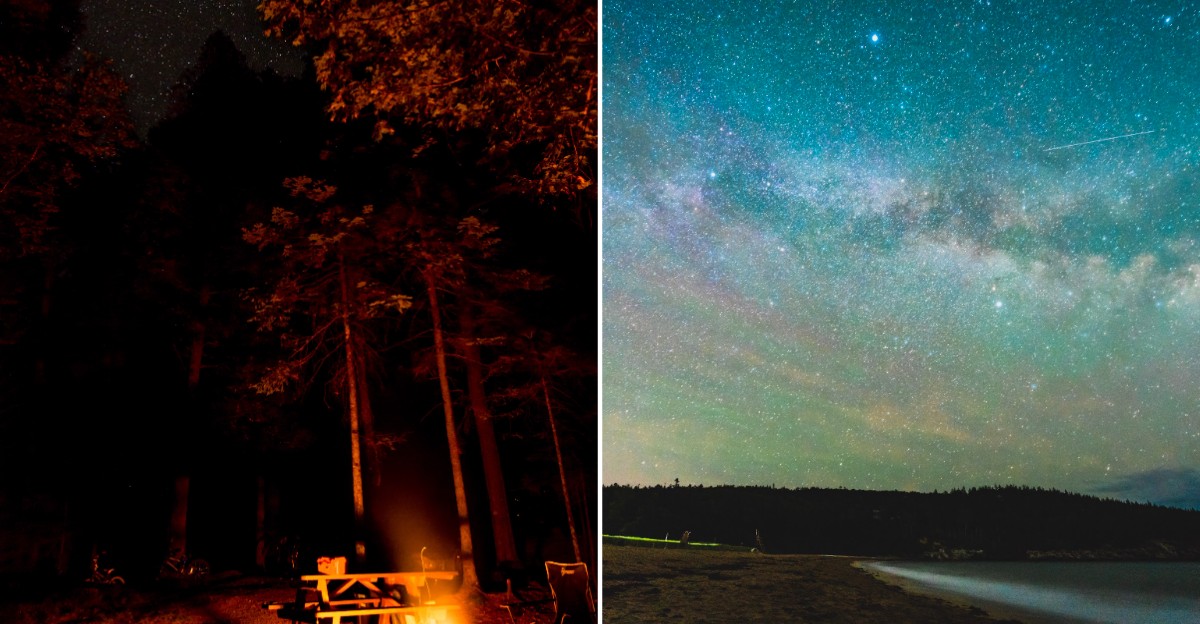
Leonid meteors slam into our atmosphere at roughly 44 miles per second. That makes them some of the fastest shooting stars you can catch all year, and many leave glowing trails behind.
Their source is a small comet called Tempel-Tuttle, which leaves a dusty trail around the sun. Every November, Earth plows through that leftover grit, and the sky lights up with quick, bright streaks.
The shower usually peaks around November 17 and 18, with about 10 to 15 meteors an hour under dark skies. I love that a little comet dust can turn a chilly Maine night into a front-row show.
City glow and porch lights can wash out the fainter streaks, though, so where you stand matters a lot more than you’d think. So which corners of this big, wooded state stay dark enough to catch the best of the show?
1. Katahdin Woods And Waters National Monument
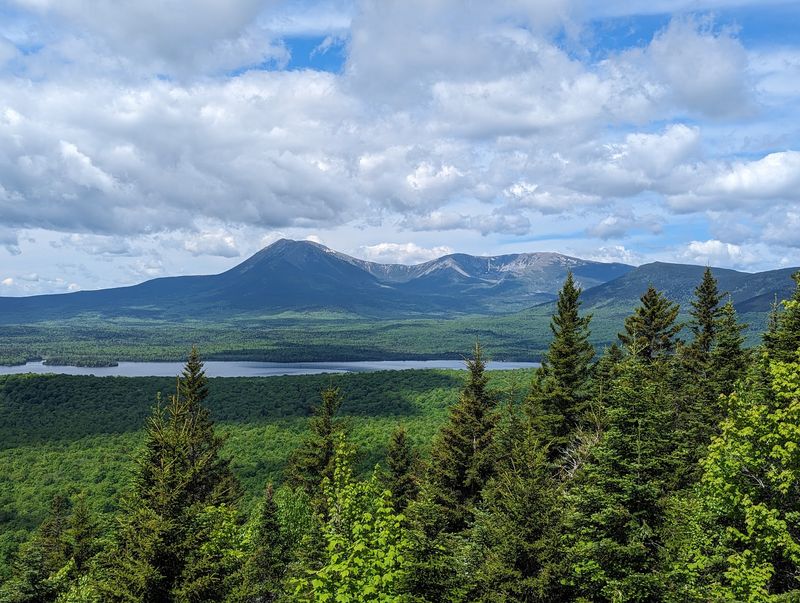
Zero commercial power runs through this monument, and the sky shows it. In 2020 it became an International Dark Sky Sanctuary, a rare title for any place east of the Mississippi.
That label puts its nights among the darkest in the eastern United States. With roughly 87,000 acres of forest, rivers, and ponds, there’s plenty of room to spread out and look up.
Now for the November twist. The South Entrance on Swift Brook Road and the Katahdin Loop Road usually close to wheeled vehicles by late October.
You can still get in on foot, on skis, or by snowmobile. That means a Leonid trip here takes some planning, a good map, and serious layers.
Is the effort worth it? For a meteor hunter, a sky with almost no artificial glow is basically the jackpot.
The pond areas, including Deasey Ponds, offer open views where trees don’t crowd the horizon. Wide sky matters during the Leonids, since the streaks can flash in any direction.
Wildlife is part of the deal too. Moose, black bears, and river otters live in this forest, so keep your eyes and ears tuned in the dark.
Roads inside the monument are unpaved, and high-clearance vehicles are recommended when they’re open. In November, though, expect to bring your own feet to the party.
Pack a red flashlight to protect your night vision. Then let your eyes adjust for about 20 minutes and enjoy one of Maine’s quietest skies.
2. Baxter State Park
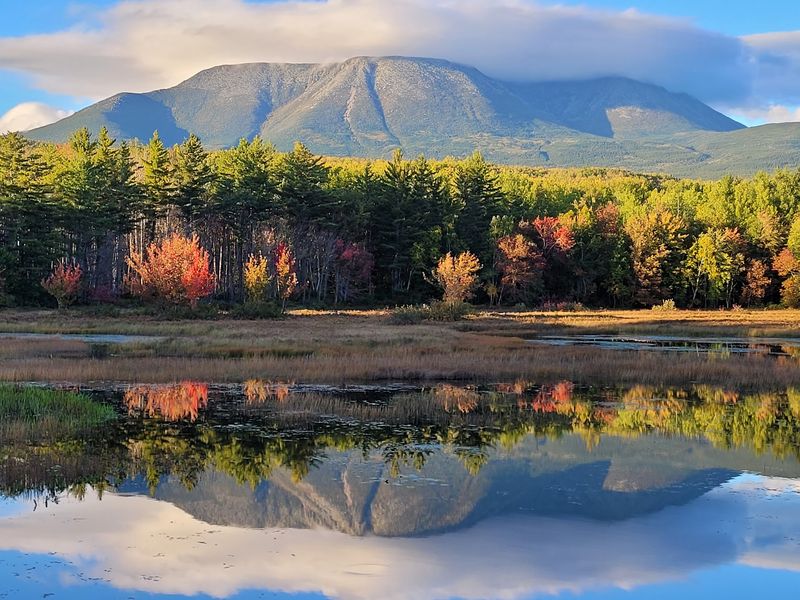
Mount Katahdin, the tallest peak in Maine, rises from the heart of this wild park. Picture it as the world’s biggest lawn ornament for your meteor-watching session.
Baxter State Park is famous for staying rugged on purpose. Its mountains, endless forests, and remote ponds make it one of the wildest stretches of land in the Northeast.
Remote land usually means dark sky. With no towns crowding the park, the glow that ruins city stargazing has little chance to creep in.
Ponds here open up the view nicely. Water reflects starlight, and a wide shoreline gives you a big slice of sky to scan for those speedy Leonid streaks.
Timing takes some homework in November. Listed hours run 8 AM to 4 PM, and late-fall access depends on park rules and road conditions.
Before you go, check with the park about gate times, camping, and what’s open. Rules here are strict for good reason, and the rangers protect the wilderness feel.
Daylight visits still pay off. The trails range from easy strolls to tough climbs, and moose sightings are a regular part of the scenery.
Dogs are allowed in some situations, and there are picnic tables and public restrooms. The parking lot is paid, so plan for that too.
Bring warm boots, a thermos, and patience. Leonids come in bursts, so the sky might go quiet for ten minutes and then surprise you twice in a row.
3. AMC Gorman Chairback Lodge & Cabins
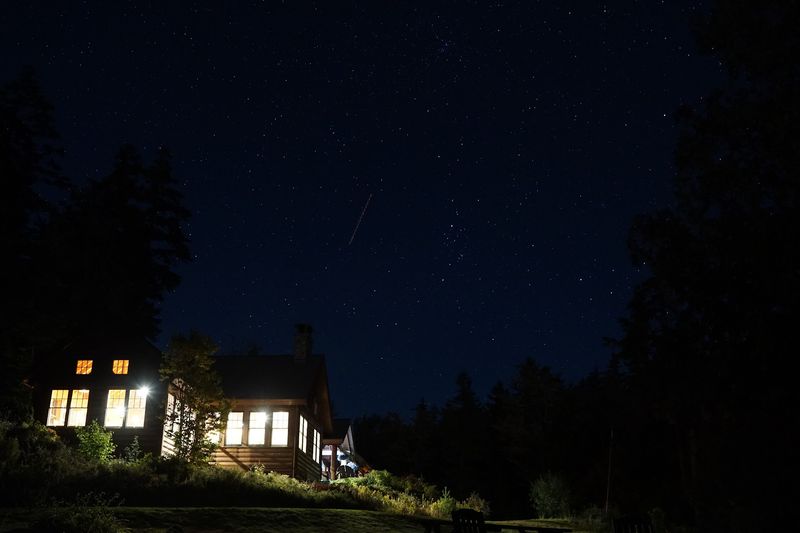
New England has exactly one International Dark Sky Park, and these lakeside cabins sit right inside it. Bragging rights don’t get much more official than that.
The Appalachian Mountain Club earned that title in 2021 for its Maine Woods property. The land covers about 75,000 acres within the famous 100-Mile Wilderness.
Gorman Chairback gives you a roof, a bed, and a front-row seat. The rustic cabins line the edge of a lake, and the sunsets drop right over the water.
Once the sun is gone, that same lake turns into a giant, open window to the sky. No buildings or streetlights block the horizon out here.
Meals come included with lodging, which feels like a small miracle this deep in the woods. A full belly also makes those cold, late meteor hours easier to handle.
The friendly crew, nicknamed the croo, helps keep things running. During the day, you’ll find tons of trails to explore around the lake and forest.
The wider dark sky park has more than 200 miles of trails that are free to use. Cell service in the area is limited, so download maps before you arrive.
Lodging seasons can change, so confirm November availability before planning your Leonid trip. If the dates line up, you get a warm bed after the show instead of a long drive home.
Honestly, that combo sounds hard to beat.
4. Height of Land
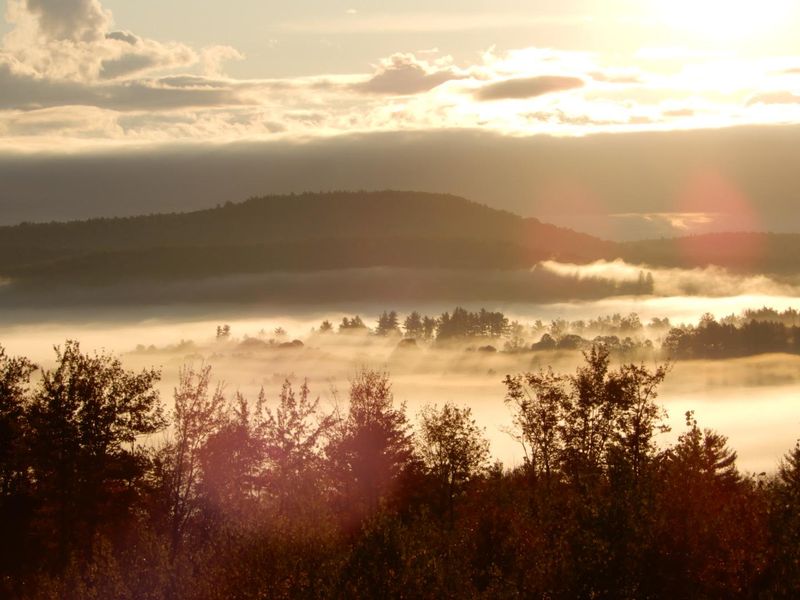
Few roadside pull-offs earn a Bortle Class 2 rating, which means the sky above is very dark. This one does, and you can practically park next to the view.
Height of Land sits along Route 17 in Roxbury, part of the Rangeley Lakes Scenic Byway. By day, it looks out over sweeping lakes, deep forests, and rolling mountains.
The overlook stays open 24 hours, which is perfect for night owls. You won’t need a long hike or a ranger permit to settle down and watch the sky.
Free parking makes the setup even easier. Pull in, turn off your headlights, and give your eyes time to adjust to the darkness.
Here’s a fun bonus. The Appalachian Trail crosses near this spot, so you’re stargazing beside one of the most famous footpaths in America.
Recent improvements have made the overlook nicer to visit. Fog sometimes fills the valleys below like cotton balls, which looks amazing at sunrise if you stay late.
November nights in the western mountains get cold fast, and the wind can bite. Bring blankets, gloves, and a camp chair so you can tilt your head back comfortably.
The Leonids appear to come from the constellation Leo, which rises later at night. Your best viewing usually happens after midnight, closer to dawn.
Quiet nights here are common, especially midweek. You might have the whole sky almost to yourself.
5. Cobscook Bay State Park
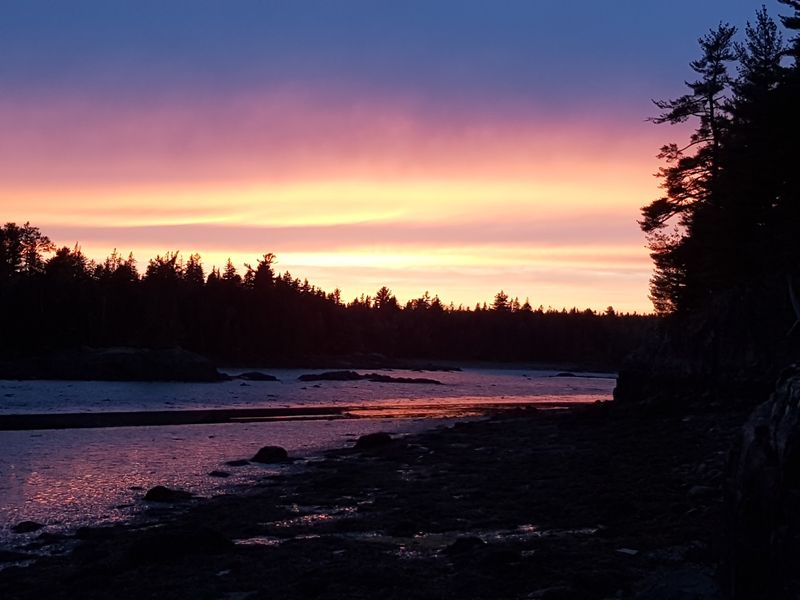
Water wraps this park on three sides, so the horizon feels huge. Down East Maine rarely gets darker, with a Bortle Class 2 rating to prove it.
Cobscook Bay State Park sits along quiet tidal coves near the far eastern edge of the country. Light pollution is minimal, and the night sounds are mostly wind, water, and wildlife.
The park stays open year-round for day use, with listed hours of 8 AM to 9 PM. Check current rules before planning a late-night visit in November.
Campers get the best deal when the season allows. More than 100 campsites spread across the park, and many sit right above the water.
Those bayside sites offer views of both sunrise and sunset over the tidal flats. For meteor watchers, that wide-open water means fewer trees in the way.
Birders, take note. Over 200 bird species have been recorded here, and the area is known for a high number of bald eagles.
Hot showers and clean restrooms make camp life a bit easier. The hiking trails are a nice way to stretch your legs before a long night of looking up.
The tides here swing a lot, so keep track of the shoreline in the dark. Wet socks and cold air make a rough team.
Pack a thermos of hot cocoa and settle in. A shooting star over a moonlit cove is the kind of thing you’ll remember.
6. Lily Bay State Park
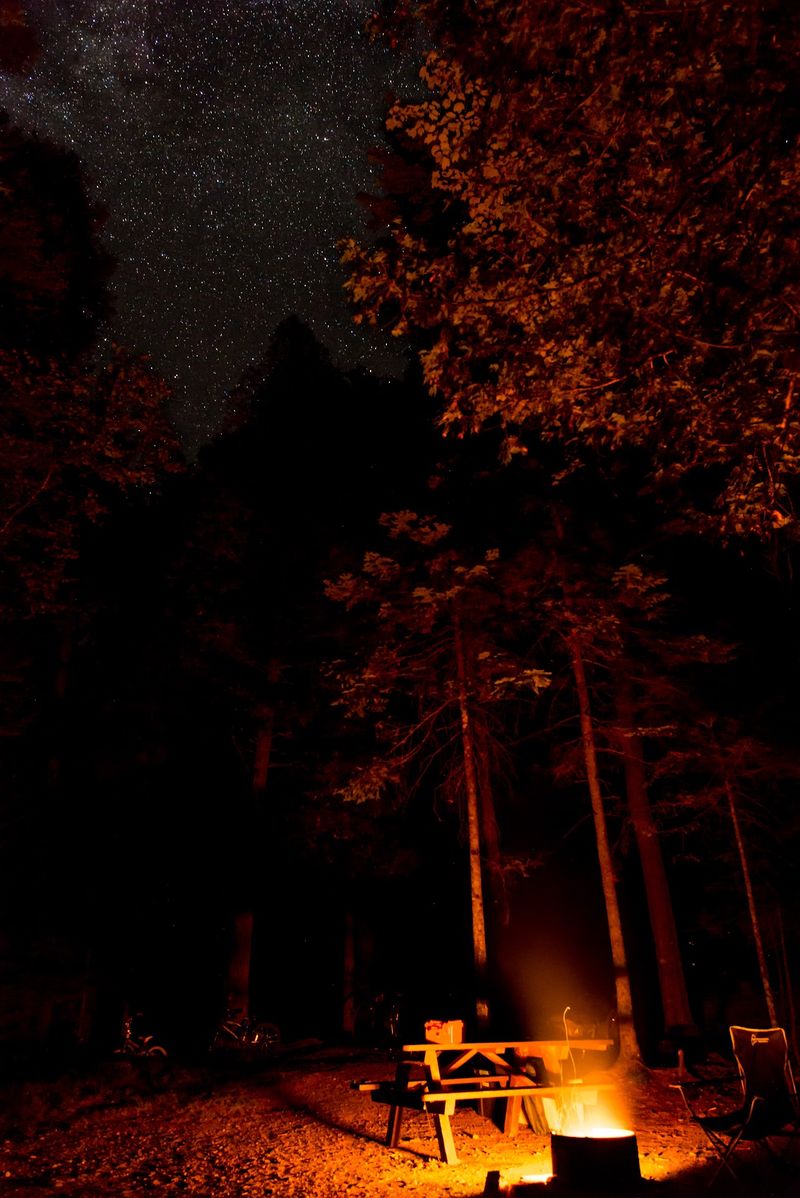
Moosehead Lake is the largest lake in Maine, and this park gets a shoreline seat. Big water means big sky, which is exactly what meteor fans want.
Lily Bay State Park sits in Beaver Cove, in a sparsely populated part of Piscataquis County. City lights are far away, so the stars get a fair chance to shine.
The park is listed as open 24 hours. That makes it easier to plan a late-night Leonid watch without racing a closing gate.
The beach is a smart place to set up. Sand and open water give you a wide view across the lake, without branches poking into your sky.
Families will find a lot to like during daylight. There’s a playground with slides and swings, plus basketball, volleyball, and picnic areas with grills.
Boat launches and kayaking spots make summer trips popular. A 2-mile biking and hiking trail also winds through the park for an easy outing.
Deer wander through the park, so keep a lookout as you walk back to the car. Your flashlight might catch a pair of curious eyes.
November along the lake can feel raw, especially with wind coming off the water. Wear a hat and bring a sleeping bag to wrap around your legs.
Kids may last only an hour, and that’s fine. Even three or four shooting stars can make a cold night feel like a win.
7. Sand Beach
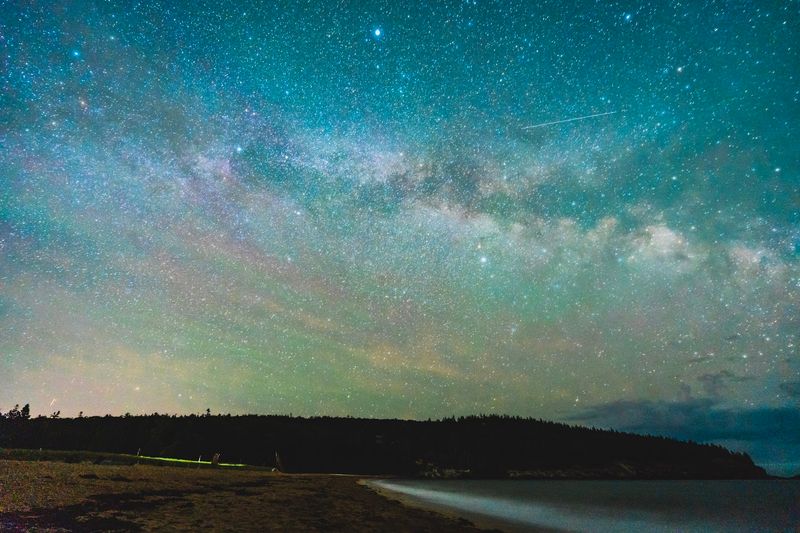
Stargazers have a habit of crowding onto this beach for the Acadia Night Sky Festival. That tells you plenty about how good the sky gets here.
Sand Beach sits inside Acadia National Park, between Great Head and Otter Cliffs. The Atlantic stretches out in front of you, with rugged granite framing both sides.
The beach is accessible 24 hours a day for night exploring. Camping and overnight parking aren’t allowed, so plan to watch and then head home.
November timing works in your favor. The park entrance pass is required from May 1 through October 31, and most of the Park Loop Road stays open until December 1.
Facing the ocean helps a lot. Open water to the east means a clear, dark horizon, and the crashing waves add a pretty great soundtrack.
Want more room? Ocean Path starts near the Sand Beach parking lot and offers wide views east, plus big sections of the northern and southern sky.
That path is rocky, so bring a comfortable seat or a thick pad. Your back will thank you after an hour of staring straight up.
The water here is famously chilly, even in summer. In November, stick to the sand and leave swimming for another season.
Dress for coastal wind and bring a red light for the walk. Then enjoy the rare combo of ocean waves and falling stars in Maine.
8. Grafton Notch State Park
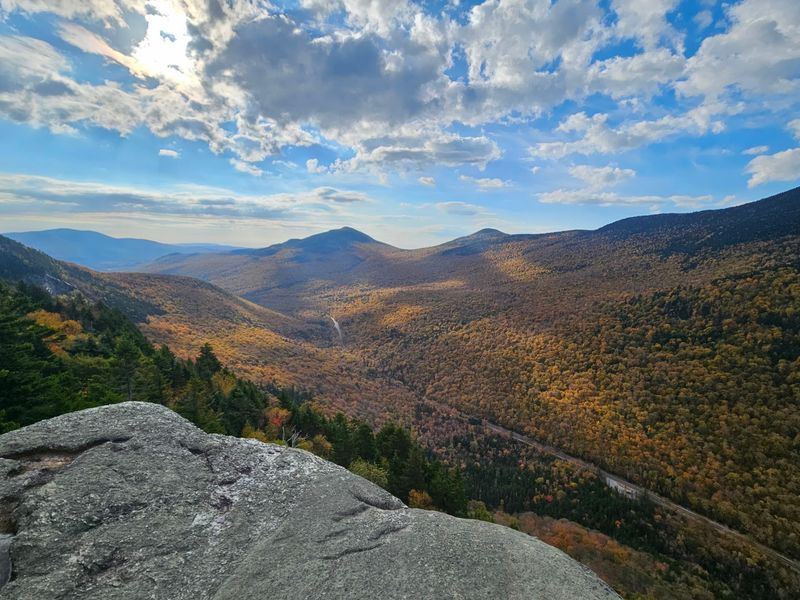
On a clear day, the fire tower on Old Speck shows off the Northern Presidentials of New Hampshire. At night, that same mountain country trades scenery for starlight.
Grafton Notch State Park sits along Route 26 in Newry, deep in the Mahoosuc Range. Steep peaks rise around the notch, and towns stay comfortably far away.
The park is listed as open 24 hours. That’s handy for Leonid watchers, since the best meteor rates often show up in the hours before dawn.
Mountains do block part of the horizon here. Pick an open area like a parking lot or picnic spot, where you can see a big chunk of sky overhead.
Daytime adventures are a big draw. Hiking trails range from short and easy to long and tough, with unique rock formations and swimming holes along the way.
A moderate hike of about two miles round trip leads to a great view of the notch. It’s a fun way to scout the landscape before night falls.
Picnic tables and grills make an early dinner easy. Public restrooms are available, and dogs are welcome too.
Wildlife sightings are common in this park, so stay alert after dark. The forest gets very quiet, and every snapped twig sounds dramatic.
Bring extra layers, since mountain air chills quickly in November. A cozy setup and a patient attitude can turn this notch into your private planetarium.