
The Little Arizona Town Museum Most People Overlook Has A Real Crystal Cave Inside
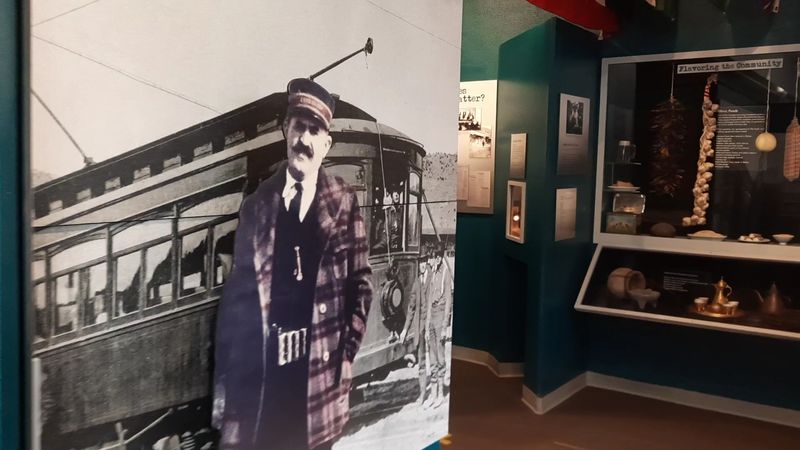
Crystals the color of a midnight swimming pool sit inside a former copper company office in southern Arizona. Right beside them, vivid green malachite looks like a prop from a fantasy movie.
Every one of those specimens came from the ground beneath the same little town. The museum holding them is a Smithsonian Affiliate, a title only about 200 museums nationwide can claim.
I love that this place hides in plain sight, right in the busiest part of town. It’s easy to roll through for the shops and quirky streets, then skip the brick building in the middle of it all.
Upstairs, you can trade sunshine for a simulated mine and a room full of rock-made treasure. I can’t imagine a better excuse to slow down for an afternoon.
So why do so many travelers wander right past it without a second look?
A Copper Town Museum That Deserves Way More Attention
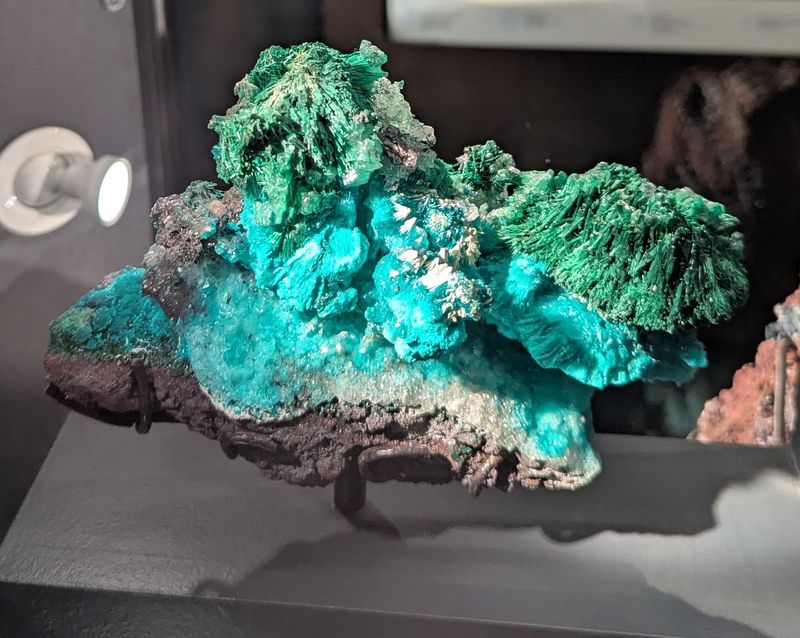
Old Bisbee wears its mining past proudly, and the town’s best storyteller sits right at its center. The Bisbee Mining & Historical Museum fills a handsome red-brick building in the heart of the historic district.
It’s a history museum with a serious geology streak. One floor covers the town and its people, while the upper floor digs into mining and minerals.
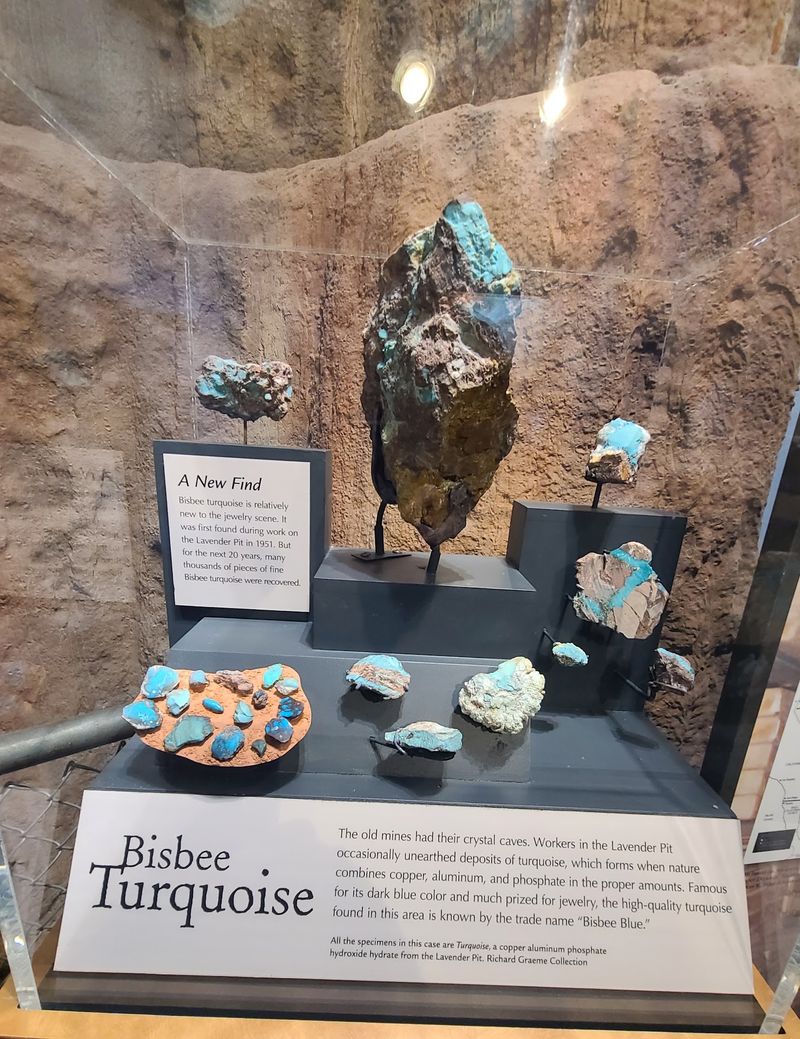
That second floor is where the crystal cave feeling kicks in. Huge blue and green specimens, all pulled from the earth under Bisbee, glow behind glass.
The museum opened its doors in 1973, so it has had decades to polish its craft. It shows, too, in the careful displays and the cohesive story they tell.
Bisbee itself sits high in the Mule Mountains of southeastern Arizona. The drive brings curves, hills, and a town that seems stacked on the canyon walls.
Plenty of travelers come for galleries, cafes, and colorful staircases. The museum quietly waits for anyone curious about how all that charm got built in the first place.
Call it the backstage pass to Bisbee. Once you’ve seen it, the whole town starts making more sense.
An 1895 Office Building With A Big Corporate Past
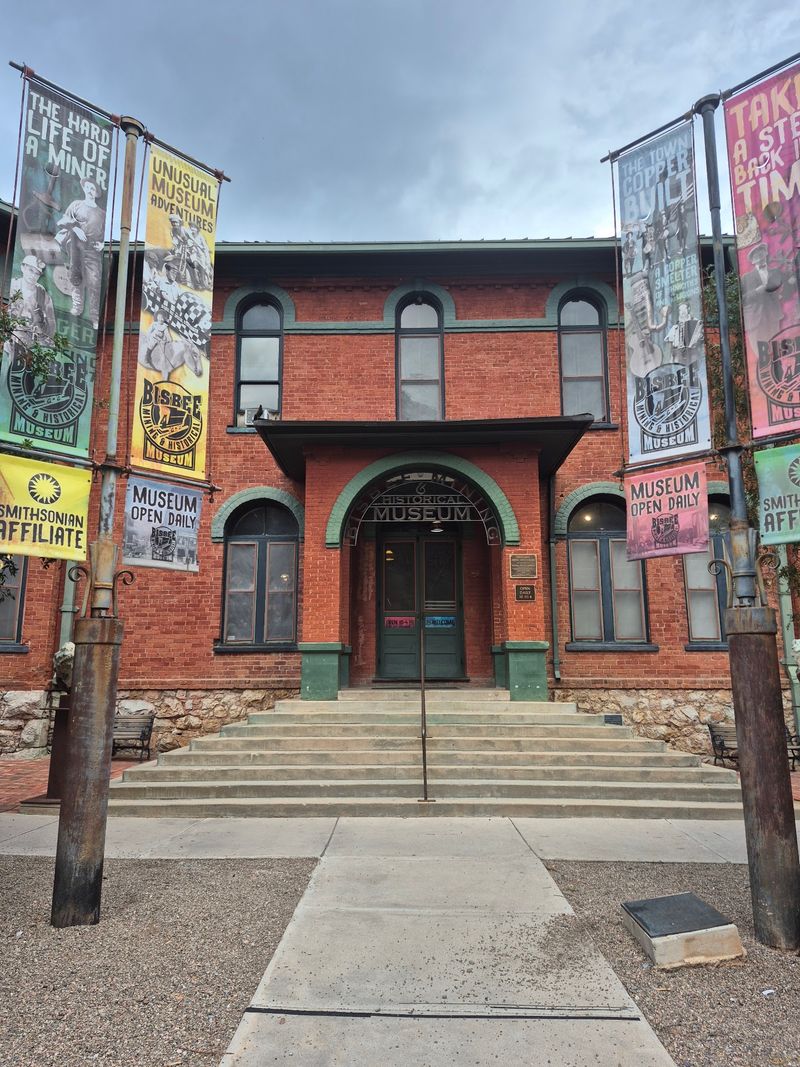
Long before visitors bought tickets here, mining executives filled these rooms with paperwork. The building went up in 1895 as the general offices for the Copper Queen Consolidated Mining Company.
Later, it became headquarters for the Phelps Dodge Corporation. That’s a lot of copper decisions made under one roof.
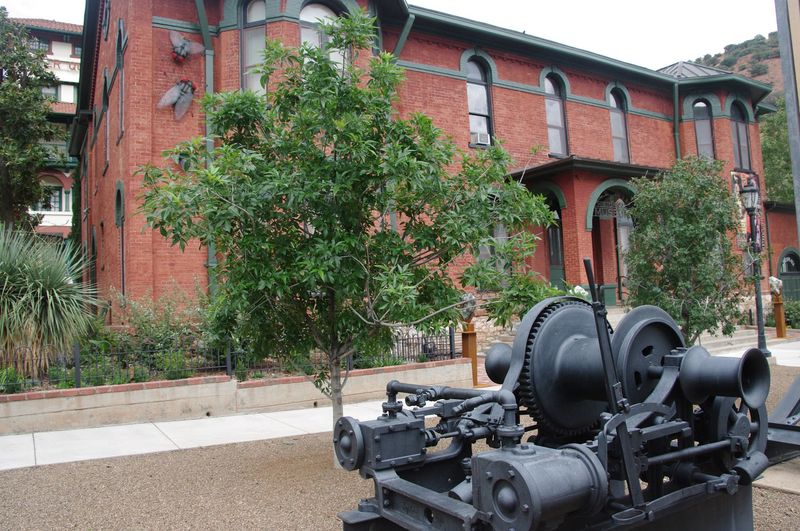
The red brick still gives the place a sturdy, old-money look. It stands out even in a town full of historic storefronts and hillside homes.
In 1971, Phelps Dodge donated the building to the city of Bisbee. The goal was simple: turn it into a museum that would keep the town’s story alive.
Two years later, in 1973, the museum officially opened. Turning a company office into a community treasure feels like a fitting plot twist.
One room inside is still original, which adds a fun layer for architecture fans. You get to see a sliver of what the working offices once felt like.
So even before you reach a single exhibit, the setting does some storytelling of its own. The walls basically double as artifacts, and they’ve earned that role.
Six Billion Pounds Of Copper Built This Mountain Town
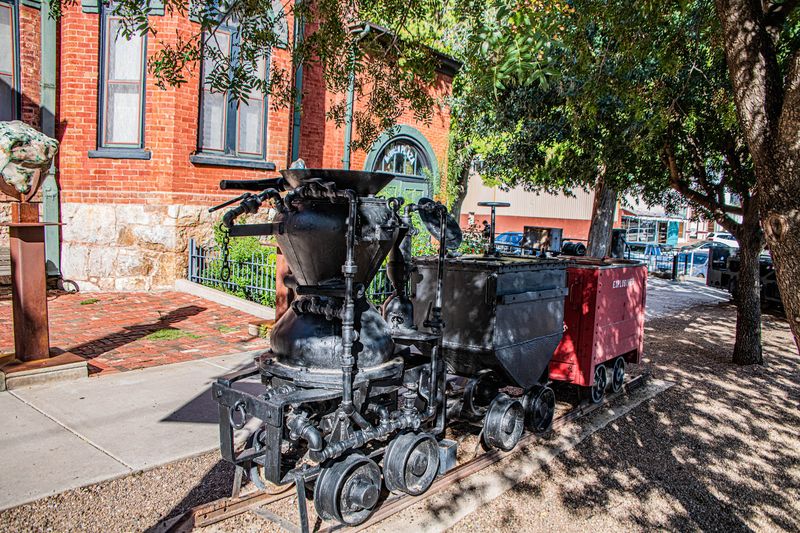
Here’s a number to chew on: the Bisbee mining district produced more than six billion pounds of copper. It also yielded serious amounts of gold, silver, lead, and zinc.
All that metal turned a rugged canyon into a booming place. By 1903, Bisbee was the largest city in the Arizona Territory.
Yes, this small town once outpaced places that are huge today. It’s a fun fact to drop on friends from Phoenix or Tucson.
The museum explains how western copper mining fed America’s growth into an industrial powerhouse. Wires, machines, and modern conveniences all needed copper, and Bisbee delivered.
The main floor walks through the town’s rise with photos, artifacts, and clear storytelling. It’s a smart first stop if you’re new to Bisbee.
Families, shopkeepers, and miners all show up in the story. The exhibits look at daily life, not just the big business side.
By the time you head upstairs, the scale of it all really lands. A little town with a giant footprint is a pretty great origin story for any Arizona road trip.
Blue And Green Crystals That Look Unreal Up Close
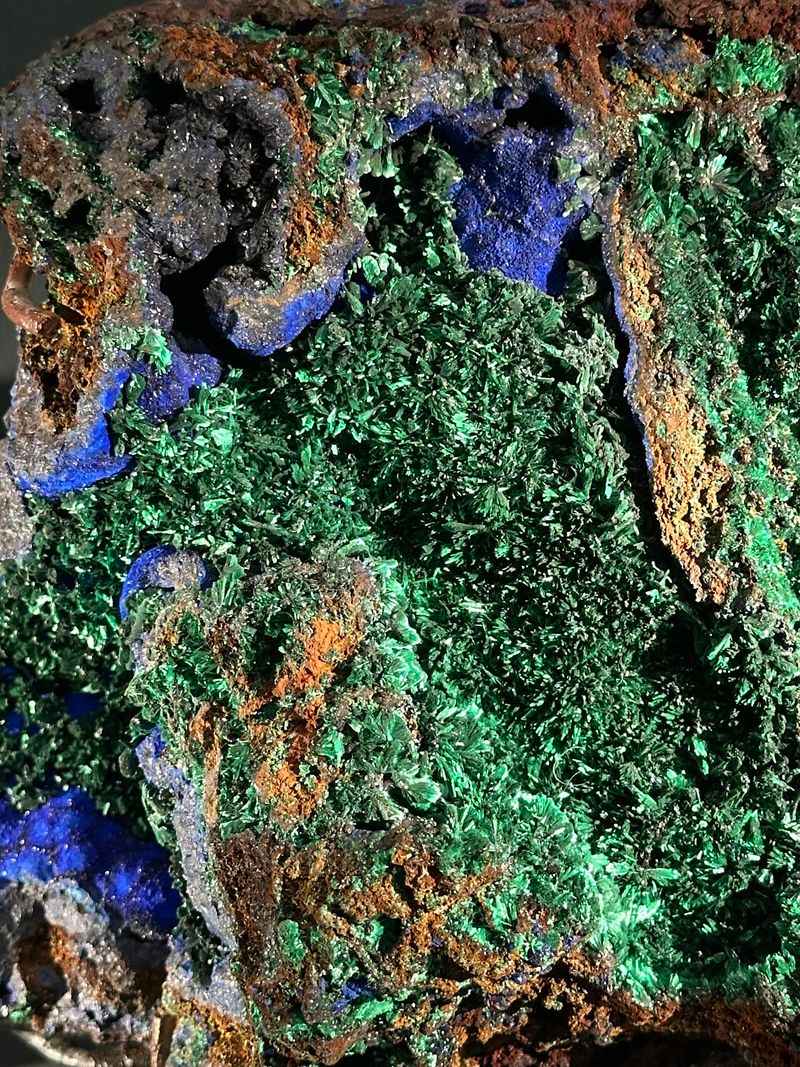
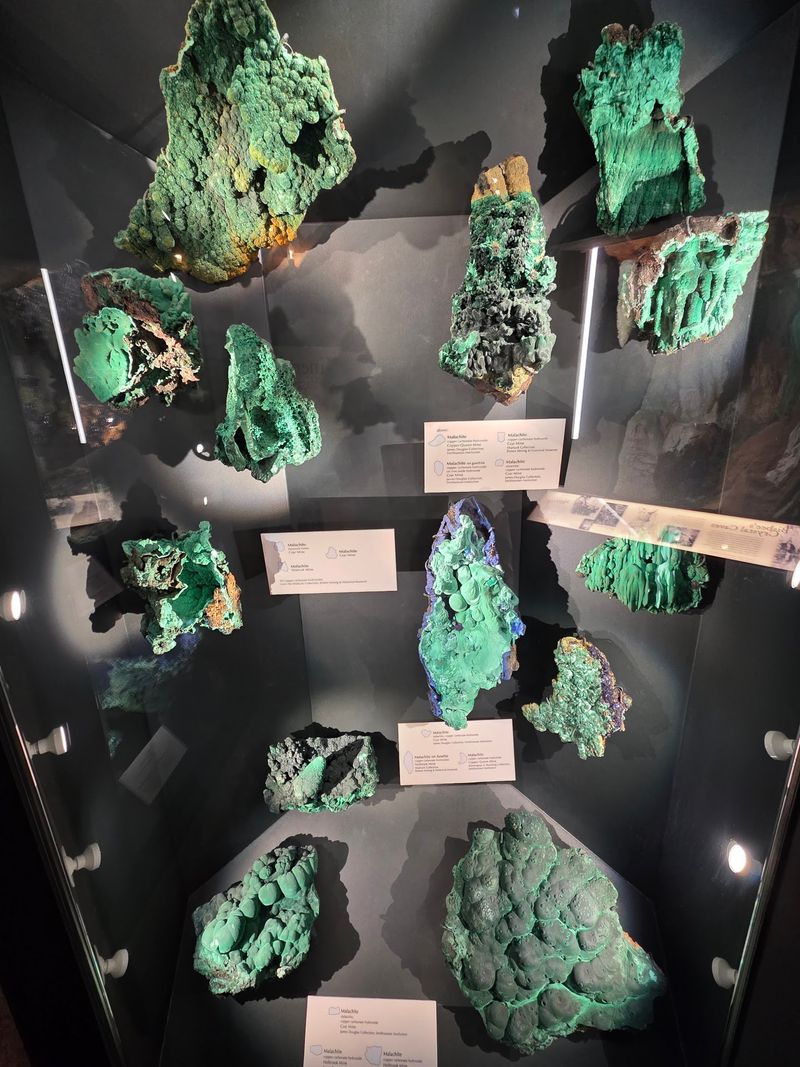
Deep blue azurite. Vivid green malachite.
Those two minerals steal the show at the Bisbee Mining & Historical Museum.
The crystal specimens came straight from the earth beneath Bisbee. They form massive, otherworldly shapes that look more alien planet than Arizona hillside.
Standing among the cases creates a true crystal cave effect. You don’t need a flashlight or a hard hat to feel like you’ve found something rare.
Copper samples, calcite, and other local minerals join the lineup too. Each case shows how much color was hiding inside these mountains.
Rock fans will lose track of time here, and that’s fair. Even casual visitors tend to slow down once the blues start glowing.
The mineral heritage exhibit, called Digging In: Bisbee’s Mineral Heritage, ties the beauty to the science. You learn what these crystals are and why Bisbee produced such striking ones.
Bring your phone fully charged. Those shades of blue practically beg for a photo, though honestly, no picture quite matches seeing them in person.
Smithsonian Credentials In The Smallest Possible Package
Only about 200 museums in the country carry the Smithsonian Affiliate title. Bisbee is the smallest town in Arizona to earn that honor.
That’s a big badge for a mountain town you can explore on foot. It also hints at the quality waiting inside.
The affiliation connects the museum to a national network of history and science institutions. For visitors, it signals thoughtful exhibits and solid research behind them.
The top-floor exhibit feels especially polished. Displays mix reading, videos, sound bites, and props, so the story never gets stale.
Interactive pieces keep hands and minds busy. It’s the kind of setup that works for curious kids and detail-loving adults alike.
I like how the Smithsonian connection doesn’t make the place feel stuffy. It still feels local, rooted in Bisbee, and proud of its own backyard.
Think national standards with small-town warmth. That combo is rare, and it’s a big reason this stop punches far above its size on any southeastern Arizona itinerary.
Your Ticket Underground Without Leaving The Building
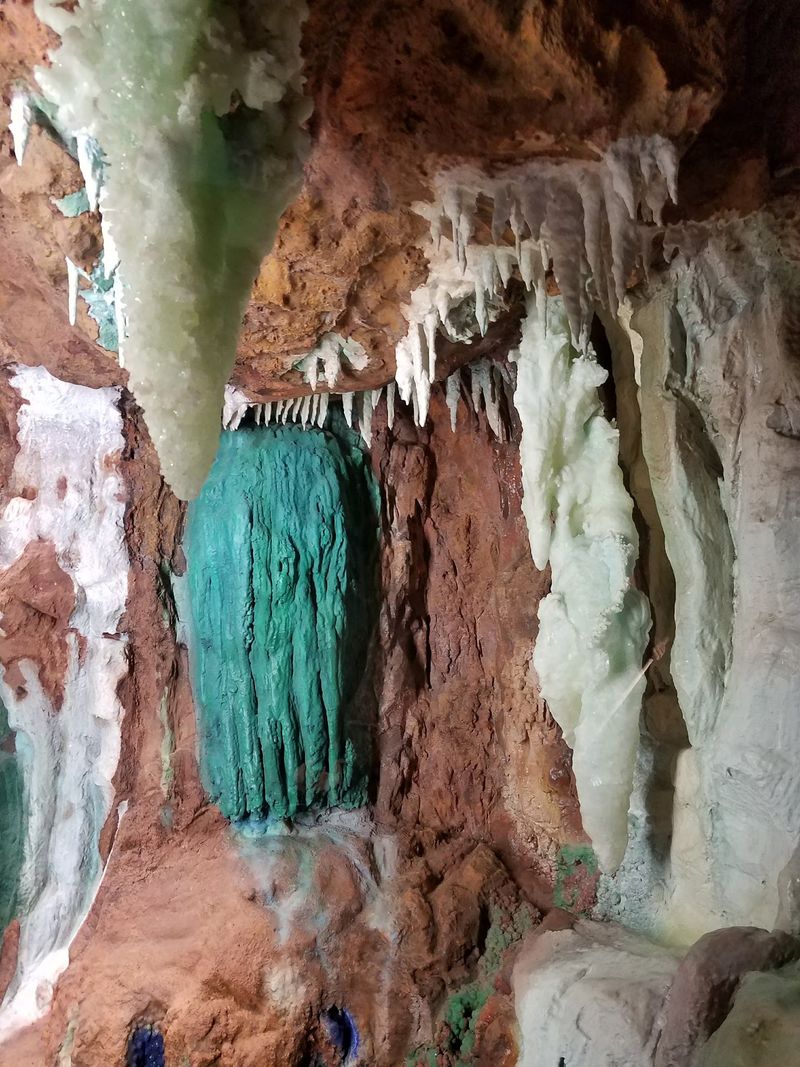
Ever wondered what a miner’s shift felt like? The museum’s simulated underground mine gives you a taste without the long climb down.
You enter through a change house, the spot where miners swapped street clothes for work gear. It’s a clever doorway into their world.
Inside, the setting shifts to tunnel-like surroundings. Suddenly the polished office building feels very far away.
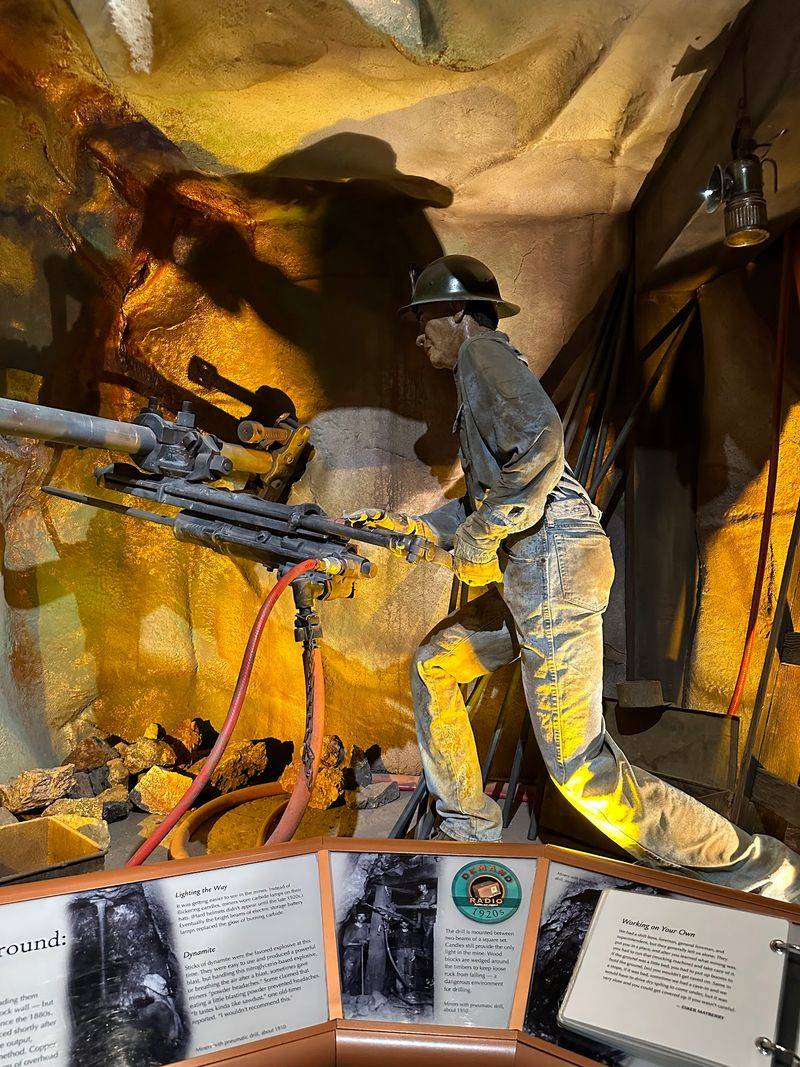
A life-size diorama shows a miner hard at work. Seeing the scale of the tools and the tight space really brings the job into focus.
The exhibits also cover mining safety and how techniques changed over time. You watch the progression from hand tools to bigger, smarter methods.
Kids usually find this part the most exciting, and grown-ups aren’t far behind. It’s immersive in a way plaques alone never manage.
Best of all, the temperature stays comfortable year-round. On a scorching summer day, an indoor mine is about as appealing as Arizona sightseeing gets.
A Century Of Hard Work Told Through Real Lives
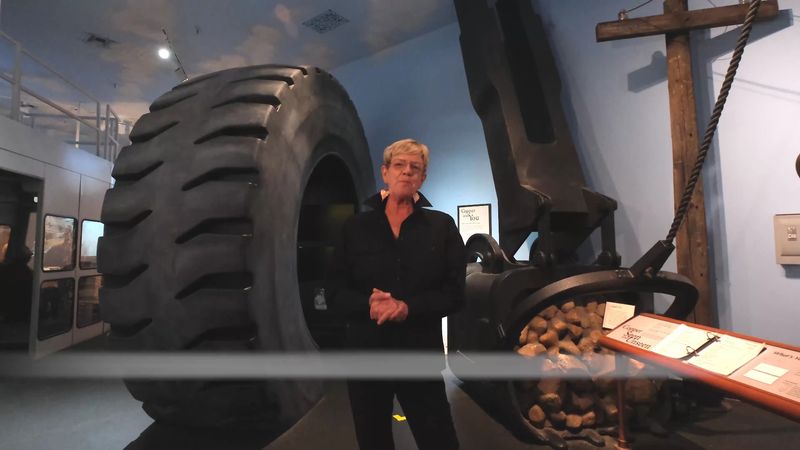
Picks, lamps, and lunch pails tell stories that textbooks often skip. The exhibit Bisbee: 100 Years of Mining puts those objects front and center.
It covers the tools miners used and the risks they faced. It also looks at the social structures that shaped life in a company town.
Families get plenty of attention here. You see how wives, kids, and neighbors kept daily life humming while the mines ran.
The photos and artifacts feel personal rather than distant. Little stories pop up throughout, giving names and faces to the history.
Careful organization keeps the experience easy to follow. One room flows into the next like chapters in a good book.
Plan on roughly one to two hours, depending on how much you love to read. Speed readers might finish sooner, though the details tend to pull you back in.
It’s thoughtful without being heavy. You walk away appreciating the grit it took to build a town in these rugged Mule Mountains.
An Honest Look At The Bisbee Deportation Of 1917
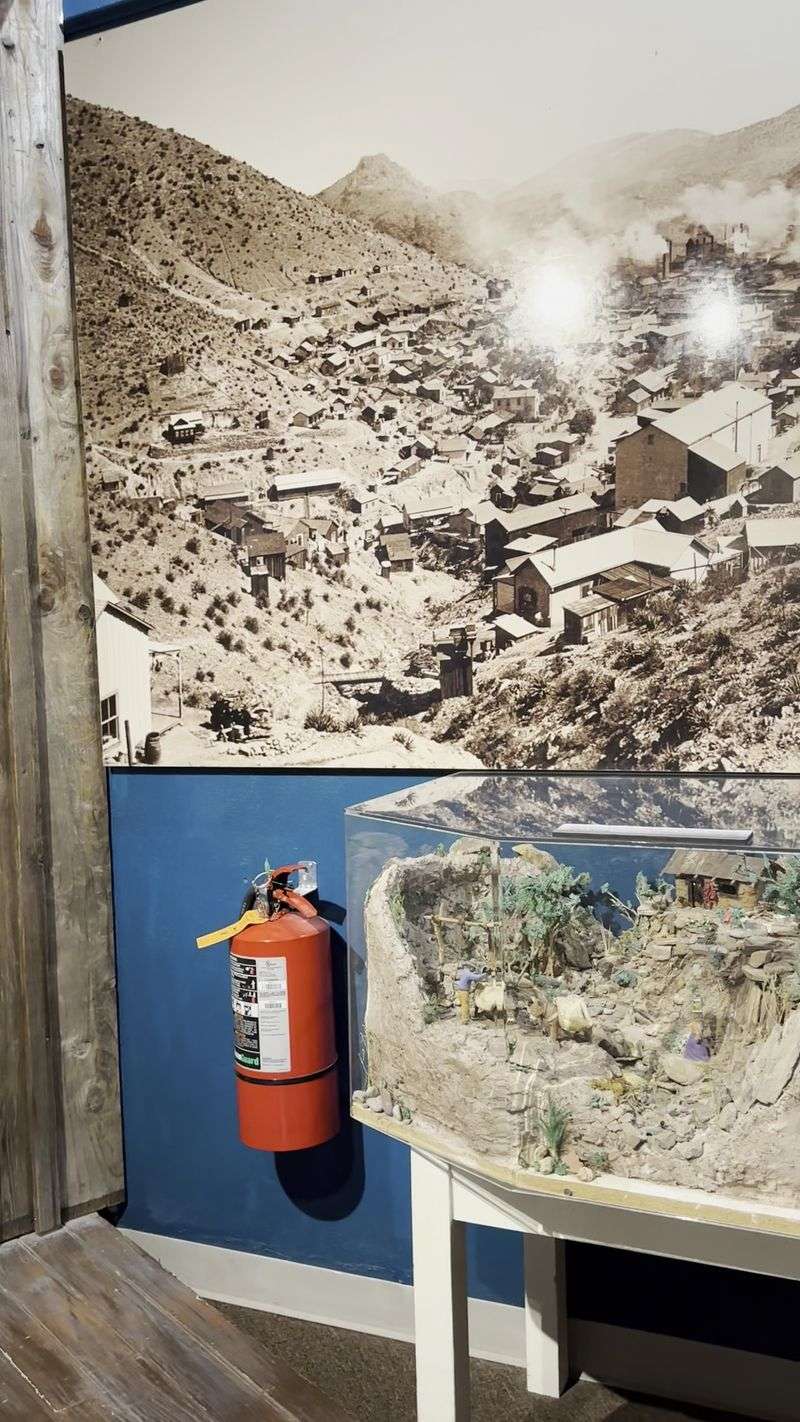
Not every chapter of Bisbee’s story is shiny. The museum openly addresses the Bisbee Deportation of 1917, a troubling moment in Arizona history.
That choice matters. Plenty of small museums gloss over hard topics, but this one gives visitors the full picture.
The event grew out of labor tensions in the mining industry. Understanding it helps explain the complicated relationship between workers and the powerful companies they served.
Covering it alongside the copper boom creates a more balanced story. Prosperity and struggle shared the same streets, and the exhibits reflect that.
Older kids and teens can learn a lot here. It’s a strong conversation starter about fairness, work, and community.
I believe this section is part of what makes the museum feel trustworthy. Honest history tends to stick with people longer than a tidy highlight reel.
Give yourself a few extra minutes in this area. It adds real depth to everything else you see, from the crystal displays to the miner dioramas upstairs.
Archives That Help Families Find Their Roots
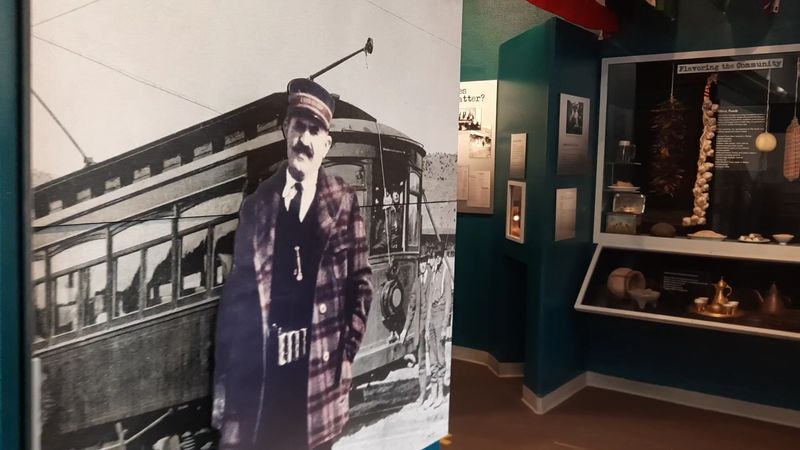
Family tree hunters, take note. The museum keeps research archives packed with primary source documents.
Mining claims, property records, and police reports all live in the collection. That’s gold for genealogists, historians, and anyone curious about old Bisbee.
The Shattuck Memorial Research Library is also housed here. It adds even more depth for serious researchers.
Plenty of people trace relatives who once worked or lived in this mining town. Finding a great-grandparent’s name in an original record can be surprisingly emotional.
Writers and students can benefit too. Real documents offer details you simply won’t find in a summary.
The archives are vast, and knowledgeable staff help keep things moving. It’s a quieter side of the museum, but an important one.
If research is your main goal, plan ahead before making the drive. A little preparation can save you time and make the visit more rewarding.
Even if you’re just browsing exhibits, it’s nice knowing this treasure trove sits behind the scenes.
Rocks, Books, And Souvenirs Worth Carrying Home
Good luck leaving empty-handed. The gift shop stocks local mineral specimens, so a little piece of Bisbee can ride home with you.
Locally authored books fill the shelves too. They’re perfect for stretching the story beyond your visit.
Jewelry shows up in the mix, adding a bit of sparkle. Rock lovers and gift shoppers can both find something here.
After seeing those giant azurite crystals, a small specimen feels like the right souvenir. It’s a pocket-size reminder of the crystal cave upstairs.
Books make a smart pick for history buffs. Grab one on the mining era and you’ll have a fun read for the drive back to Tucson or Phoenix.
Kids often gravitate toward the rocks, naturally. Few things beat a shiny stone after an afternoon of mining stories.
Shopping here also supports the museum itself. That makes your souvenir feel even better, since it helps keep these exhibits going for future visitors.
A Calm Indoor Escape For Curious Minds Of Every Age
Bisbee’s streets can buzz on weekends. Inside the museum, the pace slows to something calmer and easier.
It makes a great break from busier tourist spots. You get air, quiet, and plenty to look at.
History buffs will feel right at home. Rock hounds might never want to leave the mineral rooms.
Families have lots to work with as well. Interactive exhibits, videos, and the simulated mine help keep younger visitors engaged.
Children under 10 get in free with an adult. That makes it a budget-friendly stop for families exploring southeastern Arizona.
Friendly volunteers and docents add a welcoming touch. Questions are encouraged, and answers often come with fun local tidbits.
Retirees and road-trippers will appreciate the manageable size. You can see it all comfortably in an afternoon without feeling rushed or worn out.
And on a blazing summer day or a chilly winter one, an indoor adventure just makes sense.
Hours, Admission, And How To Find The Front Door
Planning is refreshingly simple. The museum opens daily from 10 a.m. to 4 p.m.
It closes on Thanksgiving, Christmas, and New Year’s Day. Every other day, the crystals are ready for company.
You’ll find it at 5 Copper Queen Plaza, Bisbee, AZ 85603. It sits right in the heart of Old Bisbee’s historic district, near the start of Main Street.
Admission is modest for a Smithsonian Affiliate. Seniors 60 and up, veterans, and active military get a small discount.
Kids under 10 enter free with an accompanying adult. Prices can change, so it’s smart to check before heading out.
Bisbee sits about a 90-minute drive southeast of Tucson. From Phoenix, plan on a longer day trip or an overnight stay.
Arriving earlier in the day gives you more time to linger. With a 4 p.m. close, late starts can cut the mineral rooms short.
Weekdays tend to be calmer in town. If you can swing a midweek visit, it’s a nice bonus.
Pair It With A Mine Tour For The Perfect Bisbee Day
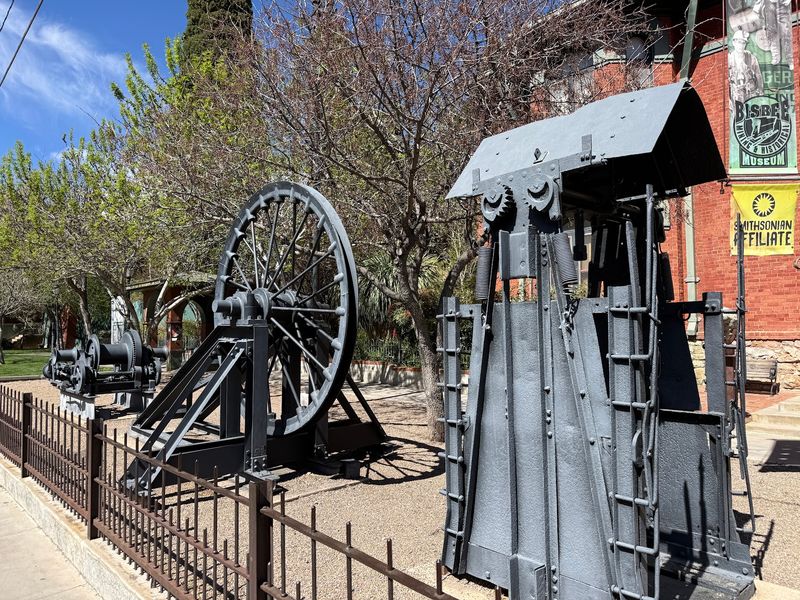
One stop is good, but two is even better. The Copper Queen Mine Tour makes a natural partner to the museum.
On that tour, you head underground into a real historic copper mine. Afterward, the museum fills in the bigger story around what you just saw.
Some folks flip the order and start at the museum. Either way, the combo turns a day trip into something memorable.
The Lavender Pit is worth a look too. Its scale helps you grasp just how much rock came out of these mountains.
Bisbee’s art galleries, shops, and restaurants round out the afternoon. Wander a bit and you’ll spot creativity on nearly every corner.
Evening brings options like Old Bisbee Ghost Tours for anyone craving a spooky twist. It’s a playful way to end a history-heavy day.
So is the Bisbee Mining & Historical Museum worth the drive? I’d say absolutely, especially for anyone who loves Arizona history with a sparkle.
Those blue crystals alone make a strong case.