
You Can Visit Maine’s Most Famous National Park For Free On Veterans Day 2026
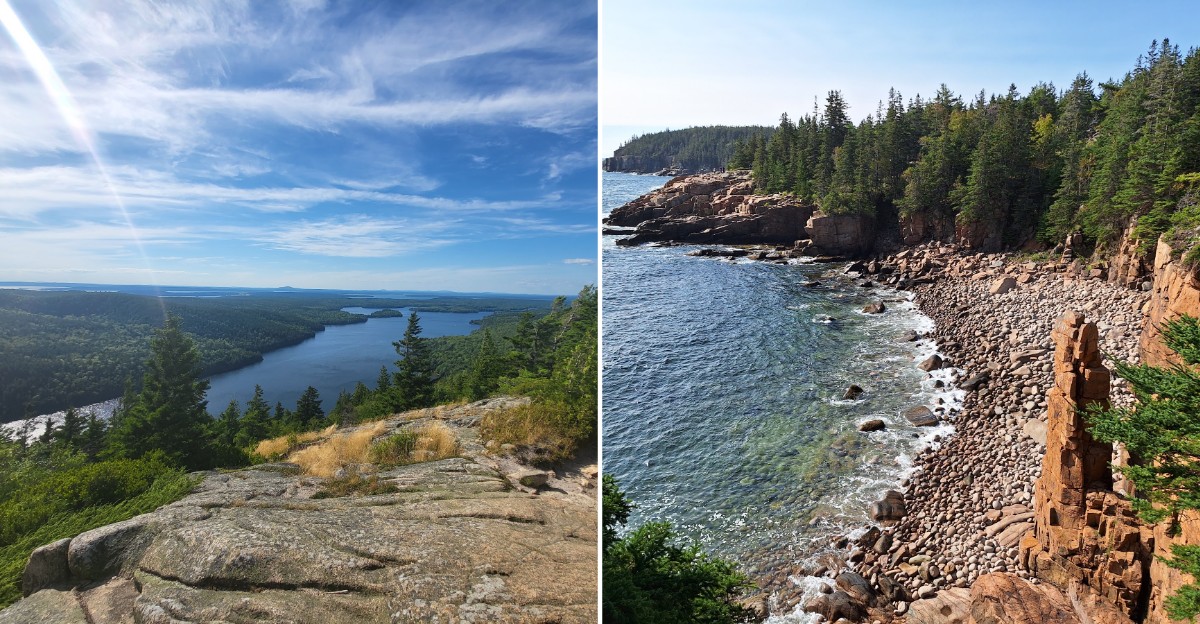
From October through March, one granite summit here ranks among the first places in the United States to catch the sunrise. On Wednesday, November 11, 2026, U.S. citizens and residents can drive up and see it without paying an entrance fee.
That summit is the highest point along the entire U.S. Atlantic coast. Below it sit roaring sea inlets, a rare sandy beach, and stone bridges built nearly a century ago.
I like how a free day lands in quiet November, after the summer reservation season ends. The road to the top won’t need a timed ticket that week, which feels like a small Maine miracle.
I can’t imagine a better way to thank veterans than an open gate to the ocean. So which view will you chase first?
Your Wallet Gets The Day Off On November 11
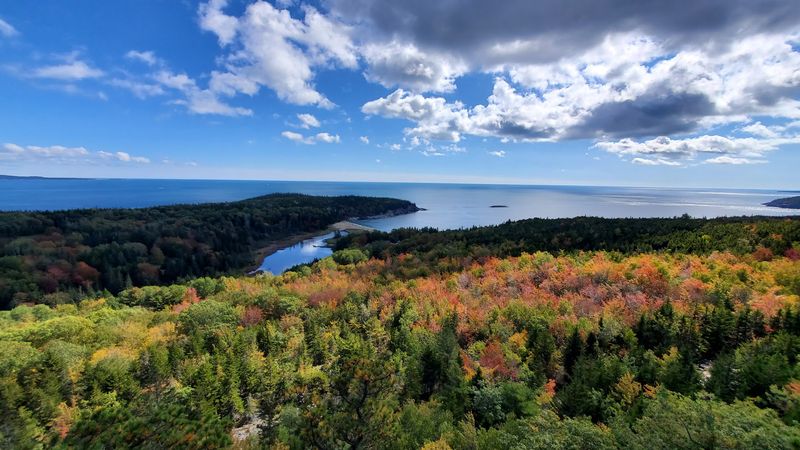
Mark your calendar for Wednesday, November 11, 2026. Every National Park Service site that normally charges admission waives its entrance fee on Veterans Day.
Acadia National Park is part of that list, and it stays open year-round. The park normally charges a 7-day pass per private vehicle, so skipping that cost feels like a nice bonus.
There’s some fine print, though. The free entry applies to U.S. citizens and residents.
Visitors from other countries aged 16 and over still pay the regular fee plus a nonresident surcharge.
Other costs stay separate from entrance fees. Camping, tours, and reservation fees can still apply on fee-free days, so check before you pack the cooler.
The good news is that Cadillac Summit Road reservations only run from May 20 through October 25, 2026. By mid-November, that requirement is out of the picture, and you can head up without a timed ticket.
I believe the timing is clever. Summer crowds are long gone, the air turns crisp, and Maine’s coast feels like it belongs to you.
Just dress in warm layers, because November near the ocean doesn’t mess around.
Catch One Of The Country’s Earliest Sunrises From Cadillac Mountain
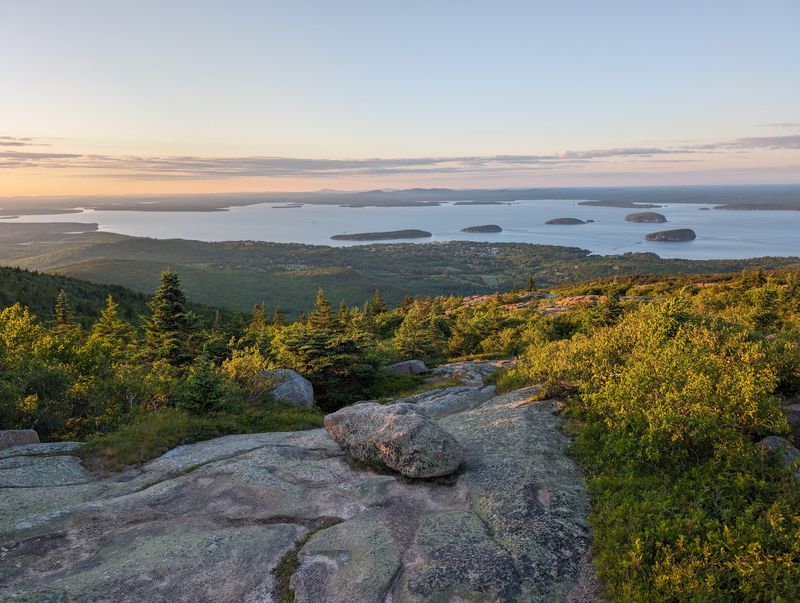
Early birds, this one is for you. From October through March, Cadillac Mountain is known as one of the first places in the United States to see the sunrise.
The summit is also the highest point along the U.S. Atlantic coast.
That combo makes it the park’s most famous viewpoint, and November puts you right in the sunrise window.
Here’s a timing note worth remembering. Most of the Park Loop Road, including the summit road, closes seasonally from December 1 to April 14.
Veterans Day falls before that closure, so the drive should still be open in 2026. Conditions can change with weather, though, so a quick check with the park before you go is smart.
The panoramic views stretch across islands, forests, and open ocean. On a clear morning, the colors can turn the whole horizon into a show.
Bring a thermos of something hot and a warm hat. Mountaintop wind in November has strong opinions about your ears.
Gloves also help when you want to snap photos without your fingers going numb.
A Loop Road That Strings Together The Greatest Hits
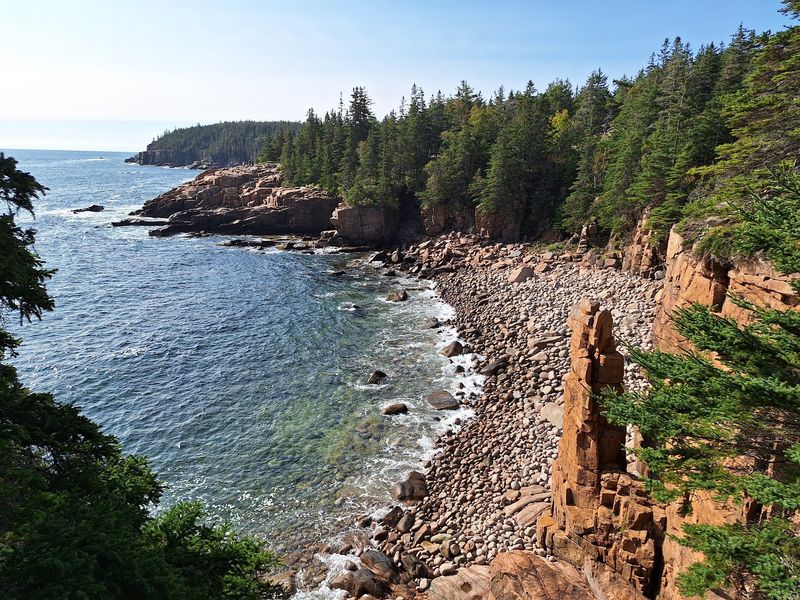
Twenty-seven miles of scenic road tie much of Mount Desert Island’s best scenery together. The Park Loop Road reaches Sieur de Monts, Sand Beach, Thunder Hole, Otter Cliffs, and Jordan Pond.
That’s a lot of postcard material for one drive. You can pull over, stretch your legs, and keep moving at your own pace.
Season matters here. Most of the road closes from December 1 to April 14, so November 11 gives you a chance to enjoy it before winter shuts the gate.
Two short sections stay open all year. You can reach them through Schooner Head Road, which connects to Ocean Drive, and through Jordan Pond Road.
Otter Cliffs is a favorite stop for big ocean views. The granite edge drops toward the water, and the waves keep things lively below.
Plan your route so you’re not doubling back too much. Starting early also gives you more daylight, which runs short in Maine this time of year.
A full tank of gas and some snacks will keep the whole crew happy between overlooks.
Listen Closely, Because The Ocean Here Actually Booms
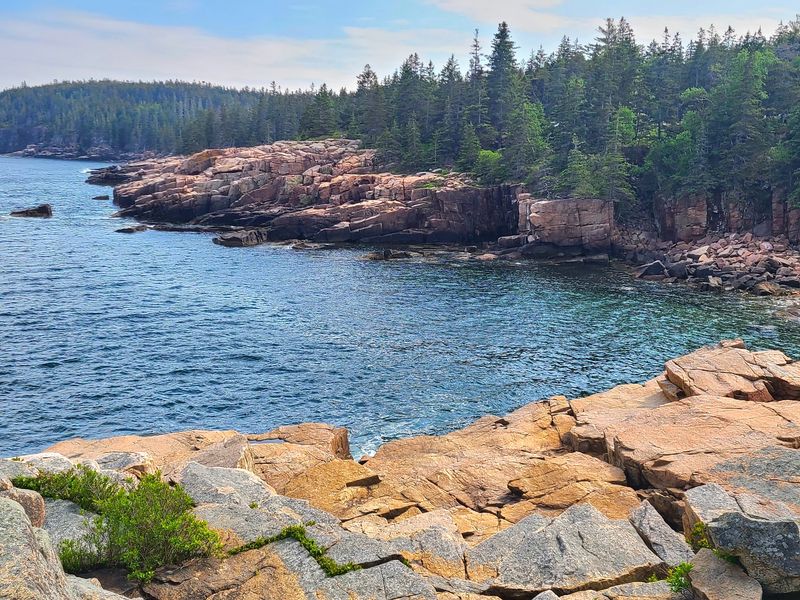
Nature named this spot, and honestly, it nailed it. Thunder Hole is a narrow inlet where waves rush in and create a deep, thunder-like sound and a burst of spray.
Timing makes a real difference. The show is usually best around mid-tide, so checking a tide chart before you visit is a smart move.
Just down the coast sits Sand Beach, a rare stretch of sand along Acadia’s famously rocky shoreline. In summer, people swim there, though November is more of a stroll-and-admire season.
The two spots sit close together on the Park Loop Road. That makes them an easy pairing for families with short attention spans.
Stay behind railings and keep a safe distance from wet rocks. Waves along this coast are powerful, and the granite gets slippery fast.
Kids usually love the sound effects most. Waiting for the next big boom turns into a surprisingly fun game, and nobody even needs a screen.
Bring a light rain jacket if you plan to stand close, since that spray loves to share itself.
Rockefeller’s Gravel Roads Still Make Biking Feel Fancy
Some people buy fancy cars. John D.
Rockefeller, Jr. financed miles of gravel carriage roads instead, and we’re still enjoying them today.
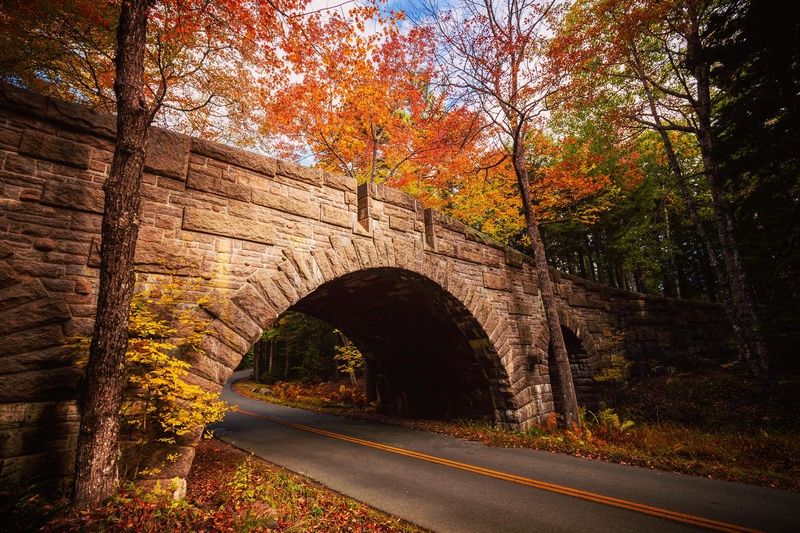
Acadia National Park has about 45 miles of these historic roads. They wind through forests and past lakes, with no cars allowed to spoil the peace.
The stone bridges are the real stars. Sixteen unique bridges dot the carriage roads, each built with craftsmanship you rarely see anymore.
Rockefeller’s work spanned from 1913 to 1940. He also helped acquire and donate about 11,000 acres for the park, which is a pretty generous gift.
Today, the roads welcome hikers, bicyclists, and horseback riders. The smooth, wide surface makes them friendly for beginners and families who aren’t ready for steep trails.
November is a quieter time to explore them. Fewer riders means more room to pedal, pause, and admire the stonework without dodging traffic.
Pack water and a snack, since services are limited in the off-season. Your legs might complain, but the scenery should win the argument pretty quickly.
Trails For Every Kind Of Hiker, From Strollers To Climbers
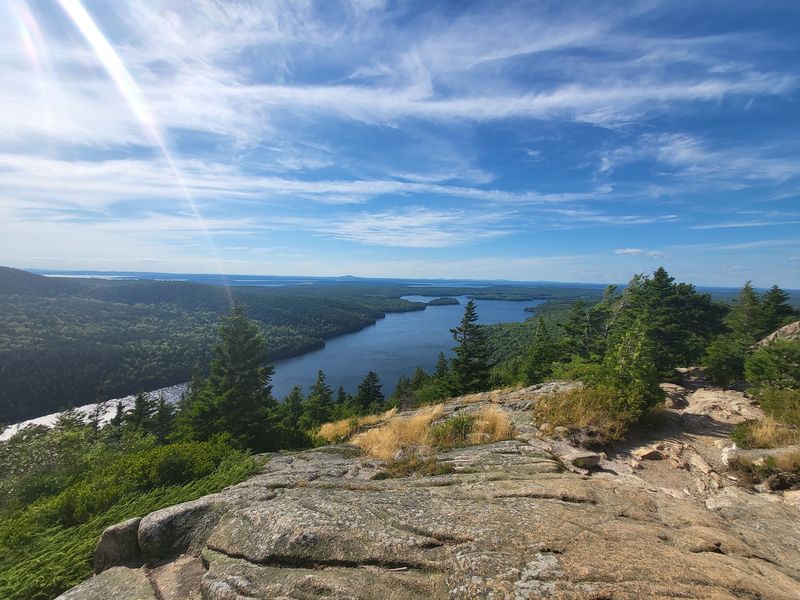
Count them up and you’ll find somewhere between 120 and 158 miles of hiking trails. That range covers everything from easy lakeside walks to steep, rocky climbs.
The Beehive Trail is one of the park’s best-known routes. It uses iron rungs and ladders for the climb, so it’s best for confident hikers who don’t mind heights.
Prefer a gentler path? The Ocean Path follows the coast from Sand Beach toward Otter Cliffs, with views nearly the whole way.
The Jordan Pond area is another great choice for relaxed walking. Mountains frame the water, and the scene feels calm and wide open.
November brings shorter days and cooler air. Start early so you finish before dark, and remember that rocky trails can turn slick from frost or rain.
Good footwear matters more than fancy gear here. Sturdy shoes with grip will serve you better than any trendy jacket.
Choose a trail that fits your group’s energy, not your social media goals. The best hike is the one everyone actually finishes smiling.
The Quieter Side Of The Park Lives Across The Bay
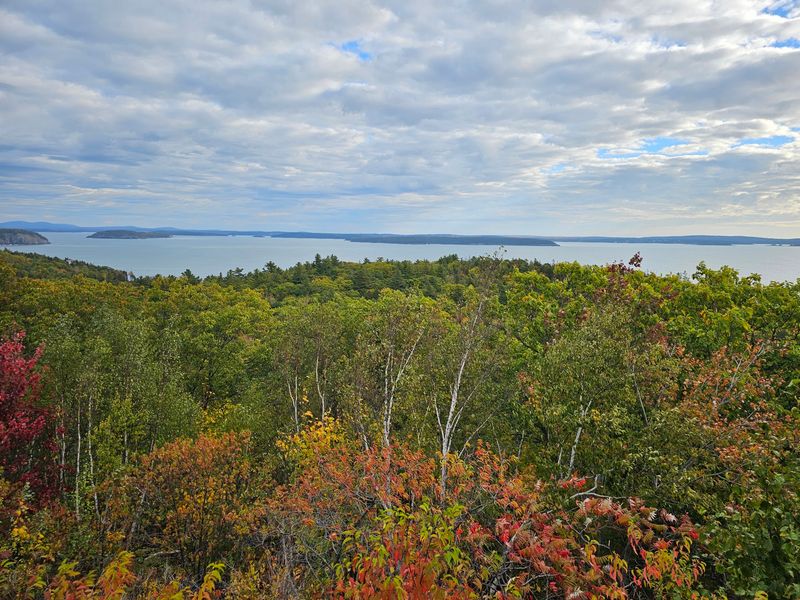
Most visitors stick to Mount Desert Island. That leaves the Schoodic Peninsula as a calmer slice of Acadia National Park for anyone willing to drive a little farther.
Schoodic offers different coastal views and a less-crowded feel. An 6 mile one-way loop road makes it easy to explore by car or bike.
Schoodic Point is a popular stop along the way. Waves slam into the granite shoreline there, and the open ocean views feel huge.
Back on Mount Desert Island, Bass Harbor Head Light Station sits on the southwestern side. The historic lighthouse adds a classic Maine touch to any road trip.
Pairing these two spots makes a great second-half plan. You’ll see a side of the coast many first-timers skip.
Fall travel along Maine’s coast can feel peaceful and slow-paced. Keep an eye on the clock, though, because November sunsets arrive early.
A paper map is handy here too. Cell service can be spotty in parts of the park, and nobody wants to get lost chasing lighthouse photos.
Ten Thousand Years Of Stories Before It Became A Park
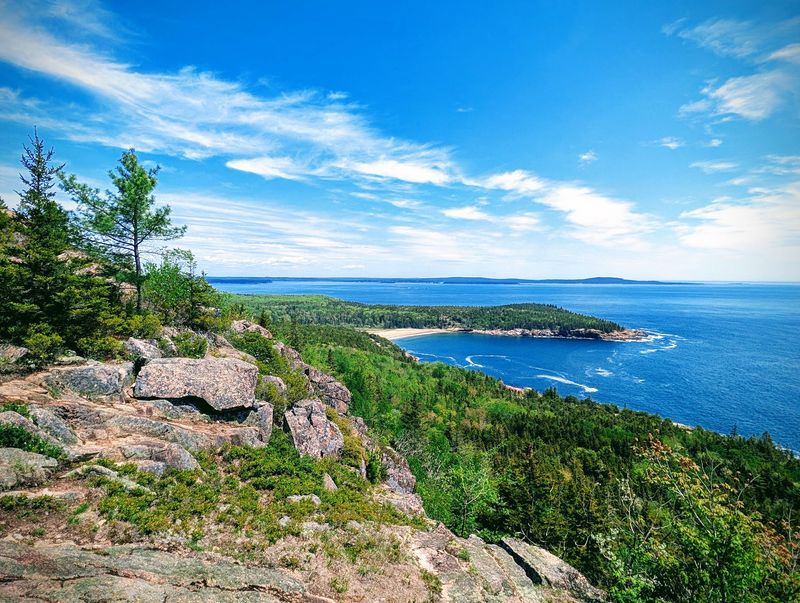
Long before any park sign went up, the Wabanaki people called this region home. Their history in Downeast Maine stretches back more than 10,000 years.
In 1604, French explorer Samuel de Champlain arrived and mapped the area. He named the island Isle de Monts Desert, a nod to its bare, rocky peaks.
Fast forward to July 8, 1916. President Woodrow Wilson established the area as Sieur de Monts National Monument.
On February 26, 1919, it became Lafayette National Park. That made it the first national park east of the Mississippi River.
The name changed again on January 19, 1929. That’s when it officially became Acadia National Park, the name we know today.
George B. Dorr played a huge role in saving these lands.
He’s often called the Father of Acadia National Park.
The Great Fire of 1947 burned over 10,000 acres and reshaped the forests. I like knowing that the colorful woods you see today grew back from that event, a reminder of how nature bounces back.
Know Where To Go Before The Visitor Center Closes For Winter
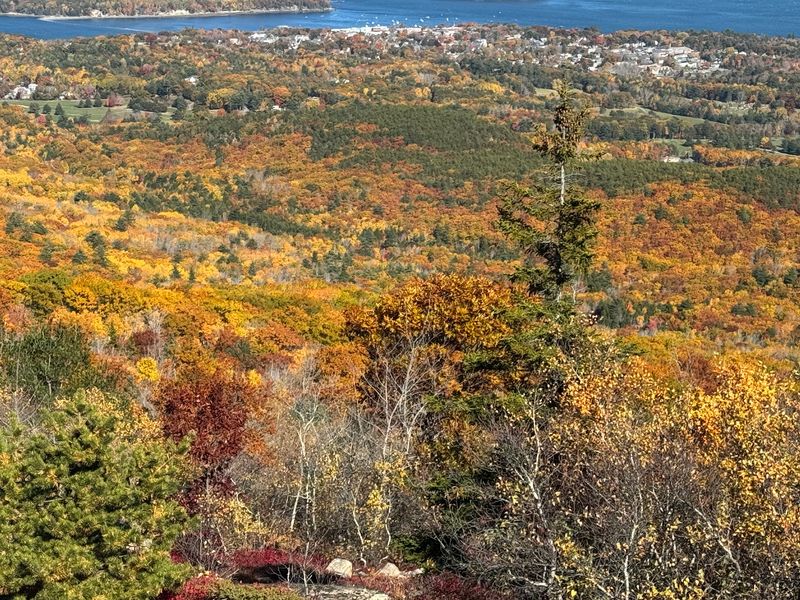
Planning ahead saves a lot of guesswork. The Hulls Cove Visitor Center sits at 25 Visitor Center Road, Bar Harbor, ME 04609, but it runs from May 1 to October 31, 2026.
By Veterans Day, it will be closed for the season. From November to early May, information is available at park headquarters on Route 233.
Bar Harbor is the gateway town just outside the park. It’s a handy base for lodging, meals, and supplies before you head out.
Food inside the park gets limited in the off-season. The famous Jordan Pond House, known for popovers and strawberry jam, operates from May 16 to October 26, 2026.
That means packing your own lunch is the way to go. Picnic spots are easy to find, and the scenery beats any dining room.
Restrooms and services can also be reduced this time of year. Fill up on gas, water, and snacks before entering.
Maine in November rewards prepared visitors. A little planning turns a free day into a seriously great day outside.