
This Florida River Town Has Deep Ravines And A Downtown Full Of Murals
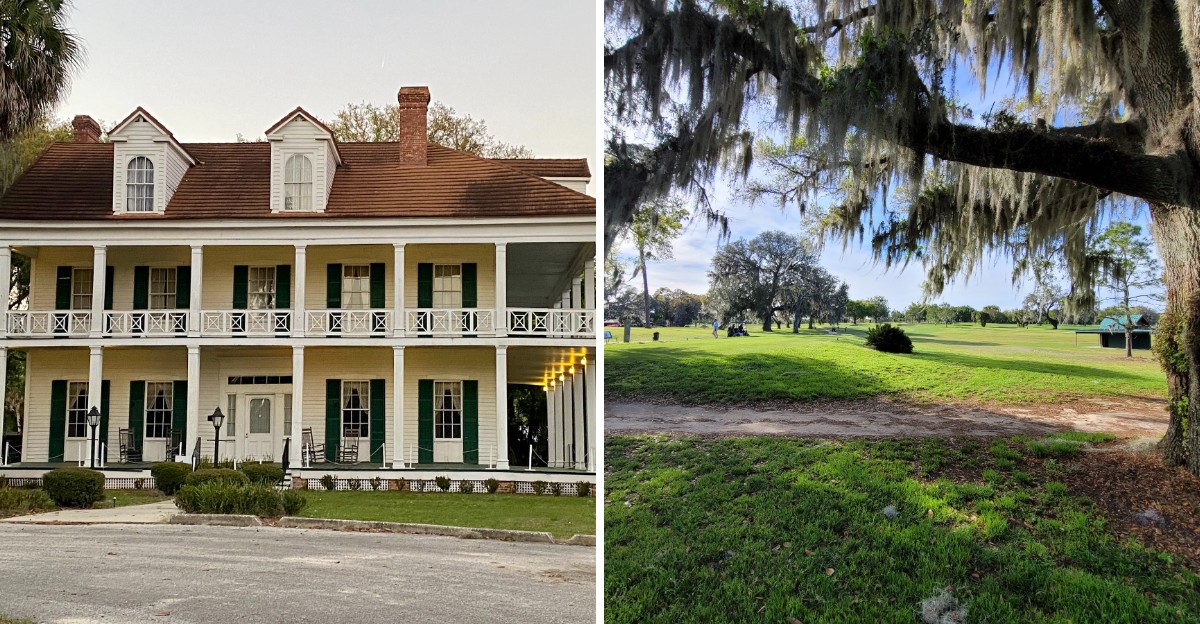
Ravines up to 120 feet deep cut through a Florida city that most maps barely bother to notice. That’s not a typo.
In a state famous for flat ground, this place hides steep slopes, spring-fed creeks, and hundreds of azaleas that bloom in winter.
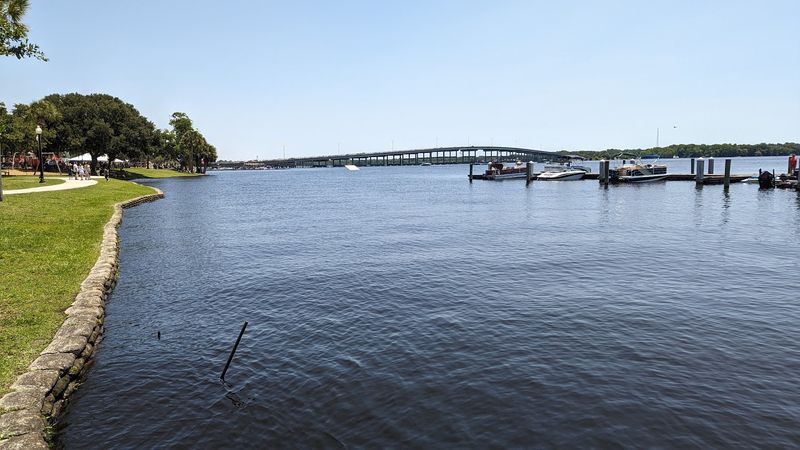
The town also sits on the St. Johns River, the longest river in Florida. It holds what’s recognized as the state’s oldest diner, and more than 30 murals tell its story on downtown walls.
On paper, money is tight here. RoadSnacks ranked Palatka as the poorest of 222 Florida places with more than 5,000 residents in its 2026 comparison
I like how none of that dims the place one bit. I believe a town’s worth shows up in its parks, porches, and stories.
So how rich can a so-called poor town really be?
The Numbers Look Rough, But The Story Gets Better Fast
Palatka, Florida, has heard the jokes about its bank account. Census-based profiles estimate Palatka’s poverty rate at 38.82 percent for 2013–2017 and 34.79 percent for 2019–2023.
That’s a real shift for a city of working families. It also tells you something about the grit baked into this river town.
Palatka started as a trading post in 1821 and became an official city on January 8, 1853. Palatka’s fire department traces the name to the Timucuan word Pilotakata, meaning “crossing.” A separate historical account links the Seminole name Pilo-taikita to the meaning “cows’ crossing.”
Then came a huge downtown fire in 1884 and hard freezes in 1894 and 1895. Those blows hit the citrus trade and the town’s fortunes hard.
So yes, the wallet is thin. The scrapbook, though, is thick, and that’s where the charm begins.
Florida Isn’t Supposed To Have Cliffs Like These
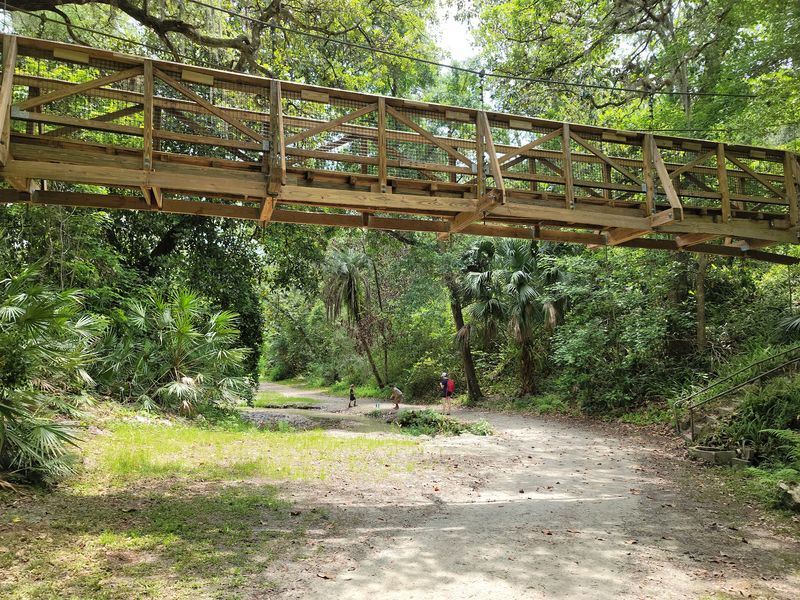
Steep banks, deep shade, and a creek carving its way through the ground. That’s the scene at Ravine Gardens State Park, where steep slopes rise above the creek.
The ravines here plunge as deep as 120 feet. A spring-fed creek shaped them over time as it flowed toward the St. Johns River.
In a state where a highway overpass counts as a hill, that’s wild. Your calves will notice the difference before your brain does.
The park dates to the 1930s and is one of Florida’s New Deal-era state parks. It’s also listed on the National Register of Historic Places.
You’ll find gardens, walking trails, and plenty of spots to stop and stare down the slopes. Comfortable shoes are a smart call, since the terrain doesn’t stay level for long.
The park sits at 1600 Twigg Street, Palatka, FL 32177, close to the heart of town. That makes it an easy first stop on any visit.
Go early in the day for cooler air under the trees. Then let the ravines remind you that Florida still keeps a few surprises.
Winter Turns Pink When The Azaleas Show Off
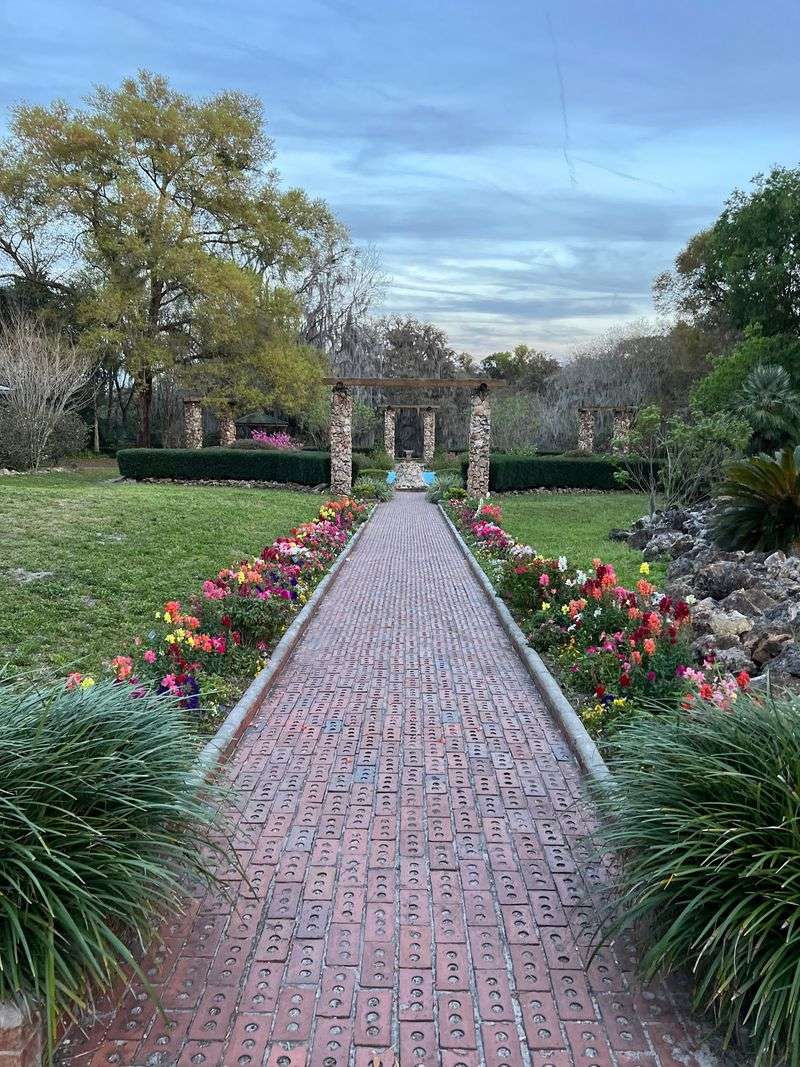
Most towns save their big color show for spring. Palatka gets a head start, because hundreds of azaleas at Ravine Gardens bloom between late December and early March.
That timing feels almost unfair to snowbound states. While other places shovel driveways, this slice of Florida is busy turning pink and white.
The town celebrates the bloom with the Florida Azalea Festival. The 2027 festival is scheduled for February 27–28.
The festival spreads through downtown with arts and crafts, live music, food, and carnival rides. It’s the kind of weekend that pulls families out of the house all at once.
Planning tip: check the bloom timing before you pick your dates. Flowers keep their own schedule, and they don’t take requests.
A smart plan pairs a morning walk through the gardens with an afternoon at the festival. You get quiet blossoms first and lively streets second.
Bring a camera with plenty of storage. Between the ravine views and the flower-lined paths, you’ll fill it faster than you expect, and nobody will blame you one bit.
Florida’s Longest River Runs Right Past Downtown
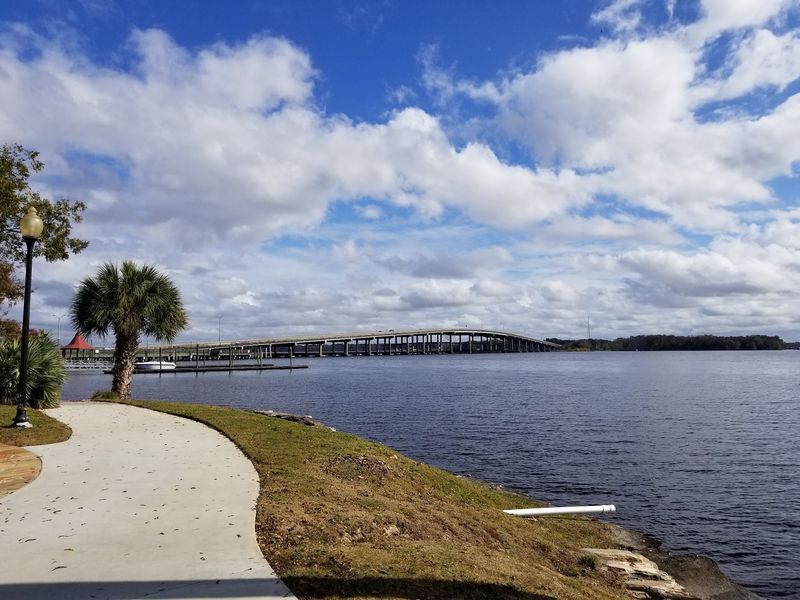
Here’s a fun bragging right: the St. Johns is the longest river in Florida. Palatka sits right on its banks as an important upriver town.
The river shapes daily life here. Boating, kayaking, and fishing are big draws, and bass fishing gets plenty of attention.
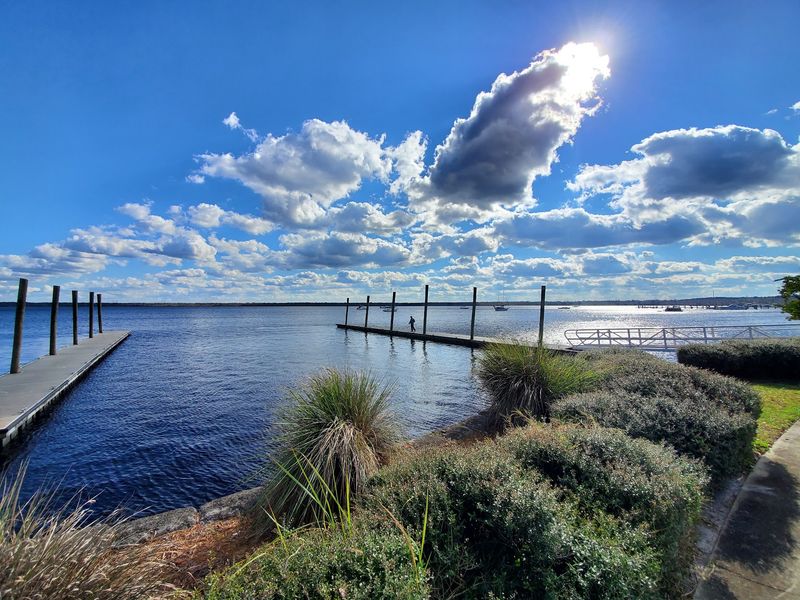
James A. Goodwin Riverfront Park is the easiest way to soak it all in.
You’ll find it at 100 Memorial Parkway, right along the water.
The park has a fishing pier, a kayak launch, and a waterfront walking trail. A clock tower, a children’s playground, and a multi-tiered fountain round things out.
Kids can burn off energy while adults stroll by the river. Everyone wins, and nobody has to argue about the itinerary.
The park also serves as the main stage for big city events. The Palatka Blue Crab Festival brings the community down to this riverfront every year.
Pack a fishing pole if you have one. Even without it, a slow walk along the water at golden hour might be the best free activity in town.
Grab A Seat At The Diner That Has Outlasted Them All
Some towns brag about a fancy restaurant. Palatka has something rarer, because Angel’s Dining Car is recognized as Florida’s oldest diner.
Think about how many diners have come and gone across the state. This one is still standing in downtown Palatka, which says a lot about loyalty.
Two menu items get named again and again. The Black Bottom sandwich and the onion rings are the ones people talk about.
The name alone makes you curious, doesn’t it? Black Bottom sounds like a mystery novel, but it’s really just a sandwich with a reputation.
Diners like this hold a special place in small-town life. They’re where history and a quick lunch share the same counter.
A visit here fits nicely between a mural walk and a river stroll. It keeps you fueled without pulling you far from downtown.
Go hungry enough to try those onion rings. Then you can say you ate at the oldest diner in Florida, which beats most souvenir stories by a mile.
The Walls Downtown Have Plenty To Say
More than 30 murals cover the buildings of downtown Palatka. Together they form the Palatka Mural Tour, often called the Conlee-Snyder Murals.
Each one shows a piece of the town’s history, culture, or natural beauty. It’s like a giant storybook, except you walk through the pages.
Downtown itself stretches between Main Street, Laurel Street, the St. Johns River, and Eleventh Street. Historic buildings line the way, so the backdrop is just as interesting as the art.
Along the route, you’ll pass independent shops, antique stores, and local cafes. The pace is relaxed, which makes wandering feel easy.
A good approach is to treat the tour like a scavenger hunt. Kids love spotting the next mural before the grownups do.
Antique lovers should budget extra time, because browsing tends to stretch. A quick stop can turn into an hour without much warning.
Bring water and wear sunscreen on warm Florida afternoons. The murals aren’t going anywhere, so there’s no rush to see them all in one loop.
A Riverside Mansion Still Keeps Its Old Stories
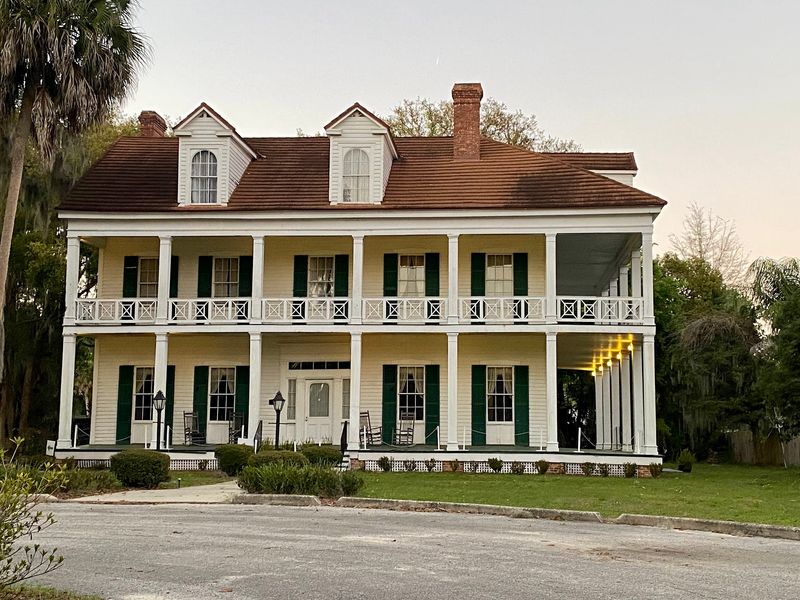
Built between 1854 and 1860, the Bronson-Mulholland House is one of Palatka’s oldest treasures. Some folks know it as the Judge Isaac Bronson House or Sunny Point.
The home sits at 100 Madison Street. It has been on the National Register of Historic Places since 1972.
Inside, rooms are furnished with period antiques. Tours are offered, so you can see how the place looked long before air conditioning showed up.
That last detail matters in Florida. You’ll gain fresh respect for anyone who lived here through August without a ceiling fan.
Every year, the house hosts a living history event called Occupation of Palatka 1864. The 2026 event ran from September 25 to 27 and included a Sunday program.
Events like that turn dusty dates into something you can actually picture. Students especially get more out of history when it’s acted out in front of them.
Check tour days before you go, since schedules can change. Then pair the visit with the nearby riverfront for a well-rounded afternoon of old homes and open water.
Trains, Art, And Old Water Pipes Make Great Company
Model train fans, this one’s for you. Palatka’s train station still has Amtrak service, and it houses the David Browning Railroad Museum.
The museum features scale model railroads that reward close looking. Tiny bridges and miniature towns tend to hold kids’ attention longer than expected.
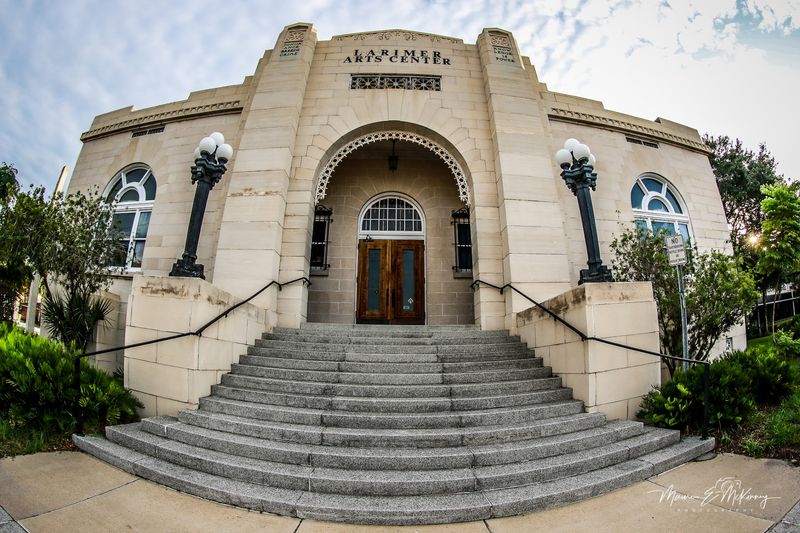
A few blocks of culture wait beyond the tracks. The Larimer Arts Center fills a historic former library listed on the National Register of Historic Places.
Exhibits, classes, live theater, and film events all happen there. So the building that once lent books now lends a stage.
Then there’s the Palatka Water Works Environmental Education Center. The facility supplied water to Palatka from 1886 to 1986 and now teaches visitors about the environment
Public tours are offered on specific days, so plan ahead. Learning where a town’s water came from sounds dull until you’re standing inside the old works.
Together these three spots make a perfect rainy-day plan. You can stay dry, learn something new, and still feel like you explored a real Florida town.
Lace Up, Pedal Out, Or Grab Your Golf Clubs
Nineteen miles of smooth pavement connect this river town toward St. Augustine. The Palatka to St. Augustine State Trail is a favorite for hiking and biking through scenic landscapes.
Riders can set their own pace. A short out-and-back works just as well as a full day in the saddle.
Prefer dirt under your boots? Rice Creek Conservation Area protects the Rice Creek Swamp and offers trails for hiking, biking, camping, and wildlife watching.
A section of the Florida National Scenic Trail runs through it too. That’s a nice bonus for anyone collecting trail miles.
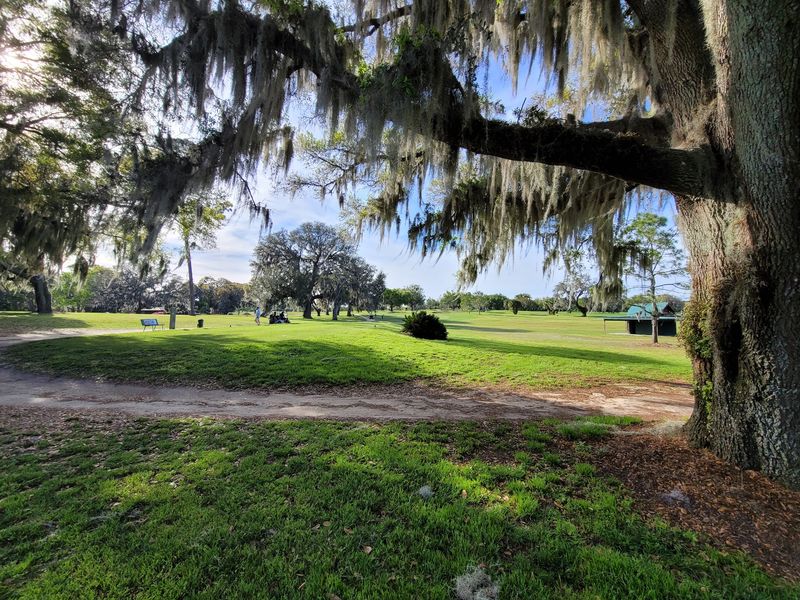
Golfers get their own treat at Palatka Municipal Golf Course. Donald Ross designed it, and it’s known as one of Florida’s most historic public courses.
Several crystal-clear natural springs also sit within an easy drive. They’re great for swimming, kayaking, and spotting wildlife on hot days.
Put all that together, and the poorest-city label starts to feel silly. A town with ravines, rivers, springs, and trails is rich where it counts most.