
This Arizona Museum Holds Instruments From Nearly 200 Countries And Music Lovers Need A Whole Day
Headphones switch on by themselves the moment you walk up to an exhibit. Suddenly a musician from the other side of the planet is playing right in your ears.
That clever trick repeats across instruments from nearly 200 countries and territories. One building in Arizona holds them all, and the collection is so big the museum even sells two-day tickets.
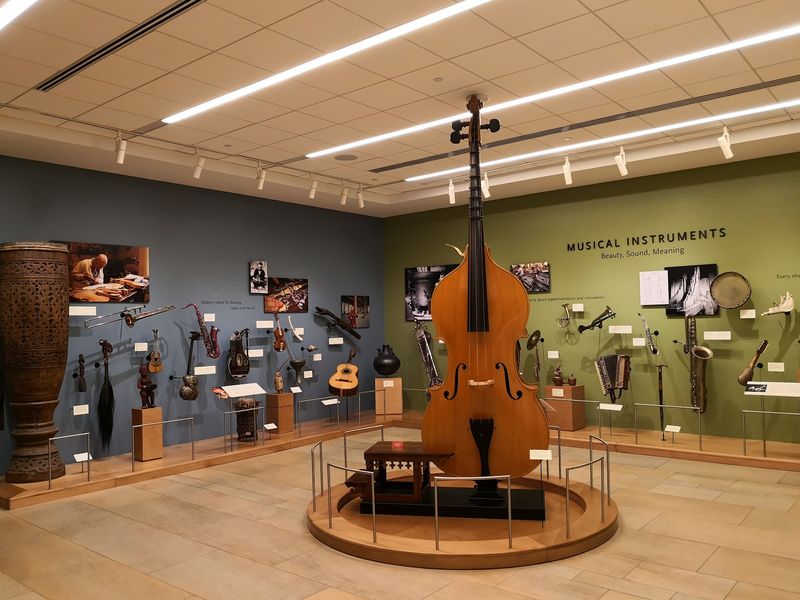
I like how the place mixes serious history with pure fun. There are gongs to bang, legendary guitars to admire, and a giant self-playing contraption that performs on a schedule.
I believe most people underestimate this spot. They plan for two hours and end up wondering where the afternoon went.
So how long would it take you to travel the whole musical world without leaving the desert?
A Phoenix Museum Built Around The Whole Planet’s Playlist
Few museums try to fit the entire globe under one roof. The Musical Instrument Museum in Phoenix does exactly that, and it pulls it off with style.
Everyone simply calls it MIM. It opened in April 2010, founded by Robert J.
Ulrich, the former CEO of Target Corporation.
The scale is the first jaw-dropper. More than 4,200 instruments and related objects are on display at any time.
Those pieces come from nearly 200 countries and territories. That’s a lot of passport stamps for one afternoon in Arizona.
The building itself is roughly 200,000 square feet. Galleries spread across two floors, so comfortable shoes are a smart move.
MIM is widely described as the largest museum of its kind in the world. That’s a big title for a spot in north Phoenix.
What makes it click is the variety. Some instruments are ancient and delicate, while others are flashy stage pieces you’ll recognize instantly.
You don’t need to read music to enjoy any of it. Curiosity is the only real admission requirement.
Families, history fans, and touring musicians all find something here. The trick is giving yourself enough time to notice it all.
The Silent Disco Headsets That Make Every Exhibit Sing
Museum meets silent disco. That’s the easiest way to describe the audio system at MIM.
Wireless headsets come with admission. As you approach a video screen, the sound connects automatically, with no buttons or numbers to punch in.
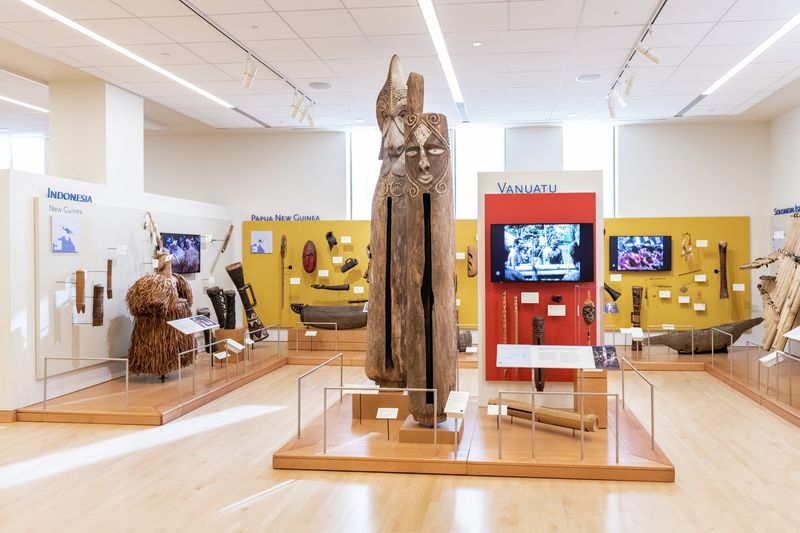
Each screen shows high-definition footage of the featured instruments being played. Often the performers appear in their original cultural settings.
That changes everything about how you look at an object. A carved drum stops being a museum piece and becomes a living sound.
The museum calls the system GuidePORT. Staff members on the floor can help if your headset acts up or you get turned around.
It also means you set your own pace. Linger on a Mongolian fiddle, skip ahead, then circle back whenever you like.
The audio quality is a big part of the magic. Music fills your ears without the noise of a crowded room.
Kids tend to love the gadget factor, too. It turns the visit into a choose-your-own soundtrack adventure.
Honestly, it’s hard to imagine the galleries working any other way. Silent instruments behind glass would feel like half the story.
Five Continents Of Sound Waiting Upstairs
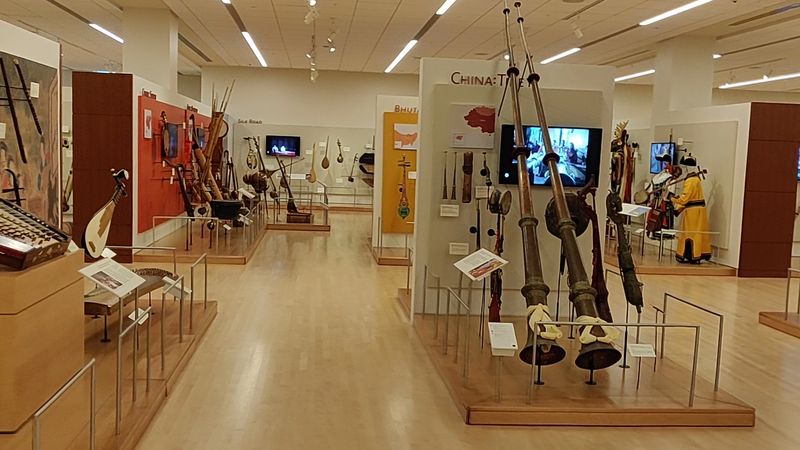
Upstairs is where the world tour happens. The Geographic Galleries are arranged by region, so you travel continent by continent.
Africa, the Middle East, Asia, Oceania, Europe, Latin America, and North America each get their own spaces. Every country display pairs instruments with video and context.
Many exhibits include folk costumes alongside the instruments. You see what performers wore, not just what they played.
Some pieces date back centuries, including instruments from as early as the 16th century. Watching music evolve across that span is quietly fascinating.
Here’s a fair warning. The Africa section alone can swallow 90 minutes if you start listening closely.
You’ll also spot instruments you never knew existed. Odd shapes, surprising materials, and clever designs pop up in nearly every case.
The layout makes it easy to compare cultures side by side. Drums, strings, and flutes take on wildly different personalities from region to region.
It’s educational without feeling like homework. Geography, history, and culture blend together through sound.
Pace yourself on this floor. Many people assume they’re nearly done after the upstairs galleries, yet some favorite exhibits still wait downstairs.
Go Ahead And Bang The Gong In The Experience Gallery
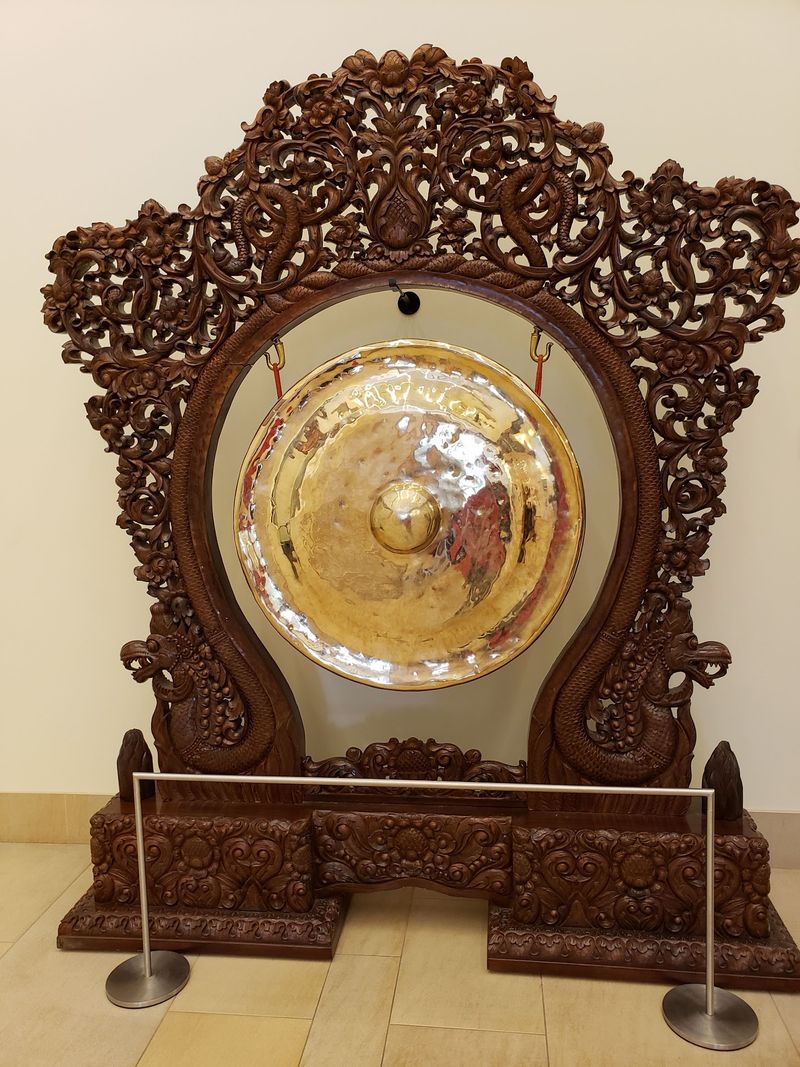
Finally, a museum that wants you to touch things. The Experience Gallery sits on the first floor, and it gets gloriously noisy.
Gongs, drums, and harps from around the world are all fair game. You can also try a theremin, the spooky instrument you play without touching it.
No lessons or talent are required. Just pick something up and see what happens.
It’s a terrific break after hours of careful looking and listening. Little ones finally get to burn some energy, and grown-ups usually join right in.
Field trip groups visit regularly, and fourth graders seem to stay fully engaged. That’s a strong endorsement from a tough crowd.
The room can get loud, so expect a happy racket. Sensitive ears might prefer a quick visit rather than a long session.
I like how this space connects back to the galleries upstairs. After watching a harp on video, you can pluck one yourself minutes later.
It’s easily one of the most memorable stops at MIM. Good luck walking past a giant gong without giving it a tap.
Guitars And Stage Outfits From Music Royalty
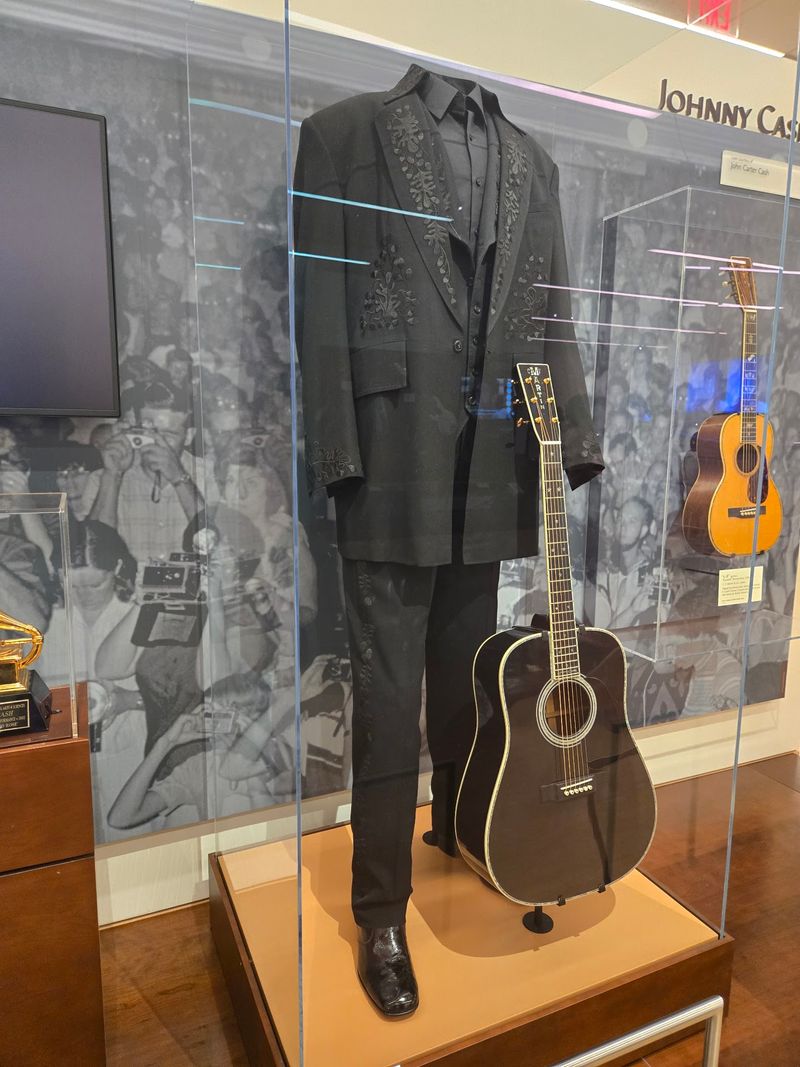
Elvis, Johnny Cash, and Taylor Swift walk into a museum. That’s no joke at MIM, where the Artist Gallery honors big names across genres.
Instruments and memorabilia tied to stars like John Lennon, Prince, Madonna, and Carlos Santana have appeared here. Seeing them up close feels personal in a way recordings never do.
Stage outfits share space with well-worn guitars. Each piece hints at the long road behind famous songs.
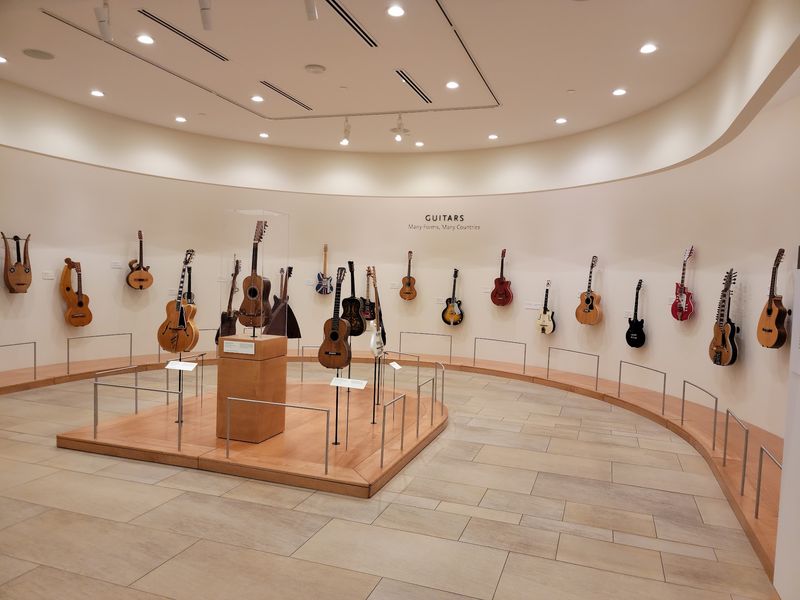
The electric guitar displays get plenty of attention, too. Rock fans can spend a happy stretch just studying the curves and finishes.
Exhibits rotate and special shows pop up, so the lineup can change. A Taylor Swift exhibit has drawn fans in recent times.
This gallery is a great hook for teens who think museums are boring. Familiar names have a way of winning over skeptics fast.
The headsets work here as well. Footage and music bring each artist’s story to life while you look.
Save some energy for this downstairs stop. It’s the kind of room where you’ll want to text a photo to the friend who loves that one band.
A 25-Foot Orchestra In A Single Machine
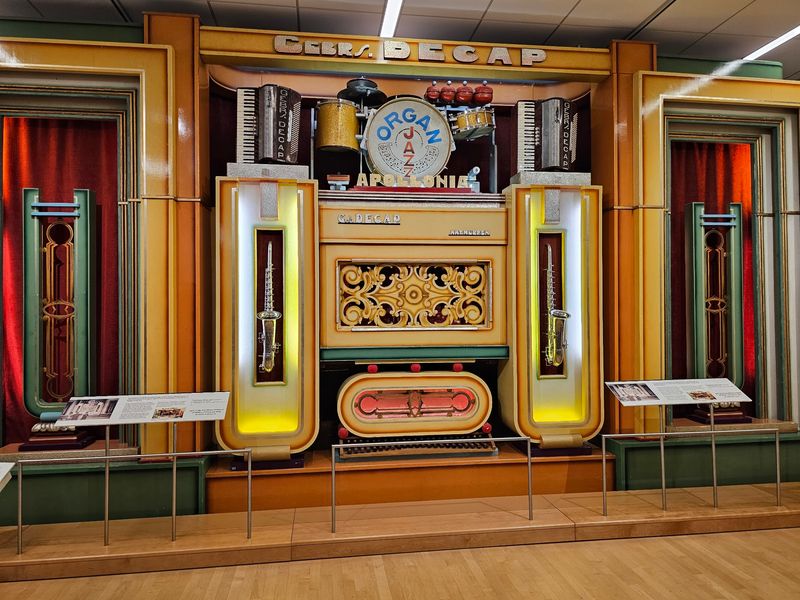
Twenty-five feet wide and fully self-playing. The Orchestrion is the showpiece of the Mechanical Music Gallery.
This massive machine was built to imitate an entire orchestra. Drums, pipes, and more spring to life without a single musician in sight.
MIM demonstrates it during the day, with performances listed at noon and 3 p.m. Schedules can change, so confirm before planning around it.
The rest of the gallery is a treat as well. Player pianos, mechanical zithers, and cylinder music boxes show how people automated music long before streaming.
Think of it as the great-grandparents of your playlist. Gears and punched rolls did the job that apps handle today.
There’s something charmingly retro about the whole room. It feels a little like stepping into an old-time parlor.
Kids usually stare at the moving parts in amazement. Adults often do the same, just a bit more quietly.
Arrive a few minutes early for the demo. Watching the Orchestrion wake up is one of those small moments that sticks with you long after the drive home.
Lunch Breaks Get A Global Menu At Café Allegro
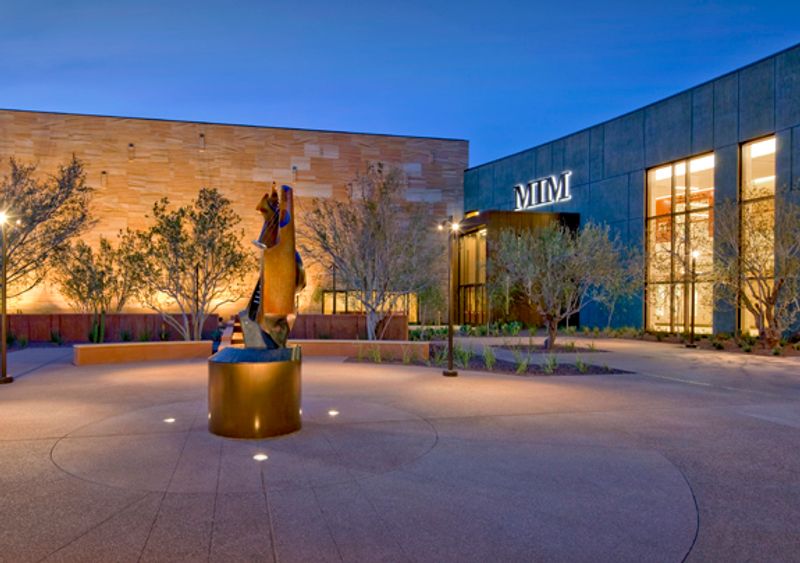
Hunger is the most common reason people finally leave the galleries. Luckily, Café Allegro sits right inside the museum.
The menu changes daily and draws inspiration from global cuisine. It’s a fitting choice for a building devoted to world music.
Lunch here turns a long visit into an easy all-day plan. Refuel, rest your feet, and head back for round two.
Outdoor seating is available when the weather cooperates. Arizona’s mild months make that patio especially appealing.
For a lighter pick-me-up, Beats Coffee Bar handles the caffeine side of things. A quick coffee can rescue a fading afternoon.
Because offerings rotate, I can’t promise a specific dish. That’s part of the fun, though, since each visit may bring something new.
Families can regroup here without leaving the property. That saves a hot trip to the car in the middle of summer.
Planning a full day is far easier with food on site. Budget about an hour for lunch and you’ll still have plenty of time for the galleries.
An Intimate Concert Hall With Serious Acoustics
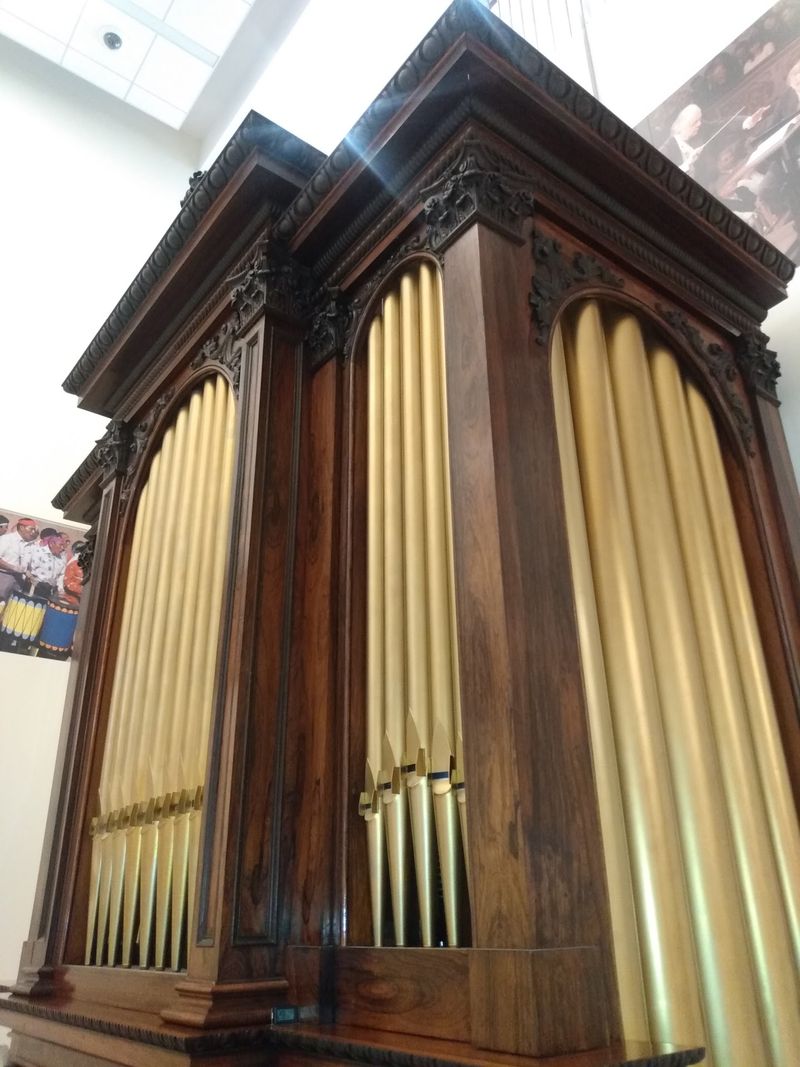
Some of the best live shows in the Valley happen inside a museum. The MIM Music Theater seats about 300 people.
Acoustics are a big selling point. The room was designed for sound, and the intimate size keeps every seat close to the stage.
Concerts run throughout the year, featuring both well-known performers and rising artists. Genres span the globe, much like the galleries.
Jazz, folk, rock, and world music have all graced the stage. The variety makes it easy to discover someone new.
Comfortable seating and attractive lighting add to the polished feel. It’s a relaxed, civilized night out.
Concert tickets are separate from museum admission. Check the calendar ahead of time, since popular shows can sell out.
The museum also hosts Signature Events with daytime live performances. An outdoor stage sometimes features musicians during these celebrations.
Pairing a gallery visit with an evening show makes for a memorable Arizona outing. You see the instruments by day and hear the real thing by night.
That combo is hard to beat for any music lover.
Quiet Corners And A Window Into Instrument Care
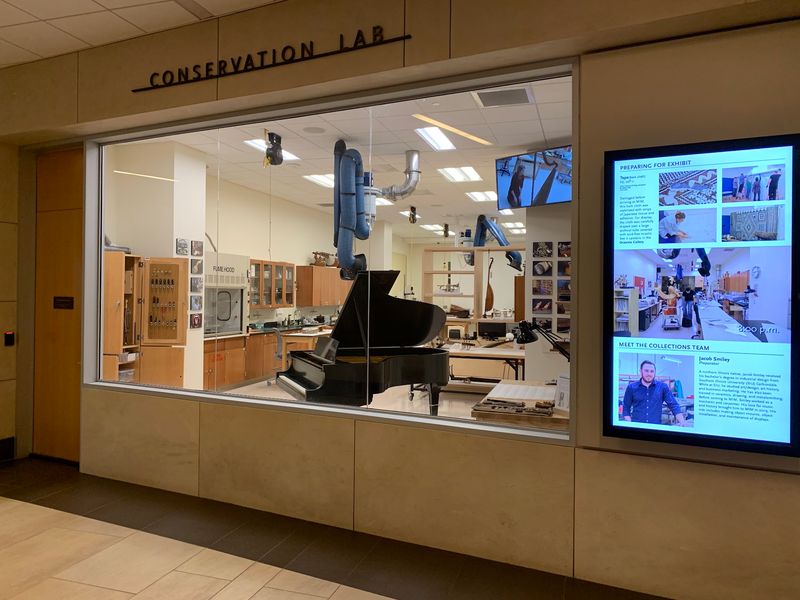
Behind every gleaming instrument stands a careful team. A large viewing window into the Conservation Lab lets you watch some of that work.
Conservators preserve and maintain the collection with painstaking detail. It’s a rare peek at how museums protect fragile treasures.
Activity varies, so you may see busy hands or a quiet workspace. Either way, it’s worth a glance.
Parents with young children get a thoughtful perk, too. The PNC Bank Family Center offers seating, a family restroom, and a nursing room.
Toys and books keep little ones busy while everyone recharges. It’s a calm pocket in a building full of sound.
These spaces show how much planning went into the visitor experience. Comfort matters when a visit stretches across several hours.
Complimentary wheelchairs are available as well. That helps guests who need a break from the long gallery walks.
Small touches like these make an all-day trip realistic. You can rest, regroup, and keep exploring without cutting the day short.
The building feels clean, spacious, and well kept throughout. That makes lingering easy.
Hours, Parking, And How To Plan Your Day
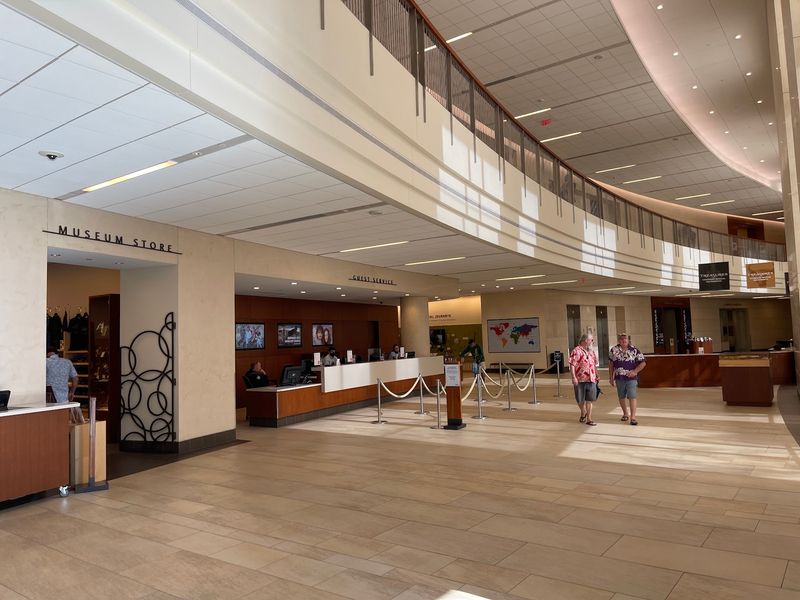
Mark the address before you go: 4725 E Mayo Blvd, Phoenix, AZ 85050. The museum sits in north Phoenix, near the Scottsdale border.
MIM is open daily from 9 a.m. to 5 p.m. Last admission is generally at 4 p.m., so arrive early for a full day.
Parking is free, which is always welcome. That’s one less thing to budget for.
How long should you stay? Many visitors need at least three or four hours, and plenty end up staying most of the day.
Two-day tickets are available for good reason. The collection is simply too large to absorb in one pass.
Arizona residents might consider a membership. Repeat visits let you tackle a continent or two at a time.
Indoors and air-conditioned, this spot shines during hot Arizona summers. It’s a smart escape when the pavement starts to sizzle.
Cooler months pair nicely with lunch on the patio. Either season works well.
Check the calendar for Signature Events and concerts before you go. Hours and schedules can change, so a quick look saves surprises.
Why One Visit Probably Won’t Be Enough
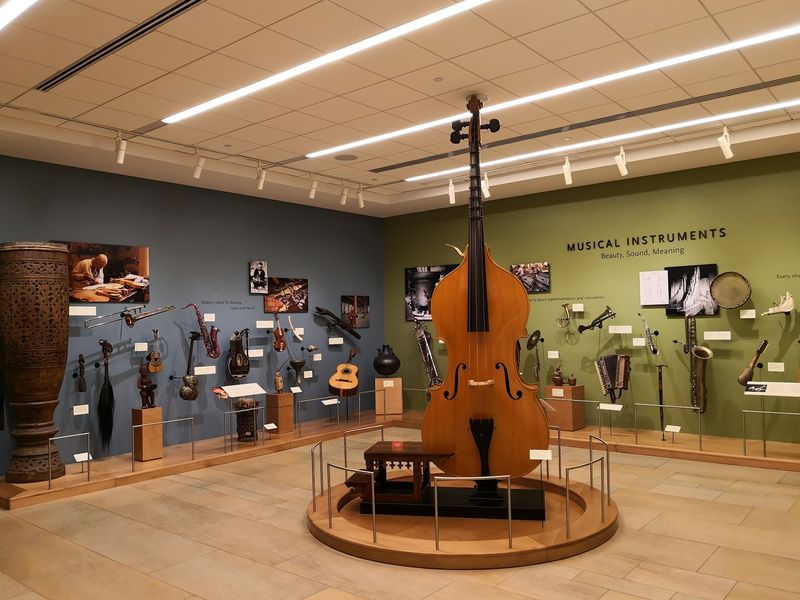
Leaving with a shaker or tiny drum from the Museum Store feels almost mandatory. The shop carries gifts, books, music, and handmade items from around the world.
It’s a fun final stop, though the noise-makers may follow you all the way home. Consider yourself warned.
So who will love the Musical Instrument Museum? Musicians, obviously, but also curious kids, history buffs, and anyone who hums in the car.
You don’t need to play a single note to be hooked. The headsets and videos do the heavy lifting.
It’s one of the most celebrated attractions in Phoenix. For Arizona locals, it’s also an easy go-to when friends come to town.
I can’t imagine rushing through it. The magic lives in the small details, like a strange flute or a surprising rhythm.
Plan for a long day, pack your patience, and leave room for lunch. You’ll still probably miss something.
That might be the best part, honestly. Missing a gallery gives you the perfect excuse to come back for another round.