
Deep In Maine’s Woods, The Haunting Remains Of A Once-Thriving Granite Industry Still Stand
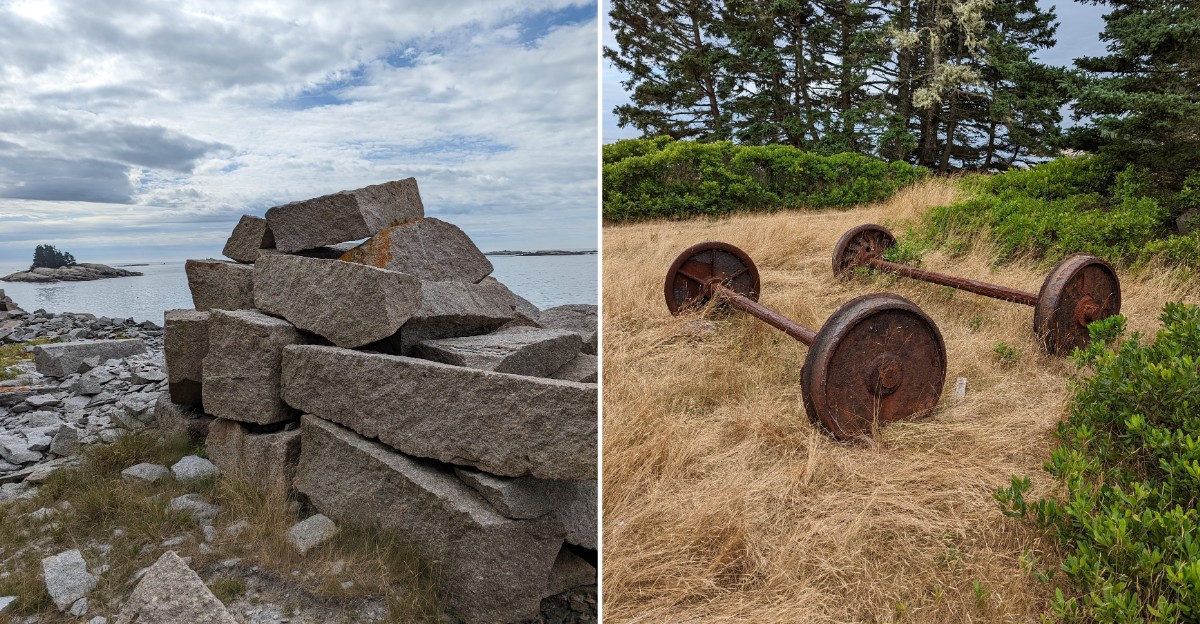
Around 1,200 people once lived on a small island, and then the whole town packed up and vanished in 1914. Most residents left on very short notice. Many of their buildings were taken apart and carried off by boat.
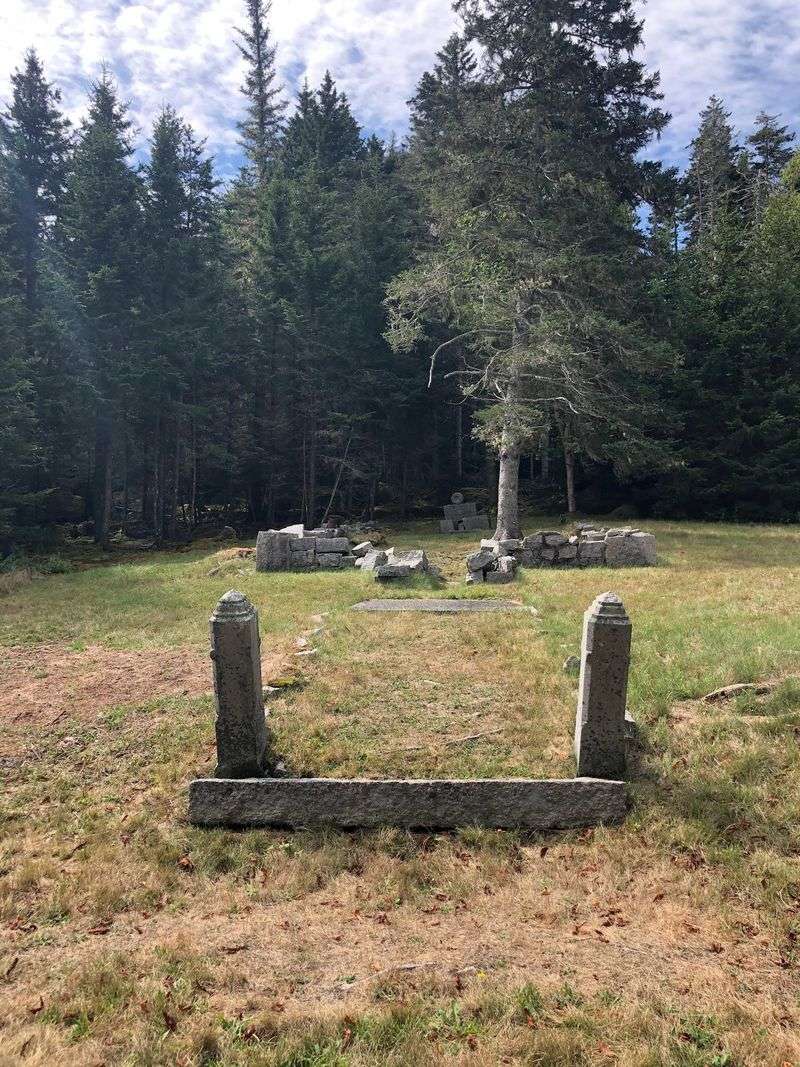
What stayed behind is the good part. Carved monuments, giant stone blocks, and old quarry pits still sit among the trees and ledges. Quarry holes have filled with fresh water over the years.
I love that this spot in Maine helped build famous places far away. Its pinkish-gray stone ended up in big-city post offices and courthouses. I can’t imagine a better case of a tiny place punching above its weight.
Today, scientists and students share the island with all those stony ghosts. How did a once-thriving town vanish almost overnight?
A Whole Town Rose And Fell On This Rocky Island
Hurricane Island sits in Penobscot Bay, and its story reads like a short novel. In 1870, General Davis Tillson bought the island and founded the Hurricane Island Granite Company.
Business boomed between 1880 and 1900. During the peak years, the year-round population could reach about 1,200 people.
That’s a lot of folks for a 125-acre island. Workers came from Sweden, Finland, Ireland, Scotland, England, and Italy to cut and carve stone.
Think about the mix of languages echoing off those ledges. Skilled artisans shaped rough rock into columns, blocks, and detailed carvings.
Then everything stopped in 1914. Builders were switching to cement, and trains were moving goods over land more efficiently.
A sunken granite shipment headed for Rockland Harbor added to the trouble. The loss of the company foreman and the economic strain of World War I hurt too.
The quarries simply grew too expensive to run. By 1916, the island was largely deserted.
Knowing this backstory changes how you see every stone. Those blocks in the woods are not random rocks.
They are bookmarks from a busy chapter that ended almost overnight, and they make the island feel wonderfully mysterious.
Stone Giants Still Hide Between The Spruce Trees
Huge stone plinths don’t exactly blend into a forest, yet here they are. The island is covered with leftovers from its granite days.
You’ll find carved monuments, massive stone blocks, and visible quarry sites. Archaeologists treat these pieces as real artifacts of the industrial past.
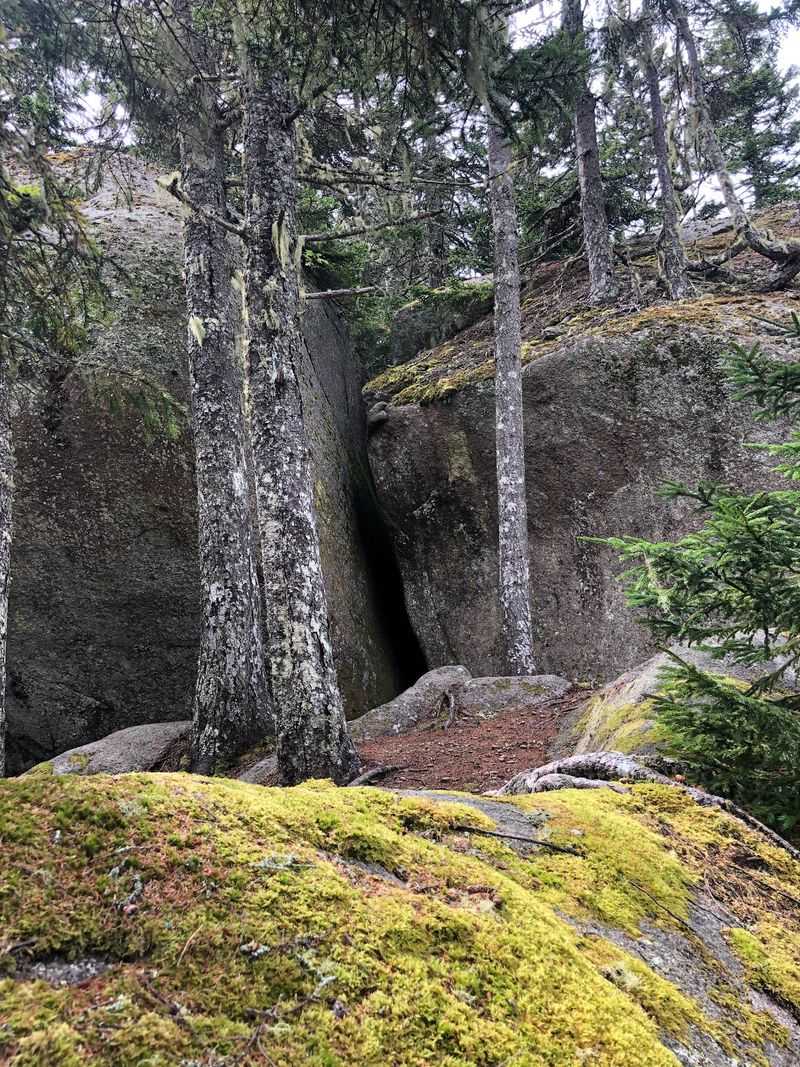
That’s what makes a walk here feel like a treasure hunt. One moment you see roots and moss, and the next you spot a perfectly squared slab.
Some reddish granite was even shipped in from other places to be carved here. So not every stone you see was born on the island.
The workers clearly took pride in their craft. Smooth edges and shaped forms still show their careful handwork more than a century later.
My advice is simple. Slow down and look closely at the ground, the cliffs, and the edges of the trails.
Bring a camera and comfortable shoes with good grip. Rocky ledges can be uneven, especially after rain or fog rolls in from the bay.
And please leave everything exactly where it sits. These relics tell the story best in place, surrounded by the woods that slowly reclaimed them.
Your Next Courthouse Visit Might Connect Back To Maine
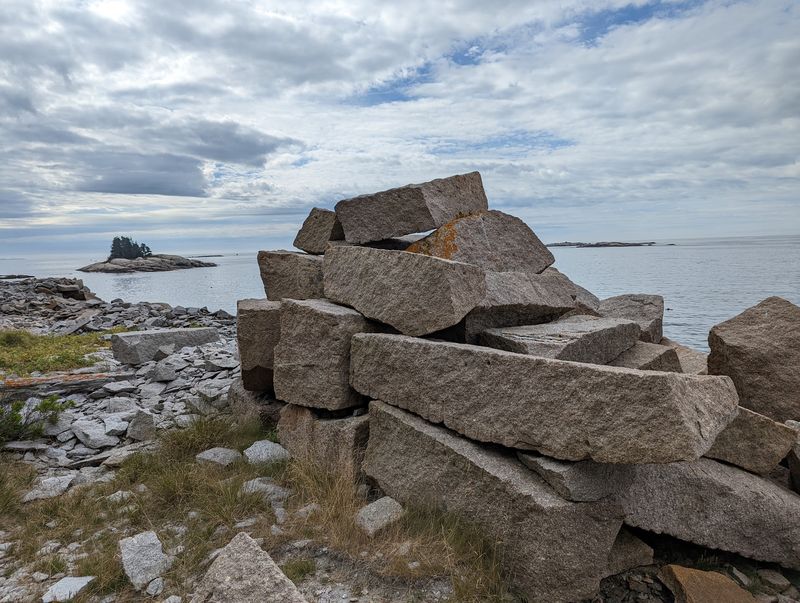
Boston’s Suffolk County Courthouse used granite from this island. That’s a pretty fancy résumé for a rock pile off the Maine coast.
Hurricane Island granite also went into post offices in Baltimore, Pittsburgh, and St. Louis. Railroad stations in Philadelphia and Chicago used it too.
Sources also connect the stone to the Brooklyn Bridge and the Washington Monument. Big names, right?
Even city streets got a piece of the action. Paving stones went to New York, Boston, Chicago, and Havana, Cuba.
The granite itself has a lovely color. It’s described as pinkish-gray and tannish, with lots of potassium feldspar giving it that warm tone.
Here’s a fun habit to try. Next time you visit an old building in one of those cities, check the stone and remember where it may have started.
I like how this links a quiet island to busy downtowns hundreds of miles away. Workers here shaped pieces of American city life without ever seeing most of them finished.
That connection makes the ruins feel less lonely. Their work is still standing, just scattered across the map.
Old Quarry Holes Became Surprisingly Pretty Pools
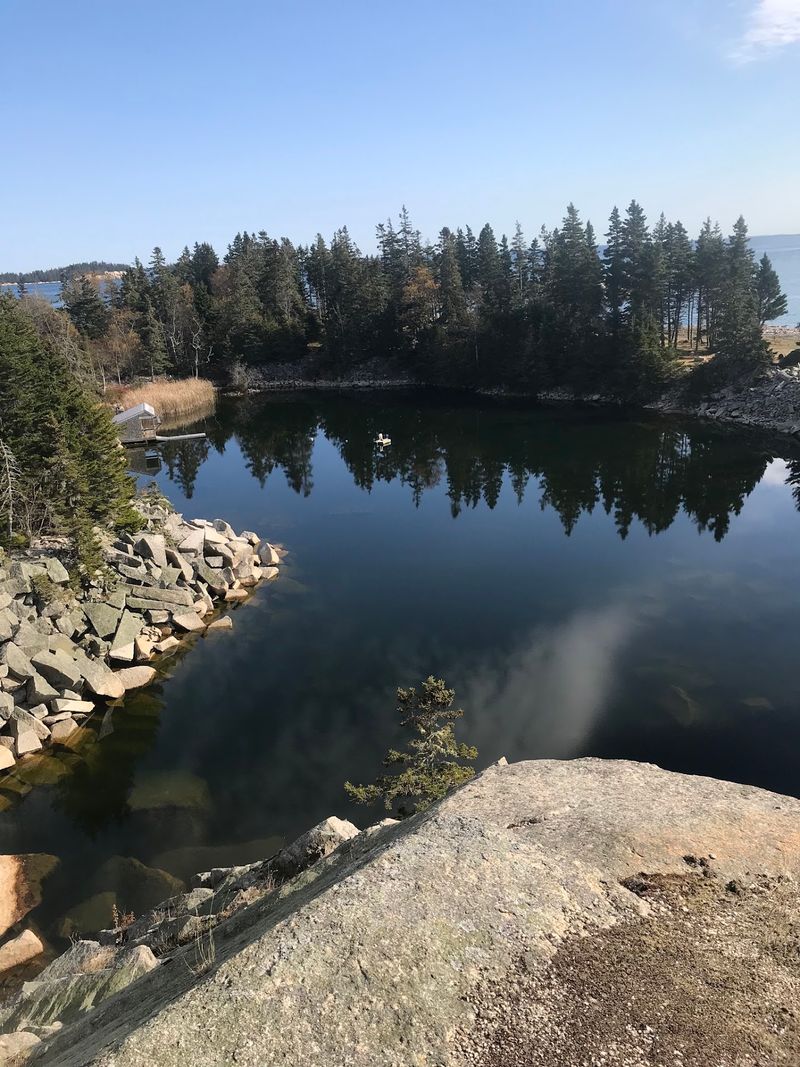
Digging out tons of stone leaves big holes behind. On Hurricane Island, some of those holes turned into freshwater pools.
It’s a neat bit of nature cleaning up after people. Rainwater collected where workers once cut deep into the granite.
The landscape around them feels dramatic. Cliffs, ledges, and sheer stone walls show exactly where blocks were pulled out.
Those cut faces are like history you can read. Straight lines and flat walls reveal where tools once split the rock.
The island’s quarry has also served as a place for climbing and outdoor training over the years. During the Outward Bound era, students tackled these rocky features as part of their programs.
For a casual visitor, though, safety comes first. Quarry edges can drop off fast, so keep a good distance and watch kids closely.
Stick to marked trails and follow any posted guidance. The views are just as good from solid ground.
I believe these pools are the most peaceful spots on the island. Quiet water inside old work sites feels like a calm ending to a noisy industrial story.
Scientists Moved In Where Stonecutters Moved Out
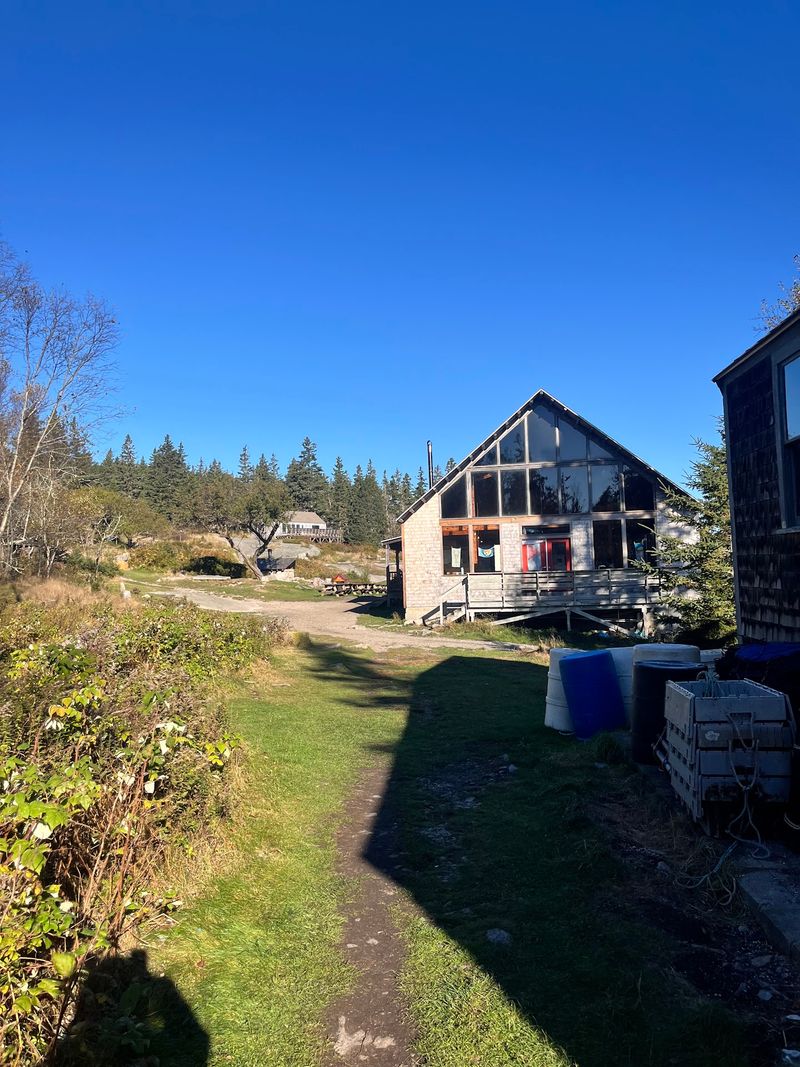
Swapping hammers for microscopes sounds like a plot twist. Yet that’s basically the island’s modern story.
The Hurricane Island Center for Science and Leadership formed in 2009. Through a 40-year lease with the Gaston family, it now occupies most of the island.
This nonprofit focuses on ocean research and education. Students study marine and island ecology, and the center offers leadership programs too.
Researchers here also study Maine’s farmed scallop industry. That work ties the island to the coastal economy all over again, just in a fresh way.
A new Field Research Station opened in August 2023. It’s designed as a carbon net-zero building that meets high water floodplain projections.
That’s a smart nod to rising seas. Building with the future in mind fits an island that has already seen big changes.
Archaeology courses are part of the lineup as well. Students get to study the same granite-era remains that make the island so intriguing.
I love that history and science share the same ground here. The past becomes a classroom instead of just a backdrop.
Solar Panels And Compost Bins Run The Show Now
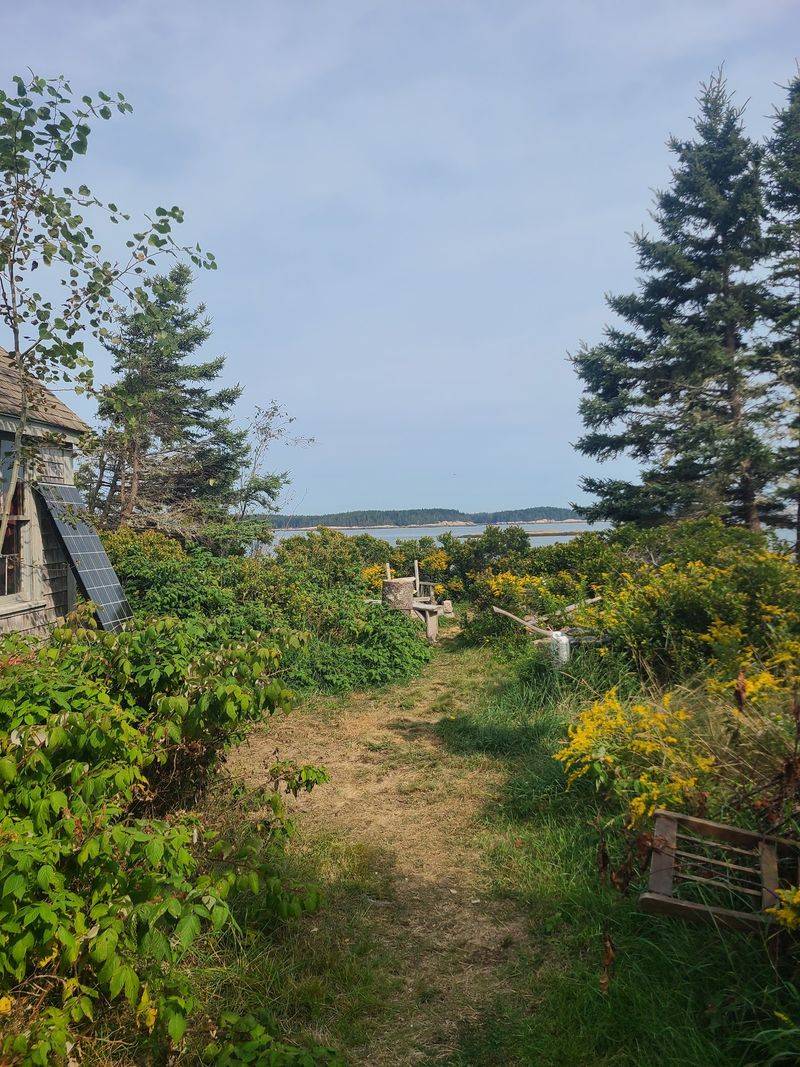
Electricity on an island with no bridge takes some planning. Here, a large solar array powers the buildings.
The green ideas don’t stop there. The island uses composting toilets and a constructed wetland to treat greywater.
Food scraps get handled by an extensive composting system. Nothing about this setup feels like an afterthought.
For curious visitors, this might be the sneaky highlight. Private tours of the sustainability systems may be scheduled, depending on program schedules.
Kids especially might find this fascinating. Seeing how a wetland cleans water beats reading about it in a textbook any day.
Plan ahead if you want a tour. Programs change, so reaching out to the center early gives you the best shot.
I like the contrast with the old days. The granite company dug into the land, while today’s team tries to treat it gently.
It makes Hurricane Island feel like a living lesson. You see what heavy industry left behind, then see what a lighter footprint looks like right next to it.
Cabins, Yurts, And Tents Keep Island Life Simple
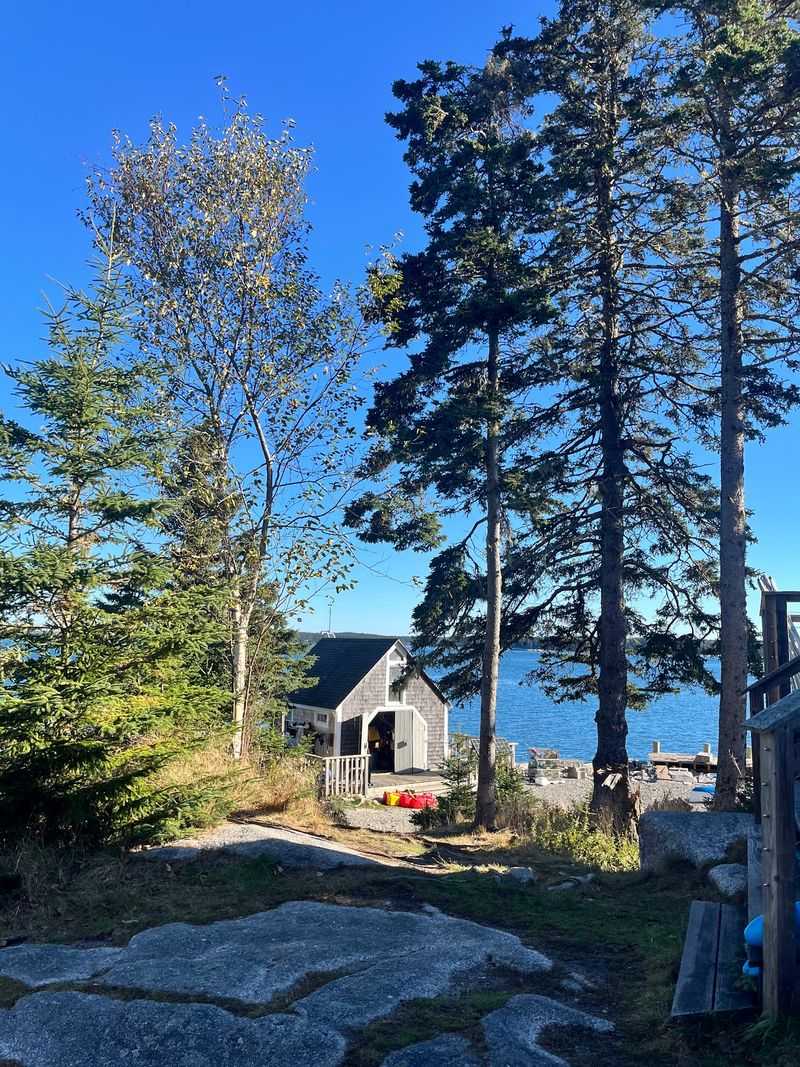
Bunking down on an island once home to 1,200 quarry workers sounds pretty cool. Today, program participants sleep in far cozier setups.
Housing options include cabins, yurts, tents, and a bunkhouse. It’s rustic in the best way.
The campus also has a galley and a mess hall for shared meals. There’s a laboratory, classrooms, and a dockhouse too.
These facilities mainly support the center’s programs and courses. So overnight stays usually come through those programs rather than casual drop-ins.
Special events add some flair. The center has hosted sustainable seafood farm-to-table dinners, which sound like a delicious way to support local ocean farming.
If you’re thinking about joining a course, pack for changing coastal weather. Layers and rain gear are smart choices on any Maine island.
I can’t imagine a better place for a young scientist to spend a summer. Waking up near old quarries and walking to a lab sounds like a pretty great combo.
Hurricane Island turns simple living into part of the lesson. That suits a place built on hard work.
Getting There Requires A Boat And A Little Planning
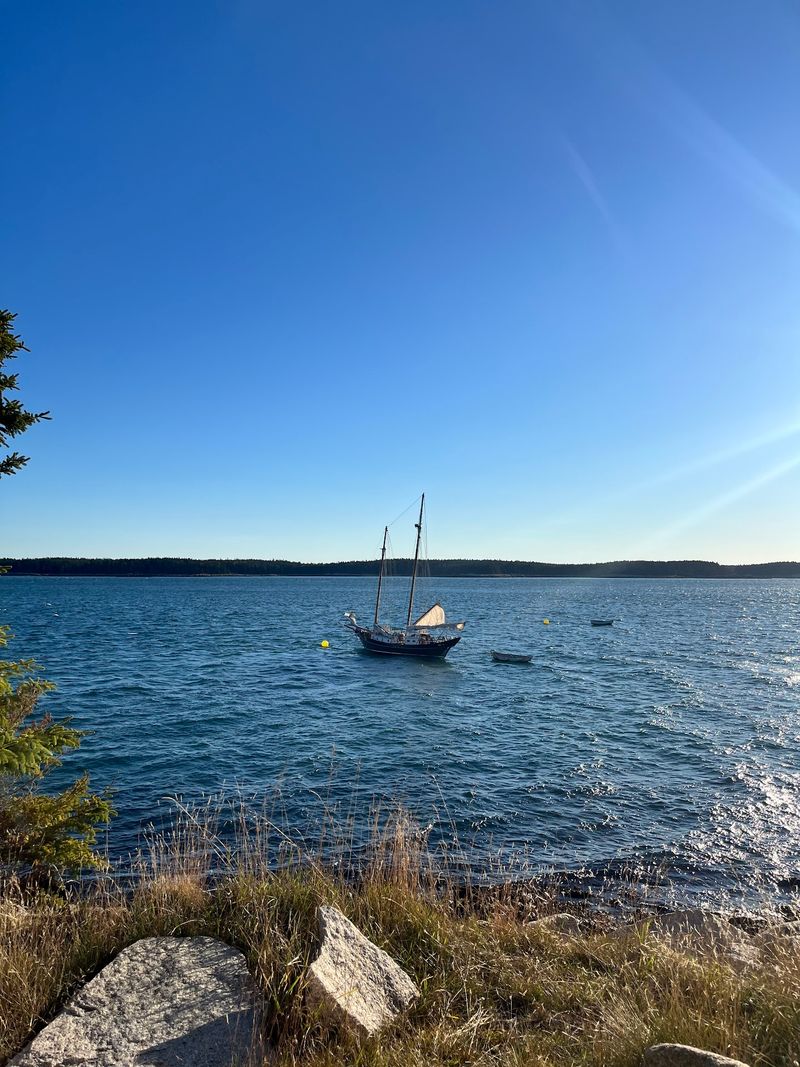
No car can take you all the way here. Hurricane Island sits about 12 miles east-southeast of Rockland in Penobscot Bay.
It’s roughly one mile southwest of Vinalhaven Island. Officially, its spot on the map reads Hurricane Island, Vinalhaven, ME 04863, USA.
Most people arrive by boat. Moorings and a floating dock sit on the island’s east side.
Moorings are first-come, first-served. Showing up early in the day during busy sailing season seems like a wise move.
Day visitors are welcome to explore. Trail maps are available at the dock house, so grab one before heading into the woods.
Bringing your pup? Leashed pets are allowed, which makes this a rare island adventure the whole family can share.
Check the weather and tides before setting out. Penobscot Bay can change its mood quickly, and fog is no stranger to coastal Maine.
Honestly, the boat ride adds to the charm. Arriving by water is exactly how the granite left this island, so you’re tracing that old route in reverse.
Generations Of Adventurers Left Their Mark Here Too
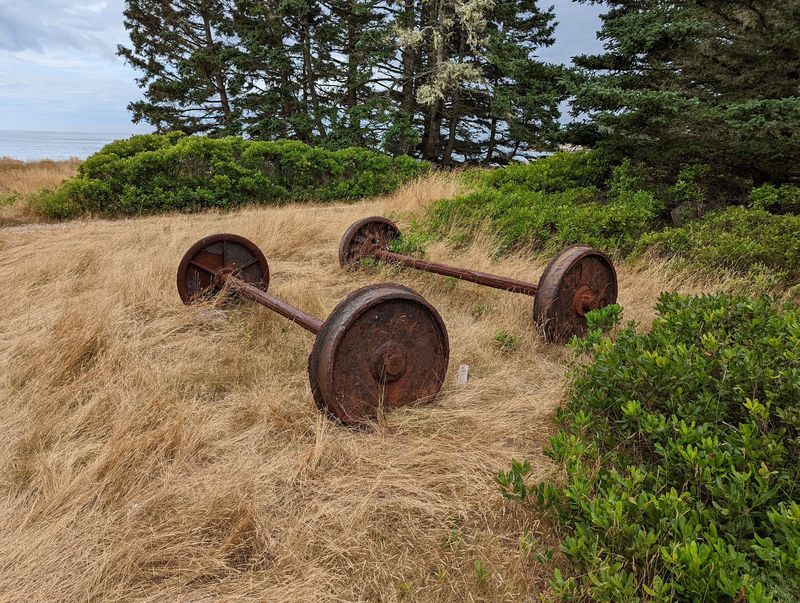
From 1964 to 2006, a whole different crowd called this island home base. The Hurricane Island Outward Bound School ran its programs here.
Students learned sailing, hiking, and survival skills on and around the island. Those granite ledges made a natural training ground.
Before that, the island sat with a bank for a while. Then William Gaston bought it in 1936, and his family still connects to its story today.
That’s a long chain of chapters. Stonecutters, adventurers, and now scientists have all shaped how the island feels.
History hikes may be scheduled depending on program schedules. They’re a great option for anyone who wants the stories behind the stones.
Science demonstrations with researchers can sometimes be arranged too. Combine both, and you get past and present in one trip.
I believe that’s the real magic of Hurricane Island. Each group added something new without fully erasing what came before.
So when you stand among those quiet ruins, you’re standing in layers. Few spots in Maine pack this much story onto one rocky island.