
This Little-Known Place In Wyoming Offers Some Of The Most Incredible Views In The State
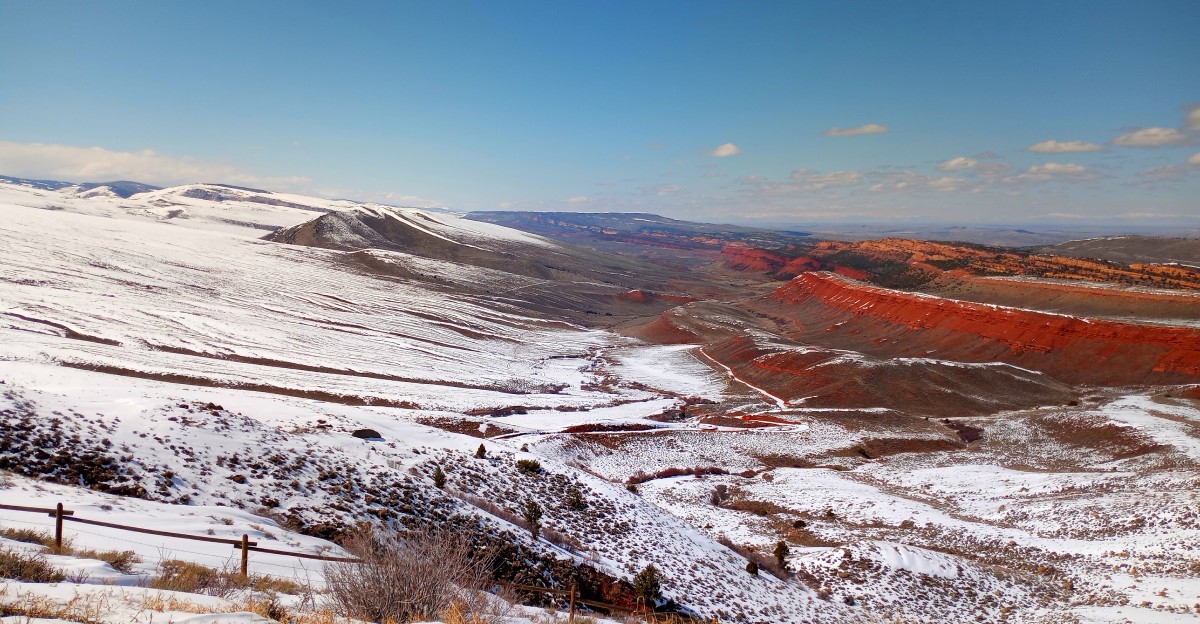
A whole canyon glows brick red, and the color comes from iron that basically rusted millions of years ago. That alone made me stop and stare at the photos.
Then I learned that herds of elk gather in this canyon during winter. In early June, wildflowers can carpet the floor below.
I can’t imagine a roadside pullout doing more with so little fuss.
This spot sits in Wyoming, right off a quiet highway. There’s no ticket booth and no long hike to earn the view.
You just park, step out, and the land does the talking.
I like how it rewards anyone curious enough to pull over. Most drivers probably zoom right past it.
So what makes a simple overlook feel like one of the best views in the whole state? Let’s find out together.
Pull Over Here And Your Jaw Will Handle The Rest
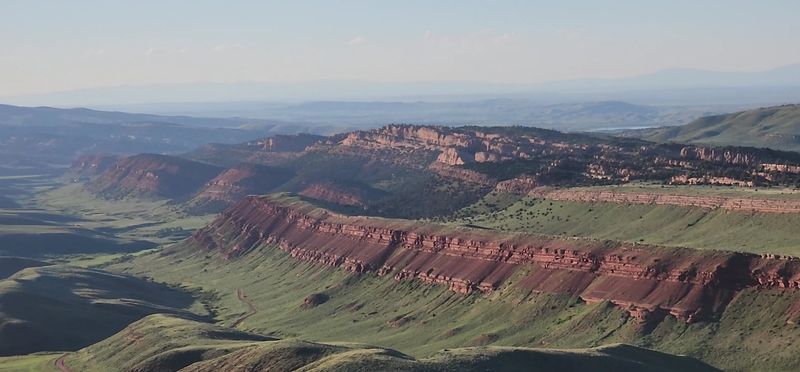
Red Canyon Overlook, often called Red Canyon Scenic Overlook, delivers a huge view with almost zero effort. It sits right beside Wyoming Highway 28, so the payoff starts the second you park.
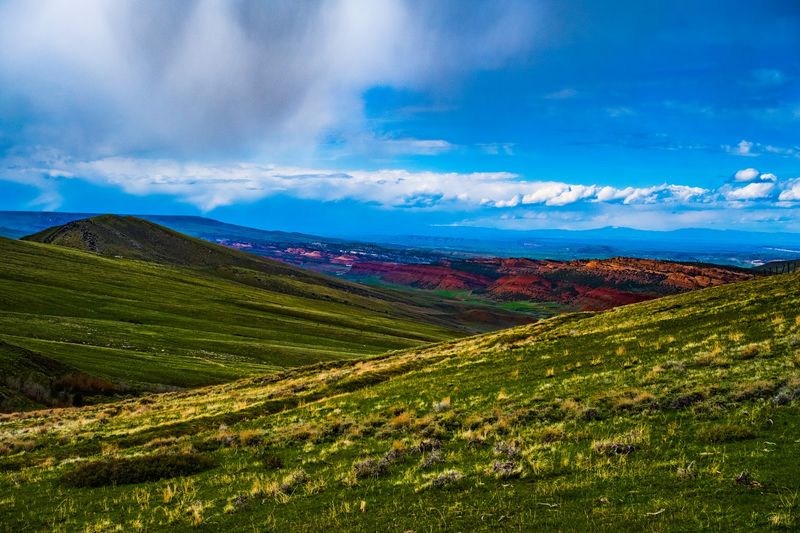
The canyon spreads out below in long stripes of red, green, and tan. It ranks among the most scenic vistas in Wyoming, and that reputation feels well earned.
You don’t need hiking boots or a trail map for this one. A paved turnout puts you right at the rim, which makes it easy for nearly any traveler.
That ease is a big part of the charm. Plenty of famous views demand hours of effort, while this one asks for a few minutes and a little curiosity.
Take your time once you arrive, though. The longer you look, the more details pop out, from curving ridges to the creek winding through the middle.
Bring a jacket, because the rim can get breezy. Wind is part of the deal on a wide-open Wyoming overlook, so dress for it.
Quick stop or long pause, the scene stays generous either way. Few roadside pullouts in the region pack this much drama into one glance.
That Fiery Red Color Has A Rusty Secret
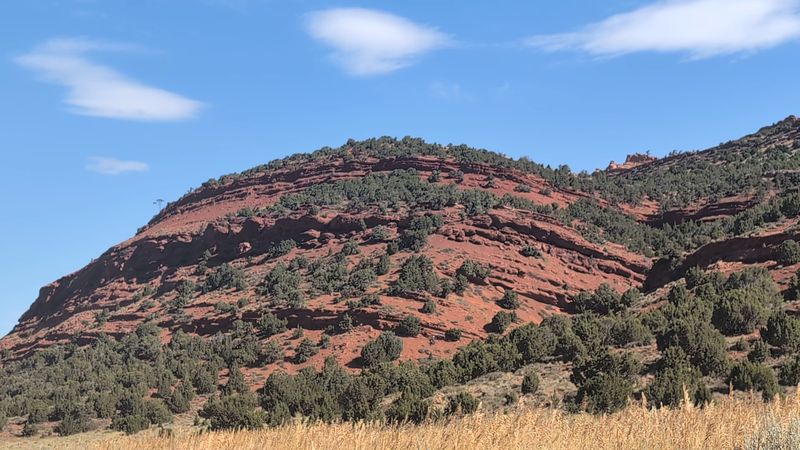
Rust built this masterpiece, more or less. The bright red walls come from the Triassic Chugwater formation, packed with oxidized iron deposits.
That formation is made of brick red sandstone, shale, and siltstone. Over time, the iron inside reacted and gave the rock its bold, unforgettable color.
Science rarely looks this good from a parking area. Most rocks blend into the background, but these practically wave at passing cars.
The color also shifts with the light. Midday sun makes the red look sharp and bright, while later hours soften it into warmer tones.
Kids might enjoy the rusty-rock explanation, too. It turns a pretty view into a quick earth science lesson without anyone noticing they’re learning.
Try comparing the canyon to anything red in your car. A water bottle or jacket can help show just how intense the rock color really is.
Good luck finding a more colorful geology class anywhere in Wyoming. Red Canyon Scenic Overlook makes ancient chemistry feel surprisingly fun and very easy to remember.
Snap a photo of the layers before you leave. You’ll want proof that rock this red actually exists.
Each Side Of The Canyon Tells A Different Story
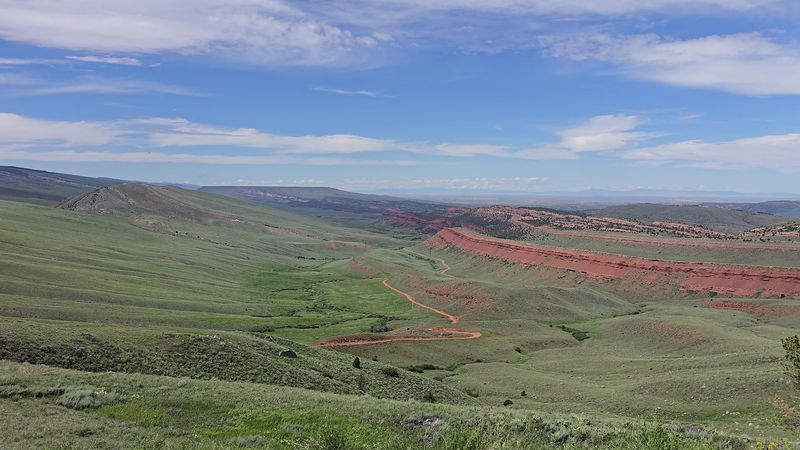
Look left, then look right, and you’ll notice the canyon isn’t the same on both sides. Each wall comes from a very different chapter of Earth’s history.
The west side has long, grass-covered slopes of the Permian Phosphoria formation. They roll down gently and give the scene a soft, green edge.
Across the way stands Red Canyon Rim. It’s built from salmon-colored Jurassic Nugget sandstone, formed from ancient tidal flats and beach sediment.
Yes, beaches once existed in this part of Wyoming. That fact feels a little wild while you’re standing high above a dry canyon.
The canyon itself took shape about 60 million years ago. It formed during the uplift of the Wind River Range, which pushed these rock layers into view.
Knowing this changes the way you see the place. Those stripes aren’t just pretty decorations, since they’re stacked timelines you can read with your eyes.
Stop by the interpretive signs if you want more context. They help connect the colors to the long story underneath them.
Honestly, it’s like a giant history book left open on the landscape. Nobody even charges a library fee.
Winter Brings Thousands Of Elk To The Party
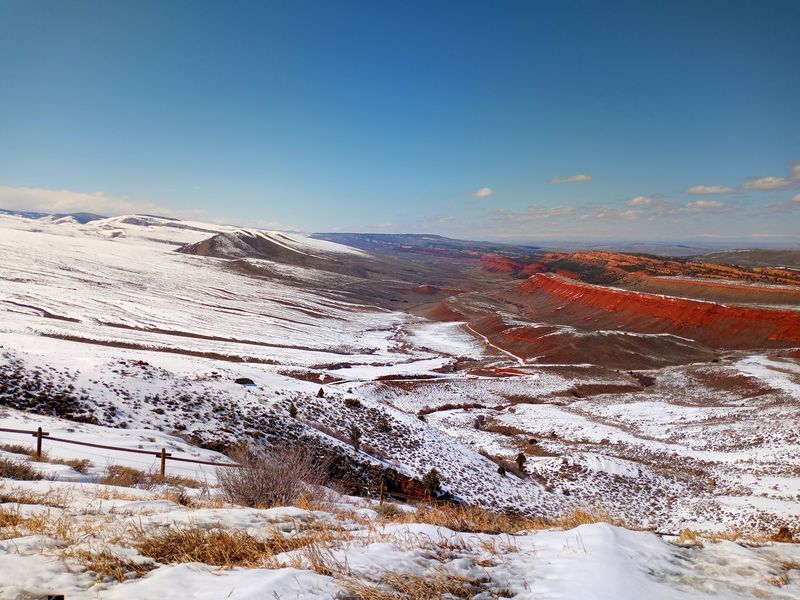
Snow doesn’t make this canyon quiet. In winter, herds of elk may be seen feeding on the slopes below the overlook.
The wildlife management area is closed to human entry from December 1 through April 30, so visitors should watch from the highway rather than enter the protected habitat.
That’s a big reason the area matters so much. The Wyoming Game and Fish Department manages the roughly 1,987-acre Red Canyon Wildlife Habitat Management Area, which provides important winter habitat for elk and other wildlife.
It was set up in 1958, so elk have had decades of protected space. The canyon gives them shelter and food when the season turns harsh.
Bring binoculars if you have them. Elk can look like tiny dots from the rim, and a closer view makes the scene much more exciting.
Keep your distance and stay near your vehicle. Wildlife needs its energy in cold months, so watching quietly from above is the kind choice.
Winter roads can be tricky, too. Check conditions before heading out on Highway 28, and pack warm layers plus snacks.
The overlook stays open year-round, which makes winter visits possible. Red Canyon Scenic Overlook offers a totally different show once the red rock wears a snowy coat.
Red, white, and dotted with elk. That’s a color scheme worth bundling up for.
Early June Turns The Canyon Into A Flower Show
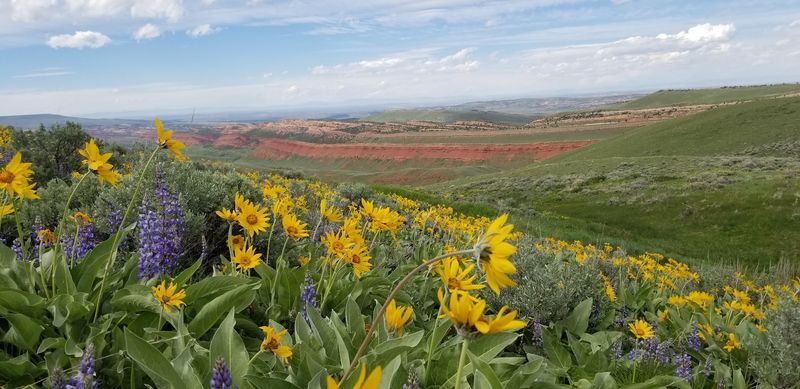
Timing your trip around flowers might sound fancy. Here, it pays off in a big way, usually during the first two weeks of June.
That’s when thousands of wildflowers can blanket the canyon floor. Yellow, purple, and pink blooms mix with the red rock for a seriously cheerful scene.
Look for arrowleaf balsamroot, which brings bright yellow color. Silvery lupine adds purple, while phlox and sticky geranium fill in softer shades.
Fun fact: sticky geranium really does feel a little sticky. The name isn’t a joke, even though it sounds like one.
The flowers can change from year to year based on weather. A wetter spring may bring a fuller show, so plan with some flexibility.
Photographers should aim for softer light. Morning or late afternoon helps the colors glow without harsh shadows washing everything out.
Please admire the blooms without picking them. Leaving them in place keeps the canyon lovely for wildlife and the next lucky visitor.
Few things look better than red rock framed by spring color. It’s a short window, so mark your calendar early and keep those June plans handy.
Fall Colors Give The Red Rock Some Serious Competition
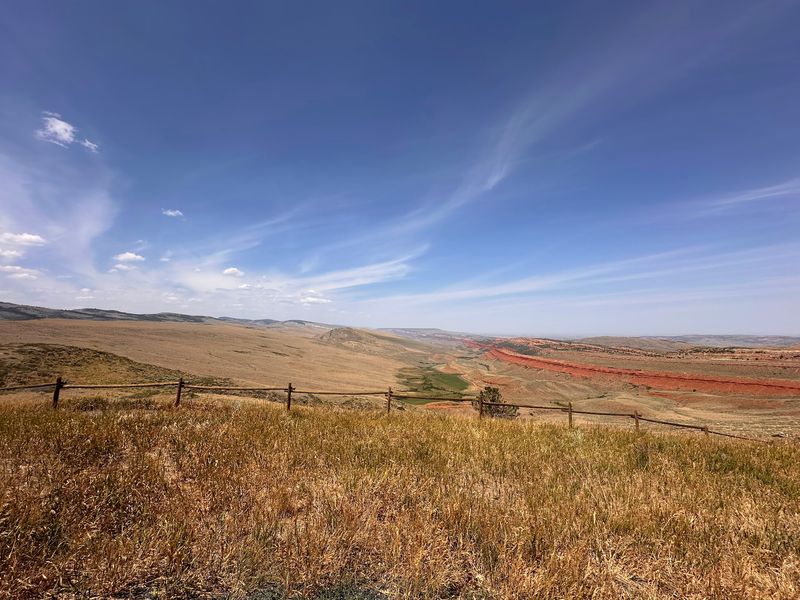
Autumn quietly repaints the whole scene. Green slopes slowly shift into subtle shades of red, orange, and amber.
The effect is softer than a bright leaf show back east. Still, those warm tones blend beautifully with the red canyon walls.
It feels like the landscape is matching its own outfit. Everything seems to glow together, especially when the sun sits low.
Late-day light works wonders here. Shadows deepen along the slopes, and the ridges and furrows start to stand out more clearly.
Fall can also bring cooler air and fewer summer travelers on the highway. That makes it a peaceful time to linger and soak in the view.
Pack a warm layer, since temperatures can drop quickly in the evening. A thermos of hot cocoa wouldn’t hurt either.
This season suits slow travelers best. Stand at the rim for a while, and you’ll notice small color changes as clouds drift across the sun.
Wyoming autumn has plenty of pretty spots. This one stands out because the rock itself joins the color party instead of just watching from the sidelines.
People Have Been Passing Through For Over 10,000 Years
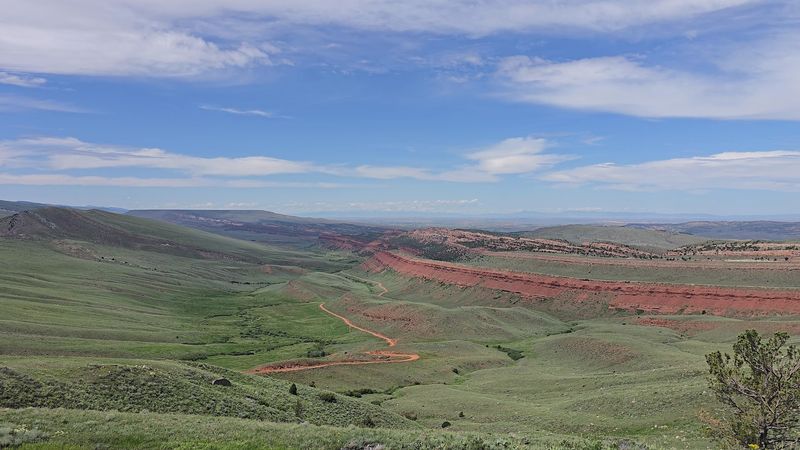
Your road trip is part of a very long tradition. Evidence points to more than 10,000 years of human activity in this canyon.
The Shoshone used it as a travel route between South Pass and the Wind River Basin. It made sense, since the canyon offers a natural pathway through the land.
White settlers arrived in the 1870s and started farms here. They grew fresh fruit and grains for miners in South Pass City and Atlantic City.
Fresh fruit in a mining region? That must have been a welcome treat for hard-working miners far from big towns.
The canyon also served as a stagecoach station in the late 1800s. Remnants of original buildings still remain, along with the old route, now a county road.
From the overlook, you can follow Red Canyon Creek winding through the middle. It helps you picture how travelers moved through this valley long ago.
History here doesn’t sit behind glass. It stretches across the land below, quiet and open for anyone who stops to look.
That makes a quick photo stop feel a lot more meaningful.
Protected Land Keeps This View Wild And Wonderful
A national honor sits right below your feet. Red Canyon is recognized as a National Natural Landmark, which highlights its special natural value.
The Nature Conservancy also owns Red Canyon Ranch in the heart of the canyon. It bought the working ranch in 1993 to protect biodiversity and stop habitat fragmentation.
That teamwork matters for the animals living here. Mule deer, pronghorn, moose, ruffed grouse, and blue grouse all call the area home.
Songbirds and small mammals round out the cast. Keep your ears open, because the canyon can sound as lively as it looks.
The overlook itself is managed by the Bureau of Land Management Lander Field Office. Several groups help keep this landscape healthy and open.
Visitors can help, too. Stay on durable ground, pack out trash, and give every creature plenty of space.
It’s comforting to know this view isn’t likely to vanish behind new buildings. Protection keeps Red Canyon Scenic Overlook looking much like it should.
Wild places like this need fans who treat them kindly. Consider yourself officially recruited.
Plan A Sunset Stop On Your Highway 28 Drive
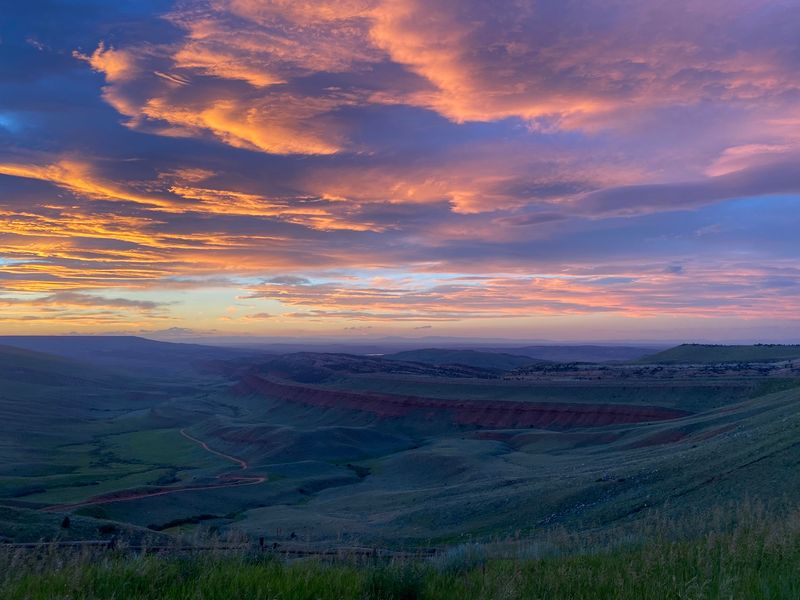
Finding it is the easy part. Red Canyon Scenic Overlook sits along Wyoming Highway 28, 24 miles south of Lander, WY 82520, in Fremont County.
The pullout fits nicely into a scenic drive from Lander toward South Pass. Interpretive signs along the way share helpful background about the area.
The overlook is open 24 hours, all year. That means sunrise, sunset, and everything in between are fair game.
Sunset is a smart choice when you can swing it. Low sun deepens the reds and makes those canyon furrows look even more dramatic.
Plan ahead for basics, though. Official sources don’t mention restrooms or picnic tables at the overlook, so take care of needs in Lander first.
Gas up, grab water, and pack snacks before heading south. Services can be spread out on rural Wyoming roads.
Bring a camera or phone with plenty of space. This spot is a favorite for photography, and you’ll probably take more pictures than planned.
Five minutes might be enough for a quick look. Still, don’t be surprised if you end up staying much longer than expected.